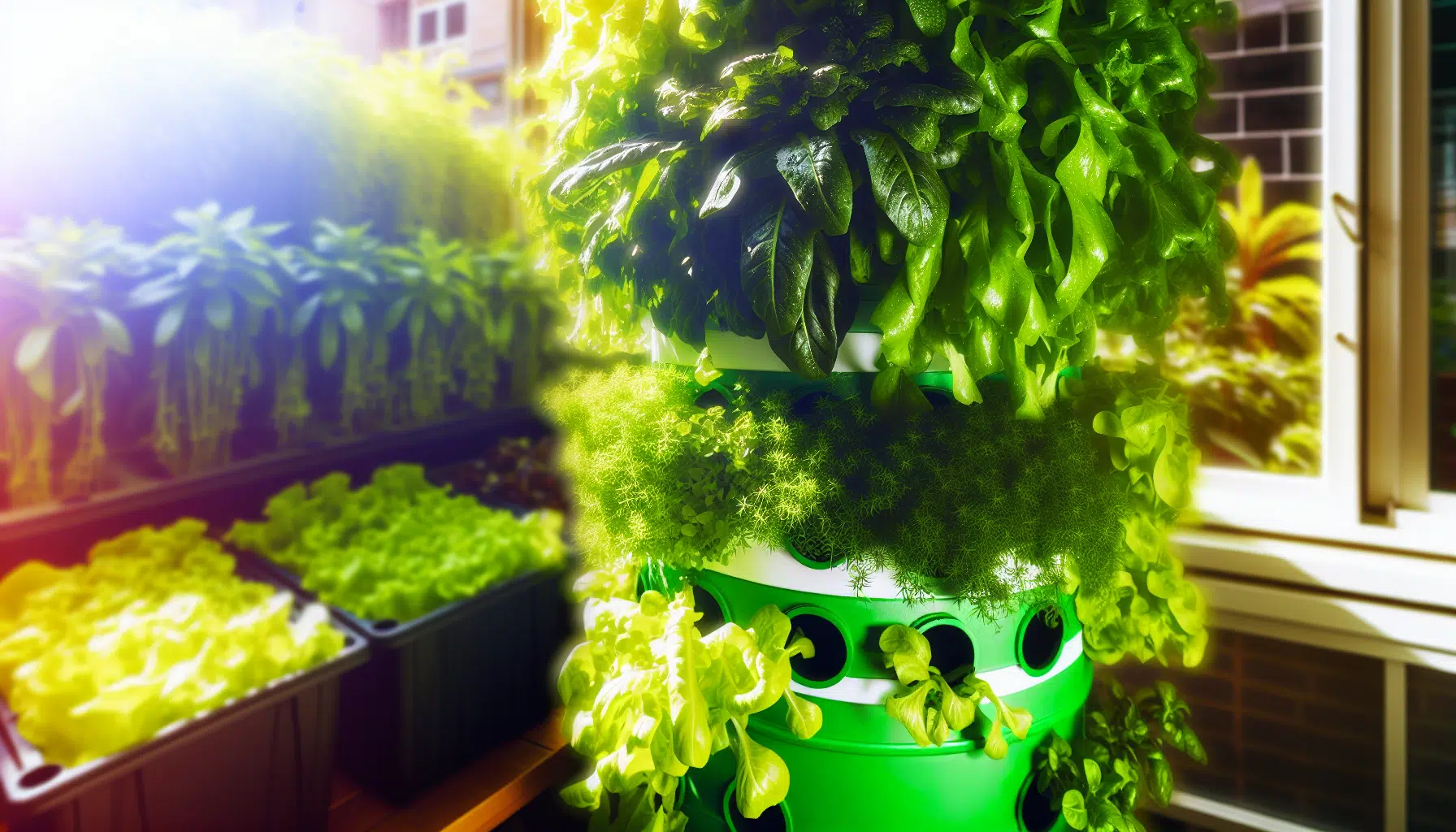
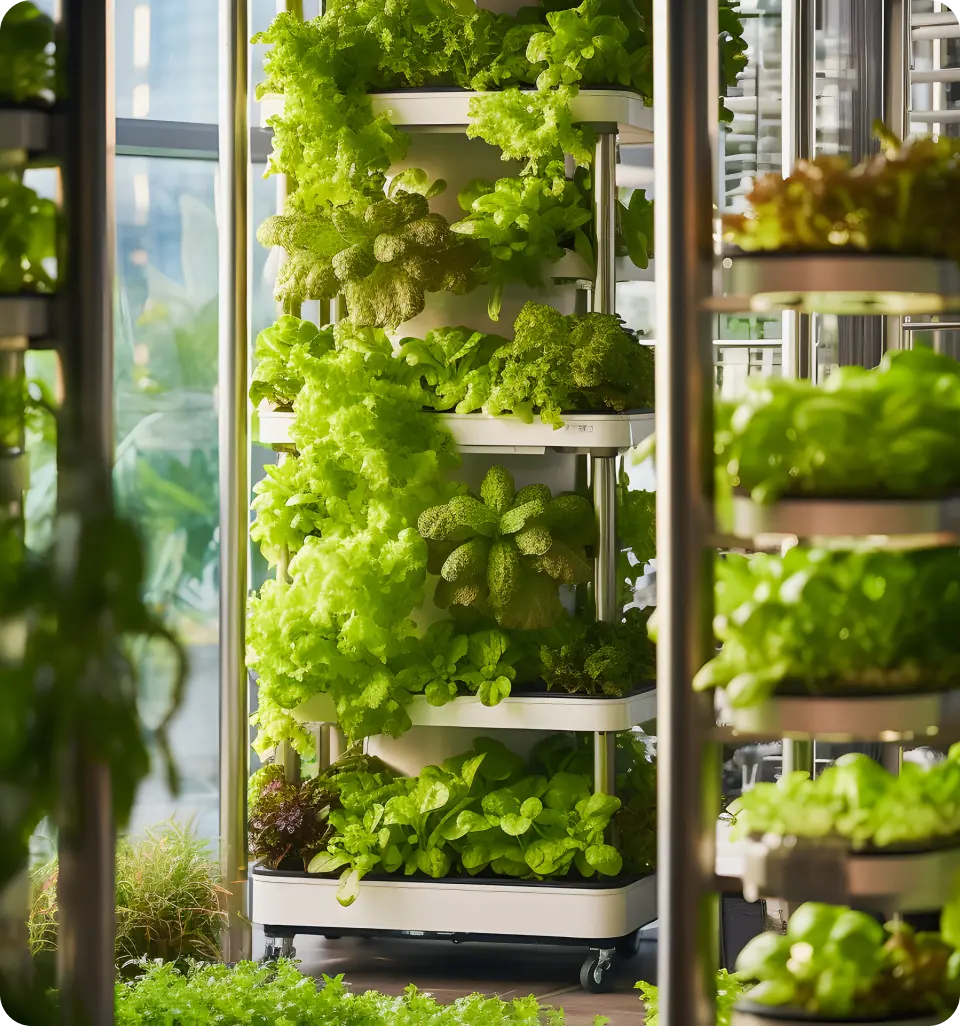
A hydroponic tower garden is a vertical, soilless growing system that circulates nutrient-rich water directly to plant roots, allowing you to grow fresh greens, herbs, and vegetables in remarkably small spaces. Whether you have a compact apartment balcony or a sunny corner in your kitchen, these tower systems make it possible to harvest nutritious food year-round without ever touching soil.
Compared to traditional soil gardening, a hydroponic garden tower offers dramatic advantages. Hydroponic systems use up to 90–98% less water than conventional soil-based farming, plants grow up to 30% faster, and there’s no messy dirt to track indoors. When used indoors with LED grow lights or a highly efficient aeroponics tower gardening system, hydroponic systems enable year-round growing regardless of outdoor weather.
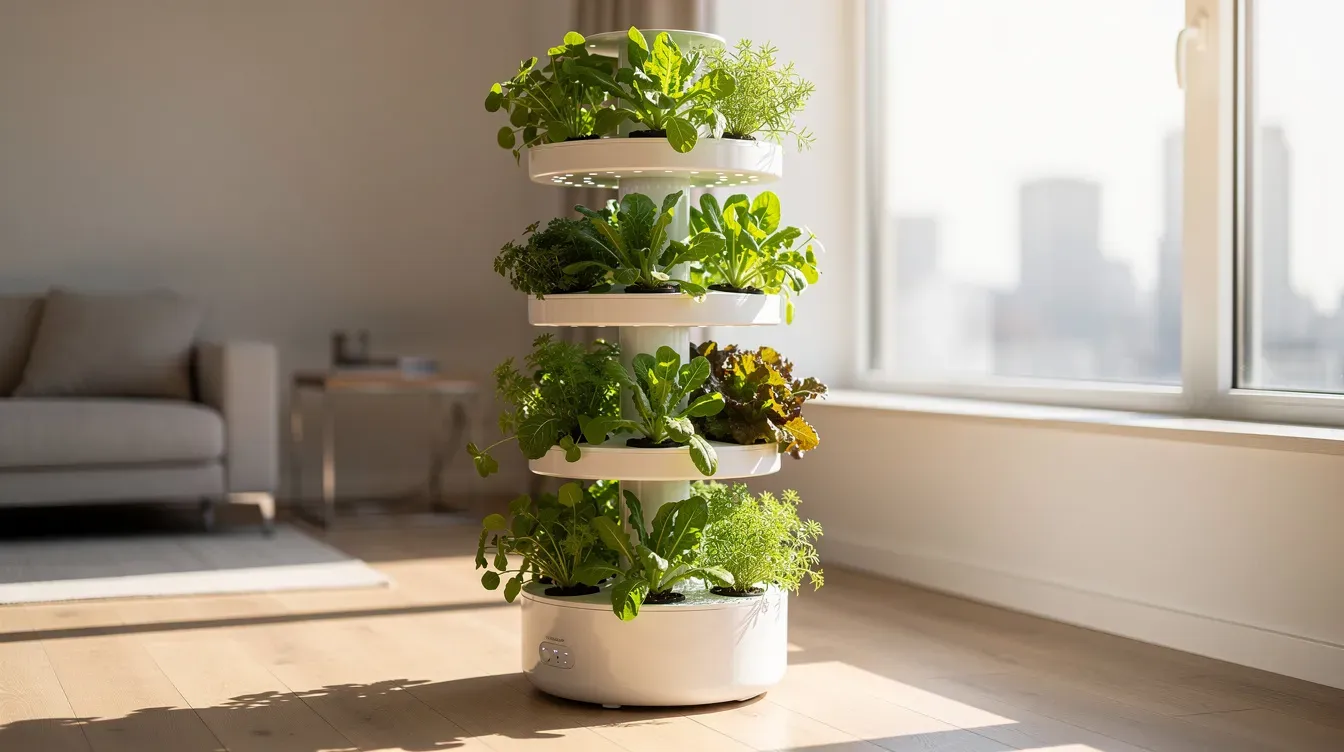
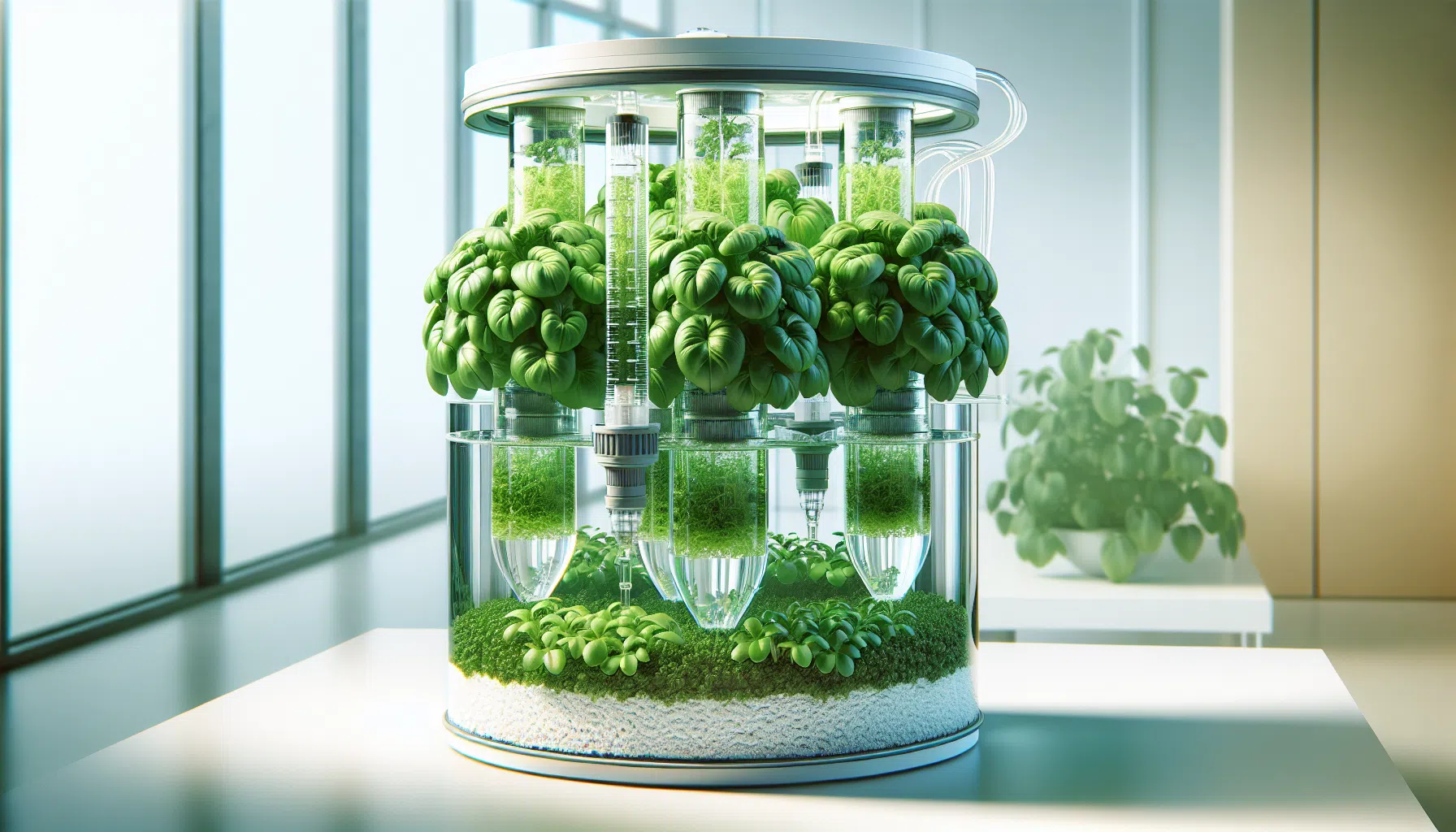
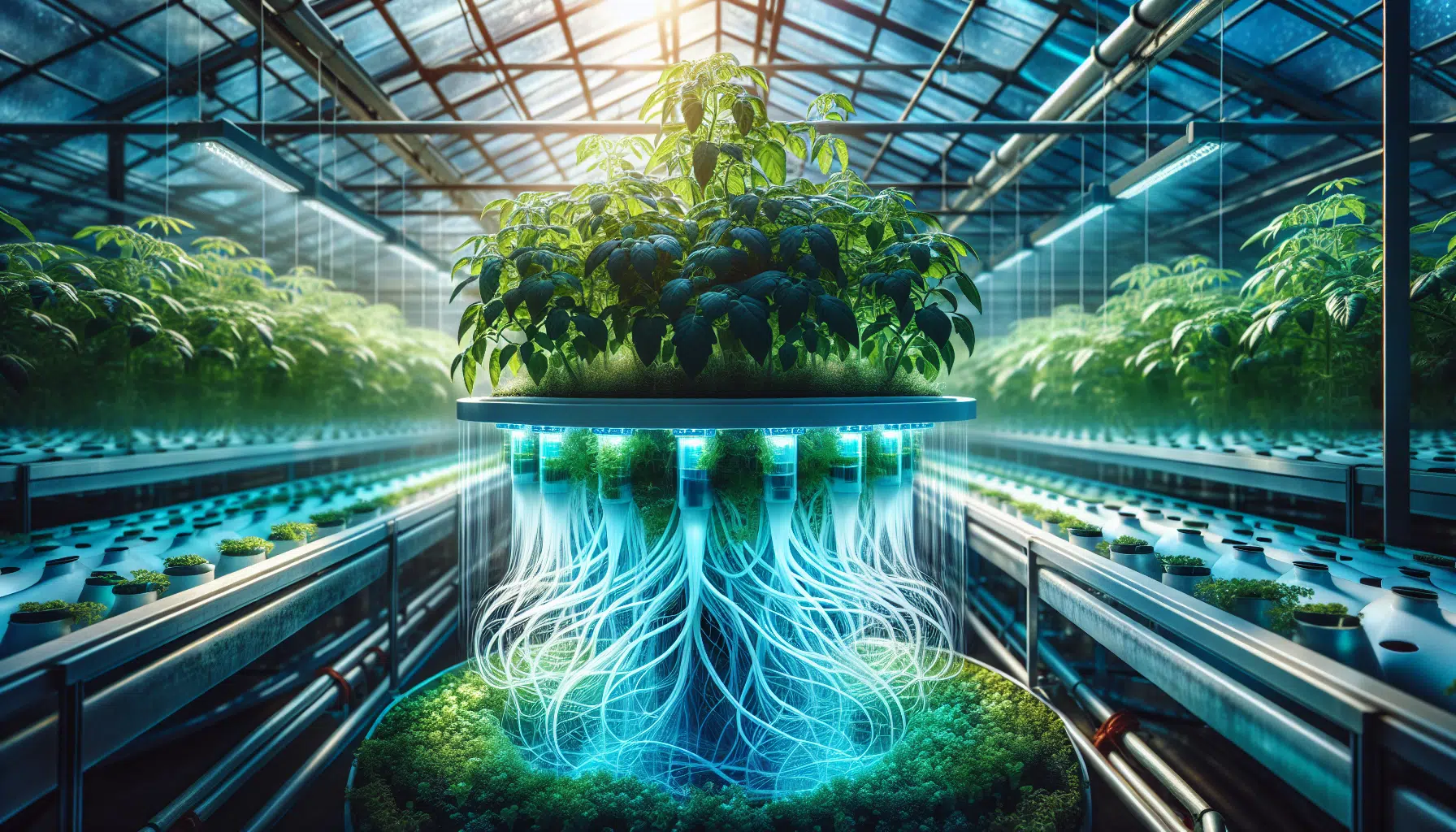
The concept is straightforward: a vertical tower holds multiple planting sites while a submersible pump sends nutrient solution upward, where it flows past roots before returning to the reservoir. Systems like the Alto Garden or similar garden tower designs make indoor gardening accessible to beginners. Hydroponic towers can produce a high volume of food—often 40 to 80+ plants—in a footprint as small as 2 to 3 square feet, maximizing verticality to deliver the equivalent of a 25-square-foot traditional garden in a fraction of that space, much like an indoor hydroponic vertical garden system.

A hydroponic tower operates on simple principles. Water mixed with dissolved nutrients cycles continuously through the system, delivering everything plants need directly to their roots.
Core components include:
Vertical column (tower body): A central structure with multiple planting ports stacked in layers
Planting sites: Openings that hold net pots where seedlings grow
Internal water pipe: A riser tube carrying solution from base to top
Reservoir tank: An opaque container at the bottom holding 10-25 liters of nutrient solution
Submersible pump: Moves water upward on a timer cycle
The pump sends nutrient solution to the top of the tower, where it trickles or sprays down over roots before draining back into the reservoir. This closed-loop design recycles water continuously, which is why hydroponic growing uses dramatically less water than conventional farming methods.
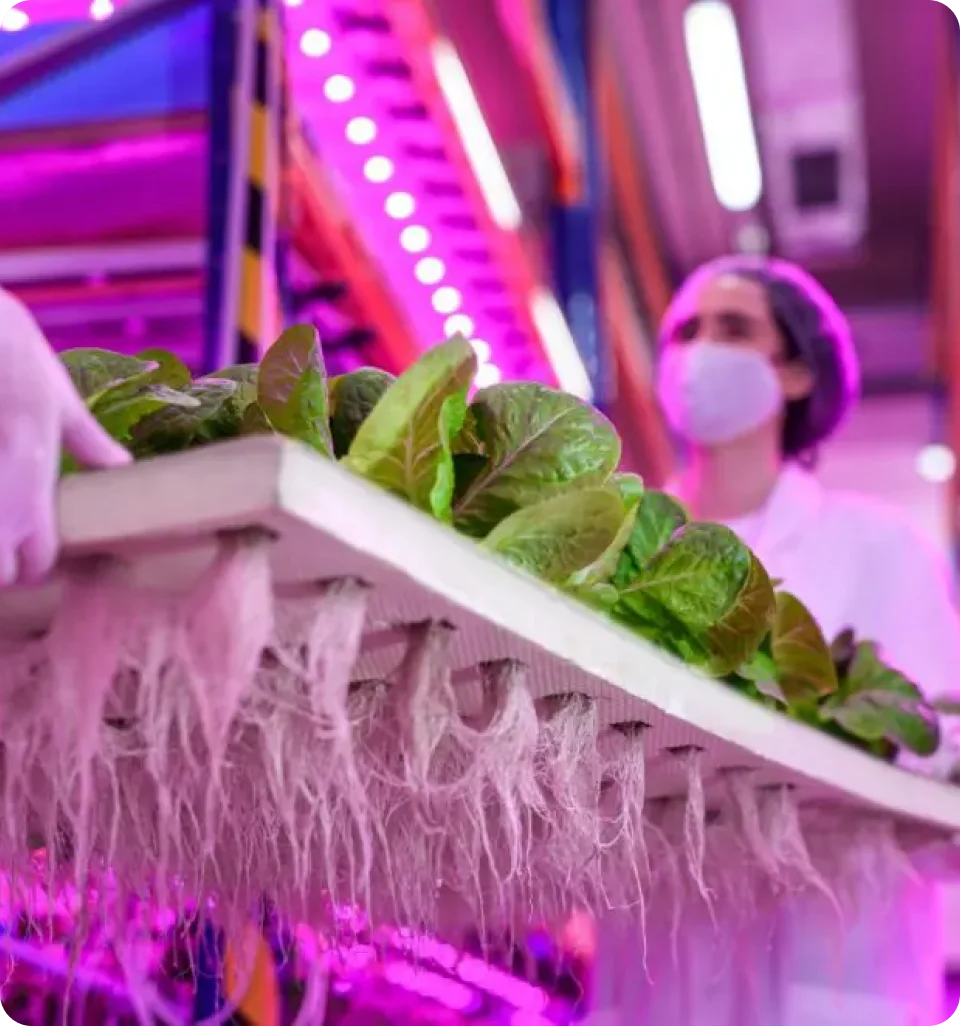
Some tower systems use aeroponics, where roots are suspended in air and misted with fine nutrient droplets. Many towers use aeroponic towers for home growing, where roots are suspended in the air most of the time to absorb more oxygen, which can lead to up to 3x faster growth than traditional soil gardening. Hydroponic tower gardens allow for consistent watering and nutrient delivery, which can lead to healthier plants and higher yields compared to traditional gardening methods.
Vertical hydroponic systems appeal to urban gardeners, renters, and busy families who want fresh nutrient-rich produce without the hassle of traditional gardening.
Space efficiency: A vertical hydroponic growing system can accommodate up to 28 plants in less than six square feet of space, making it highly efficient in terms of space utilization. A 9-layer, 36-pot grow tower takes up minimal floor space while maximizing your harvest potential.
Fast growth: Hydroponic systems can grow plants up to 30% faster than traditional soil gardening methods, allowing for more growing days in a season. Plants in aeroponic towers designed for home use or hydroponic towers can grow up to 3x faster and produce 30% higher yields on average compared to soil.
Water and nutrient efficiency: The recirculating system delivers a fresh nutrient solution on demand while wasting almost nothing to evaporation or runoff.
Cleaner and easier: Hydroponic tower gardens eliminate soil-borne diseases and pests, drastically reducing or completely eliminating the need for chemical pesticides and herbicides. No weeding, no heavy bags of soil.
Year-round harvests: Hydroponic tower gardens eliminate soil-borne diseases and weeds, producing 30% higher yields and allowing for year-round, nutrient-dense harvesting when paired with grow lights.
Quality of produce: Greens harvested minutes before eating retain more nutrients than store-bought alternatives that spent days in transit.
Hydroponic tower gardens require minimal maintenance, often needing only 15 minutes of upkeep per week due to automation.
Most home hydroponic systems—whether an Alto Garden–style setup, a GX hydroponic tower, a Nutraponics GrowTower hydroponic garden, or a DIY grow tower—share similar core components.
Component | Function |
|---|---|
Tower body | Food-grade plastic with modular layers and planting ports |
Net pots | Small mesh containers holding growing media and seedlings |
Growing media | Rockwool cubes or clay pebbles to support roots |
Reservoir | Opaque tank (prevents algae) holding nutrient-rich water |
Submersible pump | Circulates solution through the system |
Timer | Automates pump cycles and grow lights |
The net pots fit into planting ports, allowing roots to extend into the nutrient stream while the growing media anchors each plant. These vertical systems can accommodate multiple plants in a compact space, allowing for efficient use of limited areas such as balconies or small gardens, especially when using a premium indoor hydroponic tower system. |
Optional accessories include full-spectrum grow lights for indoor use, pH and EC meters for monitoring water quality, and backup timers for reliability, all of which enhance the efficiency of hydroponic tower systems and their operation.
In a hydroponic garden tower, plants receive all their nutrition from dissolved nutrients in water rather than from soil. This makes selecting and managing your nutrient solution critical to success.
What to know:
A “complete” hydroponic nutrient contains both macro elements (nitrogen, phosphorus, potassium) and micro elements (iron, calcium, magnesium)
Leafy greens require different nutrient ratios than fruiting plants
Ready-made liquid nutrients (like General Hydroponics FloraSeries) simplify dosing for beginners
Ideal pH range for most crops falls between 5.8 and 6.5
Maintaining a hydroponic tower garden involves monitoring pH levels and nutrient balance, which is essential for optimal plant growth, especially in indoor hydroponic tower gardens. When pH drifts outside the optimal range, roots cannot absorb certain nutrients effectively.
Weekly maintenance includes:
Topping up the reservoir with fresh water
Adjusting nutrient concentration
Checking pH and making corrections
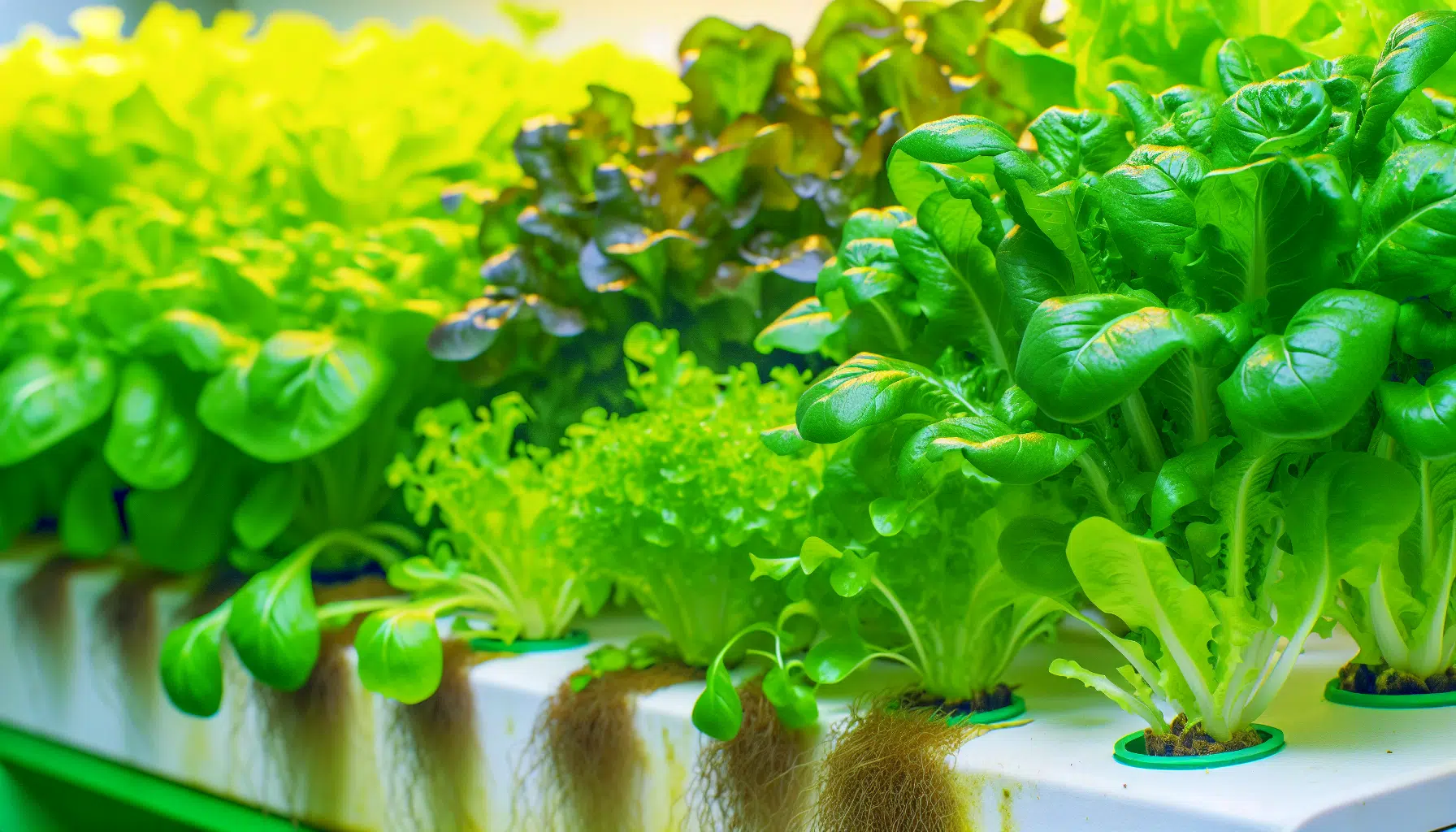
Start with easy, fast growth crops before advancing to more demanding vegetables. Hydroponic towers excel at growing leafy greens, herbs, and other top plants for hydroponics.
Ideal beginner crops:
Lettuce mixes
Spinach
Basil
Mint
Parsley
Cilantro
Commonly grown items in a hydroponic tower include lettuce, herbs (such as basil and cilantro), strawberries, kale, and peppers. Lettuce and herbs are recommended as the best starting plants for beginners in hydroponic tower gardens due to their easier nutrient balance management.
Advanced crops:
Cherry tomatoes
Peppers
Cucumbers
Strawberries
Fruiting plants like tomatoes and peppers can also be grown in hydroponic tower gardens, but they are generally more challenging than leafy greens. Hydroponic tower gardens can accommodate a variety of plants, including cucumbers and eggplants, which thrive in controlled environments.
Match your plant choice to your setup: leafy greens thrive in lower-light indoor corners, while fruiting plants need sunny windows or strong grow lights.

Setting up a hydroponic tower garden typically takes less than an hour, especially if the instruction manual provides clear guidance.
Step 1: Assemble the tower Unbox and stack the modular layers on a level surface. Ensure the base is stable and secure.
Step 2: Install plumbing Connect the submersible pump, tubing, and internal riser pipe. Test with plain water to verify even flow from top to bottom.
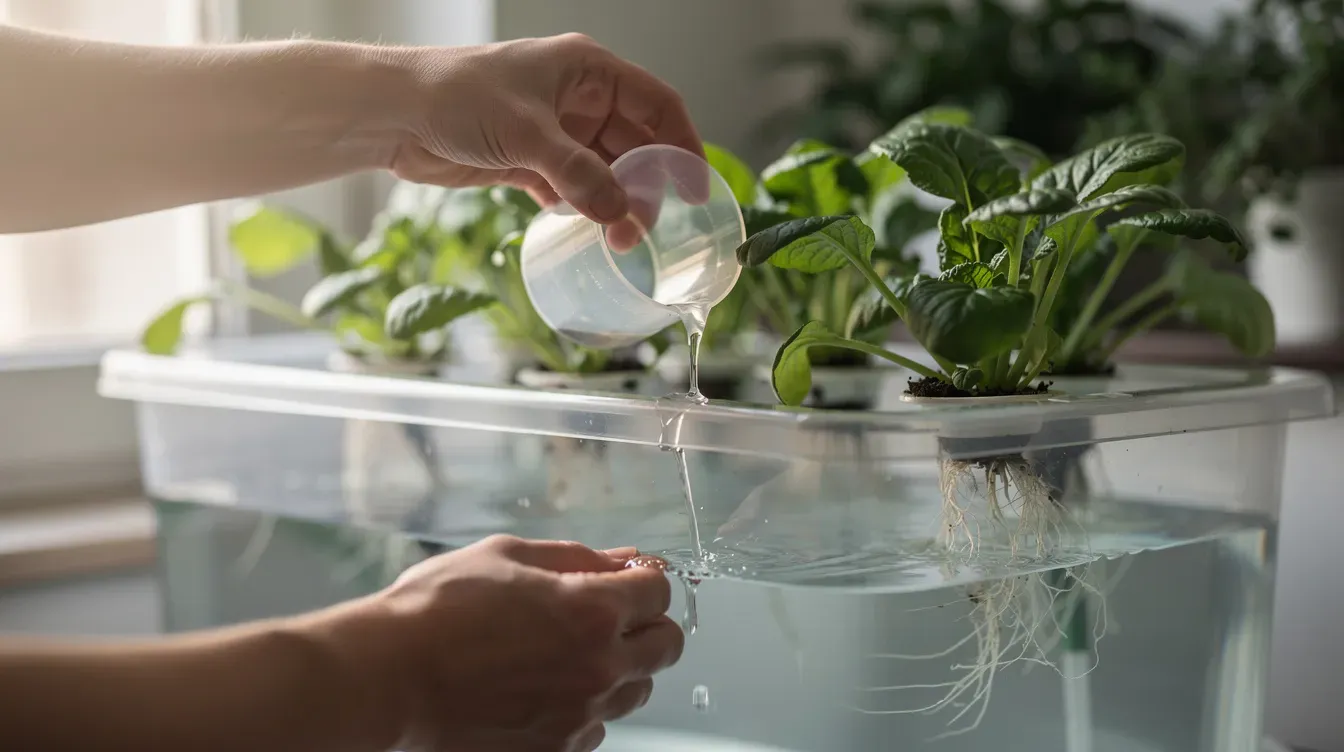
Step 3: Prepare nutrient solution Fill the reservoir with water, add nutrients according to the manufacturer’s chart, and adjust pH to 5.8-6.5.
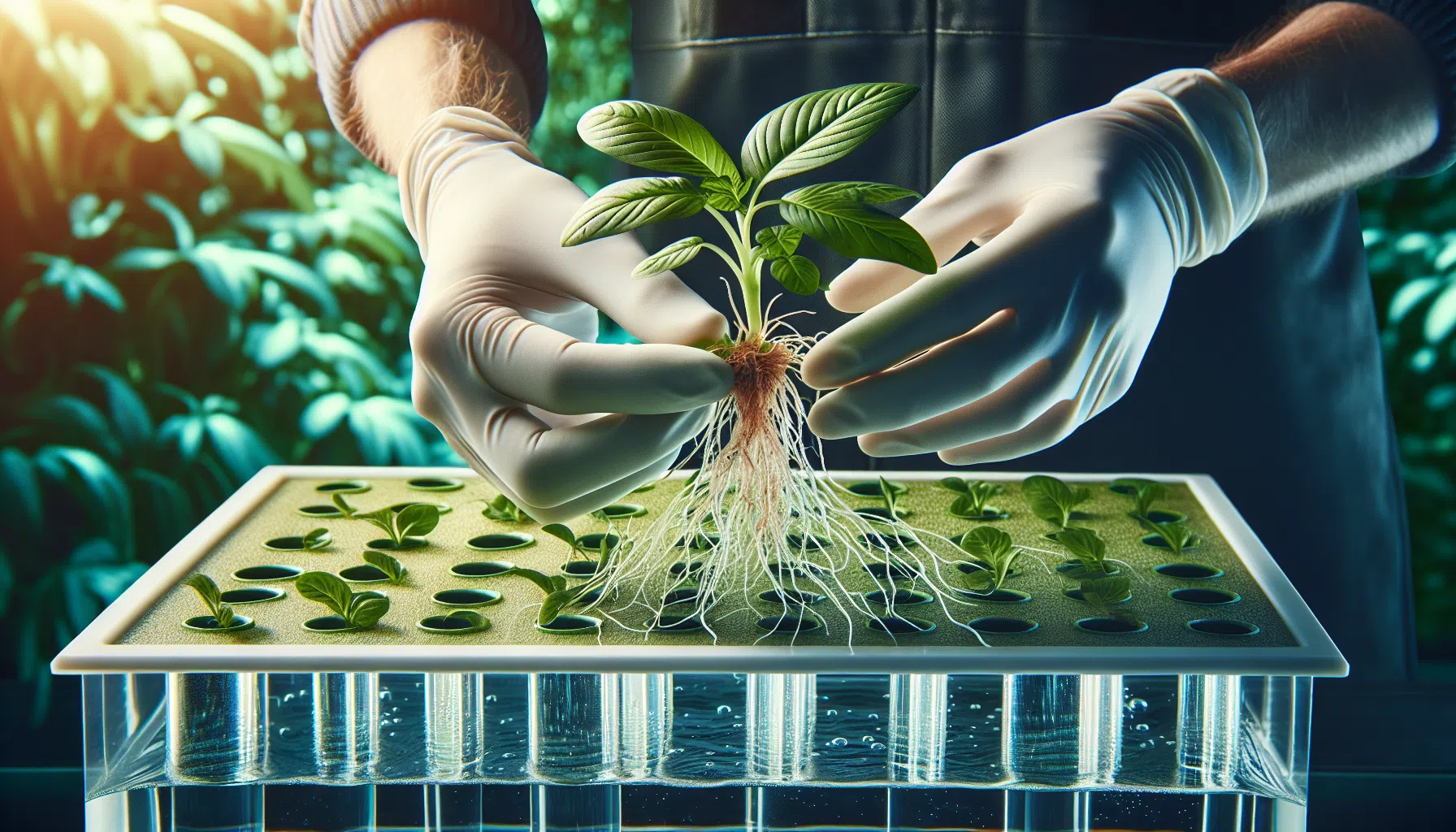
Step 4: Prepare seedlings Germinate seeds in starter plugs or purchase young plants. Rinse soil-grown seedlings thoroughly before transplanting.
Step 5: Insert plants Place net pots into the tower ports with roots oriented downward to contact the nutrient-rich water.
Step 6: Set timers Program pump cycles (typically 15 minutes on, 45 off) and grow lights (12-16 hours daily for greens).
Step 7: Monitor Watch for leaks, clogged emitters, or wilting plants during the first 48 hours. Make adjustments as needed.
Hydroponic tower gardens can accommodate up to 28 plants in less than six square feet of space, making them efficient for small areas, especially when using a complete indoor hydroponic grow system.

Your hydroponic tower can thrive on a sunny balcony or inside a kitchen, basement, or dedicated grow room—each environment offers distinct advantages.
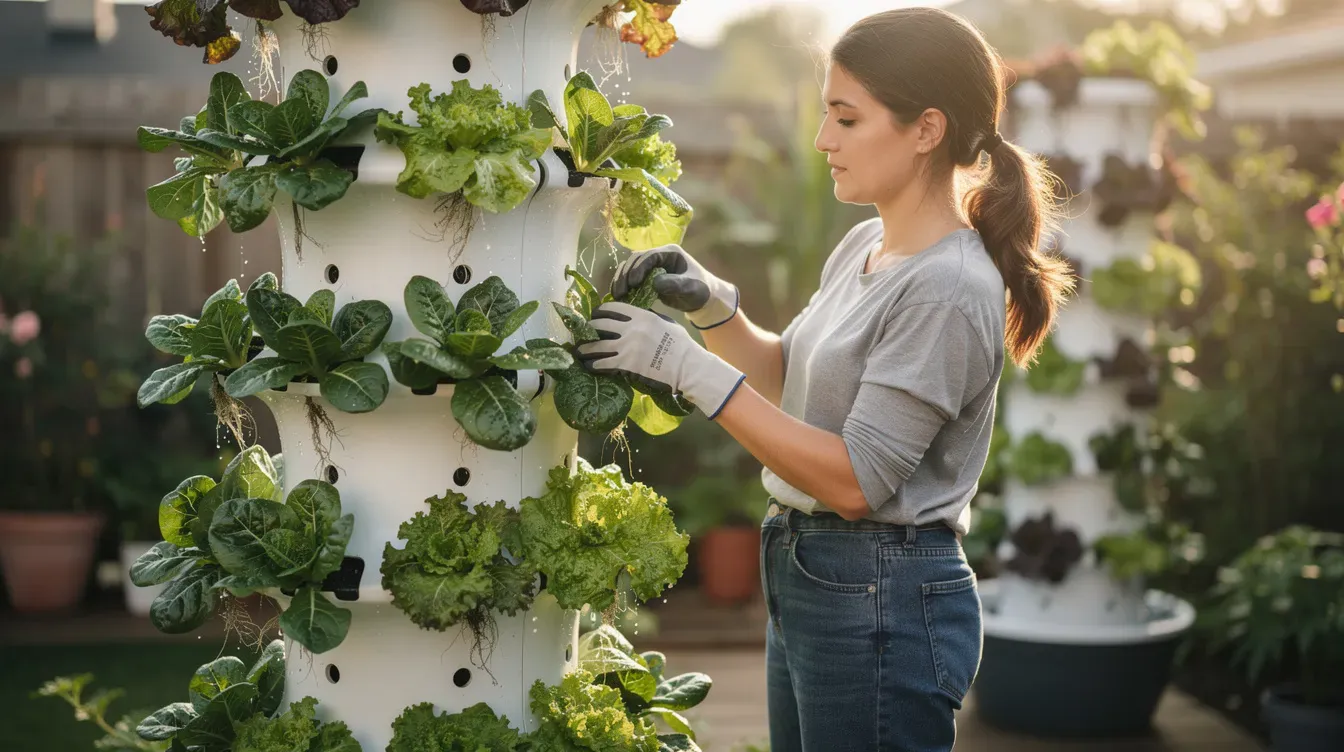
Outdoor use:
Ideal conditions: 15-30°C temperatures, 4-6+ hours direct sunlight
Position to avoid harsh midday sun in hot climates
Provide wind protection to prevent tip-over
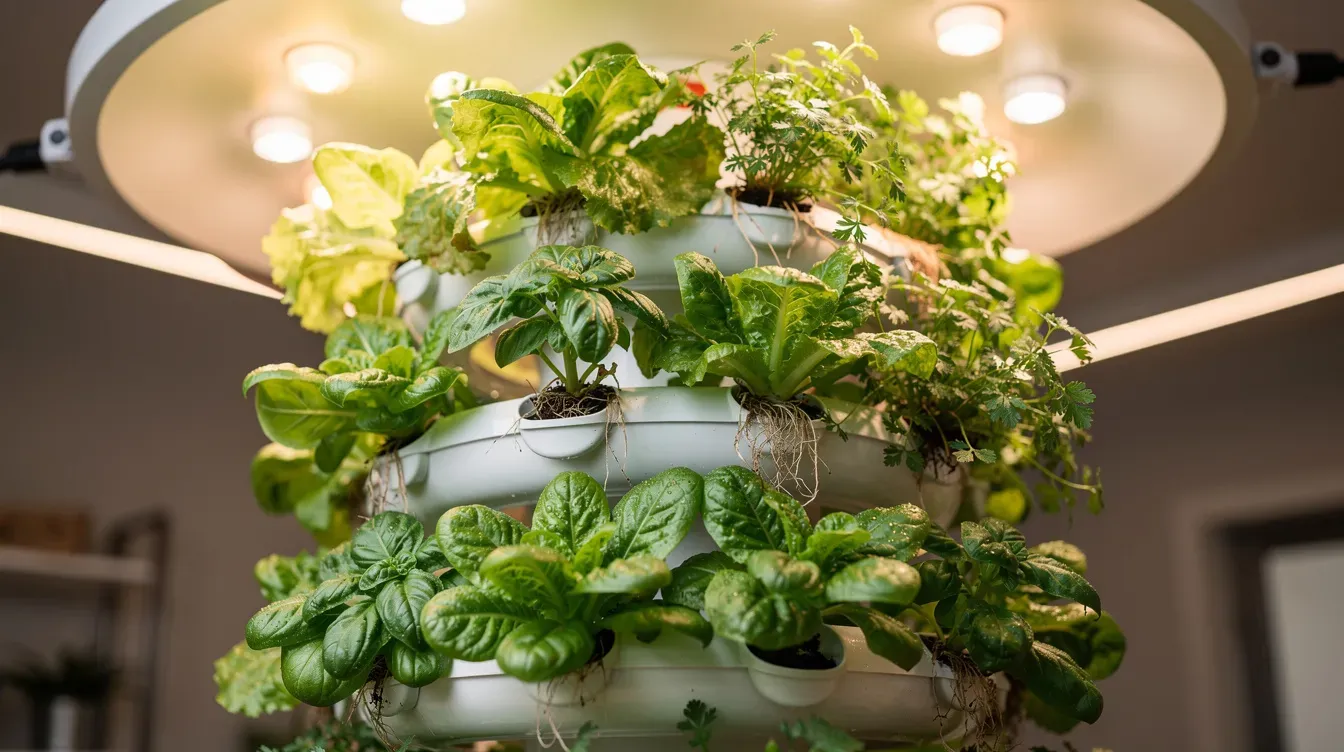
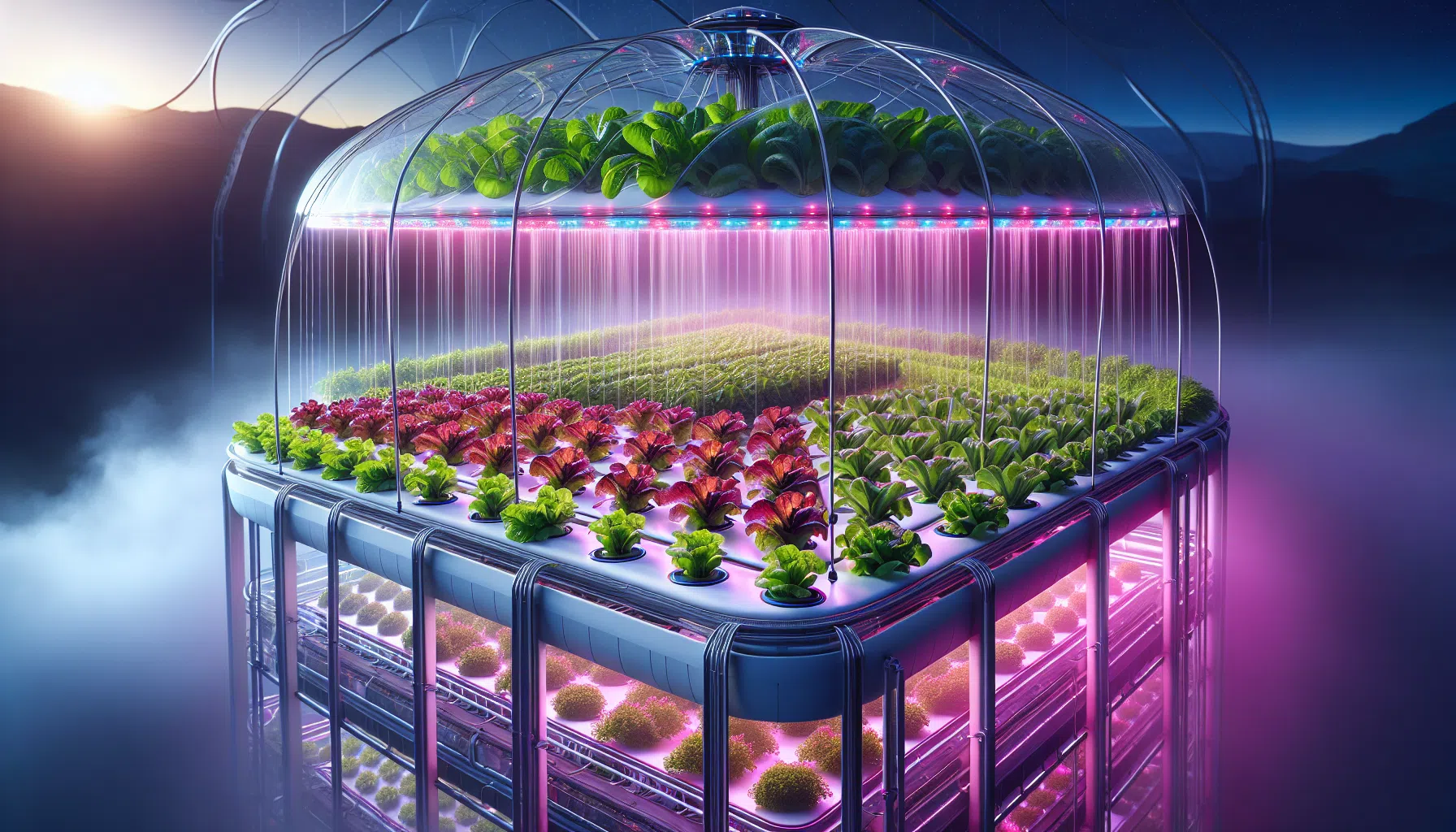
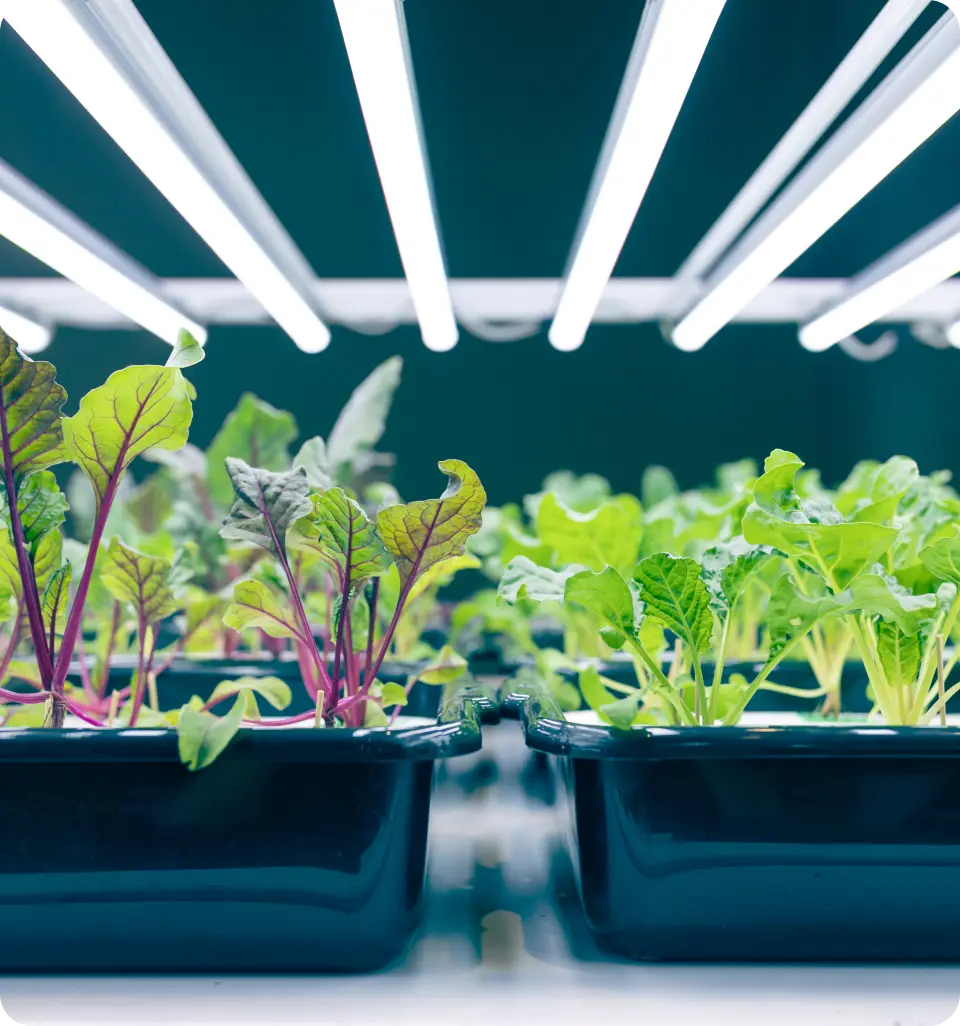
Indoor use: For indoor setups, hydroponic tower gardens with integrated LED grow lights provide an efficient, space-saving solution for year-round harvests.
Quality grow lights are essential
Maintain air circulation with small fans
Manage humidity (40-60%) to prevent mold
When used indoors with LED grow lights, hydroponic systems enable year-round growing regardless of outdoor weather. Many growers start seeds indoors, then move the tower outside once temperatures moderate, effectively extending their growing season by months.
Hydroponic tower gardens provide significant advantages over traditional soil gardening, particularly in resource efficiency and growth speed—but consistent maintenance keeps everything running smoothly.
Daily checks (2-3 minutes):
Verify water level in reservoir
Confirm pump is running
Quick visual inspection of leaves and roots
Weekly tasks (10-15 minutes):
Measure and adjust pH
Check nutrient concentration (EC/TDS)
Top up with water and nutrients
Monthly tasks:
Partial or full reservoir change
Clean pump filter
Wipe down tower surfaces
Signs of nutrient imbalance include yellowing leaves (often low nitrogen) or brown leaf tips (excess nutrients). Adjust your nutrient solution accordingly.
Light drives photosynthesis, making it the most critical factor for indoor hydroponic growing success.
Outdoor positioning:
South-facing locations receive maximum sun
Avoid deep shade and scorching midday glare
Rotate the tower weekly for even light distribution
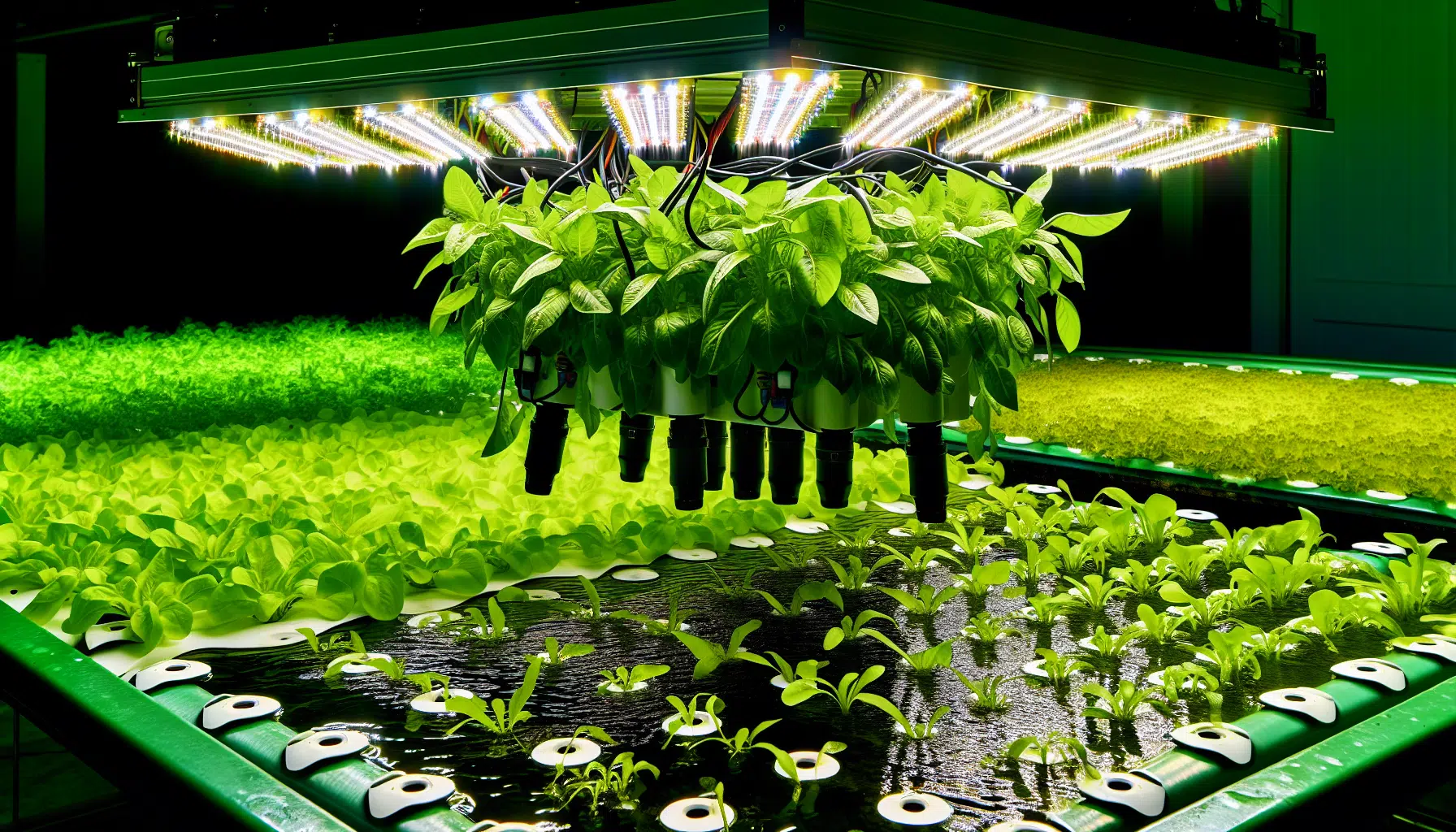
Indoor grow lights:
LED panels or bars are most efficient
Position 12-18 inches from plant canopy
Run 12-16 hours daily for leafy greens, 16-18 for fruiting plants
Hydroponic tower gardens can grow plants without soil, using nutrient-rich water, which makes them a clean and low-maintenance option for home gardening—especially when paired with optimized LED grow light systems and automated lighting timers.
A hydroponic tower delivers harvests through every season when managed properly, particularly when you use efficient hydroponic grow tower systems with automated controls.
Summer: Focus on heat-loving crops like basil, tomatoes, and peppers. Add shade cloth on extremely hot days to protect roots.
Spring and Fall: These shoulder seasons are ideal for leafy greens and herbs. Cool temperatures produce crisp, flavorful lettuce.
Winter: Move the tower indoors, add grow lights, and consider a small water heater to maintain comfortable root temperatures. Winter harvests of spinach, kale, and herbs become routine.
This seasonal flexibility makes a grow tower a long-term investment for year-round fresh nutrient-rich produce.
Hydroponic tower gardens can lead to faster growth rates, with some reports indicating plants can grow up to 30% faster than those grown in traditional soil gardens, especially when you compare hydroponics vs soil gardening in vertical tower systems. But is this approach right for your situation?
Who benefits most: Many of the advantages described here are shared by indoor hydroponic tower garden setups, which are ideal for space-conscious growers.
Apartment dwellers with limited outdoor space
Busy families wanting to grow their own food and explore premium hydroponic tower systems
Hobbyists curious about hydroponics and sustainability
Anyone wanting to reduce their carbon footprint through local food production
Potential challenges:
Initial equipment cost ($200-800)
Learning curve for nutrient and pH management
Reliance on electricity for pump and lights
Key rewards:
Convenient harvests of fresh greens and herbs
Fast growth with minimal effort
Clean, pest-free gardening experience
Vertical towers can provide easier access for individuals with physical limitations, allowing for gardening at a comfortable standing height. The small footprint means even a single tower transforms a corner of your backyard or apartment into a productive food source.
Start with a compact hydroponic tower, a few easy crops like lettuce and basil, and expand as you gain confidence, perhaps by exploring hydroponic tower systems for indoor growing. The future of growing plants at home is vertical, efficient, and remarkably accessible—and your first harvest is closer than you think.