

🔄
Sitewide Sale: Use code Get5Nutra for 5% OFF all products. FREE shipping & 30-Days Hassle-Free ReturnsShop Now

Best Hydroponic Tower Garden 2026: Top 5 Systems Compared

The hydroponic tower garden market has matured significantly heading into 2026. More families, teachers, and serious home growers are looking at vertical hydroponic garden systems as a legitimate way to grow plants year-round-not just a novelty. Hydroponic gardens can produce faster growth rates compared to traditional gardening methods, and vertical gardening supports high plant density in limited space, which is exactly why these towers keep gaining traction.

But here’s the thing: not every tower is built for the same grower. Some are designed for small spaces and total beginners. Others are built to produce bountiful harvests at scale. Hydroponic gardening can be done indoors or outdoors depending on the system design, so the right choice depends on where you’re growing, how much you want to harvest, and what you’re willing to spend.

This article compares five of the most notable tower garden systems available in 2026, evaluated against the same criteria so you can make a real decision instead of guessing.

Disclosure: NutraTower is manufactured by Nutraponics, the publisher of this blog. We’ve aimed to compare all five systems fairly, including honest limitations of our own product. Every system on this list has genuine strengths worth considering.

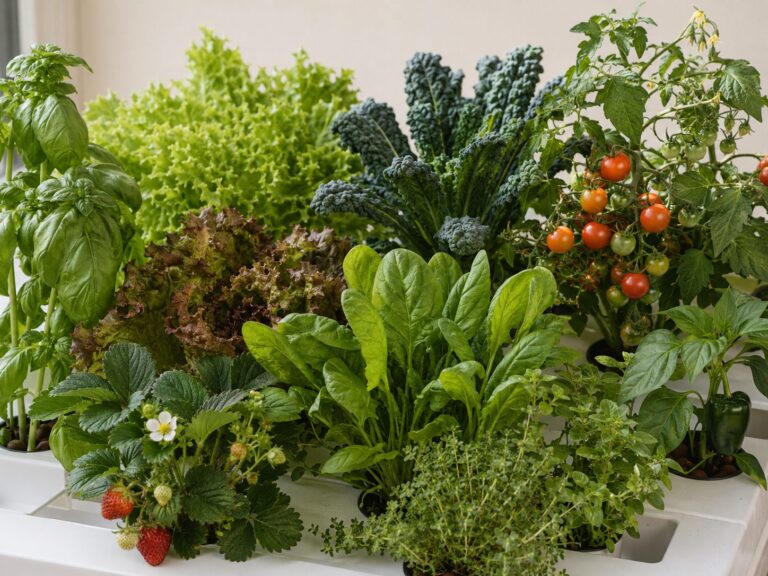
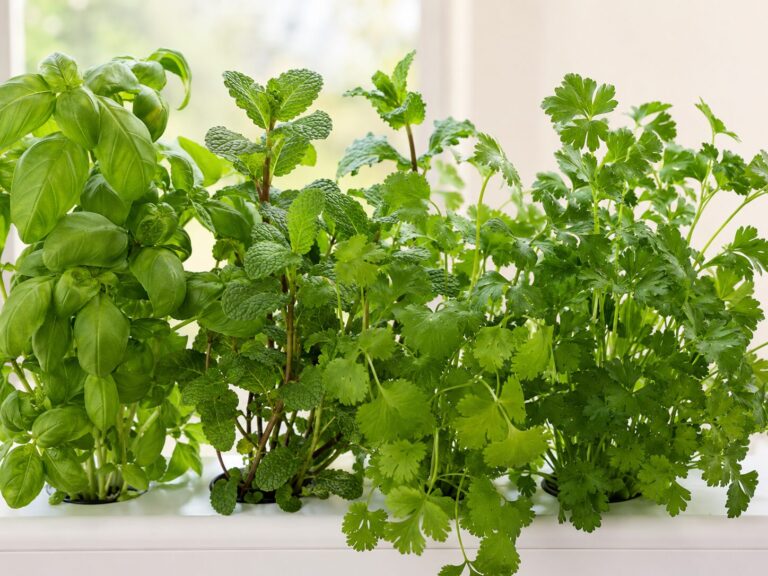
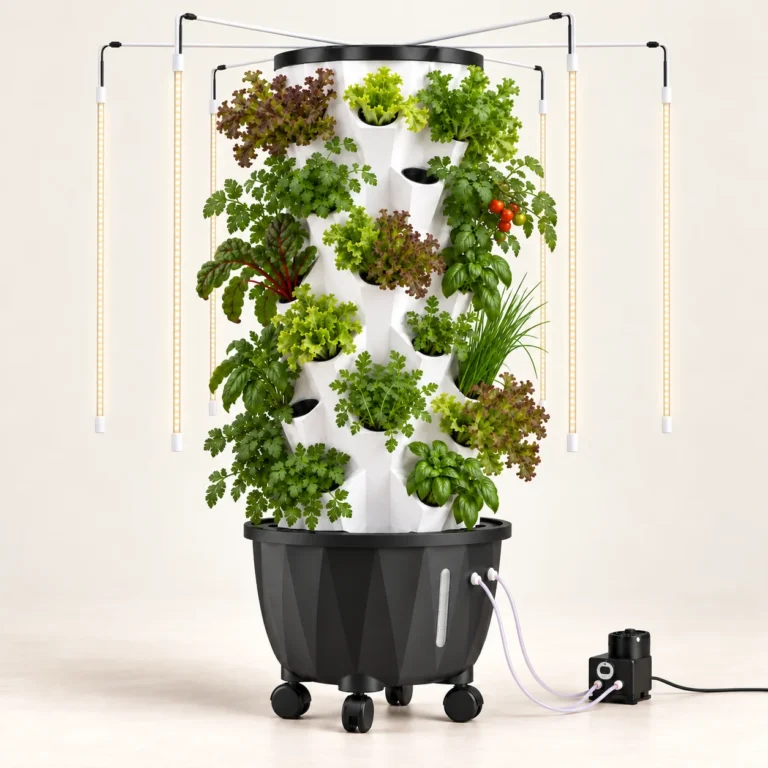
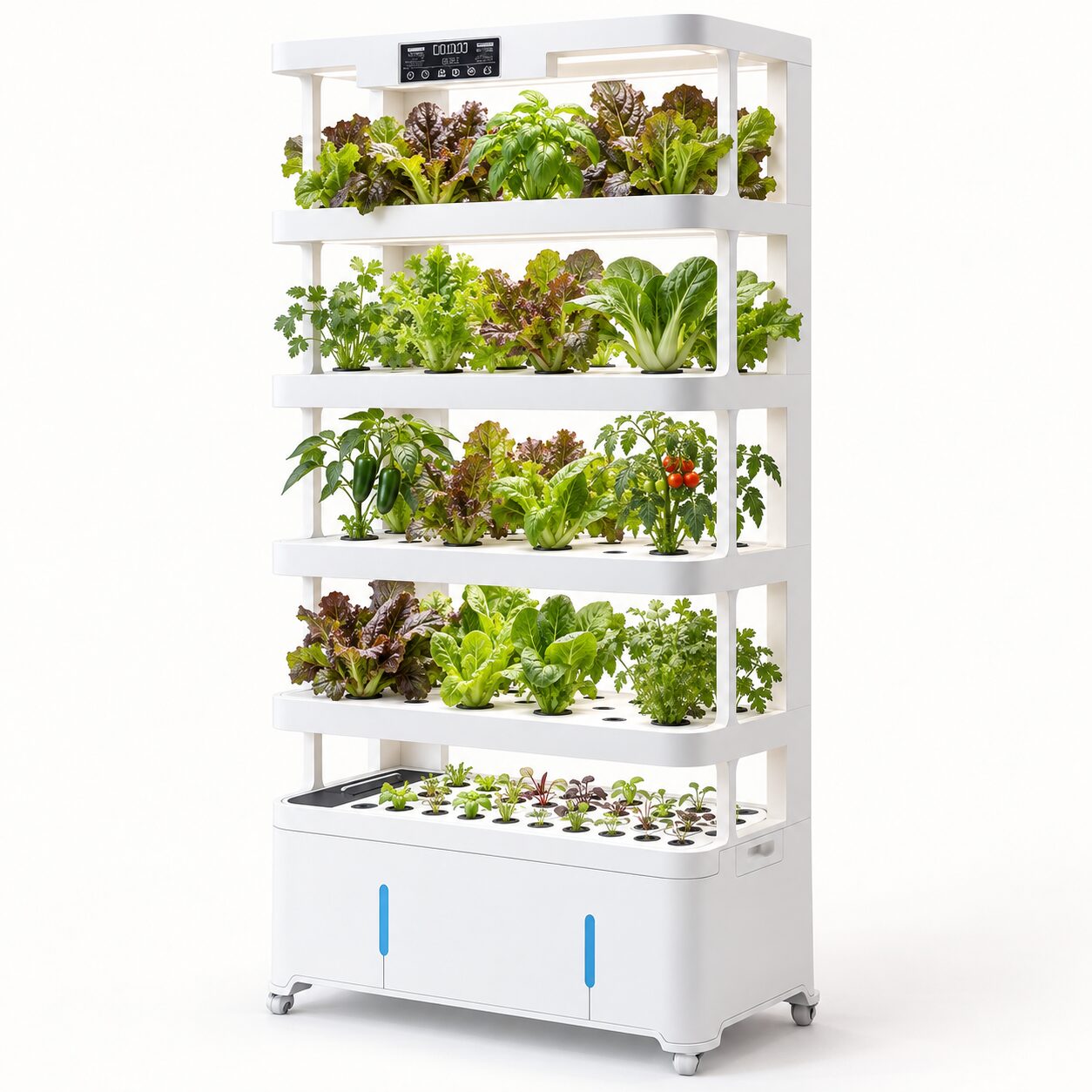
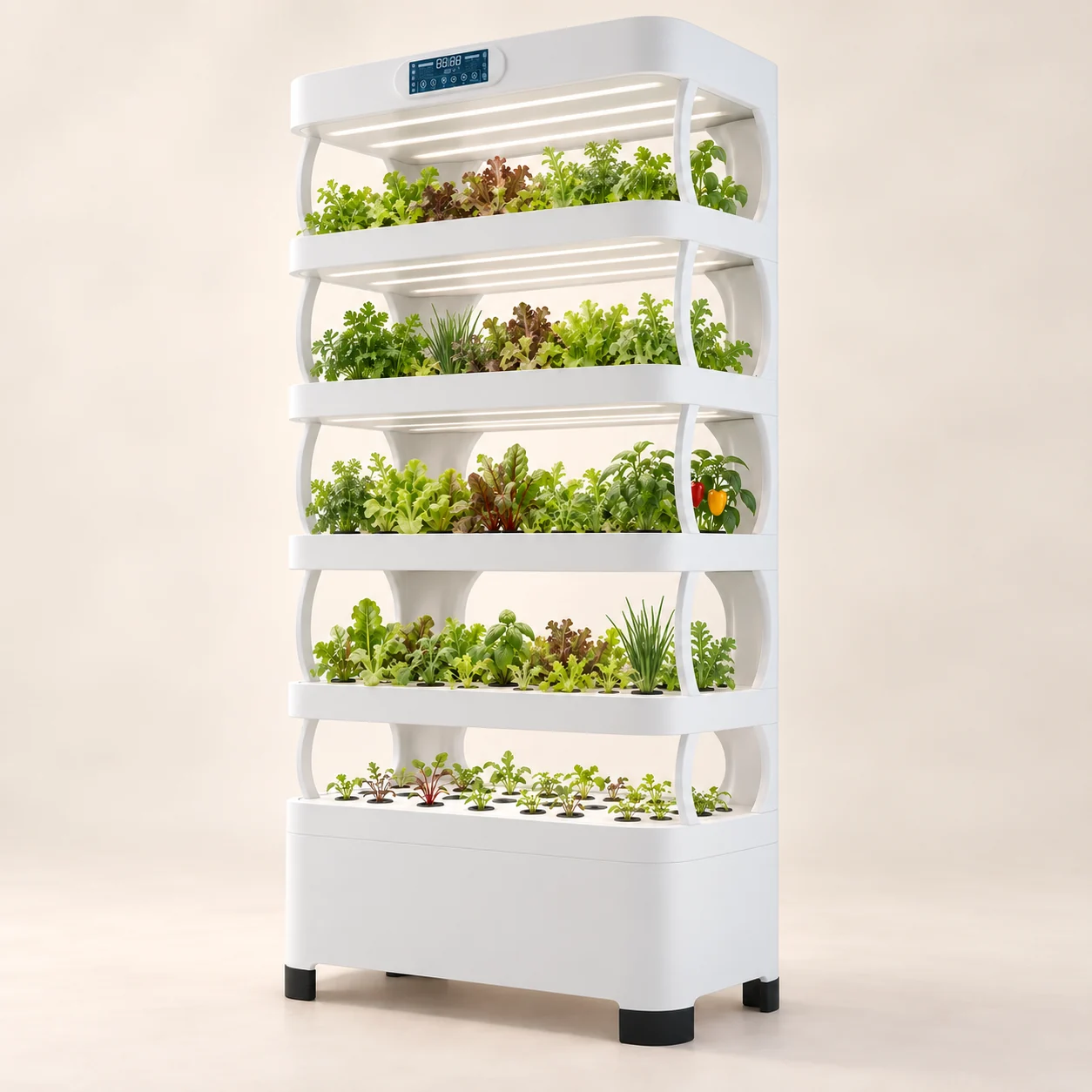
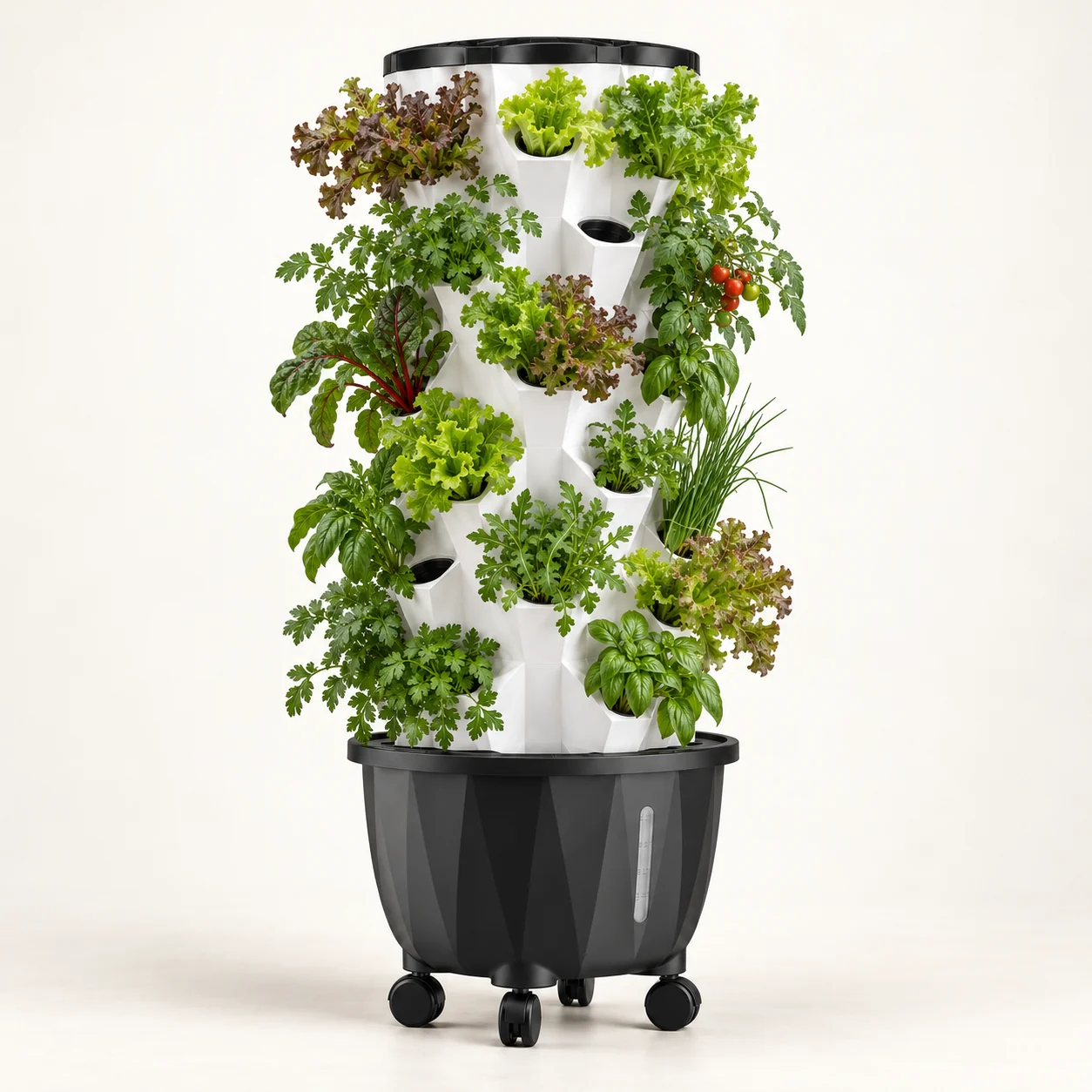
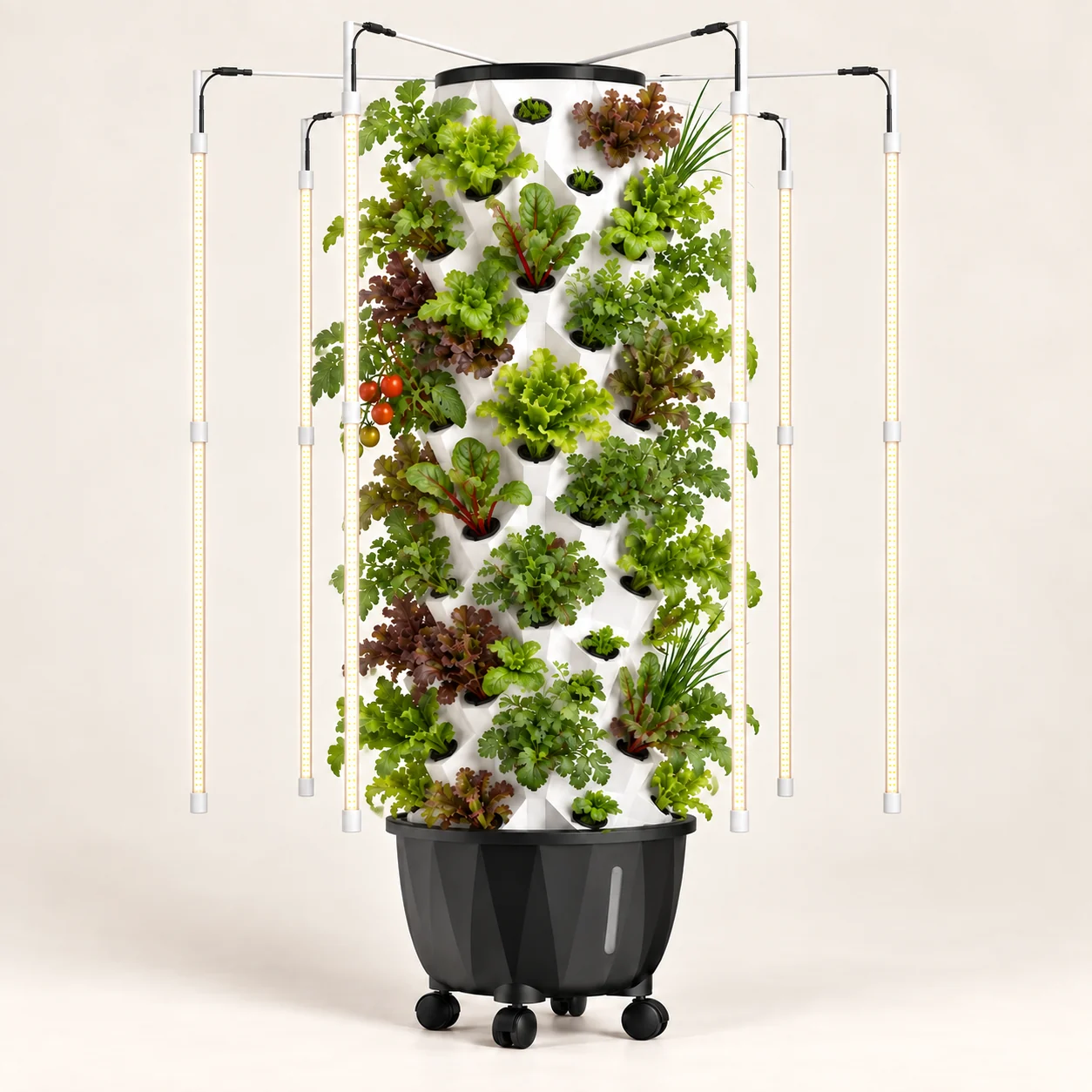
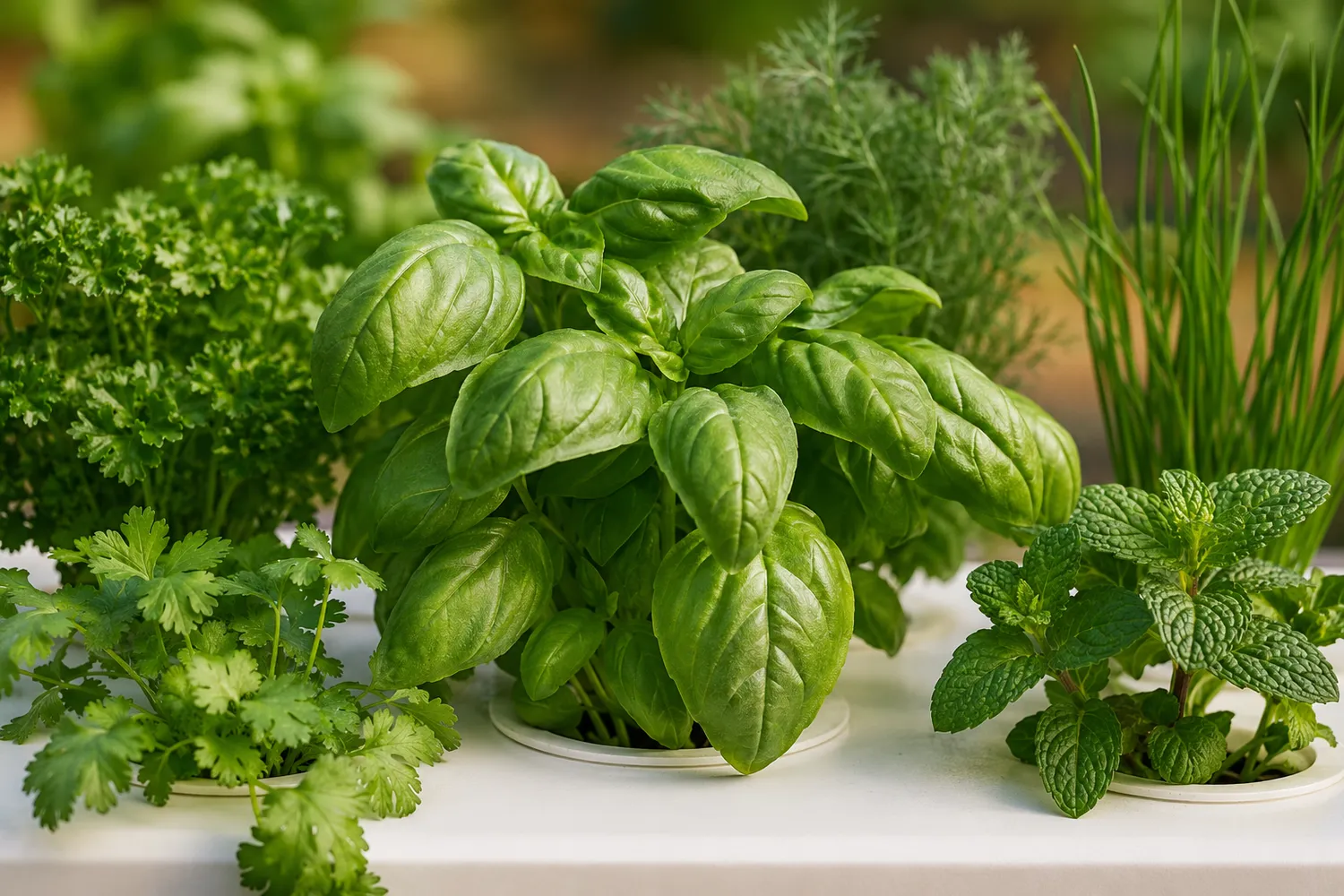
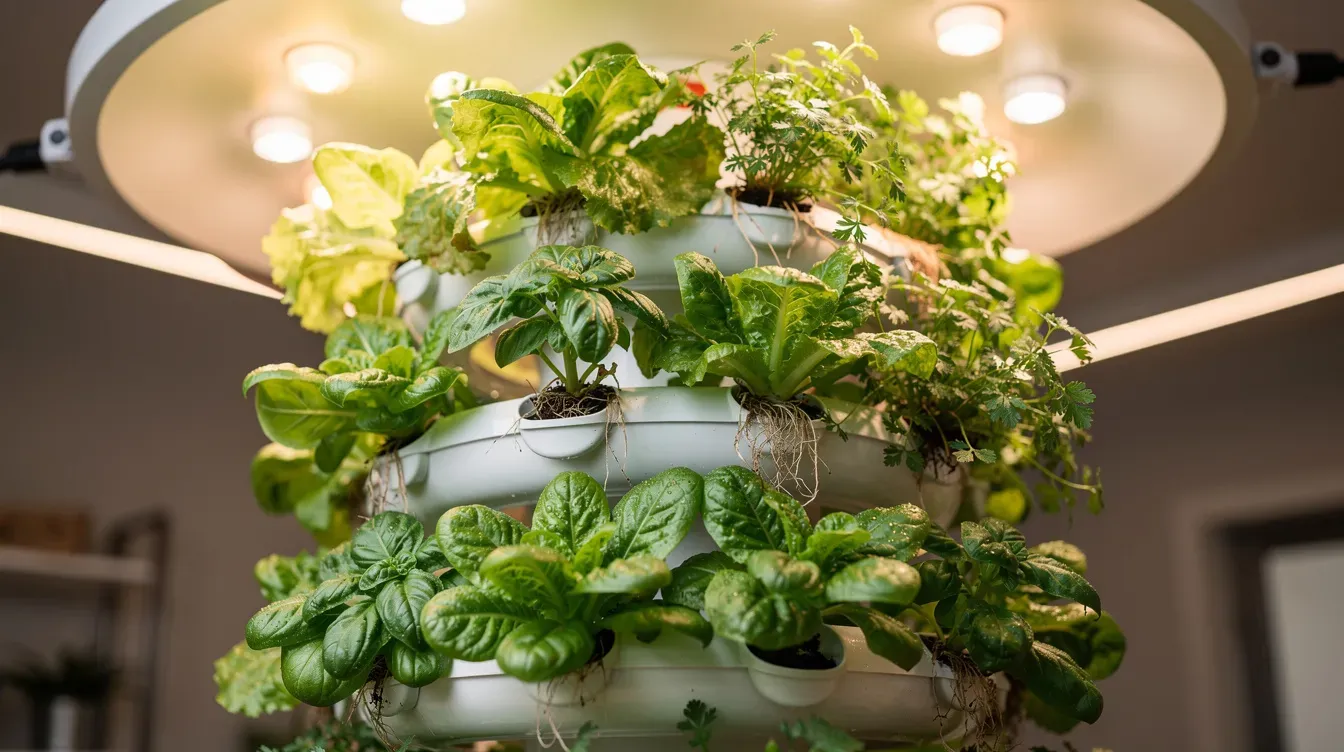
AI rendered hydroponic planter with herbs

How We Chose the Best Hydroponic Tower Gardens

We evaluated every system across six core criteria:

  • Growing capacity – total number of plant sites and what types of plants each system supports

  • Footprint and dimensions – how much floor and vertical space the whole setup requires

  • Price and ongoing costs – hardware price, consumables, subscriptions, and hidden expenses

  • Water and energy efficiency – pump wattage, reservoir size, water savings claims, and LED power draw

  • Ease of setup and maintenance – assembly time, weekly upkeep, and technical skill required

  • Suitability for home growers and institutions – whether the system works for apartments, families, classrooms, or school cafeterias

We prioritized real-world performance over marketing language. Indoor gardens can benefit from led grow lights to enhance plant growth, but only if the system actually delivers consistent light coverage. Leafy greens and herbs are easiest to grow in hydroponics, so we paid attention to whether each tower could also handle fruiting crops and vining plants. LED grow lights optimize plant growth at all stages, but the quality of implementation varies wildly between systems.

Modular designs allow for scalability in hydroponic systems based on plant capacity-something that matters if you’re starting small but planning to expand. We also looked at harvest speed: some systems can harvest crops in as little as 3 weeks for fast-growing lettuces in specialized setups. Aeroponic systems provide high yield results with less water and nutrient use, so we gave extra weight to systems using aeroponics or hybrid delivery methods that function as efficient indoor hydroponic tower gardens.

Top 5 Hydroponic Tower Gardens for 2026

1. NutraTower by Nutraponics

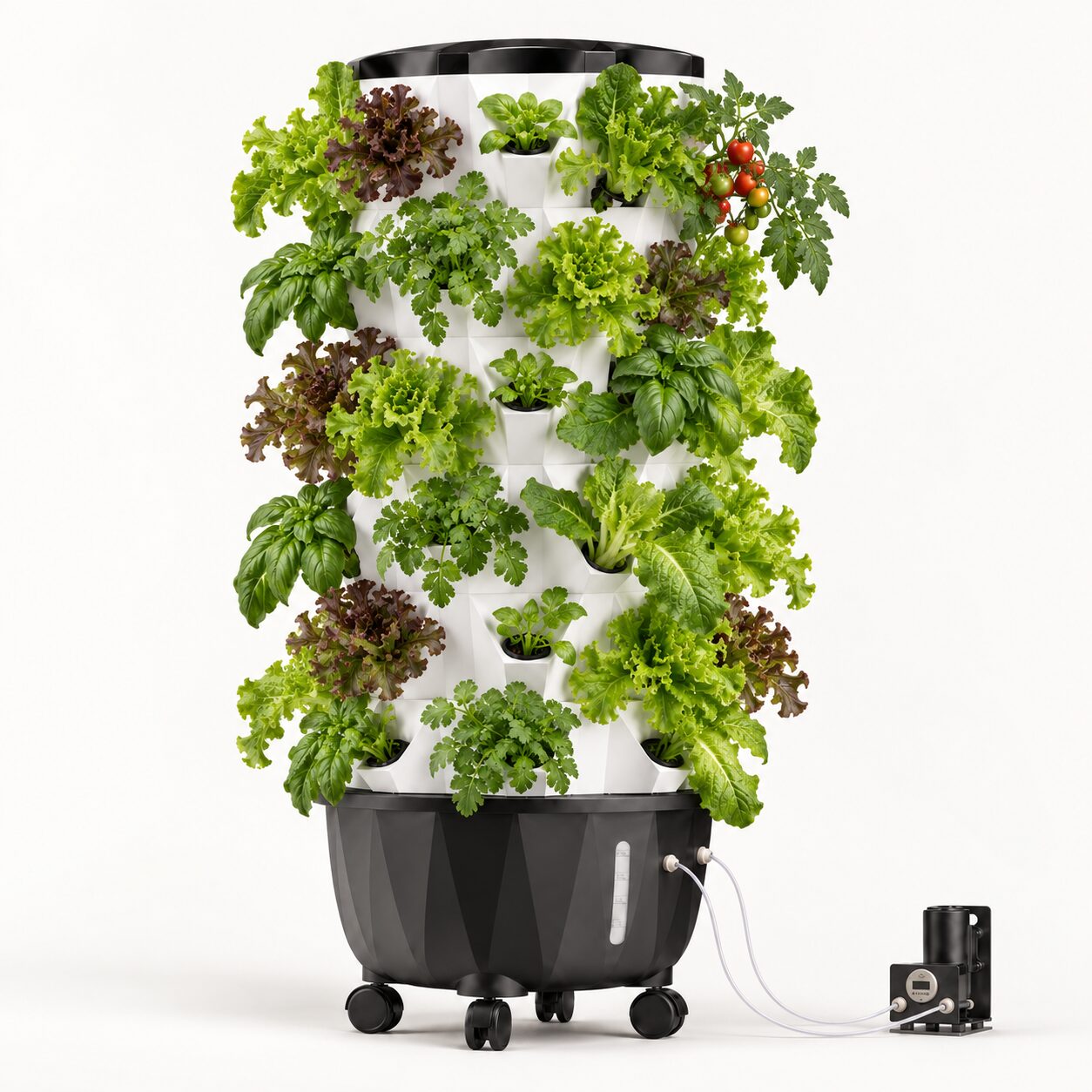
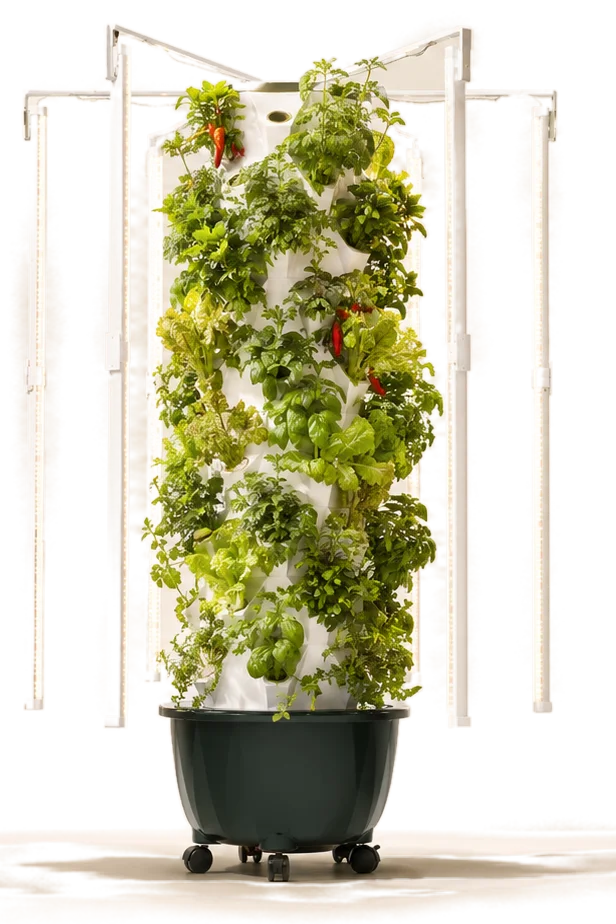
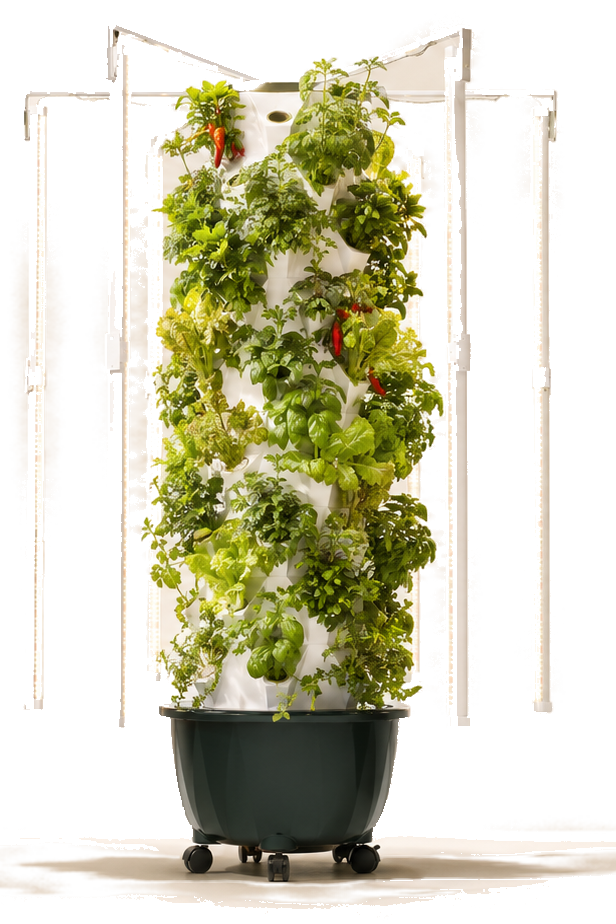
The NutraTower is our highest-capacity system on this list. It’s a modular indoor hydroponic tower that uses a dual NFT and aeroponic delivery method to feed plant roots directly, and it comes with full spectrum led lights built into the premium configuration. The Nutraponics Garden Tower starts at $999 for 80 plants and $1799 for the top-tier model, making it the densest planting option per dollar in this comparison for a NutraTower premium indoor system.

Why It Stands Out: Raw growing capacity. The Nutraponics Garden Tower holds up to 80 planting sites in its standard configuration. Users can customize plant spacing in tower gardens for different plant types, which means you can mix leafy greens, fresh herbs, and even smaller fruiting vegetables on the same tower. Some systems can grow up to 96 plants simultaneously and have an additional seedling tray-this is one of them.

Best For: Families wanting to grow their own food at volume. Serious growers who want higher yields without needing a greenhouse. Schools or community programs looking for a high-output tower farm demonstration.

Key Strengths:

Possible Limitations:

  • The premium indoor system ($1,799) is a significant upfront investment-more than most people want to spend without seeing results first

  • The unit is almost 6 feet tall and weighs quite a bit when the water tank is full; not ideal for renters or anyone who moves frequently

  • Independent third-party yield data is still limited; most performance claims come from manufacturer testing

2. Tower Garden HOME by Juice Plus+

The Tower Garden HOME is one of the longest-running names in consumer hydroponic growing. It’s a straightforward vertical tower with a reservoir base, a pump, and net pots. The Tower Garden Flex holds up to 20 full-sized plants and the Juice Plus Tower Garden Flex costs $920 for 20 plants. The HOME model supports 32 ports total (16 full-size and 16 baby-green slots) at around $725.

Why It Stands Out: Brand maturity and simplicity. This is one of the most widely used consumer tower gardens in schools and homes. There’s a large community of growers, which means expert advice and troubleshooting resources are easy to find.

Best For: First-time growers who want a proven, beginner friendly system. Anyone who doesn’t want to deal with apps, AI, or subscriptions-just a tower, water, nutrients, and seeds.

Key Strengths:

  • Simple, no-frills design that most people can understand immediately

  • Large existing user community and support resources

  • Reservoir holds approximately 13 gallons, reducing how often you add water

  • Compatible with your own seeds and growing medium-no proprietary pods required

Possible Limitations:

  • Tower Garden requires daily checks of water levels and nutrients, which is more hands-on than automated systems

  • Indoor use requires purchasing separate led grow lights (the LED light kit adds roughly 125W and extra cost)

  • 32 plant capacity is modest compared to other systems at similar or lower price points

  • Grow light coverage may be uneven without careful positioning

3. Gardyn 4.0

The Gardyn 4.0 is the most tech-forward smart garden on this list. It uses a hybrid hydroponic system (what Gardyn calls “hybriponics”), built-in LED panels, a camera, and an AI assistant named Kelby that monitors plant health through an app. Gardyn’s home kit starts at $499, making the hardware relatively accessible compared to alternatives like the Nutraponics Pro Shelf hydroponic system. Gardyn can grow up to 30 large plants in 2 square feet-the best plant density per footprint of any system here.

Why It Stands Out: Automation technology in gardening can monitor plant health and optimize conditions, and Gardyn leans into this harder than anyone. The built-in camera lets you check on your garden remotely. Kelby tracks plant growth, detects issues, and schedules harvests. Gardyn setup takes about 30 minutes to complete.

Best For: Tech-savvy beginners who want a smart garden that handles most decisions for them. Apartment growers in small spaces who need maximum plants in minimum footprint. Automated systems require minimal daily supervision, and Gardyn delivers on that promise.

Key Strengths:

  • 30 plants in roughly 18″ × 18″ of floor space-incredible density

  • AI-driven monitoring with camera, app alerts, and vacation mode

  • Clean, modern design that fits in a living room or kitchen

  • Newer LEDs claim approximately 20% less energy than previous versions

Possible Limitations:

  • Requires a $39/month membership for full AI features and pod credits-over five years, total cost of ownership reaches roughly $3,200+

  • Uses proprietary pods (yCubes), so you can’t use your own seeds or growing medium without workarounds

  • Plants can crowd each other; users report shading issues as larger herbs like thai basil or basil fill out

  • Pre filled seed pods lock you into Gardyn’s ecosystem for consumables

Hydroponics Growing Systems

4. Lettuce Grow Farmstand

The Lettuce Grow Farmstand is available in 12, 18, 24, 30, and 36-plant configurations. Lettuce Grow’s hydroponic tower starts at $348 for the 12-plant outdoor model, making it the lowest entry point on this list among complete indoor hydroponic grow systems. The larger 36-plant indoor version with glow rings runs in the $1,300–$1,400 range.

Why It Stands Out: Scalability and sustainability. You can start with 12 plants and expand as you get comfortable. The company uses ocean-bound recycled plastic in some components, and Lettuce Grow’s Farmstand uses 95% less water than soil gardening. Hydroponic systems can reduce water usage by 95 percent-Lettuce Grow puts that front and center in their design.

Best For: Growers who want to start small and scale up. Families who want to grow produce at home with a system that works both indoors and outdoors. Budget-conscious buyers who want a lower entry price.

Key Strengths:

  • Widest range of size options (12 to 36 plants), so you pick exactly what fits your space

  • Outdoor-compatible without modifications; indoor use needs glow rings

  • Hydroponic systems can reduce water usage by 95%-Lettuce Grow delivers on this claim

  • Lettuce can be harvested in just 3 weeks with the Farmstand under good conditions

  • Open system-use their seedlings or source your own

Possible Limitations:

  • Lettuce Grow requires weekly upkeep and a seasonal reset, including cleaning and full nutrient refresh

  • Indoor lighting (glow rings) is sold separately and adds significant cost for larger configurations

  • Large indoor Farmstands are heavy and bulky when filled; the 36-plant model holds over 20 gallons of water

  • Seedling shipments have occasionally arrived damaged, based on user reports

5. Rise Gardens Roma

The Rise Gardens Roma is purpose-built for something the other systems on this list don’t prioritize: large fruiting plants indoors, in contrast to high-density options like the Nutraponics Pro Tower Garden. Rise Gardens’ hydroponic system starts at $349, and the Roma extension is designed for growing full-size tomatoes, peppers, eggplant, and other fruit and vegetables that need vertical grow height.

Why It Stands Out: The Roma provides 38 inches of internal grow height-enough room for heirloom tomatoes and tall pepper varieties. It uses a gravity-guided circular water system with full spectrum LED panels and app-based monitoring. If you want to grow food that goes beyond leafy greens, this is purpose-built for it.

Best For: Growers who want tomatoes, peppers, and other large fruiting or vining plants indoors. Kitchen gardeners who want produce you can actually cook with. Anyone who already owns a Rise Gardens base and wants to extend capability.

Key Strengths:

  • 38 inches of internal grow height accommodates large, tall plants that most towers can’t handle

  • App integration with smart notifications for nutrient dosing and water level tracking

  • Modular design-the Roma extension integrates with existing Rise Gardens bases

  • Gravity-fed water system is quiet and energy-efficient

Possible Limitations:

  • Total plant count is lower than tower-style systems; this isn’t built for many plants-it’s built for big ones

  • Fruiting crops require more maintenance: pollination, pruning, trellising, and heavier nutrient loads

  • Seed pods cost approximately $2.50 each; ongoing pod expenses add up over seasons

  • Less suitable for growing flowers, leafy greens, or herbs at scale compared to dedicated tower systems

Quick Comparison of the Top 5 Tower Gardens

Criteria

NutraTower

Tower Garden HOME

Gardyn 4.0

Farmstand

Rise Roma

Plant Sites

Up to 80

32 (16+16)

30

12–36

Lower count, larger plants

Footprint

34" × 20"

~24" × 23"

~18" × 18"

~22" × 22"

Modular/varies

Height

72"

58"

60"

46"–79"

38" grow height

Price (Hardware)

$999 (80 plants)

$725 (HOME)

$499 (Home Kit)

From $348

From $349

Ongoing Costs

Nutrients, electricity

Nutrients, pH, lights

$39/mo subscription + pods

Seedlings, nutrients, glow rings

Pods (~$2.50 ea), nutrients

Subscription Required?

No

No

Yes (for full features)

No

No

Lights Included?

Yes (premium)

No (add-on)

Yes

No (add-on)

Yes

Best For

Large harvests, families

Beginners, simplicity

Tech lovers, small spaces

Scalable growing

Fruiting crops

For context, other systems worth mentioning include the ALTO Garden GX Tower, priced at $650 for a large indoor tower, and the EXO Tower, which is a compact hydroponic tower kit for home use; detailed hydroponic system comparisons like Nutraponics vs Tower Garden can help frame where these fit. Neither made our top five due to limited capacity or track record, but both are good options to consider for specific use cases.

Quick “Best For” Summary:

  • Highest capacity per dollar: NutraTower

  • Lowest entry price: Lettuce Grow Farmstand

  • Smallest footprint: Gardyn 4.0

  • Simplest operation: Tower Garden HOME

  • Best for large fruit/vegetables: Rise Gardens Roma

Hydroponics Growing Systems

How to Choose the Right Hydroponic Tower Garden

Choose Based on Growing Space and Capacity Needs

If you’re growing in a studio apartment, a 72-inch tower with a 34-inch footprint isn’t realistic. Gardyn 4.0 fits in about 2 square feet-hard to beat for density in small spaces. If you have a garage, basement, or dedicated growing room, the NutraTower’s 80 plant sites give you the capacity to supply a family with produce week after week using a complete indoor hydroponic grow system.

For classrooms, think about ceiling height (the NutraTower needs 6 feet of clearance) and whether students need to access plants at all levels. A 36-plant Farmstand at nearly 80 inches tall means the top tiers are out of reach for younger students.

Choose Based on Budget and Ongoing Costs

Hardware price tells half the story. Gardyn’s $499 entry looks attractive until you factor in the $39/month membership. Over two years, that’s $1,435 in total-more than the NutraTower’s $999 with no subscription. Tower Garden HOME at $725 needs additional led grow lights for indoor use, which can add $150–$300.

The real cost question: how much will you spend on seed pods, nutrients, and replacement parts per year? Systems that use proprietary pods (Gardyn, Rise Gardens) create ongoing lock-in. Systems where you can use your own seeds and any standard net pot (NutraTower, Tower Garden, Farmstand) give you more flexibility and lower long-term cost, and detailed Nutraponics vs Tower Garden comparisons highlight how that plays out in practice.

Choose Based on Technical Comfort Level

Some people want to add nutrients manually and monitor pH themselves. Tower Garden HOME is built for that hands-on grower. Others want the system to handle everything-Gardyn’s AI does that, though you’re paying for it monthly.

NutraTower sits in between: the automated setup handles pump cycling, lighting schedules, and automatic watering, but you still need to check on nutrient levels and refill the water tank periodically. If you don’t want to think about your garden at all, Gardyn is the closest to set-and-forget. If you want control, Tower Garden HOME lets you manage every variable.

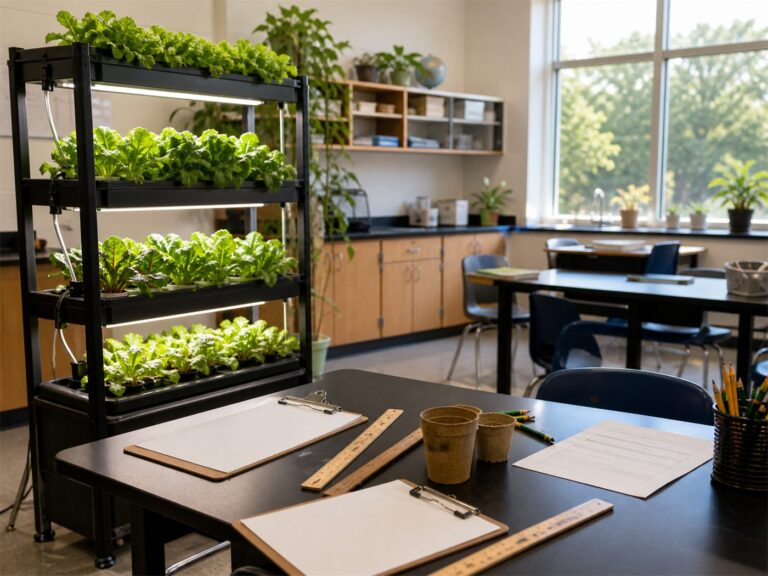
Choose Based on Educational and Institutional Needs

Teachers and school administrators should consider durability, plant count (more sites means more students can participate), and ongoing budget requirements. A system with a monthly subscription is harder to justify in a grant application than a one-time hardware purchase.

Schools may be able to fund tower gardens through USDA Farm to School grants, which have historically supported hydroponic growing projects in cafeterias and classrooms. The NutraTower at $999 and the large Farmstand at $1,300–$1,400 both fall within typical grant award ranges. Gardyn’s hardware fits too, but the ongoing subscription complicates institutional budgeting.

For educational value, Gardyn’s camera and AI offer a good science-lab angle. But for feeding a school cafeteria or providing healthy produce at scale, capacity matters more than software features.

Which Tower Garden is Best for You?

Best Overall: NutraTower by Nutraponics At $999 for 80 planting sites with no subscription, built-in lighting on premium models, and a dual NFT/aeroponic delivery system, the NutraTower offers the strongest combination of capacity, value, and automation. It’s the most capable system for anyone who wants to grow enough produce to actually offset grocery spending. If you have the space and want to harvest at volume, this is the system that delivers.

Best Budget Option: Lettuce Grow Farmstand (12-plant) Starting at \$348, the Farmstand is the most affordable way to get into indoor hydroponic growing with a quality system. The 12-plant version works well for one plant per family member plus extras. You can expand later without buying a whole new system.

Best for Large Harvests: NutraTower No other consumer system on this list matches 80 simultaneous planting sites at this price point. If you absolutely love growing and want to supply your household with leafy greens, vegetables, herbs, and new plants continuously, this is where to start.

Best for Classrooms and Educational Settings: Lettuce Grow Farmstand (24 or 36-plant) The Farmstand’s size options, no-subscription model, and ability to work outdoors make it the most practical institutional choice. Pair it with a USDA grant and a classroom of curious students, and you have a working tower farm that teaches real food production.

Best for Beginners: Gardyn 4.0 If you’ve never grown anything and don’t have a green thumb, Gardyn’s AI handles the thinking. It tells you when to harvest, alerts you to problems, and keeps the light and water cycles running. The trade-off is cost over time and pod lock-in, but for someone who just wants to see basil and lettuces growing without becoming a hydroponic expert, it works.

Final Thoughts

The indoor gardening and hydroponic system market in 2026 offers more legitimate options than ever. Every system on this list can grow healthy produce indoors. The differences come down to how much you want to grow, how much you want to spend, and how much you want the system to handle for you.

There’s no single “best” tower garden-there’s the best one for your situation. A teacher setting up a classroom demonstration has different needs than a family trying to reduce grocery bills. Someone growing flowers and herbs on a countertop needs a different system than someone chasing higher yields of tomatoes and peppers.

What we can say from building and using these systems: capacity and long-term cost matter more than most people realize at the point of purchase. A cheaper system with ongoing subscription fees or limited plant sites can end up costing more and producing less over two years than a higher-upfront system with no recurring charges.

Whatever you choose, start with what you’ll actually use. One plant harvested and eaten is worth more than 80 empty pods gathering dust. Grow what you eat, eat what you grow, and adjust from there. The air quality benefits of having living plants indoors are a bonus on top of the produce itself.

If you’re ready to explore what a high-capacity, no-subscription hydroponic tower can do, take a closer look at the NutraTower hydroponic tower systems and the broader Nutraponics store of premium hydroponic tower systems and see if they fit your growing goals.

Recent Posts

AI rendered hydroponic planter with herbs

Best Hydroponic Tower Garden 2026: Top 5 Systems Compared

NFT Hydroponic Tower Garden Information

NFT Hydroponic Tower Garden: Complete Buyer’s Guide 2026 (Nutraponics Edition)

The Complete Guide to Hydroponic Tower Gardens: Vertical Growing Solutions for Maximum Harvest

Complete Guide to Tower Garden Herbs: Growing Fresh Herbs with Aeroponic Technology

Categories