





The quick answer
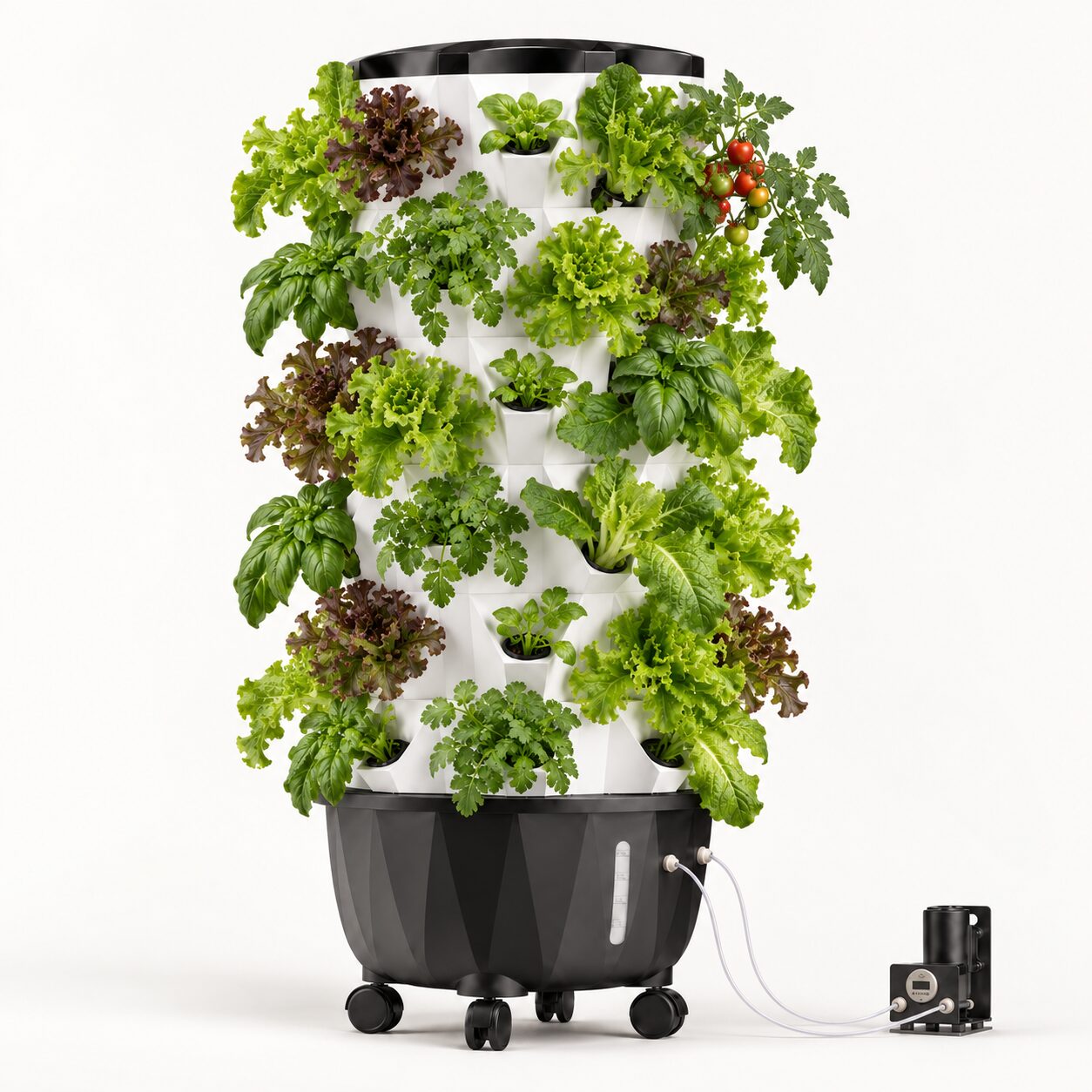
Buy for your crop, space and care routine—not the NFT label alone. Nutrient film technique uses a shallow moving layer of nutrient solution in channels. A tall shape or recirculating reservoir does not automatically make a system NFT. Ask how the exact model waters its roots, then compare usable growing room, light coverage, cleaning access and total ownership cost.1
NFT Describes the Water Path
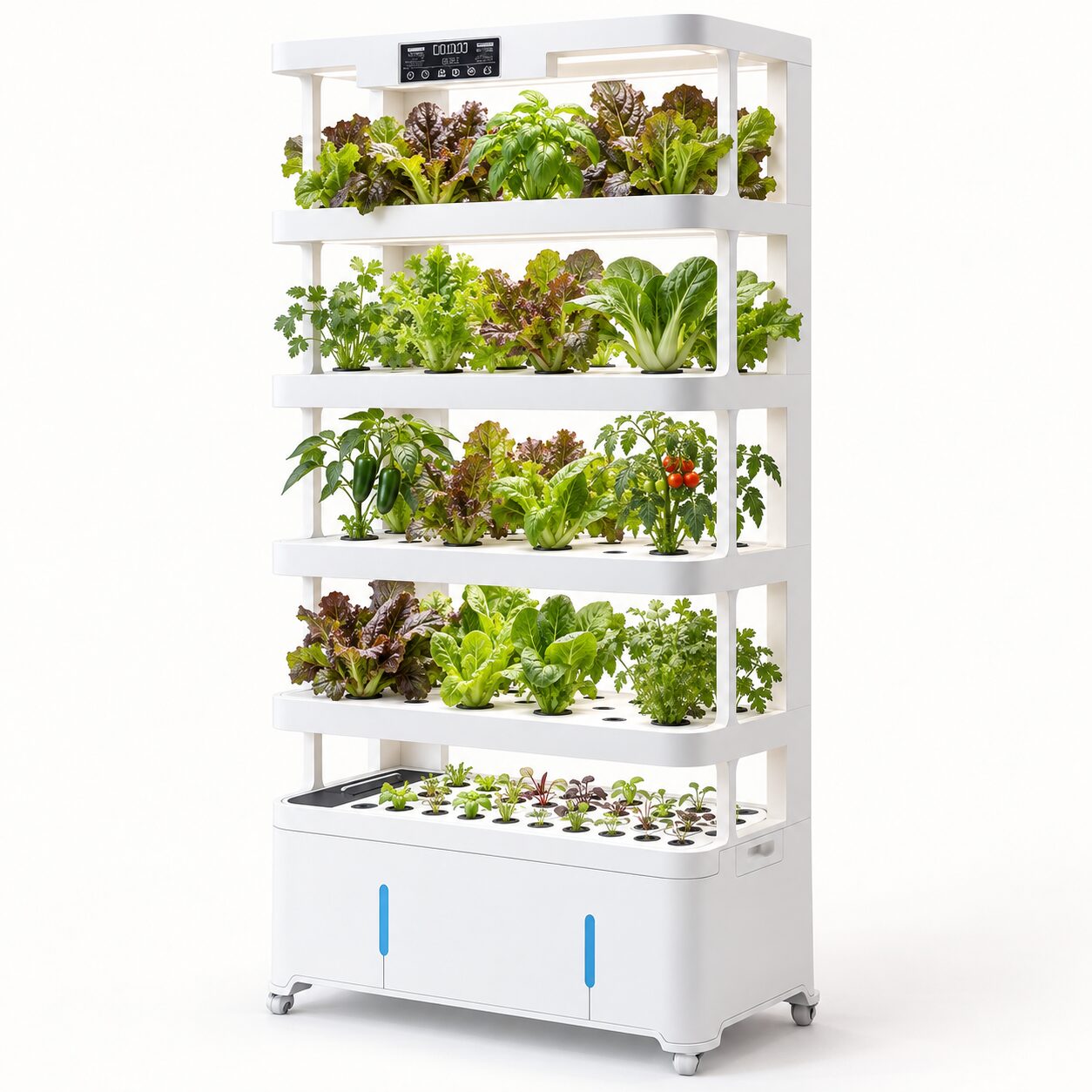
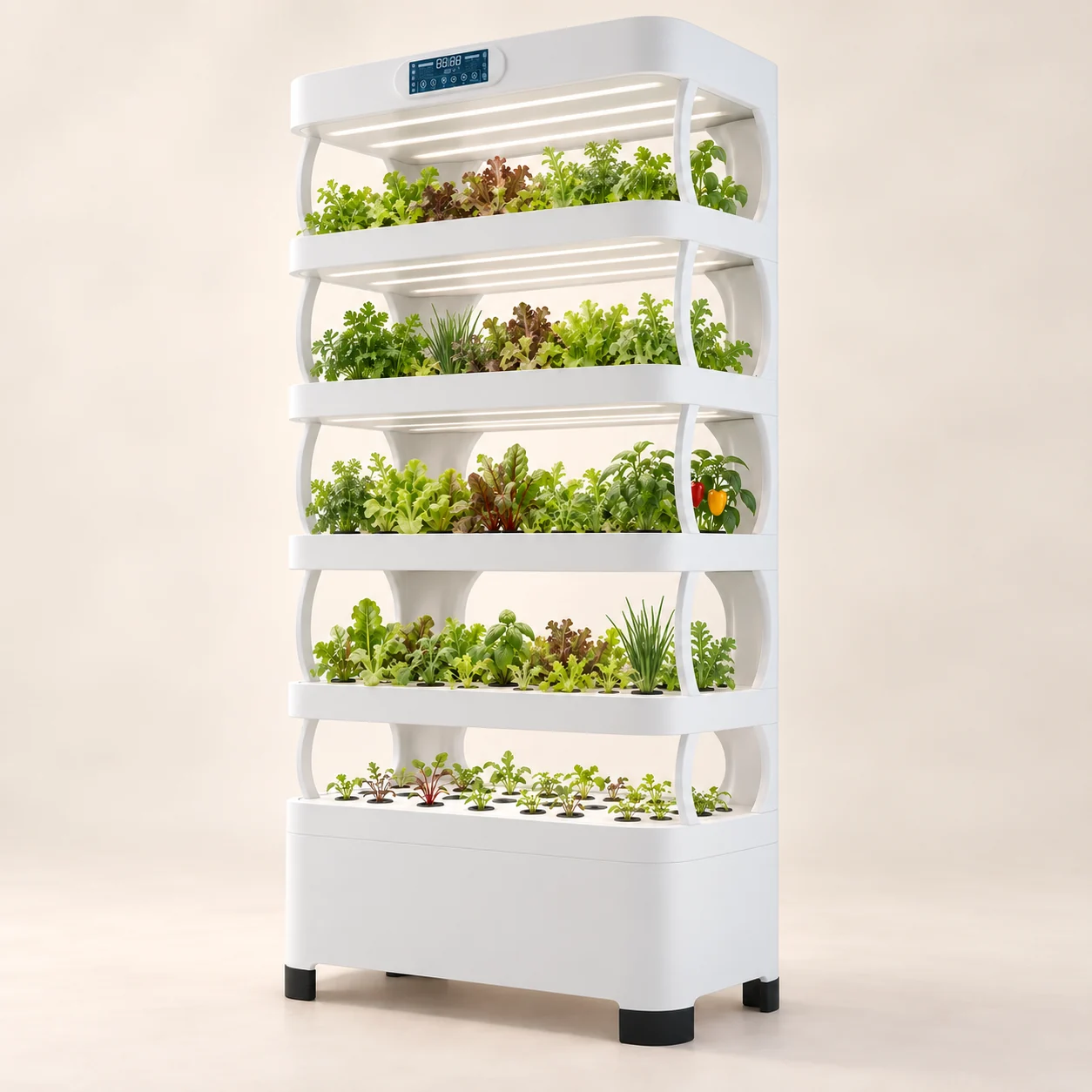
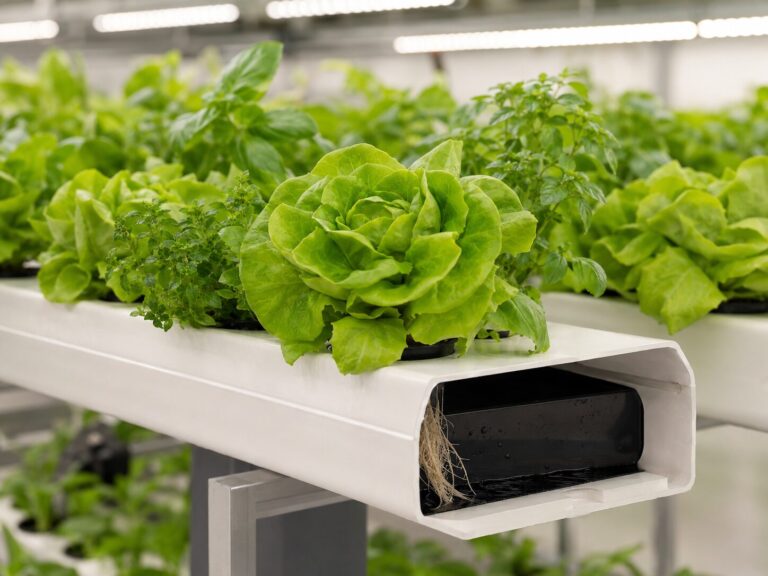
In a conventional NFT arrangement, a pump sends solution through gently sloping channels, past supported plant roots, and back to a reservoir. Some root area contacts the shallow flow while space above it remains available for air. The channel slope, flow and root clearance work together; the word “vertical” describes an arrangement, not a separate nutrient-delivery technique.1
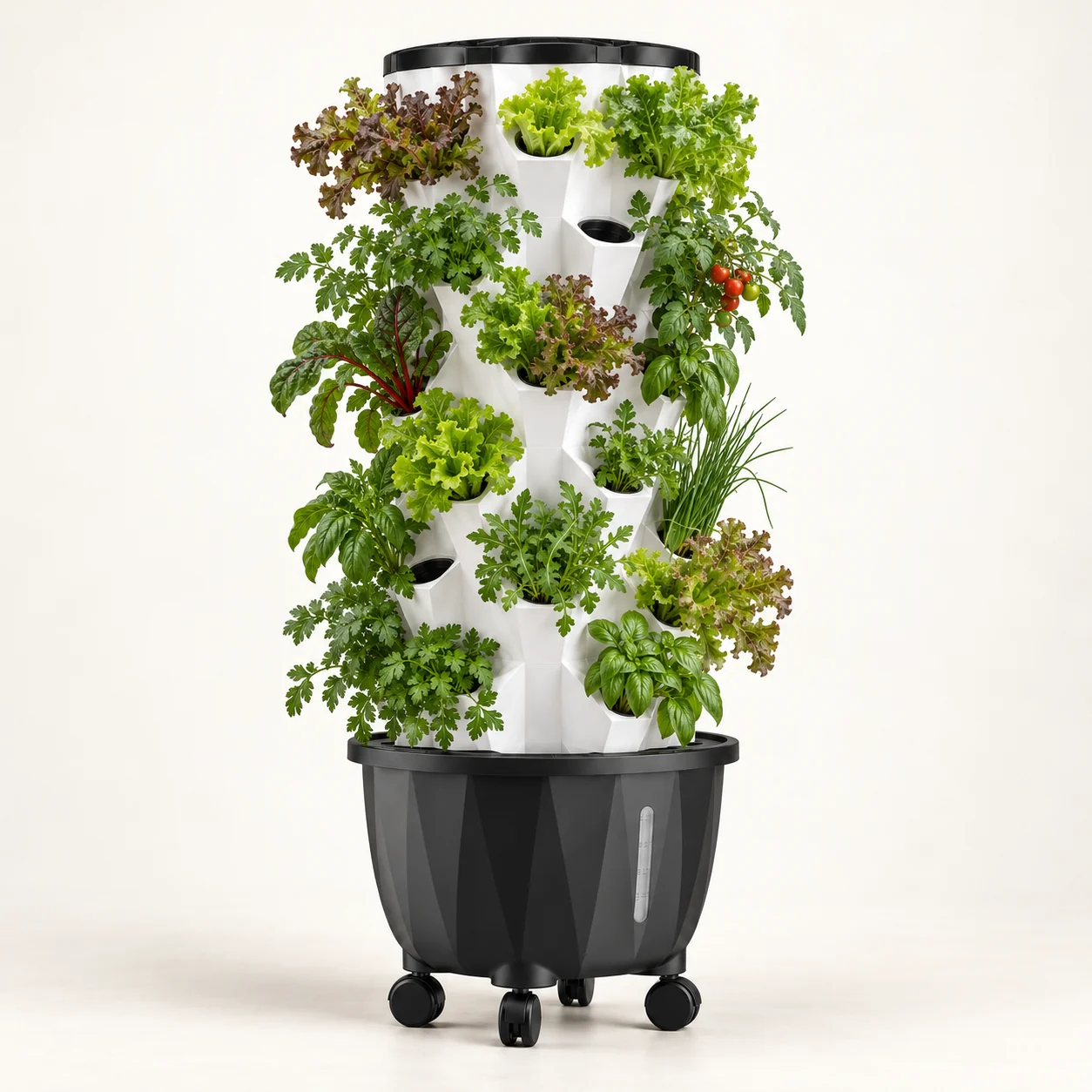
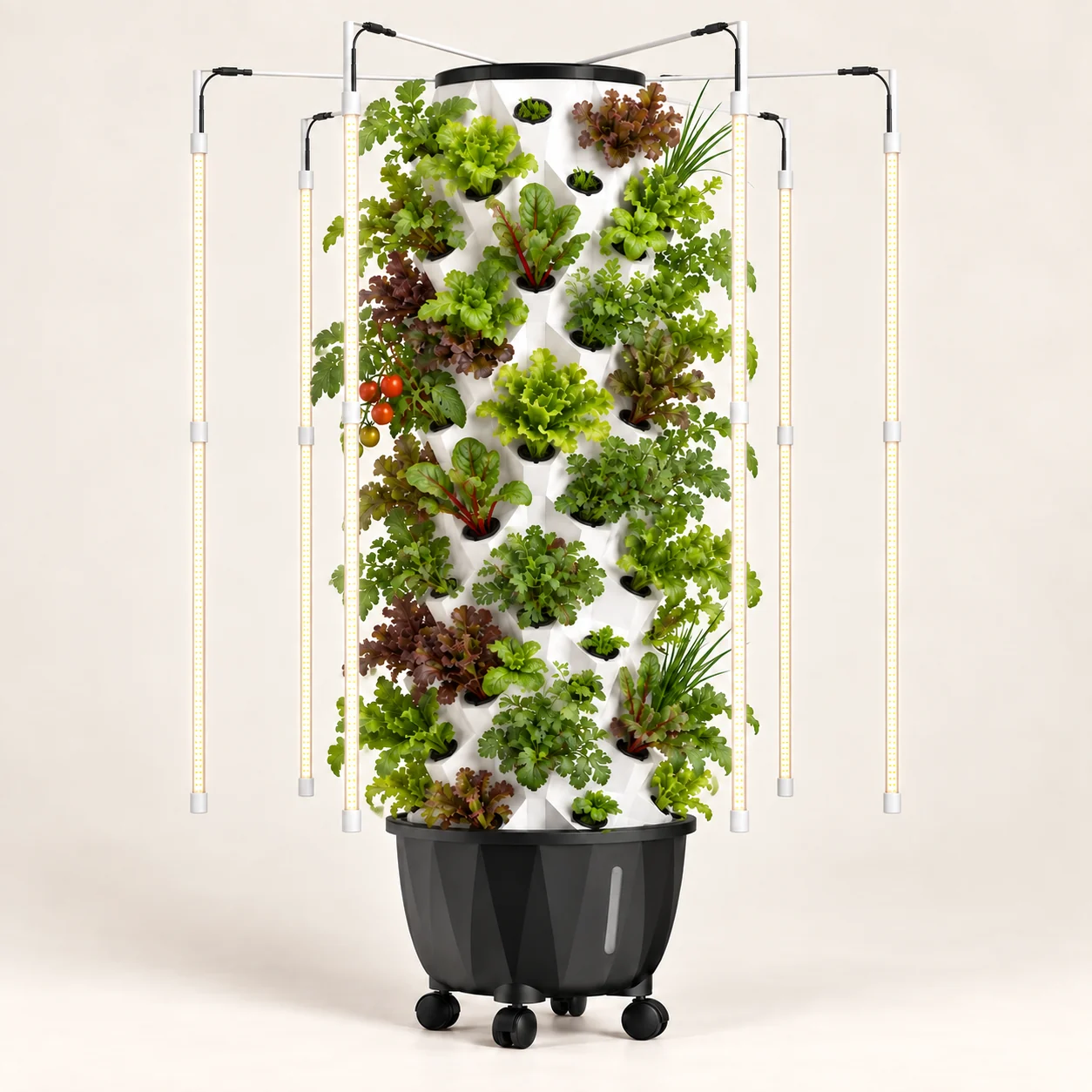
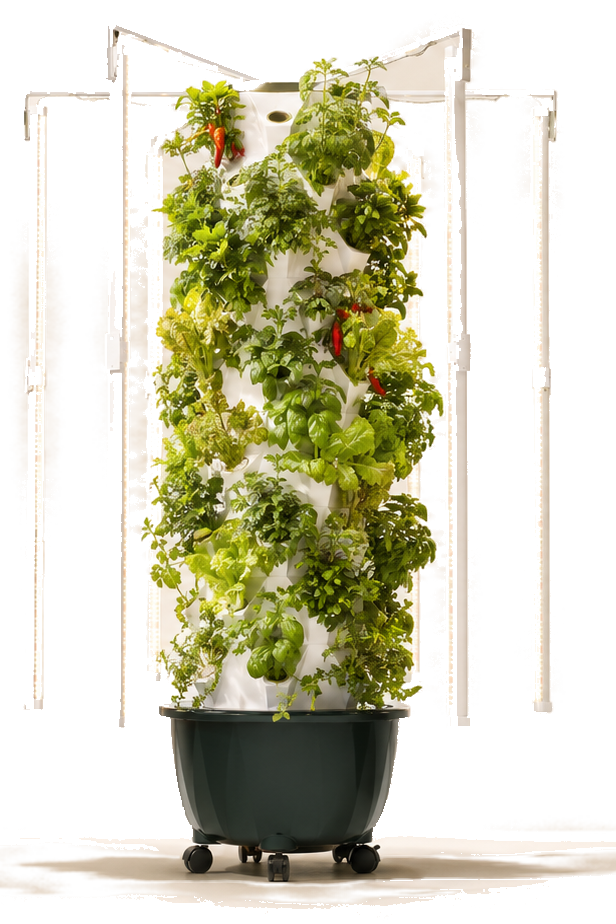
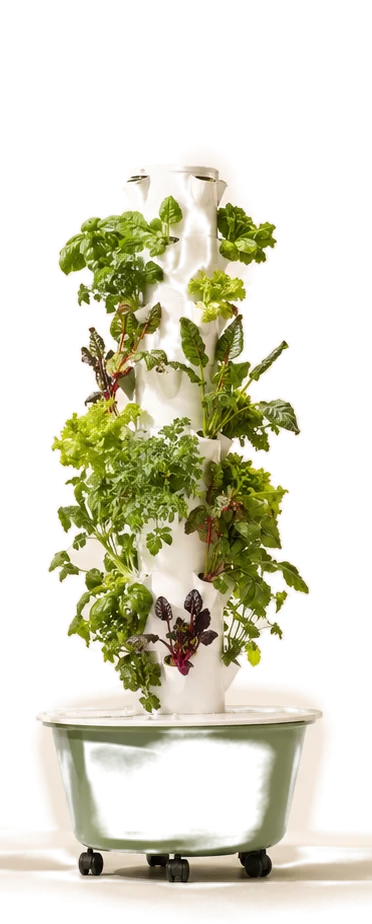
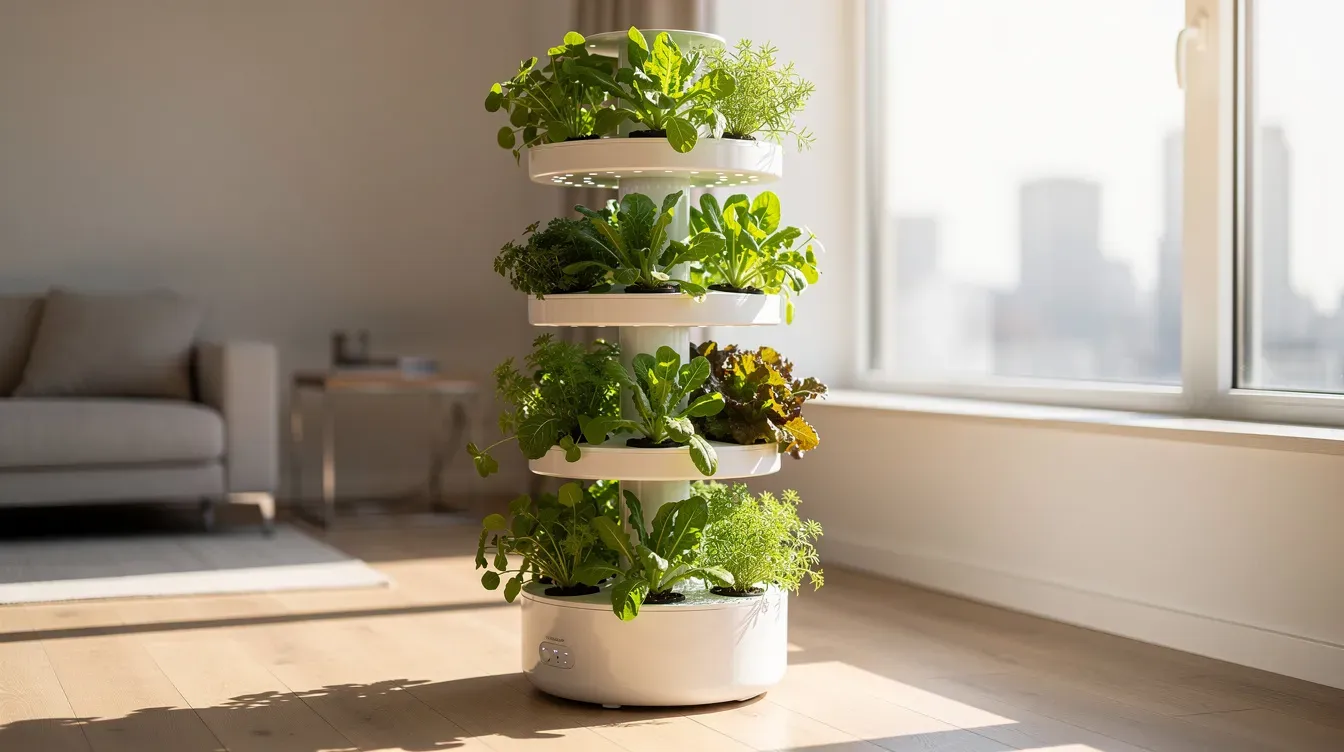
A stacked channel system may use NFT. A top-fed tower may instead distribute water down its interior; an aeroponic chamber sprays suspended roots. Confirm the documented mechanism rather than treating these terms as interchangeable.23
Four Checks Before You Buy
Use the same crop plan when comparing systems. These checks turn a list of features into a decision you can defend.
Four buying checks
Verify the mechanism
Request a current manual or demonstration of the inlet, root zone and return path. Ask whether flow is continuous, timed or sprayed, and which operating instructions apply to that model. Do not copy a generic NFT schedule into different hardware.
Measure usable space
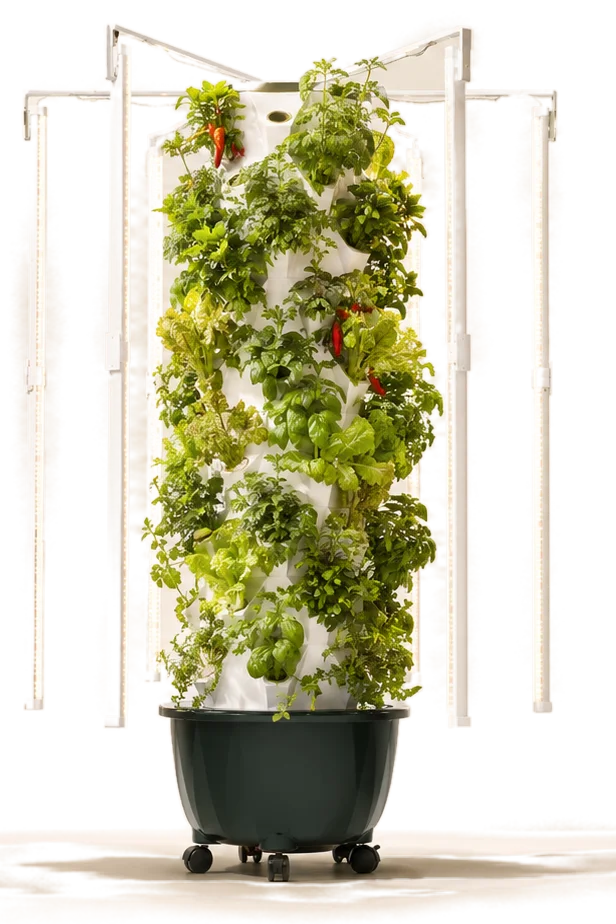
Include the mature canopy, grow lights, access to upper sites, reservoir filling and cleaning. Planting holes and seedling positions are not the same as room for mature plants. Confirm spacing against the crops you intend to harvest.3
Check the whole canopy
Ask for crop-appropriate light guidance at the plant positions—not just a fixture wattage. Intensity, coverage and duration work together. A bright top tier does not establish adequate light at the sides or below a dense canopy.5
Price complete ownership
Request an itemized quote for the selected configuration, delivered cost, included supplies, replacement parts and ongoing inputs. Separate optional services from required purchases. Compare warranties and support in writing rather than relying on a blog’s dated price table.

Five Methods, Different Hardware
These are mechanism descriptions, not rankings. A particular product may combine methods; its documentation should explain how.
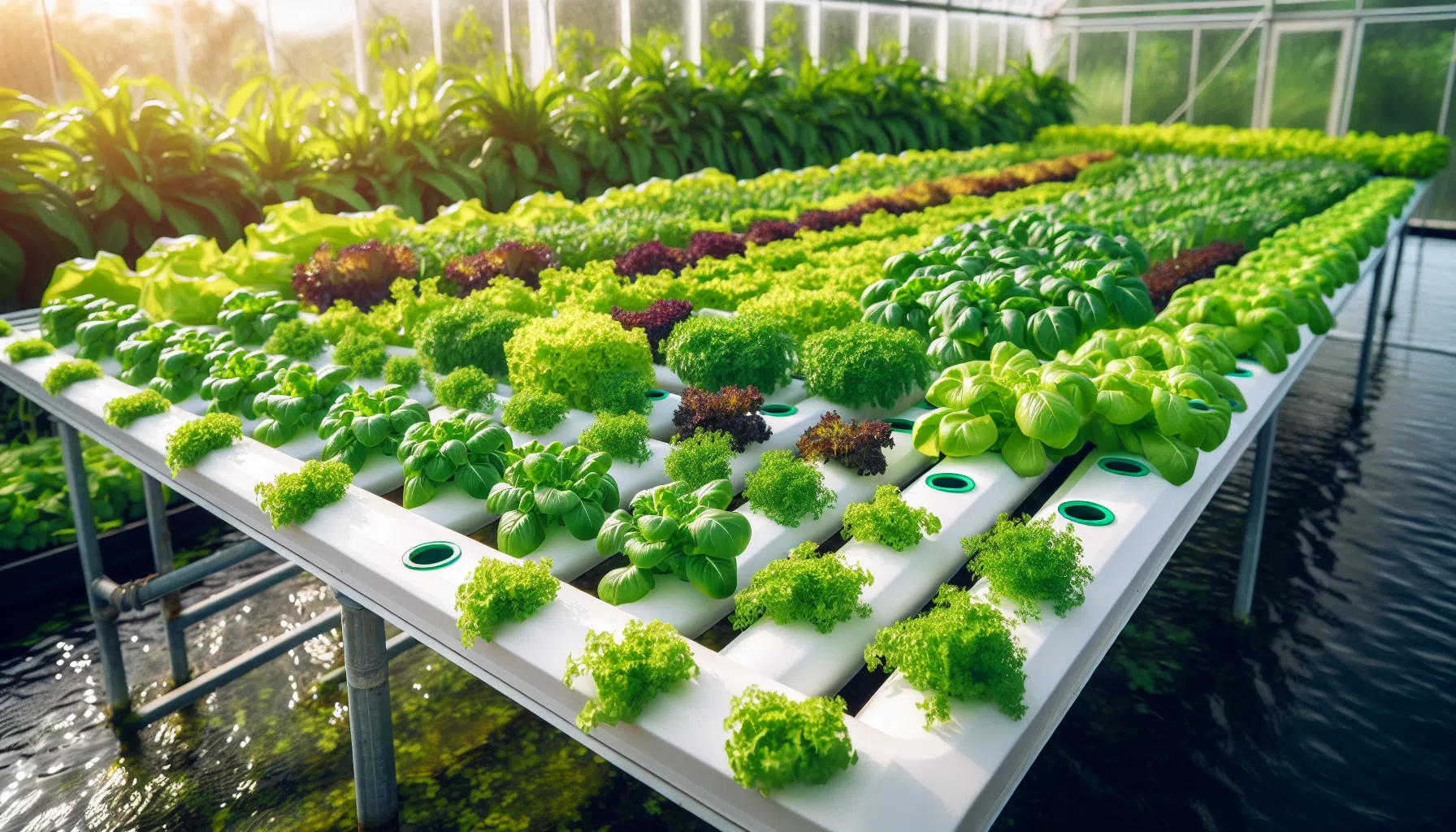
NFT channels
A shallow stream moves through root channels and returns to the tank. Ask how mature roots are kept from obstructing the flow, and how channels can be opened for inspection and cleaning.2

Top-fed / drip
Water is delivered from above or through emitters. It may drain back to a tank. Recirculating water does not, by itself, make this a nutrient-film system.3

Aeroponics
Suspended roots receive sprayed nutrient solution. Check the actual delivery equipment, filtration, cleaning and operating cycle; a nozzle is not evidence of a particular pressure or droplet size.2
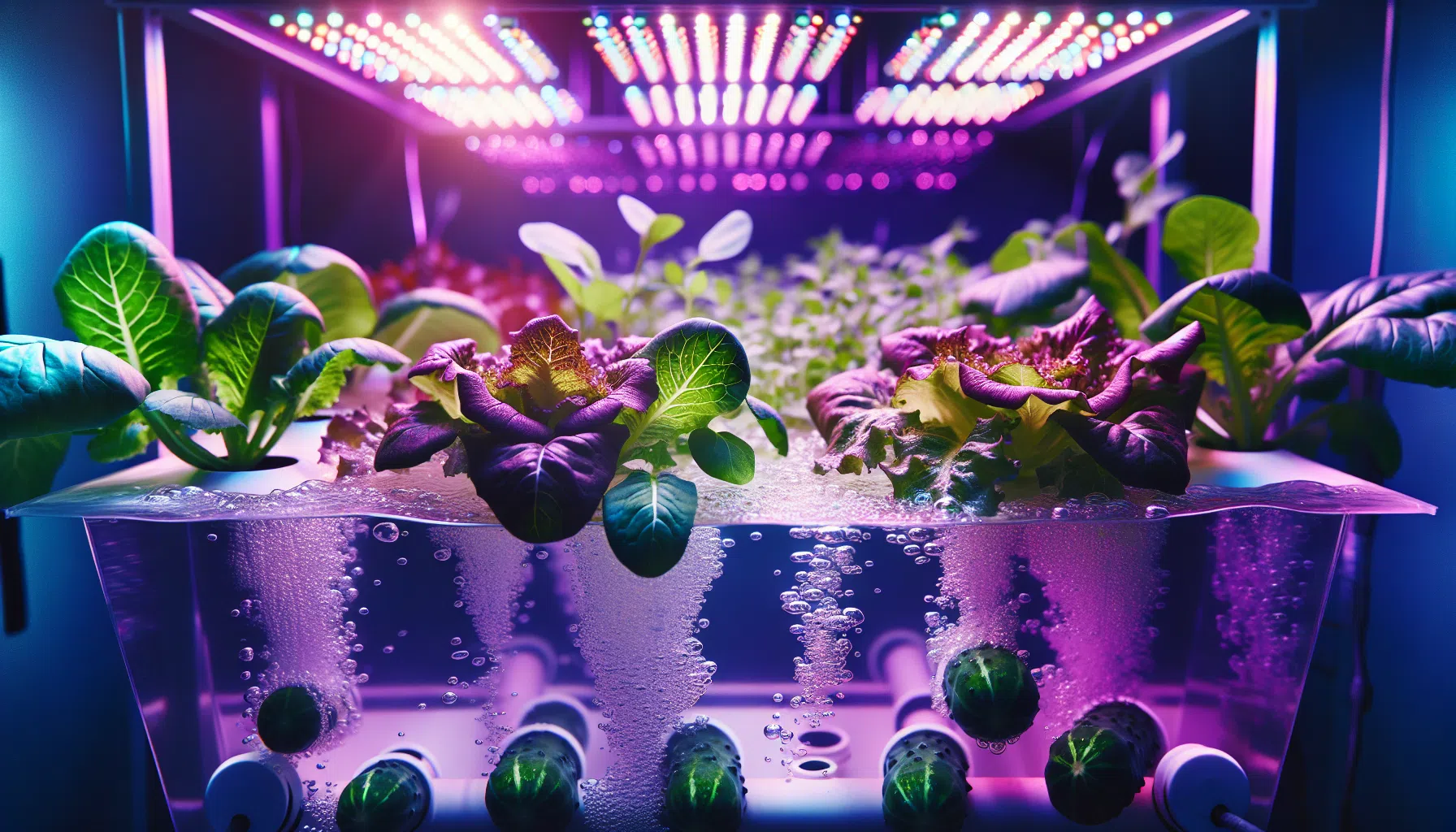
Deep-water culture
Roots grow into a larger volume of nutrient solution with an appropriate oxygen-supply strategy. Root volume, aeration and reservoir access matter more than blanket claims that this method is harder or less efficient.2

Ebb and flow
A supported growing area is flooded and then drained. Timing depends on the system, medium, crop and environment. It should not inherit the operating cycle of an NFT channel.2
Terminology check: “open” can mean drain-to-waste in technical irrigation descriptions. In a brand’s ownership language it may mean freedom to choose supplies. A recirculating water loop and nonproprietary consumables are separate characteristics; check both.2
Choose Crops Before Capacity
Plan what you will actually use, then confirm the mature plants fit. A count of available sites is not a weekly harvest guarantee.
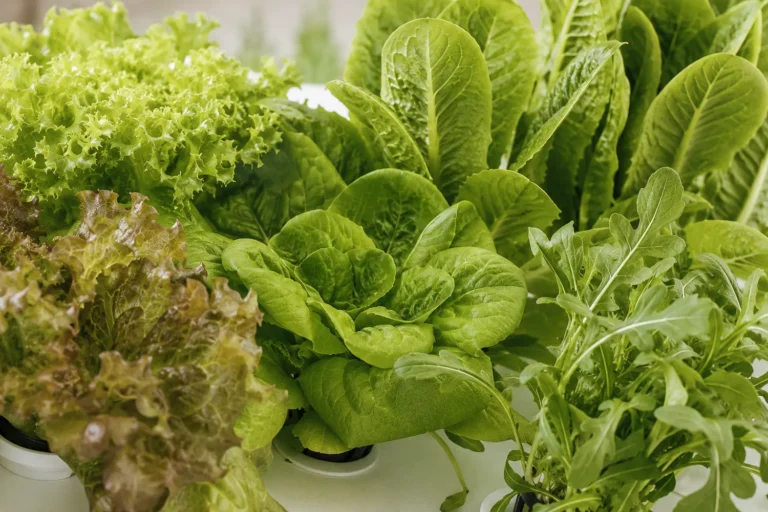
Leafy greens
Short-cycle leafy crops are common candidates for channel systems. Check mature spacing and stagger sowing around actual demand rather than filling every hole at once.3
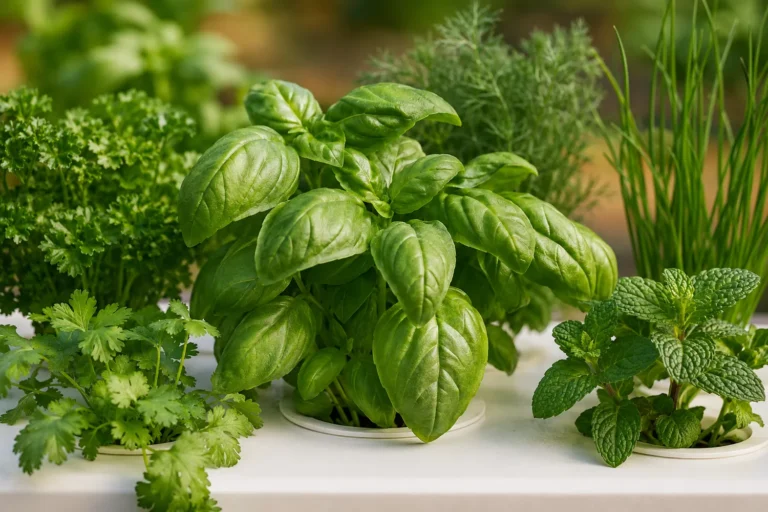
Culinary herbs
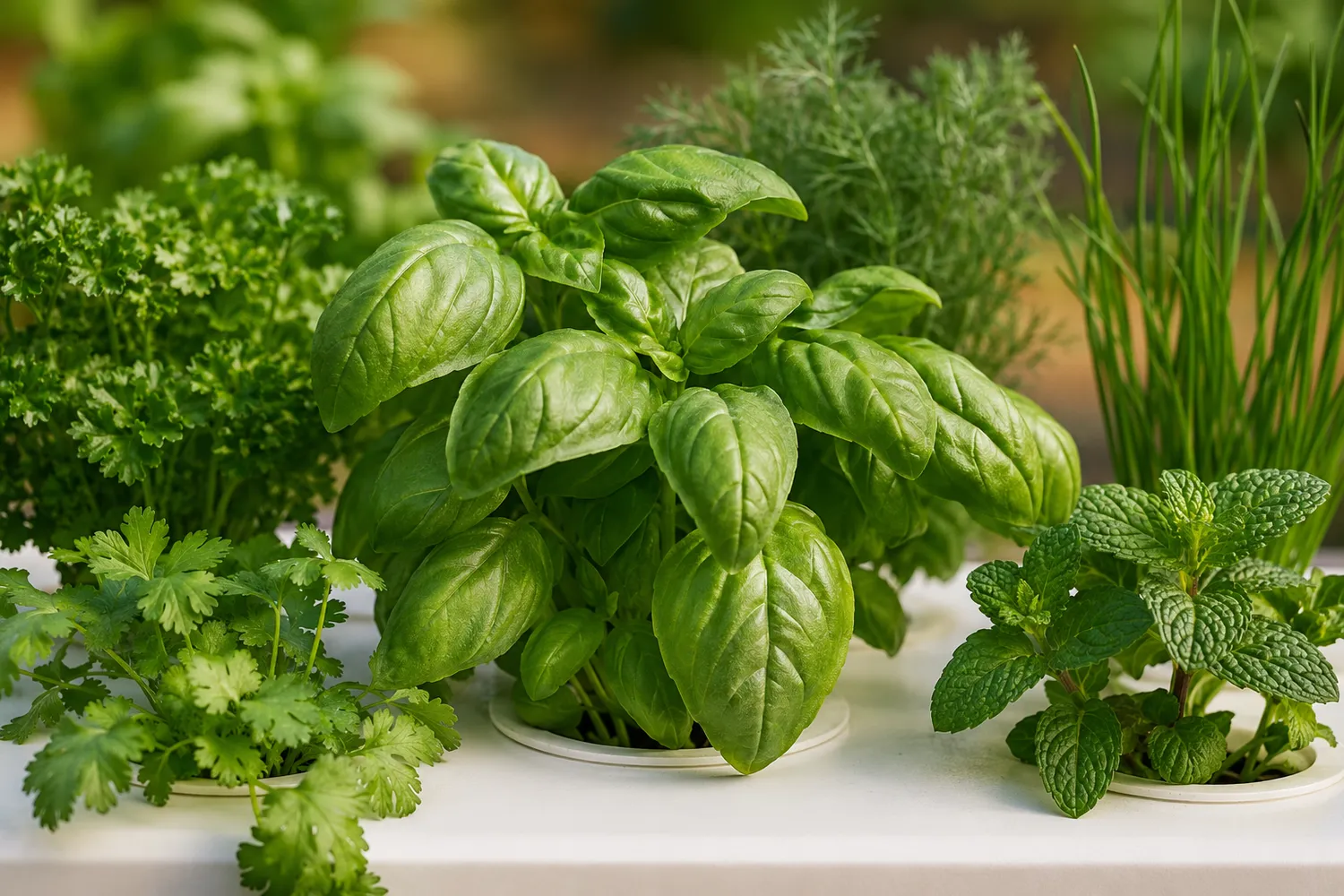
Choose varieties for your light and room. Allow for differing growth habits and root development; an herb collection is not a uniform set of identically sized plants.5
Fruiting crops
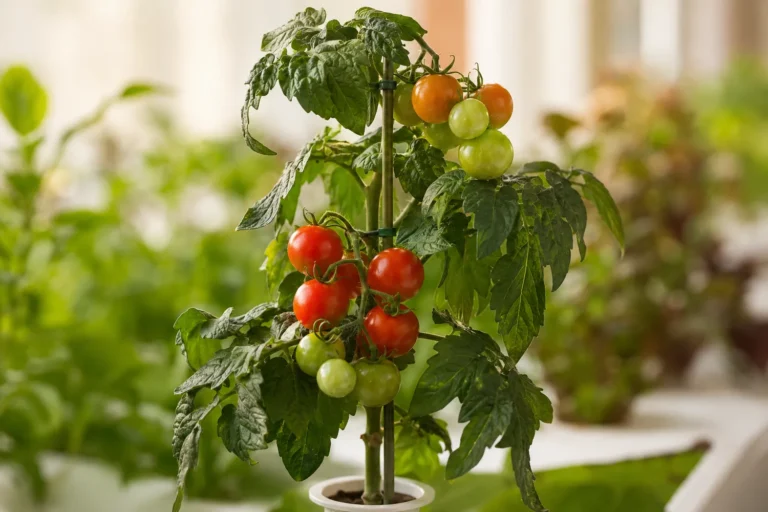
Do not assume tomato or cucumber suitability from a tower photograph. Confirm root room, mature canopy, support, light and access for the exact cultivar and system.3
Schools / food service
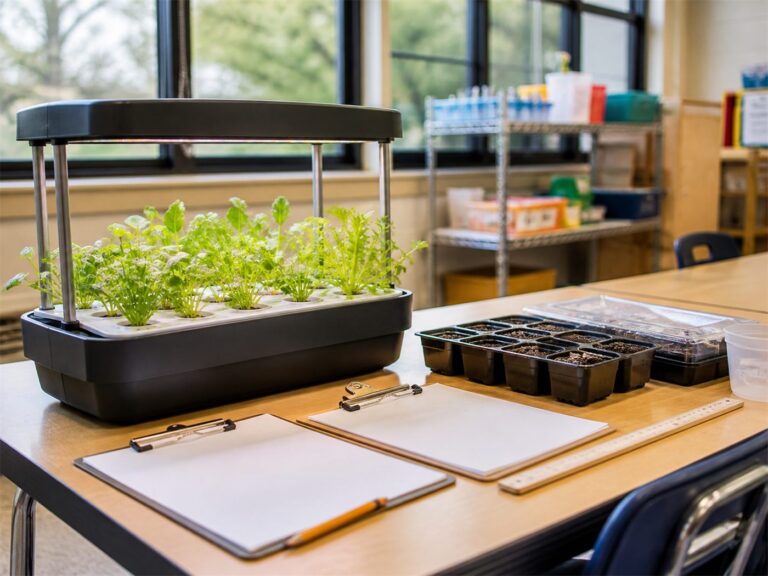
Start with a manageable crop plan, assigned caretaker and replacement supplies. A classroom or restaurant needs predictable care and use—not an unverified promise to replace outside food purchases.
Choose crops that fit your growing plan → For your first setup, use a starter plan and record sowing, transplanting and usable harvest. Expand only when your light, maintenance and crop use justify it. Plan your first indoor garden →
Care and Reliability Still Matter
Check water delivery
Observe level, supply and return flow, especially after setup, changes or interruptions. Pump-dependent roots can lose access to water quickly; there is no universal 20-minute safety window.1
Keep access practical
Choose equipment you can inspect and clean without improvisation. Hydroponics does not eliminate root disease; prevent debris and contamination and investigate unhealthy plants.6
Plan for interruptions
Ask for the manufacturer’s outage response, compatible spare-pump information and support process. Do not test failure tolerance by withholding water from a planted system.
A Better Buying Decision
Look for evidence
- Documented root-water delivery.
- Usable crop spacing and light coverage.
- Accessible parts and cleaning instructions.
- Clear included items and written terms.
Do not buy on these alone
- A tall shape labelled NFT.
- Plant-site count presented as harvest.
- A promised bill using an assumed tariff.
- Unverified awards, yields or comparisons.
For Nutraponics, use current product pages and a configuration-specific answer—not an old blog specification. Confirm any expansion, outdoor use, warranty or consumable-compatibility question before purchase. Ask about system fit →
Common Questions
Answers to the questions that should come before checkout.
Is every hydroponic tower an NFT system?
No. NFT describes shallow channel flow, while a tower describes a physical arrangement. Top-fed and spray-based designs may look similar externally. Request a root-zone diagram and the operating manual for the exact model.3
Should an NFT pump run continuously?
Conventional NFT uses a continuously moving shallow supply. Follow the documented design of the actual product; a top-fed or hybrid system may use different controls. Do not shorten watering cycles to match this article’s electricity example.1
How many planting sites do I need?
Start with the crops and portions you use. Allow for mature size, seedlings, crop replacement and unused positions needed for spacing. The same nominal site count can support very different gardens, so ask for a realistic layout rather than a promised harvest total.
How much will electricity and supplies cost?
Calculate component energy with your actual tariff, then add seeds, media, nutrients, water, maintenance and optional services. The example above shows arithmetic only. It is neither a quote nor a forecast of your bill or grocery savings.
Can I use ordinary seeds, tap water and any nutrient?
Seeds must suit your crop plan, and media must fit the system. Assess source water before mixing a complete hydroponic feed. Follow the feed and equipment instructions; an open supply choice does not make every input or recipe compatible.47
Which Nutraponics model should I choose for NFT growing?
Compare the current NutraTower and Pro Shelf options, then ask for confirmation of the chosen configuration’s water path, operating cycle and crop fit. This guide does not certify every Nutraponics tower as NFT or declare one model best for every home.
Related Guides
View all guides →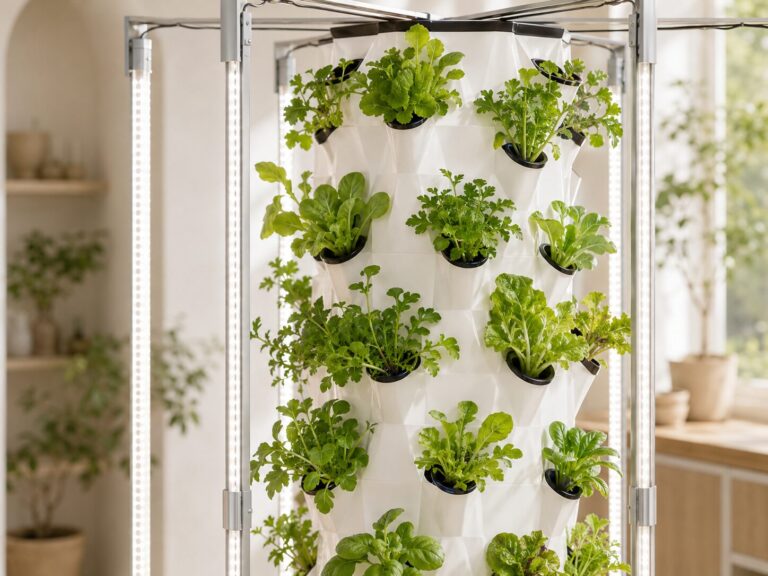

Sources & further reading
- University of Minnesota Extension — Small-scale hydroponicsNFT channels, shallow moving solution, return flow and pump dependence. Generic mechanism guidance; not proof that a named Nutraponics model is NFT. No substrate preparation recipe or numerical failure deadline adopted.
- Oklahoma State University Extension — Hydroponics (HLA-6442)Aeroponics, floating water culture, flood-and-drain, recirculating versus drain-to-waste definitions. No universal growth, yield, energy, water-saving or product-superiority claim adopted.
- University of Florida IFAS — Growing Lettuce in Small Hydroponic Systems (HS1422)Match budget, crop and space; distinguish top-irrigated vertical systems from NFT; account for shading and crop size. Lettuce-focused advice; its region-specific targets and irrigation schedules are not universal settings.
- Oklahoma State University Extension — Electrical Conductivity and pH Guide for HydroponicsDifferent roles of pH, EC and complete nutrient management. No universal crop EC target, generic acid recipe or sensor-based food-safety guarantee.
- University of Minnesota Extension — Lighting for indoor plants and starting seedsPlant-specific light needs, intensity, duration and the limits of window light. Does not verify any product fixture or prescribe a single lamp height, wattage or photoperiod.
- Penn State Extension — PythiumHydroponic root-disease risk and prevention focus. Disease-risk context only; no pesticide, disinfectant or dose instructions.
- Penn State Extension — Hydroponics Systems and Principles Of Plant Nutrition: Essential Nutrients, Function, Deficiency, and ExcessNutrient requirements are not established by a marketing system name. Not a complete growing recipe or a specific nutrient product endorsement.
The cost example is independent arithmetic using stated assumptions. Research describes general methods; it does not verify any specific model, product claim or customer outcome.