Growing your own food no longer requires a backyard or even direct sunlight. Tower gardens have emerged as one of the most practical solutions for urban growers, apartment dwellers, and anyone seeking fresh produce without traditional gardening hassles. This guide covers everything from basic setup to scaling your system.
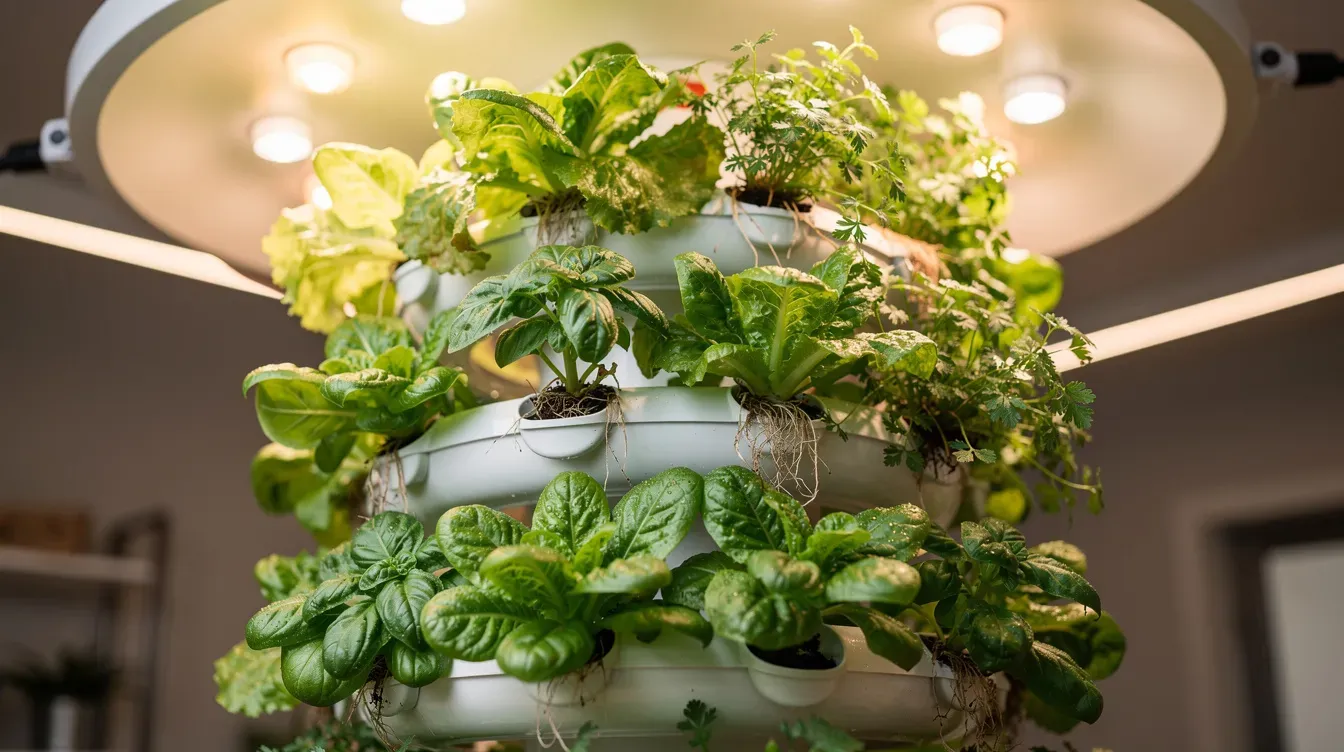
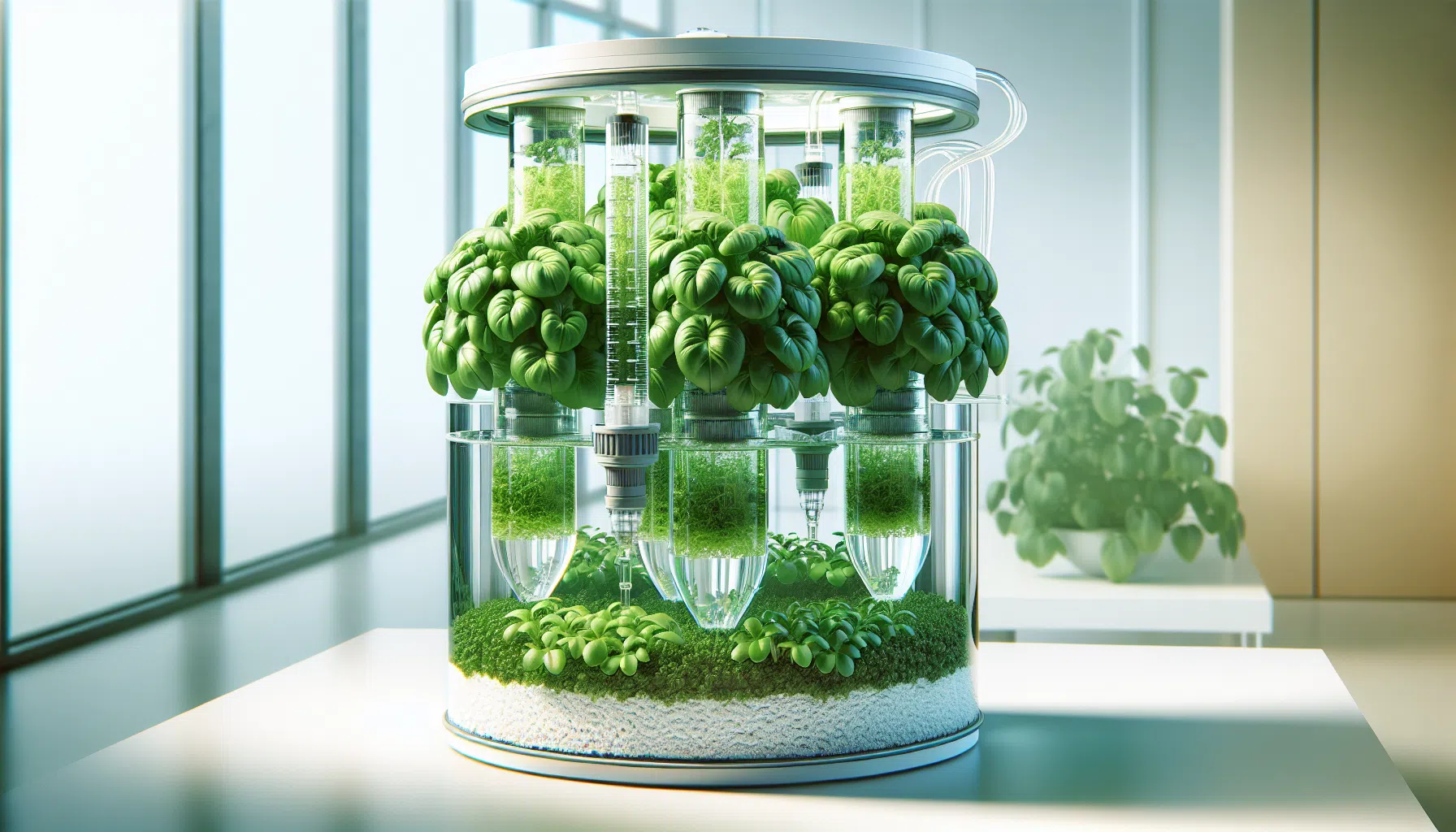
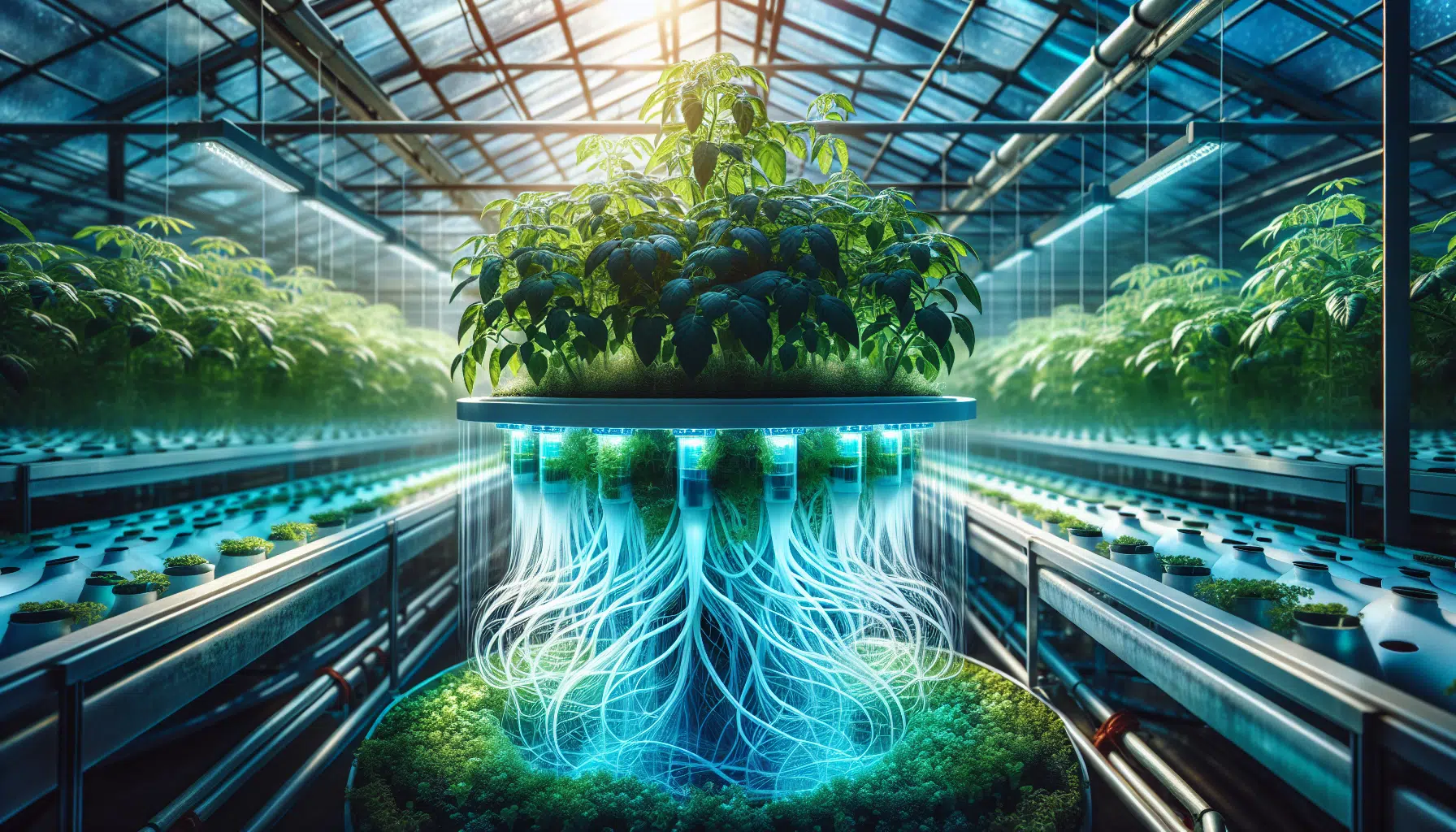
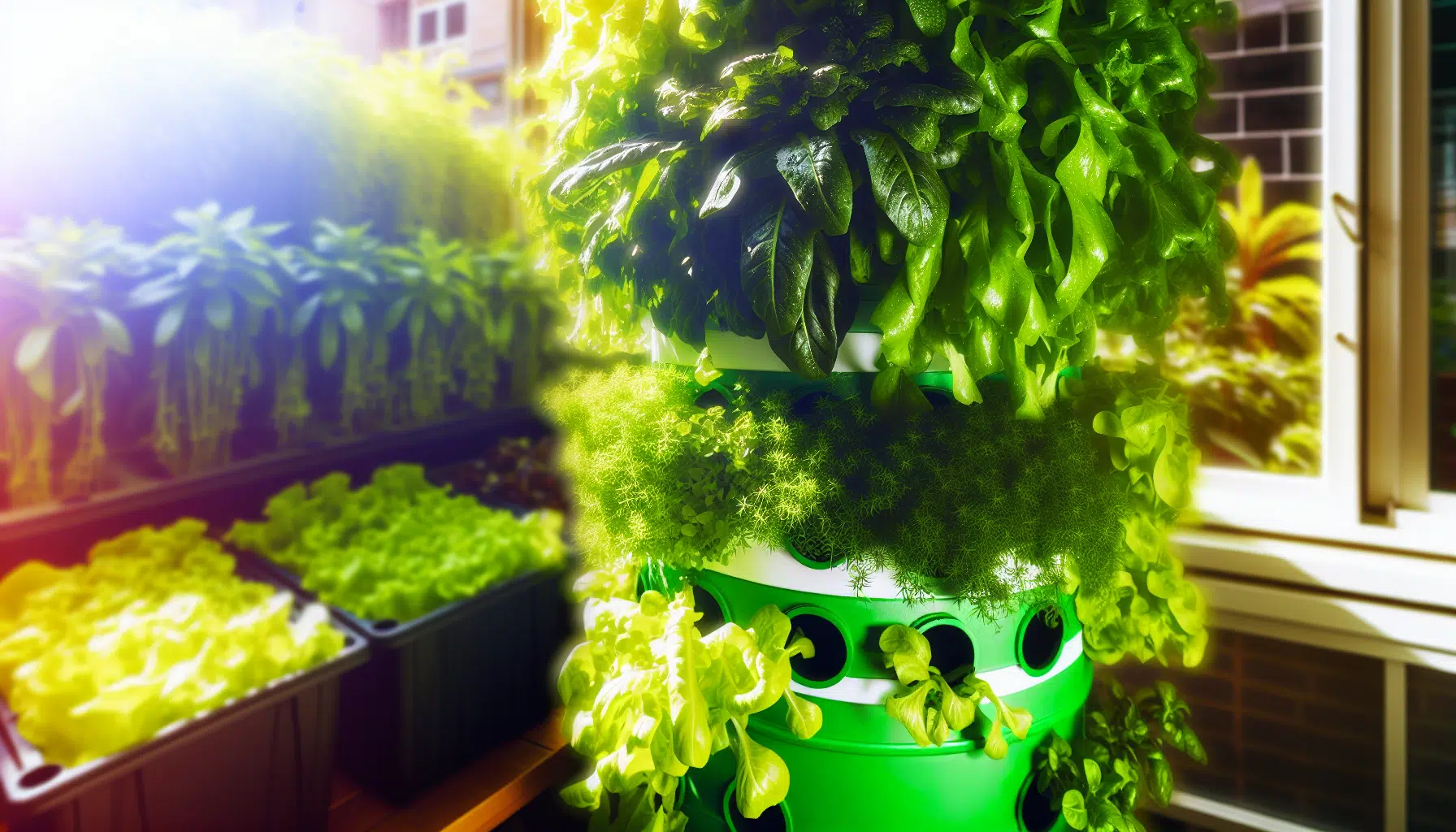
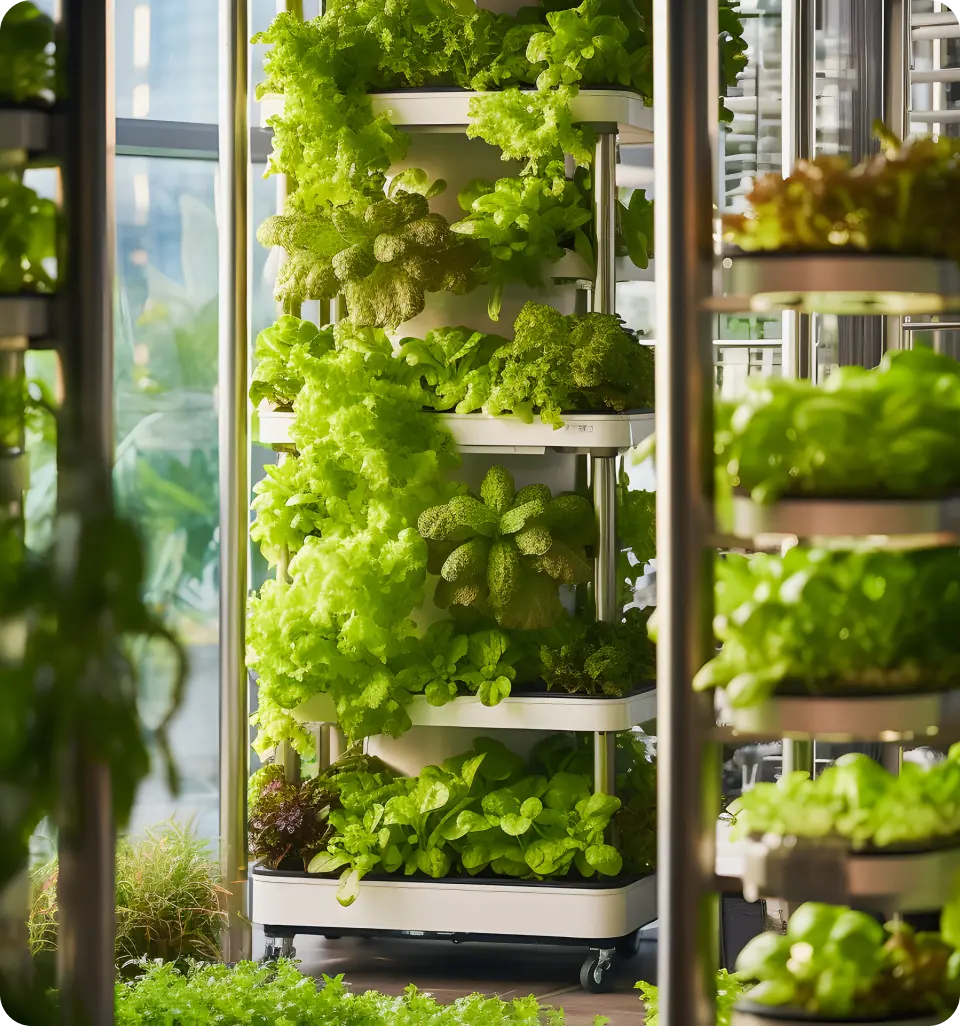
A tower garden is a vertical, soil-free growing system that uses hydroponic or aeroponic methods to cultivate plants in a compact, cylindrical structure. Nutrient-rich water is pumped from a base reservoir up through a central column to the top, where it cascades down or mists through growing ports, bathing exposed plant roots before recirculating back to the reservoir.
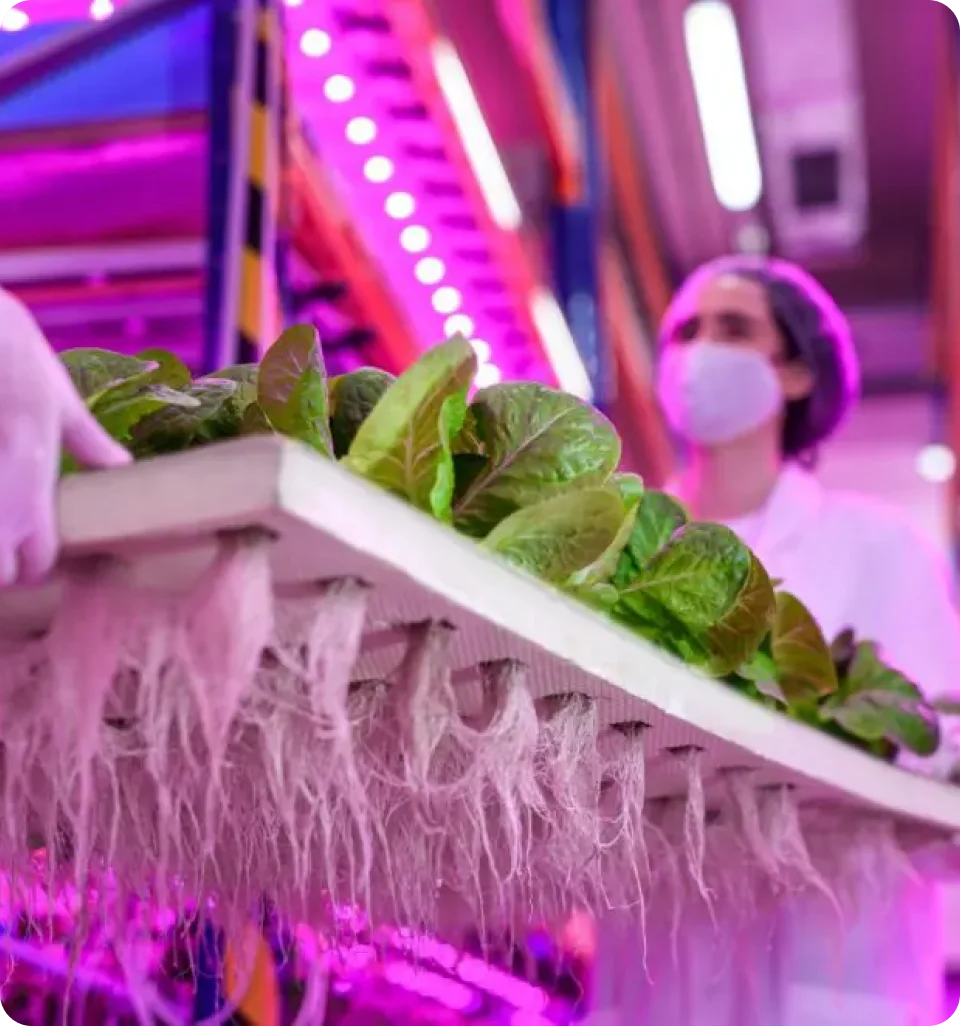
The key difference between a generic tower planter and true aeroponic towers lies in how nutrients reach roots. Basic planters often use soil-compost media, while aeroponic systems suspend roots in air and deliver nutrients through fine misting or cascading films. This maximizes oxygenation and accelerates growth significantly.
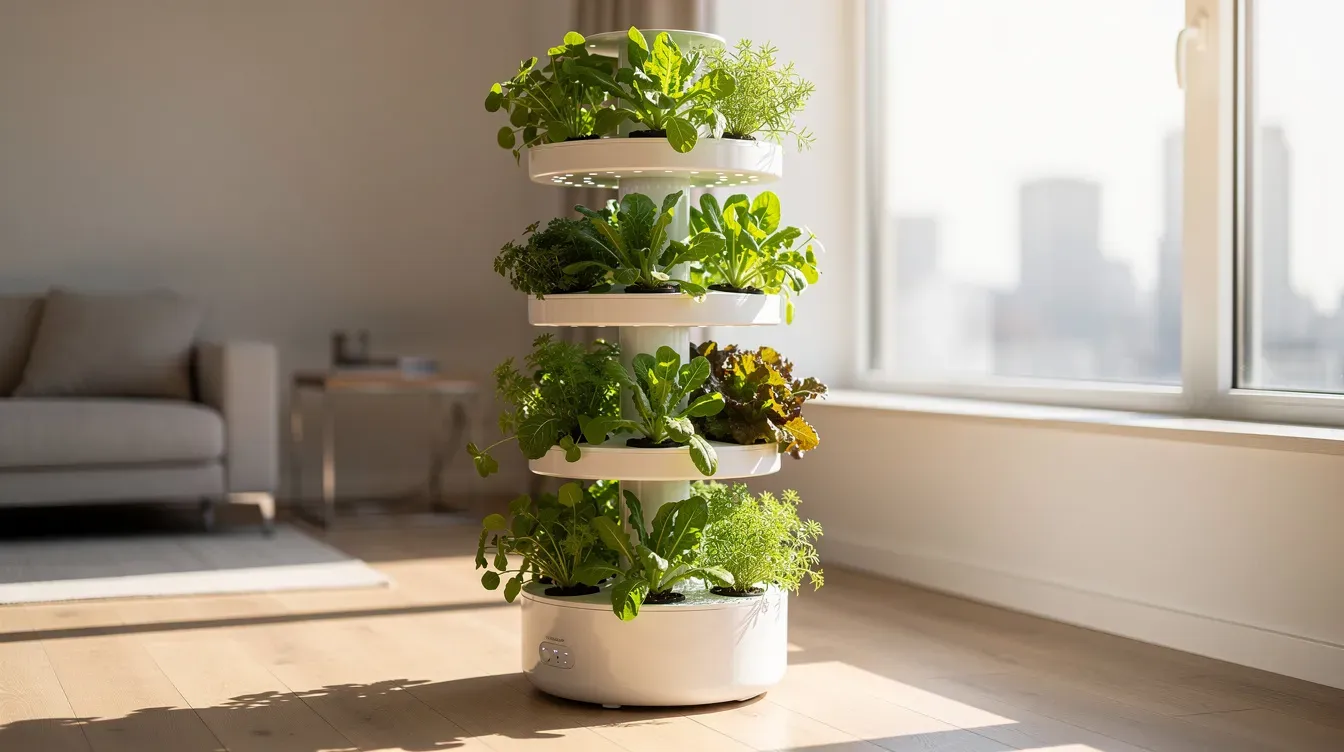
In 2026, with 56% of global populations in cities and food prices up 25% since 2020, tower gardens matter more than ever. Around the world, tower gardens are supporting efficient food production in urban environments, helping cities address food security and sustainability challenges. They fit balconies, patios, kitchens under LEDs, or greenhouses. Tower gardens can grow up to 52 plants in less than 1 square meter, making them suitable for small spaces such as patios and rooftops. Standard heights range from 5-7 feet, supporting 20-36 growing sites.
Traditional soil gardening relies on passive nutrient uptake with 70-90% water loss to evaporation. Tower systems use active circulation of pH-balanced, nutrient-rich solutions delivered directly to roots.
Core components include a 20-80L reservoir, submersible pump, central column, 20-52 planting ports with net cups, and return channels. The pump cycles every 5-15 minutes, pushing solution upward where it disperses via sprayers or atomizers.
Aeroponic systems supply plant nutrients by atomizing water, allowing roots to receive more oxygen and use less water and nutrients compared to traditional hydroponics. Plants grown in aeroponic systems can grow 1.5 to 2 times faster than those in hydroponic systems. Aeroponic systems are particularly suitable for high-temperature areas, as they help mitigate issues like root rot that can occur in vertical aeroponics farming systems due to high water temperatures.
Realistic expectations: lettuce matures in 28-35 days versus 45-60 in soil. A 26-port tower produces roughly 24 heads of romaine weekly after initial establishment. Premium modular systems allow adjusting tower height and pump cycles for different crops.
People choose tower gardens over soil for space efficiency, speed, cleanliness, and control over produce quality, especially when comparing hydroponic towers vs. traditional soil gardening.
Space efficiency: Tower Gardens can grow the equivalent of a 50 sq. ft. garden bed in a footprint of only 30” x 30” and 55” tall, making them highly space-efficient for urban gardening.
Water savings: Using Tower Gardens can reduce water usage by at least 90% compared to traditional gardening methods, making them an environmentally friendly option.
Faster yields: Plants grown in Tower Gardens can grow up to three times faster than those grown in conventional soil gardens, allowing for quicker harvests. Expect leafy greens every 3-4 weeks and herbs producing continuously for months.
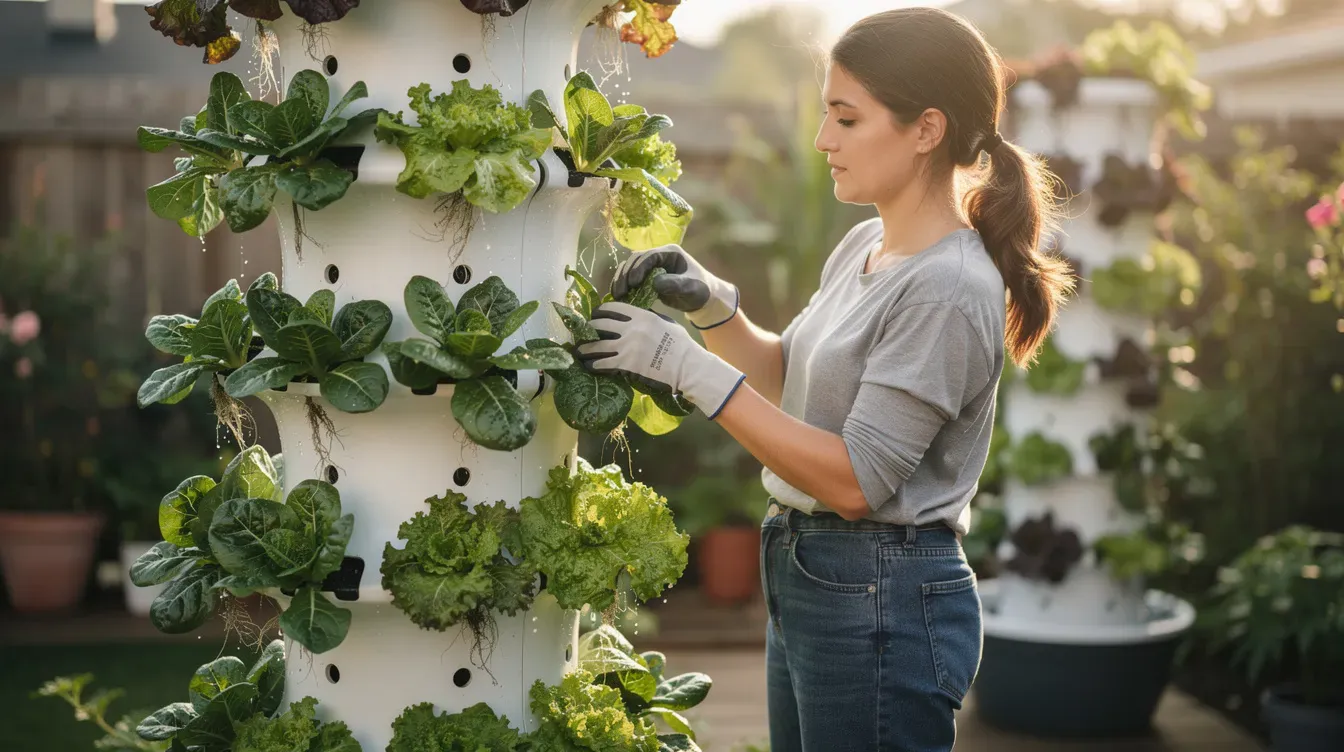
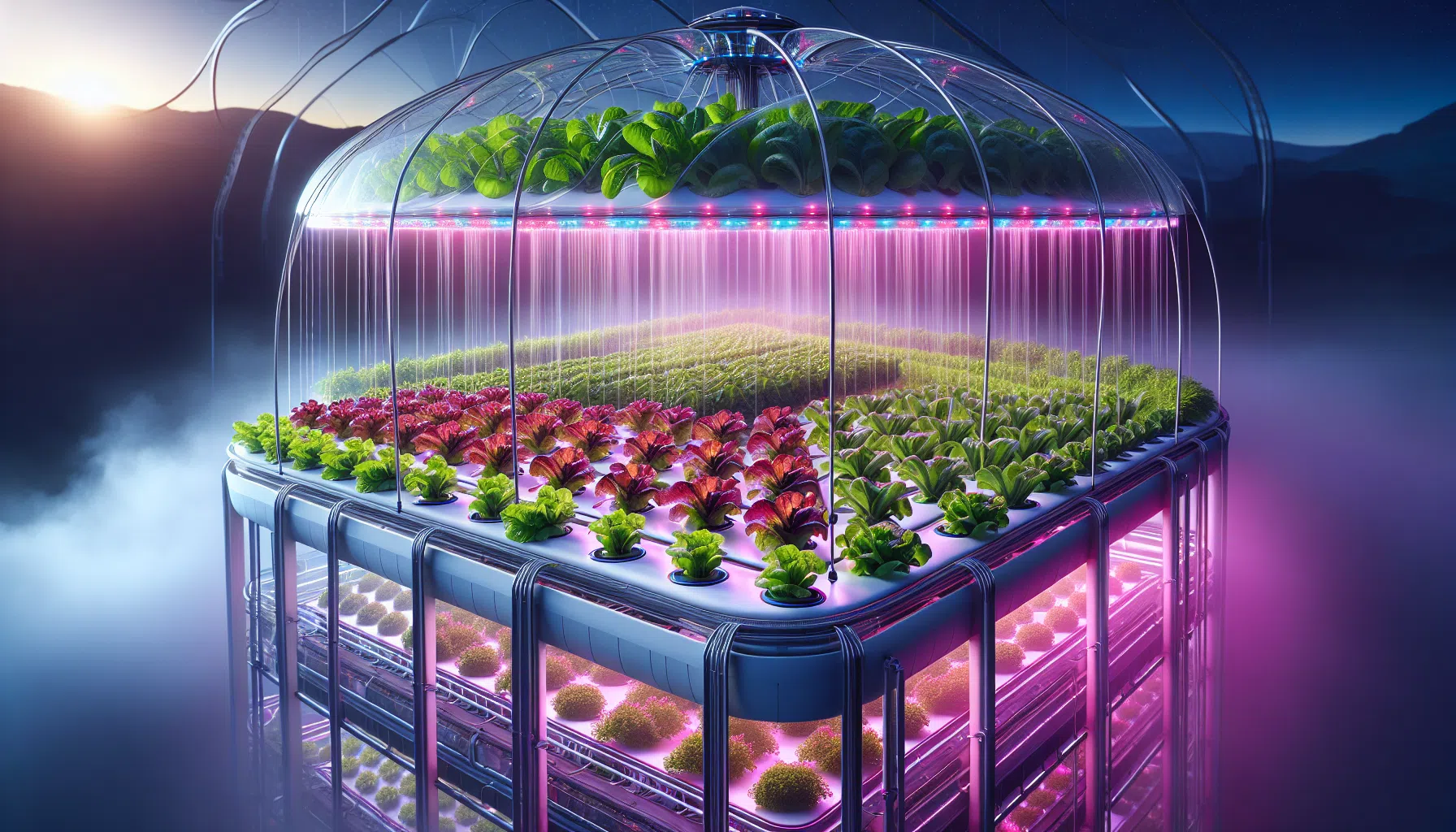
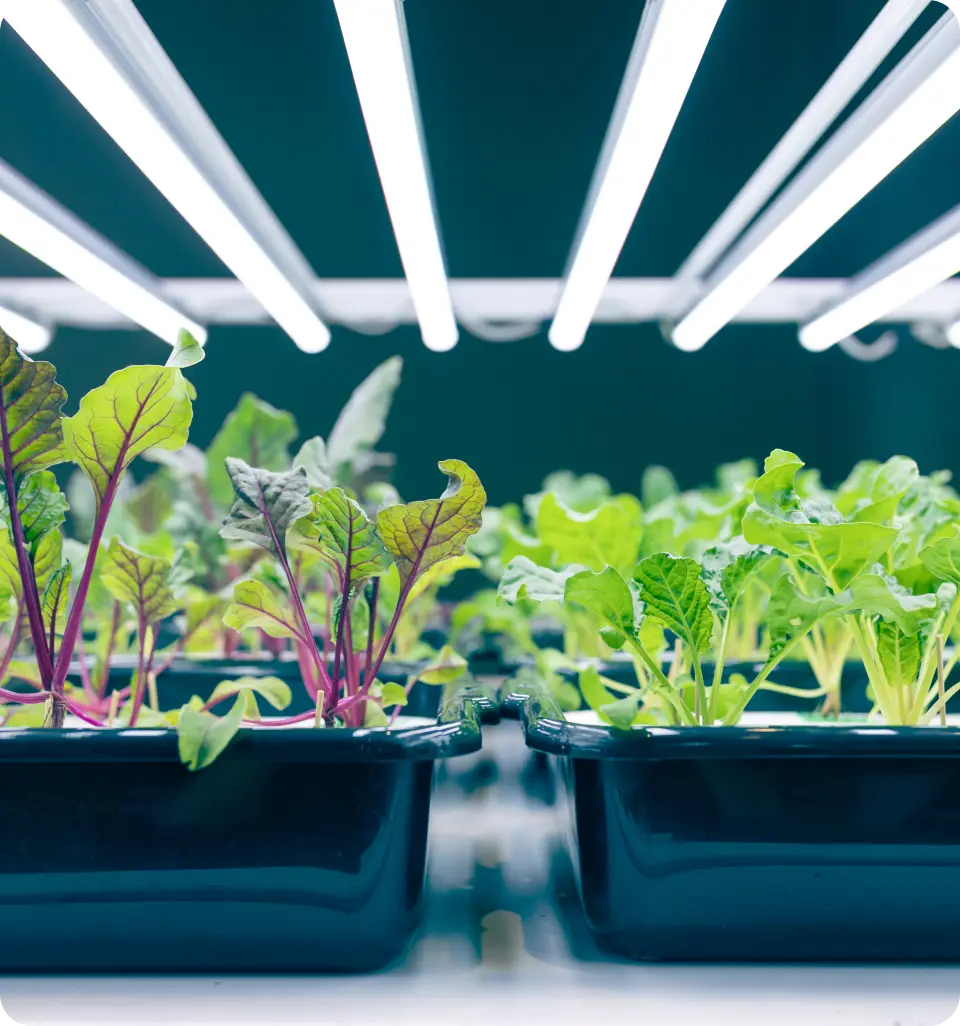
Indoor and outdoor flexibility: Towers thrive on sunny patios or under LED grow lights indoors, giving you options regardless of your living situation.
Cleaner growing: Due to the absence of soil, tower gardens eliminate many traditional gardening chores such as weeding and pest control. This means less mess and fewer chemicals needed.
Long-term, a quality aeroponic tower product represents a modular investment that scales from a single unit to a mini farm, saving money on groceries while producing good food year-round.
Not all crops perform equally in aeroponic towers. Tower Gardens can grow over 150 different types of plants, including vegetables, herbs, fruits, and flowers. Aeroponic systems like Tower Gardens are particularly effective for growing small plants such as lettuce, spinach, and various types of kales and aromatic plants, making them ideal aeroponic towers for home growing.
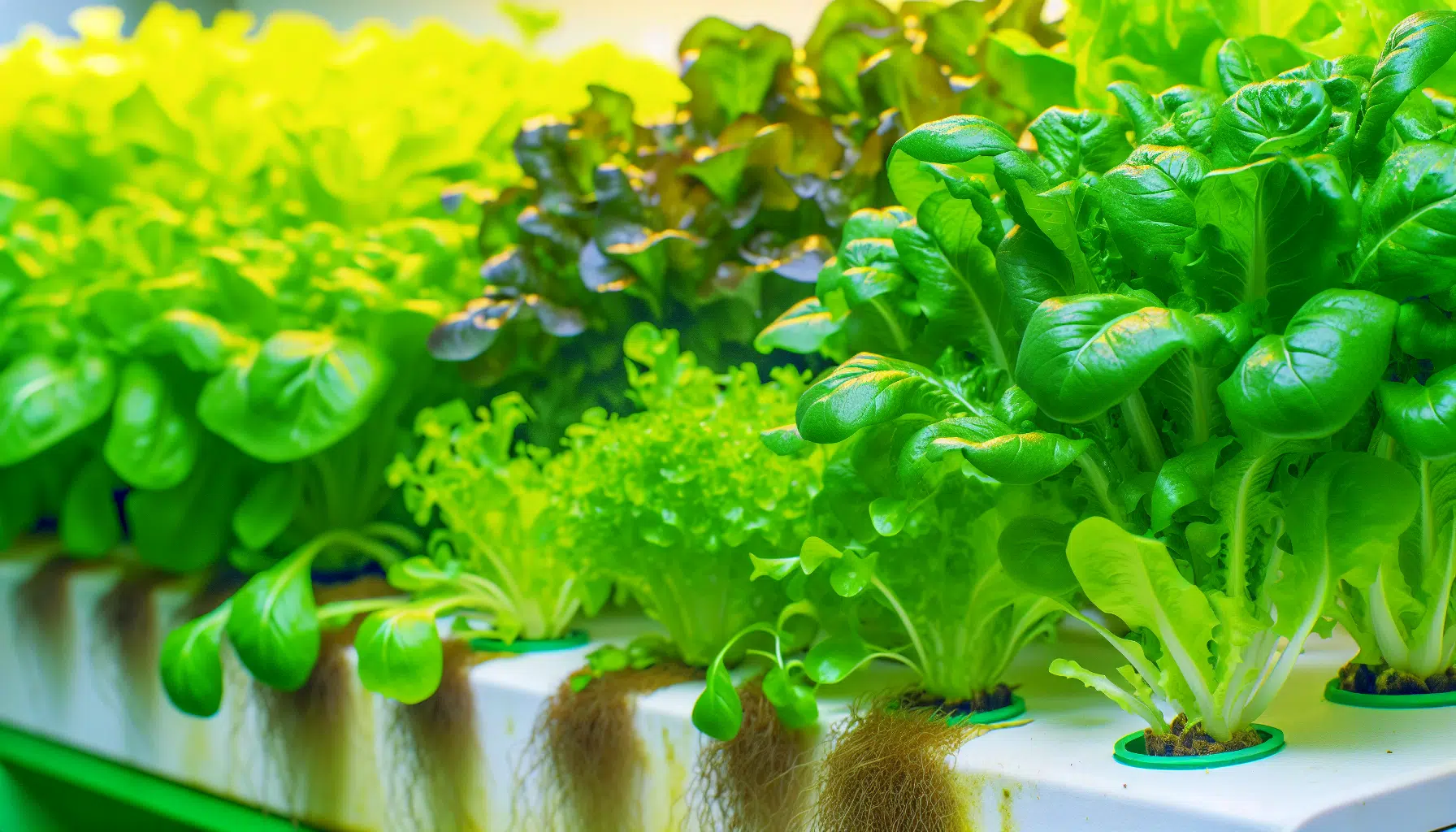
Leafy greens dominate tower success: butterhead and romaine lettuce (25-35 days to harvest), spinach (30-40 days), kale (35-45 days), Swiss chard, and arugula (21-28 days). These fill lower ports easily and yield multiple cuts per plant in indoor hydroponic tower gardens.
Herbs offer perpetual harvests: basil produces 1-2kg over 4-6 months from a single planting, while parsley, cilantro, mint, dill, thyme, and oregano provide continuous yields. Common plants suitable for aeroponic towers for home growing include lettuces, chards, sage, basils, chamomile, and borage.
Fruiting crops need more light and support: cherry tomatoes (60-70 days), peppers (65-80 days), cucumbers, and strawberries work well but require trellising and 8+ hours of light.
Edible flowers like nasturtiums, pansies, violas, and calendula add color to tower edges.
First tower plan: Start with 70-80% leafy greens and herbs, reserving 20-30% of ports for fruits. Indoor towers favor compact varieties under lights; outdoor setups handle vining vegetables with proper support.

Setup typically takes 60-120 minutes and yields first sprouts within 7-14 days.
Site selection: Outdoors, aim for 5-8 hours direct sun with access to power and water on a level surface. Indoors, position near windows or set up dedicated grow lights.
Assembly order:
Secure base reservoir
Stack tower sections (twist-lock or clips)
Thread pump tubing through central column
Attach spray heads or cascade lips
Install net pots and blank unused ports
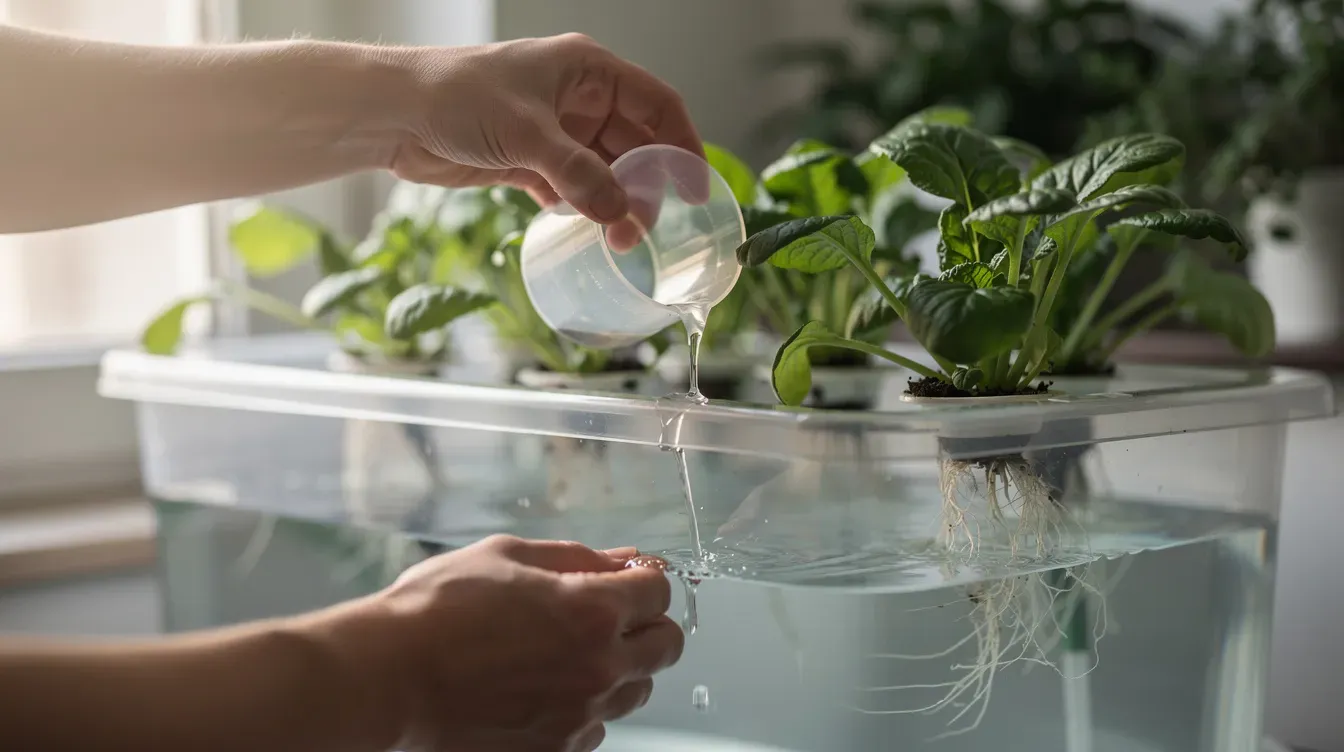
Reservoir prep: Fill with filtered water, mix nutrients to EC 1.0-1.5 and pH 5.8-6.2 for seedlings. Record the date for tracking changes.
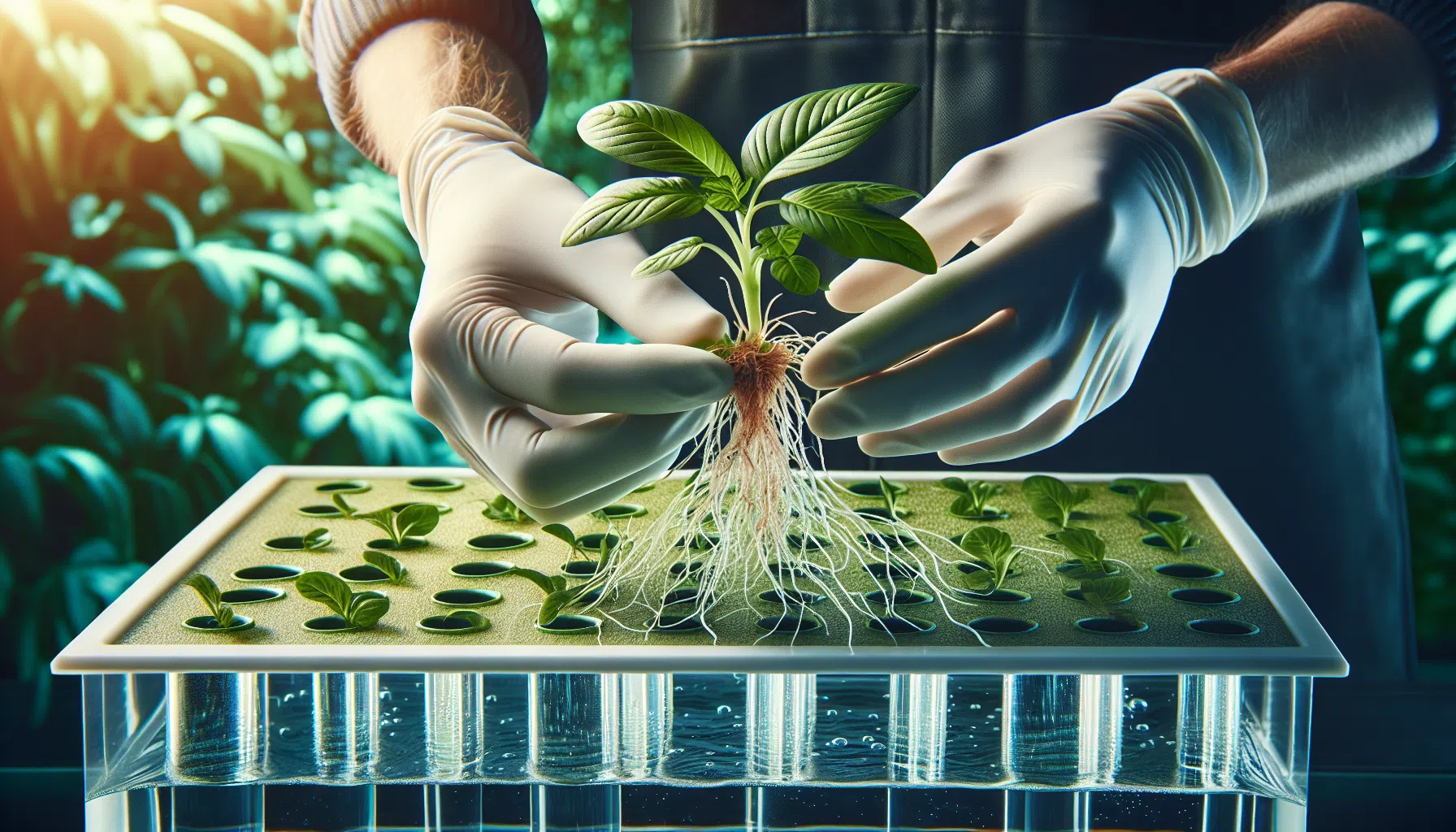
Planting: Use 2-4 week seedlings in rockwool cubes for 90% success versus 60% with direct seeds. Insert with roots dangling 5-10cm into ports. A typical Seedling Starter Kit includes items such as rockwool cubes, net pots, and starter nutrients to help users begin their tower garden.
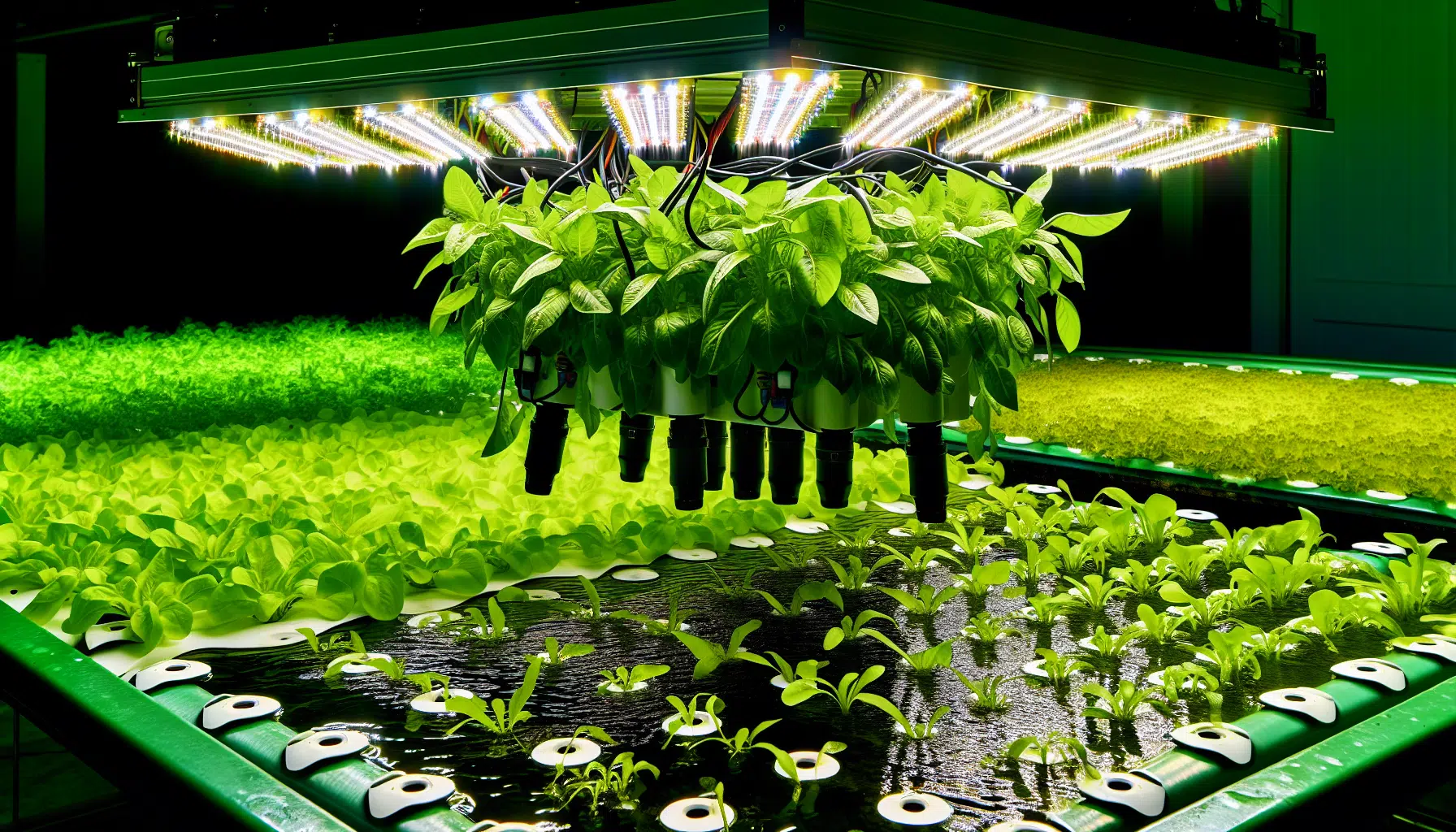
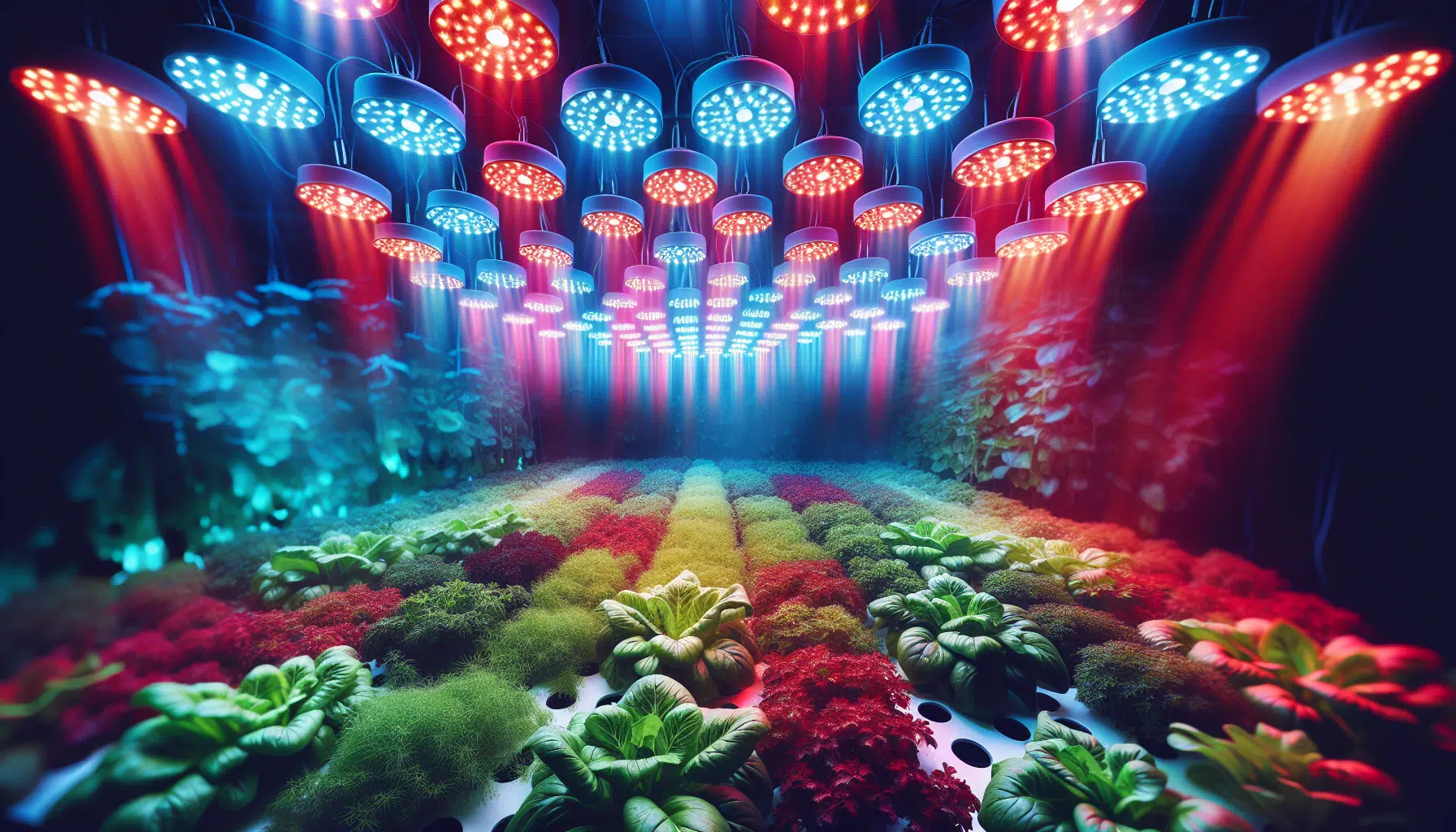
Indoor lighting: Full-spectrum LEDs at 35-50W per tower side, positioned 30-45cm above plants, running 14-18 hours daily, similar to recommendations for vertical hydroponic garden towers with LED systems.
Pump settings: Default to 15 minutes on, 45 minutes off. Adjust for climate—shorter cycles in heat, longer in cool conditions. Modular, open-source systems and efficient hydroponic grow tower gardens with automated controls make swapping pumps or timers easy as your garden scales.
Success comes from small, consistent actions rather than complex chores.
Frequency | Tasks |
|---|---|
Daily (3-5 min) | Check pump is running, listen for noise, inspect water level, scan leaves |
Every 2-5 days | Top up reservoir before pump runs dry |
Weekly | Test pH/EC, adjust nutrients, prune yellow leaves |
Every 2-4 weeks | Full reservoir drain, clean filters, wipe salt buildup |
Target pH 5.8-6.2 for greens, 6.0-6.5 for fruiting crops. EC ranges from 1.2-1.8 for leafy vegetables to 2.0-2.5 for tomatoes and peppers, similar to guidelines used in Nutraponics Pro Tower Garden hydroponic systems. |
Seasonal adjustments matter: summer requires shorter pump cycles and added fans; winter extends light time. A simple Monday-Wednesday-Friday routine handles most towers quickly, especially when using hydroponic tower gardens with integrated LED grow lights.
Every grower faces issues. Aeroponic towers are relatively easy to diagnose visually.
Yellowing leaves: Nitrogen deficiency shows in older leaves (increase N); interveinal yellowing suggests pH lockout (flush and adjust to 5.8). Remove naturally aging lower leaves.
Wilting or dry roots: Check pump operation first. Common causes include timer issues, clogged emitters, or heat stress. Maintain water temperature at 18-22°C.
Algae growth: Caused by light hitting water or warm reservoirs. Use opaque lids, cover the reservoir, and add blanking plugs to empty ports.
Root rot: Brown, slimy roots indicate low oxygen or high temperatures. Improve aeration, shorten pump cycles, and consider cooling the reservoir.
Slow growth: Usually low light, underfeeding, cold temperatures, or overcrowding. Upgrade lights, bump EC by 0.2 weekly, or thin plants to 80% port capacity—many growers see improvements when they follow best practices from aeroponic tower gardening systems with LED lighting.
Pests: Aphids and whiteflies appear indoors; use neem or insecticidal soap. Keep simple records of pH, nutrients, and observations to spot patterns quickly.
Match your system to household needs and growing goals.
Capacity: 20-30 ports suit a family of 2-4; larger setups work for preserving or producing a lot of surplus for sale.
Indoor vs. outdoor: Outdoor towers need UV-resistant plastics and larger reservoirs. Indoor units benefit from quiet pumps and integrated lighting options.
Materials: Choose BPA-free, food-grade plastics. Avoid thin or brittle types that won’t hold up long-term.
Modularity: Systems that add sections, swap pumps, or connect multiple towers grow with your needs. Open-source designs offer flexibility without proprietary lock-in, much like Nutraponics vs. Tower Garden hydroponic tower system comparisons highlight.
Support: Clear manuals, nutrient schedules, and access to grower communities save time troubleshooting, and resources from the Nutraponics store for premium hydroponic tower systems can also shorten the learning curve.
Value: A quality tower amortizes over years of harvests. Weekly greens and herbs quickly offset grocery costs, making the investment fun and practical.
Tower gardens can be easily moved or kept indoors with LED grow lights, allowing for year-round growing regardless of outdoor seasons, especially when using an excellent indoor hydroponic vertical garden system.
Lighting: Run full-spectrum LEDs 12-18 hours daily at 200-500 µmol/m²/s. Position lights 30-45cm above the canopy.
Location: South-facing windows supplemented with LEDs work well, or set up dedicated grow corners with reflective walls.
Climate: Maintain 18-24°C and moderate humidity. Small fans prevent mold and strengthen stems; pairing this with a NutraTower premium indoor hydroponic system makes stable conditions easier to maintain.
Crop rotation: Grow cool-season greens in winter, shift to fruiting crops under extended light in warmer months. This approach lets you ship your family consistent produce from your own account of plants year-round—whether in North America or Europe.

Many growers start with one tower and expand over time, often moving into Nutraponics Pro Tower Garden hydroponic systems as they scale. Four to eight towers can supply weekly salads for several households.
Scaling considerations: A typical 15-amp circuit supports 8-10 towers with LED lighting. Share reservoirs or run individual units depending on crop needs.
Cropping strategy: Dedicate specific towers to greens, herbs, or fruiting crops for easier nutrient management. Order seedlings in succession to maintain continuous harvests.
Automation: WiFi timers, nutrient monitors, and automated top-off tanks reduce daily work. These additions set you up to meet demand whether feeding family or exploring local sale opportunities.
Commercial possibilities include supplying restaurants or setting up educational towers in schools. Modular systems scale horizontally or vertically without requiring full replacement—your son could even add wheels to towers for easy repositioning, and a coupon from the right supplier makes expansion affordable.
Aeroponic towers benefit apartment dwellers, busy families, educators, and anyone seeking fresh, clean food without a traditional garden. The combination of compact footprint, 90% less water usage, and harvests up to three times faster makes them practical for most situations.
Success requires adequate light, power access, and simple weekly maintenance—no prior farming experience necessary. You don’t need juice cleanses or Amazon products to get healthy; just grow your own vegetables.
Start by assessing your space, choosing your first crops, and selecting a system type that matches your goals. The number of people discovering tower growing continues to rise because it works. Your rights to fresh, quality food are easier to exercise than ever. Plan your first tower today—you’ll wonder why you left this option unexplored for so long.