

Sitewide Sale: Use code Get5Nutra for 5% OFF all products. FREE shipping & 30-Days Hassle-Free ReturnsShop Now

Tower Garden: A Practical Guide to Vertical Farming at Home

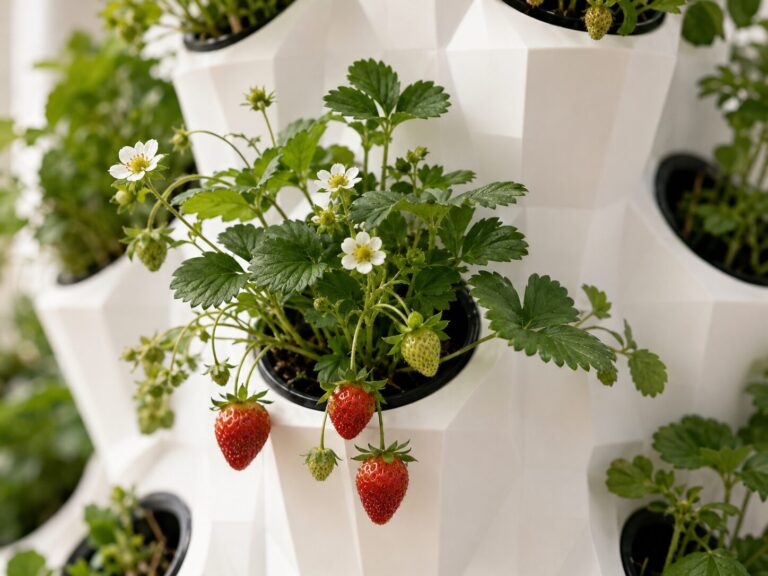
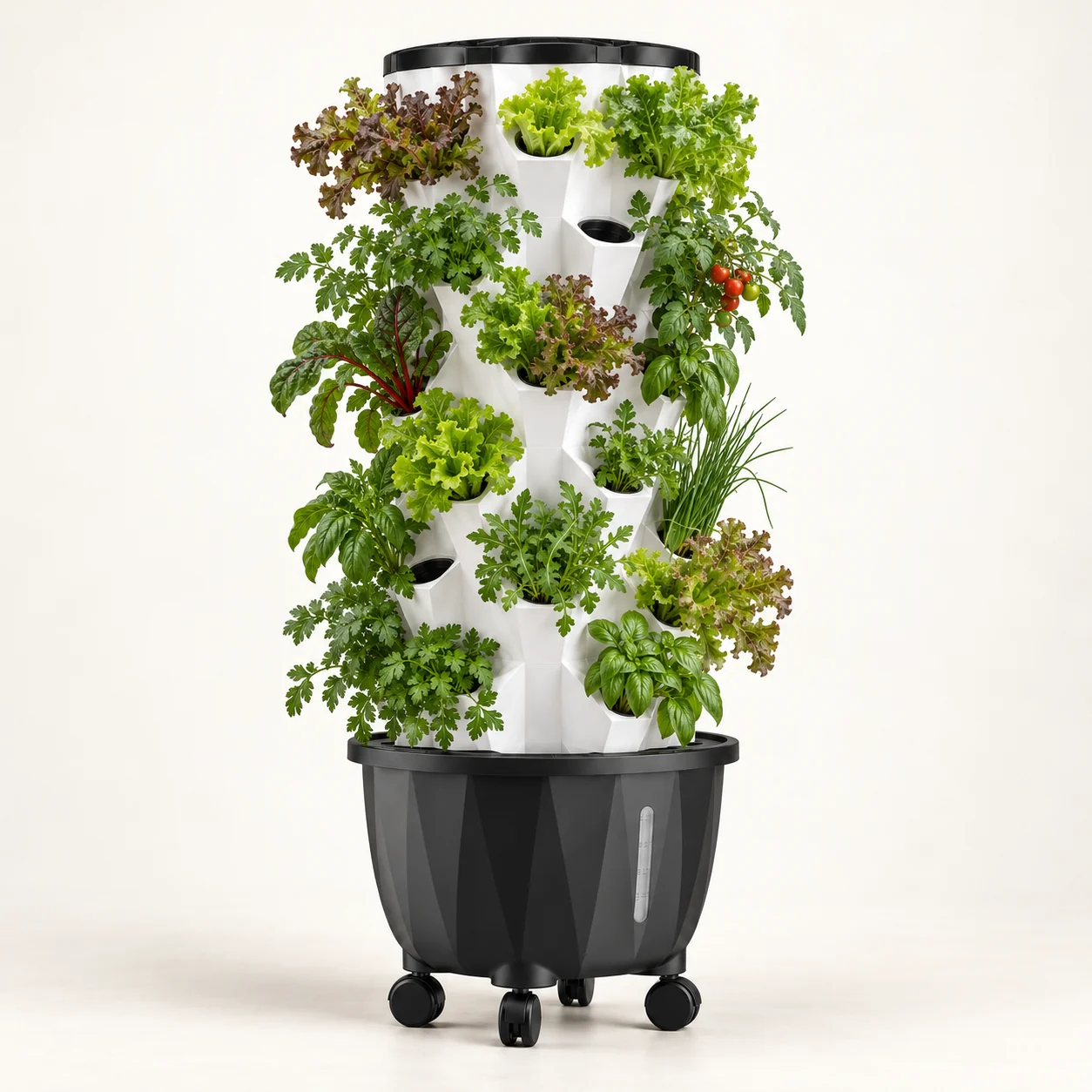
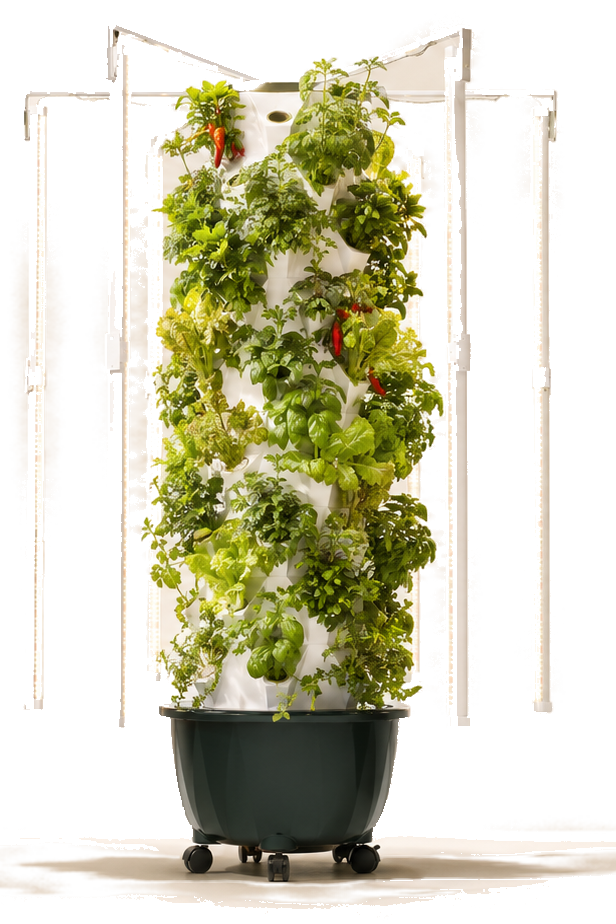
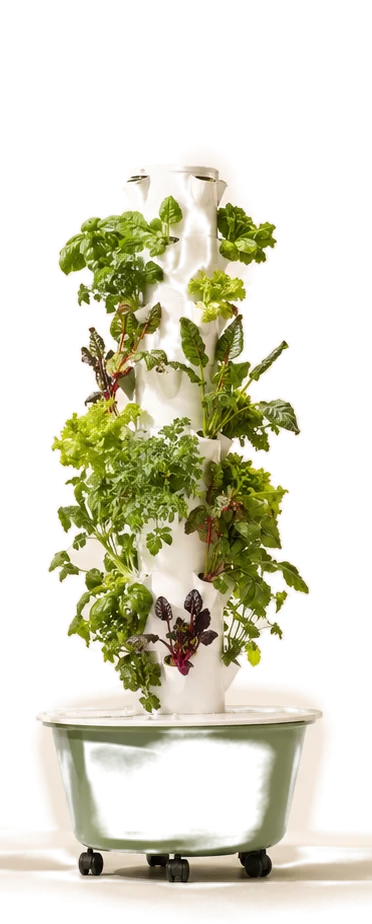
A tower garden is a compact garden tower that lets you grow food upward instead of across a bed. It fits neatly into modern vertical farming because it can turn balconies, patios, rooftops, or indoor corners into productive growing spaces.

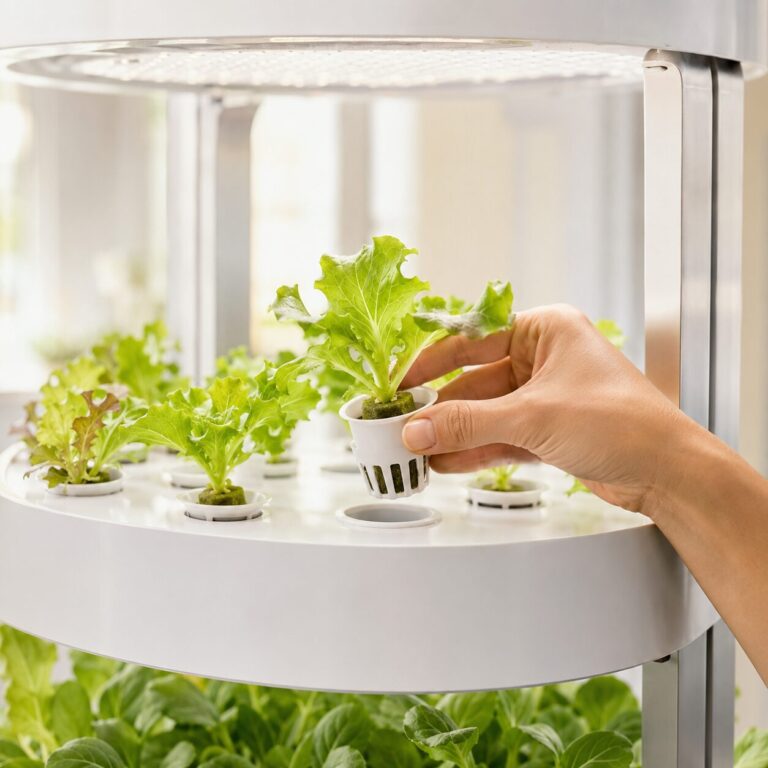
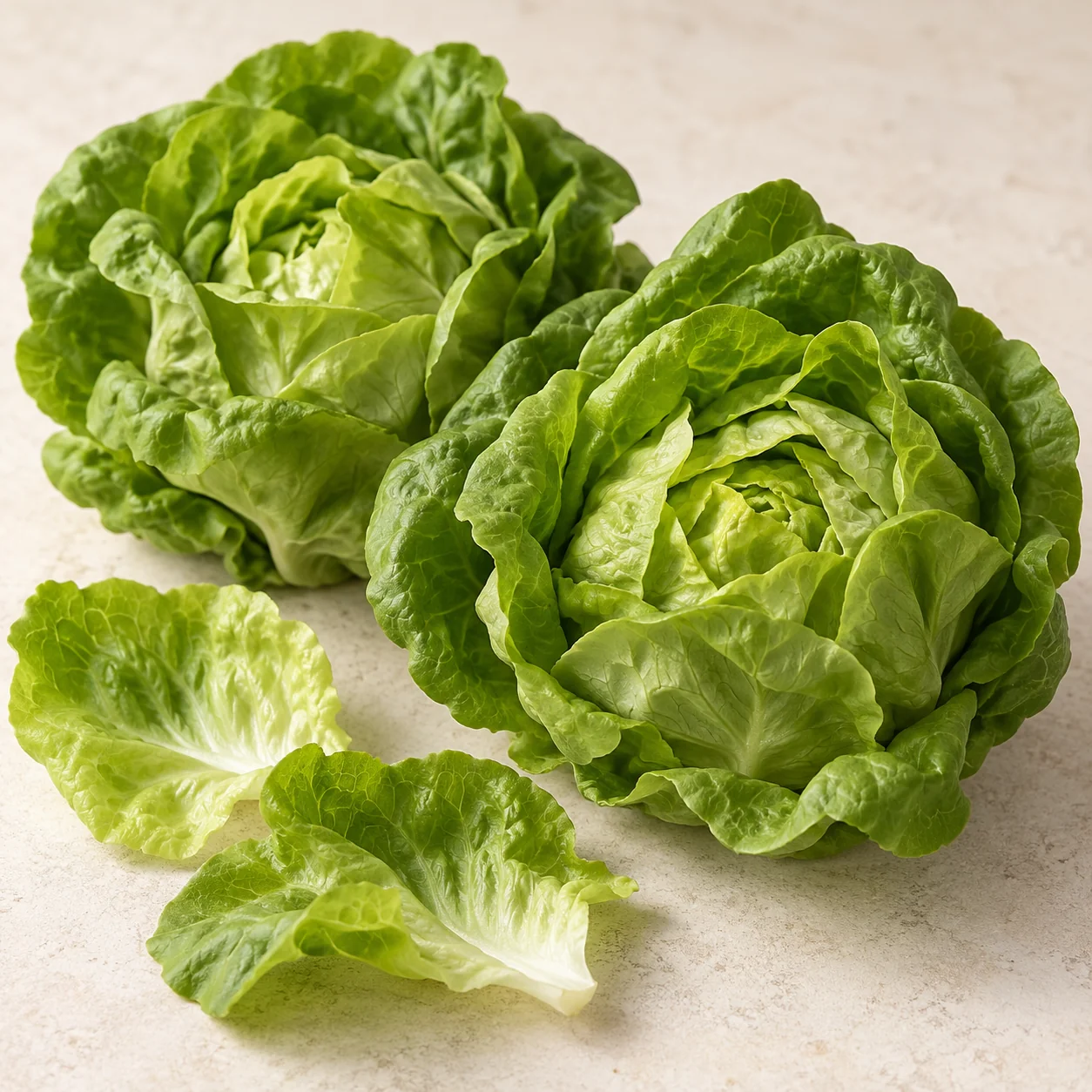
Instead of soil, most tower gardens use vertical aeroponic or hydroponic technology. Leafy greens like lettuce, kale, spinach, and Swiss chard can grow in stacked pockets while their roots receive water, oxygen, and nutrients inside the tower.

Hydroponics Growing Systems

Introduction to Tower Gardens

Tower Gardens use less than 10% of the water compared to conventional farming methods, making them a more sustainable option for growing food. A Tower Garden can produce up to 20 times the amount of produce in the same square footage as traditional soil-based farming, maximizing space efficiency.

Main advantages include:

  • More plants in less floor space, often 20–30 or more plants in less than three square feet.

  • Faster harvests for greens, herbs, and some vegetables.

  • No weeding and fewer soil-borne problems.

  • Indoor gardening with lights, which means year-round harvests for urban people.

  • A practical way to grow fresh produce even when outdoor land is limited.

How a Tower Garden Works

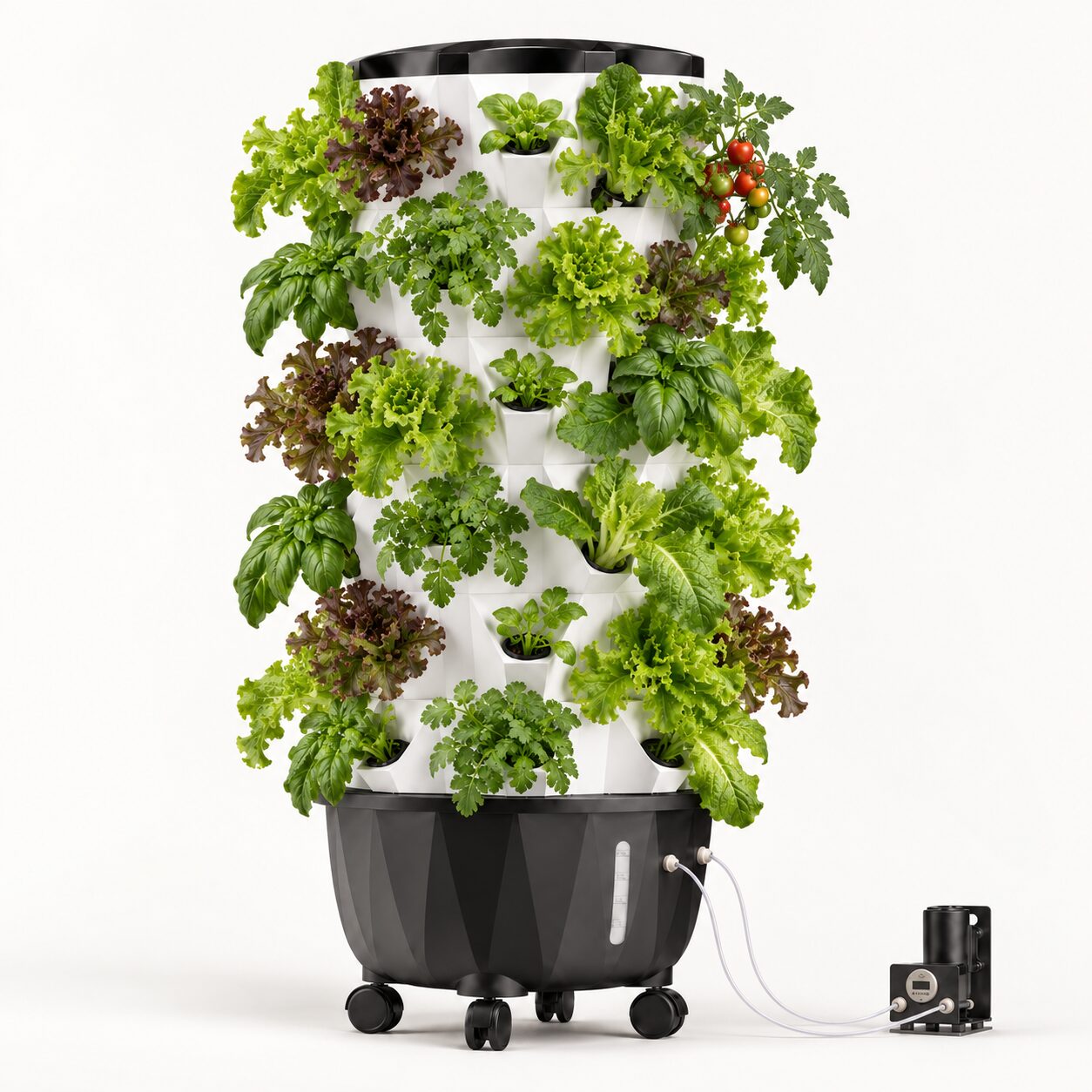
A tower garden uses a vertical column, a reservoir at the base, and a pump that moves nutrient-rich water up through the center. The solution reaches the top, then trickles down over roots before collecting at the bottom again.

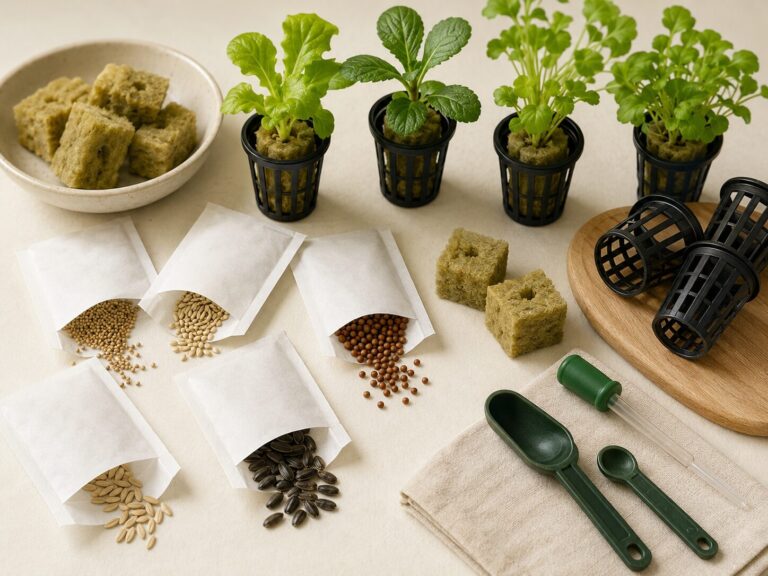
Net pots hold seedlings in rockwool or similar media. The roots hang inside the tower, where they can access both water and oxygen directly, leading to faster growth rates and higher yields compared to soil-grown crops.

Tower gardens primarily utilize aeroponic technology for home growing, allowing plant roots to be suspended in the air and misted with nutrient-rich water solutions. Some systems are more hydroponic, but they are not soil-based planters.

Vertical hydroponics is a method of growing plants without soil, utilizing a vertical, gravity-fed system where nutrient-rich water is supplied from the top and collected at the bottom. Hydroponic tower gardening systems can produce up to 20 times the yield of traditional farming methods in the same amount of space, making it a highly efficient agricultural practice. This method of farming uses significantly less water than conventional farming, often requiring less than 10% of the water used in soil-based agriculture.

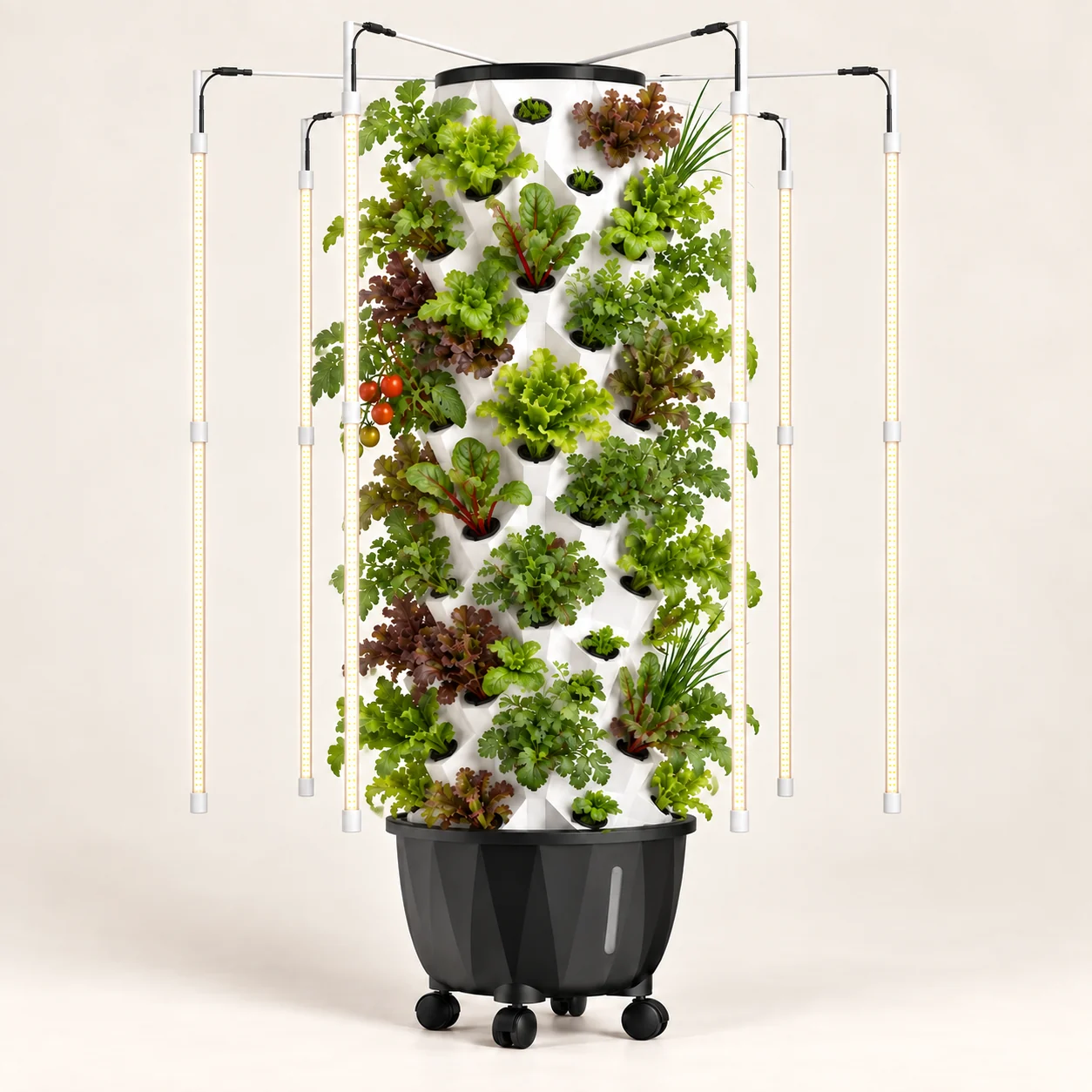
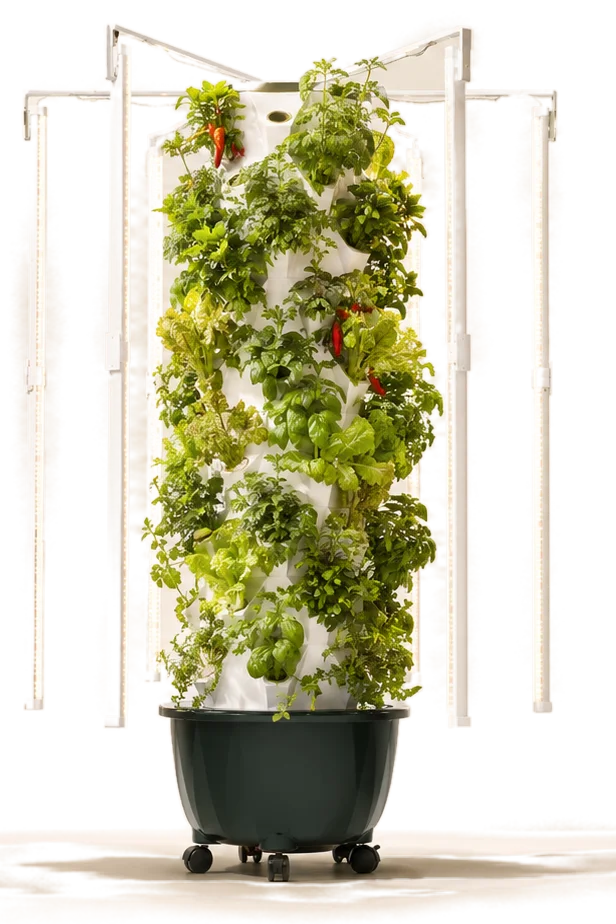
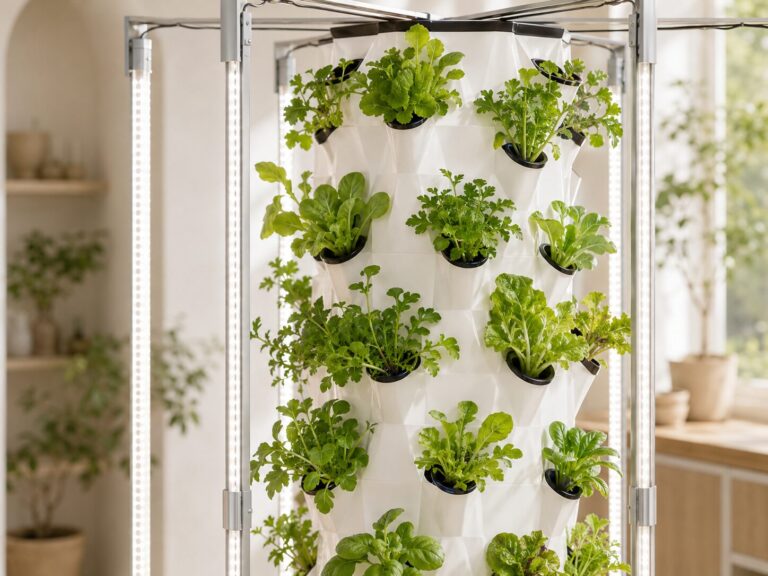
Outdoors, the sun does most of the work. Indoors, full-spectrum grow lights and a timer are required; many growers start with 14–16 hours of light per day and adjust by crop type.

Hydroponics Growing Systems

Benefits of Growing with a Tower Garden

Tower gardens bring sustainable farming into small urban spaces without needing a horizontal garden bed, showcasing many of the core benefits of hydroponics for vertical farming.

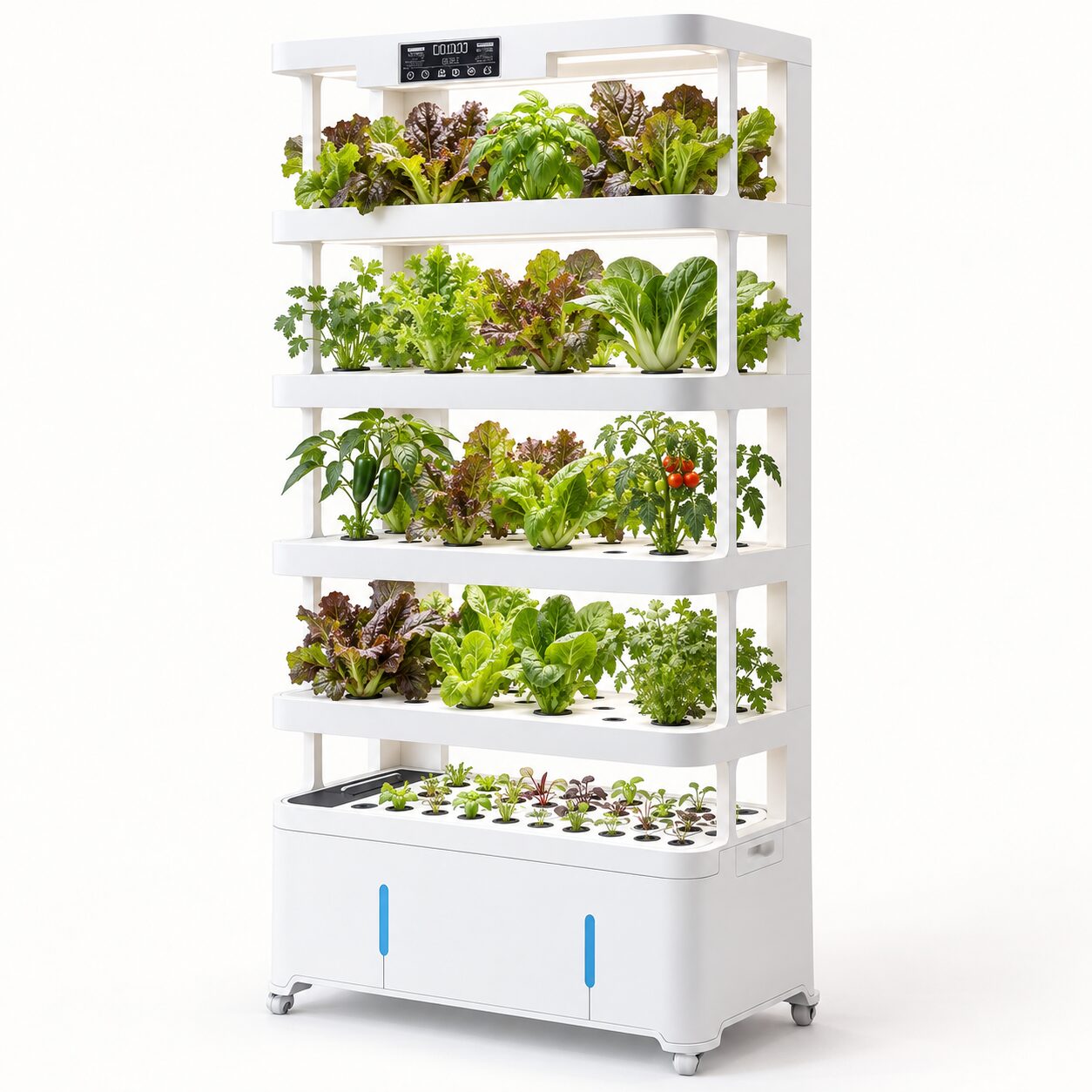
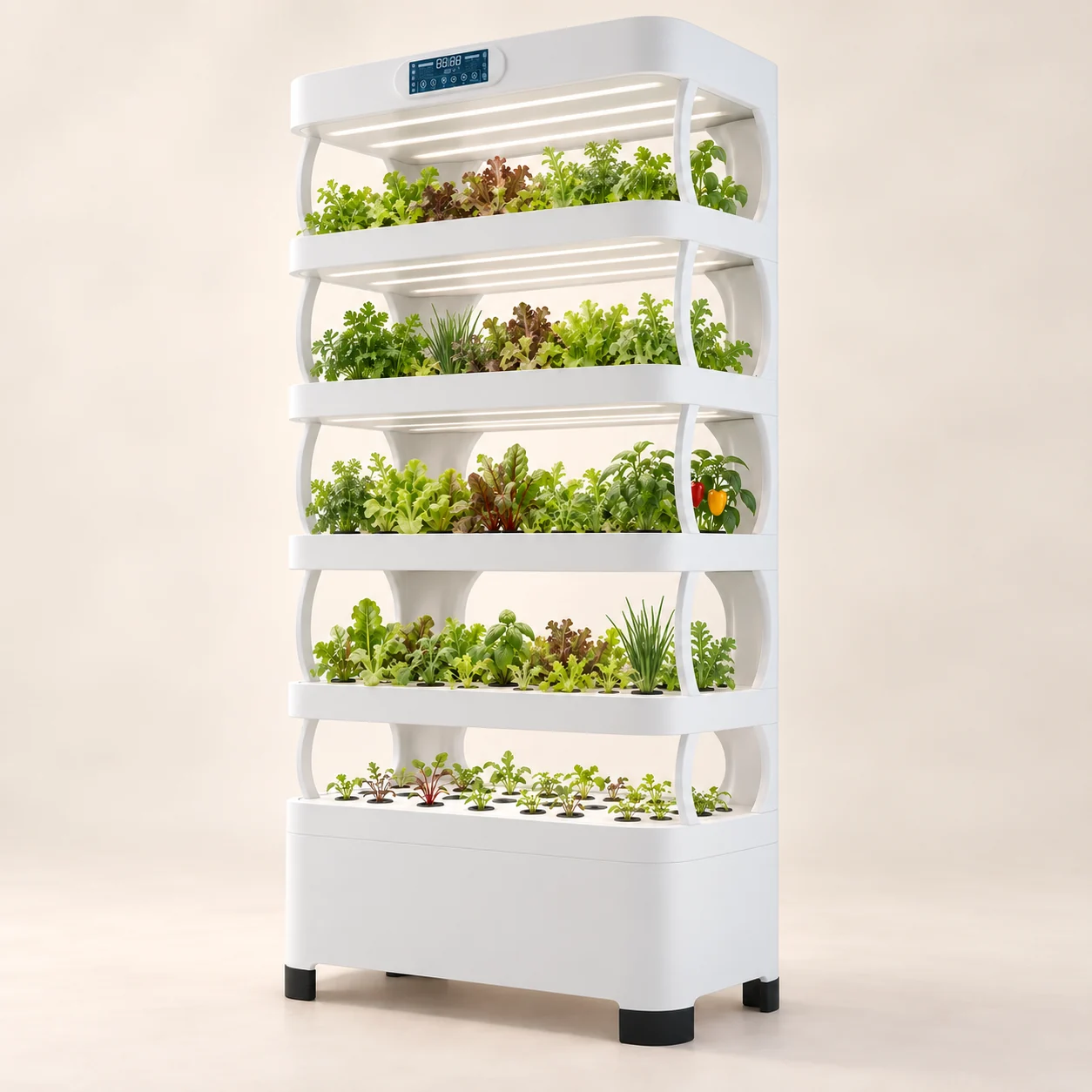
  • Space efficiency: one vertical hydroponic garden tower with LED lighting can often hold 20–30 or more plants in less than three square feet of space, making it ideal for balconies and patios.

  • High output: plants grown in tower gardens can mature up to three times faster and yield an average of 30% more produce than those grown in soil, which reflects the general advantages shown when comparing hydroponics vs soil gardening in vertical systems.

  • Water savings: recirculation keeps waste low, and many aeroponic systems report using under 10% of the water of comparable soil growing.

  • Fewer pests: tower gardens eliminate the need for soil, thus preventing soil-borne diseases and reducing the prevalence of weeds and pests.

  • Convenience: waist-height access reduces bending, and indoor hydroponic tower gardens under grow lights bypass frost and seasonal limitations.

  • Better freshness: herbs and salad crops have the best quality when harvested minutes before eating.

What You Can Grow in a Tower Garden

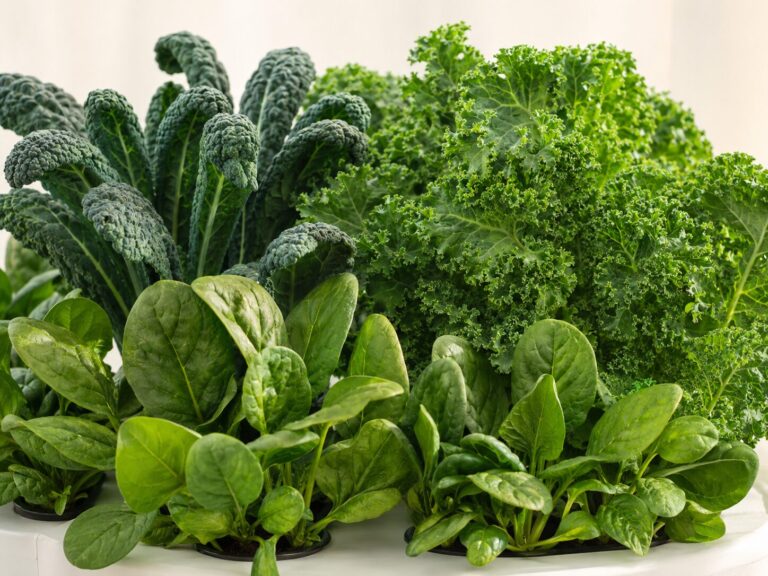
  • Leafy greens, such as chard, kale, and spinach, as well as various types of lettuce, are among the best crops to grow in a Tower Garden due to their high yield and nutrient density. Most are ready in 4–6 weeks from transplant.

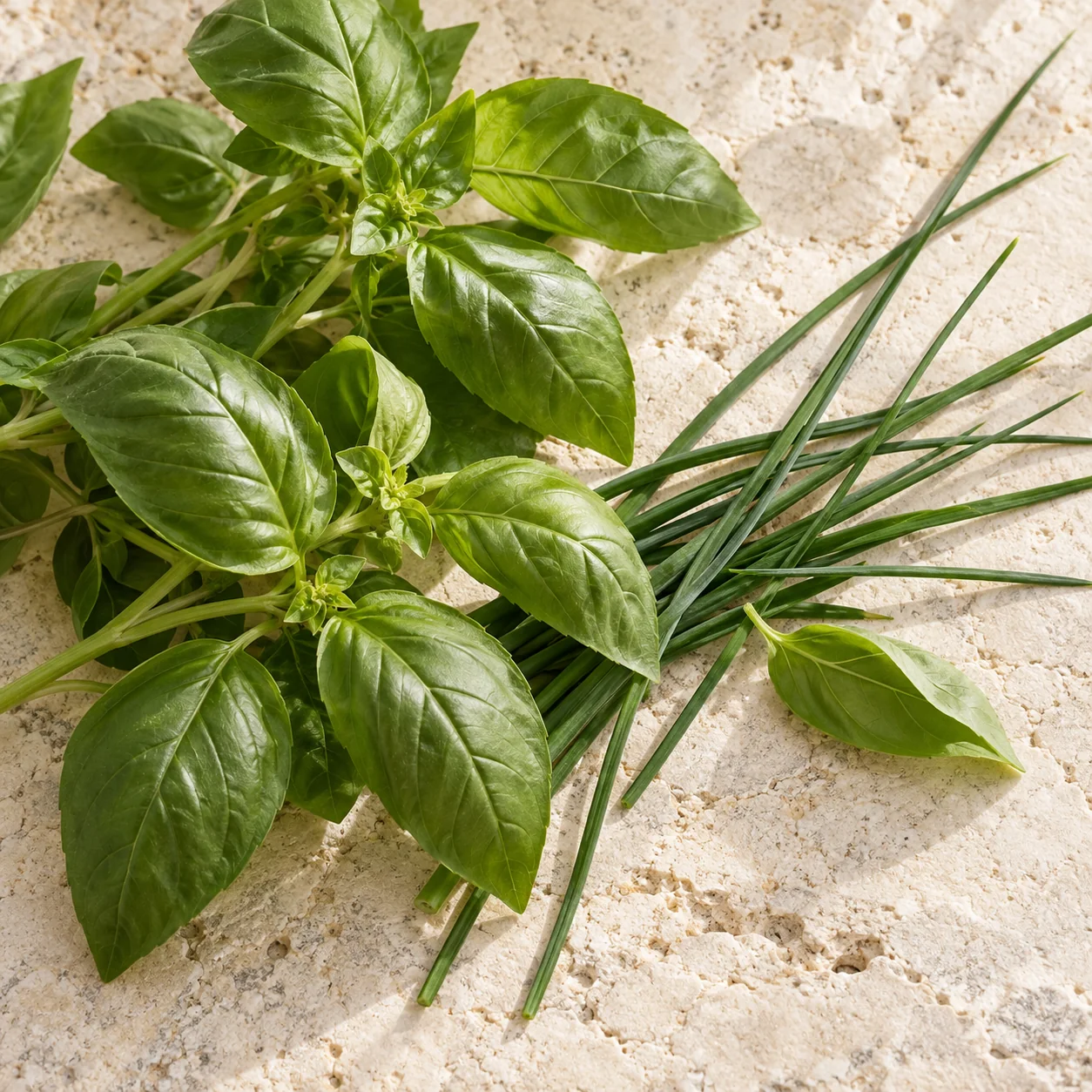
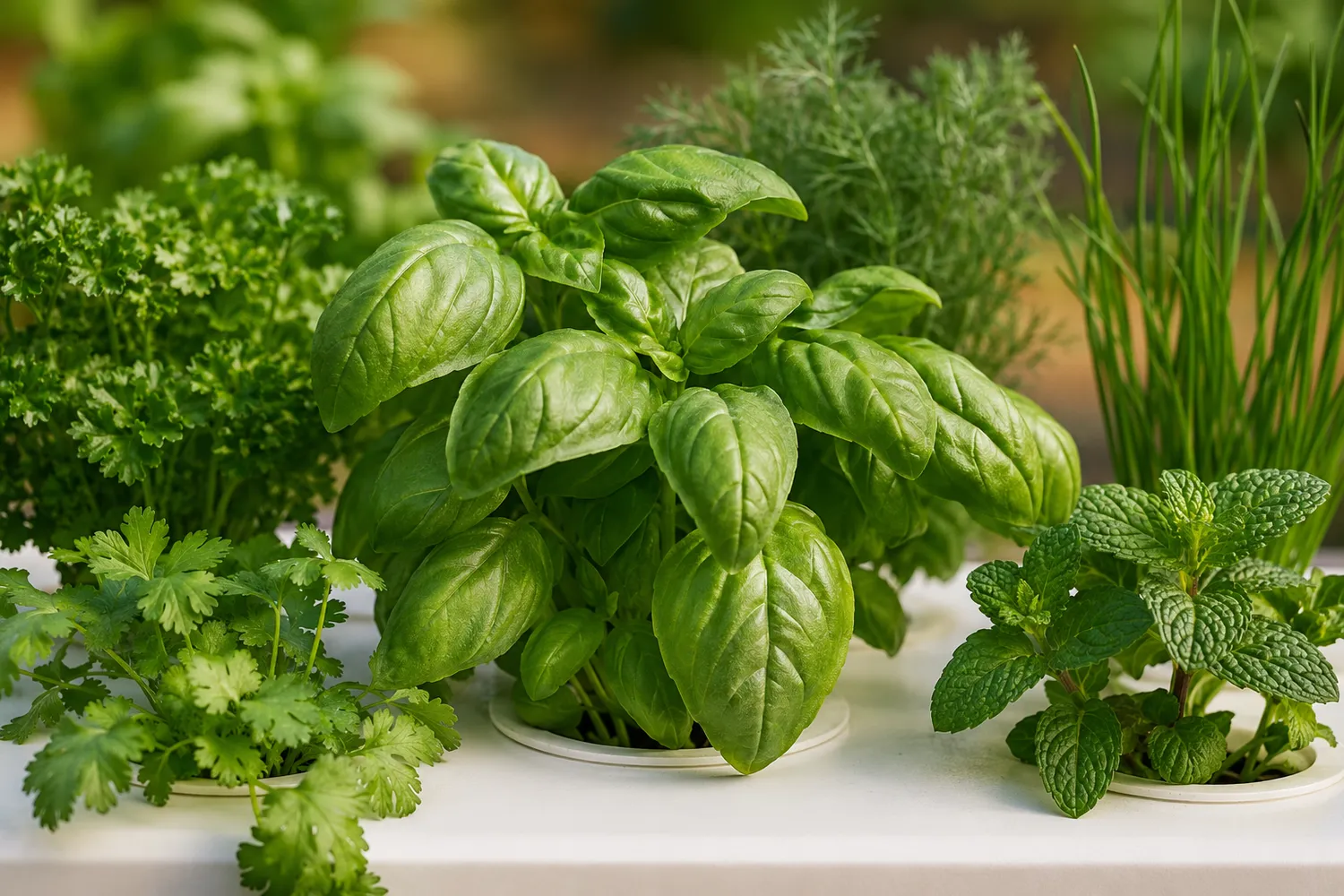
  • Herbs such as basil, mint, parsley, cilantro, dill, thyme, and oregano can grow for months with regular trimming.

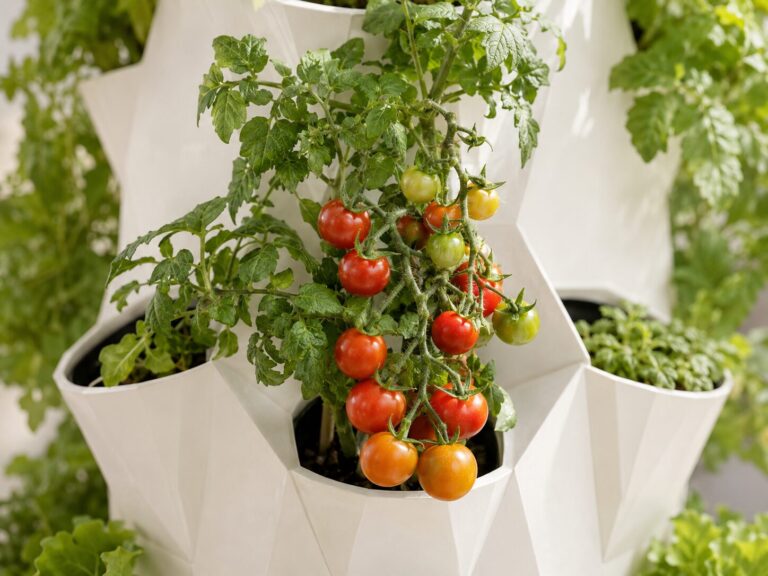
  • Fruiting vegetables like tomatoes, eggplants, and bell peppers can be successfully grown in a Tower Garden, especially in aeroponic towers designed for home use, although they may require additional support structures due to the weight of the fruits.

  • Strawberries and compact cucumbers are suitable when varieties are chosen for containers.

  • Cruciferous vegetables, including cabbages, Brussels sprouts, and broccoli, thrive in Tower Gardens, but they often grow large enough to necessitate careful planning for support structures.

  • Avoid large corn, sprawling melons, and deep root crops like potatoes or long carrots.

  • Seasonal ideas: spring salad mix, summer tomato-and-herb tower, fall kale and spinach set, or winter indoor greens.

Hydroponics Growing Systems

Getting Started: Setting Up Your Garden Tower

  • Choose the site first. Pick 6–8 hours of sun outdoors, or set indoor aeroponic tower gardening systems with LED lights where airflow and drainage are safe.

  • Assemble in order: base reservoir, lid, stacked sections, center tube, pump, and planting ports, following the steps typical of a buyable aeroponics tower gardening system.

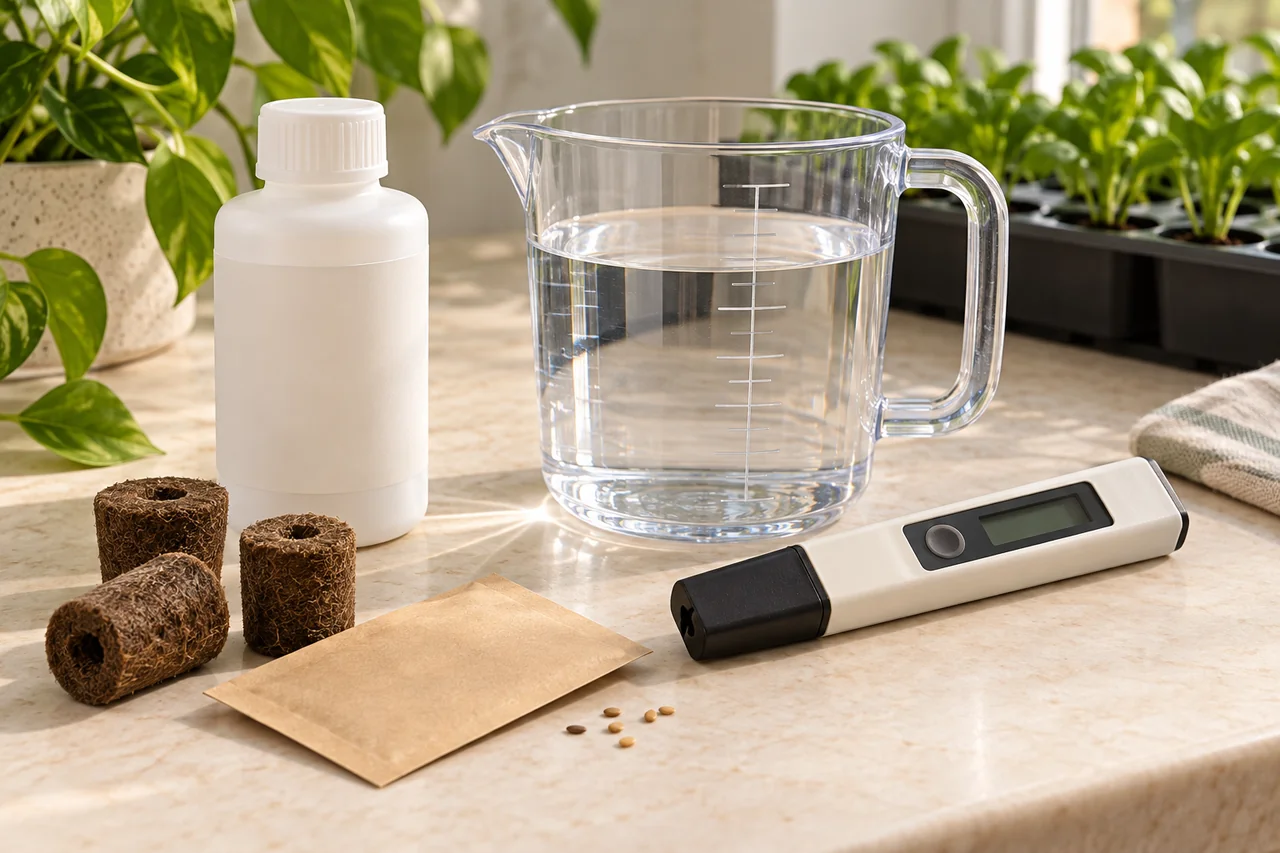
  • Fill with clean water, then add hydroponic nutrients according to the label.

  • Test pH. Most crops prefer 5.5–6.5; EC/ppm targets depend on crop and nutrient brand.

  • Start seeds in rockwool cubes, then move strong seedlings into net pots in an efficient hydroponic grow tower garden.

  • Run the pump on a timer, such as 15 minutes on and 45 minutes off, then check every pocket for even flow.

  • Look for leaks during the first hour before leaving the system alone.

Daily Care and Maintenance

A garden tower is low-maintenance, but it is not “set and forget.”

  • Check the water level, pump operation, and leaf color every day or two.

  • Top up water as plants drink more, especially in hot weather.

  • Add nutrients proportionally, following the product instructions.

  • Replace the full reservoir solution every 2–4 weeks, depending on crop load and temperature.

  • Keep pH in the 5.5–6.5 range with pH up/down products.

  • Clean between seasons by draining, wiping the tower, and flushing tubing to prevent algae or biofilm.

  • For aphids or whiteflies, hand-pick, use insecticidal soap, or introduce beneficial insects.

DIY vs. Ready-Made Tower Gardens

Buying or building both work; the right choice will depend on budget, experience, and how much troubleshooting you want, so looking at a Nutraponics vs Tower Garden hydroponic system comparison can help clarify which style fits you best.

  • Ready-made systems usually include a food-grade plastic tower, reservoir, submersible pump, timer, starter nutrients, and instructions. Complete home kits are often $400–$800 in 2024–2026.

  • DIY systems often use food-grade PVC or vinyl posts, net pots, a separate reservoir, and a pump. Two DIY towers can fit in a 5×5 ft area and carry 50+ plants.

  • Commercial kits offer support, warranty, and predictable parts.

  • DIY builds cost less and allow customization, but safety is your responsibility.

  • Use only food-safe materials. Avoid unknown containers that may leach chemicals.

  • If a system is purchased on sale in europe or elsewhere, check the warranty link, electrical rating, and consumer rights before setup.

Vertical Farming Beyond the Backyard

Home tower gardens use the same basic ideas found in larger vertical aeroponics farming systems: stacked production, measured nutrients, less land, and reduced waste.

Restaurants, resorts, schools, and community centers use multiple towers to supply fresh herbs and vegetables on-site. In education, even 1–3 towers can teach students plant science, nutrition, and sustainable agriculture through hands-on work.

Greenhouses can also combine tower systems with climate control for year-round cultivation. I advise beginners to see their first tower as both a food source and a practical introduction to modern farming.

Frequently Asked Questions About Tower Gardens

  • How much electricity does a tower garden pump and indoor light use per month? A small pump uses little power, but lights matter more. Costs depend on wattage, local rates, and time running.

  • Can I grow organic produce in a garden tower with hydroponic nutrients? Rules vary by certifier and region. You can still grow clean, fresh food, but “organic” labeling has specific requirements.

  • How noisy is the pump, and can I use a tower on an apartment balcony? Most pumps are a quiet hum. Use a level base and consider neighbors below when draining.

  • What happens during winter in colder climates? Move the tower indoors, add grow lights, and protect roots from freezing.

  • How often do I add water in summer? It may be every few days during heat, wind, or heavy fruiting.

  • Is a tower garden safe around children and pets? Yes, if electrical cords are protected, the base is stable, and nutrient bottles are stored securely.

  • Are tower gardens worth it? If you regularly eat salads, herbs, and compact fruits, the advantages can justify the cost over time.

A tower garden is not magic, but it is a smart way to grow more food in less space. Start with easy crops, monitor the basics, and build confidence one harvest at a time.

Recent Posts

The Complete Guide to Hydroponic Tower Gardens: Vertical Growing Solutions for Maximum Harvest

Complete Guide to Tower Garden Herbs: Growing Fresh Herbs with Aeroponic Technology

DIY Hydroponics Tower: Complete Build Guide for Space-Efficient Growing

Tower Garden: A Practical Guide to Vertical Farming at Home

Categories