

🔄
Sitewide Sale: Use code Get5Nutra for 5% OFF all products. FREE shipping & 30-Days Hassle-Free ReturnsShop Now

Tower Garden Hydroponics: Complete Guide to Vertical Towers, Net Pots, and Grow Lights

Tower garden hydroponics is changing how urban dwellers grow food in 2026. With over 68% of the global population now living in cities and food prices climbing due to supply chain disruptions, growing your own produce has become a practical investment rather than just a hobby. This article covers everything you need to know about building, operating, and optimizing a vertical hydroponic garden—from choosing the right plants to troubleshooting common issues.

Hydroponics Growing Systems

What Is a Tower Garden Hydroponic System?

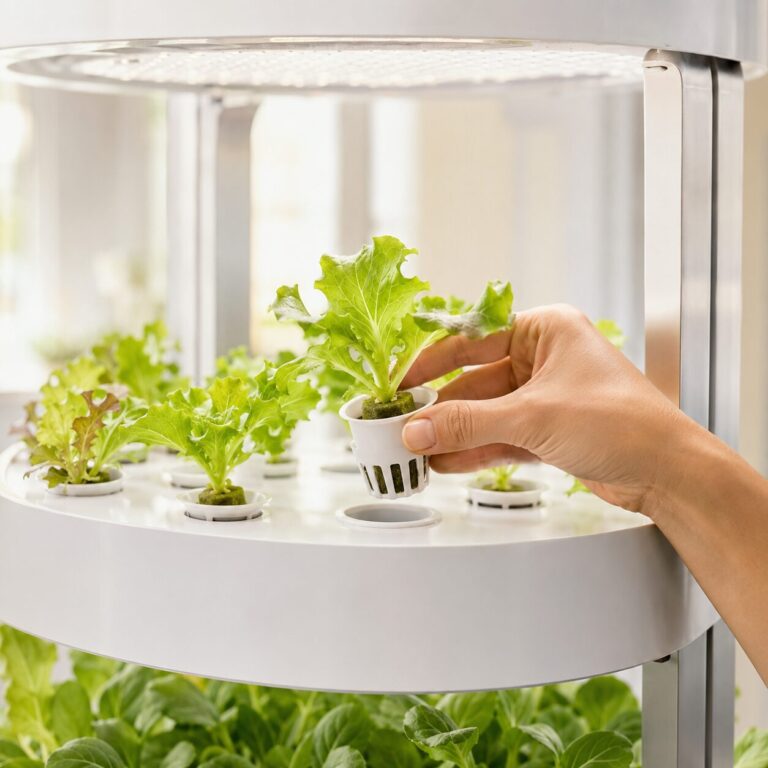
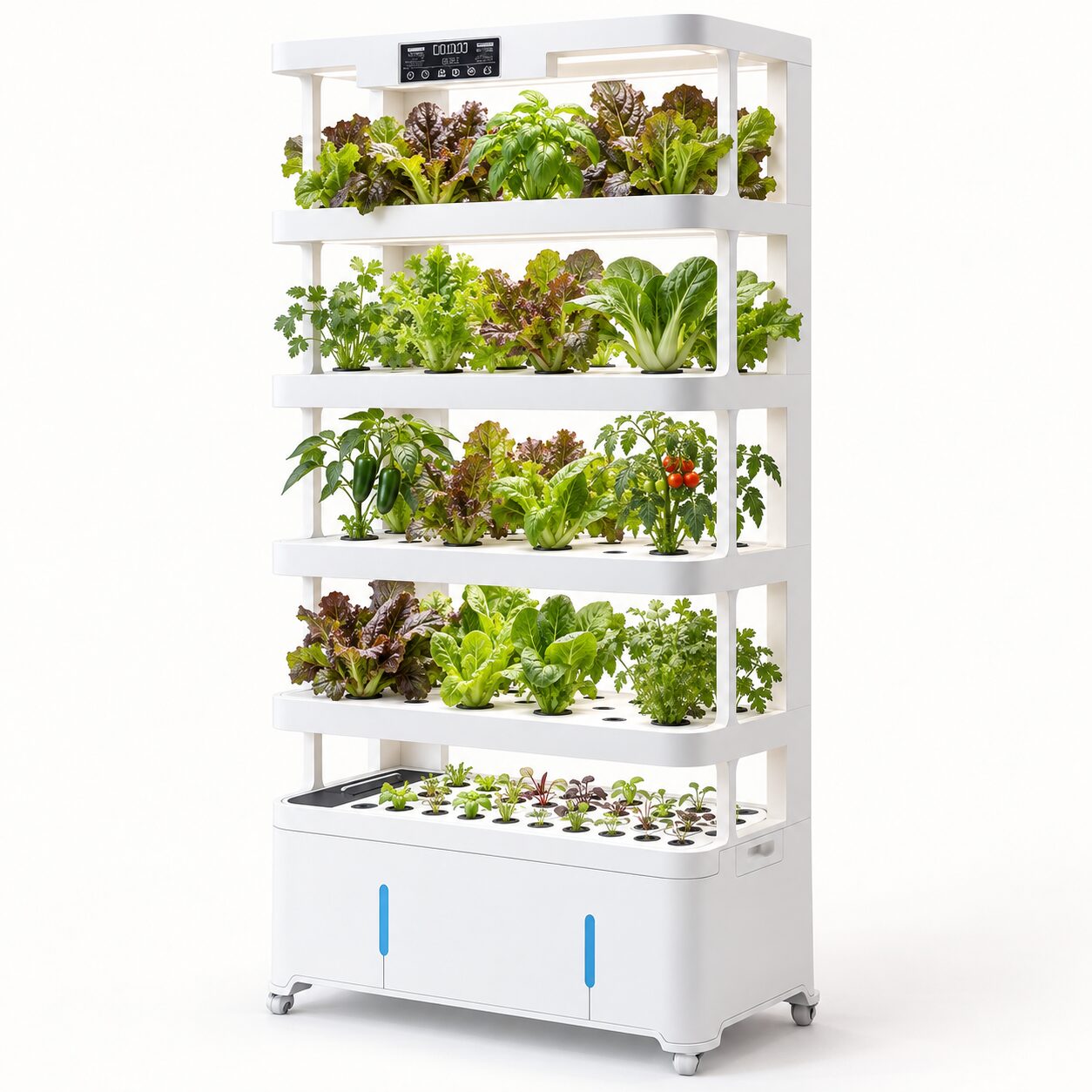
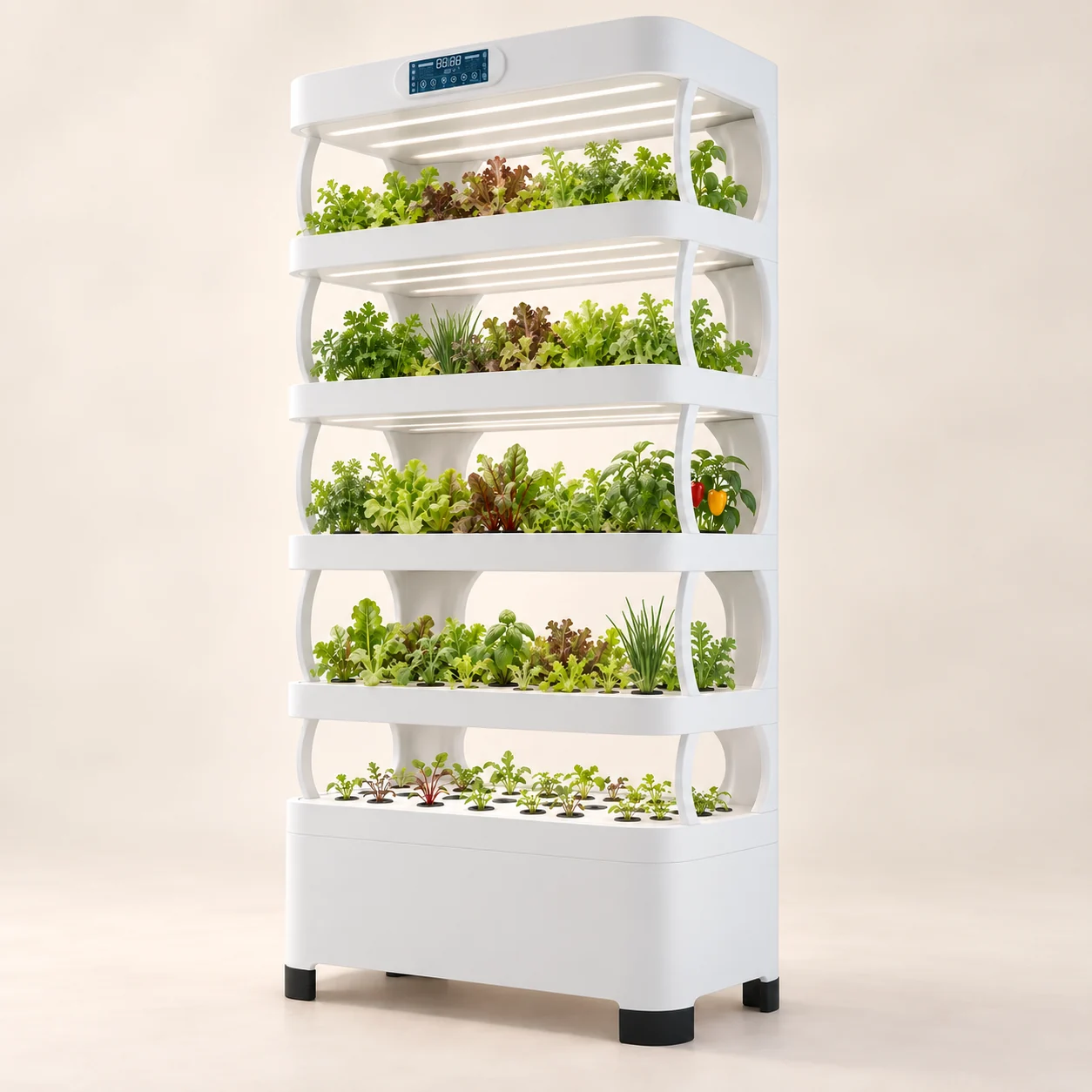
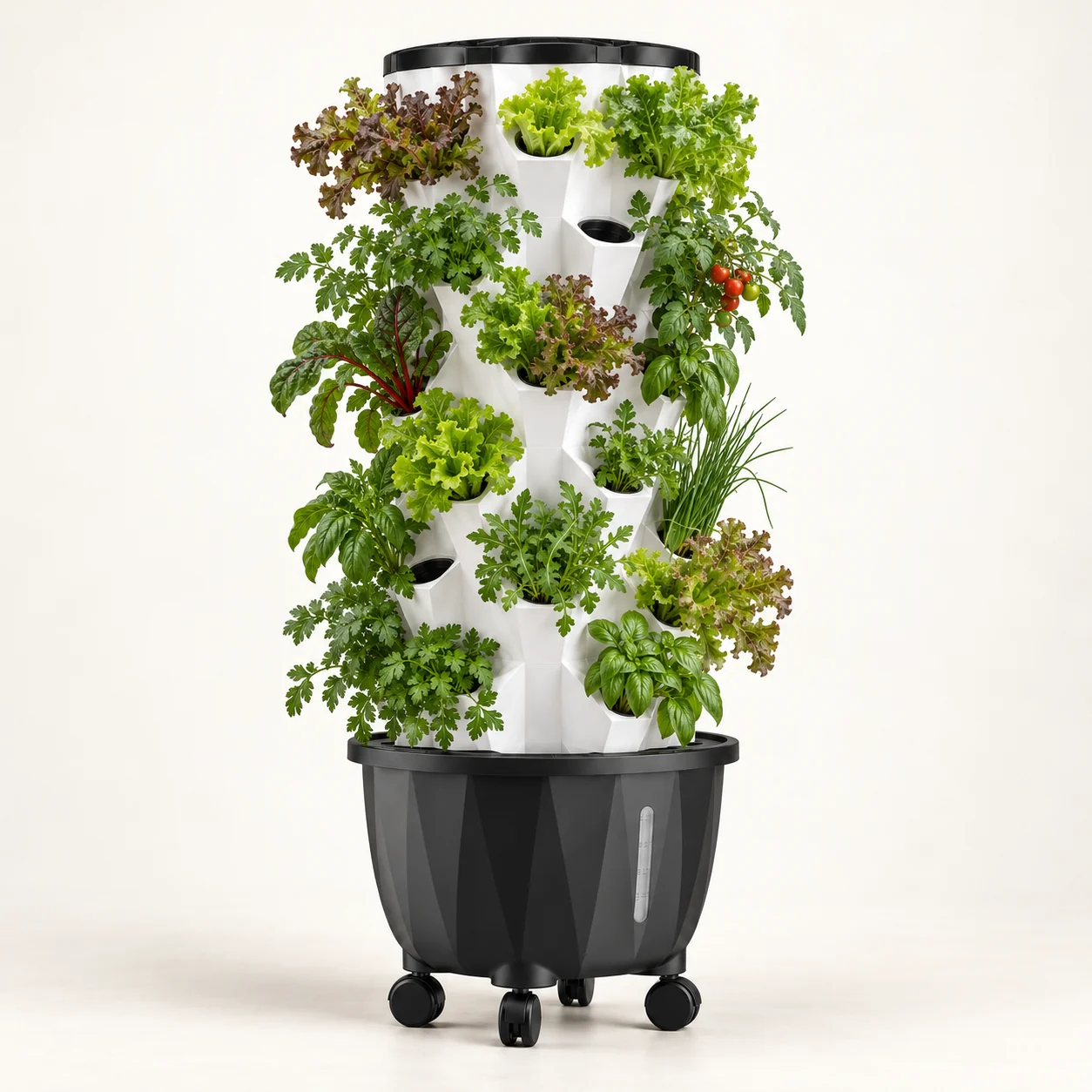
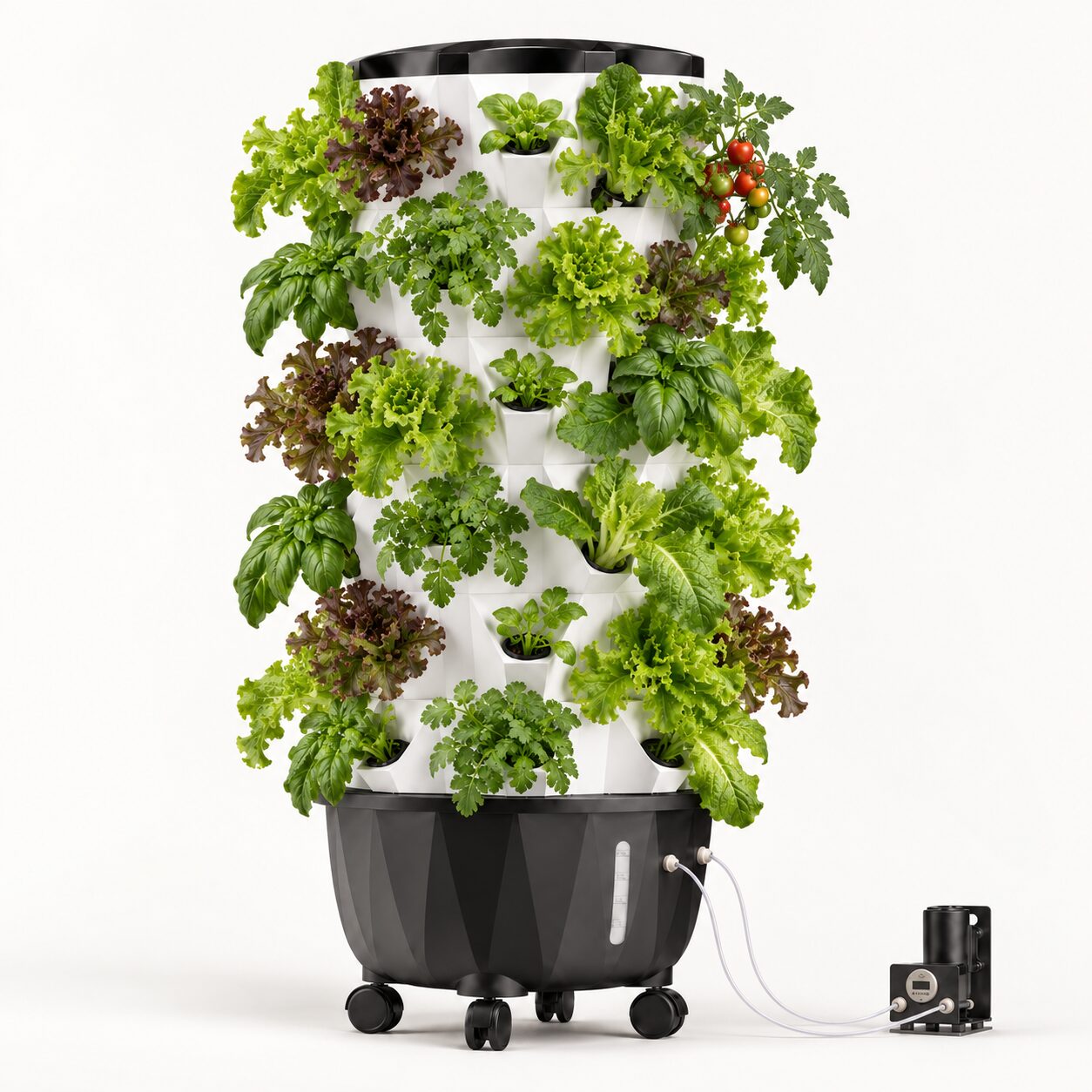
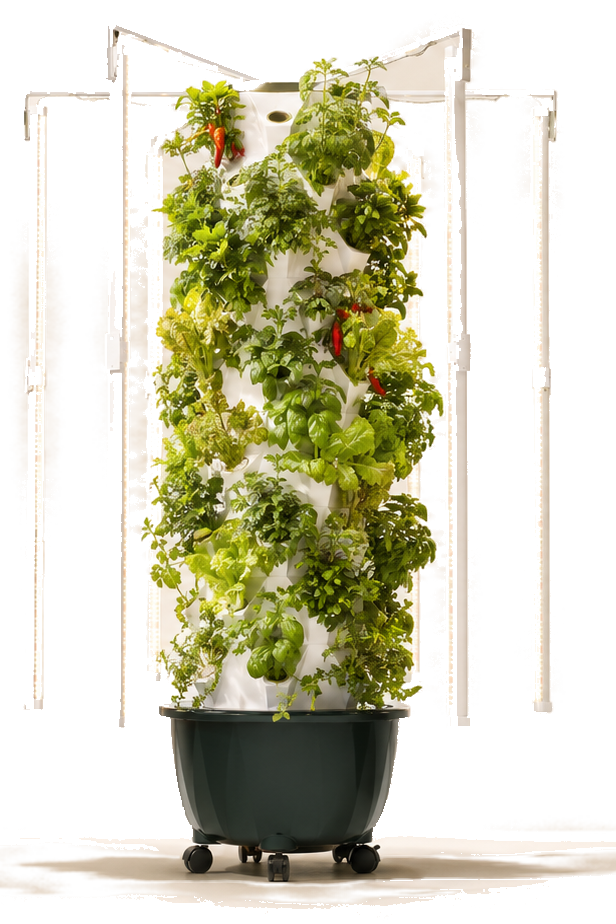
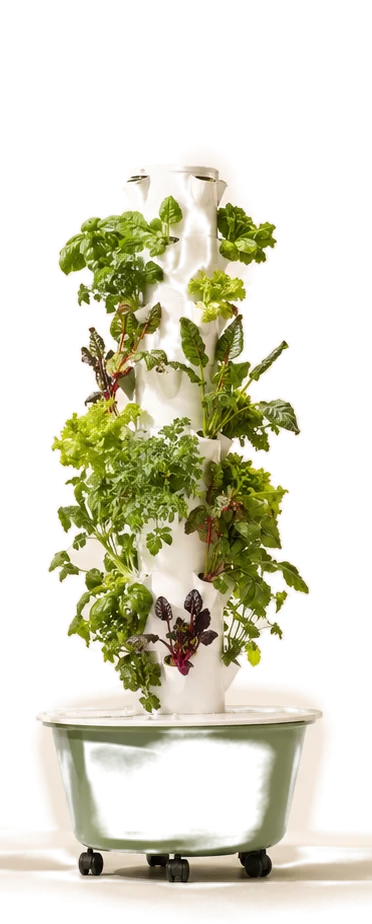
A tower garden is a vertical, soilless growing system where plants are stacked in a tall, cylindrical structure. Instead of soil, roots are suspended in air or nutrient rich water that circulates through a central column. This method delivers oxygen, minerals, and hydration directly to roots, eliminating the inefficiencies of traditional dirt gardening.

The terms “tower garden,” “vertical tower,” “vertical hydroponics,” and “hydroponic tower” all describe stacked, vertical systems—though some brands use specific trademarks. Regardless of the label, the core principle remains: hydroponic towers move water and nutrients from a base reservoir up through the tower, then gravity-feed downward through channels or over exposed roots in net pots.

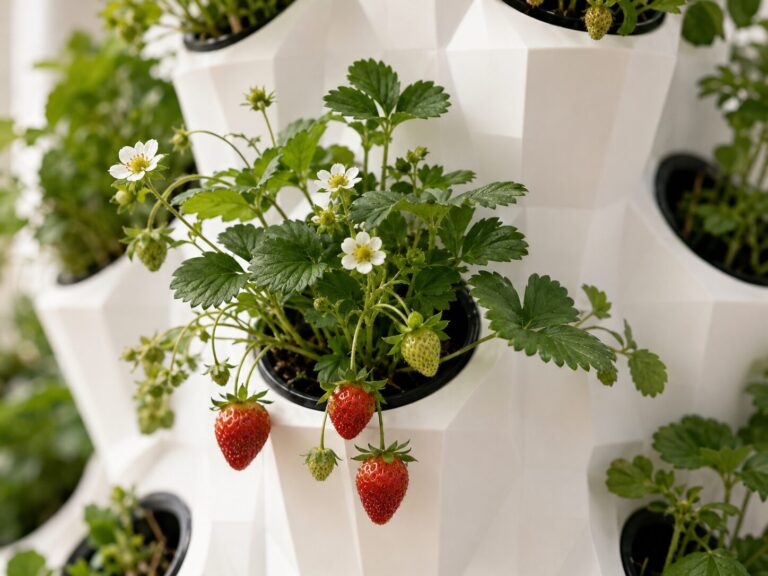
Consider this concrete example: a 62x42x165 cm tower (roughly 24x16x65 inches) can support 56 planting sites, growing compact-rooted crops such as lettuce, basil, and strawberries on a single balcony. The vertical design of tower gardens allows for growing dozens of plants in less than 3 square feet, making them suitable for urban environments.

Key benefits versus soil gardening: if you’re deciding between methods, it helps to understand how vertical hydroponic tower systems compare to traditional soil gardening.

  • Uses up to 95% less water via closed-loop recirculation

  • Soil-less gardening reduces pests and diseases by eliminating soil-borne issues, removing the need for chemical pesticides

  • Hydroponic gardening can lead to greater plant growth and higher yields because plants do not have to compete with soil for nutrients

  • Tower gardens require no weeding, tilling, or heavy digging, reducing maintenance efforts

  • Compact footprint: a 5×5 ft space can support 50+ plants

  • Hydroponics can be particularly beneficial in areas with poor soil quality or limited space, allowing for efficient food production

How Vertical Hydroponic Towers Work

The core mechanism is a gravity-fed, recirculating loop. A submersible pump draws nutrient solution from an opaque base reservoir, pushes it up a central riser pipe to the tower’s apex, where it cascades or sprays through perforated channels. The solution wets roots dangling from net pots at staggered intervals along the exterior, then drains back to the reservoir via bottom outlets.

Vertical hydroponics is a method of growing plants without soil in a vertical fashion, utilizing a gravity-fed system where nutrient-rich water is fed from the top and collected at the bottom. This system repeats on a timer to oxygenate roots intermittently.

Main components in the loop:

  • Reservoir (40-100L opaque plastic)

  • Submersible pump (18-40W)

  • Vertical column with 24-56 planting ports

  • Net pots with growing media

  • Return drain line

  • Optional timer for pump intervals

Different hydroponic systems include Deep Water Culture, Nutrient Film Technique, Ebb and Flow, and Aeroponics, each with unique methods of delivering nutrients and oxygen to plant roots. Many consumer tower gardens are hybrid systems—blending NFT-style continuous thin films with aeroponic misting for maximum root oxygenation.

Water cycle example:

  • Pump activates for 15 minutes

  • Water lifts 1.5m to top manifold

  • Solution trickles past all net pot roots

  • Collects in base funnel and filters back to reservoir

  • Cycle repeats (e.g., 15 min on / 45 min off during daytime)

For nutrient strength, target EC 0.8-1.2 mS/cm (400-600 PPM) for leafy greens, ramping to 1.8-2.5 mS/cm for fruiting plants like strawberries or peppers, and pay close attention to hydroponic water quality, pH, EC, and purity to keep plants thriving.

Key Components of a Tower Garden System

This section acts as a parts checklist for building or buying a vertical tower. Whether you’re sourcing from a hardware store or ordering online, these components form the foundation of any system.

Tower body:

  • Food-grade PVC, HDPE, or recycled plastic (food safe and non toxic materials are essential)

  • Height range: 1.2-1.8 m (4-6 ft)

  • Typical planting sites: 24-56 ports

  • UV-resistant for outdoor use

  • The structure of a tower garden involves a vertical tower with ports holding plants in net pots with a soilless medium

Net pots:

  • Standard diameters: 2” for herbs/lettuce, 3” for strawberries/peppers

  • Slotted sides allow roots to “air prune” and extend into the nutrient channel

  • Lock via friction fit or bayonet clips

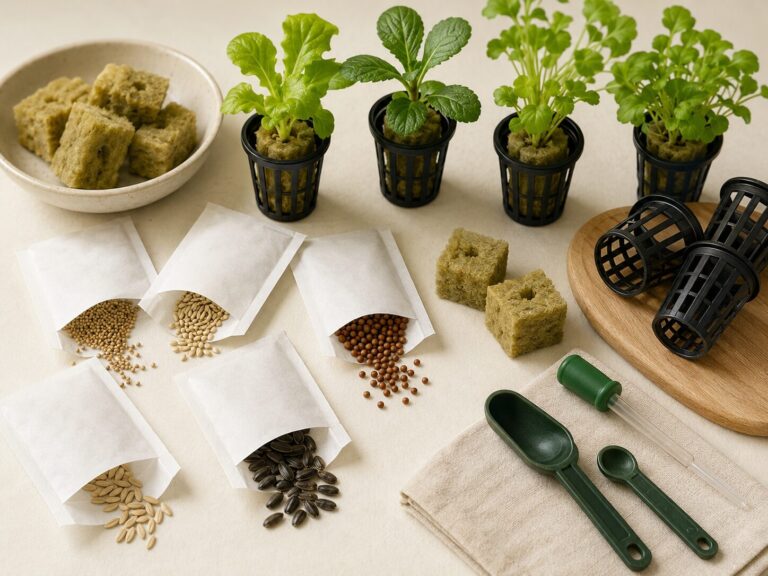
  • Fill with inert media like hydroton (clay pebbles) or rockwool cubes

Reservoir:

  • Capacity: 40-100 L (10-25 gal)

  • Opaque black plastic prevents 99% of algae growth via light exclusion

  • Elevated on casters for drainage access

  • Include a lid to prevent evaporation and mosquito breeding

Pump and timer:

  • Low-wattage submersible pump (18-40W)

  • Rated for 2-3m head height to reach tower top

  • Digital timer programmable for 15-minute intervals

  • Sponge pre-filter to trap debris

Optional accessories:

  • Water splash shields (PVC collars at ports)

  • Wheeled base for mobility and light chasing

  • Inline filter (100-micron for clogs)

  • Overflow tube (safety drain to bucket)

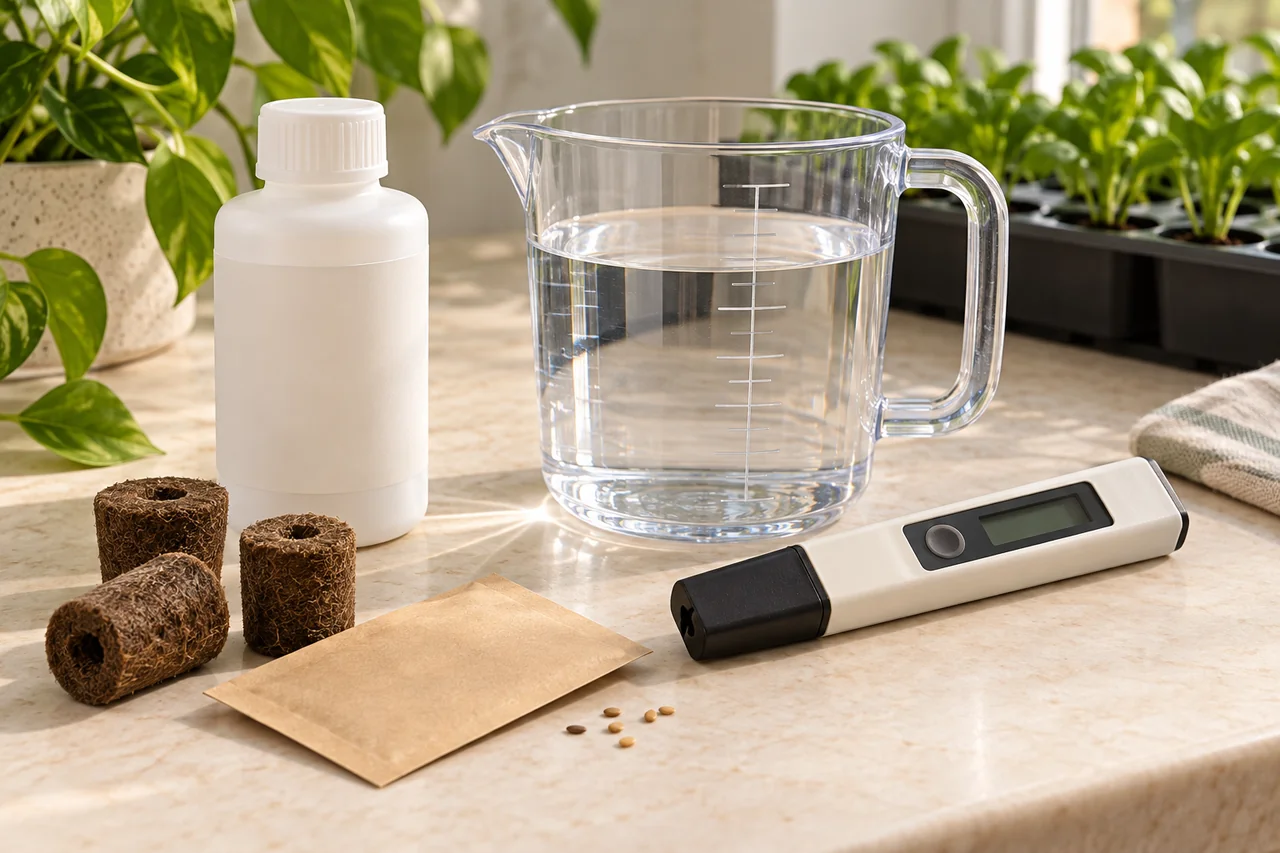
  • pH/EC pen for daily checks

When building a tower garden, it is important to use food-grade materials to ensure safety for the plants being grown. Many hydroponic systems are designed to be space-efficient, making them suitable for urban gardening where space is limited.

Choosing Plants for Your Hydroponic Tower Garden

Not every plant thrives in a vertical tower. Focus on crops with compact, fibrous root systems under 20-30cm that benefit from high-oxygen, vertical flow.

Ideal crops:

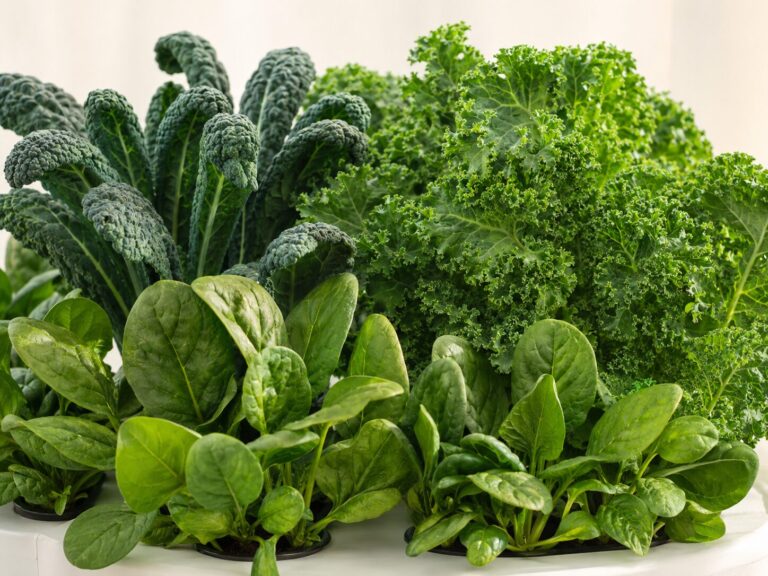
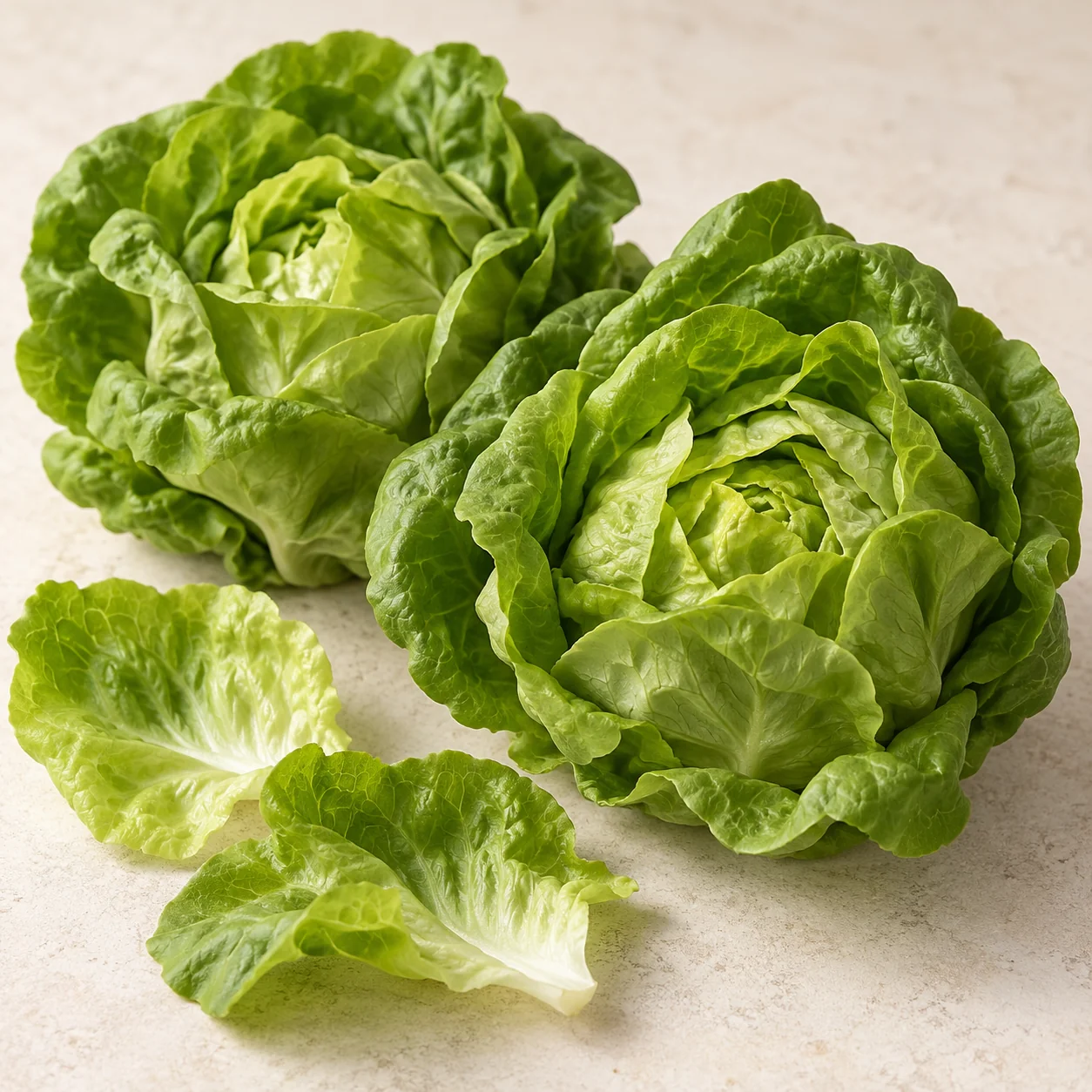
  • Leafy greens: butterhead lettuce (harvesting in 28-35 days), spinach, kale, Swiss chard, bok choy

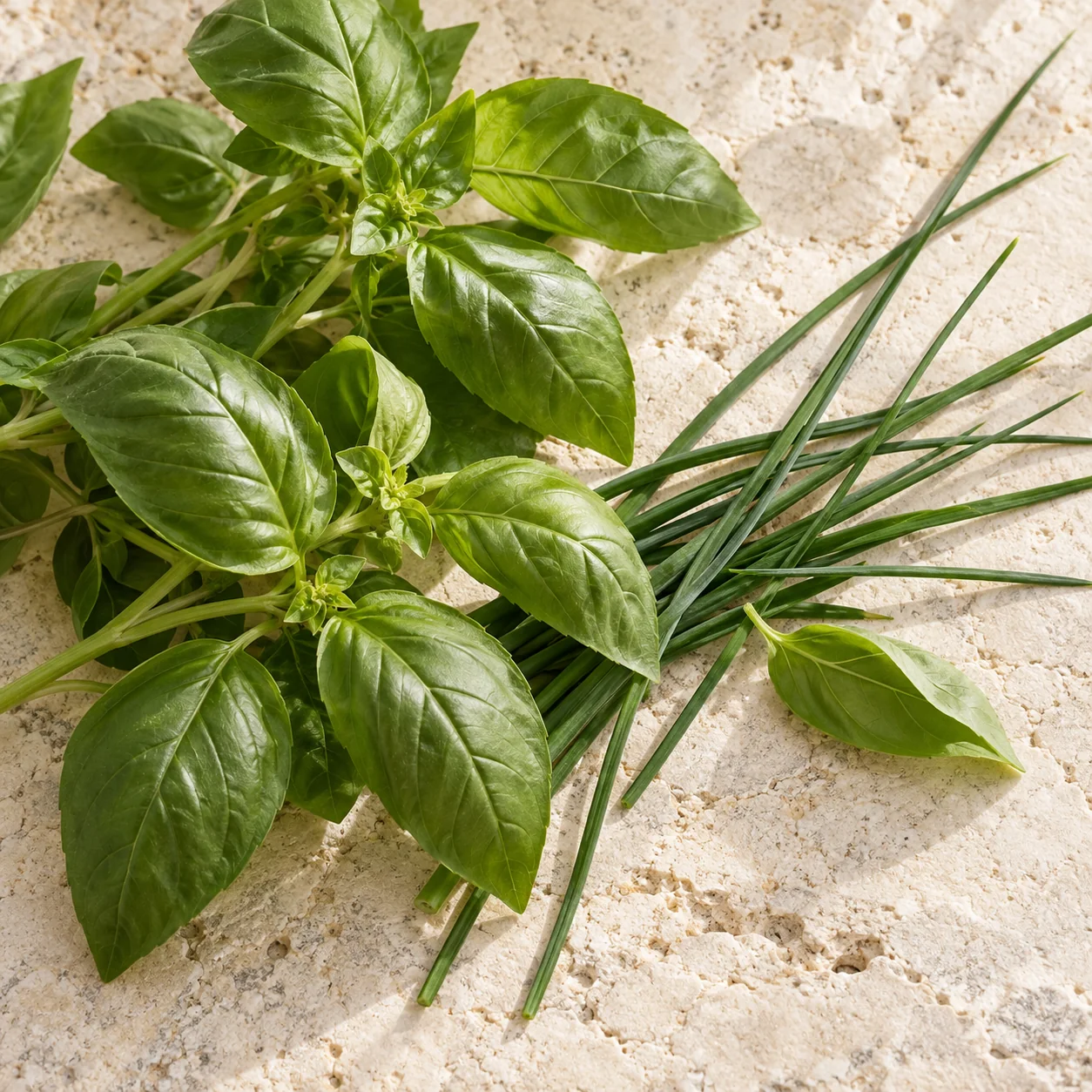
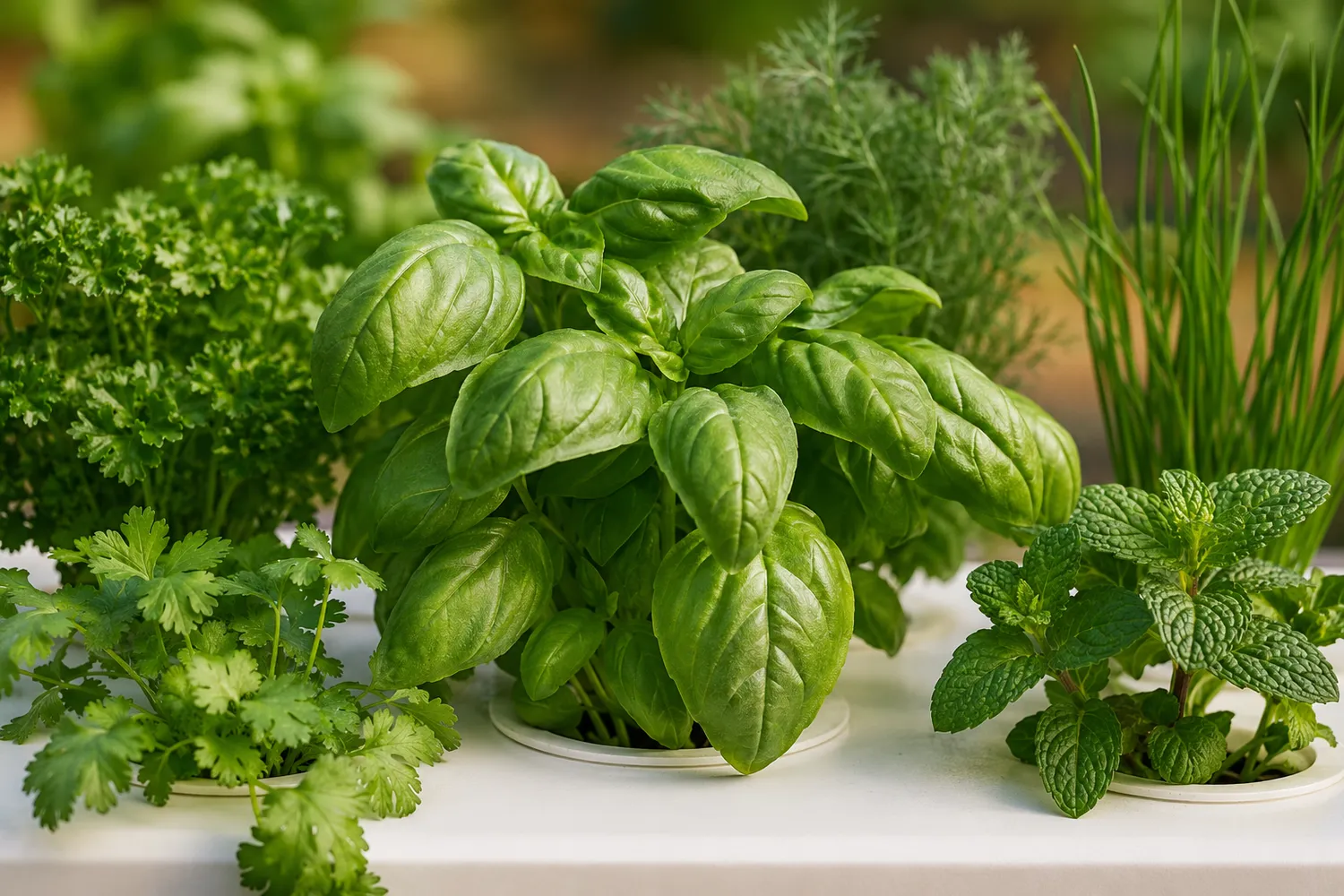
  • Herbs: basil (continuous leaf picking after 21 days), mint, cilantro

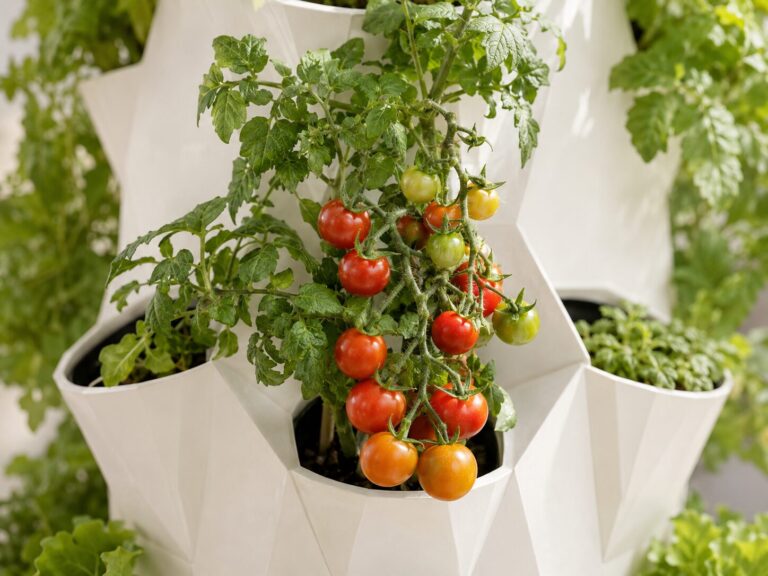
  • Fruits: everbearing strawberries (0.5-1 kg per season), dwarf cherry tomatoes (Micro Tom), mini bell peppers

  • Flowers and greenery for aesthetic towers

Less suitable or advanced crops:

  • Large-root crops: carrots, potatoes (bulky tubers clog flow)

  • Tall corn (8ft height topples tower)

  • Big fruiting vines without heavy support trellises

Yield expectations:

A 36-site tower can provide weekly salad greens for a family of 3-4 during peak growth (60-90 days post-seed). Hydroponic gardening can yield higher production rates compared to traditional soil gardening due to better control over nutrients and environmental conditions, and understanding how different hydroponic systems work and why they matter will help you design a setup that fits your space.

Seasonal planning:

  • Cool-season: lettuce, spinach (reservoir under 20°C)

  • Warm-season: basil, peppers (reservoir above 25°C)

  • Rotate tower sites through the year for continuous harvest

Lighting Your Tower Garden: Grow Lights vs Sunlight

Adequate light is the main difference between thriving and struggling indoor vertical towers, so choosing the best hydroponic systems and LED grow lights for indoor towers is critical. Without sufficient light, even perfect nutrients won’t save your crops.

Natural light requirements:

  • Minimum 4-6 hours direct sun daily for leafy greens

  • Fruiting crops require 6-8+ hours (30,000+ lux)

  • Position near south-facing windows (northern hemisphere)

  • Outdoor towers on balconies get free sunlight but face weather risks

What is a grow light?

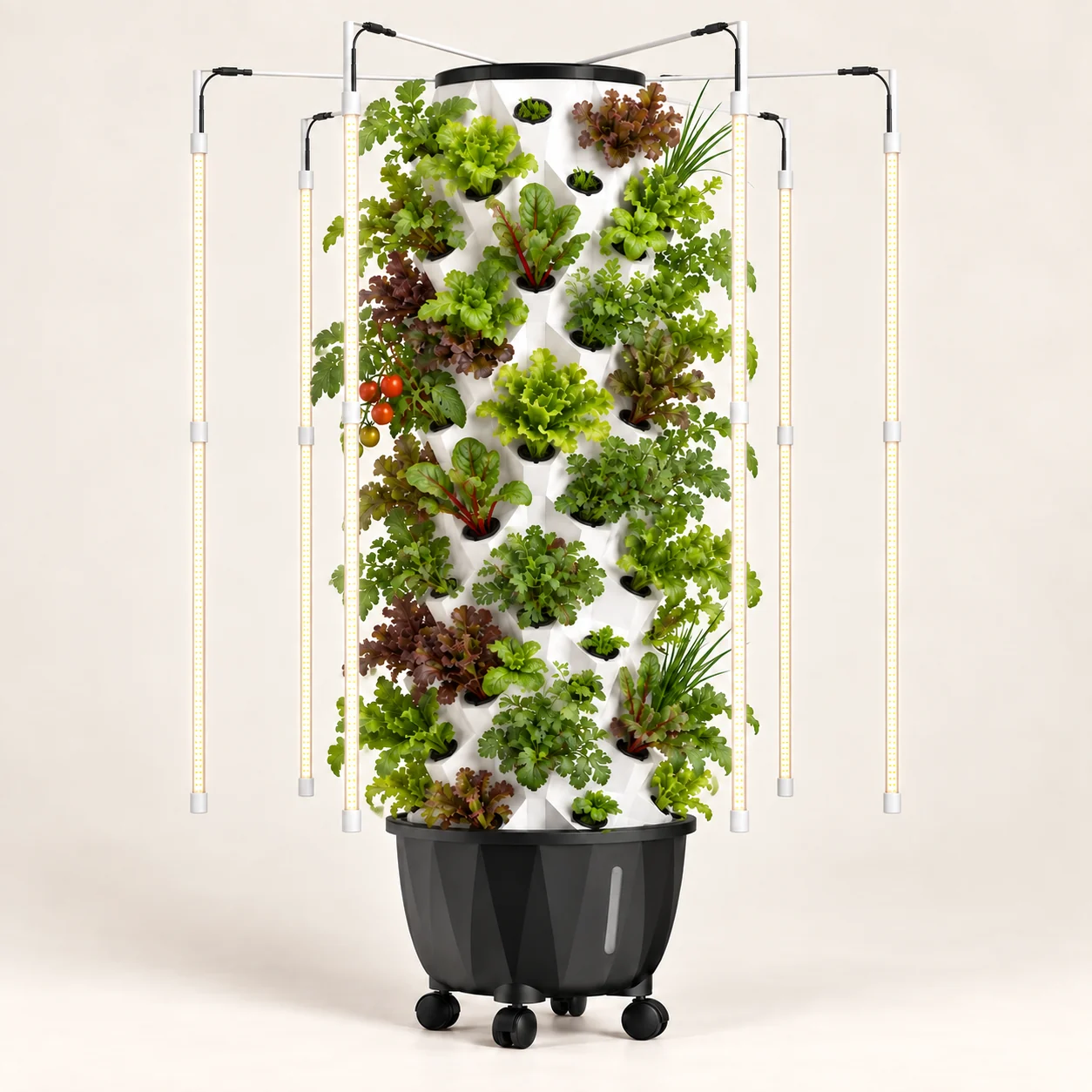
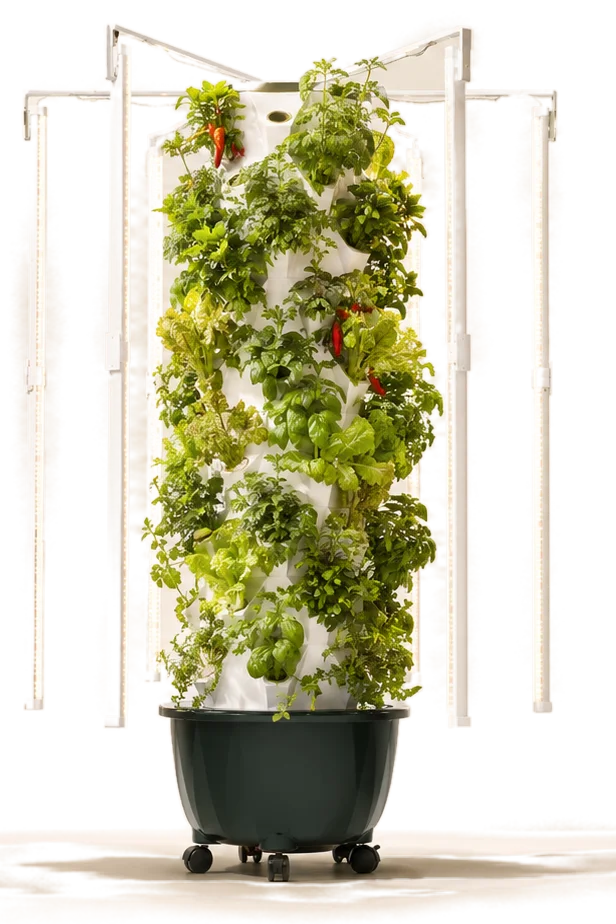
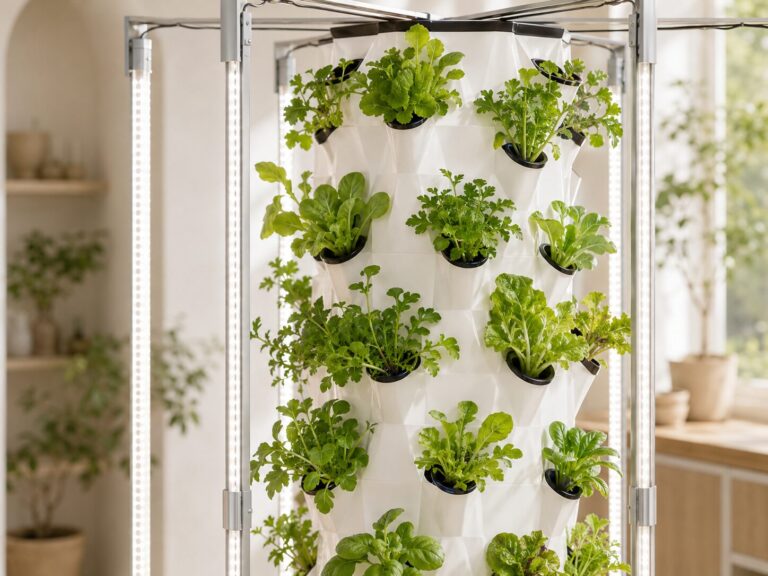
A dedicated grow light emits full-spectrum light (400-700 nm PAR) optimized for photosynthesis. Tower gardens can be used indoors with aeroponic towers featuring integrated LED grow lights, allowing for year-round cultivation regardless of outdoor conditions. Standard household bulbs lack the intensity and spectrum that growing plants require.

LED grow light specs for towers:

  • Full spectrum with 660nm red boost for flowering

  • Power range: 80-200W total for a 1.5m tower

  • Hanging height: 20-45 cm (8-18”) from outer leaves

  • Efficiency: 2.5-3 µmol/J PPF

Recommended light durations:

  • 14-16 hours/day for vegetative growth

  • 12 hours/day for fruiting crops

  • Example schedule: 7:00 AM to 11:00 PM on a smart timer

Comparison scenarios:

Setup

Cost

Pros

Cons

Outdoor tower

$0 for light

Free sunlight, natural pollinators

Weather risks, seasonal limits

Indoor tower with 2-4 vertical LED bars

$100-200 upfront, $5-10/month electric

Year-round, pest-free, full control

Higher investment, ongoing electricity

Step-by-Step: Building a DIY Vertical Tower With Net Pots

This is a practical, hands-on build guide using off-the-shelf parts from hardware and hydroponic stores. Hydroponic systems can vary widely, from simple DIY setups using recycled materials to advanced, modular towers with automated controls that handle nutrient delivery and environmental controls.

Planning steps:

  • Choose tower height (e.g., 5 ft / 1.5m)

  • Determine number of plant sites (e.g., 28)

  • Select location: indoor (add light rail), balcony, or greenhouse

  • Gather materials: PVC pipe, fence post cap, net pots, pump, reservoir

Cutting and drilling:

  • Cut 50mm PVC riser to 2m length

  • Mark 28 holes staggered (10cm vertical spacing, 120° apart horizontally)

  • Drill 65mm holes with step bit for 2” net pots

  • Deburr all edges to prevent root tears

Top assembly:

  • Use vinyl pyramid post tops or drilled endcaps

  • These manage water splash and provide even distribution

  • Seal with waterproof silicone if needed

System assembly:

  • Mount tower on 50L tote reservoir (cut lid for drain access)

  • Plumb 13mm vinyl tube from pump to tower top via barbed elbow

  • Seal all connections with Teflon tape

  • Add 19mm return drain at base

Initial test run:

  • Fill reservoir with plain pH’d water (6.0)

  • Run pump for 1-hour cycles

  • Check for leaks at all seals

  • Verify even flow from top to bottom

  • Confirm adequate coverage of net pot root zones

Total DIY build time: 4-6 hours. Total cost: approximately $150-250 without grow lights.

Operating Your Tower Garden: Nutrients, pH, and Maintenance

Daily operation is simple once you understand the basics. A consistent routine keeps plants healthy and prevents most problems before they start.

Nutrient solution basics:

  • Use complete hydroponic nutrients (Part A+B or 3-part systems)

  • Mix in a separate container before adding to reservoir

  • Never pour concentrated nutrients directly on roots

  • Hydroponic systems deliver water directly to plant roots without the need for additional soil moisture

Target ranges:

Stage

pH

EC (mS/cm)

PPM

Seedlings/herbs

5.8-6.2

0.8-1.0

400-500

Leafy greens

5.8-6.5

1.0-1.5

500-750

Fruiting plants

5.8-6.5

1.5-2.0

750-1000

Testing routine:

  • Test pH and EC 2-3 times per week

  • Top up with fresh water every few days (evaporation: 5-10%/day)

  • Fully replace nutrient solution every 2-4 weeks to prevent salt buildup

Pump and timer care:

  • Keep pump fully submerged at all times

  • Clean filter sponge monthly (vinegar soak)

  • Verify timer settings after power outages

Between-cycle cleaning:

  • Empty tank completely

  • Flush tower with 3% hydrogen peroxide solution (1:10 dilution)

  • Recirculate for 1 hour

  • Rinse with plain water for 48 hours before replanting

Indoor vs Outdoor Tower Gardens: Pros, Cons, and Practical Setups

This is a practical choice depending on your living situation—whether you’re working with a balcony, kitchen corner, or small backyard.

Outdoor tower advantages:

  • Free sunlight eliminates lighting cost

  • Natural pollinators boost fruit set by 30% for strawberries

  • Easier heat management in temperate climates

  • Breezes cool roots toward optimal 22°C

Outdoor considerations:

  • Anchor against wind (use guy wires)

  • Cover top during heavy rain to prevent dilution

  • Use light-colored reservoirs to reduce heat absorption

**Indoor tower advantages: many growers choose indoor hydroponic tower gardens for year-round, space-efficient production. **

  • Year-round production regardless of weather

  • Full control over light, humidity, and temperature

  • Protection from pests and extreme weather

  • Tower gardens facilitate high-density growing in small, accessible formats, benefiting individuals with physical limitations

Indoor requirements:

  • Grow lights (2-4 vertical LED bars)

  • Humidity management (target 40-60% RH)

  • Drip trays for water splashes

  • Covered reservoirs to prevent mosquitoes and mold

Hydroponics Growing Systems

Troubleshooting Common Vertical Tower Issues

Even well-designed tower gardens can face problems. This method of quick diagnosis helps you identify and fix issues before losing your crops.

Common plant symptoms:

  • Yellowing leaves → Nitrogen deficiency (EC < 0.8) or pH > 7.0 (locks iron)

  • Brown leaf edges → EC > 2.5 burn or humidity < 40%

  • Wilting at top of tower → Pump clog or insufficient head pressure

  • Wilting at bottom → Overwatering (shorten pump cycles)

  • Stunted growth → Light < 200 µmol or cold roots < 18°C

Water-related issues:

  • Algae growth → Replace clear tubing with opaque black

  • Pump humming/air noise → Airlock present (prime pump fully)

  • Low reservoir level → Intermittent flow starving upper plants

Indoor-specific concerns:

  • Mold around base → Seal splashes with silicone, improve ventilation

  • Fungus gnats → BTI dunks in reservoir

  • Mosquitoes → Always use a covered reservoir with sealed lid

When to reset the system:

  • Persistent nutrient imbalance despite adjustments

  • Recurring disease or pest pressure

  • Multiple plants showing chemicals burn symptoms

  • Drain completely, flush with 1:100 bleach solution, air dry 48 hours

Cost, Scalability, and When to Add More Vertical Towers

Some commercial vertical towers reach $400-$500+, but hydroponic systems can range from DIY projects to high-tech investments, and comparisons between Nutraponics systems, Tower Garden, and other options can help you match features and price to your goals.

Ballpark cost ranges:

Setup Type

Initial Cost

Includes

DIY single tower

$150-300

Materials, pump, nutrients

Branded plug-and-play kit

$350-600

Tower, reservoir, pump, starter nutrients

Indoor setup addition

+$100-200

LED grow lights

Operating costs:

  • Pump: ~0.3 kWh/month ($0.50)

  • LED grow lights: 20-40 kWh/month ($10-20)

  • Nutrients: ~$15 per 3 months

  • Pump replacement: every 2 years ($30)

Scalability:

A tower garden can hold 28 plants per tower, and two towers can be placed in a 5-foot x 5-foot space, producing a total of 56 plants at one time. Many growers start with a turnkey indoor hydroponic tower system like NutraTower and expand based on their household’s consumption.

  • 2-4 towers in a 2m² area can feed 4-6 people (100+ plants)

  • Shared 200L reservoir for 6 units cuts costs 50%

  • Small commercial or community setups connect multiple towers to shared filtration

When to expand:

  • Current tower maxed out (salads consumed weekly)

  • Interested in growing more variety

  • ROI typically achieved in 6-12 months via grocery savings ($200+/year)

Getting Started With Your First Tower Garden

Your first harvest is closer than you think. If you’ve decided to start, here’s the quickest path from idea to eating your own produce.

30-60 day roadmap:

  • Week 1: Setup tower, fill reservoir, run leak test

  • Week 2: Germinate lettuce and basil seedlings in rockwool (7-10 days to sprout), transplant to net pots

  • Weeks 3-8: Monitor growth, adjust nutrients, begin harvesting lettuce at 28 days

Minimal starter kit:

  • One tower garden or DIY tower (24-36 sites)

  • 24-36 net pots with growing media

  • Submersible pump and timer

  • Complete hydroponic nutrients

  • pH test kit (pen or drops)

  • Optional LED grow lights for indoors

Suggested starting crops:

  • Fast-growing lettuce mixes (28-35 days to harvest)

  • Basil (continuous harvest after 21 days)

  • A few strawberries to build confidence before tackling larger fruiting plants

Simple record-keeping:

  • Note planting dates for each site

  • Track light hours daily

  • Log nutrient changes and pH readings

  • Review after several months to refine your plan

Starting simple gives you an 80% success rate on your first attempt. The investment pays for itself through grocery savings, and you’ll eat food you grew yourself—no soil, no chemicals, no guesswork.

If you’re interested in taking the next step, gather your materials this weekend, watch a helpful video tutorial online, and plant your first seedlings. Your vertical hydroponic garden awaits.

Recent Posts

The Complete Guide to Hydroponic Tower Gardens: Vertical Growing Solutions for Maximum Harvest

Complete Guide to Tower Garden Herbs: Growing Fresh Herbs with Aeroponic Technology

DIY Hydroponics Tower: Complete Build Guide for Space-Efficient Growing

Tower Garden: A Practical Guide to Vertical Farming at Home

Categories