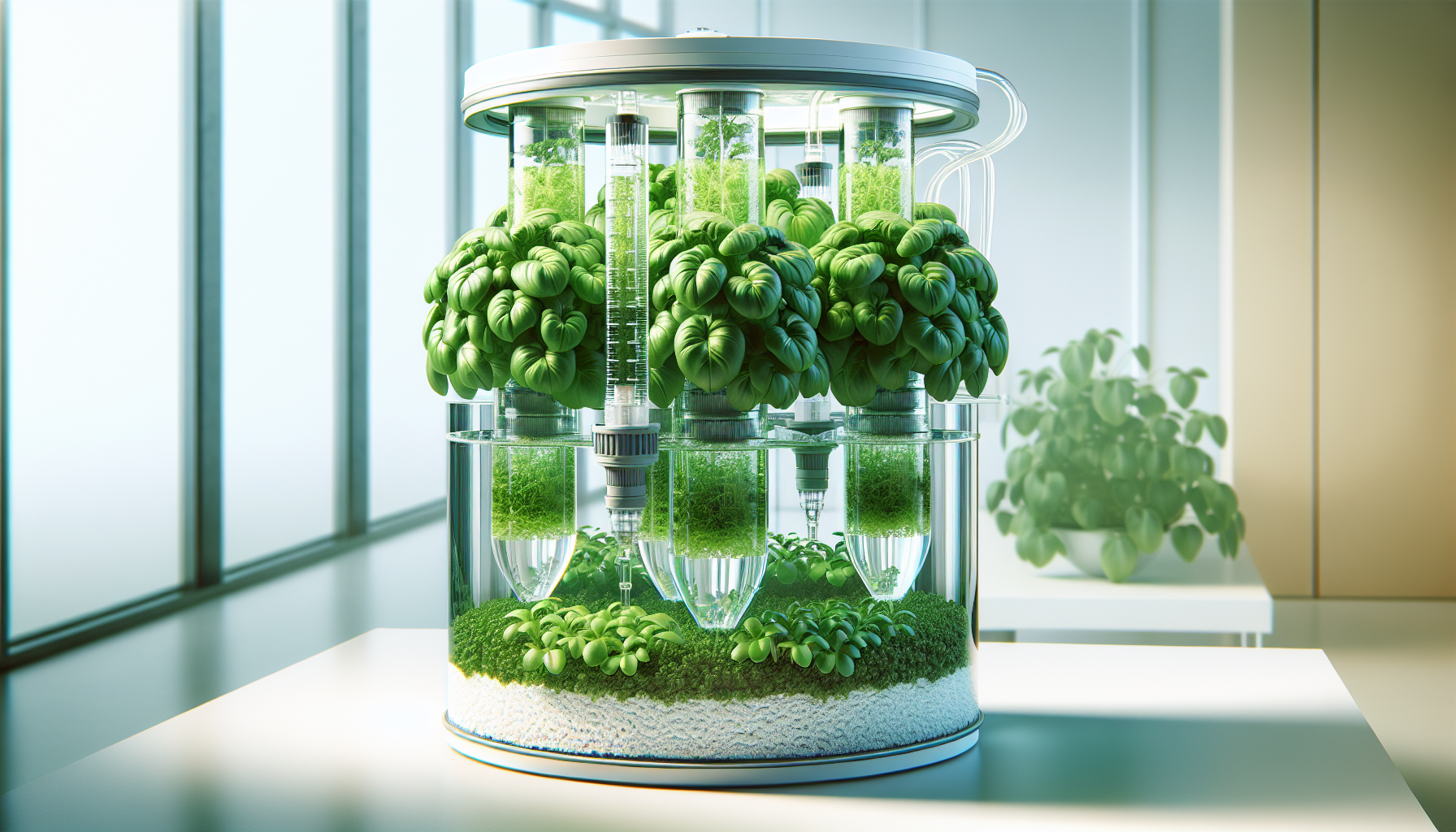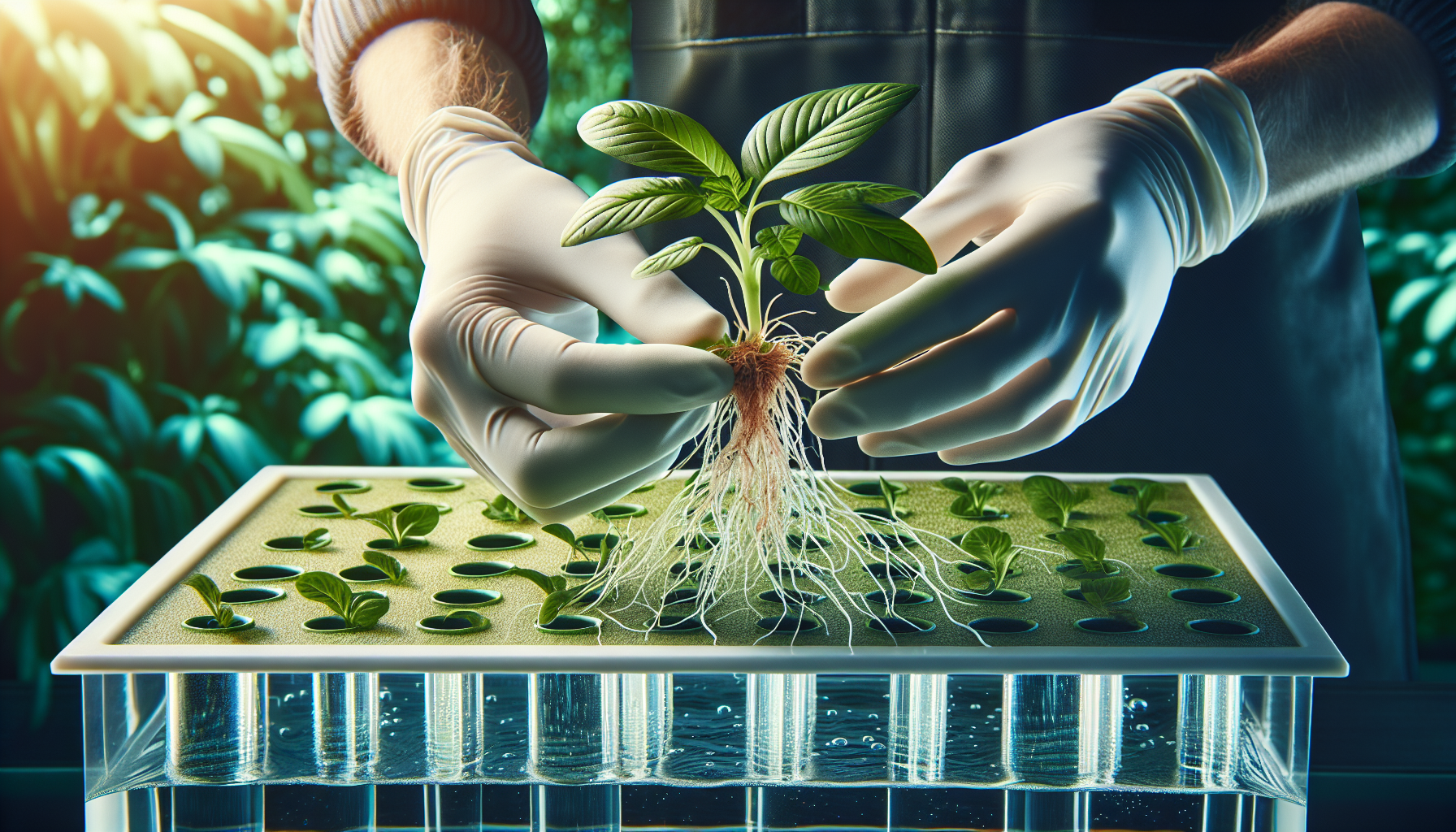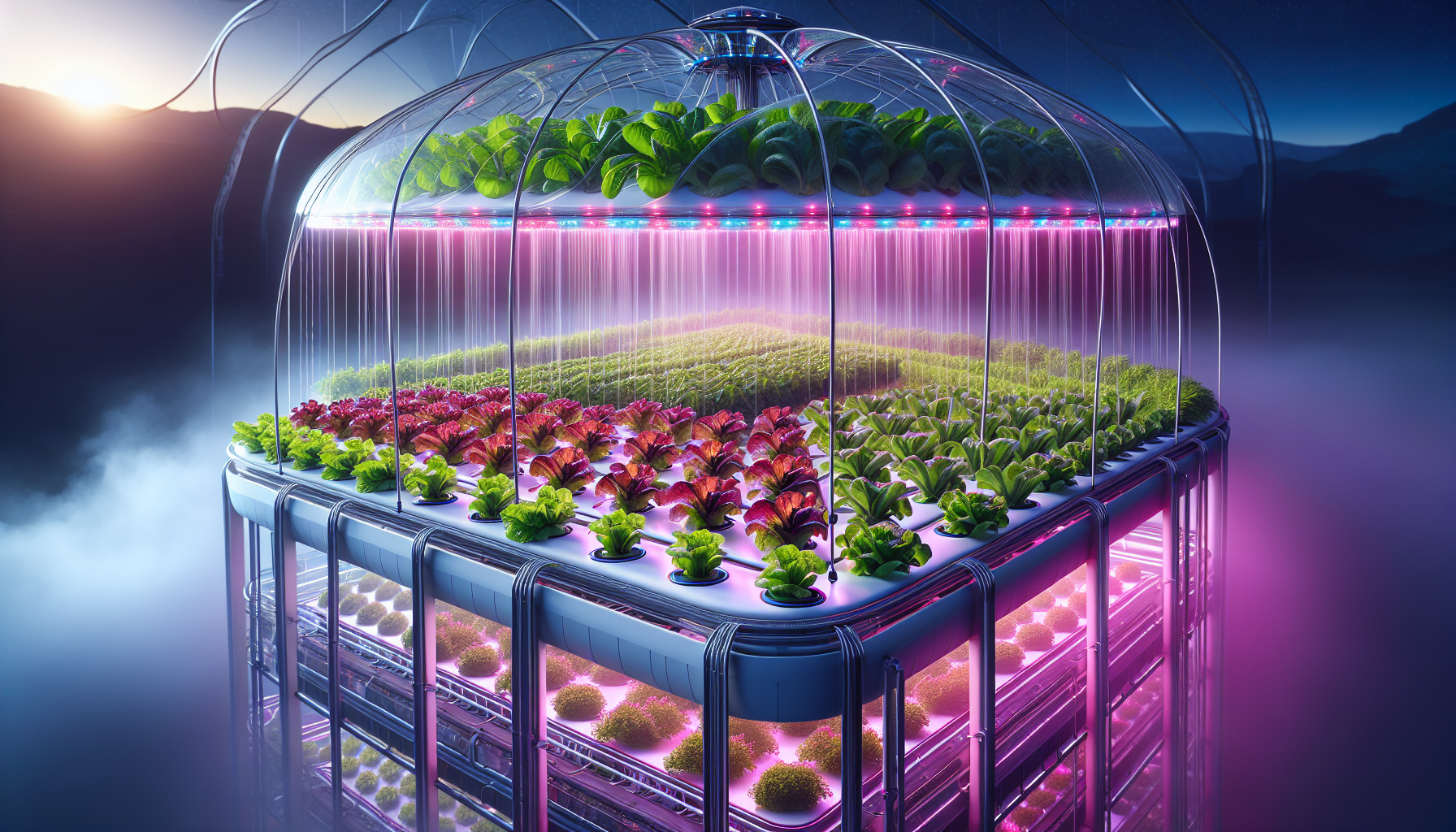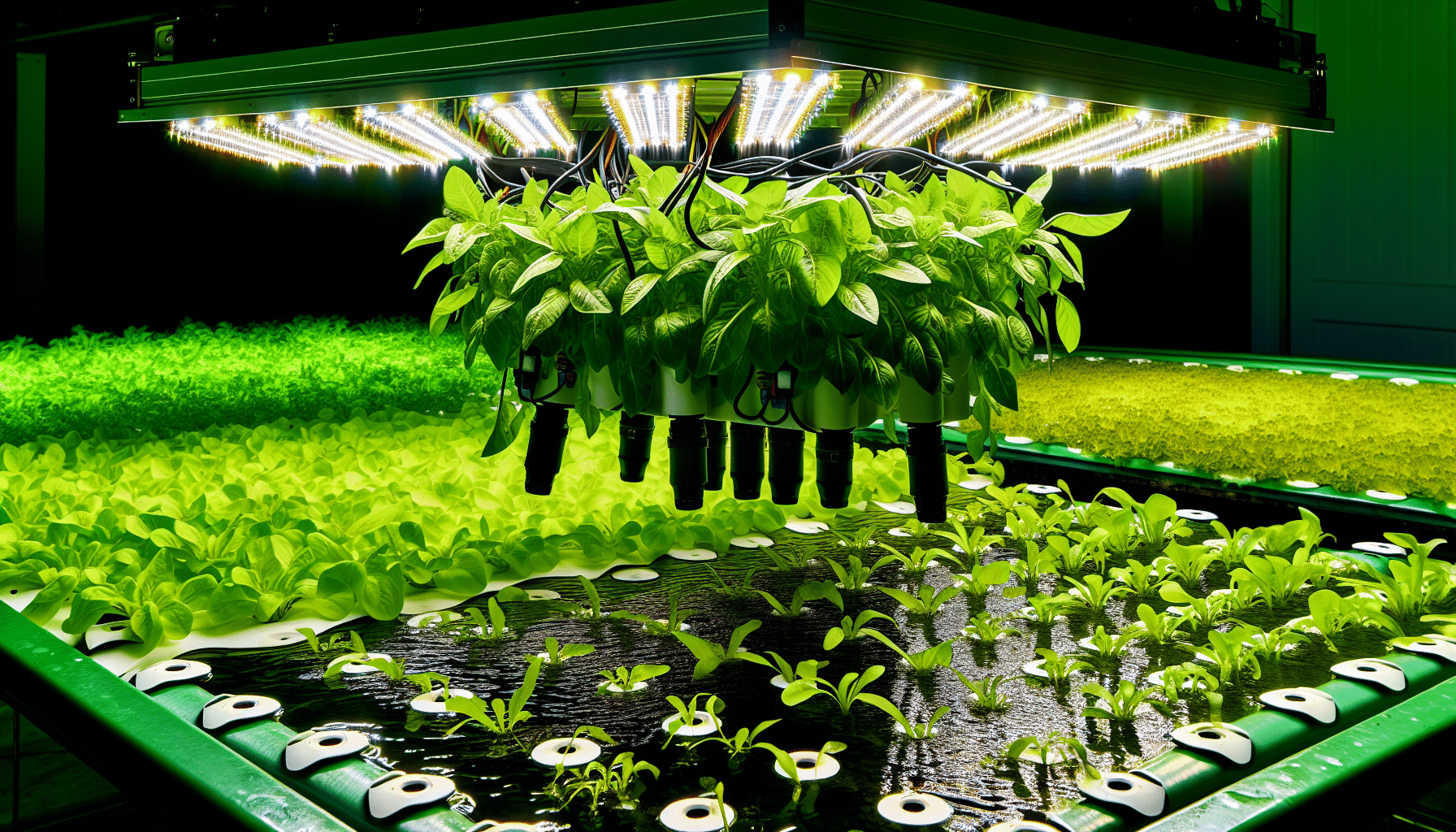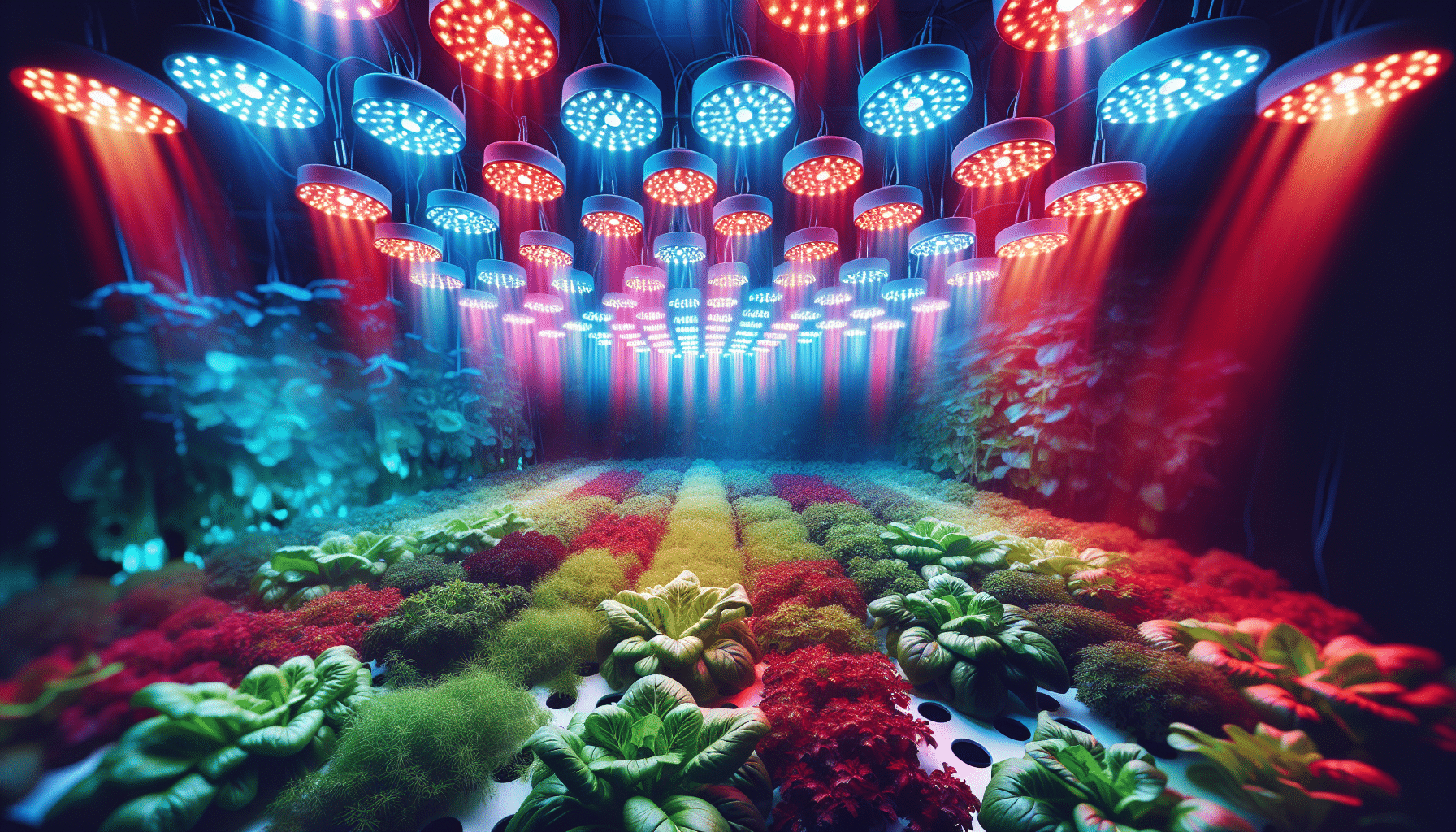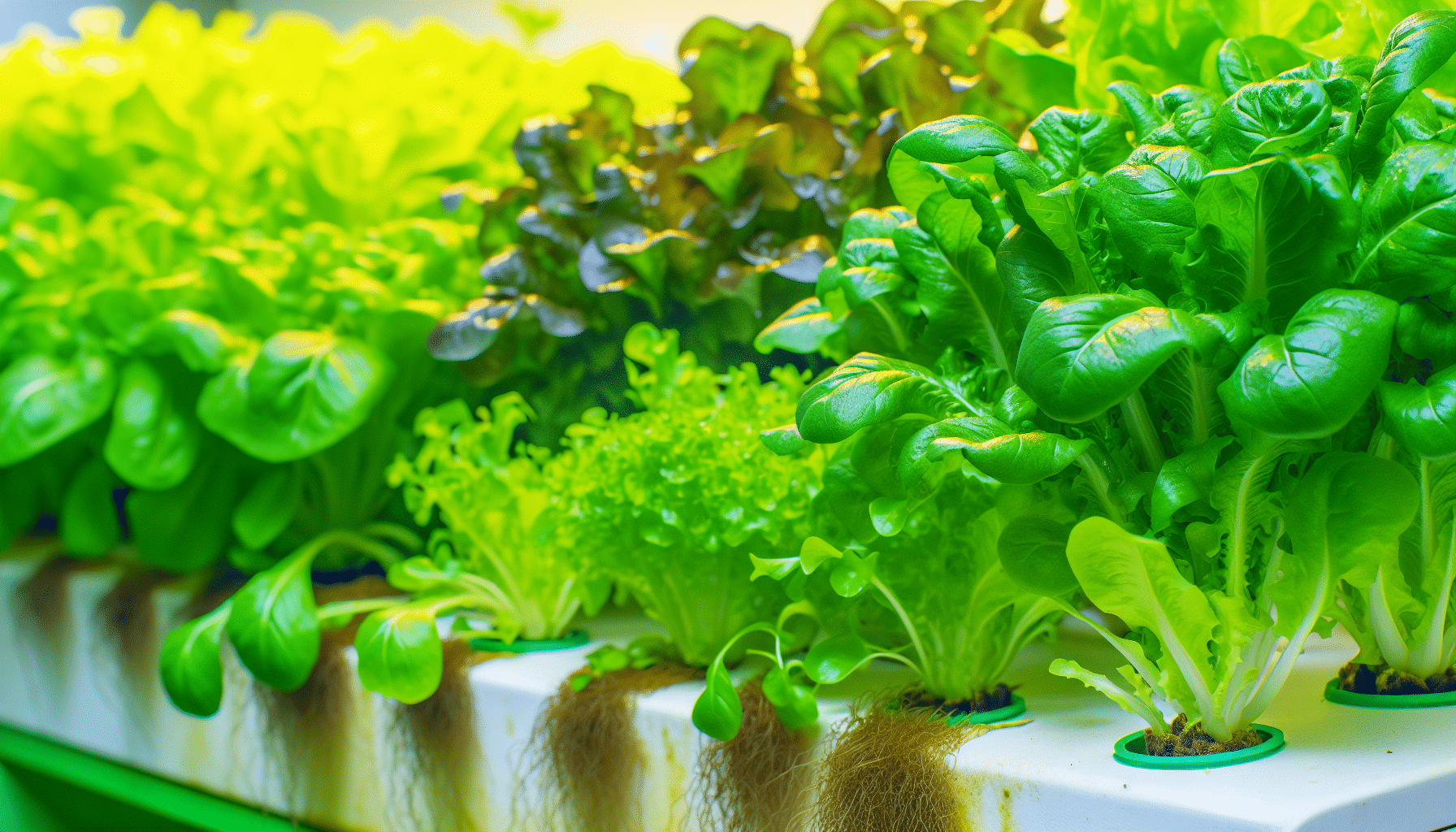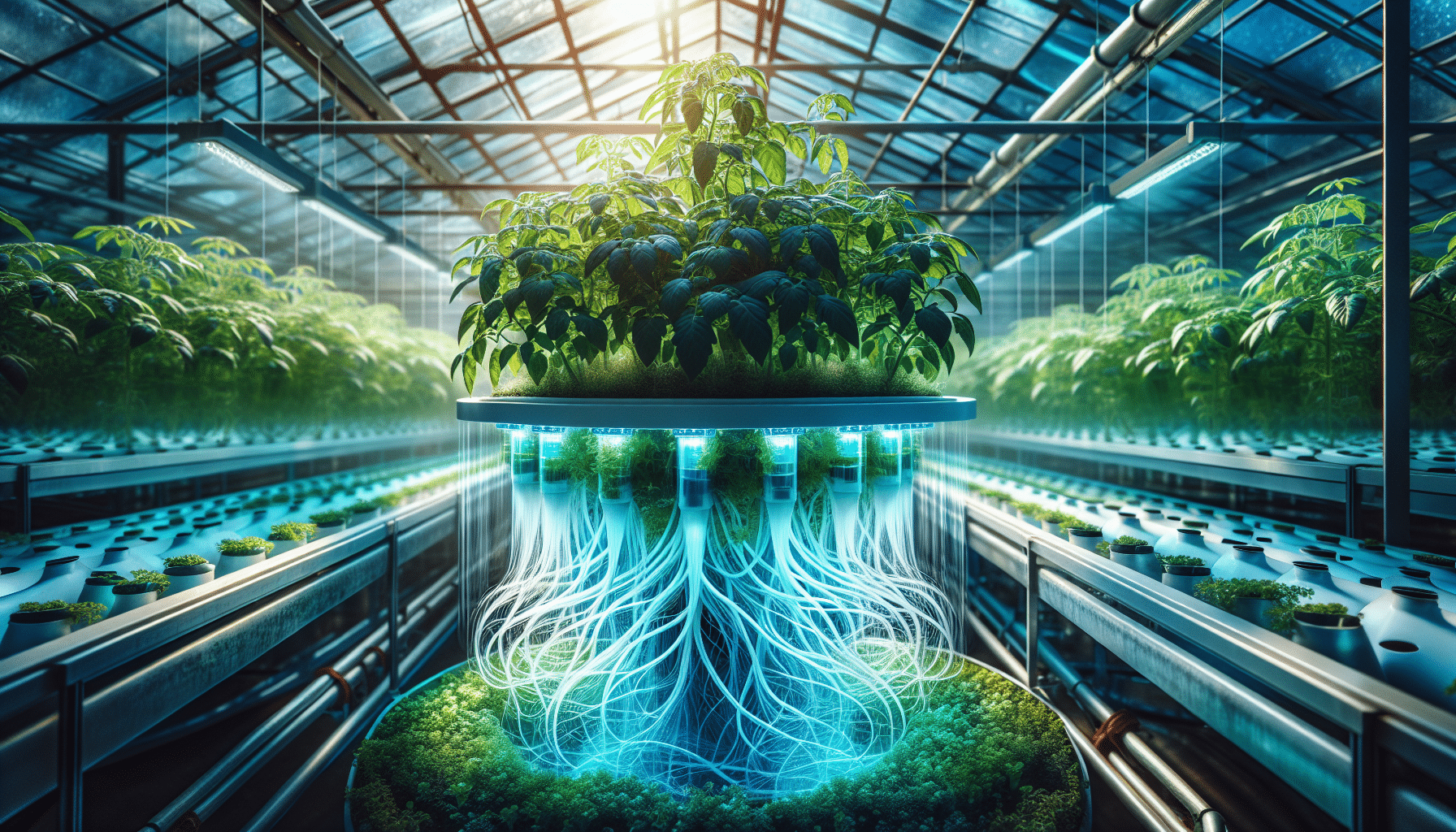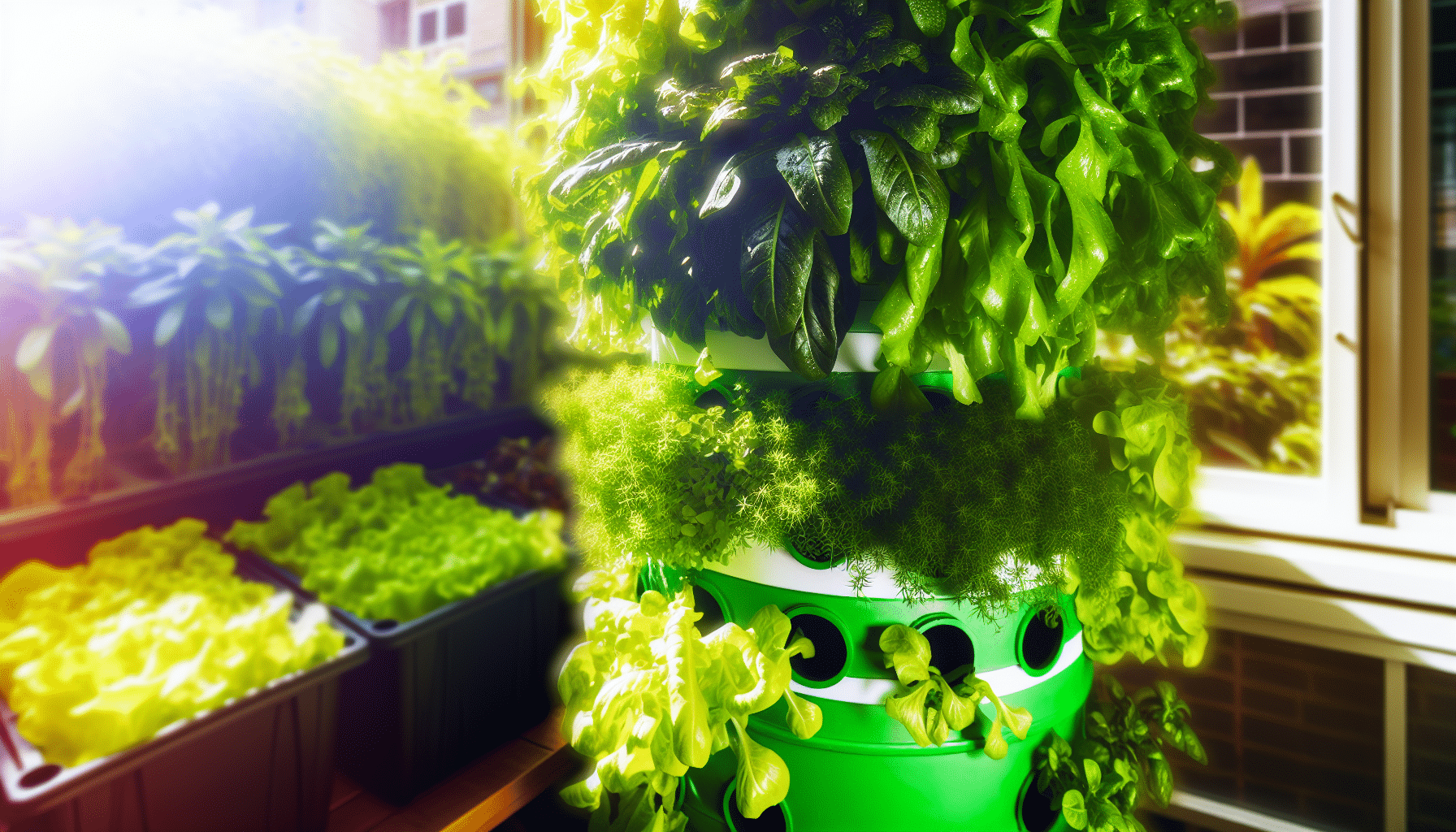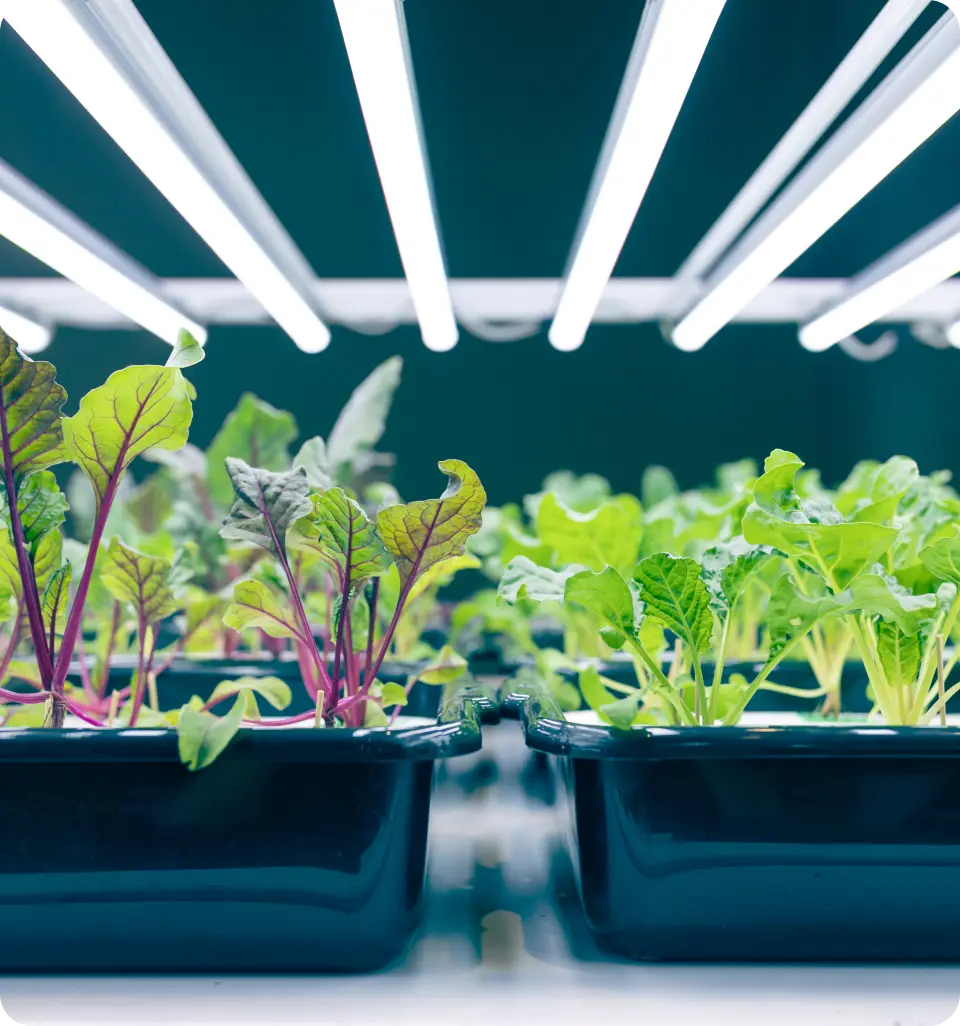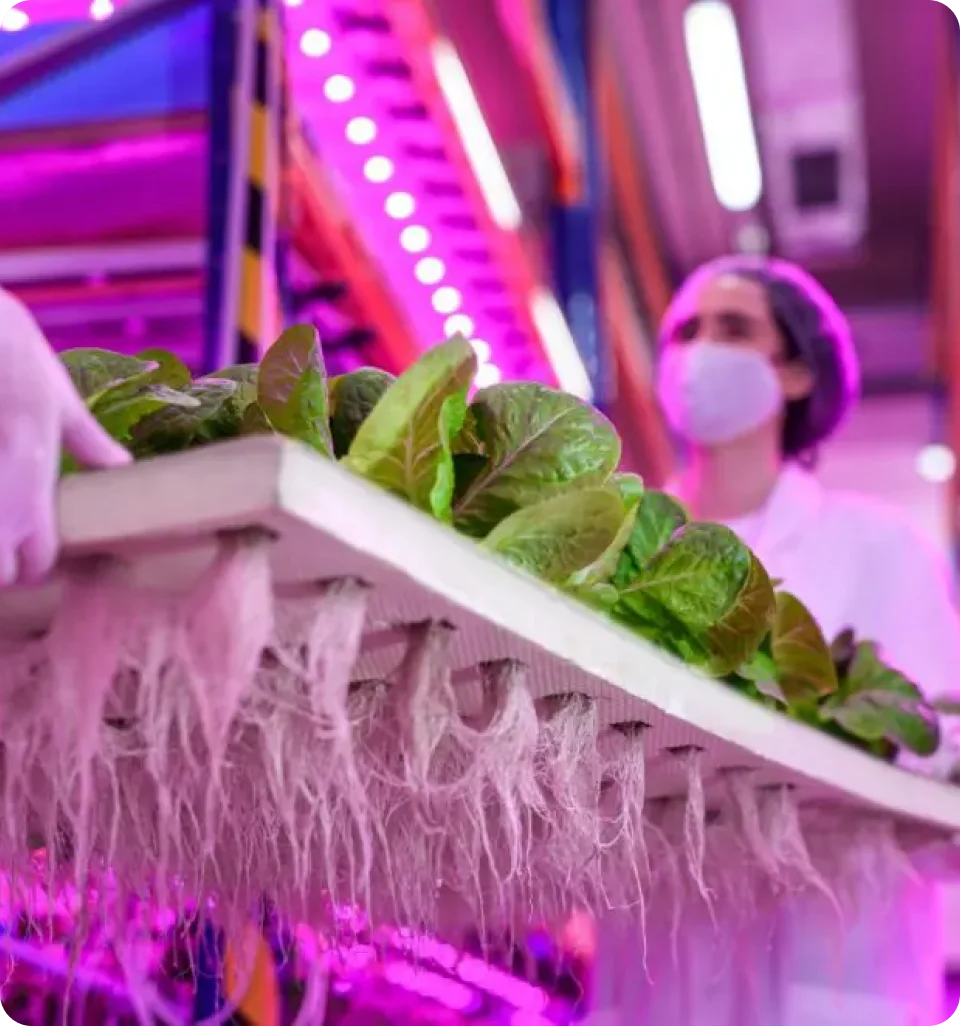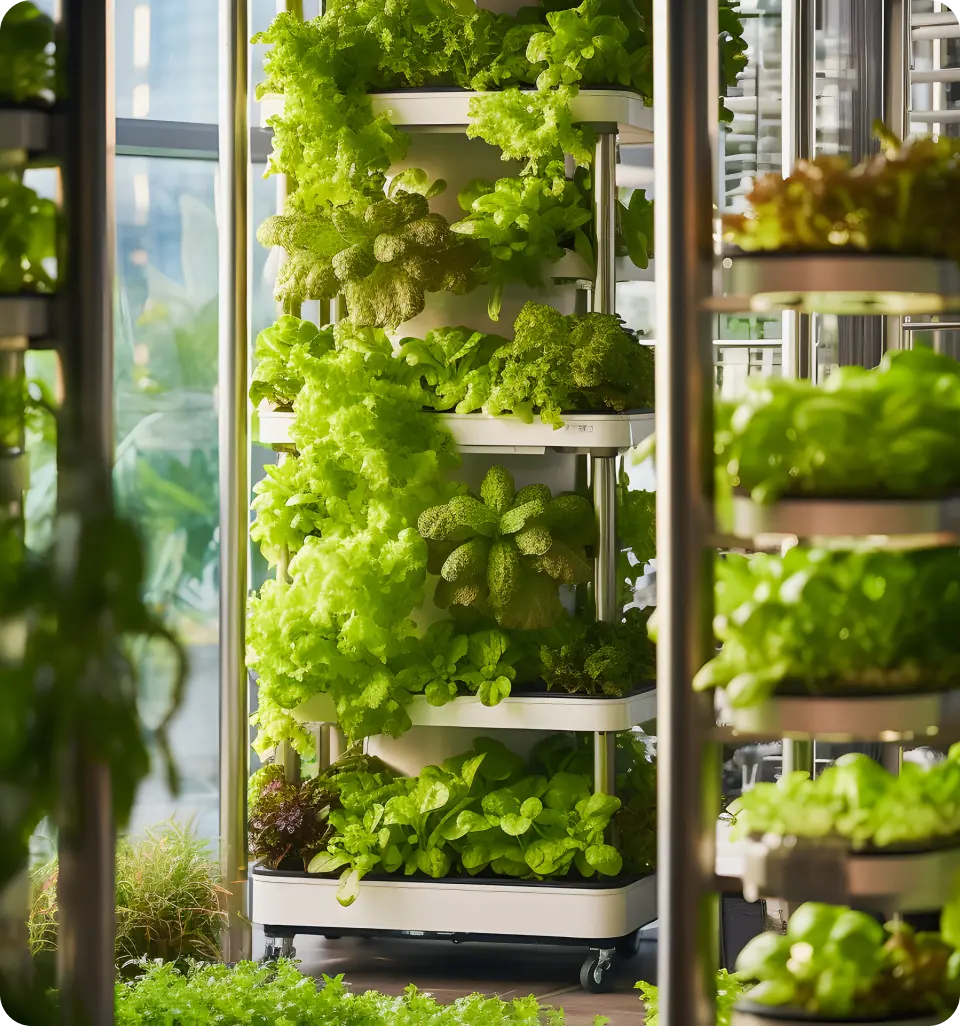
Growing your own food once required good soil, great weather, and a backyard. Not anymore. With hydroponics, you can learn more about indoor hydroponic gardens and grow fresh produce—leafy greens, herbs, and even fruiting plants—without soil, outdoors, or a garden plot.
Thanks to advances in controlled environment agriculture, even urban apartment dwellers can now set up a compact, clean, and highly productive indoor vegetable garden system. Whether you want a plug-and-play tower or a DIY hydroponics setup, the barrier to entry is lower than ever. You can read about hydroponic gardening for beginners to see just how simple it is to get started.
This guide walks you through the essentials of hydroponic gardening, helping you understand how it works, what you’ll need, and how to grow food quickly, efficiently, and indoors.
TL;DRWhat are Hydroponics? (Definition)Hydroponics is a method of soilless growing where plants receive nutrients through water. You’ll need a growing system, a water reservoir, nutrients, lighting, and a growing medium. It’s a fast, clean, and space-efficient way to grow food indoors, whether you choose a tower system or a simple hydroponic growing kit. For more details, read about hydroponic gardening for beginners in our comprehensive guide. |
Hydroponics replaces soil with water—more specifically, with a nutrient-enriched water solution that feeds plant roots directly. This method supports faster growth and higher yields while using far less water and space than traditional gardening. It’s a core technique within urban gardening and modern agriculture.
There are several types of hydroponic systems, including:
What they all share is the goal of precision: delivering nutrients, water, and oxygen directly—without relying on unpredictable soil conditions.
Hydroponics is not just a technique—it’s the foundation of controlled environment agriculture, where every variable (light, temperature, humidity, nutrients) can be optimized.
The appeal of hydroponic gardening is straightforward: more food, less space, fewer problems.
Traditional soil gardens are vulnerable to pests, weather, inconsistent soil quality, and space constraints. But a home hydroponic setup is self-contained, often vertical, and nearly immune to the unpredictability of outdoor growing.
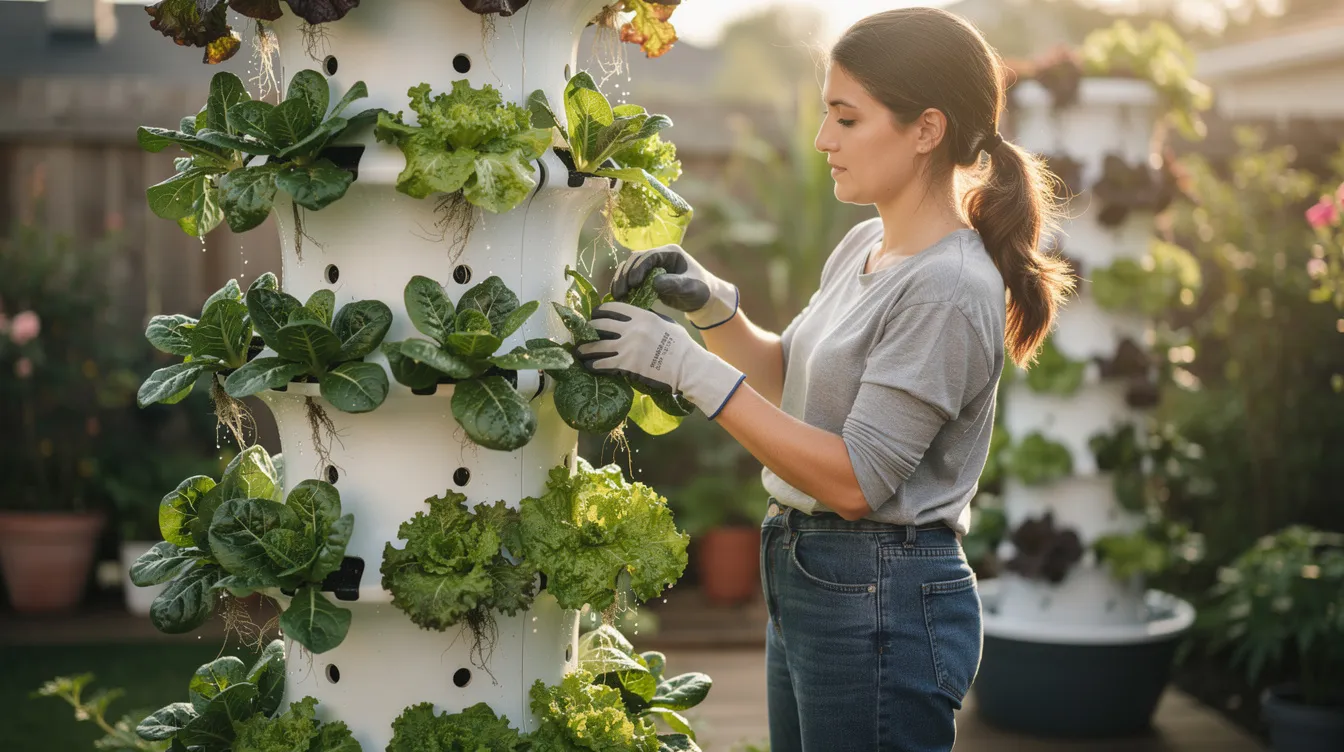
If you’re looking for the best hydroponic system for beginners and future of hydroponic in AI indoor gardening, Nutraponics’ plug-and-play towers take out the guesswork and are designed with modular growth in mind.
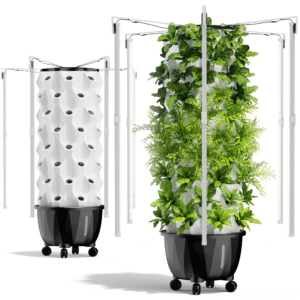
Whether you’re going with a prebuilt system or building your own, all hydroponic setups share a few key components.
With these essentials, your indoor vegetable garden system is ready to grow.

Let’s walk through how to actually bring your home hydroponic setup to life.
Step 1: Choose your space
Find a place with power access and stable temperature. Avoid drafty or humid areas. If using lights, natural sunlight isn’t required.
Step 2: Assemble your system
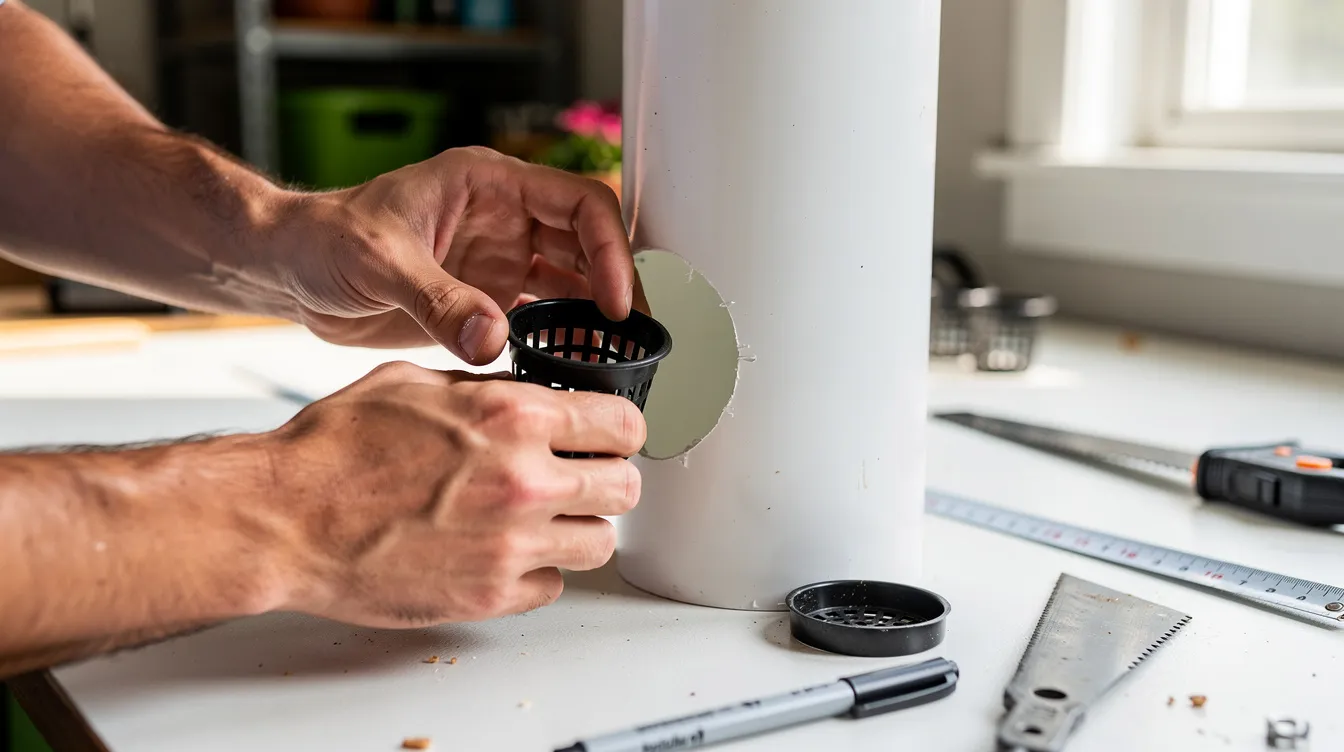
Install the tower or frame. Place net pots, insert grow medium, and plug in the water pump and lights.
Step 3: Add water and nutrients
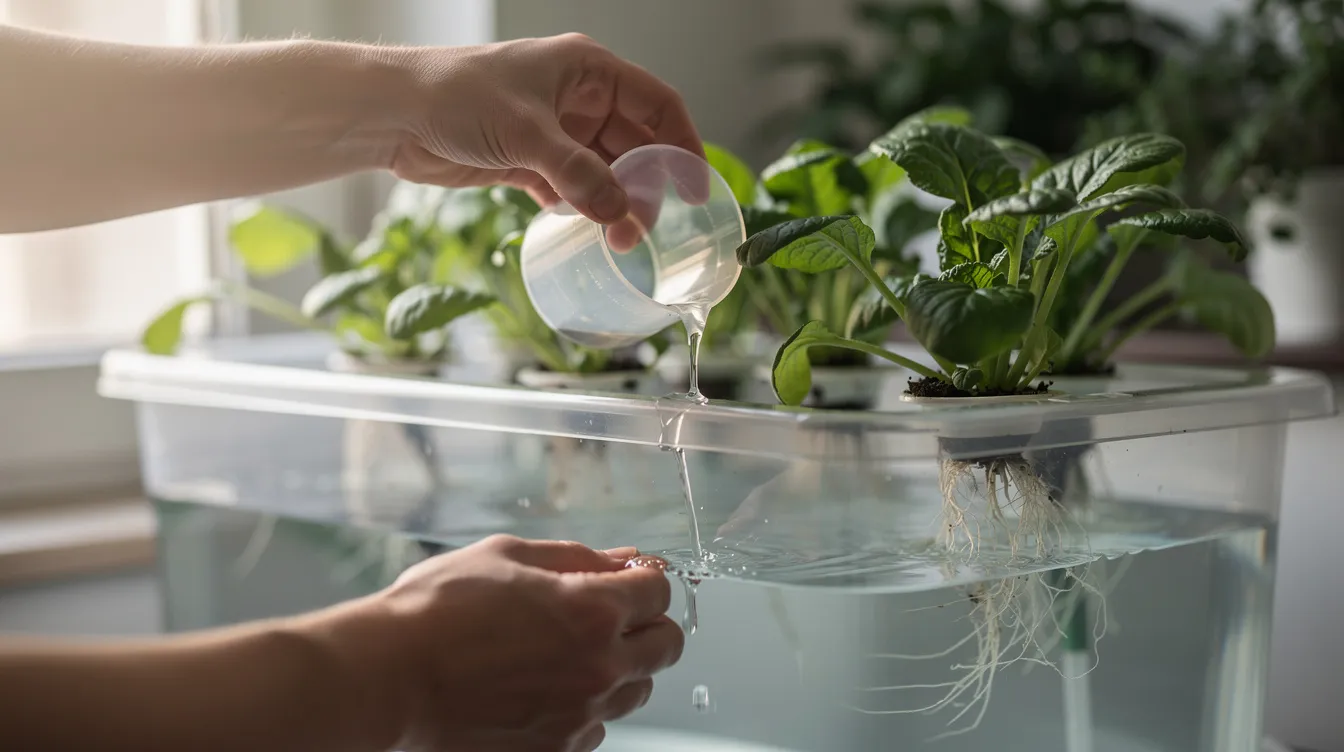
Fill the reservoir with filtered water and mix in your nutrient solution. Stir thoroughly to dissolve everything evenly.
Step 4: Plant your seeds
Start in rockwool cubes or plugs. Place seedlings into grow sites once sprouted.
Step 5: Power the system
Turn on the pump and lights. Most systems use a timer (e.g., 16 hours light on, 8 off).
Step 6: Monitor conditions
Check nutrient levels weekly, clean components every few weeks, and observe plant health. Within 2–3 weeks, you should see robust growth.
Systems like the Nutraponics Tower Garden with LED make all of this seamless, with built-in timers and pre-calibrated nutrient cycles for ease of use.
Maintaining a soilless growing system is mostly about consistency. Once set up, your system will run with minimal effort—especially if it’s automated.
In a controlled environment agriculture setup, data is your friend. Track water usage, light hours, and harvest cycles to keep improving your yields. You can also calculate your savings and productivity with our specialized tools.
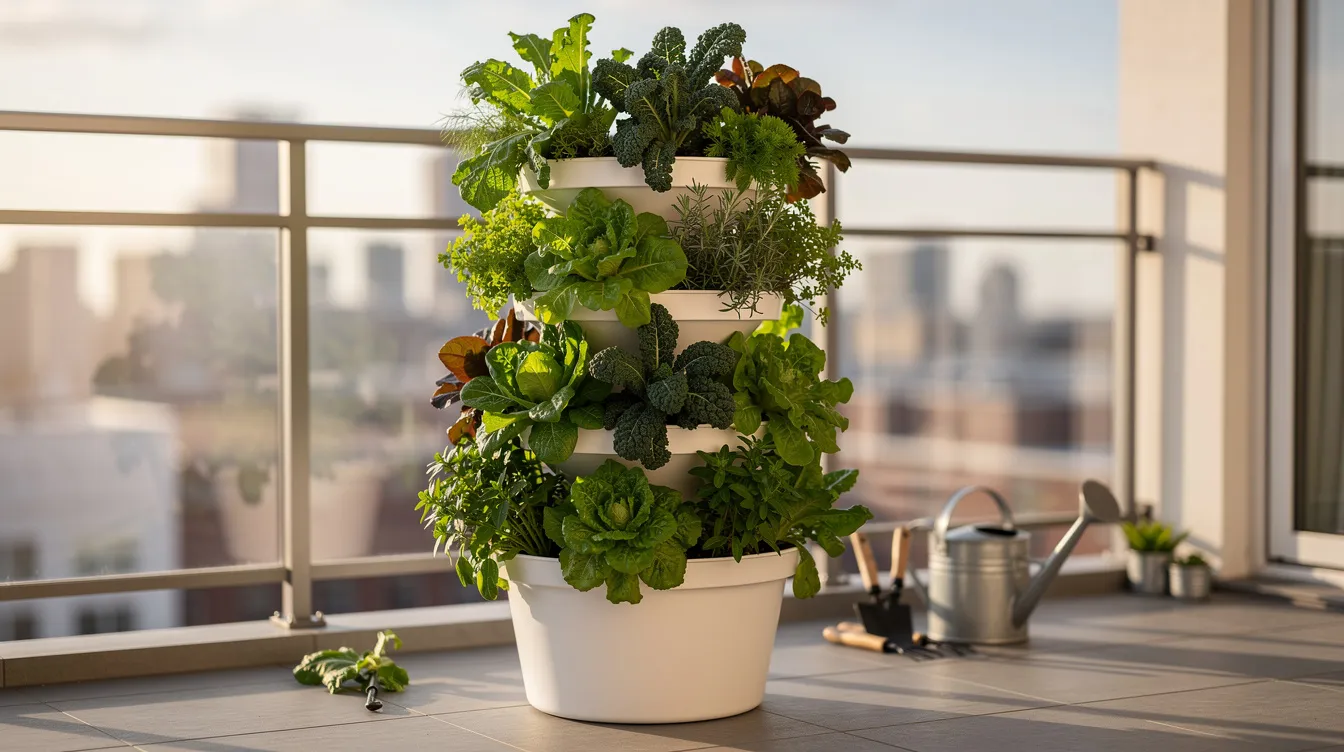
Hydroponics isn’t just about lettuce. You can grow an impressive variety of foods right from your kitchen or balcony.
As you get comfortable, you can experiment with nutrient film technique for fast-flowing systems or try aeroponics for strawberries and herbs. Avoid deep-root vegetables unless you’ve upgraded to a specialized horizontal system.
Yes, if your location gets 6–8 hours of strong natural light. Otherwise, LED lights are recommended for consistent growth.
Less than 15 minutes per week for most systems. Automated options make it even easier.
They’re pesticide-free and nutrient-controlled, but not always “organic” by certification. Still, they’re incredibly clean and safe.
Yes, but filtered water is better. Hard water can throw off pH and nutrient balance.
Prebuilt towers or plug-and-play kits like Nutraponics’ towers are among the best hydroponic systems for beginners, requiring minimal setup and maintenance.
Hydroponic gardening has gone from fringe curiosity to a real-world solution for growing food at home. Whether you’re tackling rising food costs, seeking cleaner ingredients, or just want a connection to what you eat, hydroponics delivers.
It’s efficient, elegant, and empowering. And with systems like those from Nutraponics, it’s never been easier to start. If you are ready for a high-yield professional setup, you can start growing with the Pro Shelf with LED today.
Your home hydroponic setup is more than a garden—it’s a step toward smarter, cleaner, and more sustainable living. And you can use Hydroponics Yield Calculator to discover how much you can grow and save!