
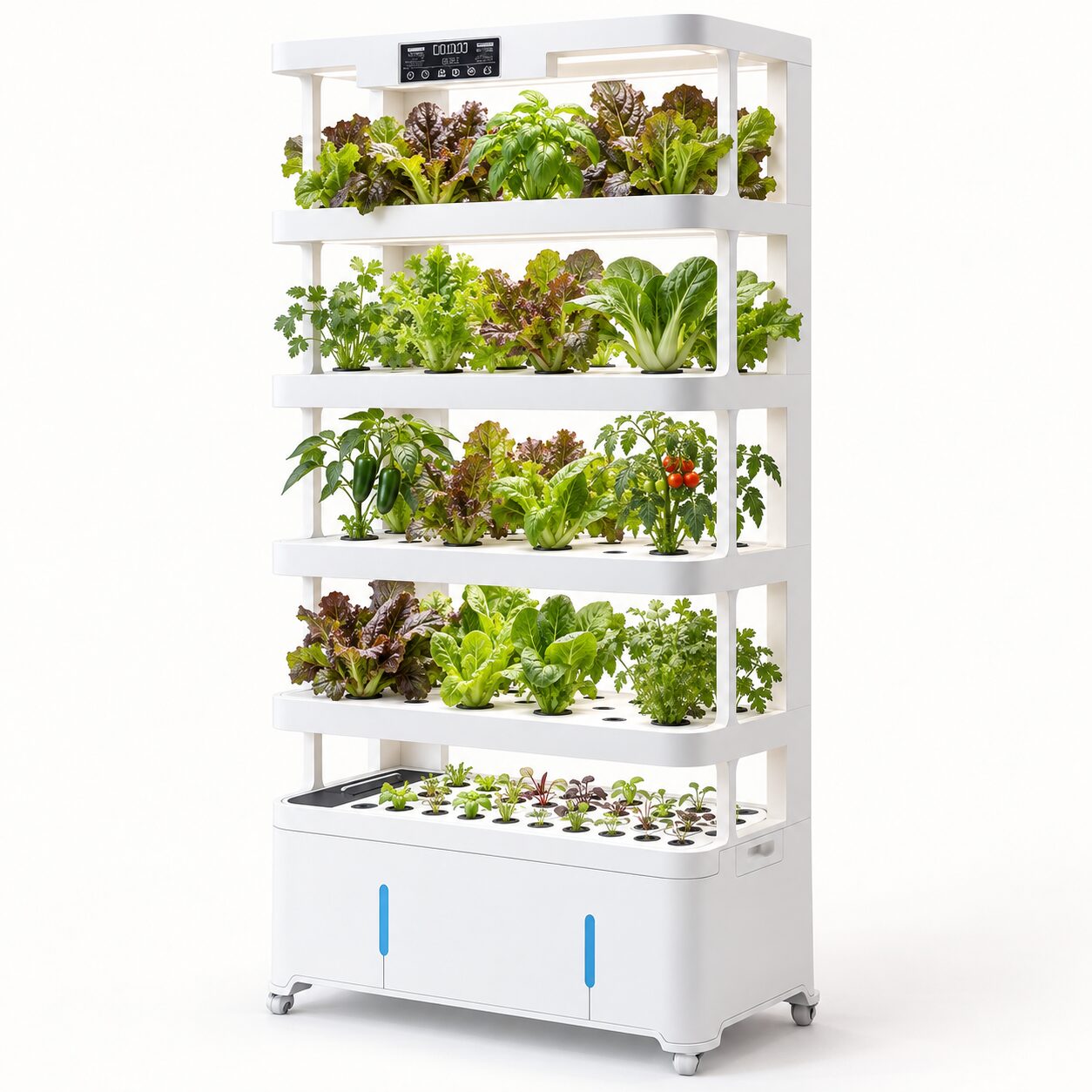
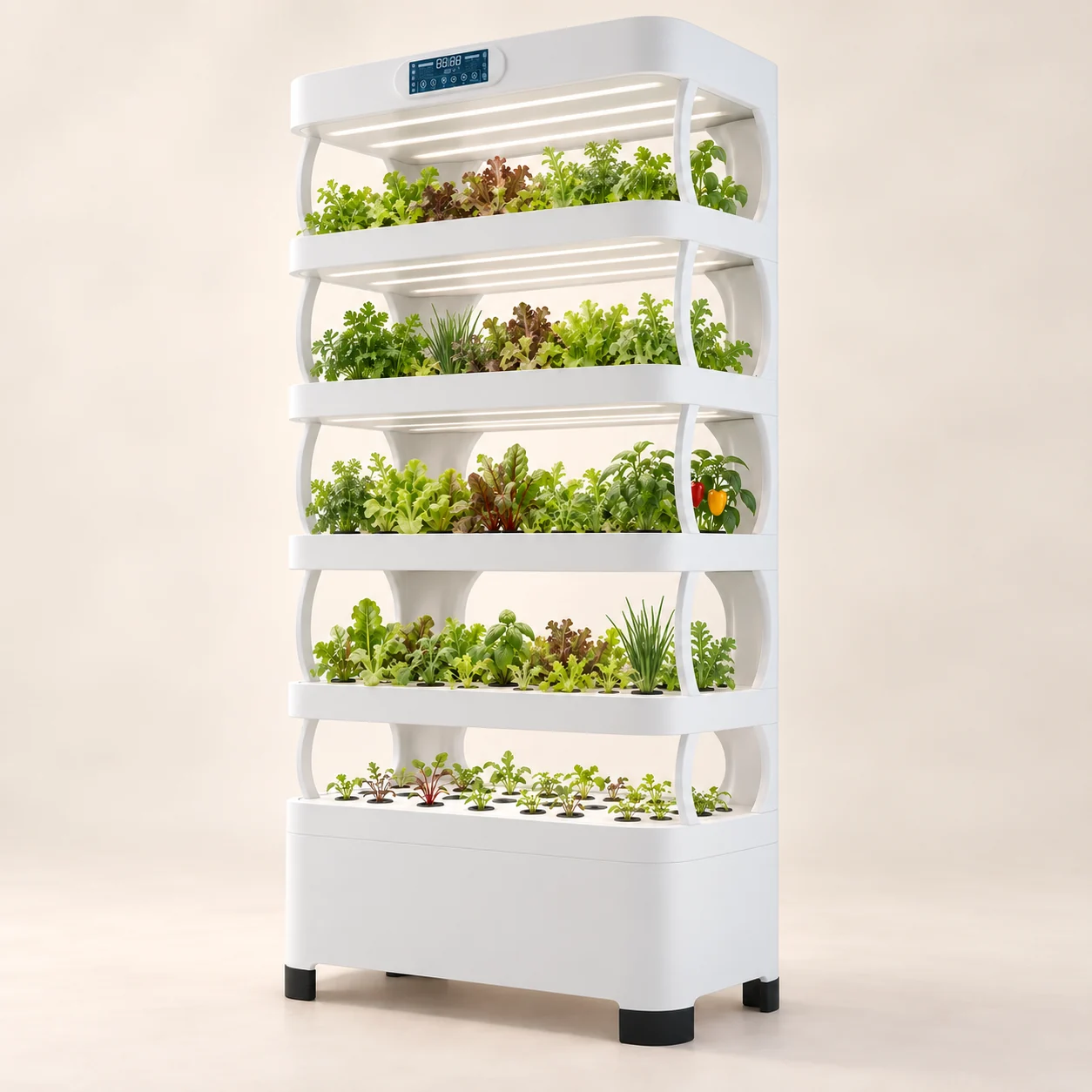
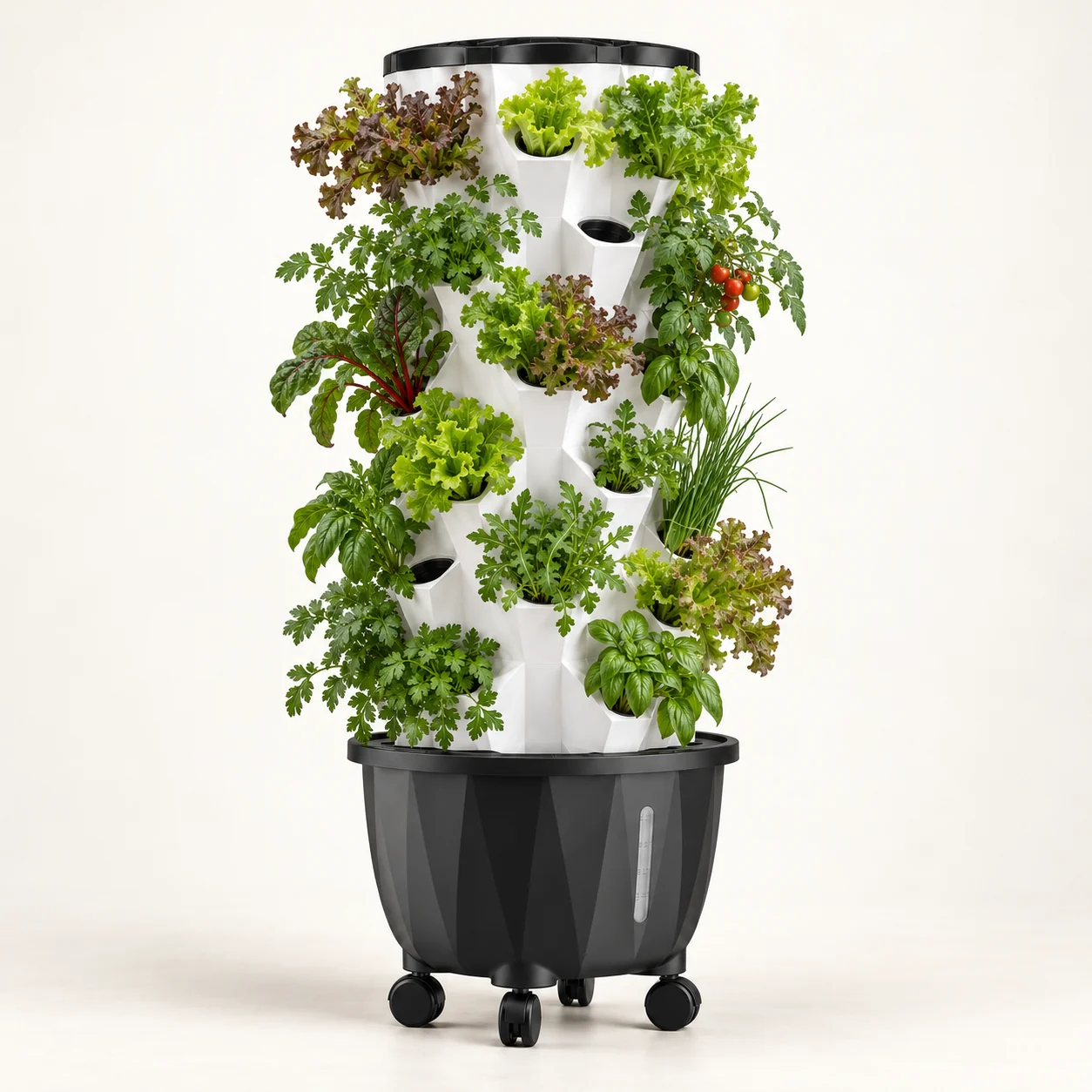
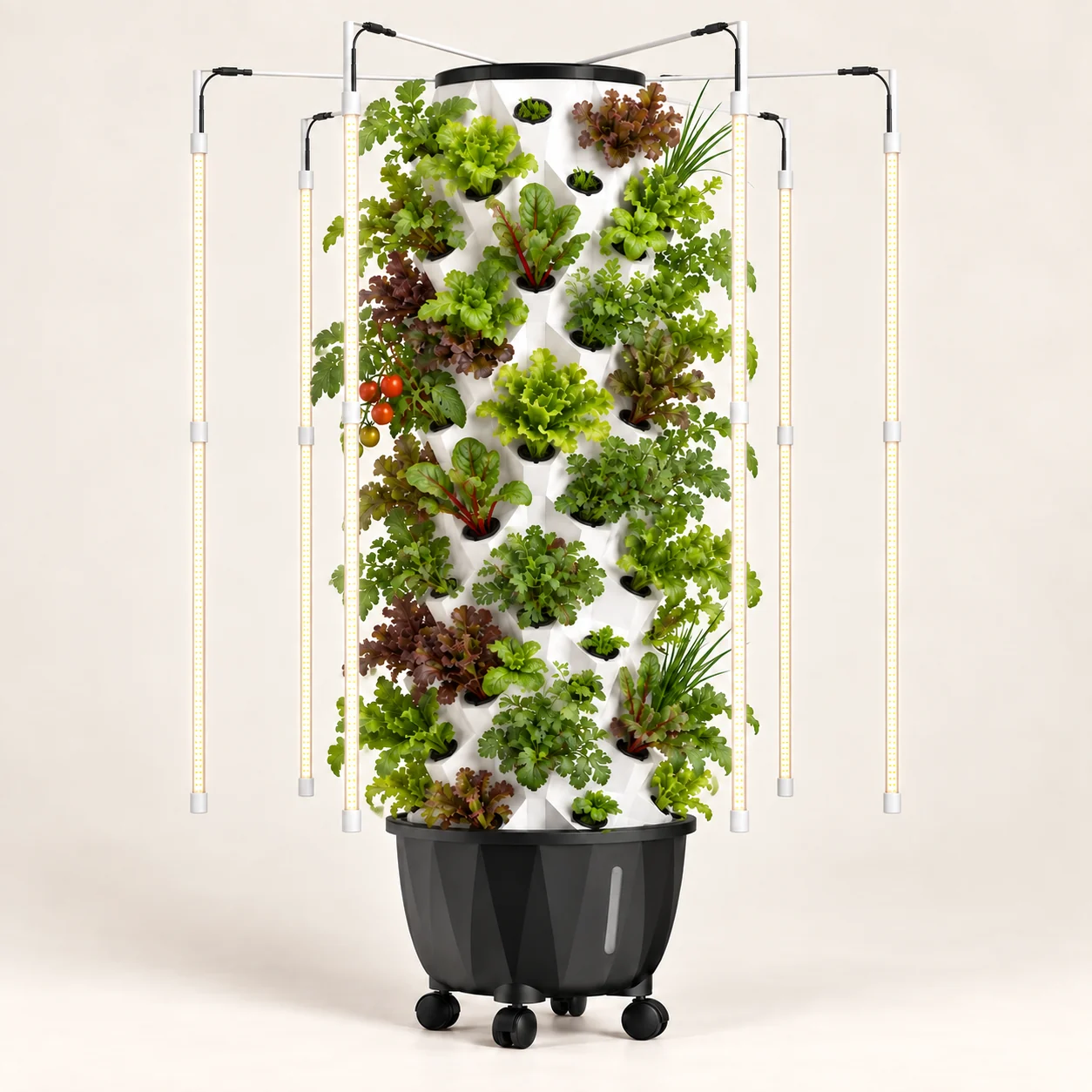


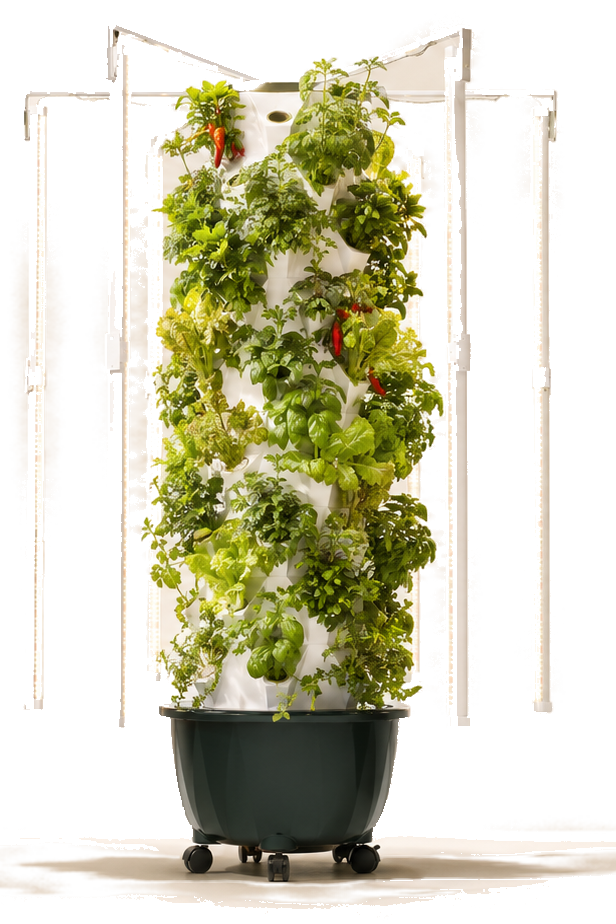
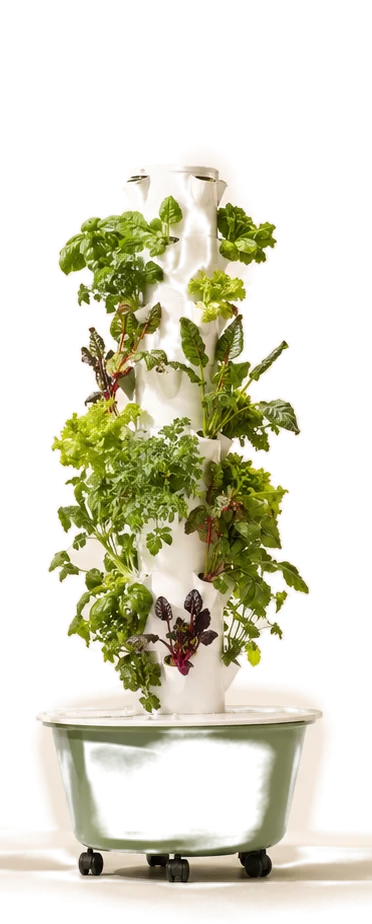




Plan the Room Around the Garden
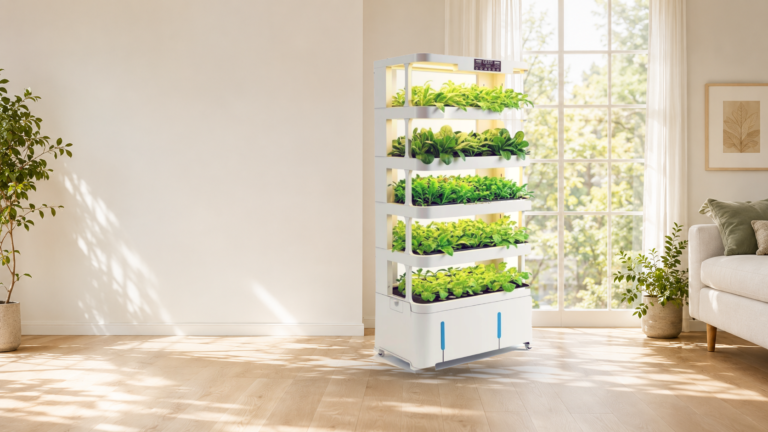
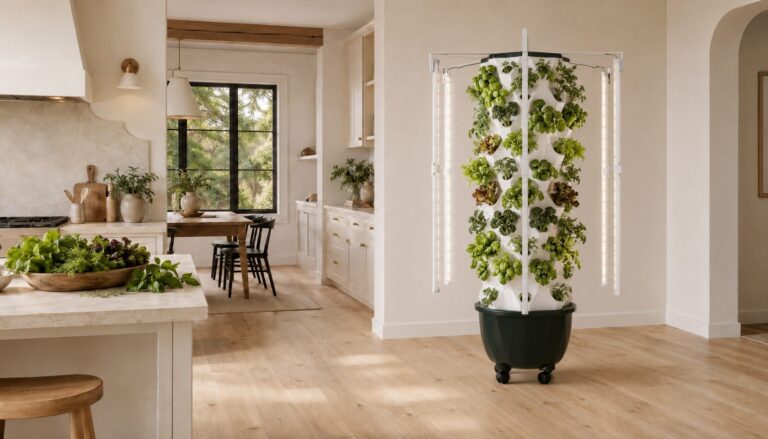
Choose a spot you can check easily and reach for refilling, pruning, and cleaning. Include the full plant canopy, lighting, and working space in your plan. A room that looks bright to you may still provide too little light for an edible crop.12
Four Checks Before You Choose
A useful indoor layout balances plant needs with everyday access. Check the whole growing area—not only the reservoir footprint.12
Space. Light. Air. Access.
Plan the growing zone and the room around it.
Allow room to work
Leave access for hands, tools, refills, and mature foliage. Do not block doors or walkways.
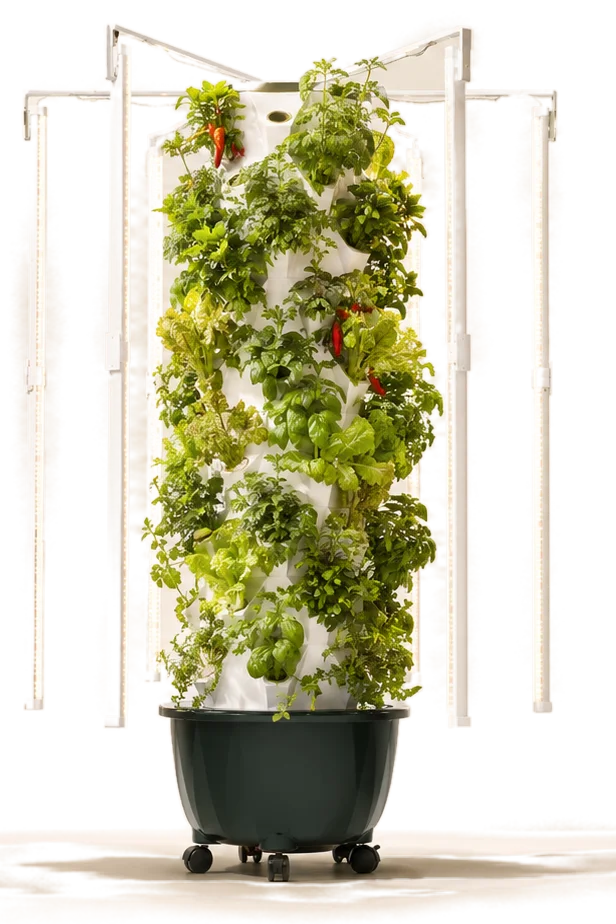
Light the whole crop
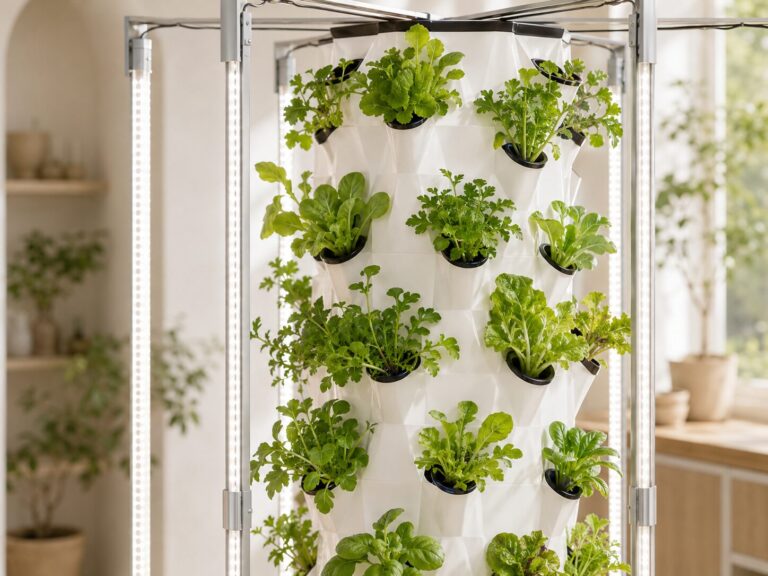
Check intensity, coverage, duration, and fixture distance against crop and equipment guidance.
Manage room moisture
Look for condensation, damp surfaces, and stagnant air. Correct moisture problems promptly.
Plan water and power
Keep filling and cleaning practical, with dry, accessible electrical connections and manufacturer-approved equipment.

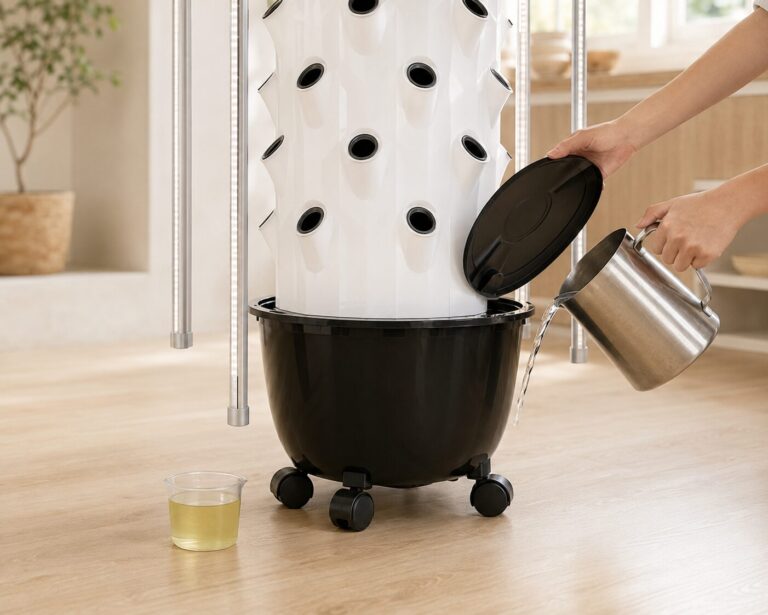
Use the model’s installation instructions. Check for leaks before planting; do not handle electrical connections with wet hands or service powered equipment.
Five Essentials to Check
These details matter more than an impressive feature list. Confirm what your chosen model includes.

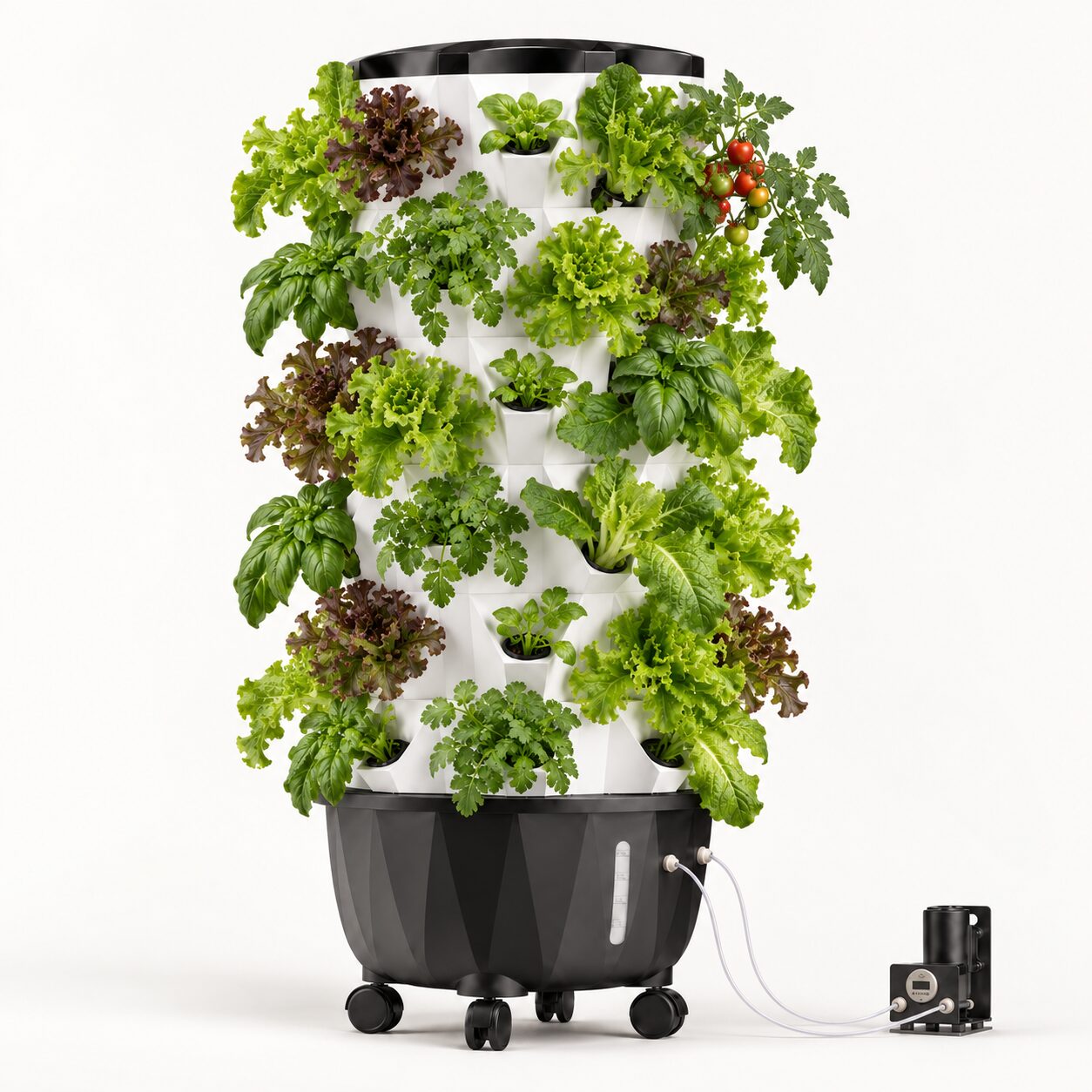
Reservoir access
Can you inspect, refill, drain, and clean it without moving a full system?

Grow lighting
Check coverage as plants mature; integrated lights still need correct settings.

Water delivery
Understand the pump, timer, or passive method and the response to an interruption.

Plant support
Choose compatible holders and media. Leave space for roots and foliage.
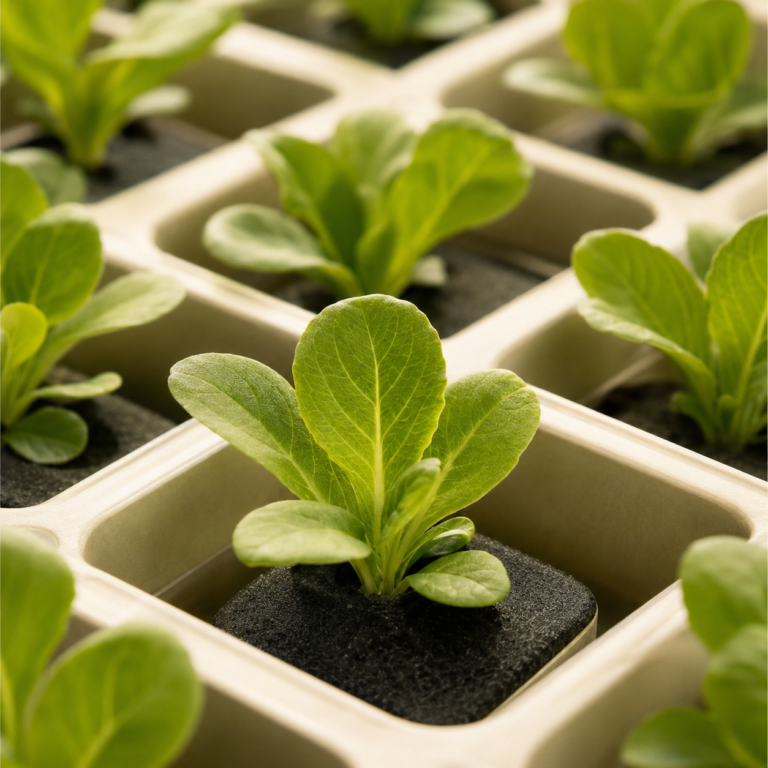
Healthy seedlings
Start a manageable number of plants, rather than filling every site immediately.
Prefer to compare growing methods first? Read the hydroponic systems guide.24 Understand system types →
Match Plants to Your Space
Start with food you use. Check mature size and choose crops with compatible growing needs.2
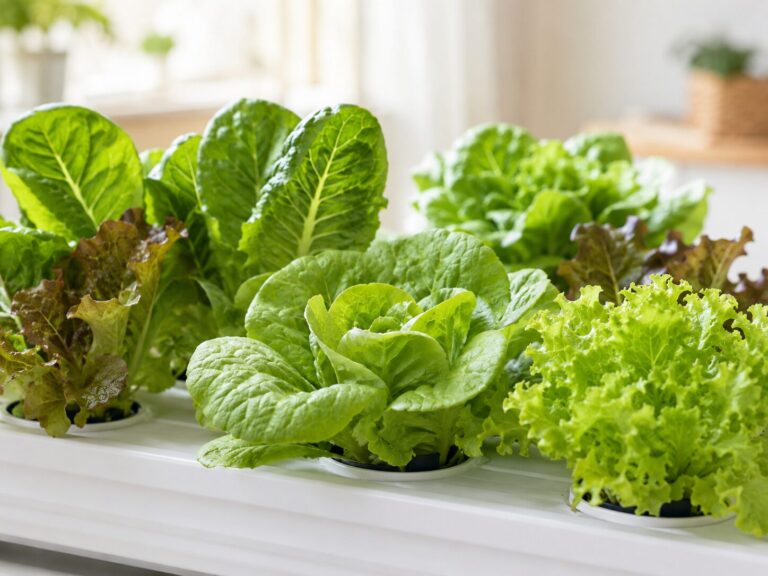
Salad greens
Lettuce and compact greens are practical starting choices.
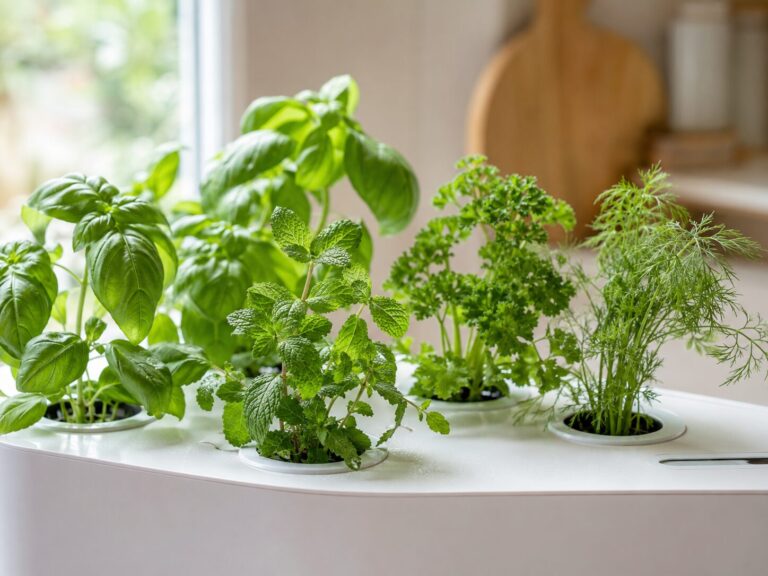
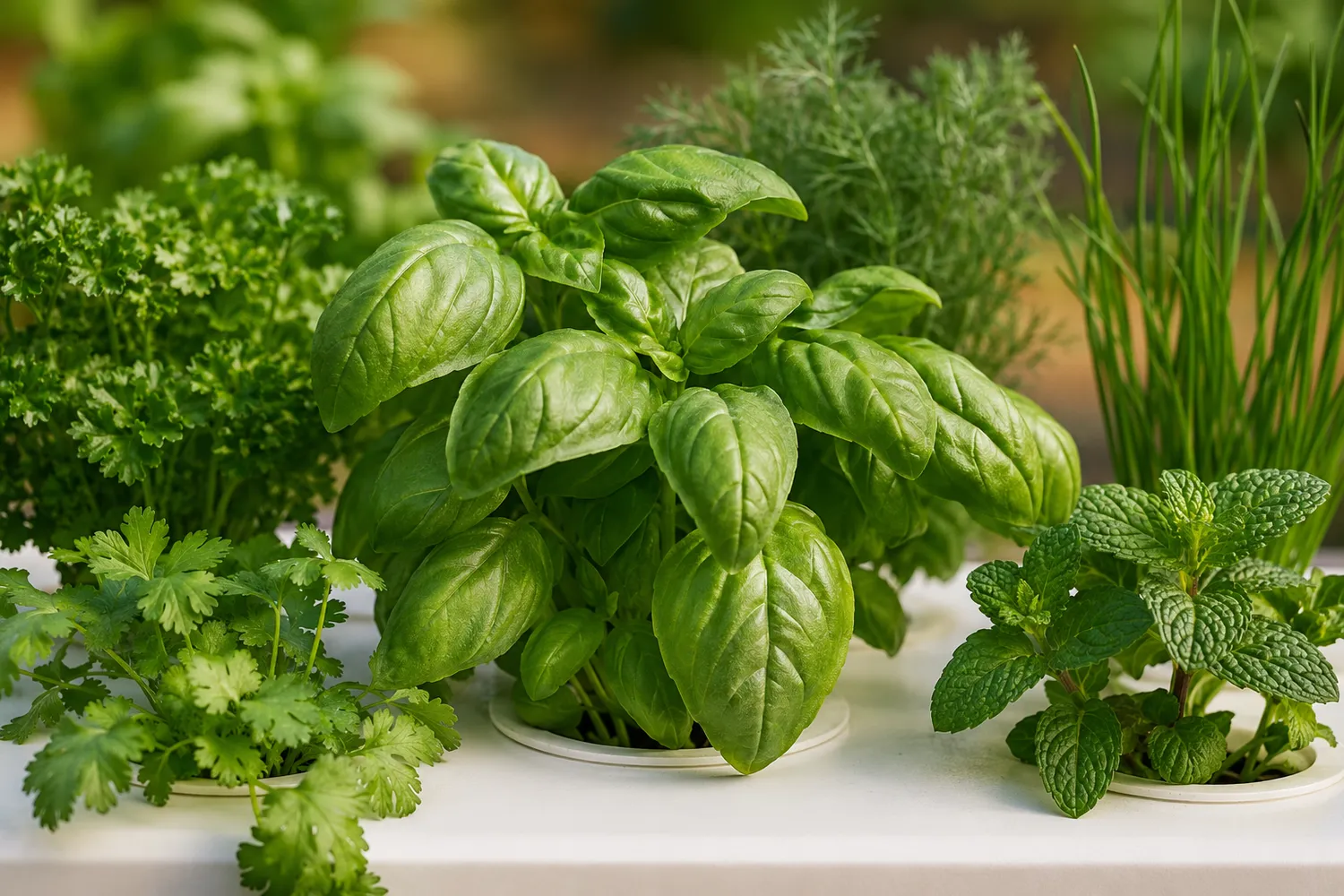
Kitchen herbs
Basil and mint need pruning and room as they mature.
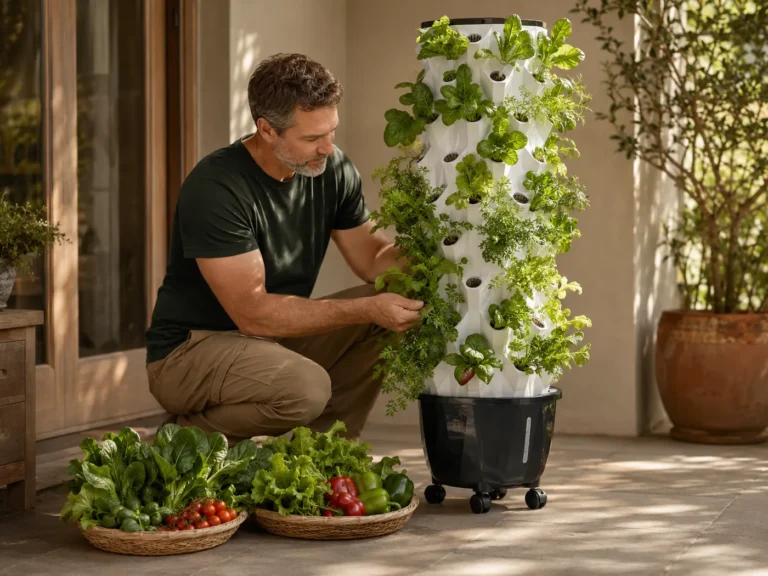
Fruiting crops
Tomatoes and peppers need more light, space, and support.
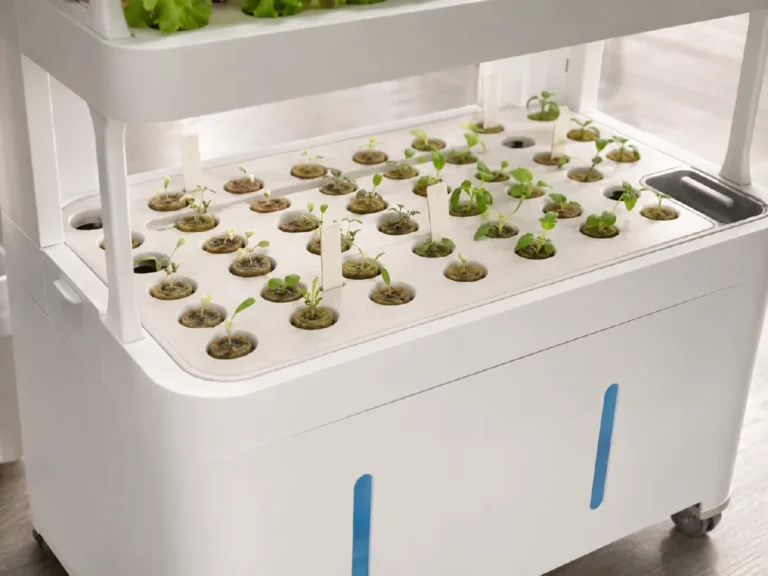
Young plants
Keep a separate seedling area where your setup allows.
Keep the Garden Working
Build a routine around observations—not a promise of maintenance-free growing.34
Check water and delivery
Look daily for low water, leaks, interrupted flow, or wilting.
Follow the nutrient plan
Check pH and EC regularly. EC indicates dissolved salts, not each nutrient separately.
Watch the growing zone
Check light coverage, room conditions, and leaf undersides as the canopy fills.
Clean and replant
Follow the cleaning schedule, keep notes, and stagger suitable crops for smaller harvests.
For first assembly, mixing, and transplanting, use the dedicated starter guide. Follow the starter guide →
Benefits & Trade-Offs
Make the choice with realistic expectations.
What appeals
- Fresh food close to the kitchen
- Growing where garden soil is unavailable
- More control of the growing conditions
What to budget for
- Electricity and consumable supplies
- Cleaning and regular plant checks
- Space for access—not just hardware
Year-round growing needs suitable conditions. Savings depend on costs and the harvest you actually use.24 Explore practical benefits →
Common Questions
Answers to help you plan an indoor garden that lasts.
Can I grow beside a window without grow lights?
Sometimes, but available light changes with the season, window, and crop. Plan supplementary lighting when daylight is insufficient, especially for winter growing or fruiting plants.12
How long should I run the lights?
Follow the crop and fixture guidance. Duration, intensity, and distance work together; more hours cannot fix poor coverage. Use a timer and retain the appropriate dark period.1
Is a tower or a shelf better indoors?
Neither is automatically better. Compare the fully grown canopy, lighting clearance, reservoir access, reach, and support for your crops—not just the number of planting sites.2
How do I estimate electricity costs?
For each device: watts ÷ 1,000 × operating hours = kWh. Multiply by your electricity rate. Example only: a 100 W light, 14 hours/day for 30 days, uses 42 kWh; at $0.20/kWh that is $8.40. Pumps and other equipment are extra.6
Will an indoor garden make the room damp?
Monitor room humidity and look for condensation or leaks. Dry spills promptly and address excess moisture. A fan moves air but is not a substitute for fixing a leak or controlling humidity.5
Related Guides
View all guides →Choose the next answer for your growing space.
Sources & further reading
- University of Minnesota Extension: Lighting for indoor plants and starting seeds
- University of Minnesota Extension: Small-scale hydroponics
- Oklahoma State University Extension: Electrical Conductivity and pH Guide for Hydroponics
- University of New Hampshire Extension: Hydroponics at Home
- U.S. Environmental Protection Agency: A Brief Guide to Mold, Moisture and Your Home
- U.S. Energy Information Administration: Measuring electricity
Sources checked September 22, 2026. General growing guidance, not product performance tests. The electricity calculation is an example, not a Nutraponics specification or a payback promise.