For centuries, growing your own food meant one thing: dirt under your nails and plants in the backyard. But as lifestyles shift and technology evolves, so do our options. Today, a clean, modern indoor garden system can produce the same (or more) than a backyard bed—and do it year-round. To understand how modern hydro towers function, you can learn more about how hydroponic towers work before comparing systems.
But does that mean indoor growing is better? Or does the outdoor garden still have its place in the age of hydroponics and automation? This guide lays out the facts, side by side, so you can decide which system fits your needs best.
TL;DRAn indoor garden system offers precision, control, and year-round productivity—ideal for urban living, small spaces, and anyone seeking clean, pesticide-free food. An outdoor garden system gives you scale, natural light, and connection to seasonal rhythms. The best choice depends on your space, goals, and climate. |
Before we compare, let’s define our terms.
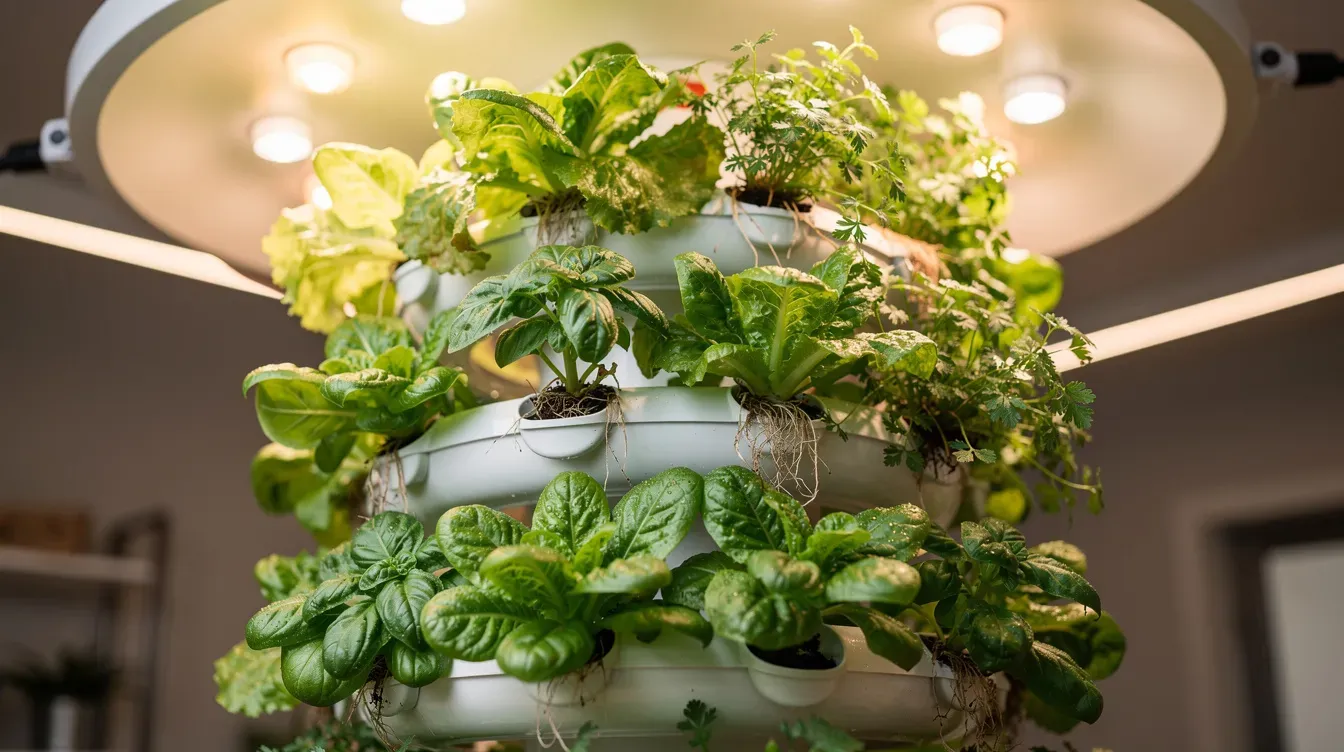
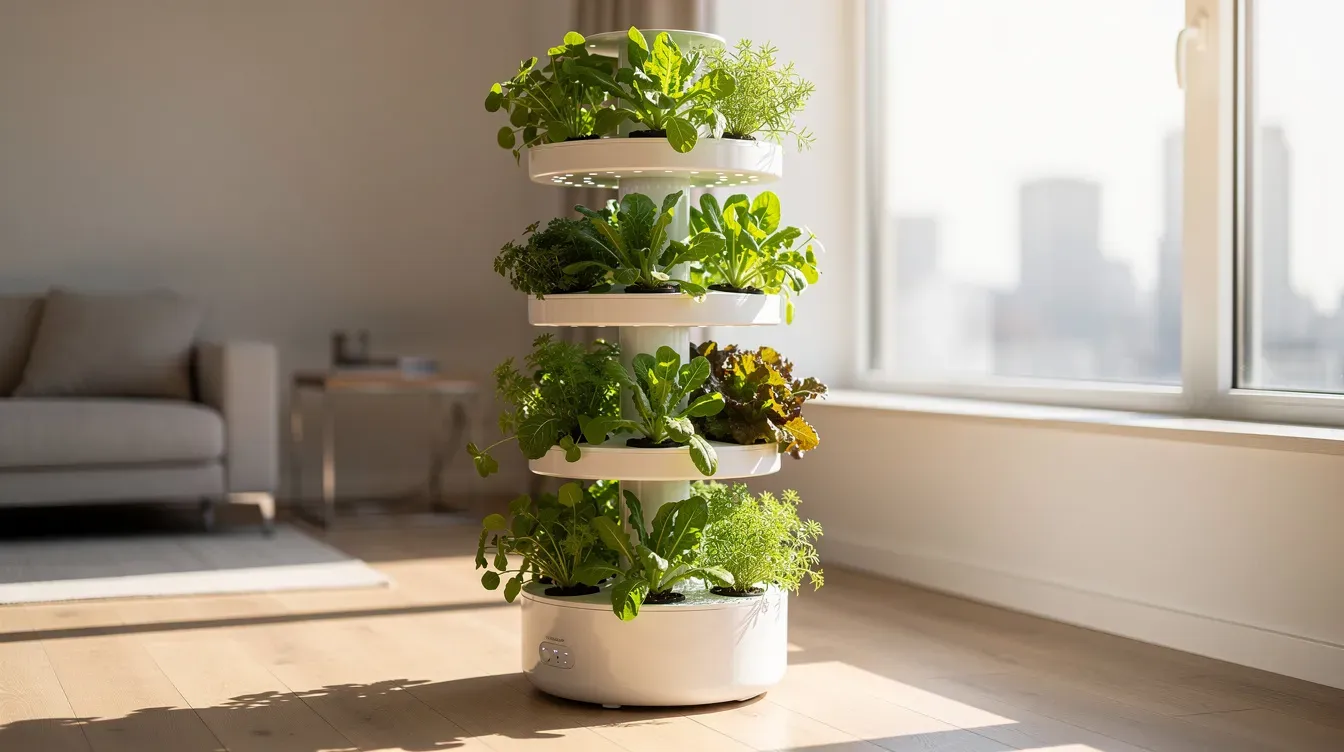
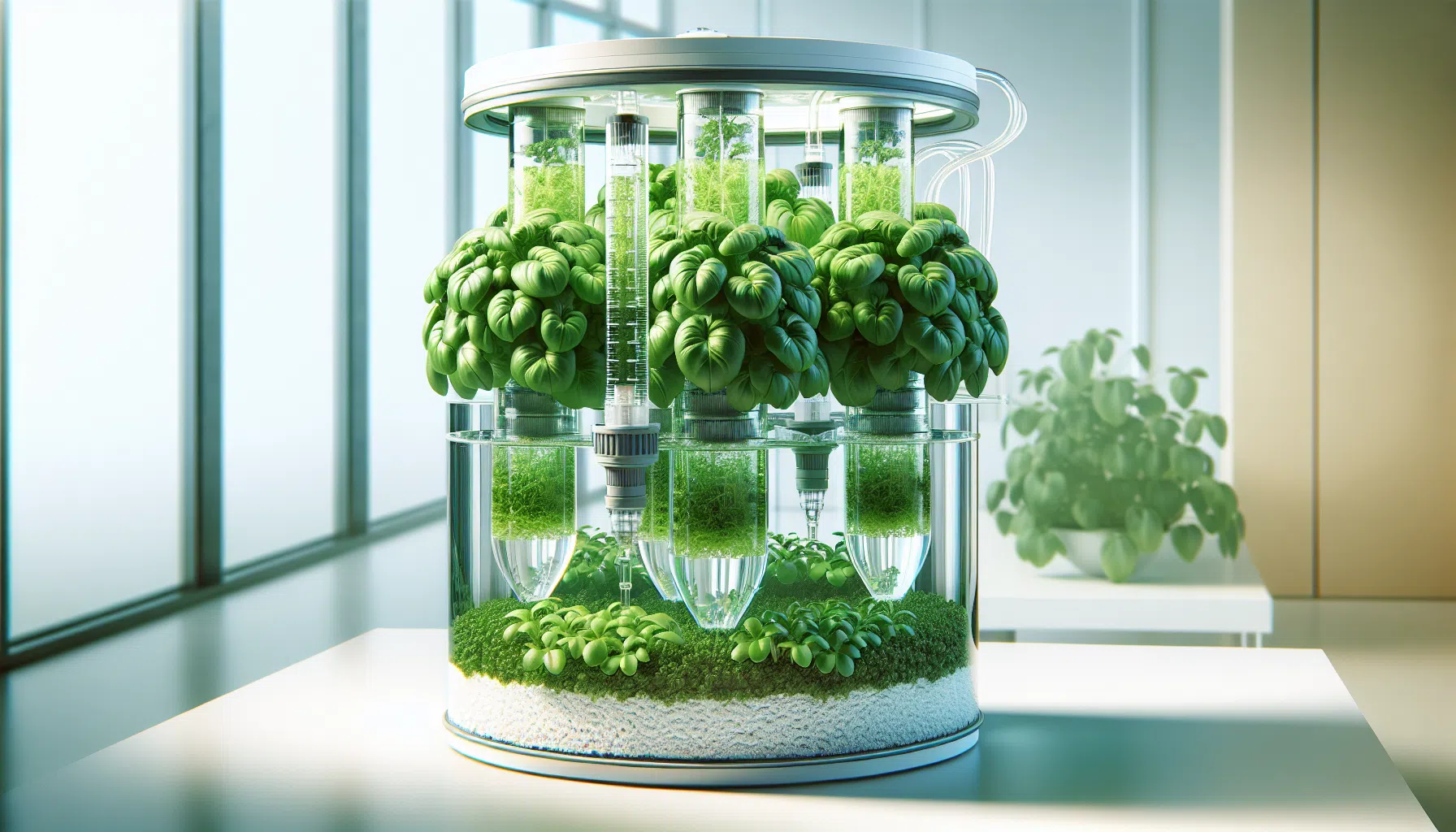
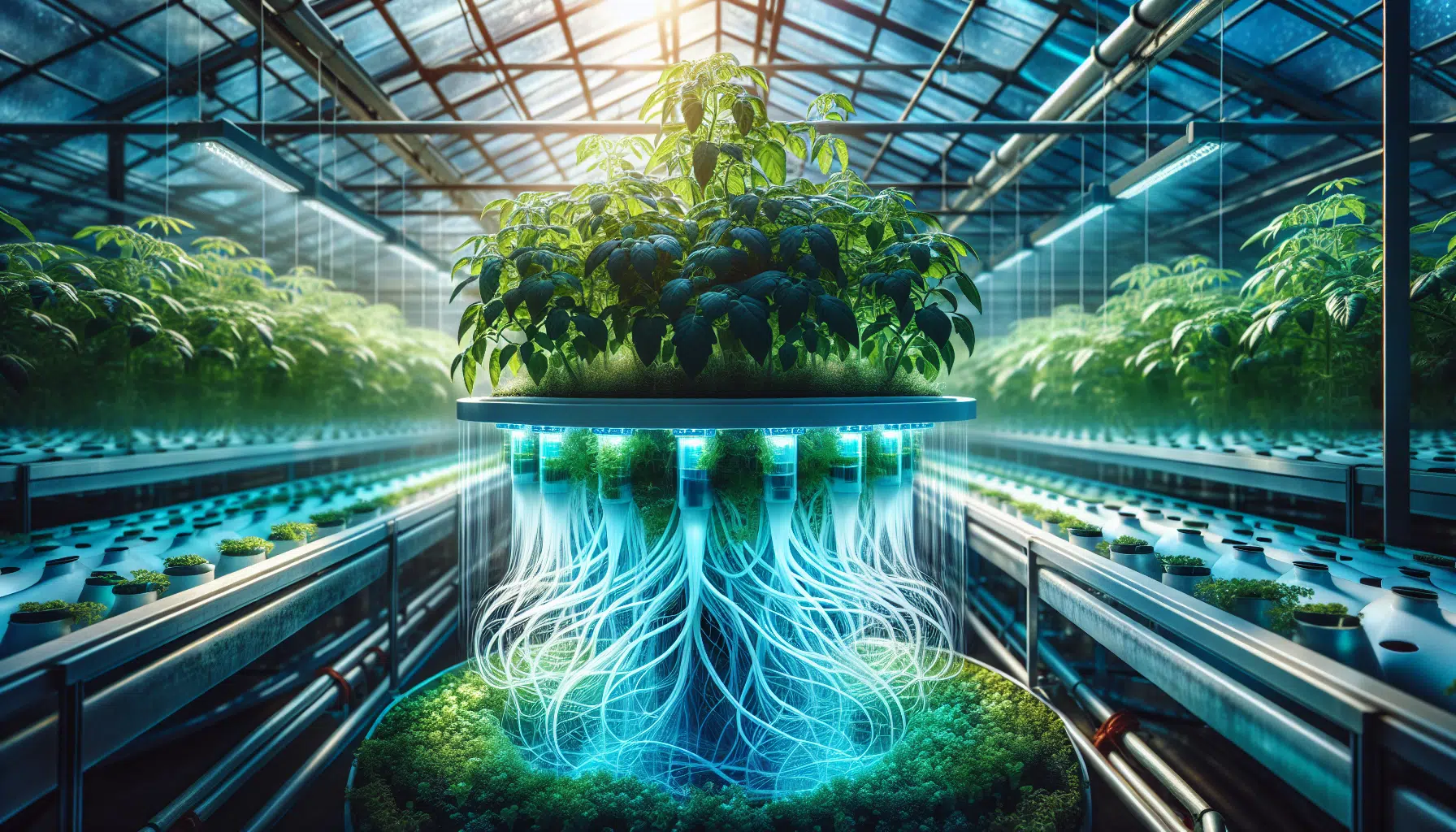
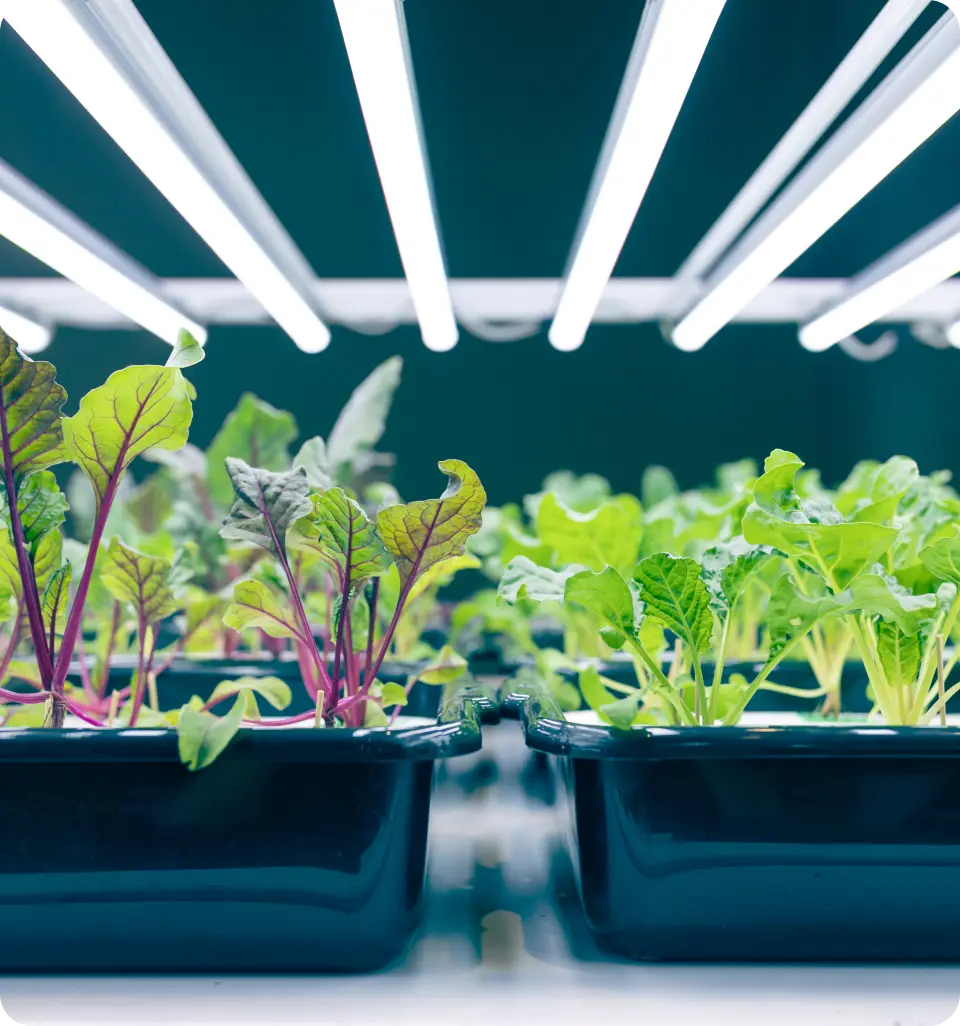
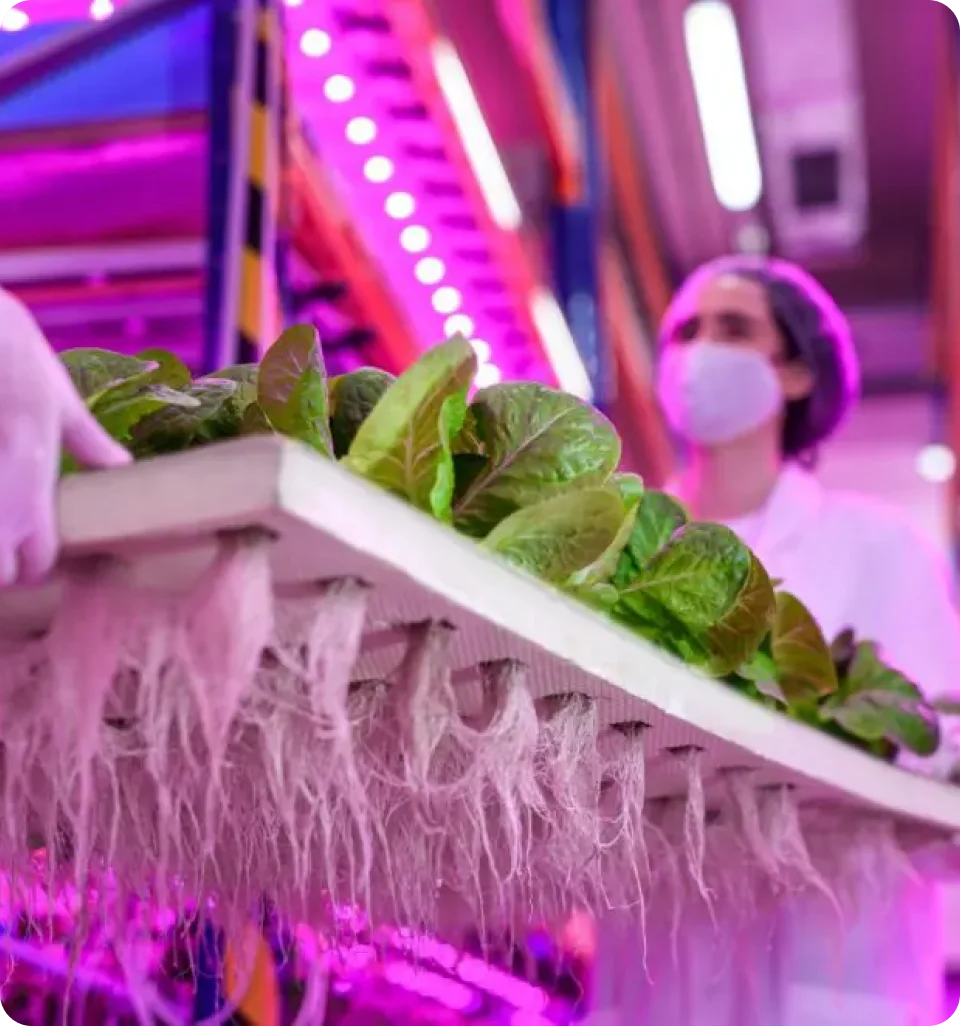
An indoor garden system typically refers to a setup designed to grow plants inside your home. This can include hydroponic towers, smart gardens, or modular LED-lit trays. These systems operate without soil, using water, light, and nutrients in controlled cycles.
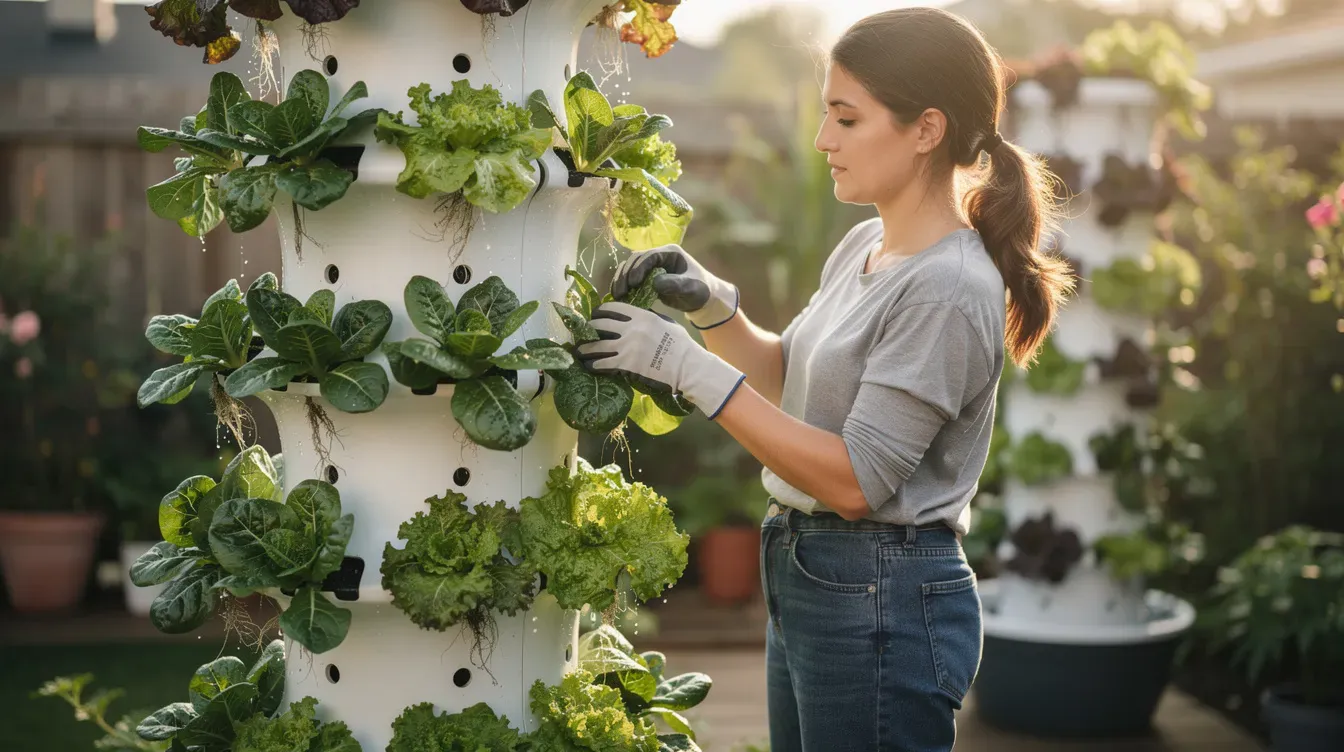
An outdoor garden system is your traditional raised bed, backyard plot, or balcony container setup. It relies on soil, sun, and seasonal weather patterns, often enhanced with compost or organic fertilizer.
In short:
You’re working with different variables, but ultimately pursuing the same goal: growing food that’s fresh, safe, and satisfying. Check out our Hydroponics Yield Calculator!
For related vertical solutions, you can also read about vertical hydroponic garden towers and compare space efficiency.
Let’s get practical. How much work are we talking about?
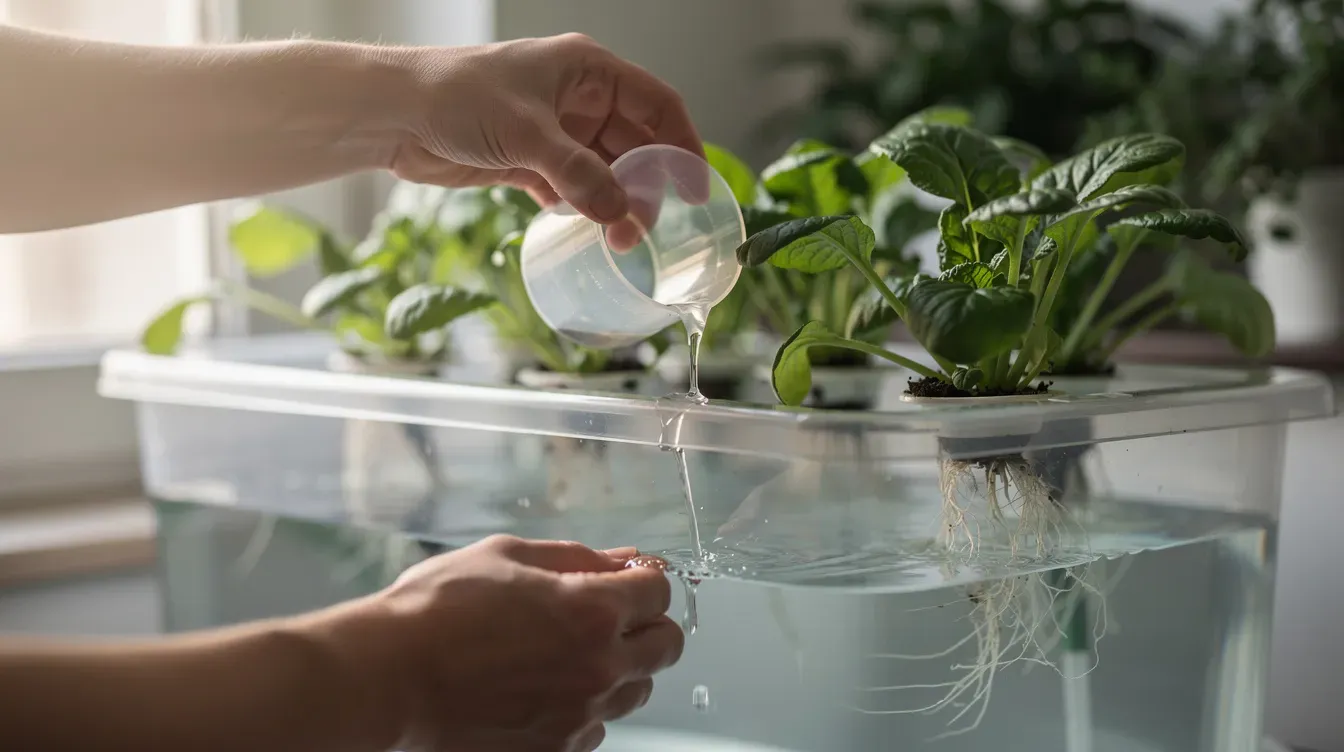
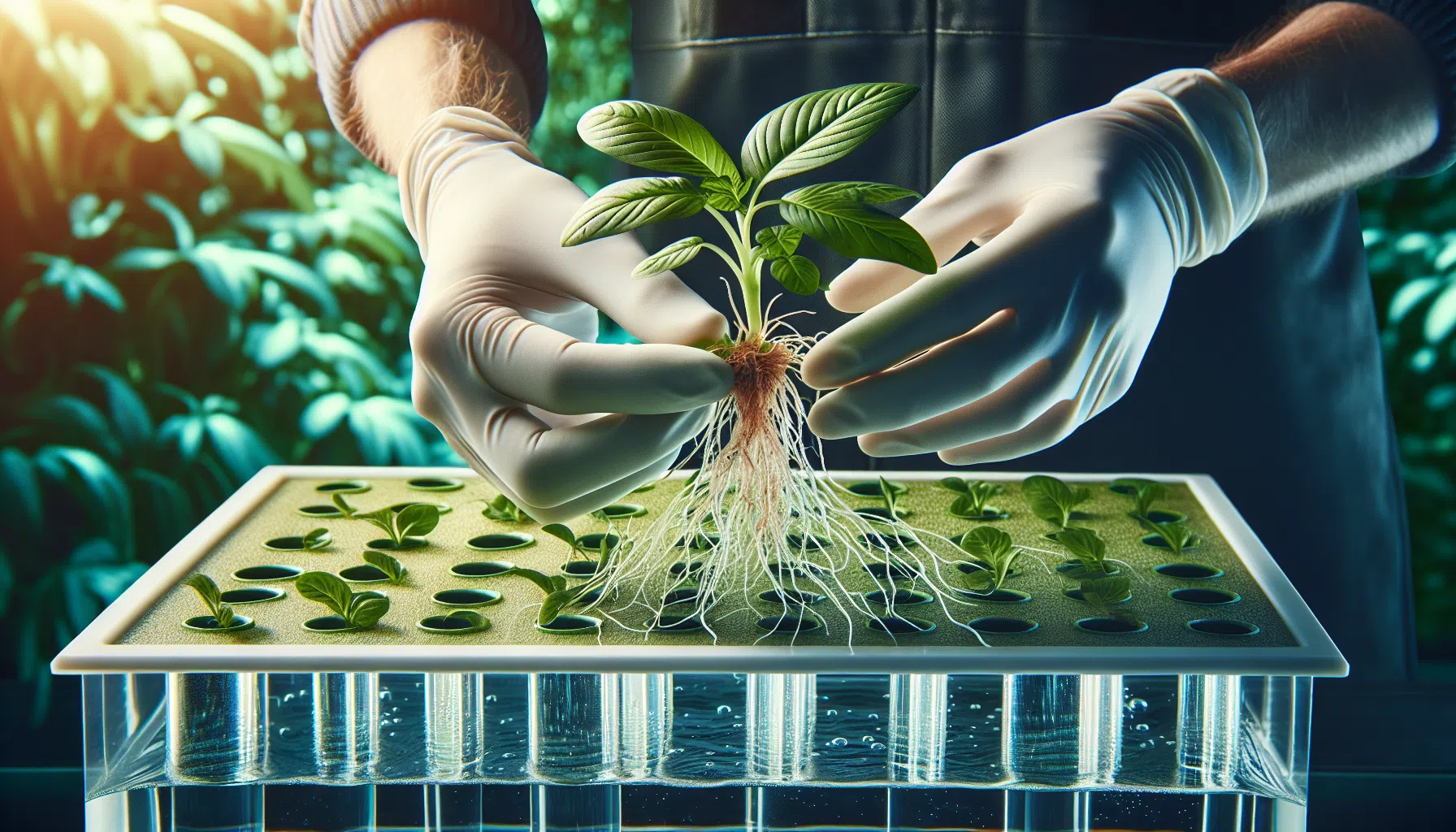
Indoor garden systems, especially ones like the Nutraponics LED Tower Garden, arrive mostly assembled and are plug-and-play. You fill the water reservoir, add nutrients, place your seedlings, and the system does most of the work. With automation, watering and lighting cycles are handled for you.
Outdoor garden systems require soil prep, digging, weeding, and often drip irrigation or hand watering. While the upfront cost may be lower, the ongoing labor is higher.
For more industrial-level comparisons, you can read about vertical aeroponics farming systems and examine scalability.
A well-maintained Nutraponics Pro Shelf Tower can yield enough greens for multiple households, and do so cleanly with 90% less water than a soil garden.
If you’ve ever lost a crop to frost, fungus, or drought, you already know the limits of outdoor growing. You’re at the mercy of your local microclimate, which can swing wildly from one year to the next.
Indoor systems solve that.
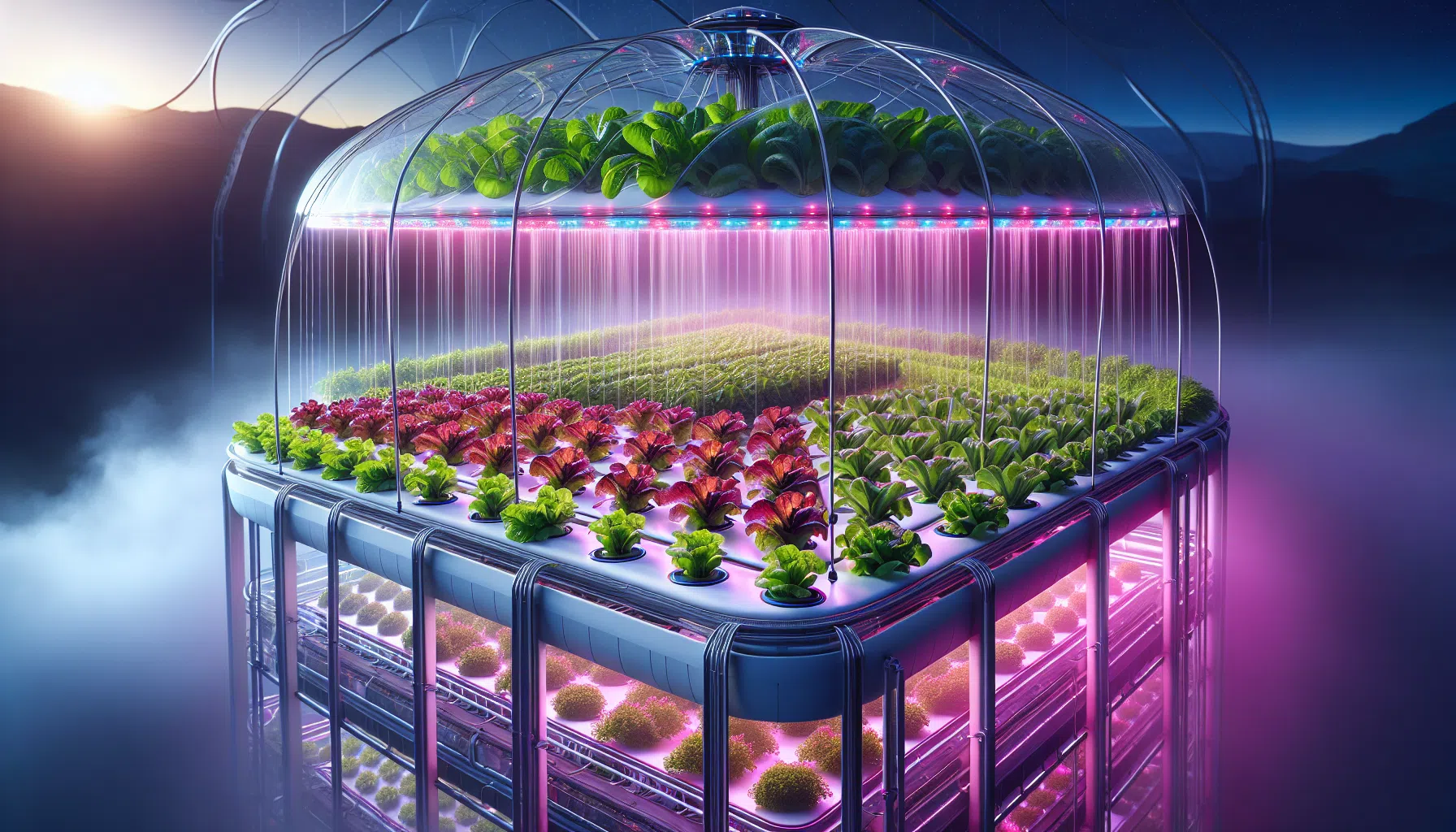
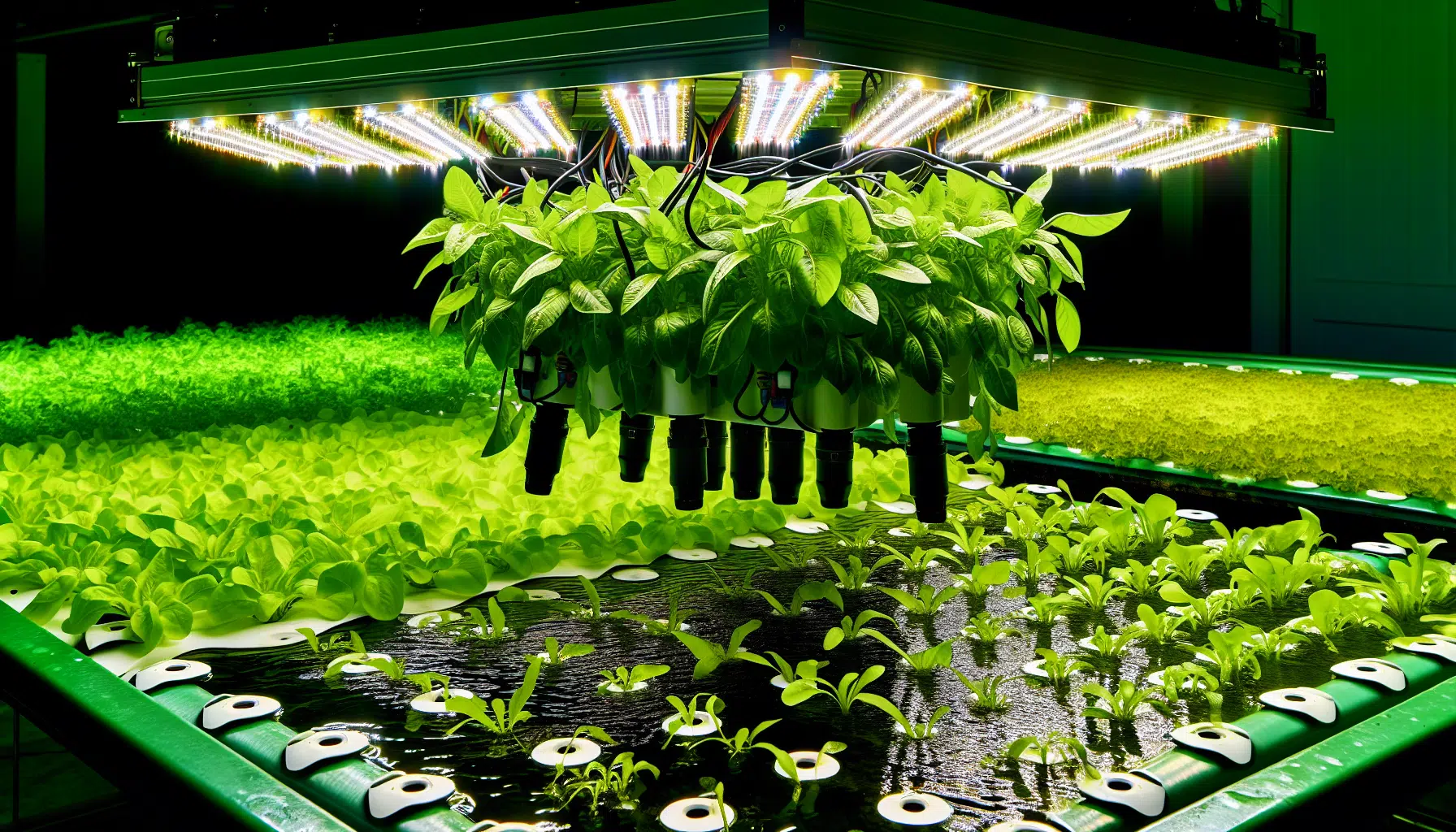
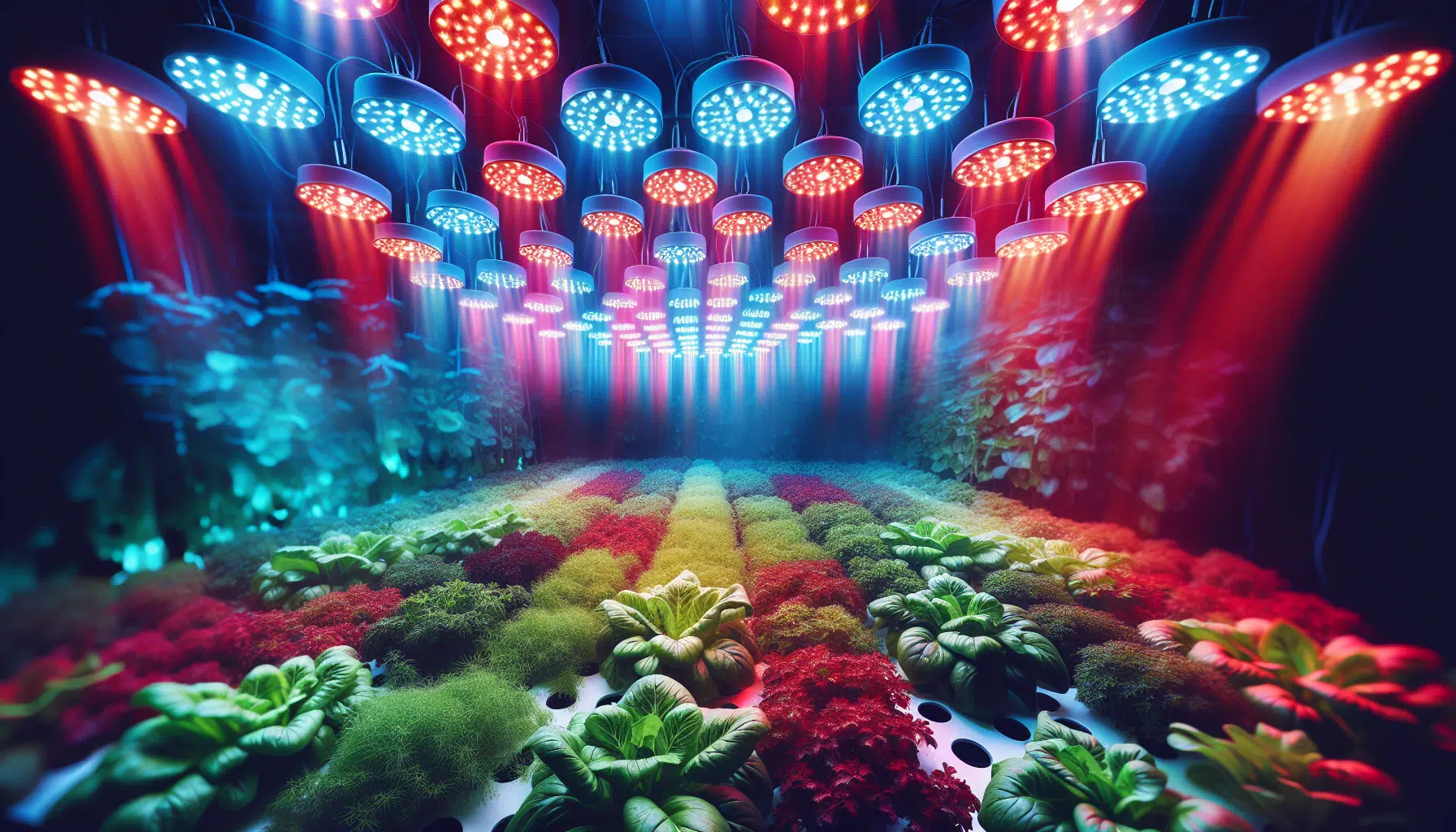
With LED grow lights, temperature consistency, and automated water delivery, your indoor garden system becomes its own microclimate. Plants don’t just survive—they thrive in conditions you design.
Still, outdoor gardens offer something you can’t replicate with tech: natural light and pollination. If your climate is mild and you enjoy being hands-on, that connection to the seasons can be part of the joy.
For more on how temperature and light affect indoor plant growth, the University of Minnesota Extension offers helpful science-backed guidance.
To explore broader indoor growing models, check out our indoor hydroponic gardens and compare system types.
Not everyone has a backyard. Not everyone wants dirt in their fingernails.
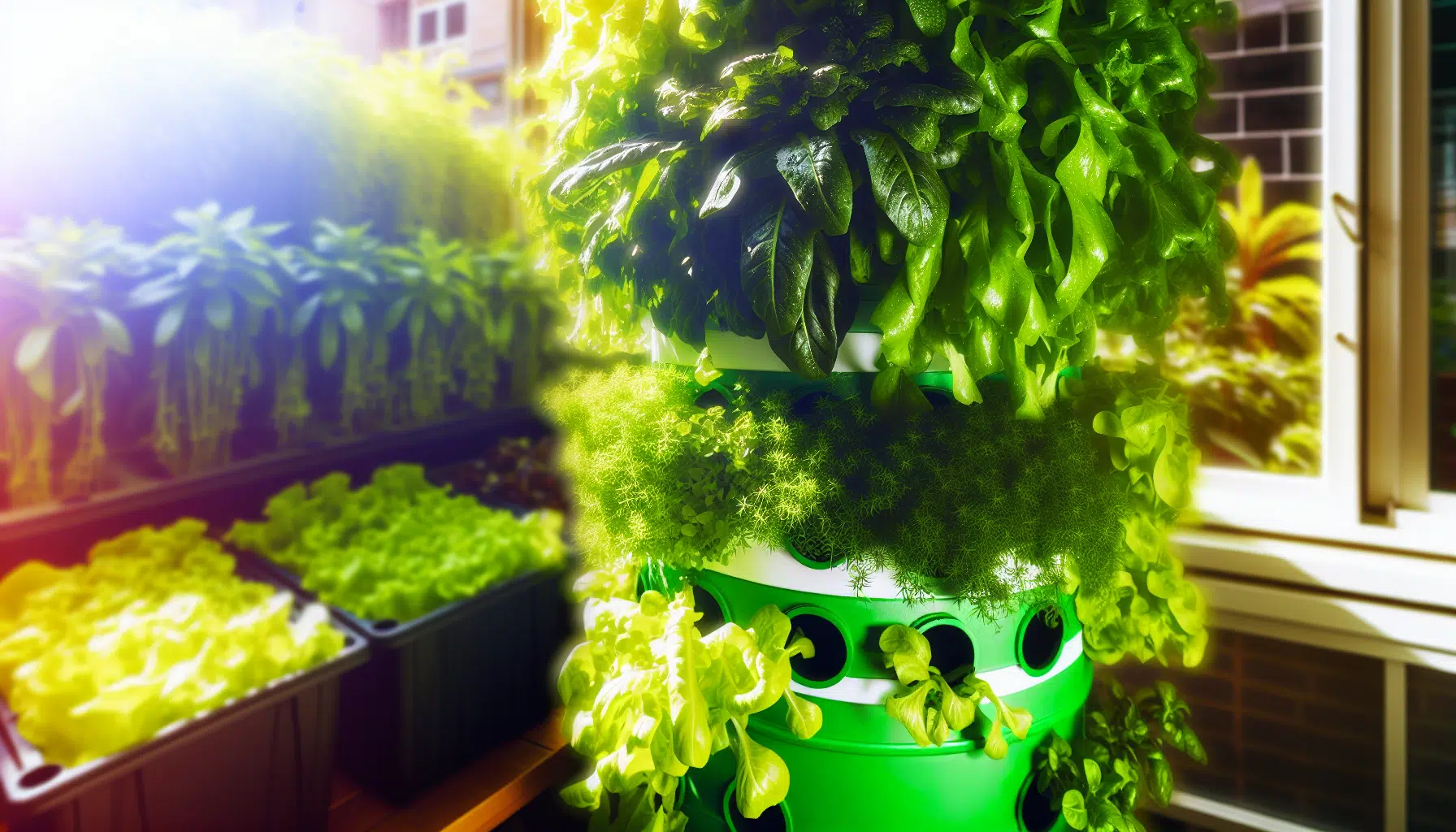
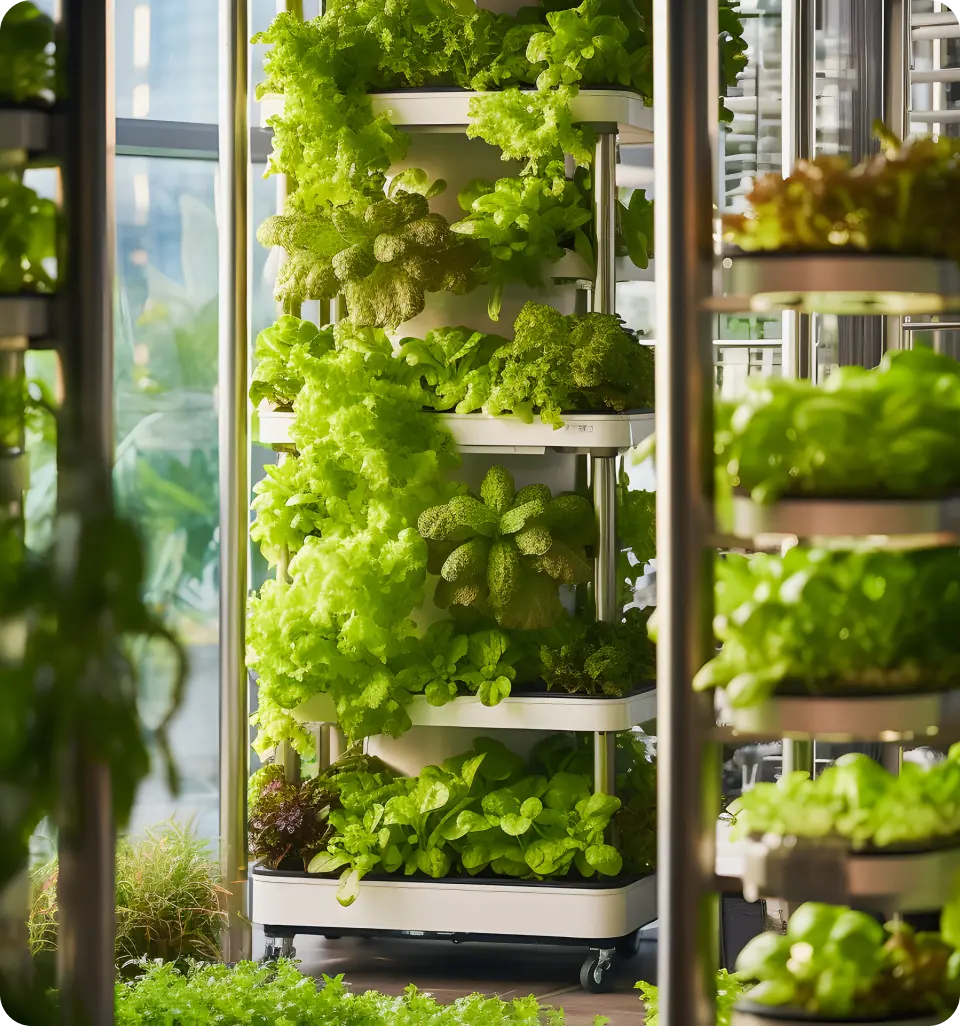
An indoor garden system is ideal for apartments, small homes, or people who value clean lines and minimalism. Systems like the Nutraponics Hydroponic Garden Tower are designed to complement modern interiors while serving a practical purpose. They grow your food—but they also look good doing it.
Outdoor garden systems, on the other hand, offer room to experiment. You can grow corn, pumpkins, or sprawling tomato varieties that just wouldn’t fit inside. If you’ve got the yard and the patience, it becomes a lifestyle—a ritual, not just a utility.
Think of it like this:
Both make something beautiful. The experience is just different.

Hydroponics has changed the game for indoor growing—but it doesn’t have to be exclusive to indoor spaces. Many gardeners are now installing hydroponic systems outdoors, on patios or balconies, combining the control of water-based growing with access to sunlight.
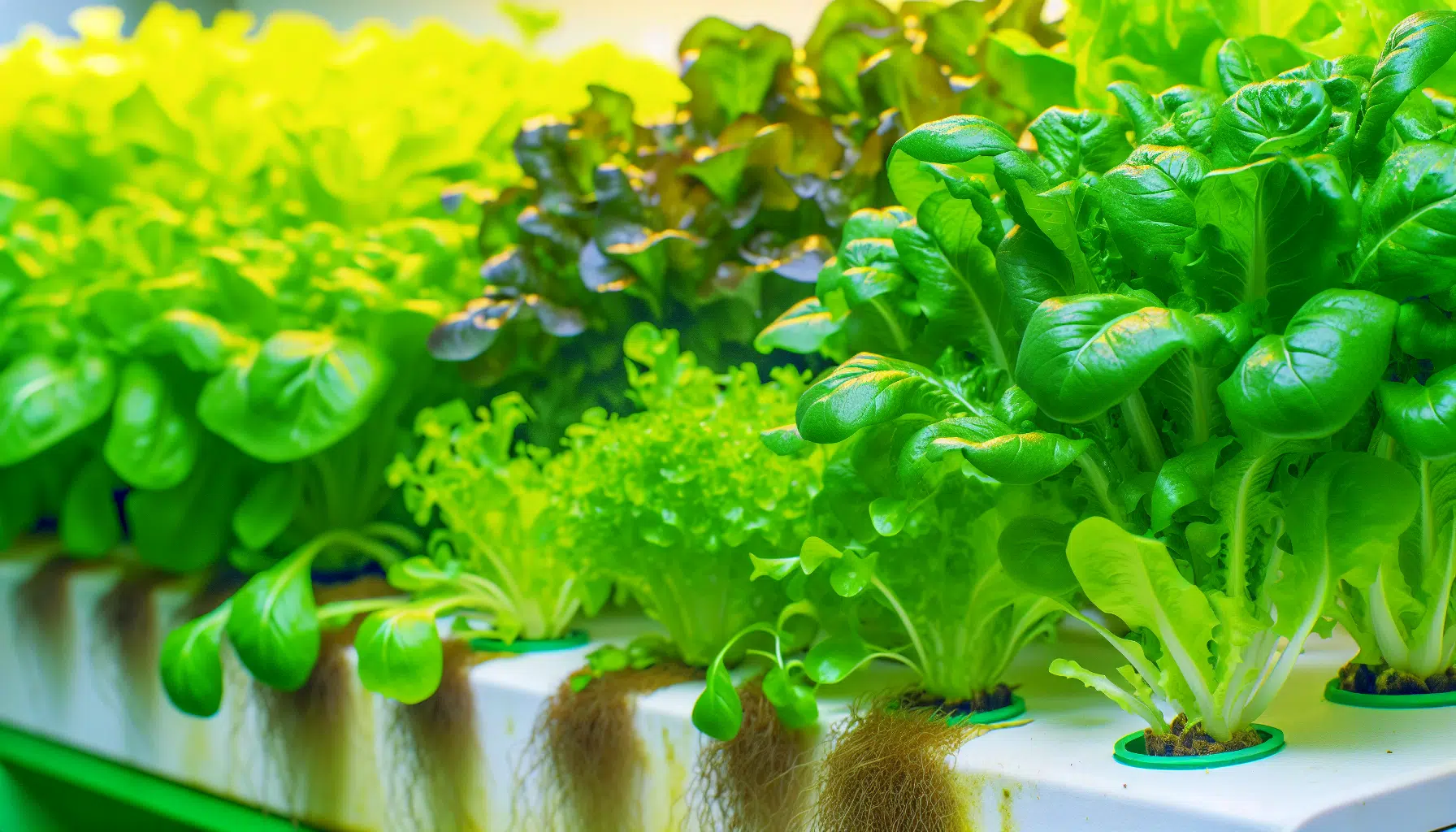
Still, hydroponics is best known for its indoor applications. The absence of soil means no mess, fewer pests, and faster growth. And the systems are scalable. A small countertop tower today can become a full vertical setup tomorrow.
If you’re new to hydroponics, our beginner guide to indoor hydroponic gardens is a great place to start.
There’s no one-size-fits-all answer. It comes down to your environment, lifestyle, and goals.
Choose an indoor garden system if:
Choose an outdoor garden system if:
Some of our most successful growers use both: an indoor tower for daily herbs and greens, and a seasonal outdoor bed for tomatoes and zucchinis.
Yes, many systems can be used outdoors in mild weather. Just make sure the materials are UV-stable and weather-resistant, and bring the system inside when temperatures drop.
Hydroponic indoor systems use significantly less water and fewer chemical inputs. They’re also less vulnerable to pests and diseases, reducing the need for intervention.
Yes. Root vegetables like carrots or large fruiting plants like pumpkins are best grown in soil-based outdoor systems.
Absolutely. Many people grow delicate crops like lettuce indoors and reserve their outdoor beds for sun-loving or space-hungry plants.
Choosing between an indoor and outdoor garden system isn’t about one being better than the other—it’s about choosing the right tool for the right space.
Indoor systems, especially those built around hydroponic technology, are ideal for urban living and year-round control. Outdoor gardens offer seasonal abundance, variety, and connection to nature. Both serve a purpose. Both grow food that nourishes you.
Whether you’re leaning into smart, vertical farming with a Nutraponics tower or planting heirloom tomatoes in your backyard, what matters most is this: you’re growing something—and that’s always a good thing.