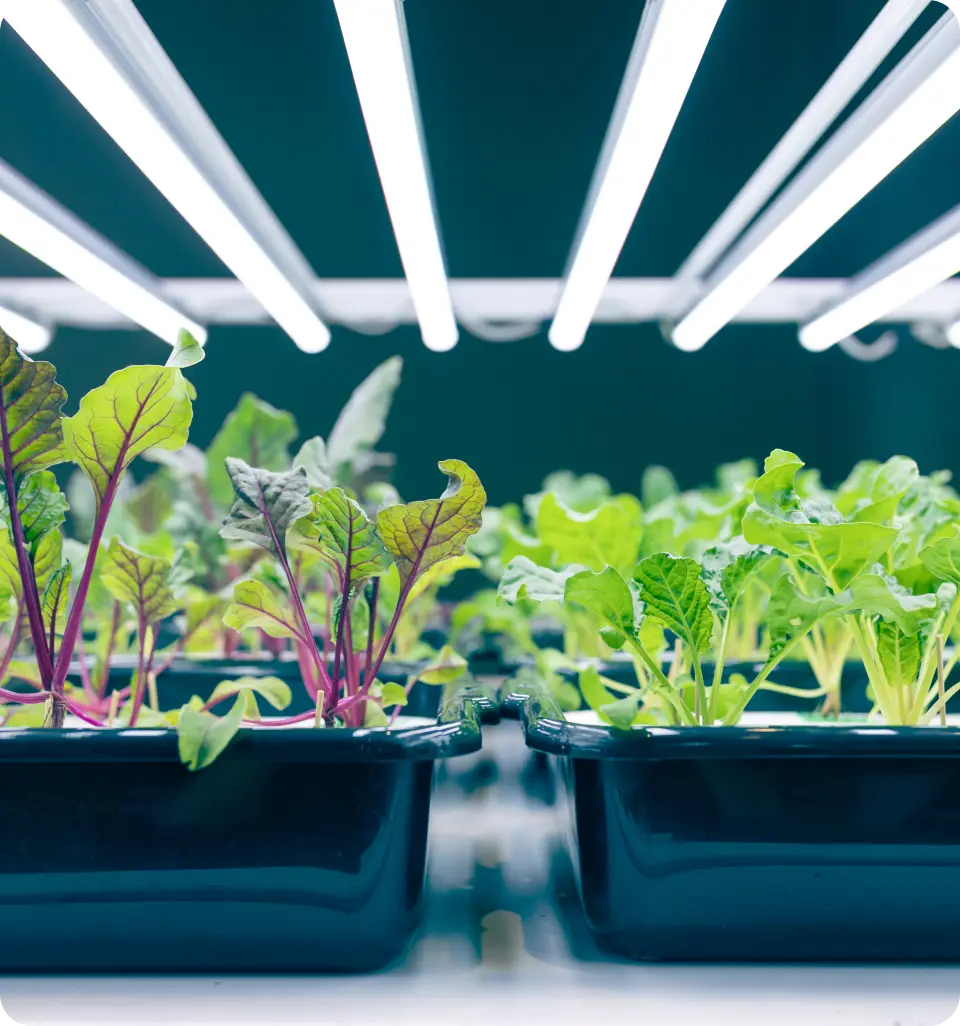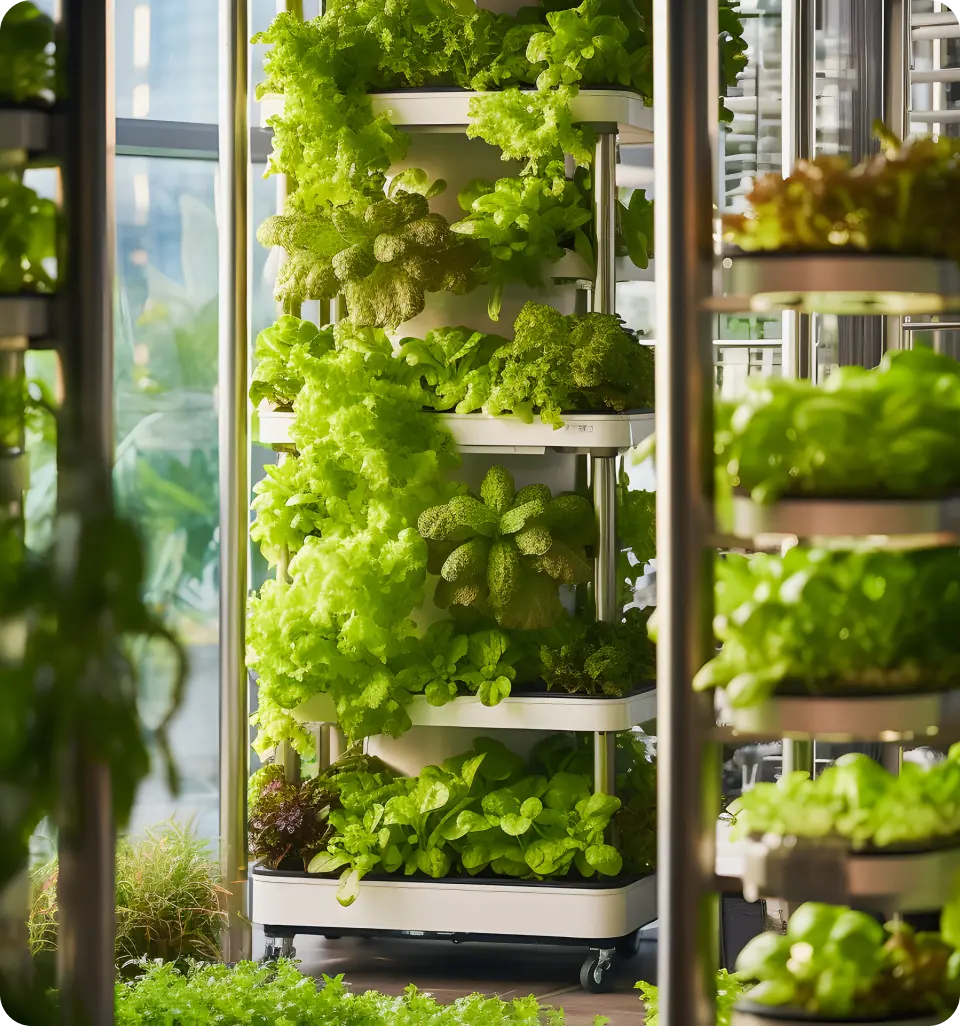
Growing your own food indoors isn’t just a clever hobby anymore—it’s becoming a smart way to eat clean, reduce waste, and regain control over your nutrition. And thanks to hydroponics, it’s never been easier to learn more about indoor hydroponic gardens. With the right setup, you can grow leafy greens, herbs, and even small fruits right in your living room or kitchen—no dirt, no mess, no backyard required.
An indoor hydroponic garden combines clean design with clean eating. It’s part science, part lifestyle, and completely doable. In this guide, we’ll walk you through what you need, how it works, and how to get started—step by step. You can also read about hydroponic gardening for beginners if you are just starting your journey.
TL;DRAn indoor hydroponic garden is a soil-free growing system that uses water and nutrients to feed plants directly. It’s efficient, compact, and perfect for urban or indoor living. You’ll need a system (like a hydroponic tower or tray), nutrient solution, light, and a little patience. To dive deeper, read about hydroponic gardening for beginners in our full guide. The result: fresh, pesticide-free food all year long. |
Traditional gardening has its charms, but it also comes with baggage—soil prep, pests, unpredictable weather, and plenty of space. Hydroponics solves most of that by stripping growing down to its essentials.
With a hydro garden indoor, you don’t need to worry about soil quality or digging. You’ll use 90% less water, get faster plant growth, and have complete control over what your plants receive. You can even calculate your savings to see how much more efficient this method is compared to store-bought produce.
According to the USDA, hydroponic systems can yield up to 10x more per square foot than traditional growing. It’s not just gardening—it’s precision farming at home.
For a deeper dive into the science, NASA’s experiments with hydroponics show how soil-free growing is being used to support future space missions. That same tech is available in your kitchen today.
In soil, plant roots spread out in search of moisture and nutrients. In hydroponics, those resources come to them.
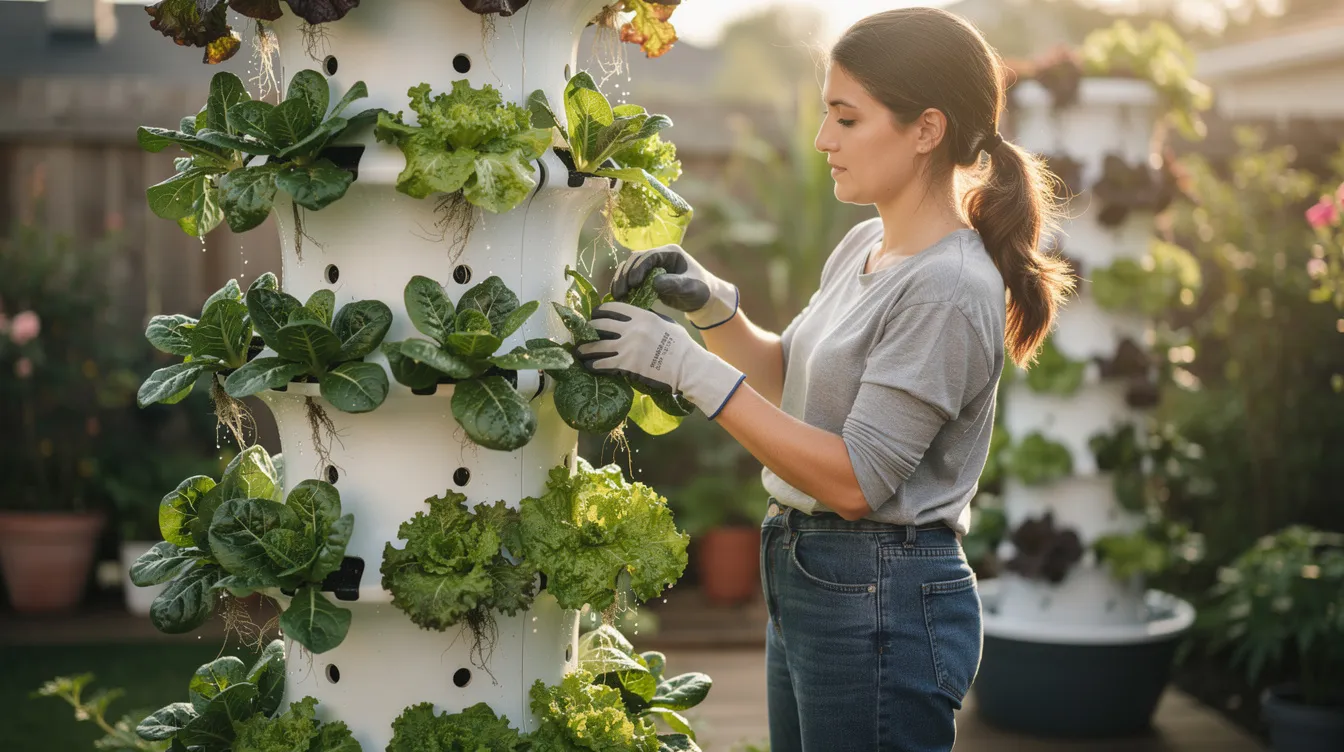
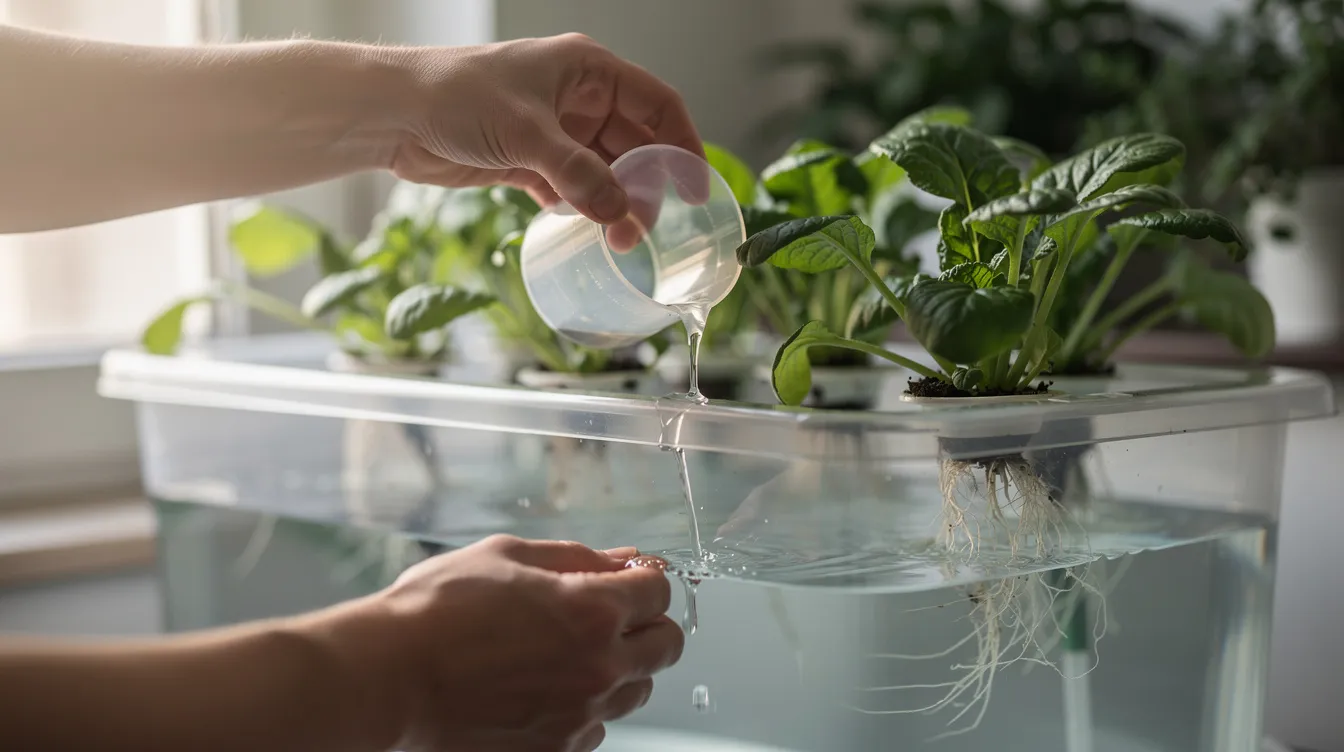
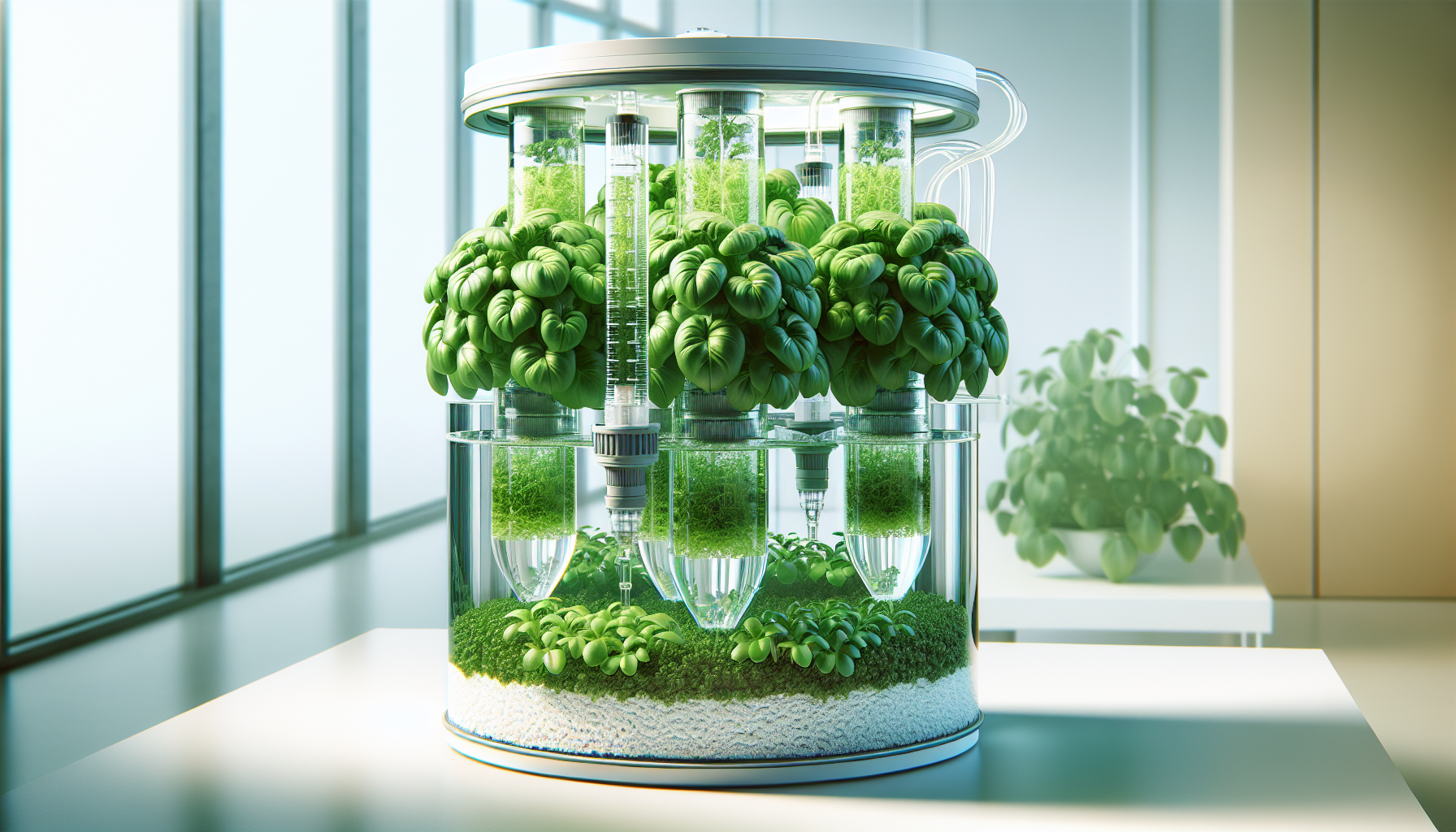
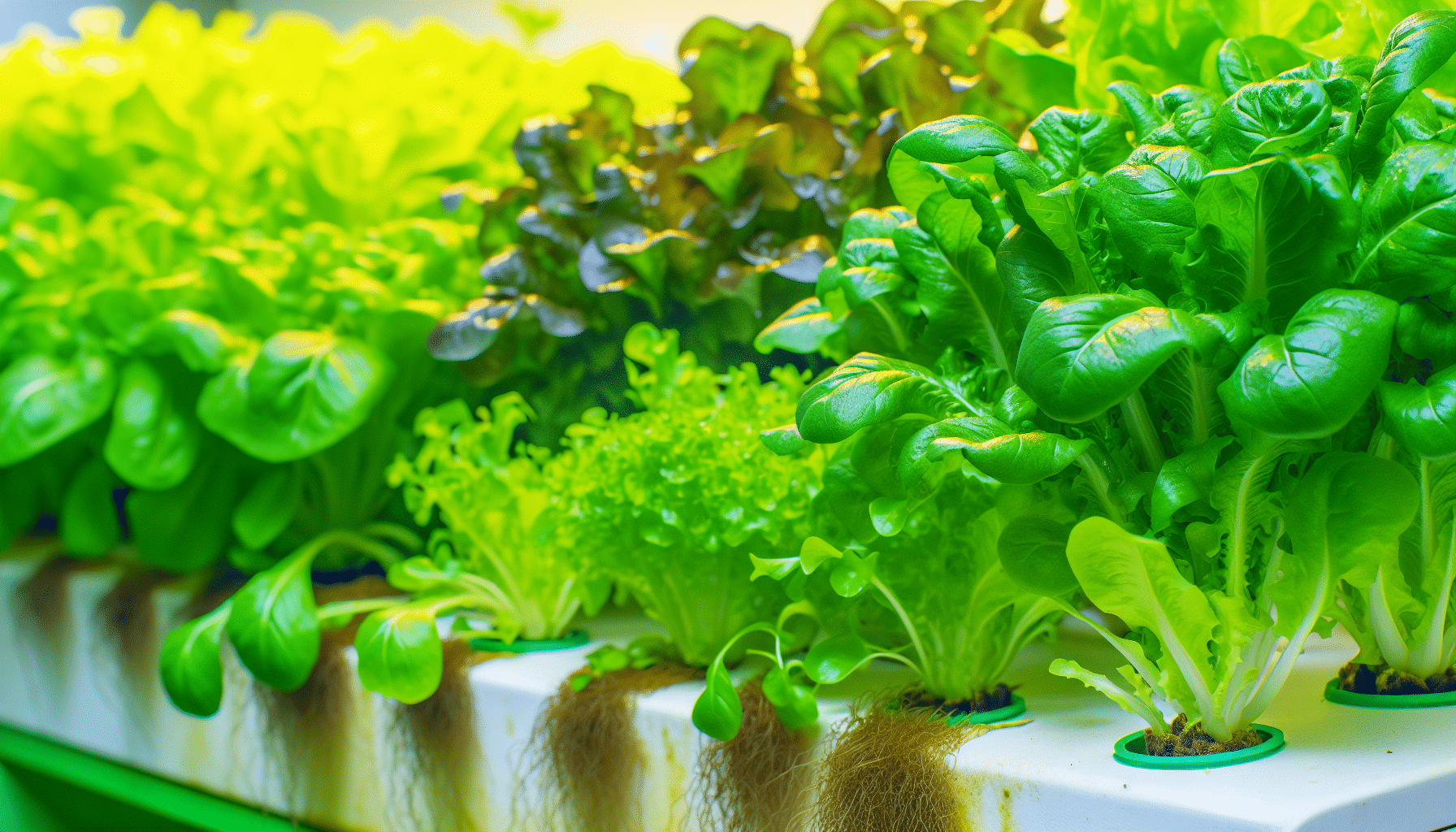
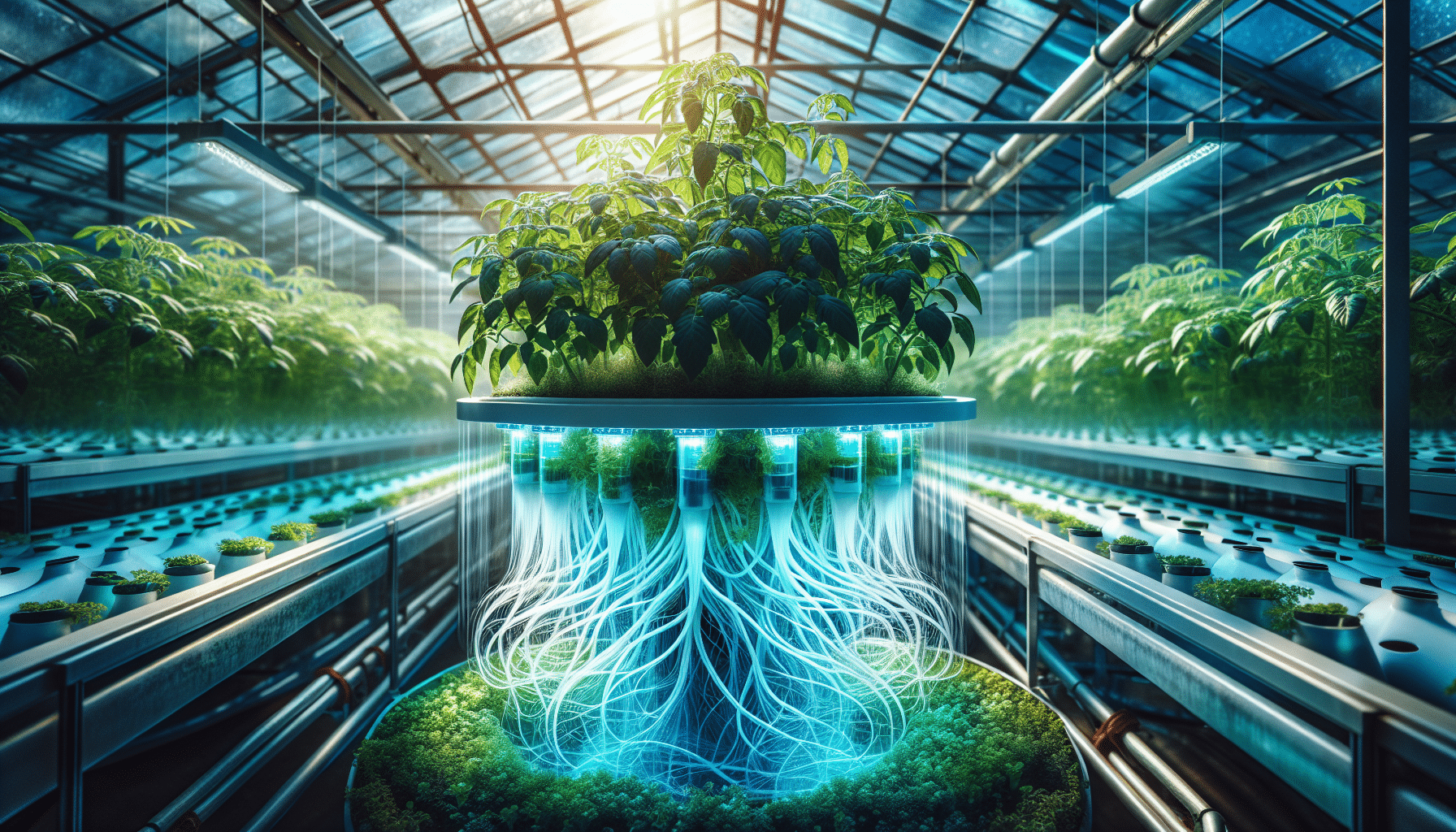
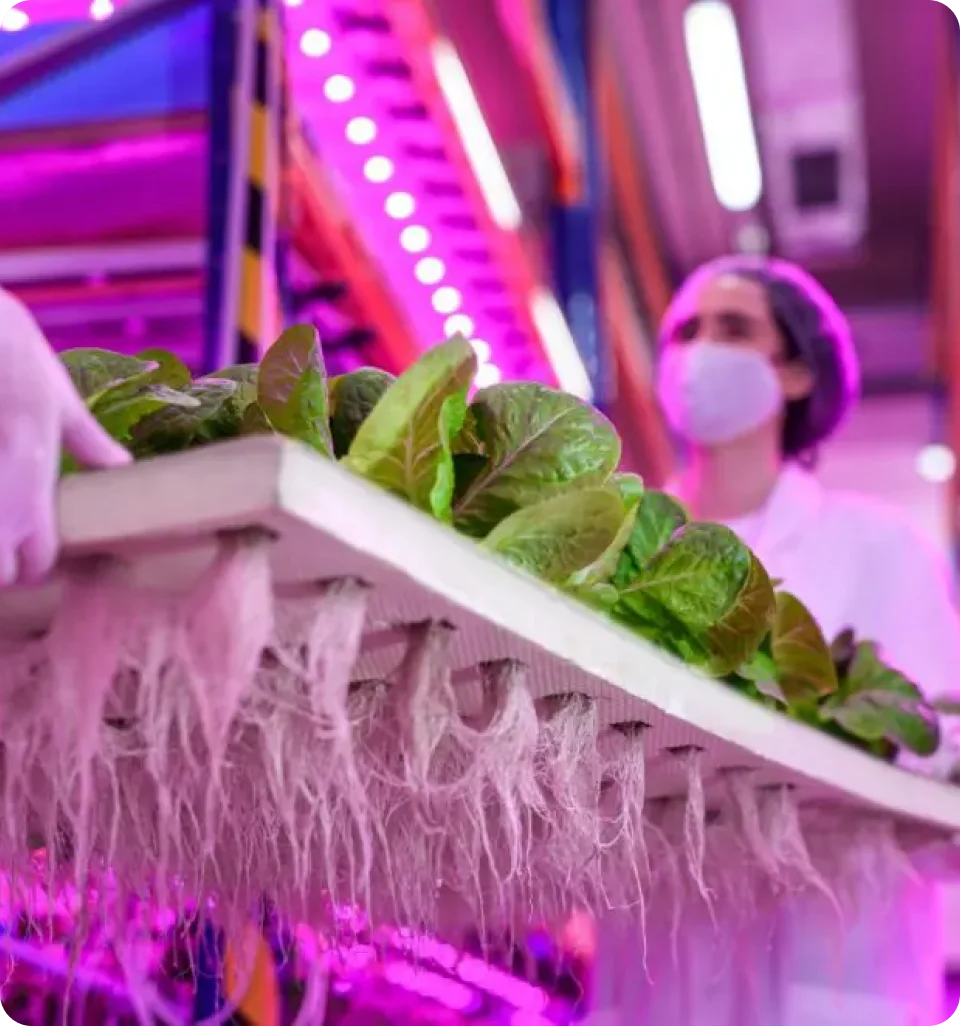
The system usually consists of a base reservoir that holds water mixed with nutrients. A small pump moves this solution through the growing area, wetting plant roots housed in net pots or foam inserts. Any unused water flows back into the reservoir to be recycled. To understand the mechanics further, check out our how hydroponic towers work article.
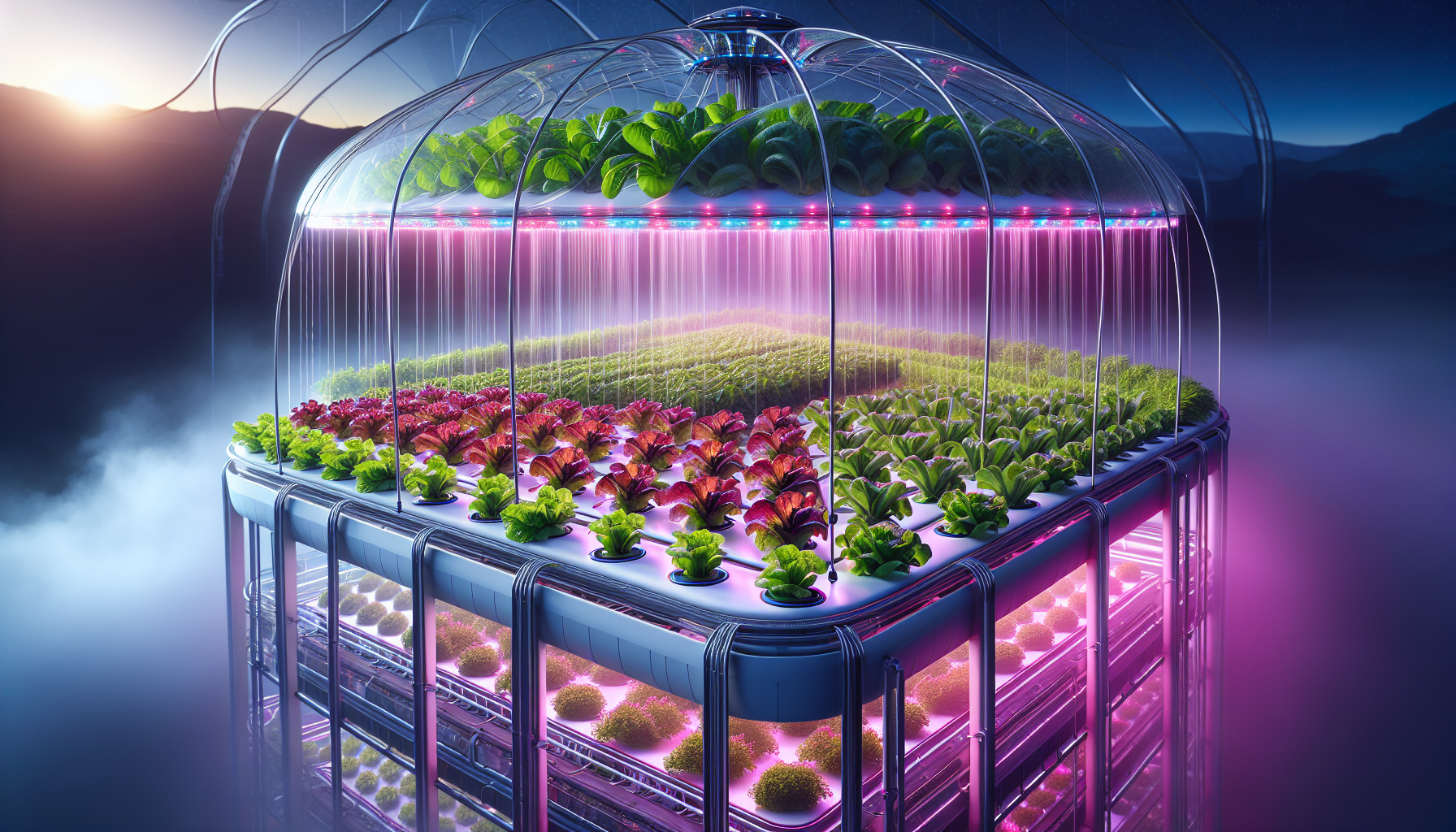
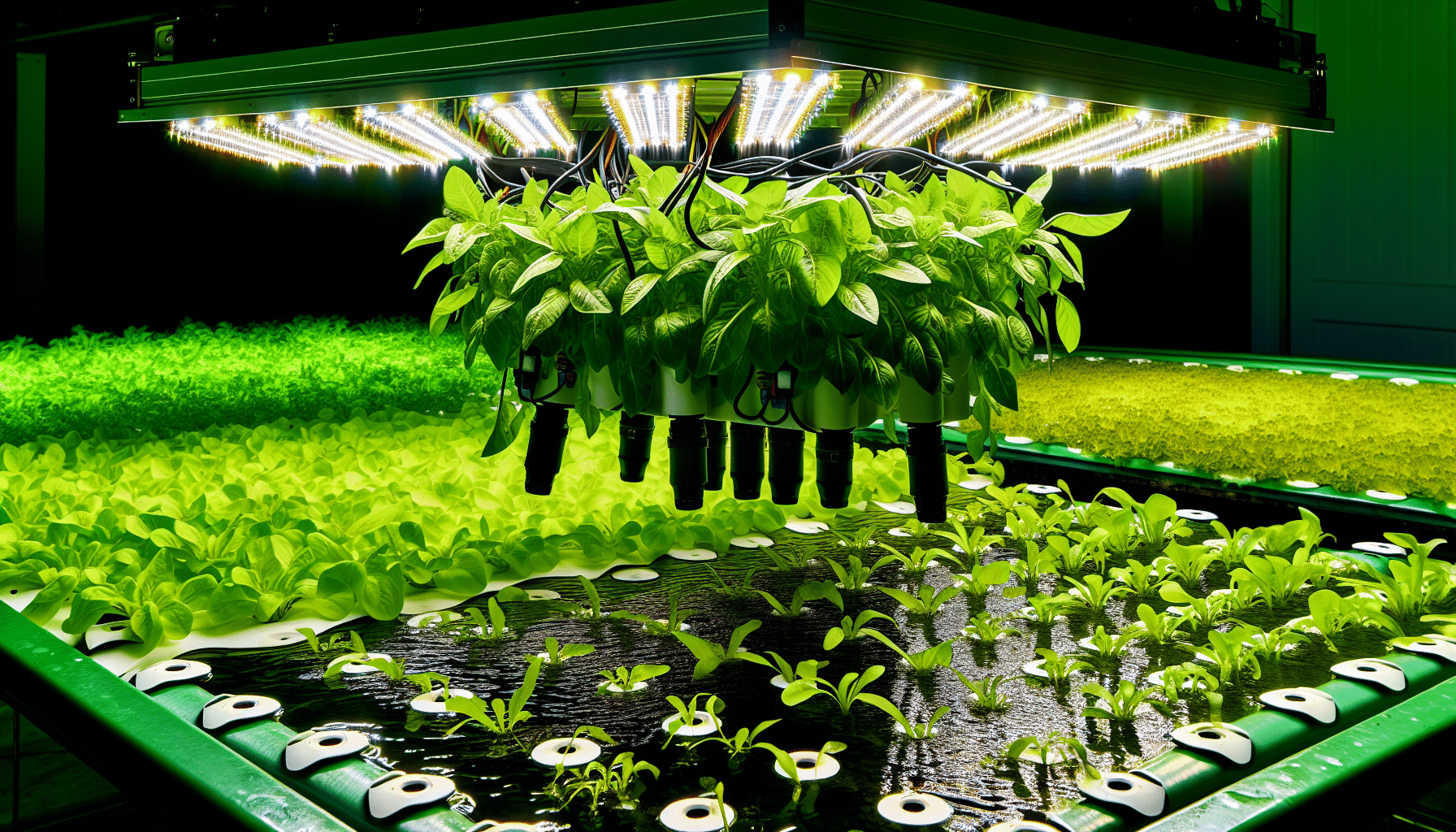
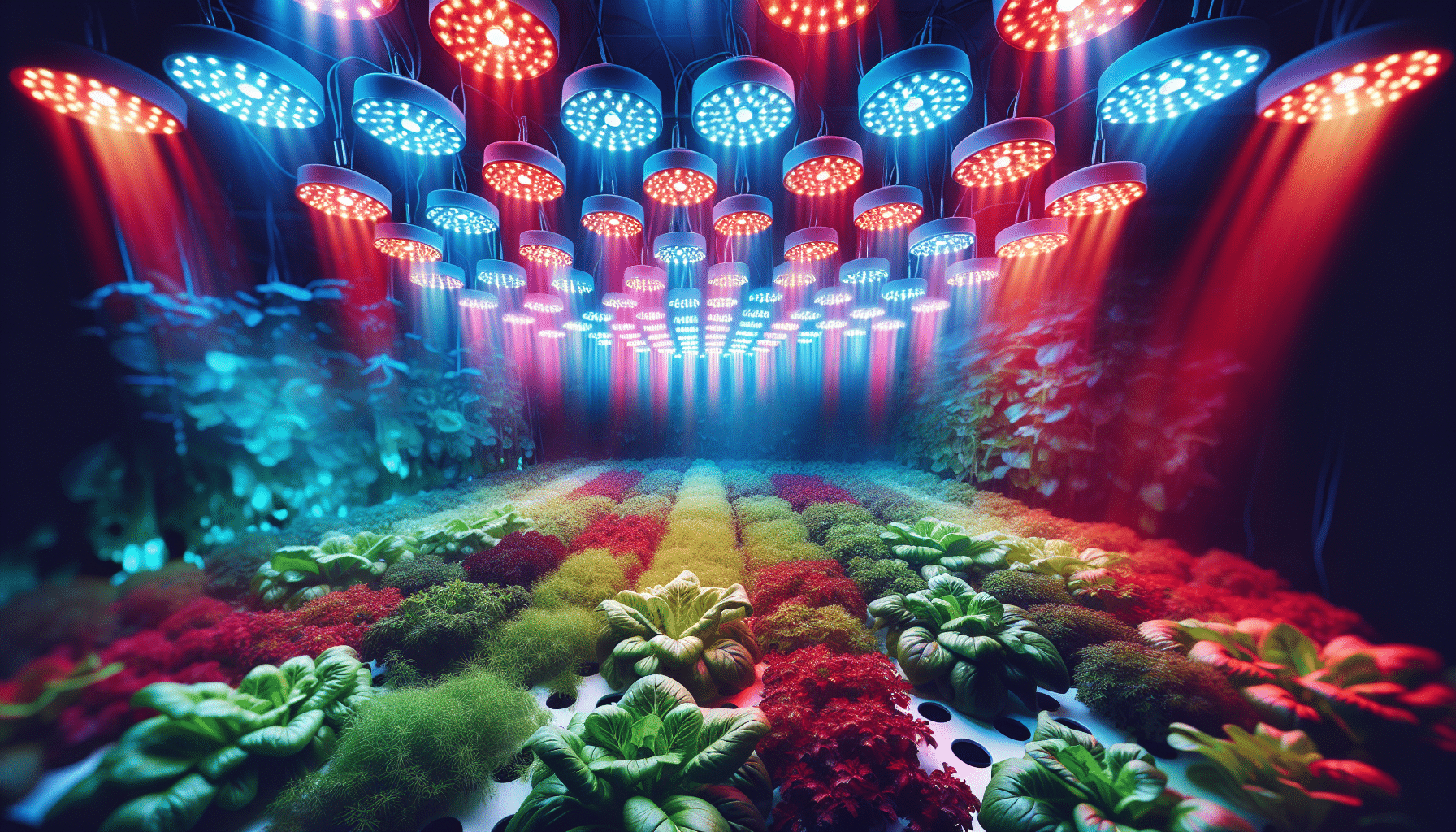
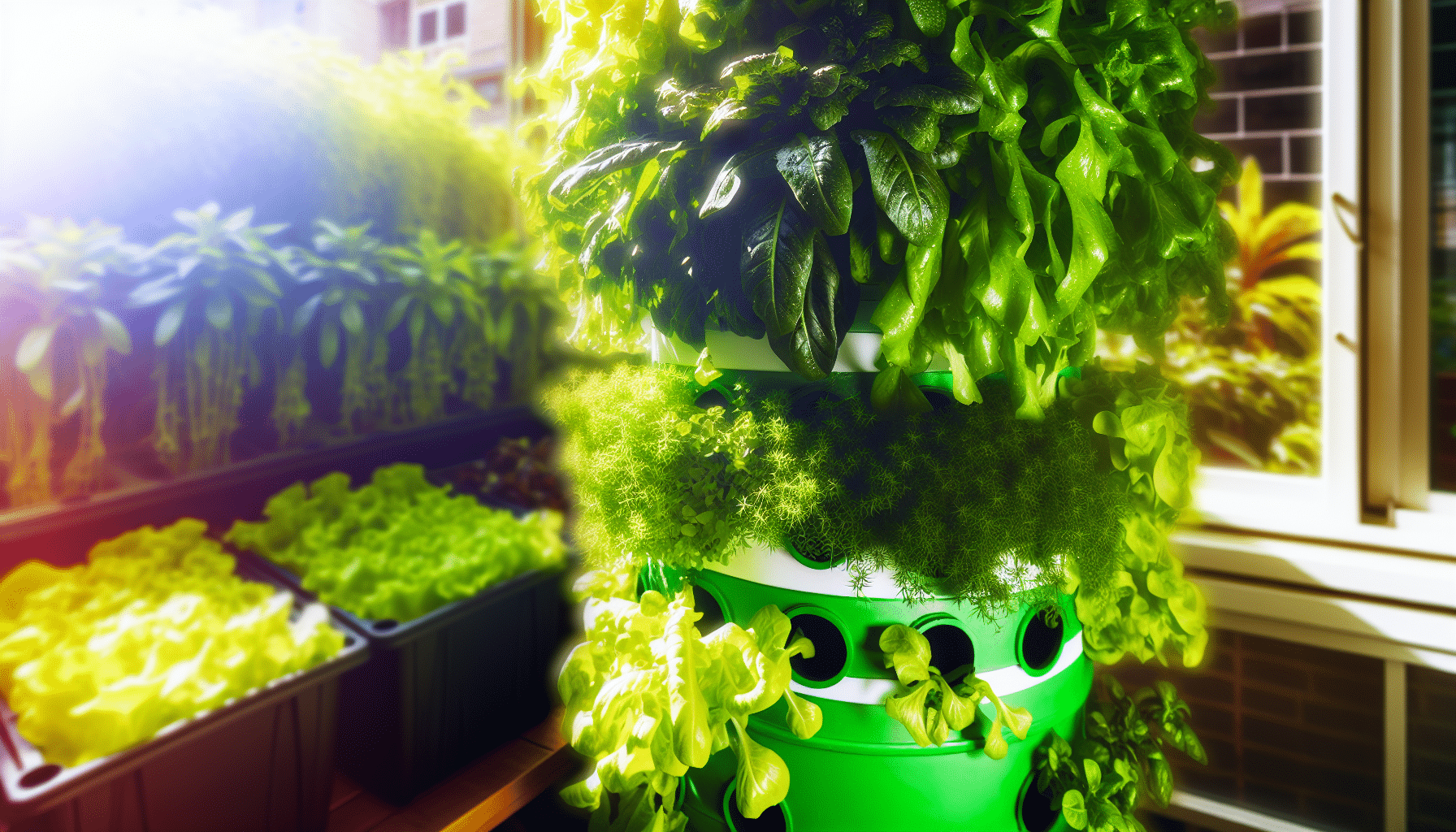
Many systems—like the Nutraponics Hydroponic Garden Tower—include timers and automation features so the system runs with minimal input. If you’re growing indoors, LED grow lights simulate sunlight and allow you to grow year-round, rain or shine.
The great thing about modern indoor gardening systems is that they’re modular—you can start small and expand over time.

Once you’ve got your equipment, setup is straightforward. Here’s how to go from empty system to thriving indoor farm:
Pick a spot with good ventilation, easy access to a power outlet, and—if possible—natural light. Avoid extreme temperatures or areas prone to moisture buildup.
Follow the instructions for your chosen unit. For Nutraponics towers, modules snap into place easily and don’t require tools. Make sure your water reservoir is level and secure.
Fill the reservoir with clean, filtered water. Add your nutrient solution according to the product’s guidelines. Stir or circulate to mix thoroughly.
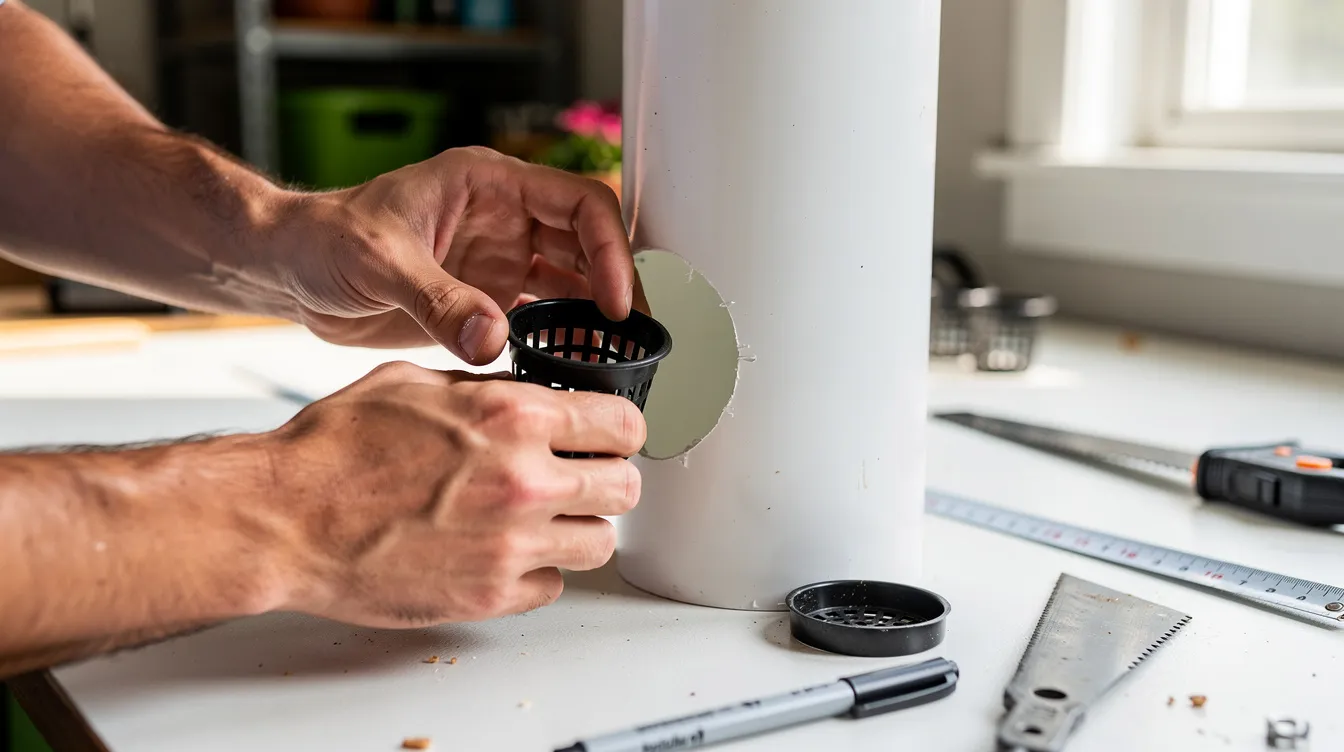
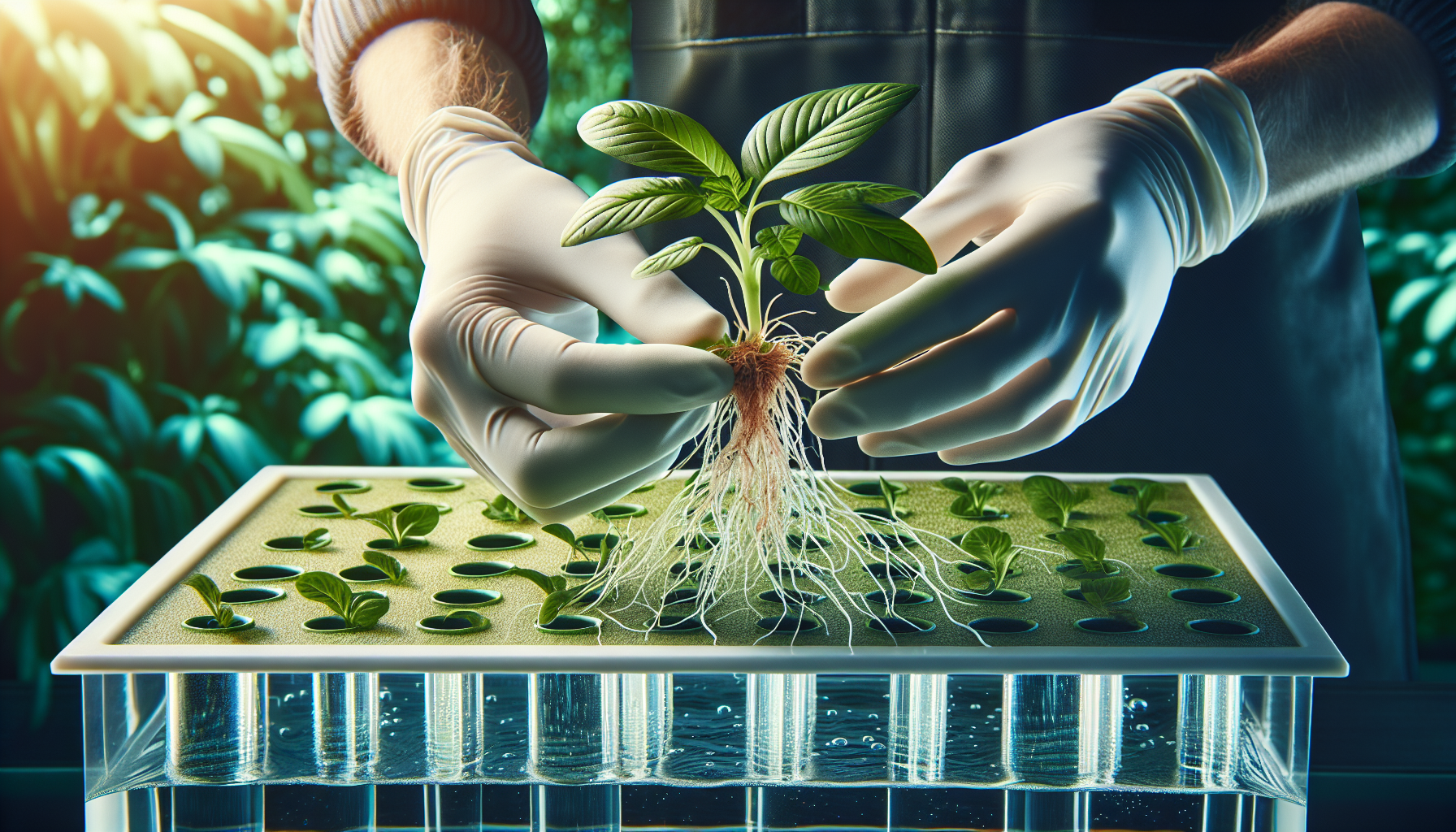
Place your seeds or seedlings into the growing medium inside each net pot. Insert the pots into the tower or tray slots.
Turn on your system. If it’s automated, the pump and lights will follow a cycle (e.g., 15 minutes on, 45 off). If it’s manual, set reminders for watering and lighting periods.
Check water levels every few days. Top off as needed. If your system has a transparent reservoir or a gauge, this will be easy to spot. Change water every 2–3 weeks to avoid salt buildup.
In less than two weeks, you should see sprouting. By the 3–5 week mark, you’ll likely be harvesting.
Like any growing system, hydroponics has a learning curve. But most issues are easy to fix with early awareness.
Chlorine and heavy metals can affect plant health. Use filtered or distilled water when possible.
More isn’t better. Stick to recommended concentrations or your roots may burn.
Most greens thrive between pH 5.5 and 6.5. Outside this range, they can’t absorb key nutrients—even if they’re present.
Give each site some breathing room. Overcrowding limits airflow and invites mold or pests.
Seeds need warmth and moisture, but seedlings need light immediately after sprouting to avoid leggy, weak growth.
By learning early and adjusting quickly, your indoor garden system will stay productive and easy to manage.
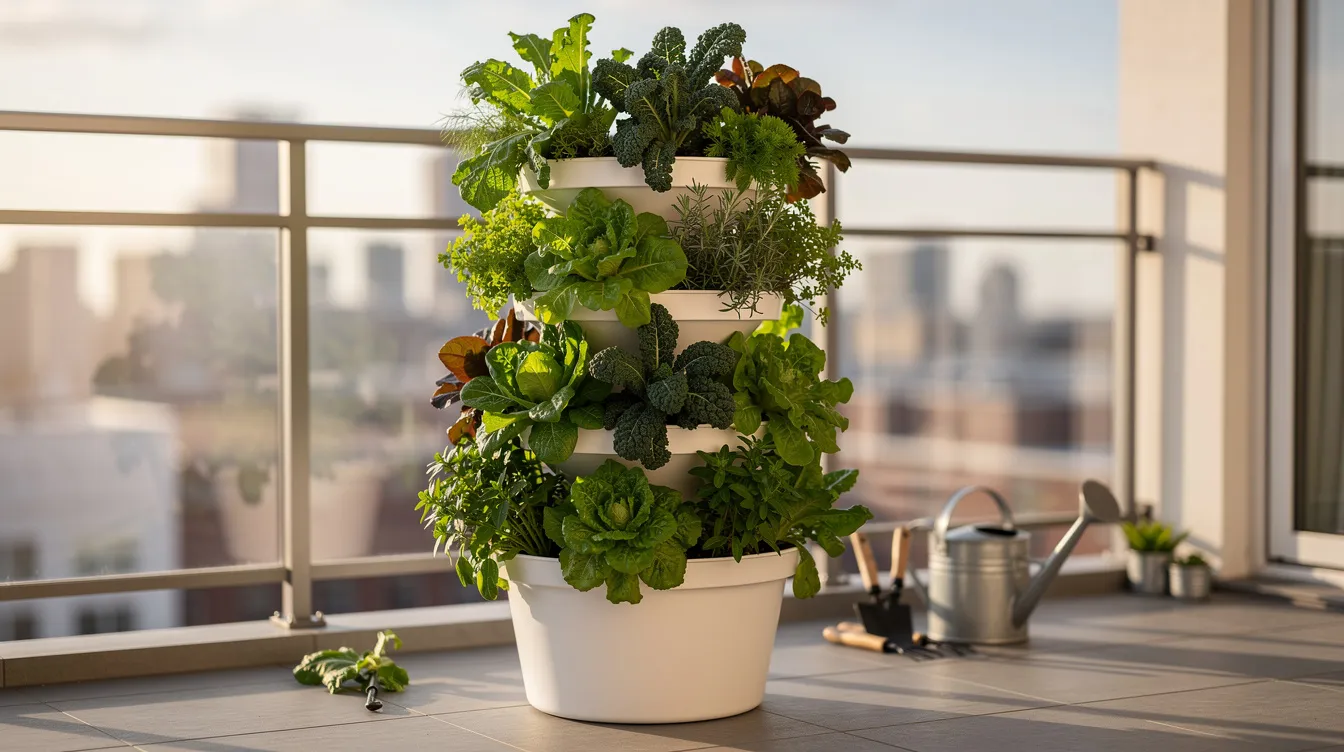
Hydroponics opens up a wide range of food options, but not every plant is ideal for indoor towers.
For high-yield inspiration, see our Automated Hydroponic Pro Shelf system, which supports a wide array of produce types efficiently with built-in lighting and smart control.
Faster than traditional gardening. Leafy greens often go from seed to harvest in 3–5 weeks.
Yes. In fact, it’s often cleaner than soil-grown produce because it’s not exposed to soil pathogens or pesticides.
That depends on your lighting. LED systems are energy-efficient. Most home hydroponic towers use less electricity than a small desktop fan.
Yes. While some nutrient water can be reused short-term, it’s best to refresh it every few weeks for optimal plant health.
Absolutely. Just be aware that some herbs (like mint) grow more aggressively and may need pruning to avoid crowding others.
An indoor hydroponic garden is more than just a modern hobby—it’s a compact food system that fits right into your home. Whether you’re drawn to it for sustainability, nutrition, or the simple joy of watching something grow, hydroponics offers a clean, efficient, and rewarding path forward.
With the right tools, the right knowledge, and a little patience, your kitchen or living room can become a mini farm—one that doesn’t depend on weather, soil, or supermarkets.
Ready to grow? Explore Nutraponics’ modular systems and get started on your journey to smarter, healthier, more independent food growing. You can even start growing with the Pro Shelf with LED to maximize your harvest today.