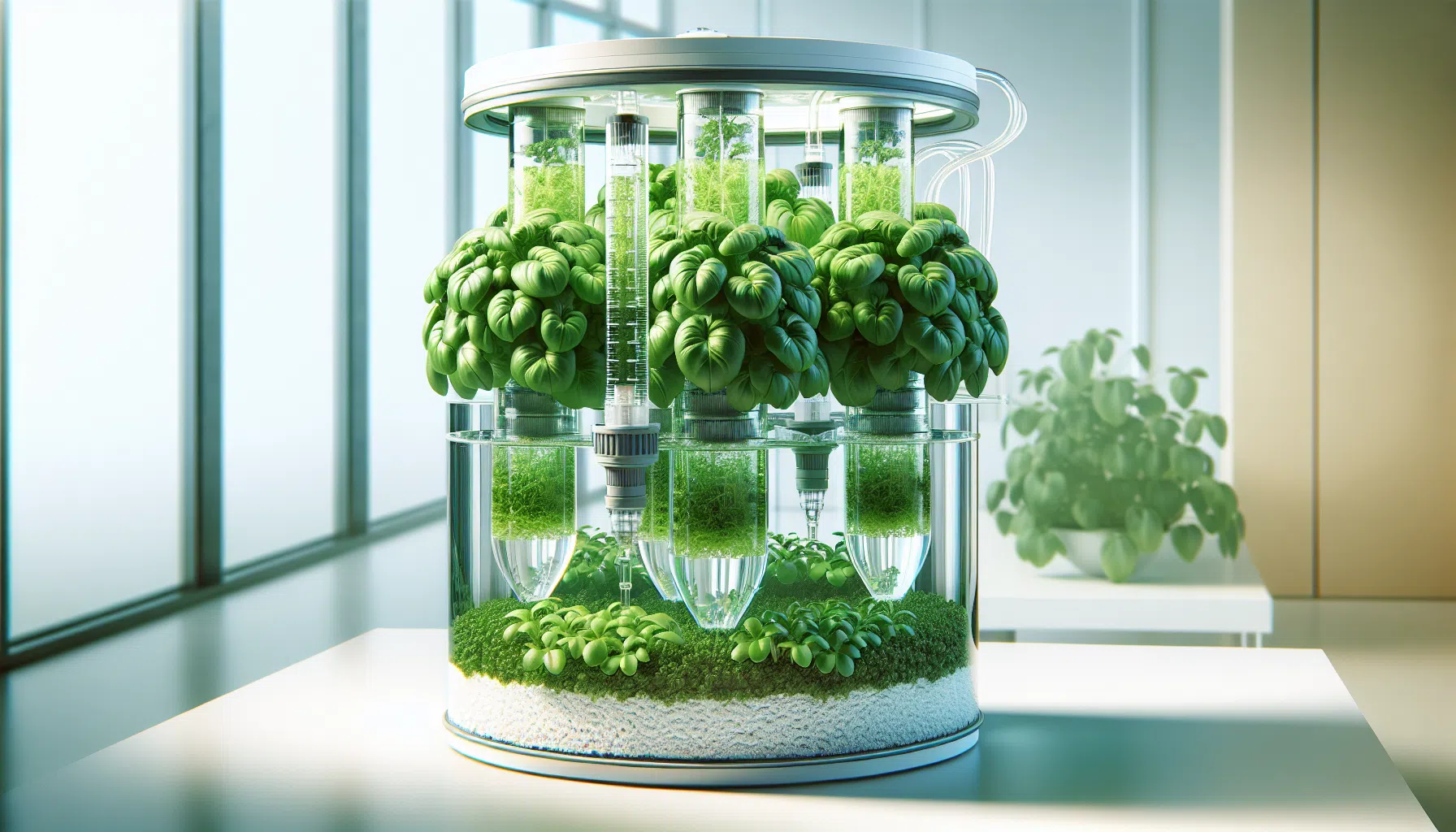
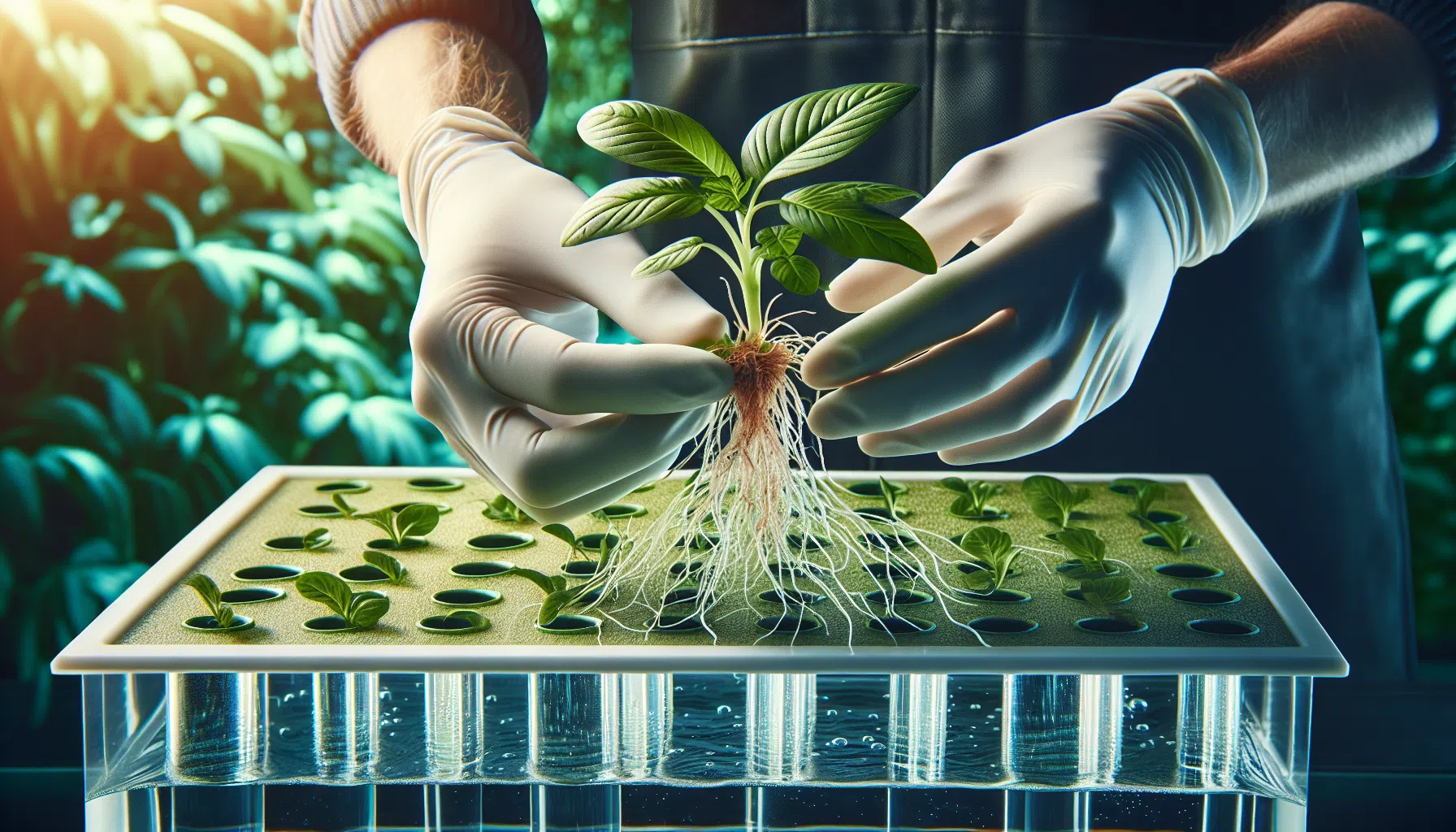
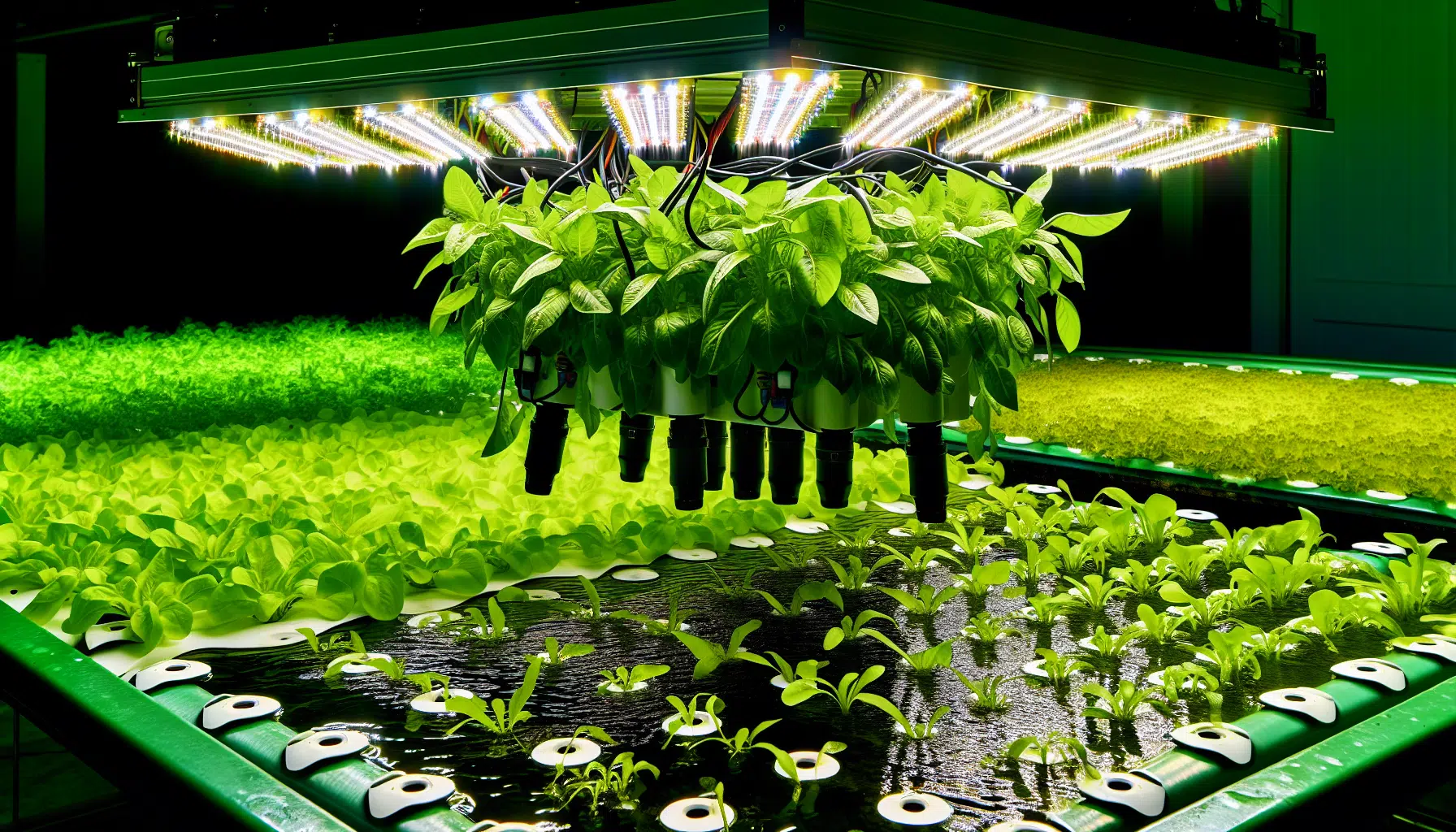
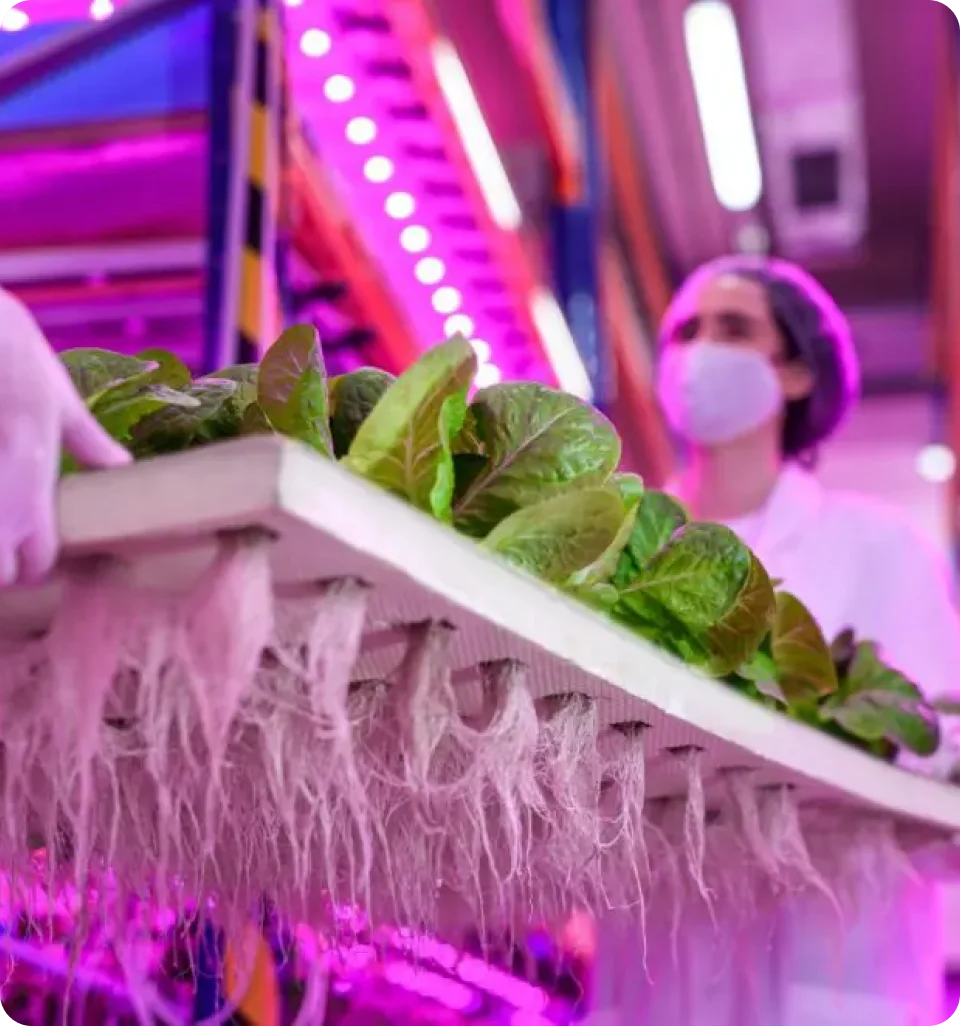
Considering a shift to hydroponics? Understand the benefits of growing in a hydroponics system through this focused exploration. Efficient space use, substantial water conservation, and boosted crop yields are not just promises but realities of hydroponic farming. To understand why this shift is happening, you can learn more about the future of hydroponics. This article strips away the fluff and dives into the practical advantages that make hydroponics an appealing and sustainable agriculture choice for many growers.
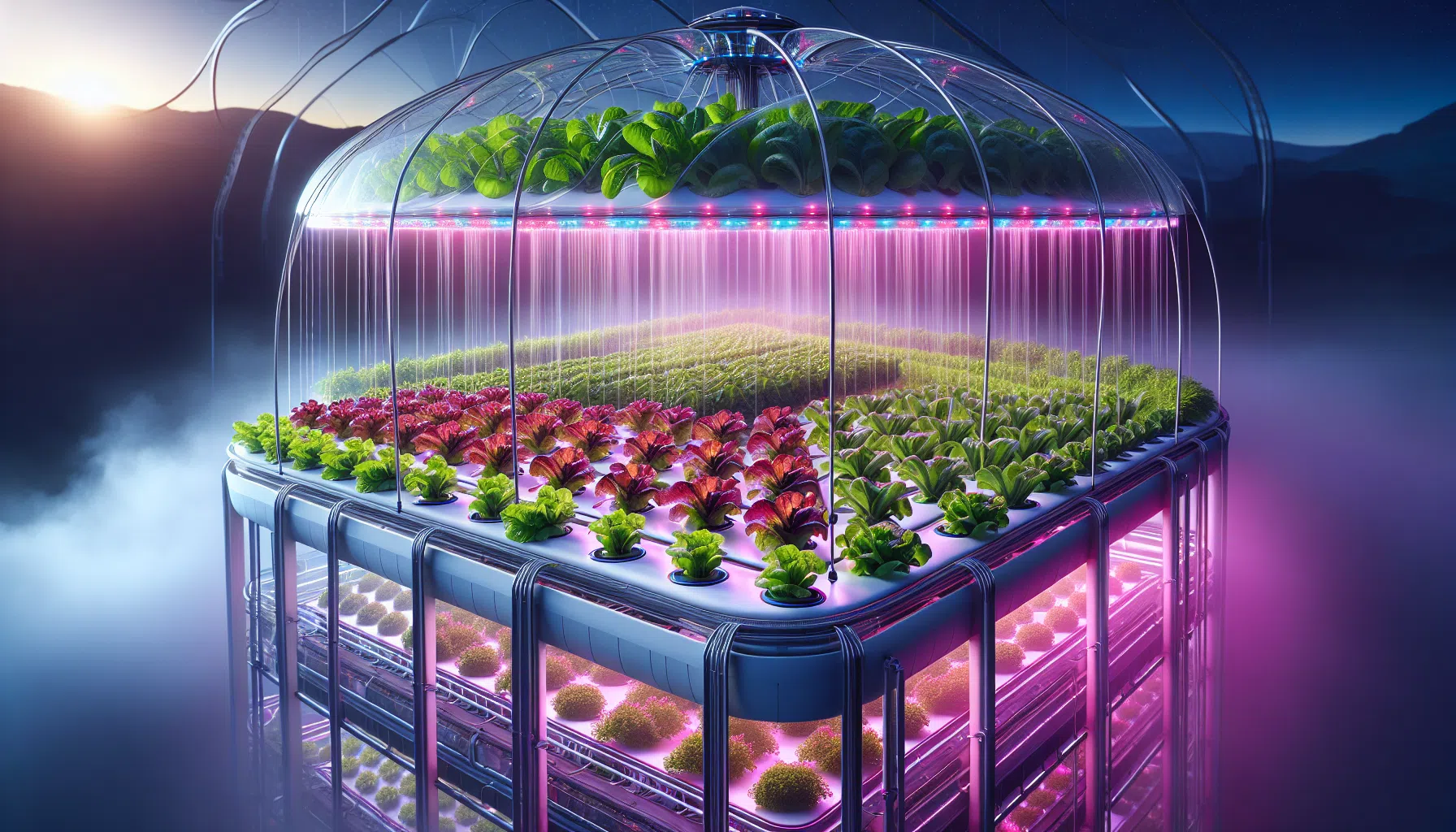
While hydroponic farming offers a unique solution to many of the challenges faced by traditional farming methods, it is important to consider the system as a whole. Some of the benefits of hydroponic farming include:
Hydroponic systems are revolutionizing the way we approach farming, making hydroponic farms more common for growing various plant species. You can also read about benefits of hydroponics specifically regarding environmental impact.
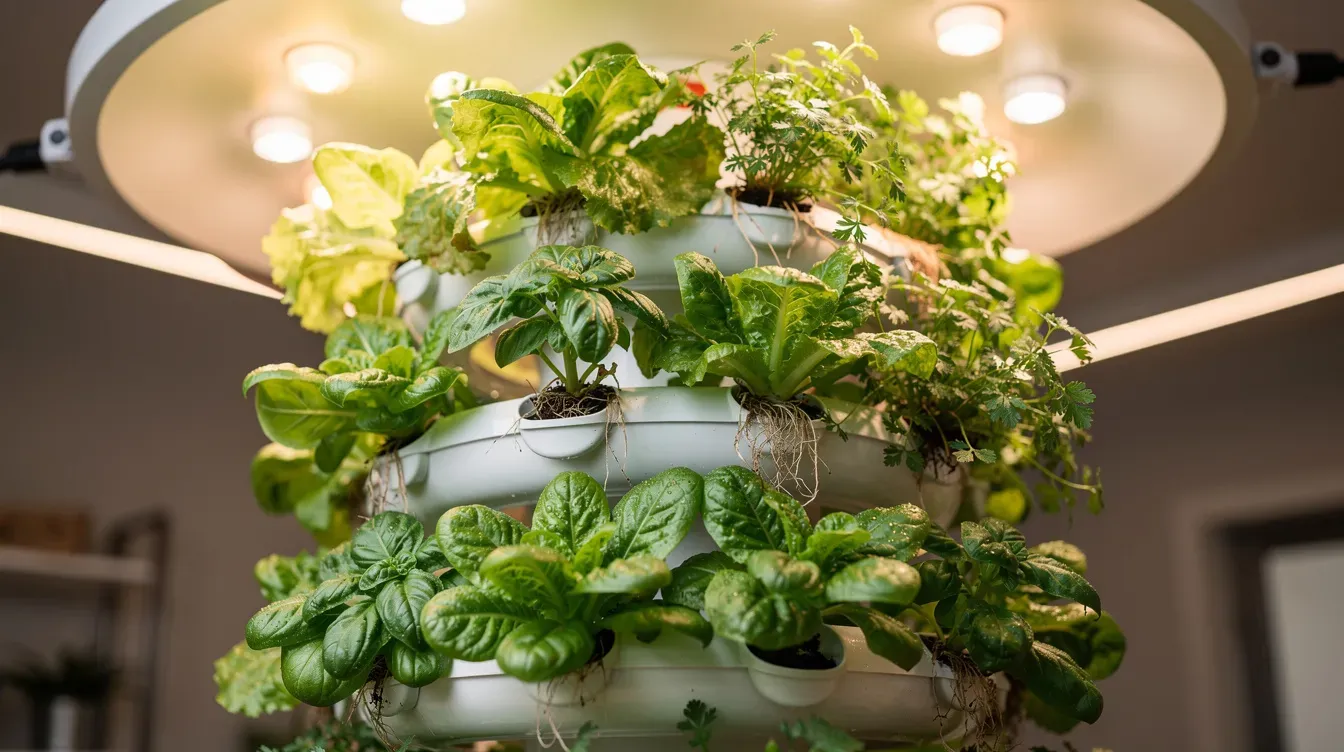
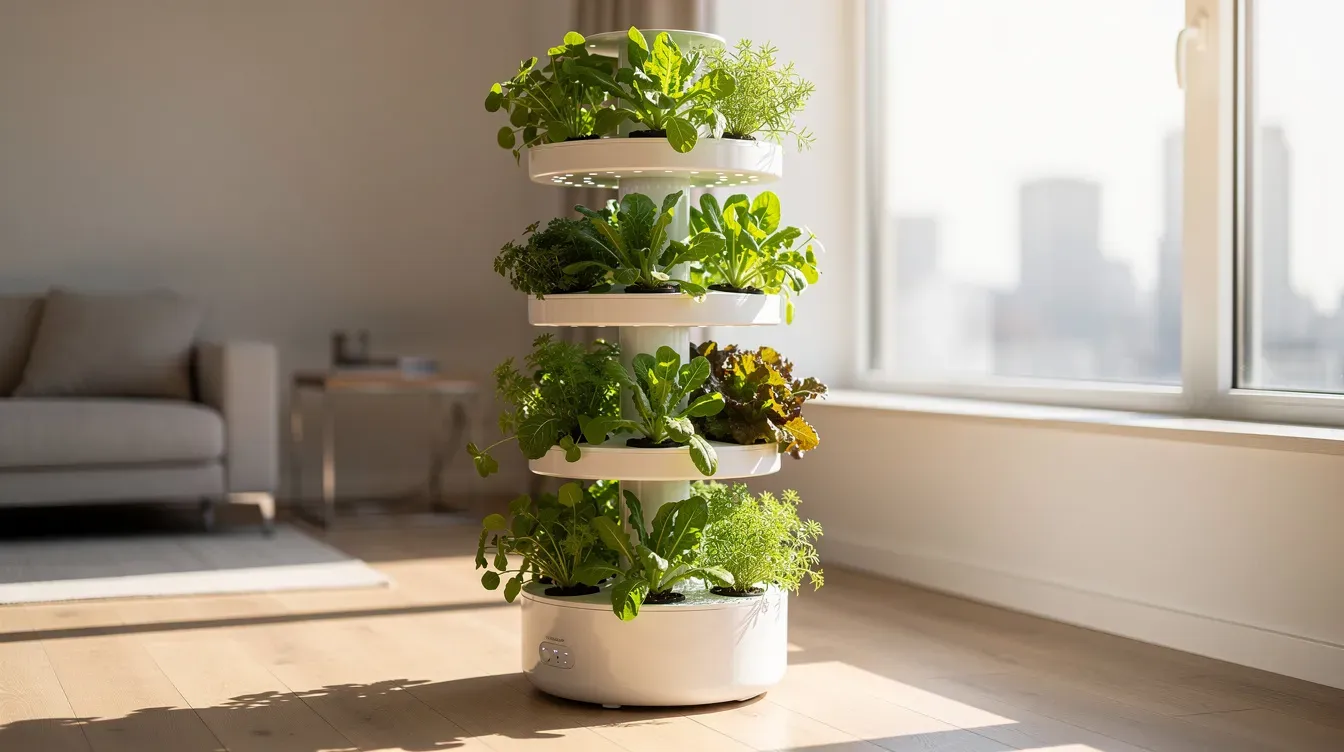
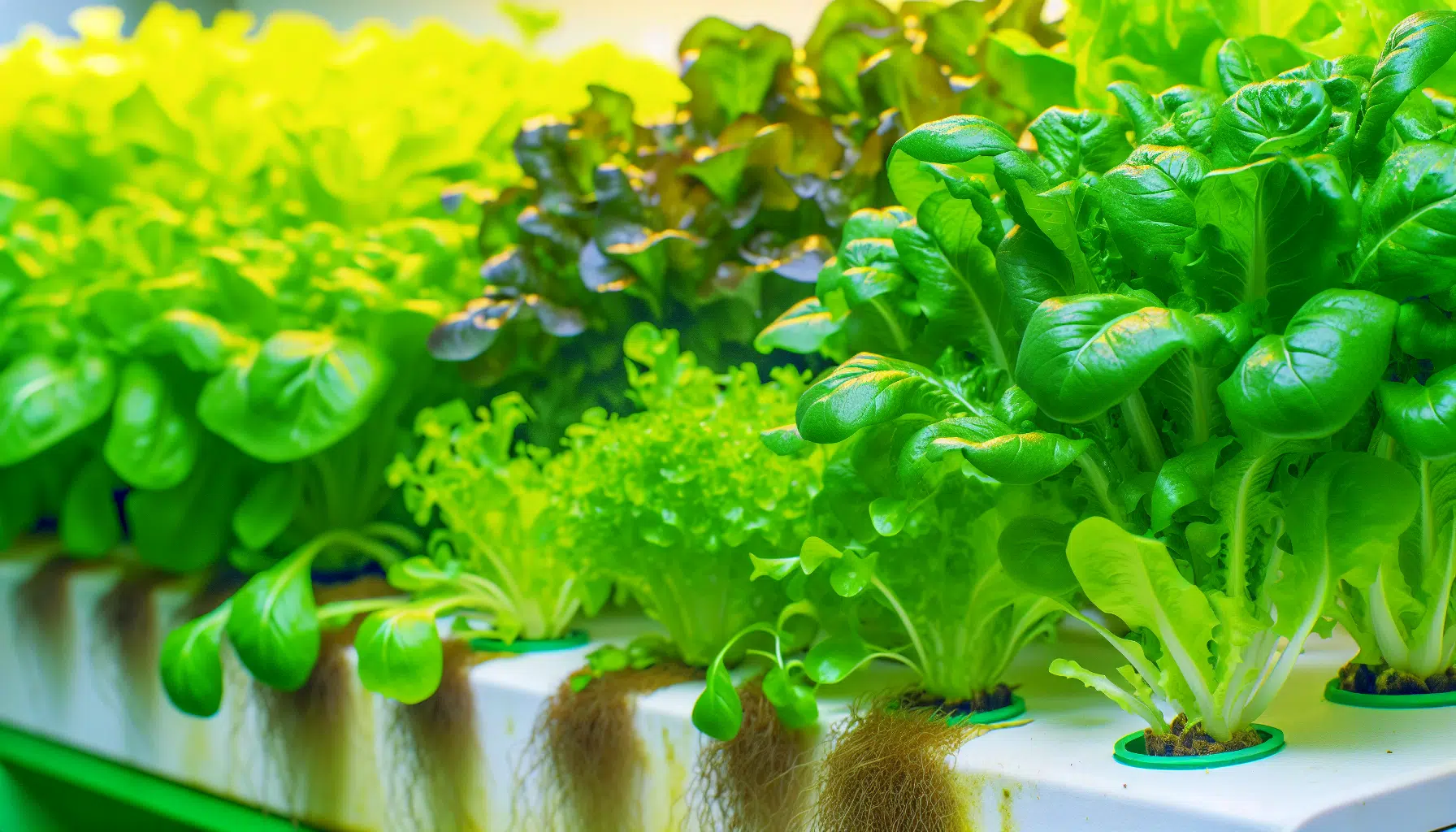
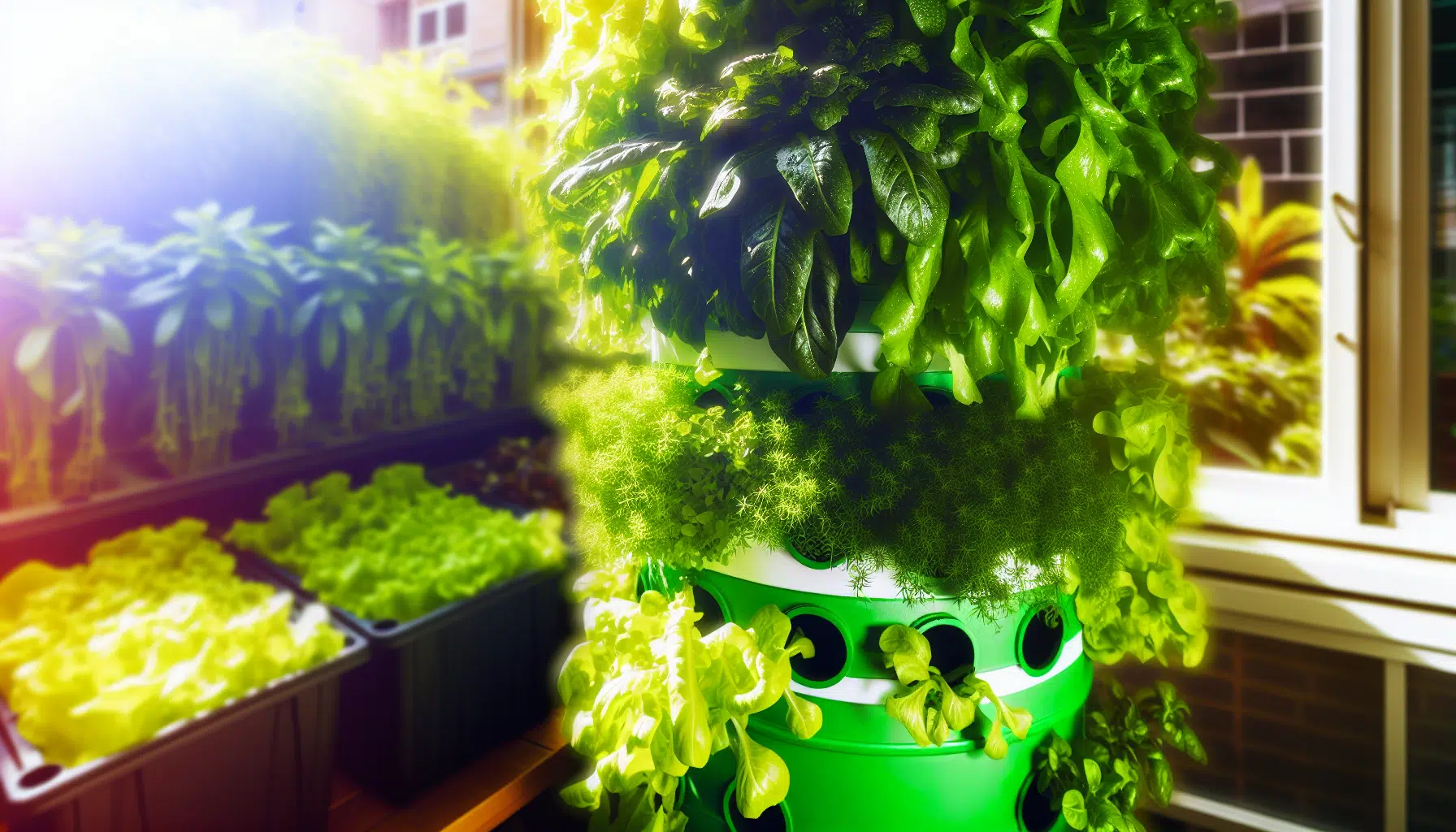
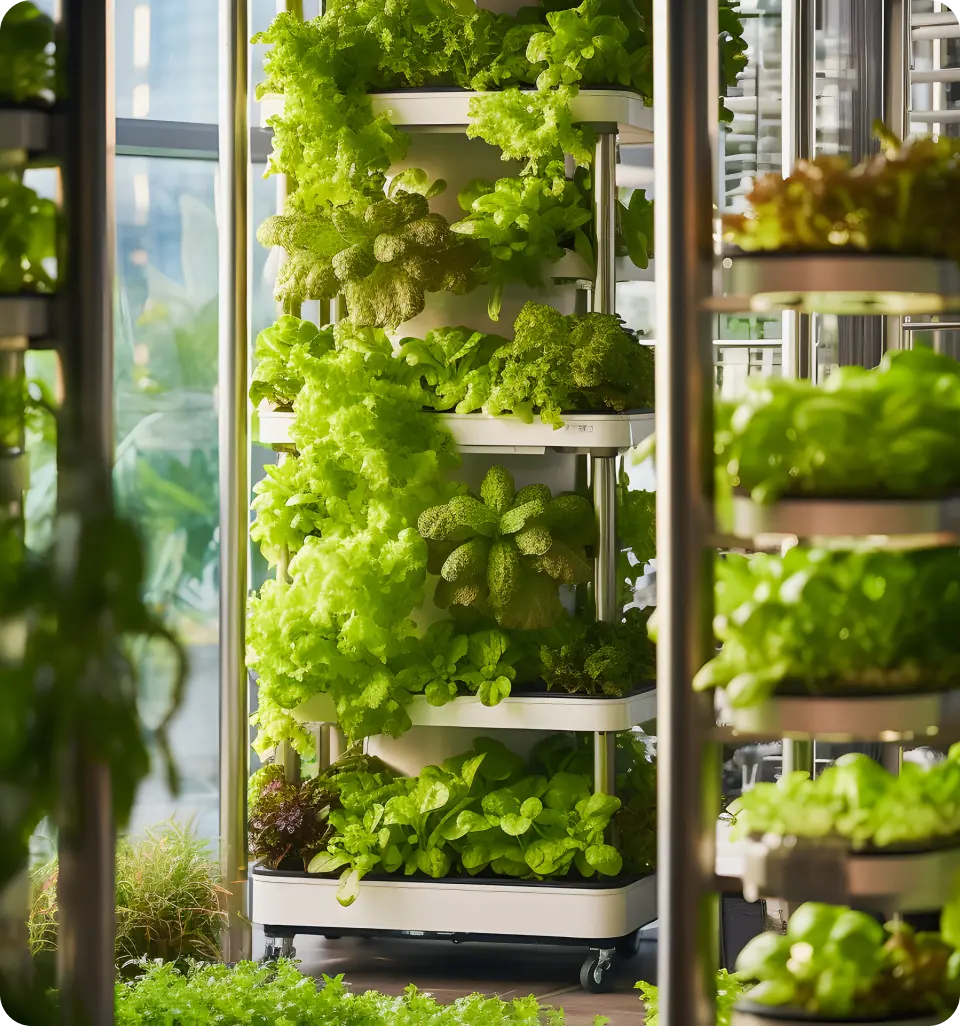
In conventional farming, vast tracts of land are needed to accommodate the expansive root systems of plants. Hydroponic farming, on the other hand, allows for more plants to be grown in small spaces, essentially maximizing space efficiency. With methods such as vertical farming and the use of modular designs, hydroponic farming dramatically increases plant density, making it a viable solution for urban farming.

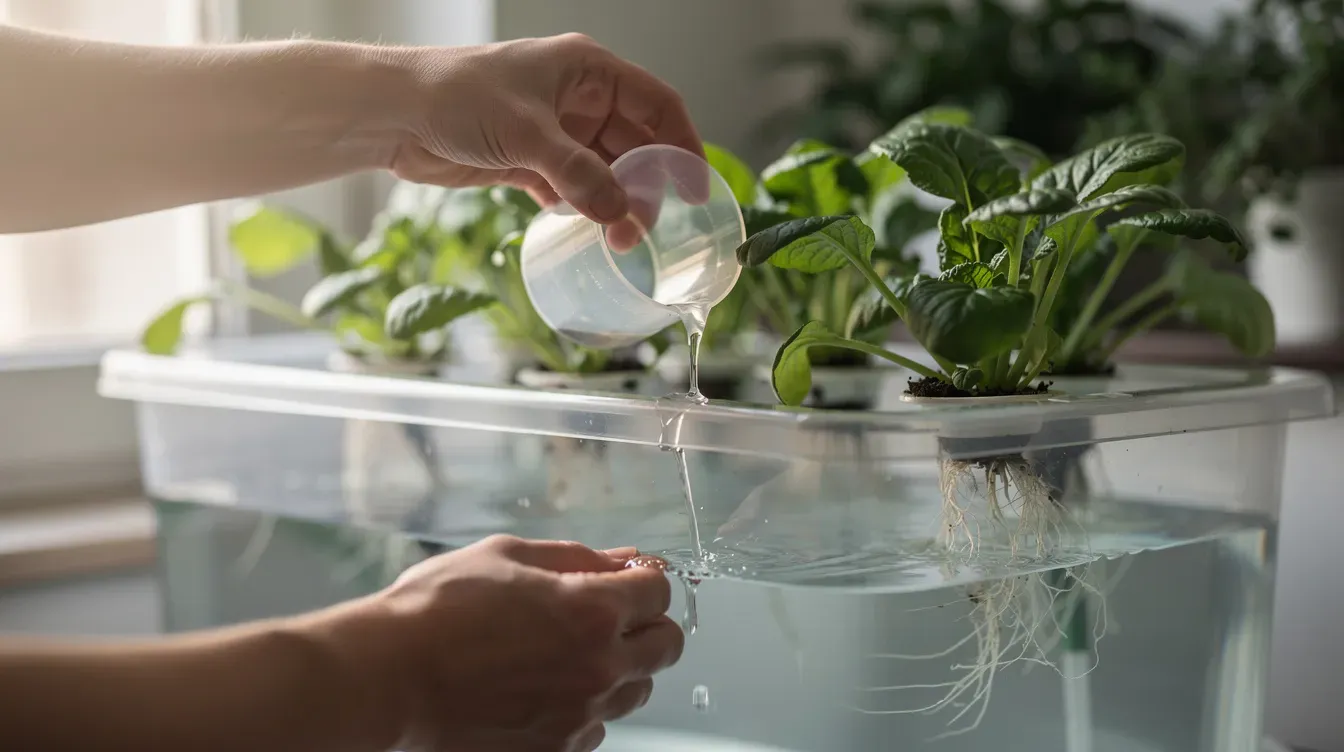
Water scarcity is a growing concern worldwide, and the agriculture industry is one of the largest consumers of water. Hydroponic systems, with their ability to recirculate nutrient solutions, significantly enhance water use efficiency. They also allow for meticulous control and monitoring of water use and nutrient levels, ensuring that plants receive precisely what they need for optimal growth. To see how these systems compare to others, compare our systems to see which fits your needs.
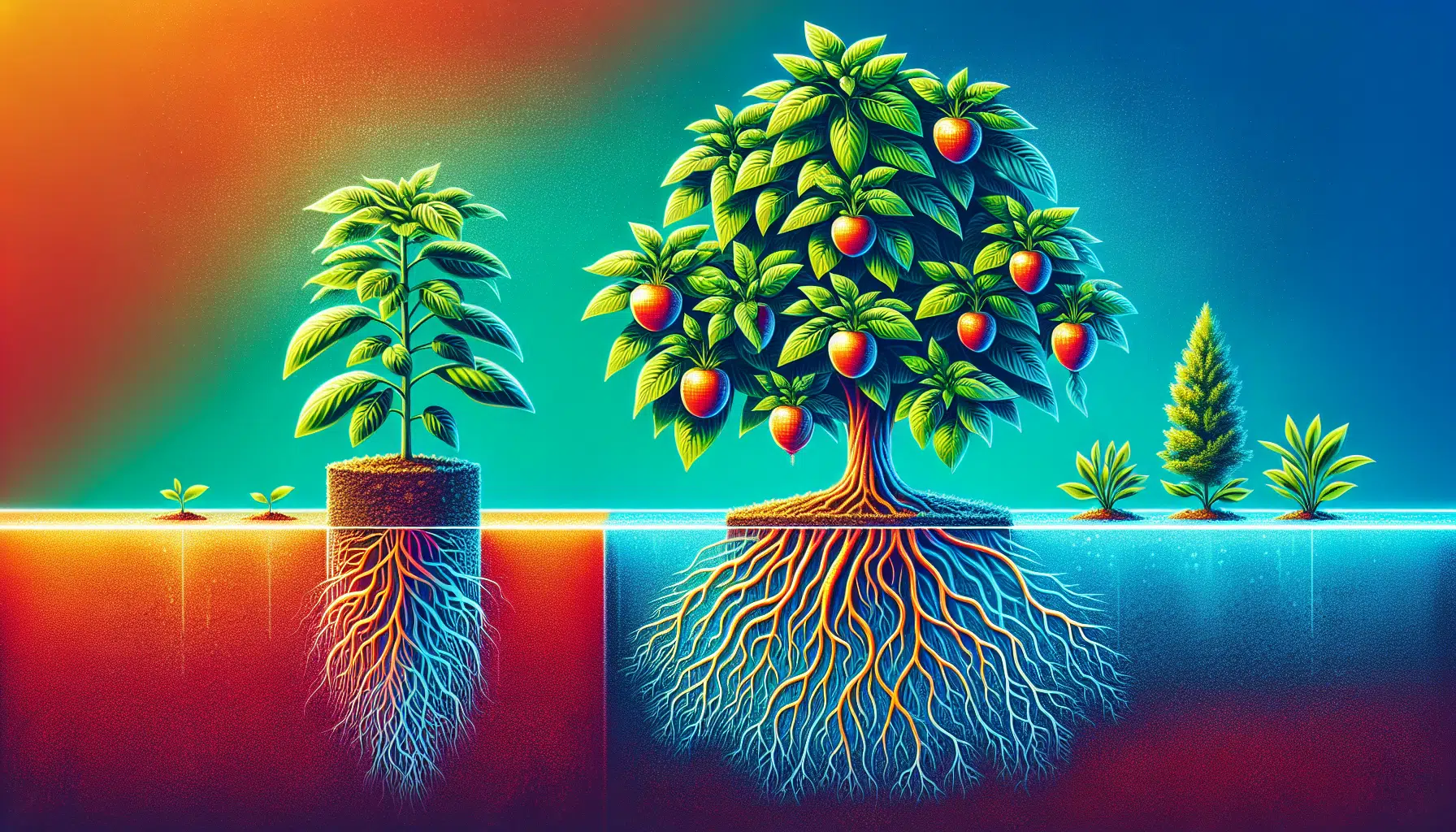
One of the most exciting advantages of hydroponics is the enhanced growth rates of plants. Hydroponic systems promote faster plant growth, with rates 30-50 per cent higher than traditional soil-based methods. This is attributed to:
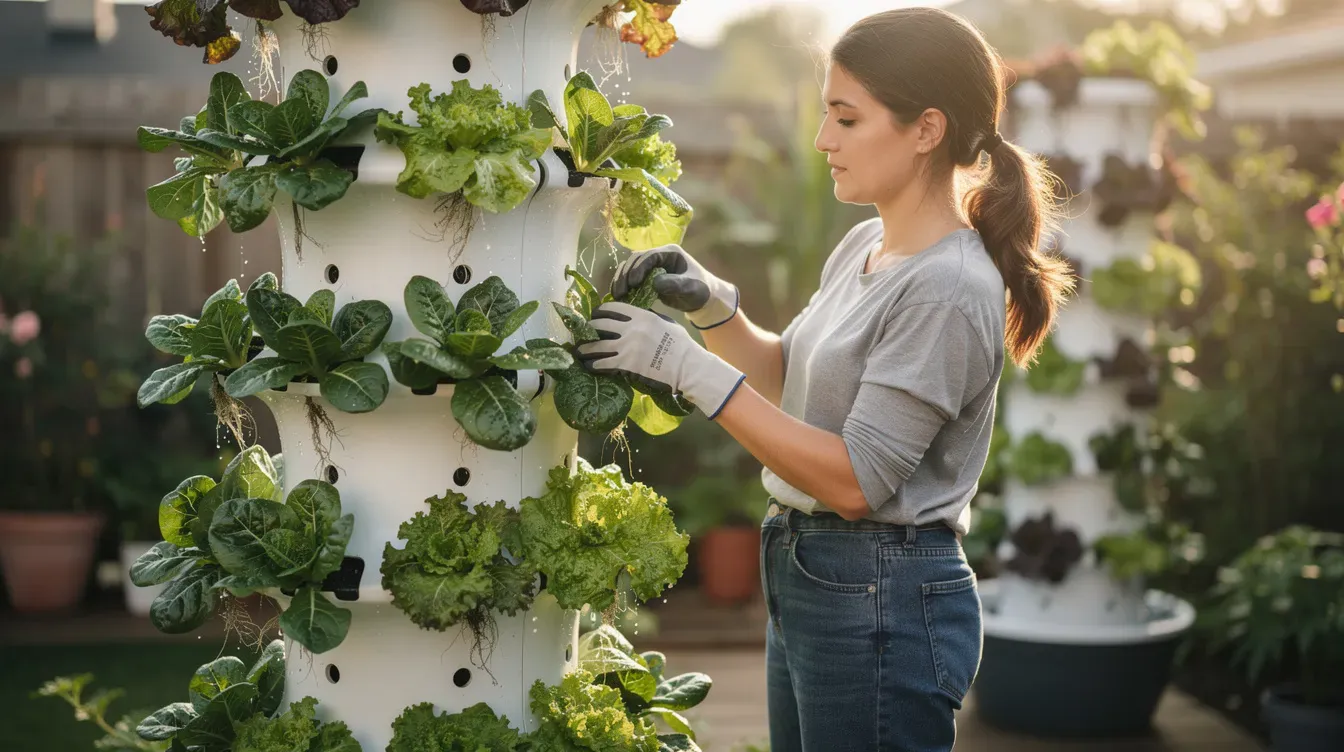
This accelerated growth rate leads to higher yields and faster crop rotations, making hydroponics a game-changer in the agriculture industry. If you are interested in vertical solutions, check out our how hydroponic towers work guide.
Also Read:

Water is an invaluable resource, and conserving it is a top priority. Hydroponics plays a significant role in water conservation by employing various techniques such as recirculating nutrient solutions and reducing evaporation.
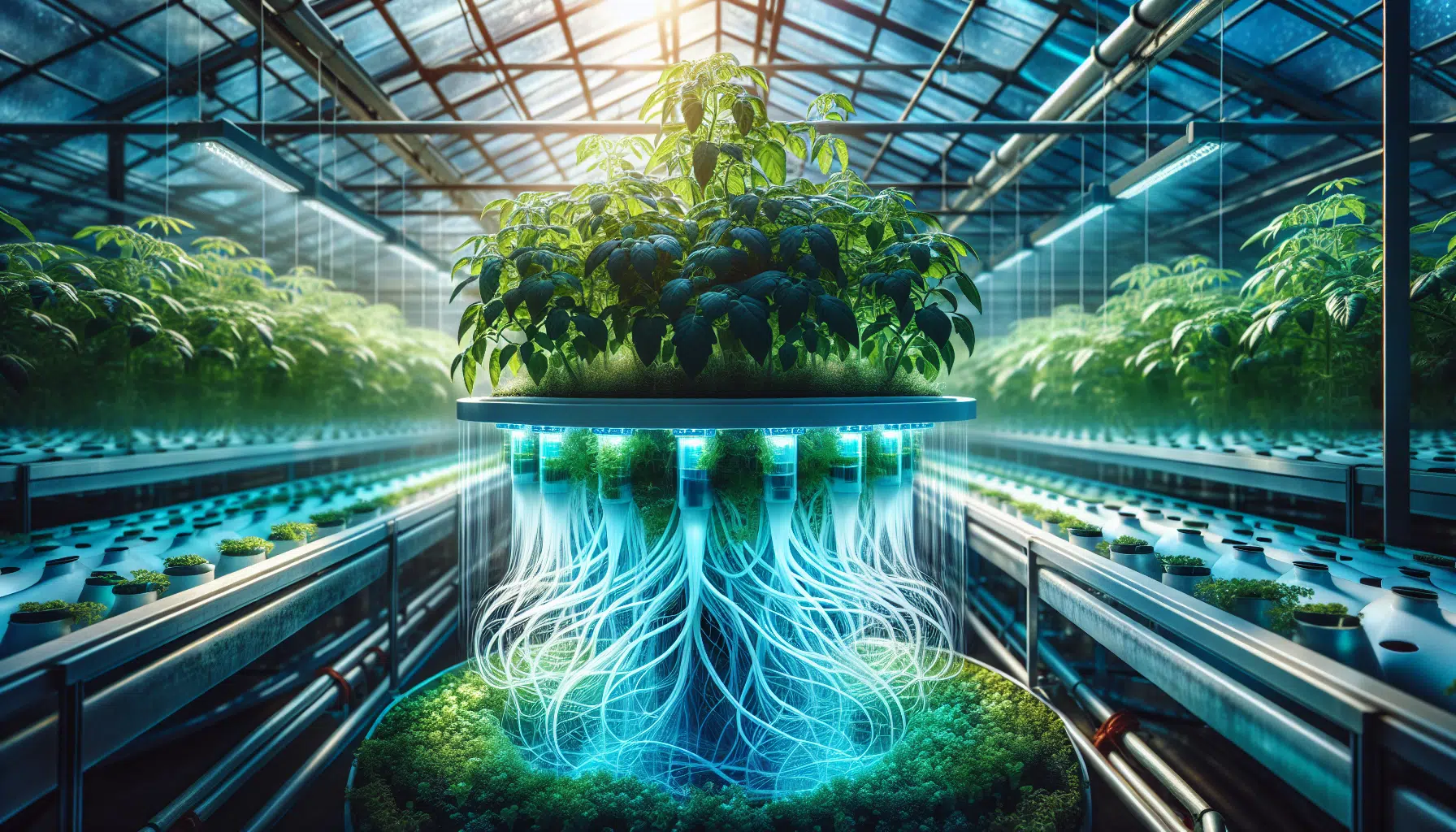
Recirculating hydroponic systems are a prime example of water conservation in action. By reusing nutrient solutions, these systems reduce water usage and prevent the release of fertilizers into wastewater systems. Consistent monitoring and adjustments to the nutrient solution ensure that plants receive the right nutrients, contributing to healthier and more sustainable growth.
In traditional farming, a significant amount of water is lost through evaporation. Hydroponic systems, particularly those in indoor environments, can significantly reduce evaporation by covering the growing medium with an evaporation-reducing barrier. This not only conserves water but also limits the depletion of soil moisture, making hydroponics a more sustainable option.
The impact of hydroponics on freshwater resources is significant. By reducing water consumption and recycling nutrient solutions, hydroponics alleviates pressure on groundwater and other water resources. You can further read about hydroponics for food production & environmental sustainability 2024 to see how this impacts our global future.

Hydroponic systems not only conserve resources but also promote plant health https://rosarydental.com/services/. By preventing soil-borne diseases, ensuring precise nutrient management, and reducing chemical usage, hydroponics contribute to healthier and more robust plant growth.
Eliminating soil as a growing medium is one of the primary ways hydroponic systems prevent soil-borne diseases. Without soil, plant roots are not subjected to the typical vectors for pests and diseases, reducing the need for harmful chemical treatments.
Another advantage of hydroponic systems is their ability to manage nutrients precisely. By controlling the pH and electrical conductivity (EC) of the nutrient solution, these systems ensure optimal nutrient availability and absorption. Regular monitoring and adjustments to the nutrient solution cater to the specific nutritional requirements of the plants, promoting healthier growth.
In traditional farming, pesticides and other chemicals are often used to combat pests and diseases. However, hydroponic farming significantly reduces the need for these chemical interventions. The controlled environments of hydroponics lead to less frequent pest problems, minimizing the need for regular pesticide application.
Hydroponic farming offers numerous yield benefits, making it an attractive option for farmers and growers. By enabling higher crop production in small spaces, facilitating year-round growth, and streamlining harvesting processes, hydroponic systems promise a fruitful harvest.
One of the major advantages of hydroponic farming is its ability to produce higher yields in small spaces. Hydroponic systems enable plants to be grown nearby by delivering a nutrient-charged solution directly to the root zone. This helps prevent competition for root space, allowing for more efficient use of the growing area. This results in a higher plant density, which in turn leads to increased yields, especially in urban farming scenarios.
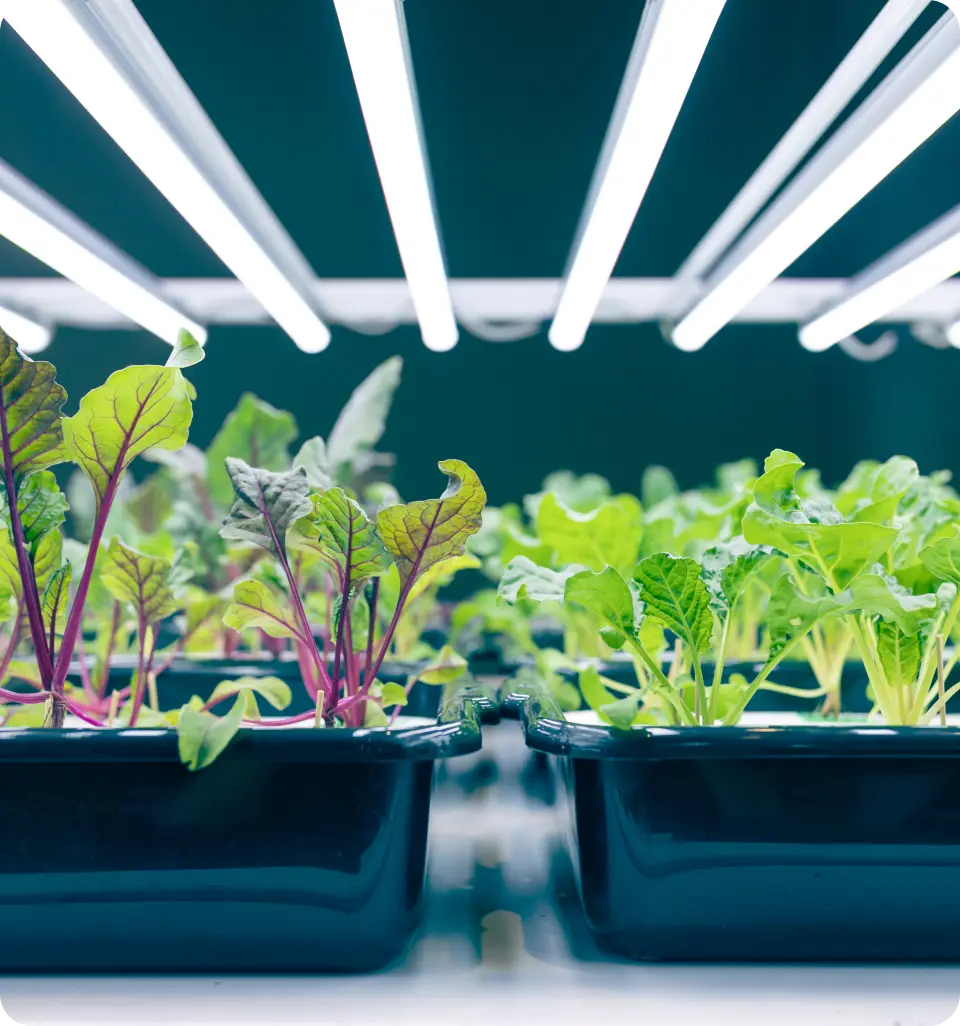
Seasonal constraints are a common challenge in traditional farming. However, hydroponic systems overcome this challenge by enabling year-round crop production. By controlling indoor environments, these systems can produce crops throughout every season of the year, ensuring a steady supply regardless of external weather conditions. This ability not only increases revenue but also contributes to the cost-effectiveness of hydroponic farming in the long term.
In an era where sustainability is a key concern, hydroponic farming offers significant environmental benefits. From mitigating soil degradation to providing climate control for sustainable growth and adapting to climate change, hydroponics is truly at the forefront of sustainable agriculture.
Soil degradation and soil erosion are significant issues in traditional farming. Hydroponics, by eliminating the need for soil, helps mitigate these problems. By allowing for agriculture in areas with severe soil degradation, hydroponics offers a sustainable solution for areas where traditional farming is no longer feasible.
Climate change presents significant challenges to traditional farming. Hydroponics, with its controlled environments and resilient agricultural capabilities, provides a solution. By enabling local food production in climates normally challenging for agriculture, hydroponics offers a resilient response to climatic changes such as irregular rainfall and extreme weather events.
While the initial investment may be substantial, the long-term financial gains of hydroponic farming make it a worthwhile endeavour. Higher crop yields, efficient use of resources, and the ability to grow crops year-round contribute to increased revenue and long-term cost savings. Additionally, the growing market demand for hydroponically grown produce presents significant opportunities for financial growth.
From boosting plant growth to conserving valuable resources, hydroponic farming offers a plethora of benefits over traditional farming methods. As we continue to face challenges such as climate change, water scarcity, and soil degradation, the shift towards more sustainable and efficient farming methods like hydroponics is not just a trend, but a necessity. Ready to start your own journey? You can shop all systems here.
Hydroponic systems offer benefits such as up to 90% less water usage and enhanced plant yields due to densely spaced plants.
Hydroponic farming benefits people who do not have a large space, such as those living in apartments or without a garden, as it can be used in small-scale settings.
Hydroponic farming conserves water by recirculating nutrient solutions and reducing evaporation, using up to 90% less water than traditional farming.