



Introduction
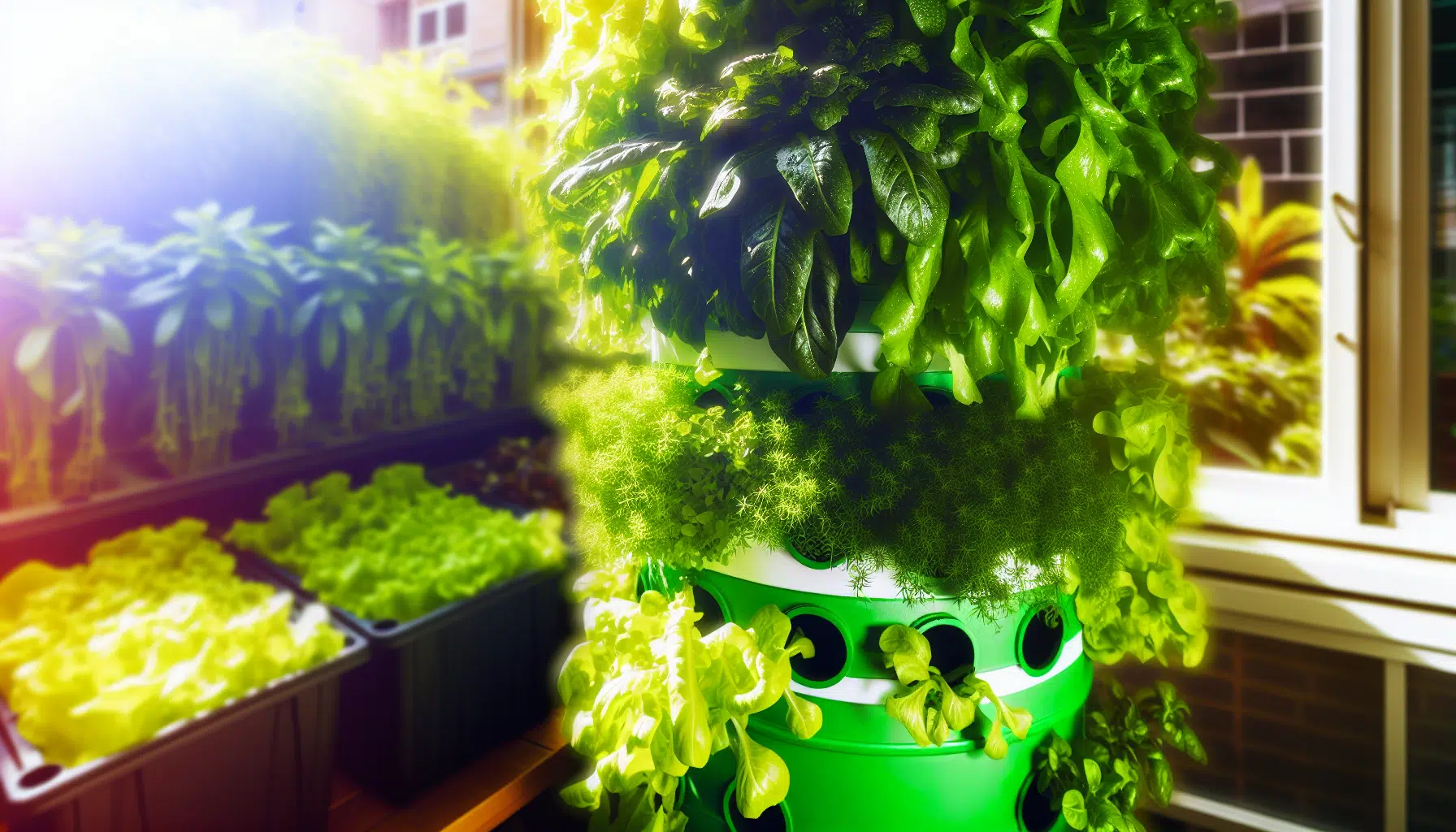
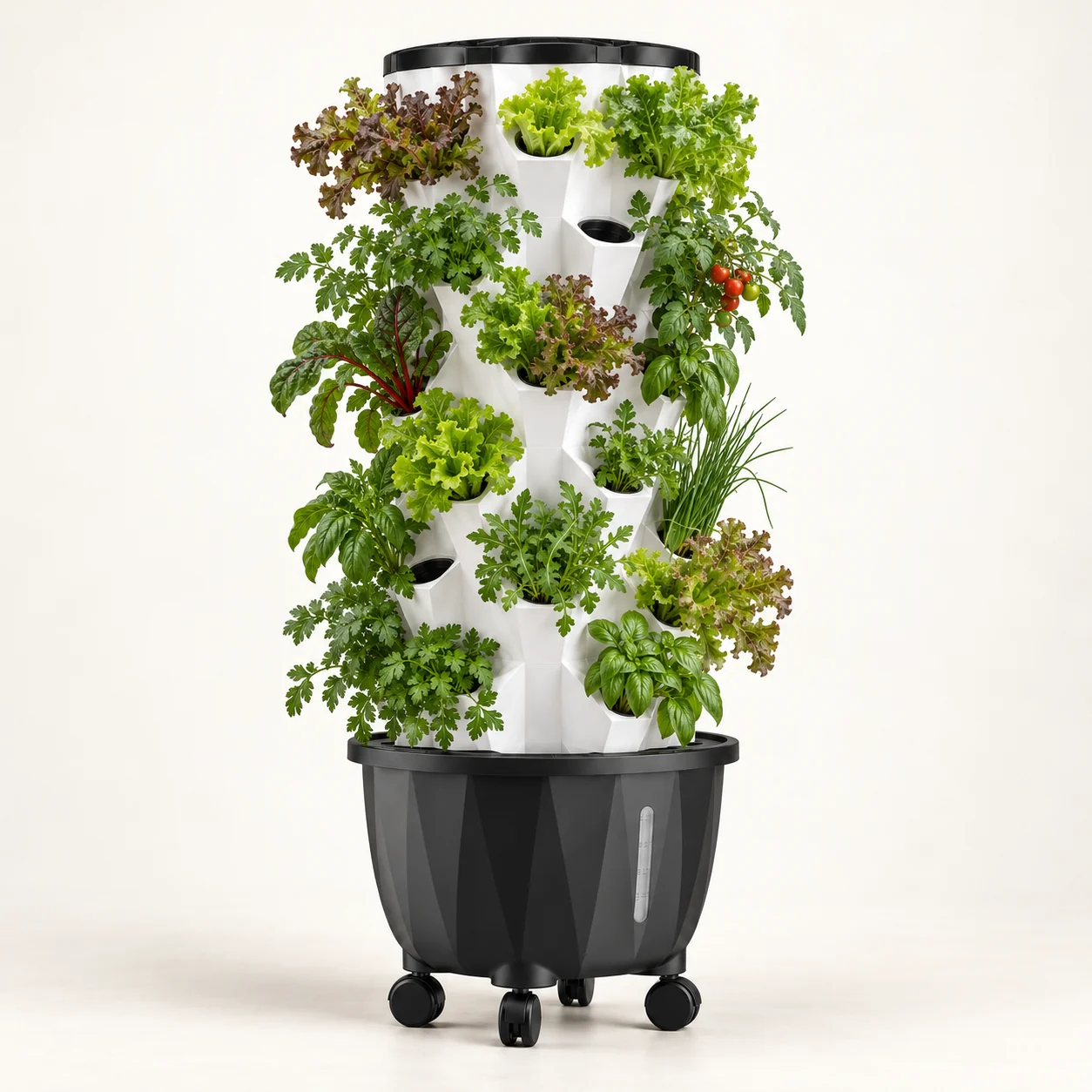
Tower garden herbs are fresh herbs grown vertically in a soilless aeroponic or hydroponic tower, where nutrient-rich water is delivered directly to the roots instead of using potting soil. This guide focuses on growing herbs in Tower Garden-style systems, including home herb tower setups and larger vertical systems designed for high-yield indoor growing.
This article covers Tower Garden HOME, Tower Garden FLEX, and commercial tower systems for herb cultivation. It does not teach traditional soil-based gardening, although it does briefly compare soil containers, pots, and indoor herb garden basics so you can understand why aeroponic systems work differently. The guide is written for home gardeners, urban farmers, apartment growers, and anyone who wants year-round fresh herbs in a small space without needing much space, compost, raised beds, or a conventional garden.
Tower gardens can grow 20+ herb varieties using nutrient-rich water instead of soil, often producing faster growth, cleaner harvests, and higher yields than conventional containers. Aeroponic systems deliver maximum oxygen and nutrients directly to the roots, allowing herbs to grow up to three times faster than in soil.
By the end, you will understand:
How aeroponic technology helps herbs grow in a vertical tower
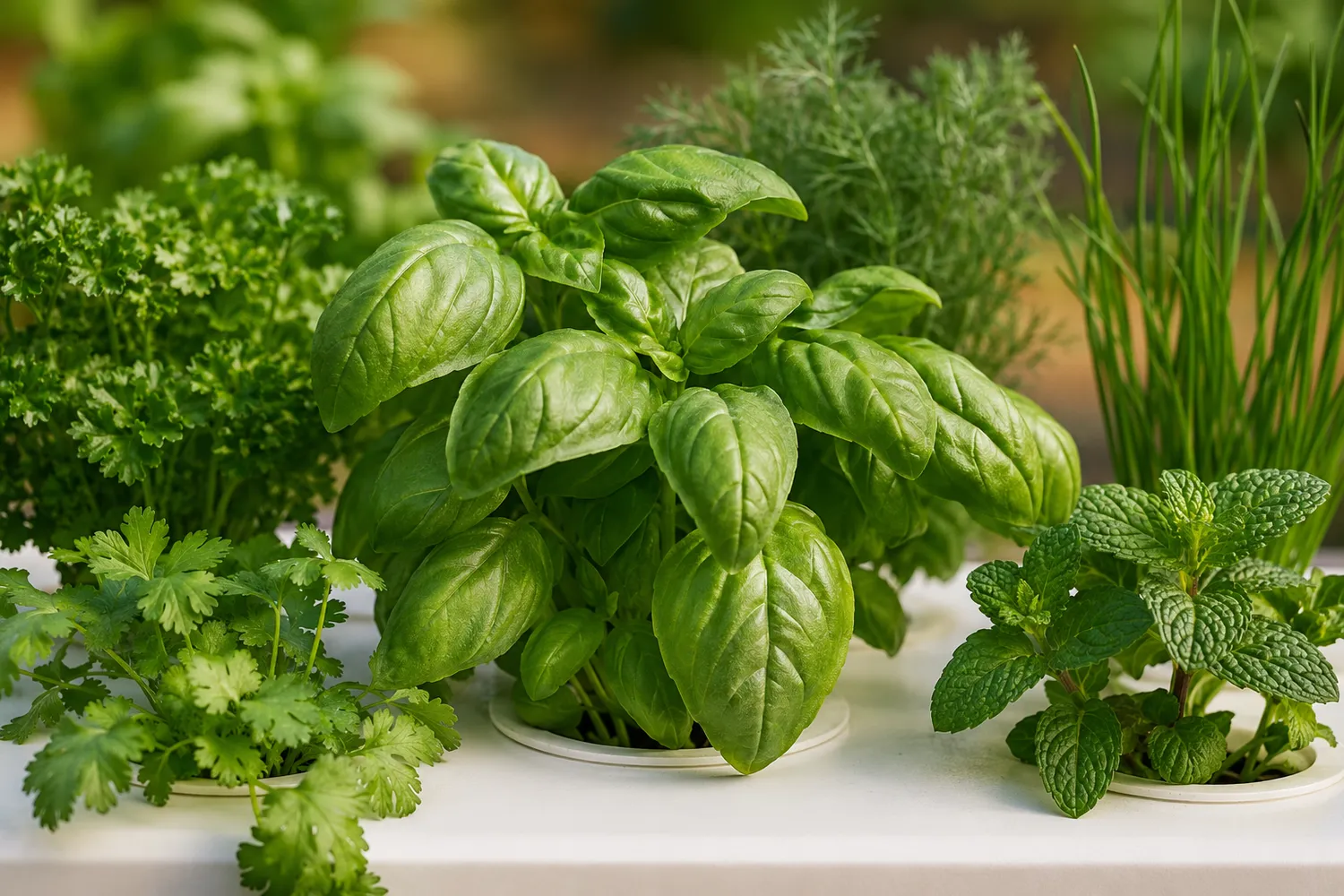
Which herbs are best for tower gardens, including Basil, Parsley, Mint, Thyme, Oregano, Cilantro, and Dill
How to set up a herb tower indoors or outdoors
How to manage light, water, nutrients, and roots
How to harvest and maintain your own herbs for cooking, food prep, and daily fresh flavor
Understanding Tower Garden Systems for Herb Growing
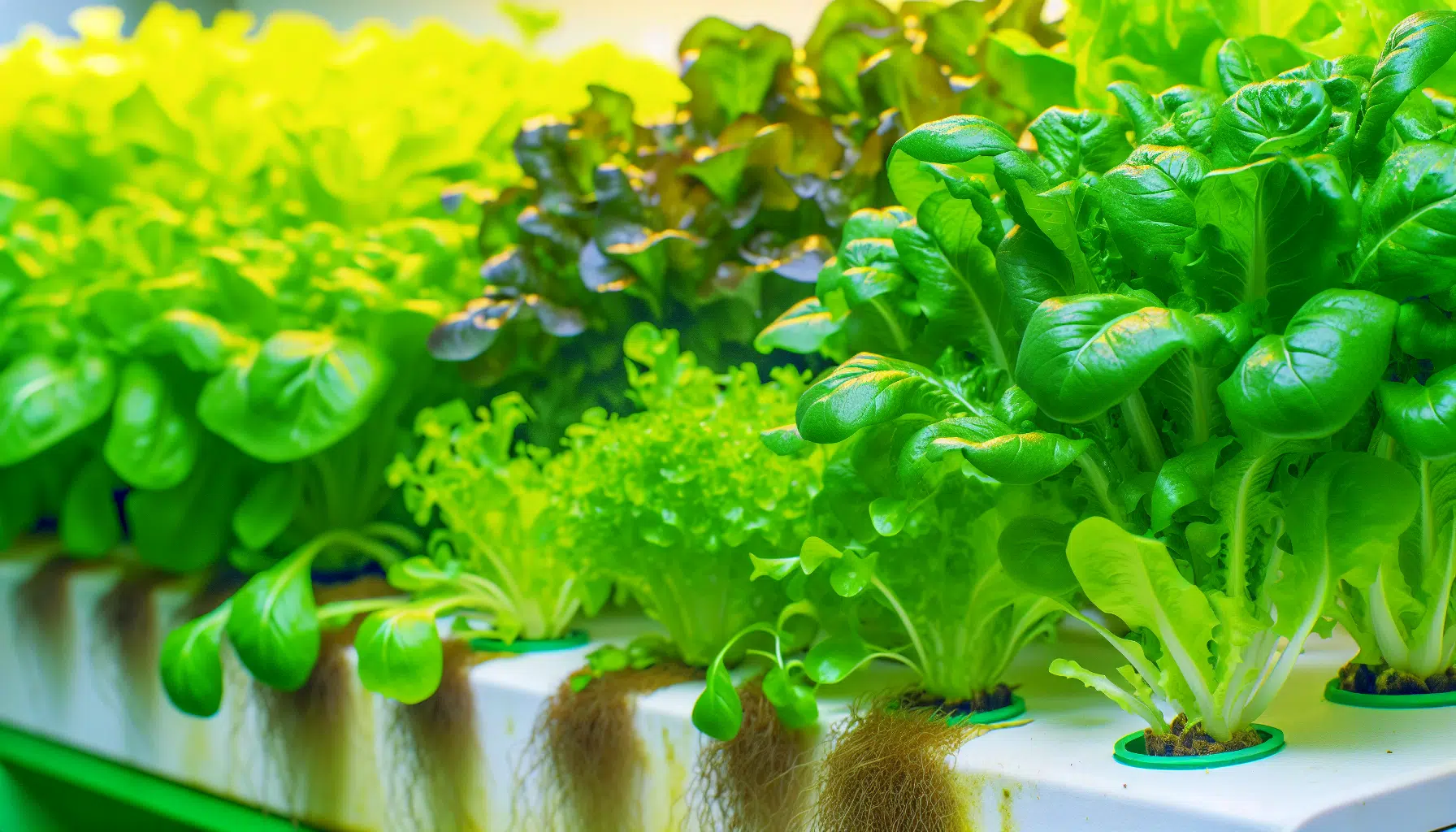
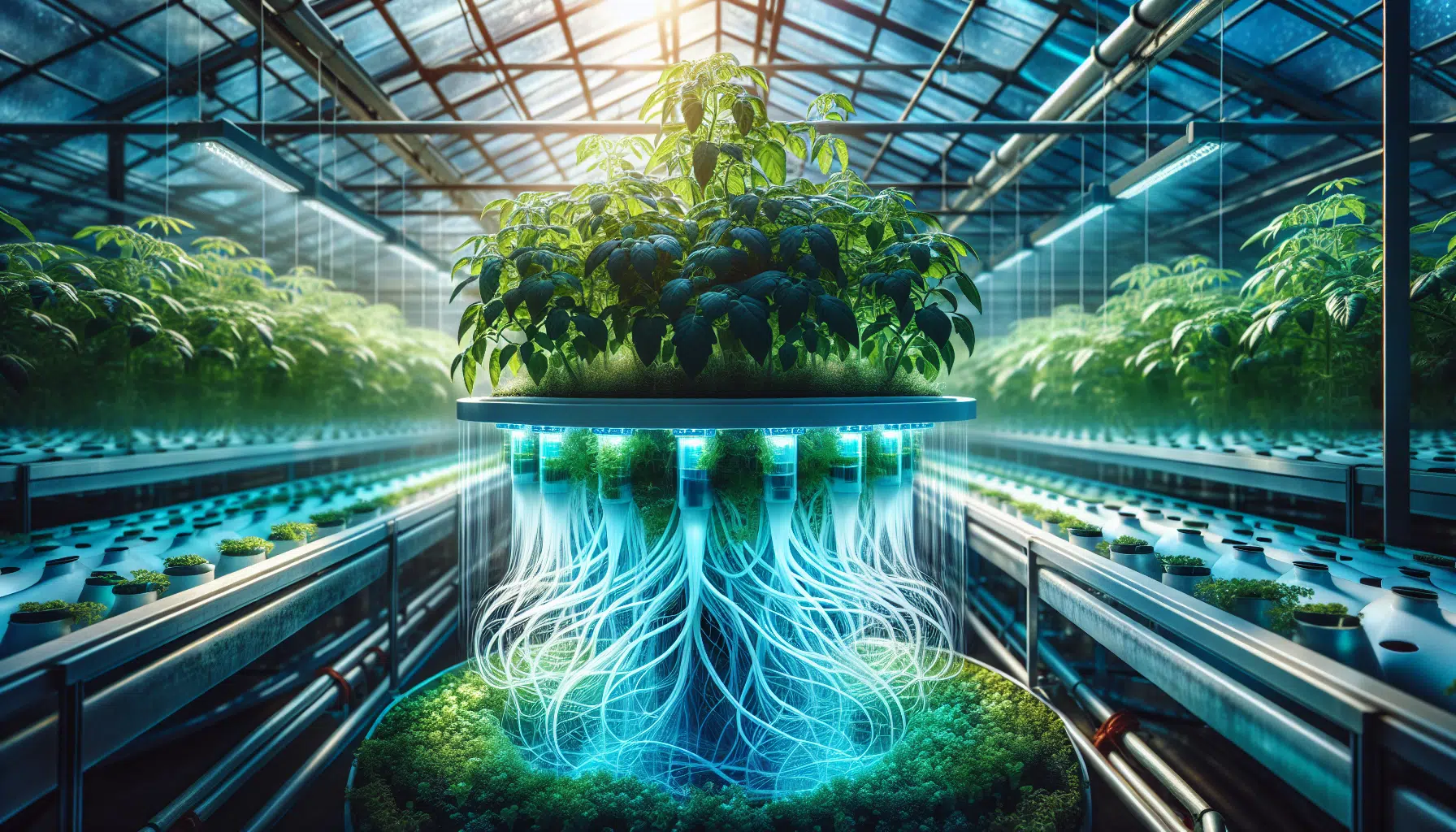
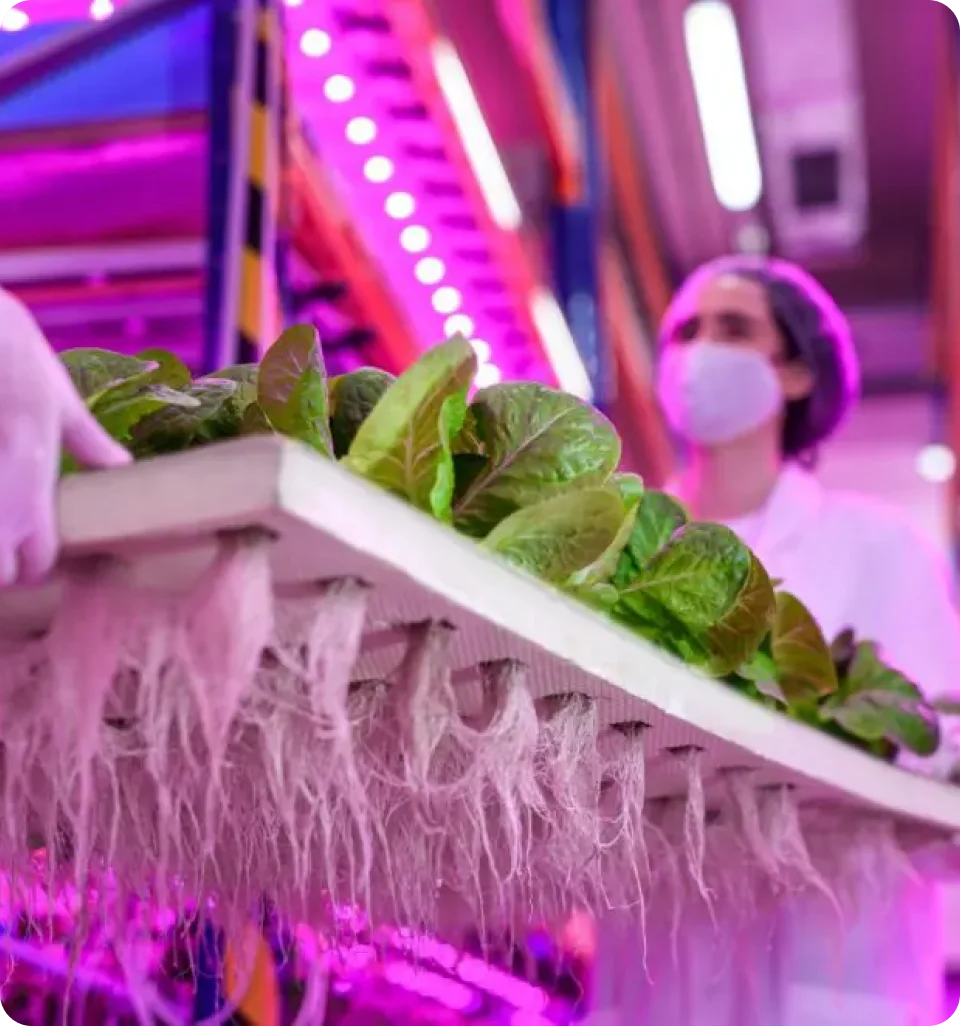
Aeroponic technology is a soilless growing method where plant roots hang inside a tower and receive a timed mist or flow of nutrient-rich water. Instead of searching through soil for moisture and minerals, the roots receive oxygen, water, and nutrients directly, which is why herbs thrive in tower gardens due to constant access to nutrient-rich water and oxygen.
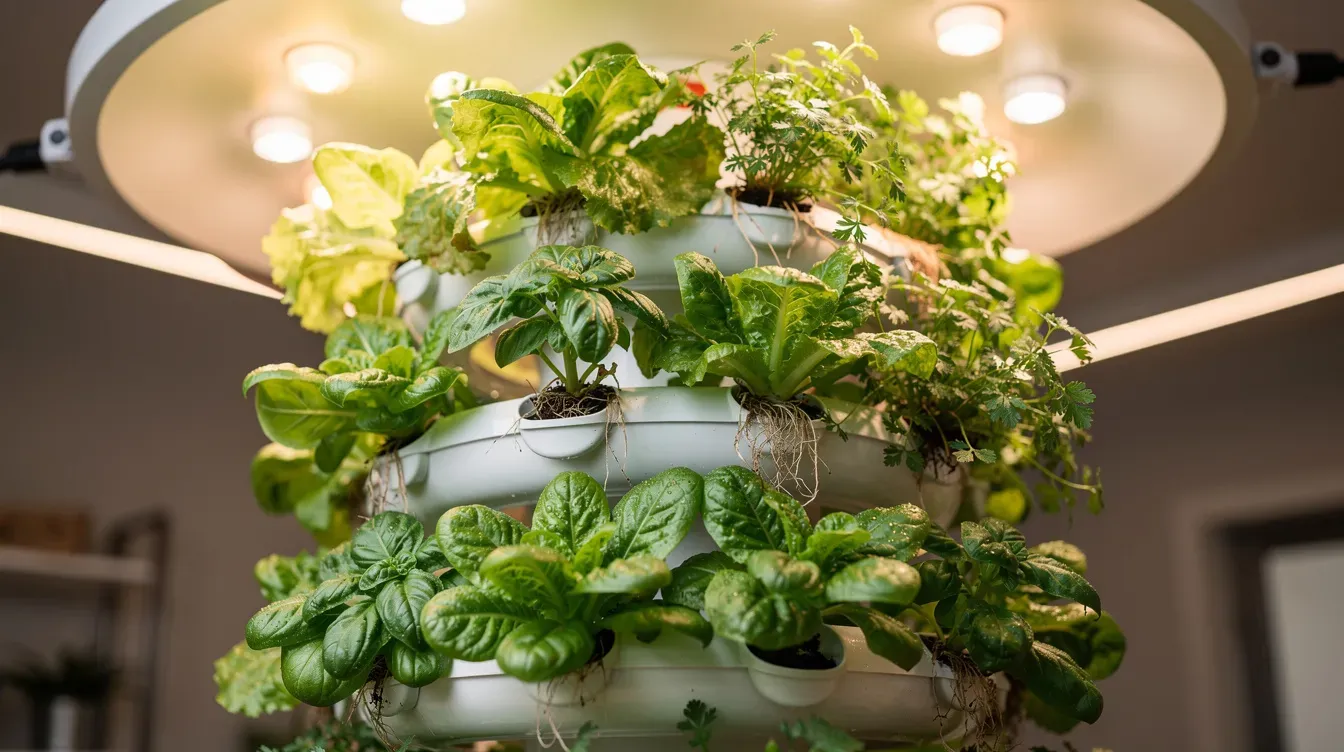
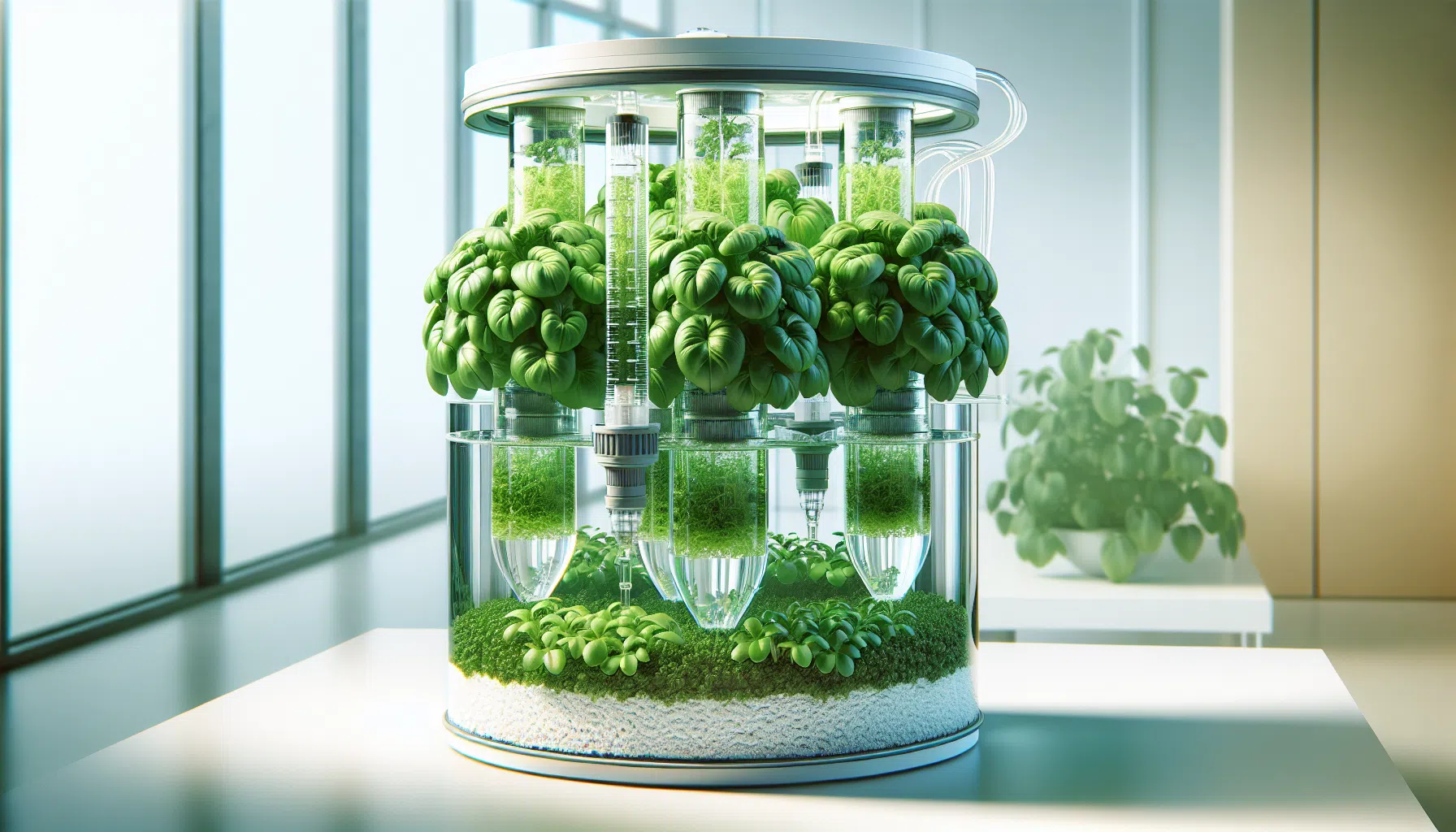
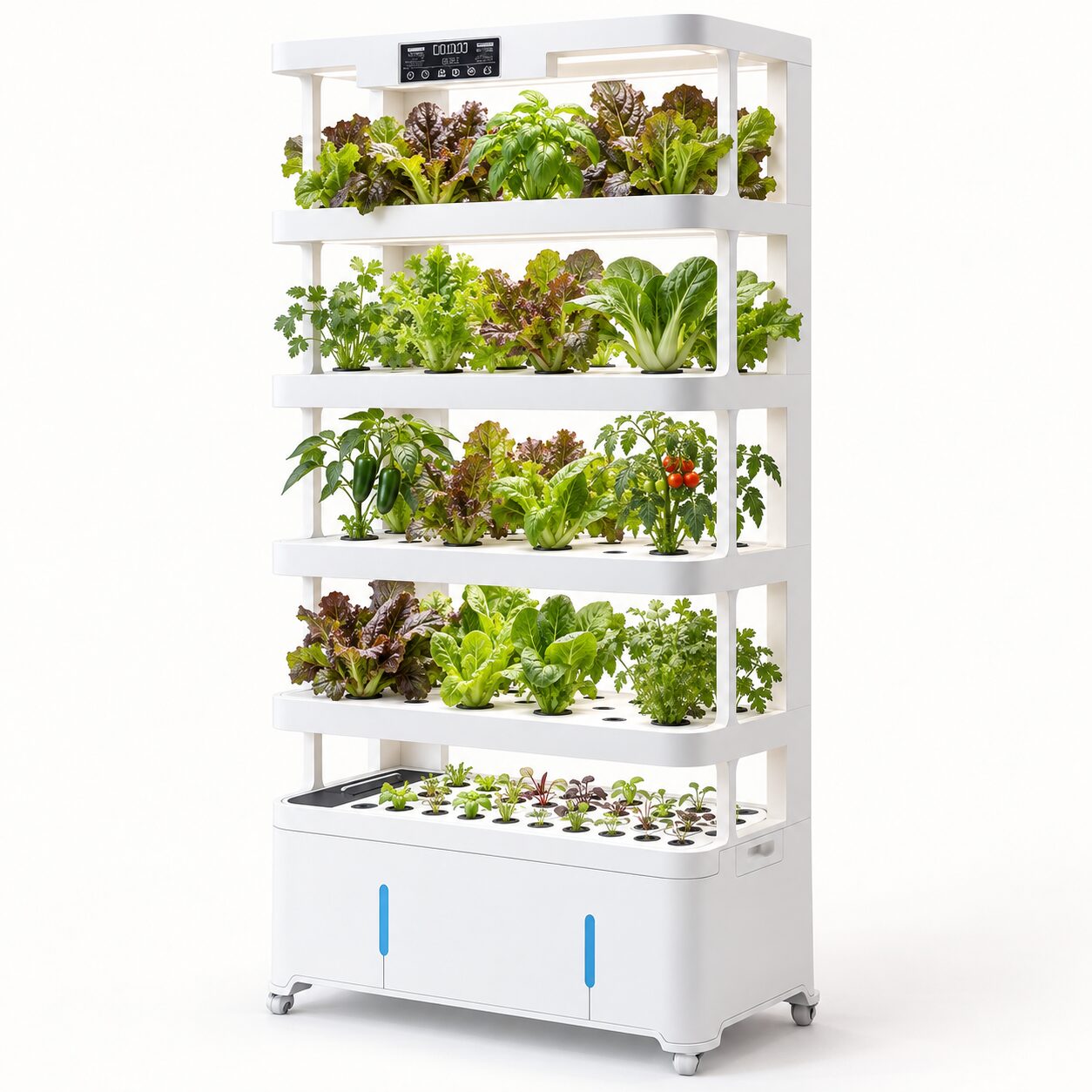
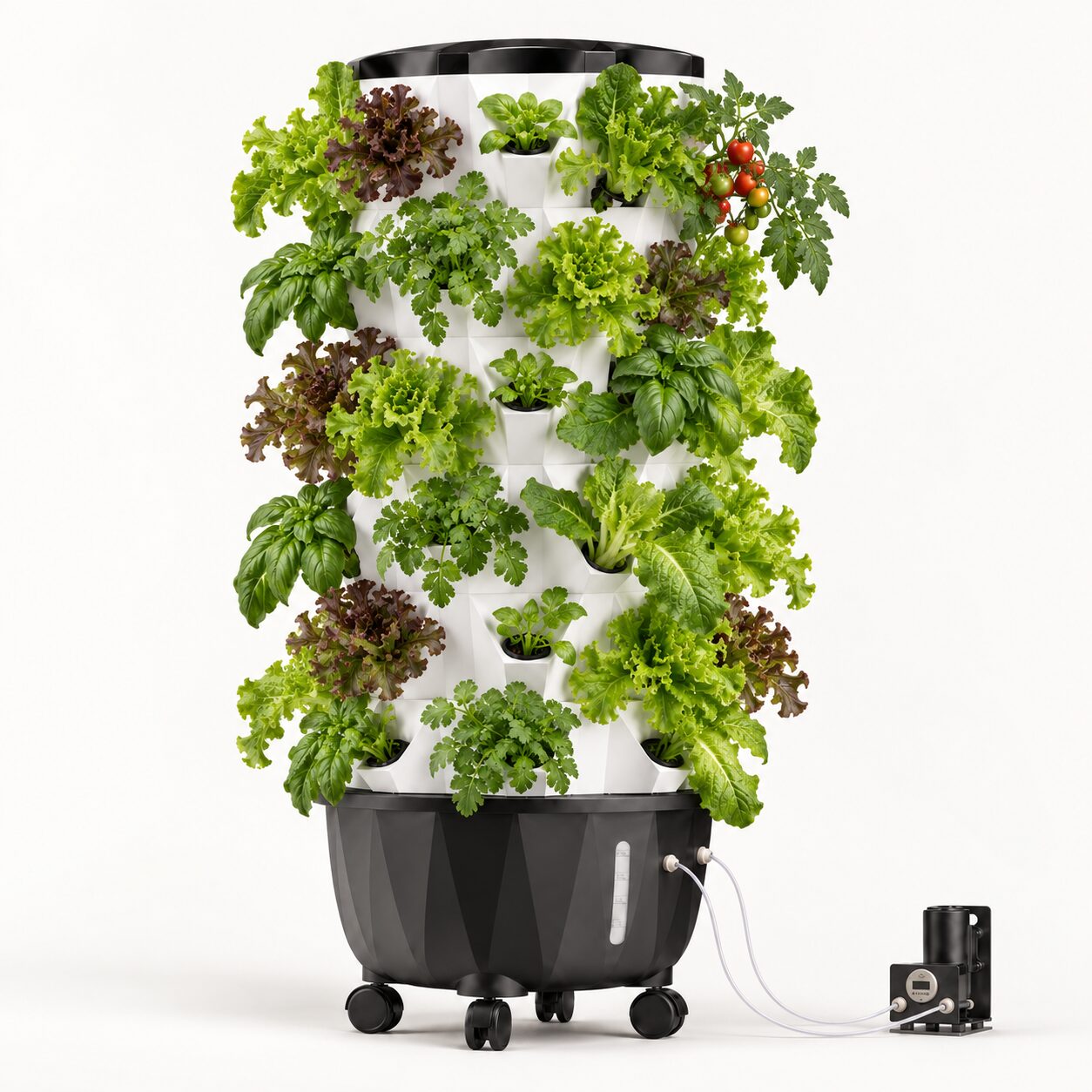
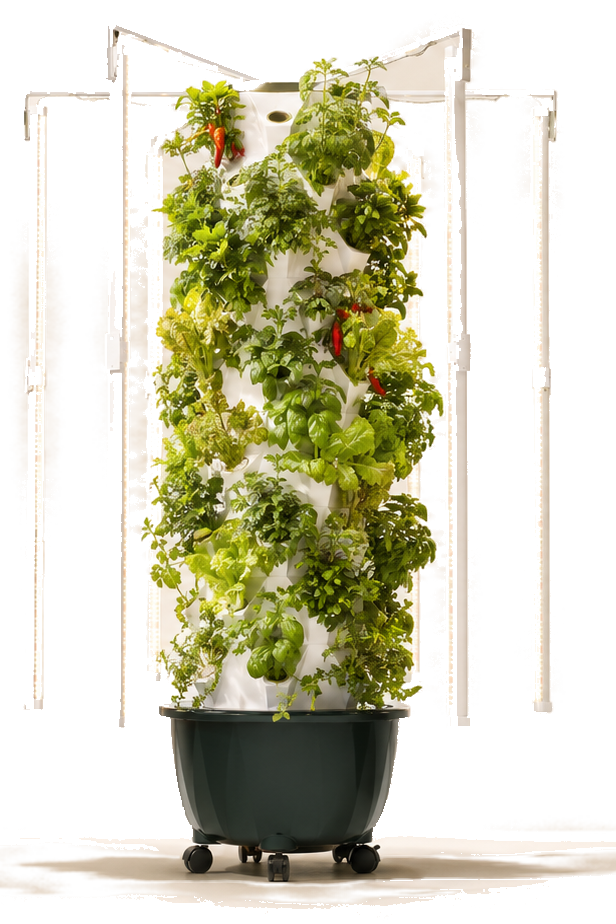
A tower garden uses a reservoir at the base, a pump, vertical growing ports, and a central delivery column. The pump moves water and dissolved nutrients upward, then distributes them around the roots of the plants. This keeps the root zone moist without fully submerging it, reducing many soil-related issues and helping herbs grow quickly in a compact space, much like other hydroponic towers that use water and nutrients instead of soil.
Indoor herb gardens can be set up using hydroponic systems or soil-based containers, with each method requiring specific care and maintenance. In soil-based containers, use pots with drainage holes to prevent root rot, and place a saucer underneath each to catch runoff. Select a well-draining indoor potting mix instead of outdoor soil for growing herbs indoors. In a tower system, however, you do not fill a planter or own pot with soil; you add nutrients to water and let the system deliver that solution to the roots, which highlights many of the key differences in hydroponics vs soil gardening.
Tower Garden Models and Herb Capacity
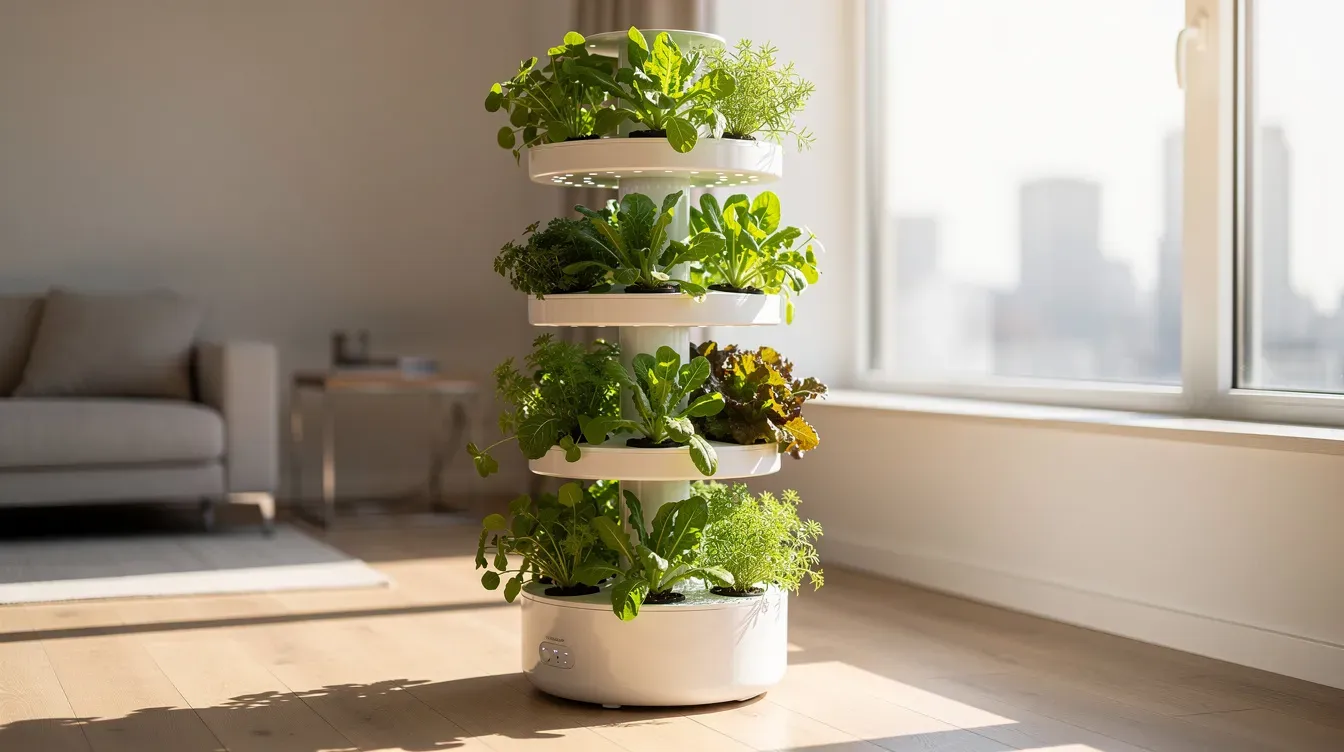
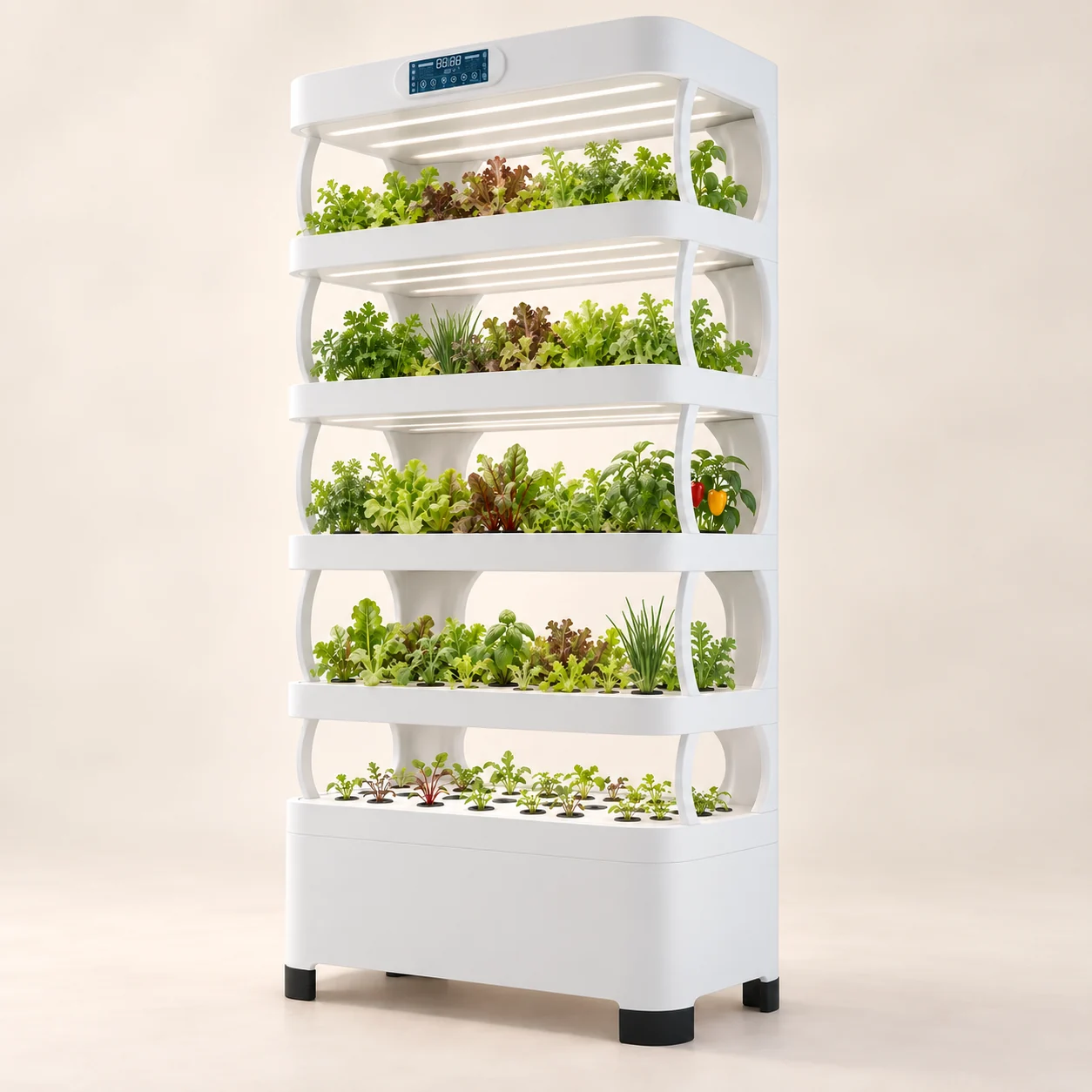
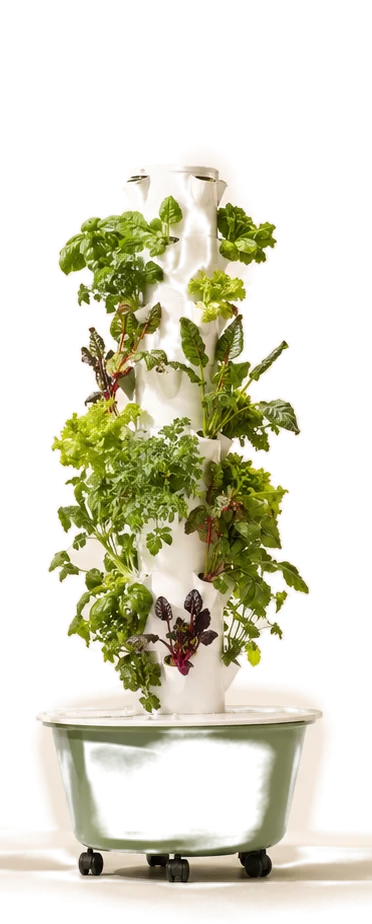
Tower Garden HOME is a compact option for an indoor herb garden, especially when you want fresh herbs indoors but do not have much space. A HOME setup is commonly planned around about 20 mature herb plants, depending on how closely you space basil, mint, chives, parsley, thyme, oregano, and other indoor plants.
Tower Garden FLEX is designed for larger herb production and is better suited to growers who want a taller system, more planting ports, or future expansion. A FLEX herb tower can support about 28 plants in a common herb-focused setup, making it useful for families, frequent cooking, or a small urban garden that also includes lettuce, flowers, or vegetables.
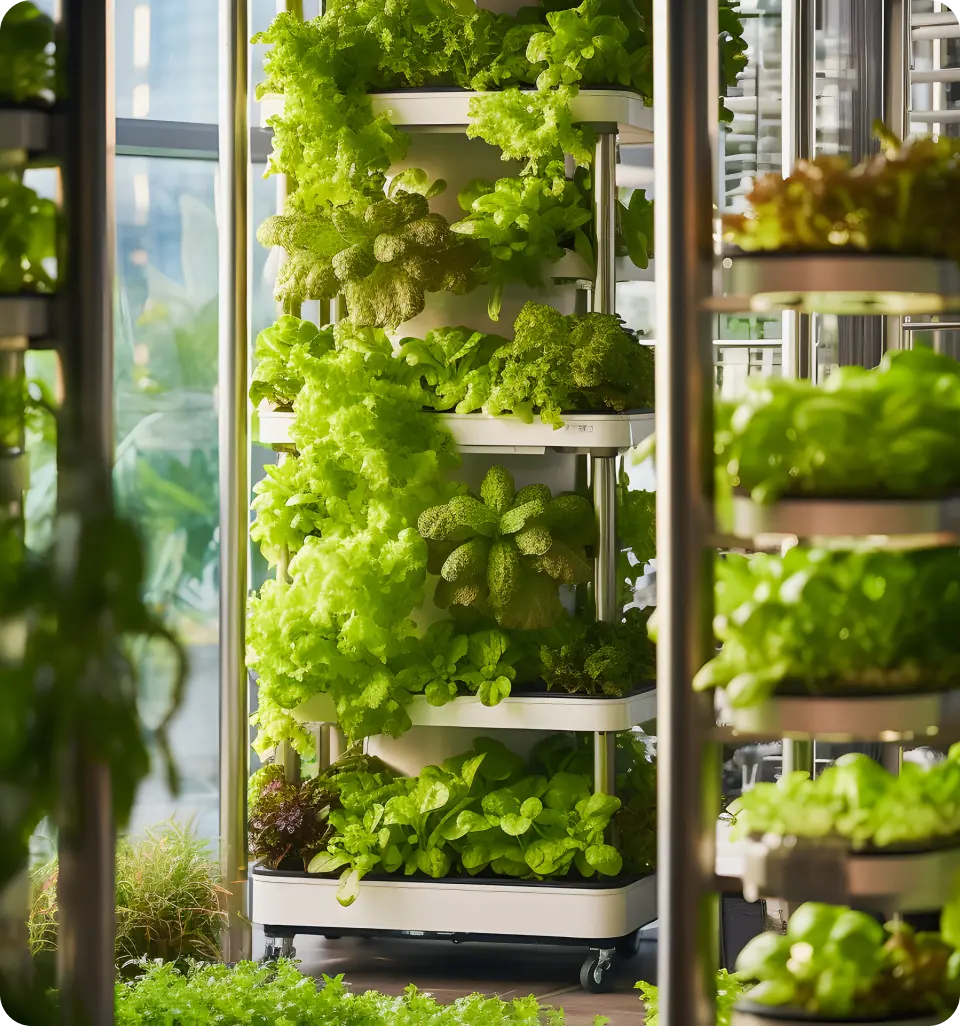
Commercial tower systems use the same basic idea at a larger scale: vertical aeroponics farming systems with careful light, water, and nutrient control. Tower gardens utilize vertical aeroponic or hydroponic systems to maximize space, allowing dozens of herbs to be grown in just a few square feet. That space efficiency is the main reason a tower works so well for herbs with shallow roots, compact growth, and frequent harvest cycles.
Aeroponic Technology Benefits for Herbs
Aeroponic systems are especially effective for growing herbs because most herbs respond well to oxygen-rich roots and consistent nutrition. Aeroponic towers for home growing utilize up to 95% less water than conventional soil farming and require fewer nutrients, which makes them useful for indoor growing, urban farming, and areas where water conservation matters.
Herbs grown aeroponically often feature more vibrant flavors and higher antioxidant levels than soil-grown counterparts. In many cases, the steady nutrient access and controlled environment also support higher essential oil concentration, especially in leafy herbs harvested before flowering.
Tower gardens allow for year-round production of fresh herbs, independent of the outdoor climate. With an indoor hydroponics tower garden and a grow light or grow lamps, you can supplement natural light and maintain enough light even in winter months when sunlight is limited. Herbs typically require about 6 hours of sunlight a day, and a south-facing window is ideal for indoor herb gardens; most indoor herbs require about 6 hours of sunlight a day to thrive, making south-facing windows ideal for their placement.
These technology benefits make herb selection the next important decision, because the best results come from matching each plant’s roots, growth habit, harvest style, and light needs to the tower.
Best Herbs for Tower Garden Growing
Because aeroponic towers provide constant oxygen, water, and nutrients, the best tower garden herbs are productive, compact, and able to regrow after cutting. Almost all common culinary herbs can grow inside a tower, but some are much easier than others for beginners, especially in aeroponic towers designed for home use.
Basil, Parsley, Mint, Thyme, Oregano, Cilantro, and Dill are recommended herbs for tower gardens. The best herbs to grow indoors include basil, rosemary, thyme, oregano, mint, parsley, chives, tarragon, dill, and sage. Herbs that thrive indoors typically have shallow roots, making them suitable for pots that are only six inches deep, and those same shallow roots often adapt well to vertical tower systems.
Fast-Growing Culinary Herbs
Basil is one of the best choices for a herb tower because it grows fast, branches well, and produces frequent harvests for cooking. Sweet Genovese basil is the standard choice for pesto and everyday food, Purple basil adds color, and Thai basil handles warmer conditions well. In a tower, basil can produce baby harvests around the 3-week stage when plants are vigorous, with fuller harvests often following as the plant develops more leaf sets.
Cilantro and parsley also work well, but they behave differently. Cilantro prefers cooler conditions and can bolt quickly if the tower is too warm or under stress. Parsley grows more slowly than cilantro, but it is steady, productive, and useful for continuous fresh harvests indoors.
Chives and green onions are practical for an indoor garden because they regrow after cutting and do not need much space. Chives are especially useful if you want own herbs that are always within reach for eggs, soups, salads, and sauces. Dill can also grow in towers, but it may become tall, so place it where it has space and sufficient light.
Perennial Herbs for Long-Term Production
Oregano, thyme, and sage are slower than basil, but they are valuable long-term herbs for a tower garden. Woody herbs such as sage, thyme, and oregano tend to do well in indoor containers, as they can tolerate varying light conditions. In tower systems, they still need enough light, careful pruning, and attention to root growth so woody stems do not dominate the plant.
Mint grows vigorously in aeroponic systems and can be super easy at first, but it needs containment. Mint roots can become dense and may interfere with water flow, so many growers trim roots regularly, avoid placing mint where it can overwhelm nearby plants, and replace old mint plants before they clog the tower.
Rosemary can grow in a tower, but it is slower and more woody than most herbs. It often needs strong light, good airflow, and patience. If you are new to growing plants in a tower, start with basil, parsley, chives, mint, and oregano before relying on rosemary as a main harvest crop, and consider beginning with a modular aeroponics tower gardening system that simplifies setup and maintenance.
Specialty and Medicinal Herbs
Lavender can be grown in a tower, but it is more demanding than many culinary herbs. It prefers strong light, good airflow, and moderate moisture rather than constantly wet conditions. If you grow lavender indoors, a grow light may be necessary unless the plant sits near a bright south facing window with full sun exposure.
Lemon balm and chamomile are also good specialty options. Lemon balm behaves somewhat like mint and benefits from regular pruning, while chamomile is grown partly for flowers rather than leaves. That means your harvest timing differs from leafy herbs like basil or parsley.
For herb selection, prioritize shallow roots, compact growth, cut-and-come-again harvest habits, tolerance for indoor herbs conditions, and flavor that improves with young leaf production. If your goal is a reliable own indoor herb garden, begin with herbs that grow quickly, then add specialty plants once you know how your tower handles light, water, and nutrients.
Setting Up Your Tower Garden for Herbs
After choosing herbs, the setup process determines whether the plants grow evenly or struggle. A tower system is different from containers because there is no bottom watering, no potting soil, no compost, and no need to fill pots; instead, you maintain a reservoir, pump, light schedule, and nutrient solution, similar to other vertical hydroponic garden towers with LED systems and hydroponic towers used for efficient home growing.
For readers comparing methods, soil-based indoor herbs still need specific care. Water herbs when the top inch of soil is dry, and rotate pots weekly for even growth. Regular maintenance of indoor herb gardens includes watering when the top inch of soil is dry, rotating pots for even growth, and occasionally cleaning the water reservoir to prevent algae buildup. In a tower, that same maintenance mindset applies, but the focus shifts to reservoir cleanliness, pH, nutrient levels, roots, and pump function.
Step-by-Step Herb Planting Process
Start your herb tower when you can provide stable temperatures, sufficient light, and a clean reservoir. Indoors, this can be any season if you use a grow light; outdoors, start when the risk of frost or extreme heat is low.
Assemble tower structure and water reservoir. Set up the tower, pump, tubing, growing ports, and reservoir according to the manufacturer’s instructions. Make sure the tower is stable, the pump works, and the water can circulate before adding plants.
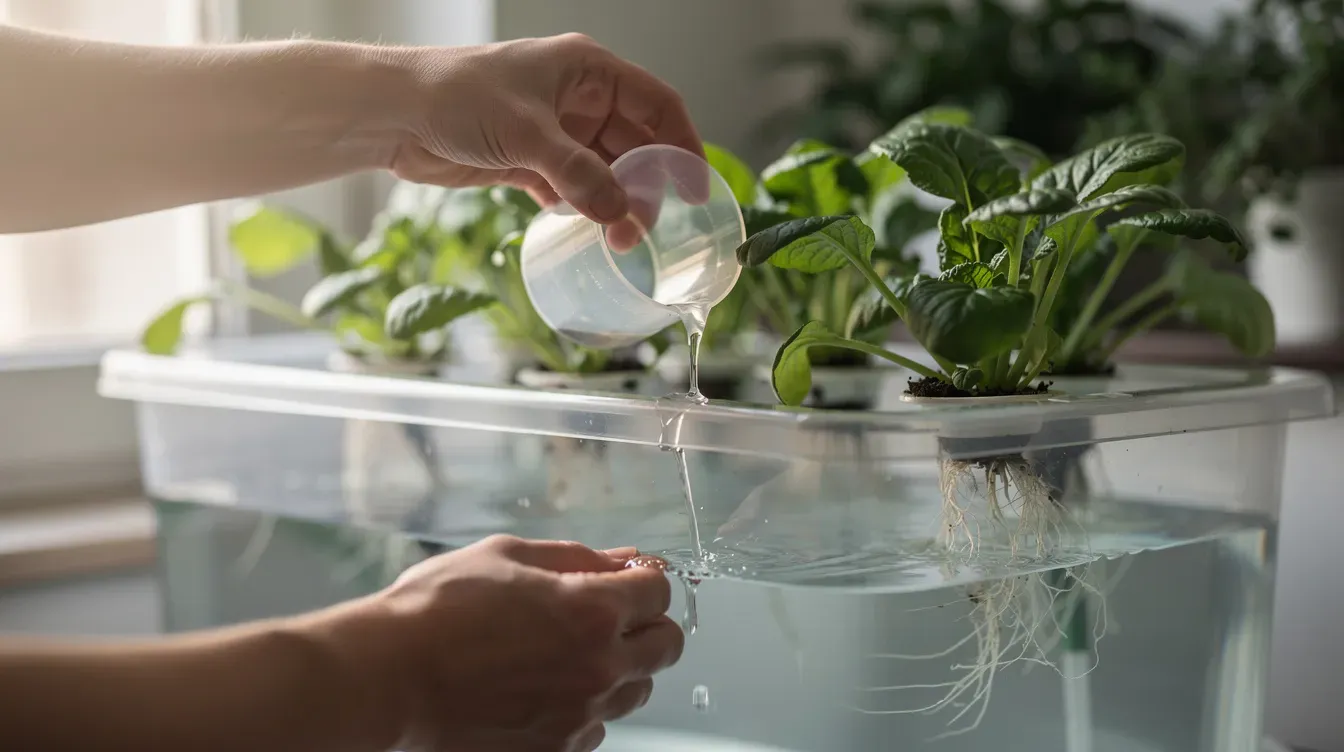
Prepare nutrient solution for herbs. Fill the reservoir with water and add nutrients at the correct strength for young herbs. Check the pH and avoid overfeeding, because tender herbs can show burnt tips or flavor changes if nutrient levels are too strong.
Start herb seeds in rockwool cubes. Place seed varieties such as basil, parsley, cilantro, dill, thyme, and oregano into rockwool or a compatible starter medium. Keep the cubes moist but not waterlogged, and provide warmth and light for germination.
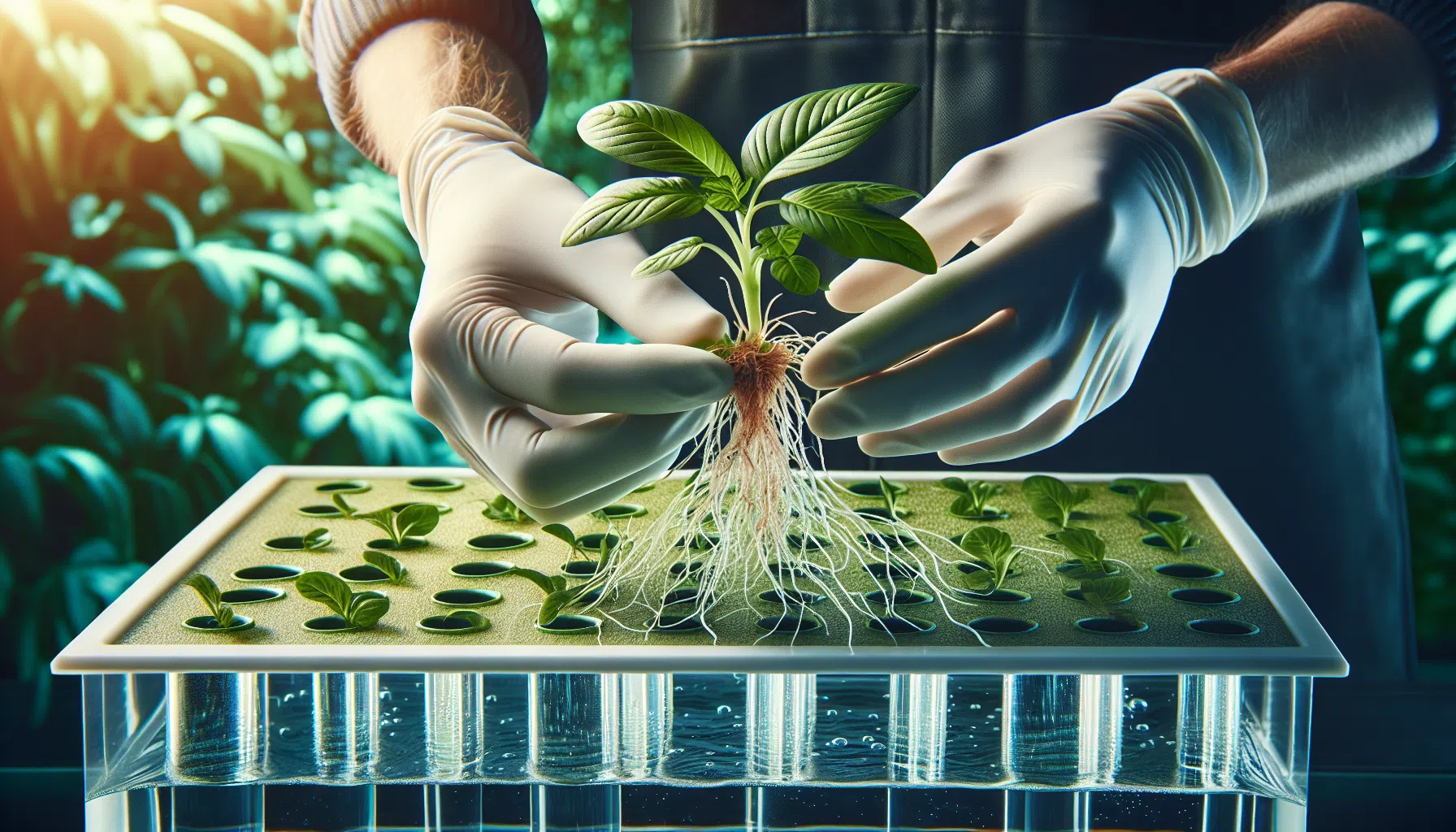
Transplant seedlings into tower ports. Move seedlings into the tower when roots are visible and the plants have true leaves. Position fast-growing herbs like basil and mint where they can be pruned easily, and give tall herbs like dill enough vertical space.
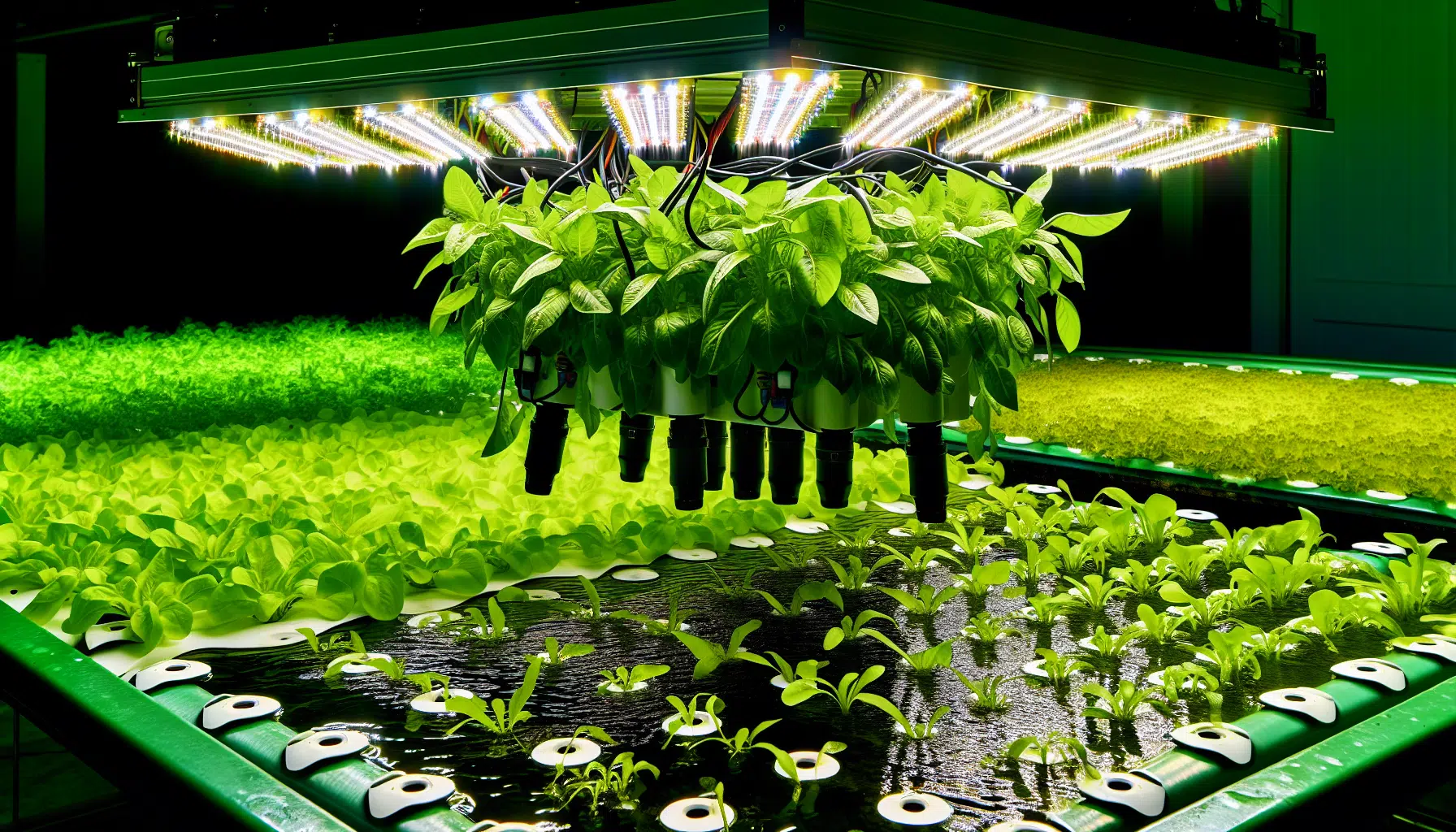
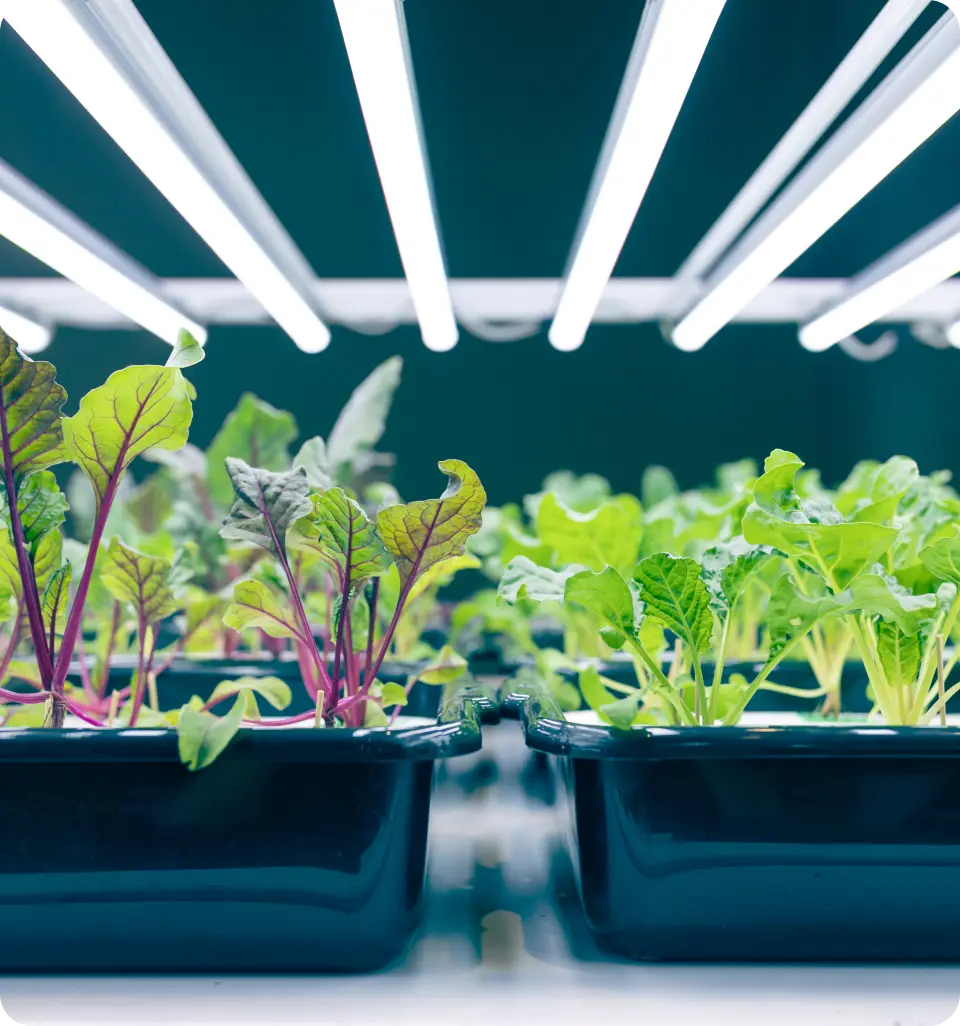
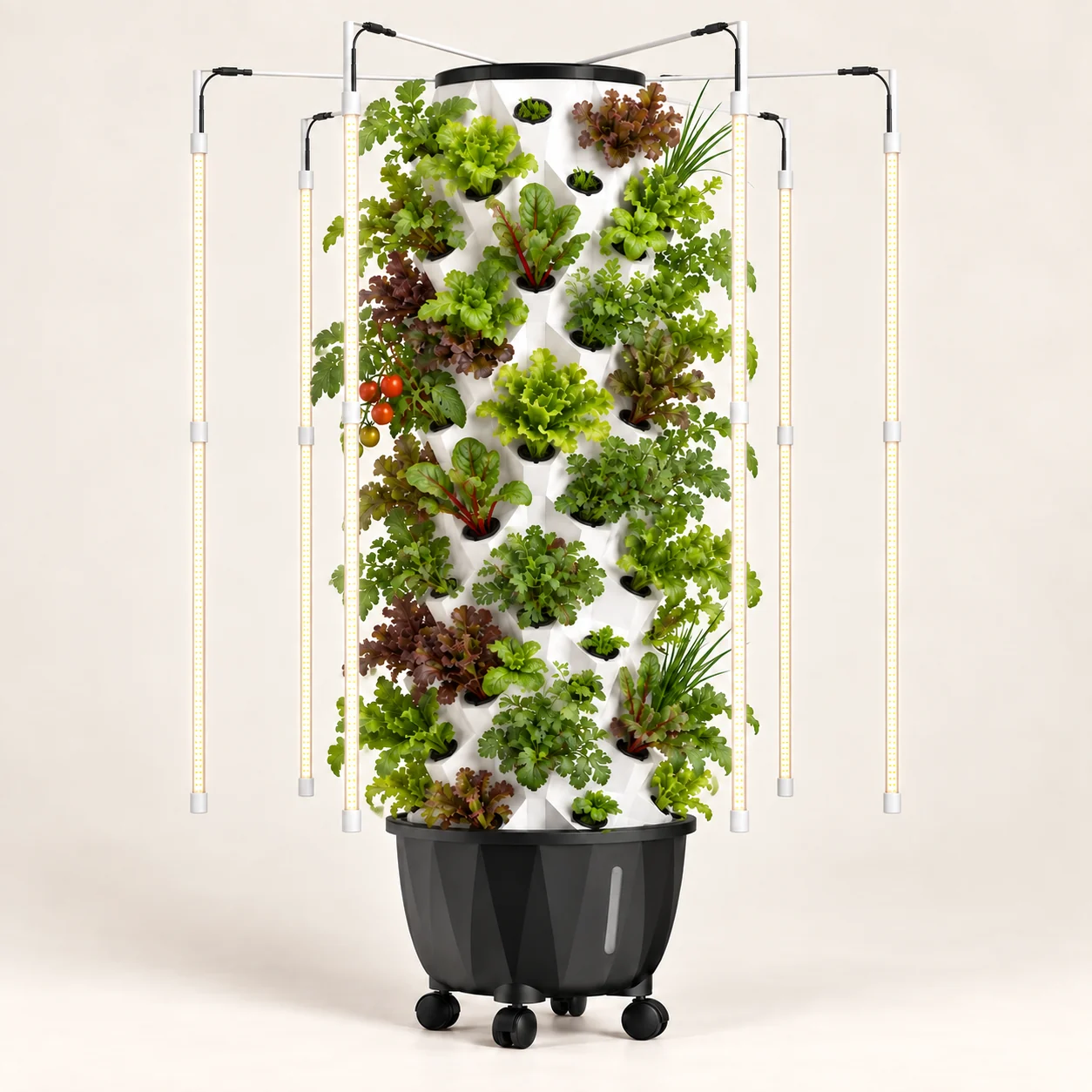
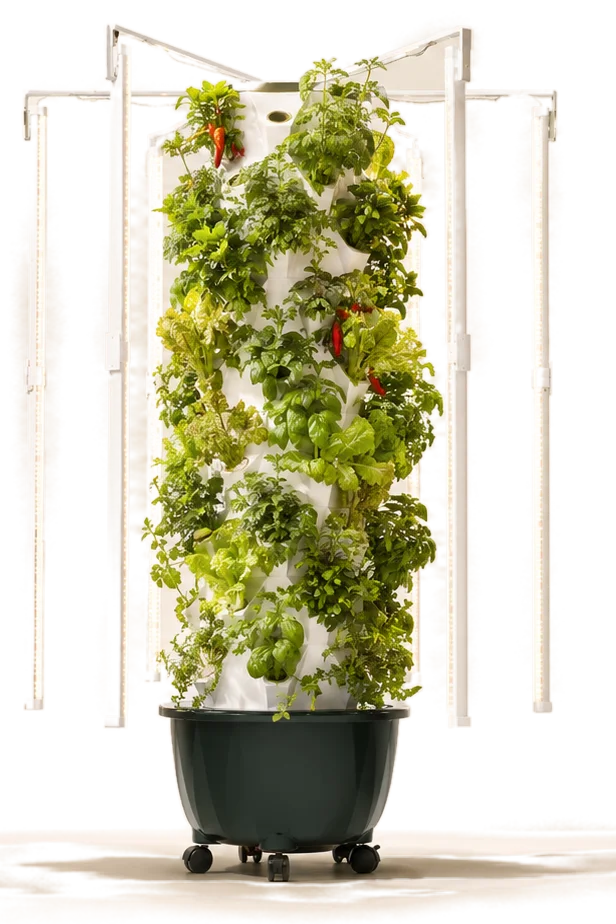
Set up LED grow lights for indoor herb production. Using a grow light can supplement natural light, especially during winter months when sunlight is limited. Indoor hydroponic systems with LED lights make it easier to dial in spectrum and intensity, and aeroponic tower gardening systems with integrated LEDs ensure plants at every level receive enough light. Grow lamps are especially helpful if the tower is not near a south facing window or if natural light does not provide about 6 hours of sunlight.
Indoor vs Outdoor Tower Garden Herb Growing
Criterion | Indoor Tower Garden | Outdoor Tower Garden |
|---|---|---|
Light | Controlled with grow light, grow lamps, or natural light from a bright window | Depends on sunlight, full sun exposure, shade, and season |
Climate | Better for year-round indoor growing and stable indoor plants | Strong seasonal growth but more exposure to heat, wind, rain, and cold |
Best herbs | Basil, parsley, mint, chives, thyme, oregano, sage, dill | Basil, oregano, thyme, rosemary, sage, mint, parsley, cilantro |
Maintenance | Requires light timing, reservoir checks, and algae prevention | Requires weather monitoring, pest checks, and water temperature control |
Yield expectation | Consistent fresh herbs indoors when enough light is provided | Strong harvests in good weather, but growth may slow in stress conditions |
Choose indoors if you want fresh herbs year-round, predictable harvest timing, and a compact indoor herb garden in a small space. Choose outdoors if you have reliable sun, mild weather, and space for a taller tower. Either way, to maintain healthy herbs in tower gardens, regular pruning, careful light management, and routine water or nutrient checks are essential. |
Once the tower is running, the main work becomes troubleshooting: watching plant color, root health, water flow, pests, and harvest timing.
Common Tower Garden Herb Growing Challenges and Solutions
Tower garden herbs are efficient, but they are not maintenance-free. The most common problems are nutrient imbalance, root clogging, weak light, algae, and pests that attack leaves rather than soil.
The advantage is that problems usually show up quickly. Pale leaves, brown tips, drooping plants, weak flavor, and slow growth are signals that water, light, nutrients, roots, or airflow need attention.
Nutrient Deficiency in Herbs
Nutrient deficiency in herbs often appears as yellow leaves, pale growth, weak stems, or reduced aroma. Because tower systems do not use soil, the plant depends on the reservoir for every mineral it receives, so you should add nutrients carefully and check water quality regularly.
If herbs look weak, first confirm the reservoir has enough water, the pump is running, and the nutrient solution is not too diluted. Then check pH and nutrient strength. Too few nutrients can slow growth, while too many can burn leaf tips and reduce fresh flavor.
Light can look like a nutrient problem. If indoor herbs stretch, lean, or produce thin leaves, they may not have enough light. Move the tower closer to a bright window, use a grow light, or increase the light duration so the herbs can photosynthesize properly.
Root Clogging and Water Flow Issues
Root clogging is common with vigorous herbs, especially mint. Dense roots can block flow, reduce oxygen delivery, and create stagnant zones that increase the risk of poor growth or root rot-like symptoms, even though the system is not using soil.
Inspect roots regularly and trim excessive growth before it reaches pumps, filters, or tubing. Keep mint, lemon balm, and other aggressive herbs under control with pruning and periodic replacement. Clean pump filters and tower sections so water reaches every plant.
Reservoir hygiene matters. Algae can build up when light enters the reservoir, so keep the reservoir covered and clean it periodically. Indoor towers and countertop systems, including an aerogarden harvest-style unit, benefit from the same basic habit: clean water pathways prevent weak growth.
Pest Management in Aeroponic Herb Gardens
Aeroponic systems avoid many soil pests, but aphids, whiteflies, fungus gnats, spider mites, and powdery mildew can still affect leaves. Since these herbs are edible, use gentle methods first: rinse leaves, prune crowded growth, improve airflow, and isolate heavily affected plants.
Organic controls such as insecticidal soap or neem products can help, but always use products labeled for edible herbs and follow harvest interval directions. Avoid spraying right before you harvest herbs for cooking.
Pest prevention is easier when the tower has enough light, good spacing, and steady airflow. Check the undersides of leaves in the early morning, remove damaged growth, and maintain a clean indoor garden area so pests do not spread from other indoor plants.
Harvesting and Maintaining Your Tower Garden Herbs
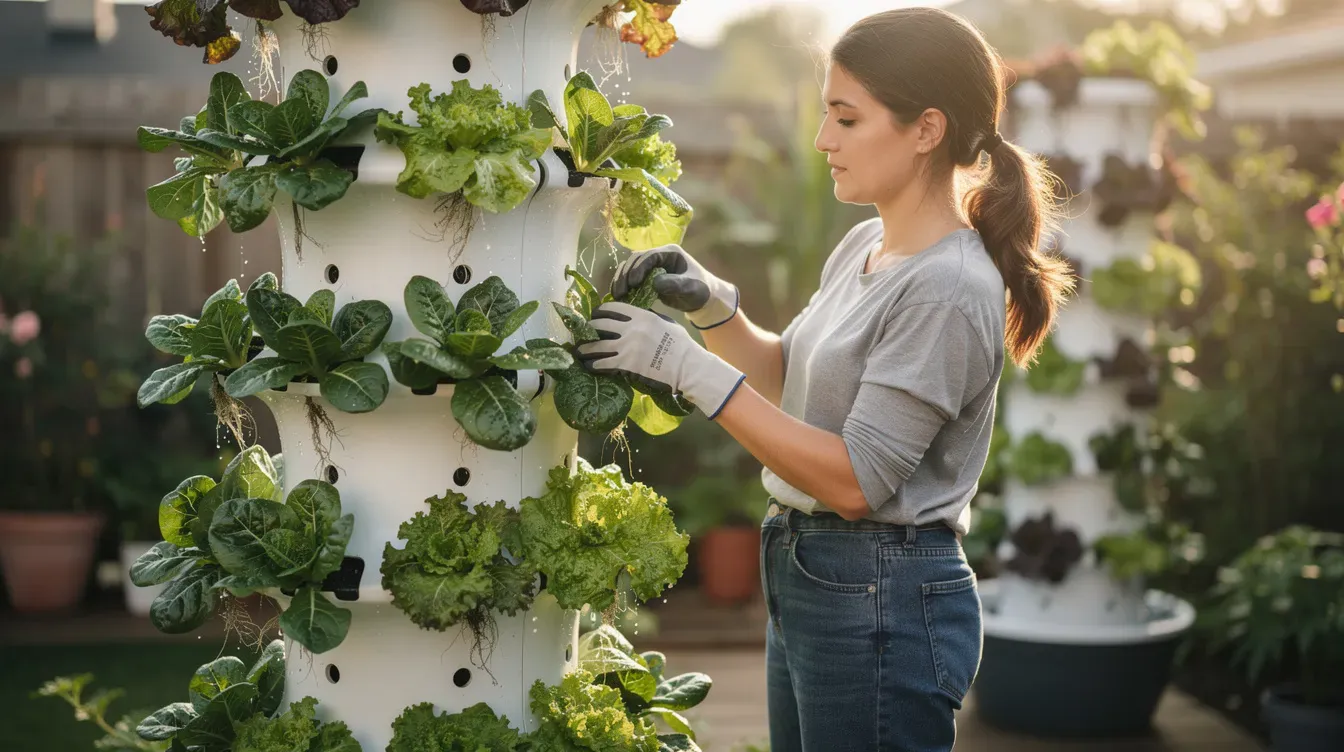
Harvesting tower garden herbs is about encouraging regrowth, not stripping the plant. For basil, cut just above a leaf node so the plant branches instead of growing tall and flowering early. For parsley and cilantro, harvest outer stems while leaving the center growing point intact. For chives, cut leaves near the base and let them regrow. For thyme, oregano, sage, and rosemary, harvest young tips before stems become too woody.
Indoor herb gardens provide year-round access to fresh herbs, allowing you to harvest only what you need without waste. Growing herbs indoors can enhance your cooking by providing fresh flavors that are always within reach, making meal preparation more convenient. Tending to an indoor herb garden can be a peaceful daily ritual that brings the joy of nature into your home, contributing to mental well-being.
To maintain a productive tower, prune regularly, monitor the reservoir, clean the pump, manage roots, and adjust light as plants mature. If herbs grow tall and weak, increase light or move the tower closer to sun. If leaves are bitter or flowering starts, harvest more often and reduce heat stress where possible.
If you are just starting, follow these next steps:
Choose easy herbs first: basil, parsley, mint, chives, oregano, and thyme.
Buy quality seed from a garden center or trusted shop.
Set up the tower where it receives enough light, or install grow lamps.
Start seedlings in a clean starter medium and transplant when roots are visible.
Set a weekly reminder, calendar alert, or e mail note to check water, nutrients, roots, and pruning.
Once you are comfortable with herbs, related topics worth exploring include expanding into vegetables and lettuce, drying or freezing herbs for preservation, and creating seasonal growing strategies for indoors and outdoors.
Additional Resources
Use these reference points when planning your herb garden or maintaining an established herb tower:
Nutrient calculation charts for herbs: Keep a simple log of reservoir volume, nutrient dose, pH, and plant response. Leafy herbs usually prefer moderate feeding, while larger or woody herbs may need small adjustments as they mature.
Seasonal herb planting schedules: For year-round harvest, stagger basil, cilantro, parsley, dill, and chives so new plants are always replacing older ones. Cilantro and dill are especially useful to reseed regularly because they can bolt or decline faster than perennial herbs.
Recommended LED light specifications: Use full-spectrum lighting for indoor growing, especially when natural light is weak. A grow light should provide enough light across the full tower, not just the top plants, and should be adjusted as herbs grow.
Container comparison note: If you also keep soil herbs, remember that pots need drainage holes, an indoor potting mix, watering when the top inch of soil is dry, weekly rotation, and about 6 hours of sunlight. Tower herbs need reservoir checks, nutrient management, pruning, and water-flow maintenance instead.
Beginner herb list: Basil, parsley, mint, chives, thyme, oregano, cilantro, dill, sage, rosemary, and tarragon are strong candidates for an indoor herb garden, with basil and parsley being especially beginner-friendly for fresh harvests.