The best hydroponic system for you depends on three factors: available space, budget, and your experience level. A compact countertop smart garden works brilliantly for apartment kitchens, while floor-standing towers suit dedicated growers who want serious yields. DIY setups offer maximum flexibility for experienced gardeners willing to get their hands dirty.
Hydroponic growing systems range from compact, beginner-friendly units to expansive, AI-powered vertical towers, and understanding the benefits of hydroponic systems and how they work helps you choose the right style for your needs. Here are the standout options for 2026:
Best overall hydroponic indoor garden 2026: Lettuce Grow Farmstand Nook. This high-yield vertical system supports 20+ plants, works indoors or on a balcony, and delivers impressive harvests of leafy greens, herbs, and compact fruiting plants.
Best smart countertop hydroponic system 2026: Click & Grow Smart Garden 9 Pro. A true set-and-forget system for fresh herbs and salad greens. Its app-controlled LED grow lights and pre-seeded pods make growing plants effortless.
Best value hydroponic kit for beginners in 2026: iDOO-style 8–12 pod systems. Priced under $150, these affordable kits include integrated grow lights and timers-perfect for first-time growers with limited space.
Experienced gardeners who want to scale up may prefer expandable systems like the Rise Garden 3 or vertical towers similar to Gardyn. These handle taller plants like tomatoes and peppers but require more floor space, higher electricity use, and regular maintenance.

What is a hydroponic system and why use one instead of soil?
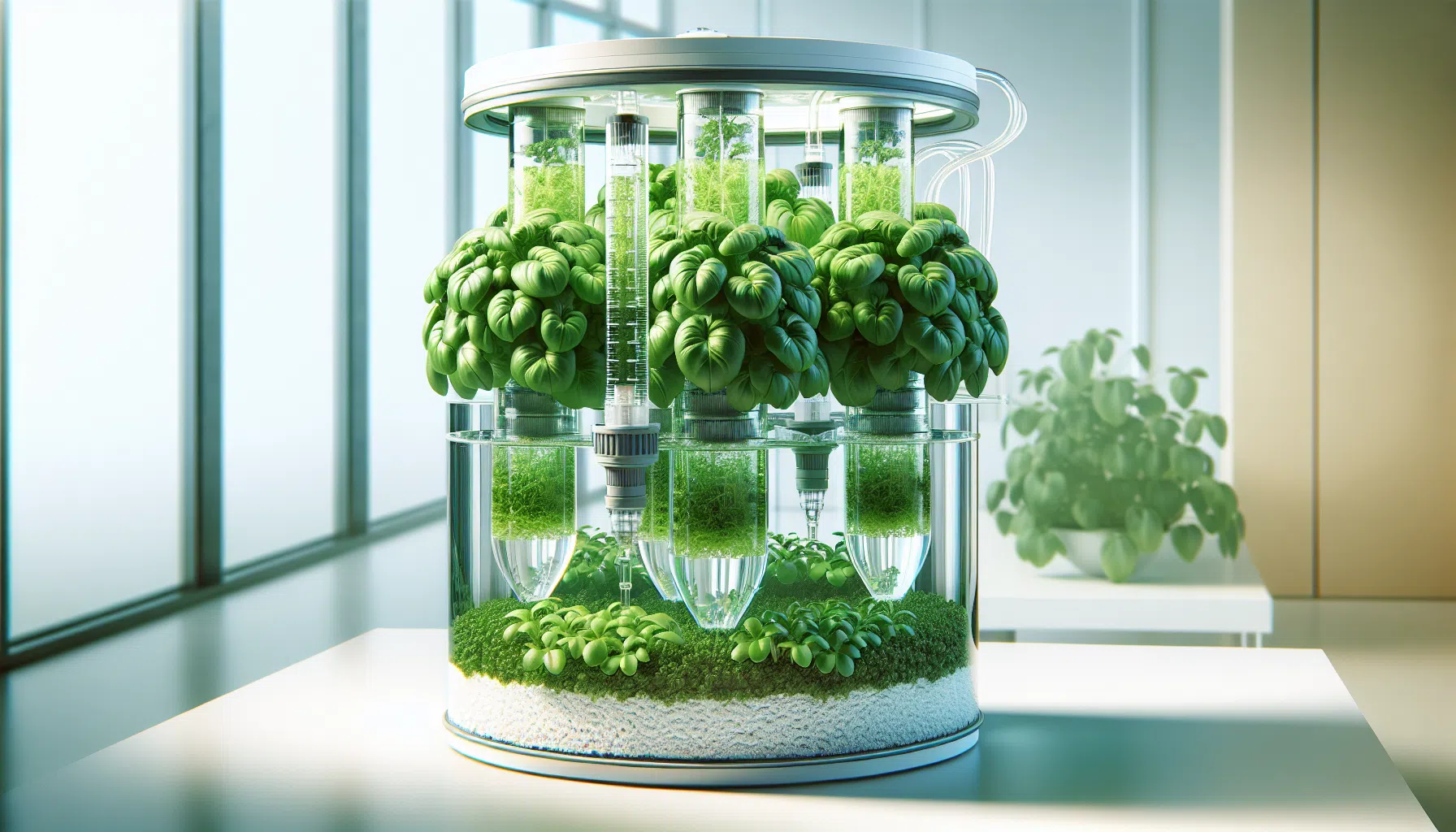
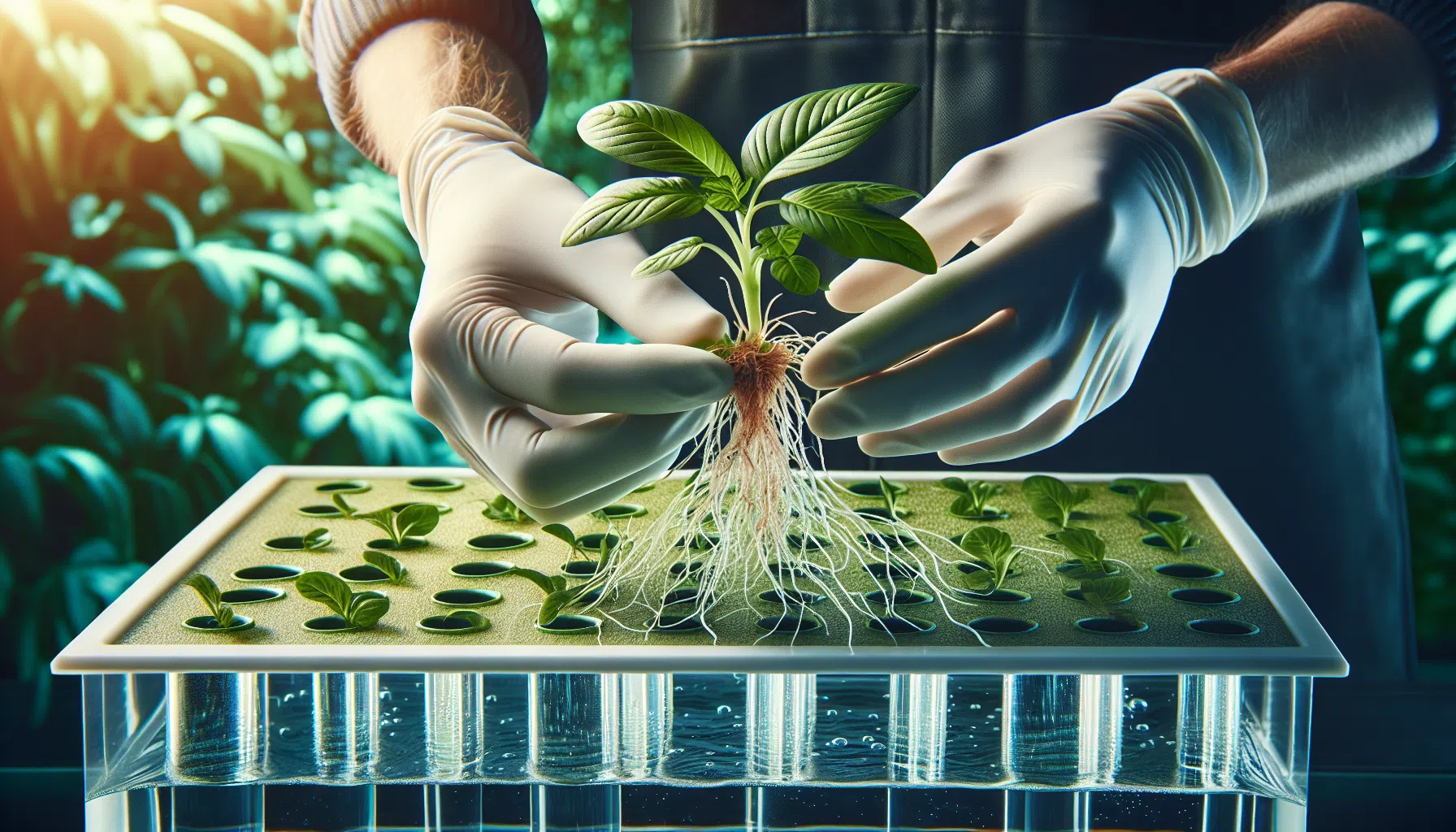
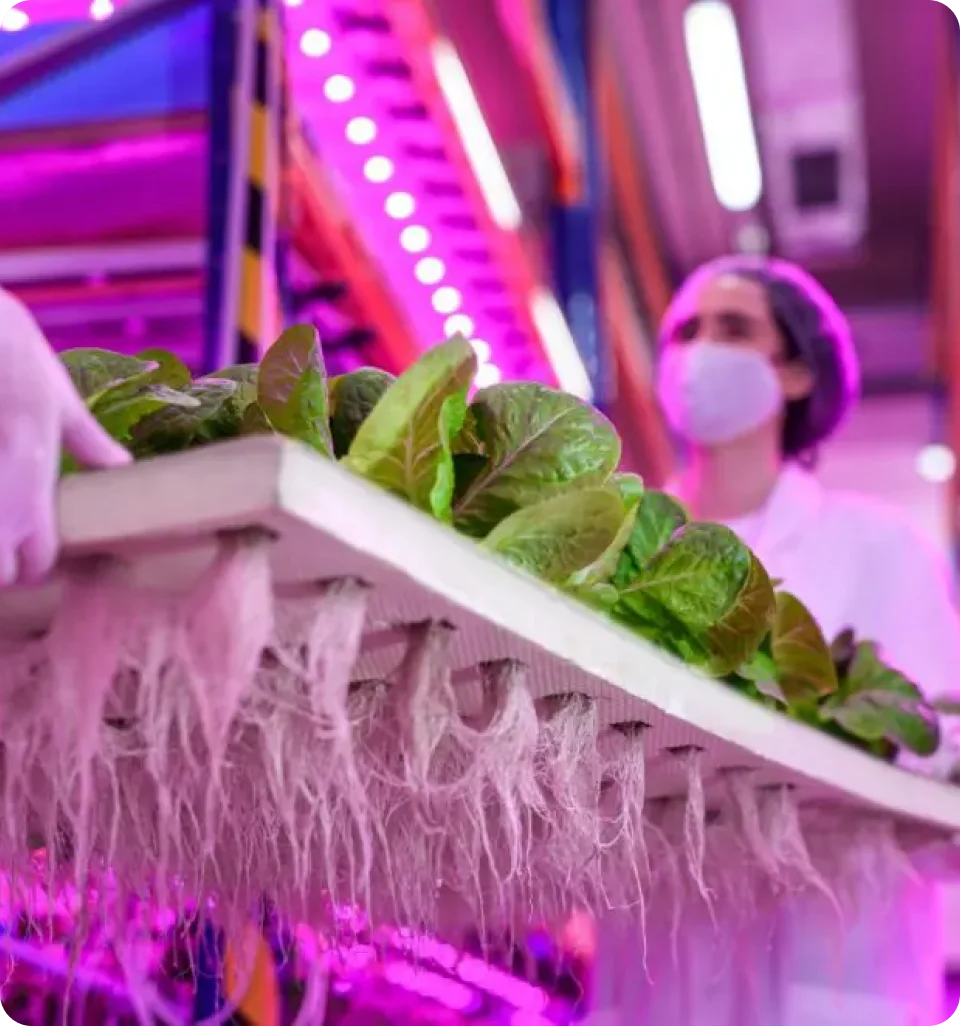
A hydroponic system grows plants in water and nutrients instead of soil. Roots either sit directly in nutrient-rich solution or use inert substrates like rockwool, coco coir, or biodegradable foam to anchor the plant while water delivers everything it needs. Unlike traditional pots filled with potting mix, a hydroponic garden actively circulates oxygenated nutrient solution to the roots-usually via pumps, reservoirs, and timers.
This differs from simple self-watering planters, which rely on wicks or reservoirs but still use soil as the growing medium. True hydroponic systems eliminate soil entirely. Automated hydroponic systems eliminate the need for soil, reducing mess and soil-borne pests that plague traditional container gardens.
Why choose hydroponics over a windowsill herb pot? Plants in automated hydroponic systems typically grow 30% to 50% faster than those in traditional soil gardens. Countertop hydroponic systems can automate light cycles and maintenance, promoting faster plant growth compared to traditional soil gardens. Beyond speed, you get higher yields per square foot, use up to 90-95% less water than soil gardening, and can grow fresh ingredients year-round regardless of outdoor weather.
The rise of indoor gardening systems and smart gardens has made hydroponics accessible to anyone-not just greenhouse operators. Modern smart indoor garden units handle lighting schedules, water circulation, and even send smartphone reminders when it’s time to add nutrients. You don’t need a green thumb to succeed.
Types of hydroponic systems for indoor gardening
The best system for you depends heavily on which hydroponic method matches your goals, space, and willingness to tinker. Here are the major types used in home indoor gardens:
Deep Water Culture (DWC) suspends plant roots directly in aerated, nutrient-rich water. An air pump and air stone keep oxygen flowing to prevent root rot. DWC systems are popular for DIY bucket setups and many compact hydroponic kits because they’re simple to build and maintain. They work well for leafy greens, herbs, and some fruiting plants.
Nutrient Film Technique (NFT) uses a thin, continuous stream of nutrient solution flowing over plant roots inside sloped channels. The Nutrient Film Technique (NFT) uses a continuous stream of nutrient-rich water flowing over plant roots, enhancing water efficiency and growth speed. NFT suits leafy greens and herbs well but requires precise slope angles and is more common in commercial setups than countertop units.
Ebb and Flow (flood and drain) systems periodically flood a grow tray with nutrient solution, then drain it back to a reservoir. This cycle provides excellent root aeration between floods. You’ll find ebb and flow setups in grow tents and multi-tier gardens more often than on kitchen counters-they involve more plumbing and carry higher leak risk.
Wick and passive systems are the simplest form of hydroponics. They use capillary action to pull nutrients from a reservoir up through wicks to plant roots. No pumps, no electricity for circulation. The tradeoff? Lower yields, slower growth, and less nutrient control. These work for small herb gardens but aren’t the best system for serious harvests.
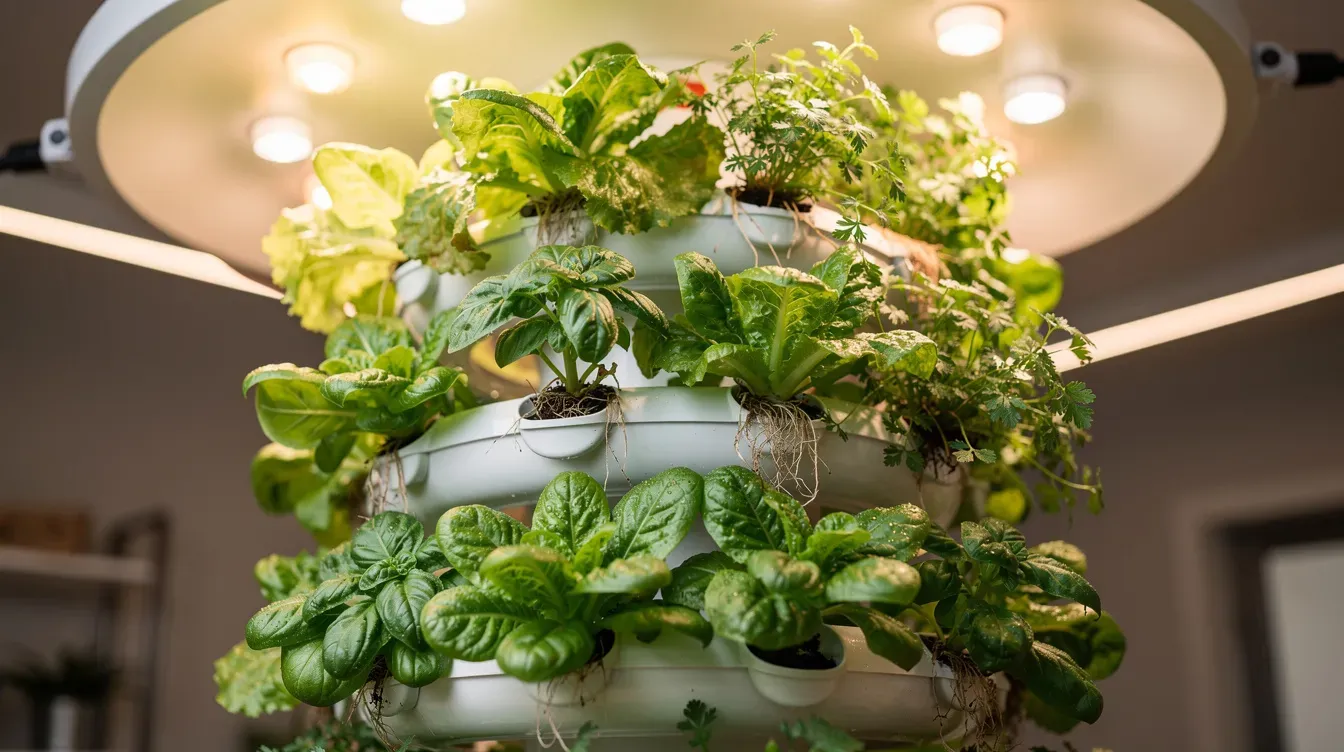
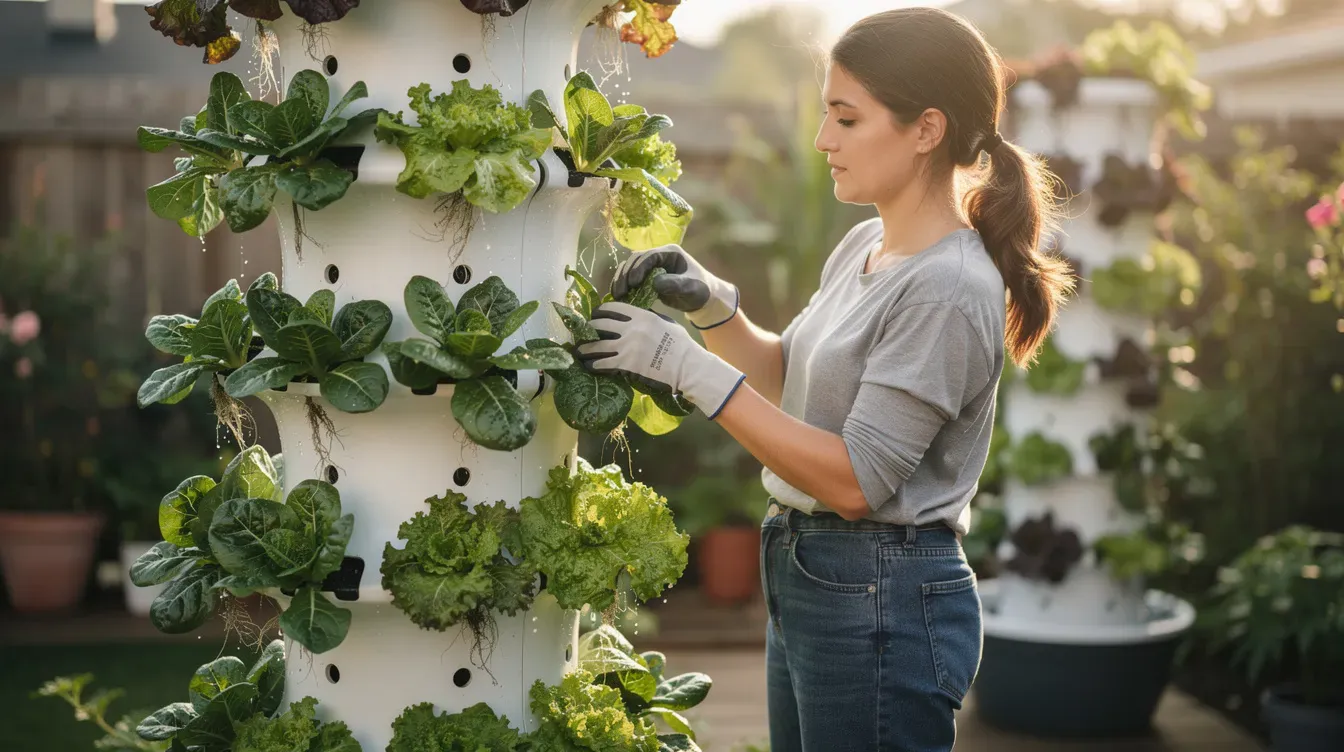
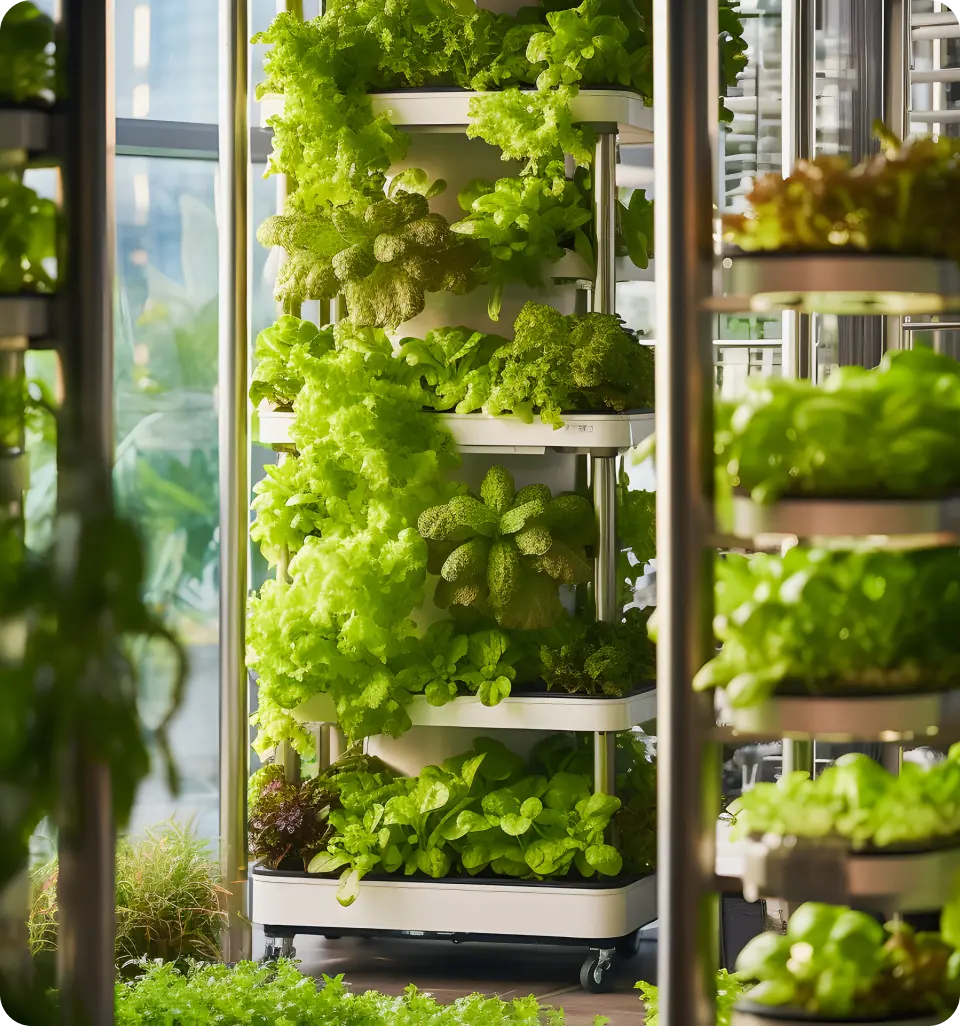
Vertical and tower systems stack growing channels or use cylindrical designs to fit 20–30+ plants in a small floor footprint. Hydroponic tower garden systems with integrated LED lights provide high-density yields, making them ideal for growing a large variety of food in limited ground space. Most use recirculating DWC/NFT hybrids with built-in LED lights and self-watering pumps.
A quick note on aquaponics: this method uses fish waste as the nutrient source, creating a mini ecosystem. It’s fascinating but more complex-balancing fish health, filtration, and plant uptake adds significant maintenance. This guide focuses on pure hydroponic systems, which are more predictable for most home growers.
Consumer indoor gardening systems like Click & Grow, Lettuce Grow, and Gardyn typically use DWC or recirculating hybrids with proprietary seed pods, built-in timers, and full spectrum LED lights. Guides to indoor hydroponic gardens for beginners often highlight these systems as an easy entry point. Tower systems use similar principles but scaled vertically for more space.
Best hydroponic indoor gardens & smart gardens in 2026
This section compares real, named indoor garden products across size and skill level, focusing on 2024–2026 models widely available today. Whether you want a small countertop garden for herbs or a vertical tower for serious vegetable production, one of these fits your situation.
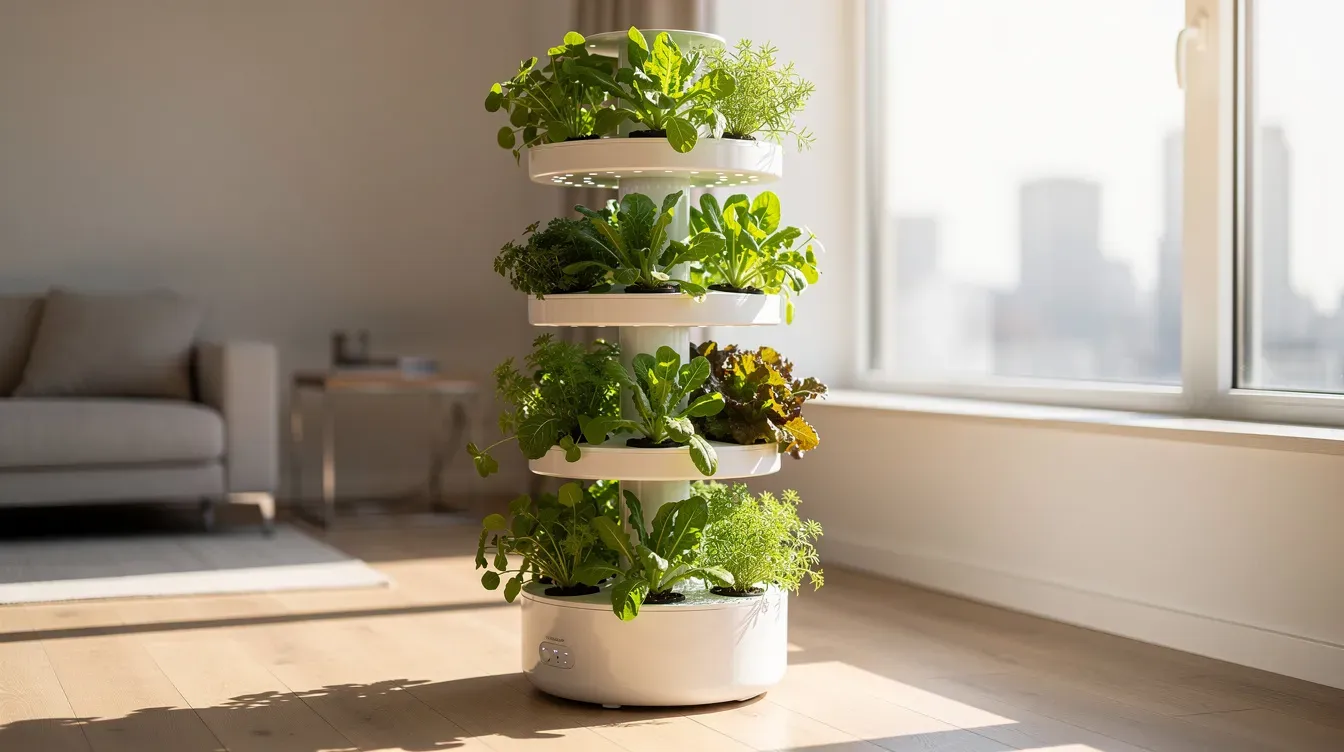
Lettuce Grow Farmstand Nook stands out as one of the best hydroponic indoor gardens for 2026. The Lettuce Grow Farmstand Nook features a circular tower design that allows for 21 plants to be grown without taking up excessive floor space, making it suitable for small kitchens. The Lettuce Grow Farmstand Nook can accommodate up to 20 plants, making it suitable for a range of leafy greens and herbs. Its dimensions-roughly 18.6-inch diameter by 55 inches height-fit into corners or beside counters without dominating a room. The integrated LED light rings provide full spectrum lighting, and a digital smart timer handles watering cycles automatically. A 9-gallon water tank means less frequent refills. The Lettuce Grow Farmstand Nook is considered one of the best hydroponic indoor gardens due to its high growth success rate and ability to accommodate 21 plants without taking up too much floor space. Pricing runs around $699–799, though Costco has offered promotional pricing around $500. The Lettuce Grow app helps track plant progress and reminds you when to add nutrients needed for optimal growth. This system suits both beginners wanting reliable results and experienced gardeners ready for variety. Leafy greens and herbs harvest in 3-4 weeks; you can also grow cherry tomatoes, cucumbers, and peppers with more patience.
Click & Grow Smart Garden 9 Pro offers the best smart garden experience for countertop herb enthusiasts. With nine plants capacity in pre-seeded, non-GMO seed pods, it removes nearly all guesswork from indoor gardening. The system features app-controlled lighting, Bluetooth connectivity, and touch controls. Its 4-liter water tank lasts 2-3 weeks between refills depending on what you’re growing. Power consumption sits at just 13W continuous-roughly 6.2 kWh per month, making it economical to run. Dimensions are approximately 23.6 × 7.5 × 15.8 inches, compact enough for most kitchen counters. Starter pods include three basil pods, green lettuce, and mini tomatoes. Click & Grow offers 50+ pod varieties for ongoing growing. The Click & Grow Smart Garden 9 is ideal for busy home cooks who want fresh herbs without fuss. For even smaller spaces, the Click & Grow Smart Garden 3 works on narrow counters but holds only three pods. The Click & Grow Smart Garden 27 is designed to hold 27 plant pods, allowing for a larger variety of herbs and small vegetables for those with more counter space.
Rise Garden 3 appeals to growers who want scalability and serious yields. This modular system comes in one, two, or three levels. At full capacity, a three-level Rise Garden supports up to 108 plants and can produce around 40 pounds of produce monthly. Each level includes LED panels providing full spectrum white and red light (roughly 65W per level, totaling ~195W for three levels). The water reservoir holds about 10 gallons across all levels. Dimensions scale from 26 inches tall for single-level to 66 inches for three levels; width is 27 inches, depth 12 inches. Monthly electricity usage ranges from ~40 kWh (one level) to ~100 kWh (three levels), translating to roughly $7-17 monthly at typical US rates. Many hydroponic systems come with companion apps that guide users through the assembly, planting, and growing processes, enhancing the ease of use for beginners-the Rise Garden app sends nutrient reminders, scheduling alerts, and even includes an AI assistant called “Ask Basil.” This system accommodates taller plants like dwarf tomatoes, peppers, and strawberries. It’s best for families wanting consistent vegetable harvests or hobbyists who enjoy tracking data and optimizing growth.
Gardyn-style vertical systems pack impressive capacity into minimal floor space. Vertical hydroponic systems, such as the Gardyn, can accommodate up to 30 plants while occupying only 2 square feet of floor space, making them ideal for apartments or small homes. The Gardyn hydroponic system can grow up to 30 plants at once, accommodating a variety of vegetables and herbs. Hydroponic systems like the Gardyn can grow up to 30 plants at once, making them suitable for a variety of vegetables and herbs, including lettuces, herbs, and even strawberries. Similar indoor hydroponic vertical garden systems use modular towers with integrated LED lighting to achieve high yields in tight spaces. The system uses “yCubes”-compostable, non-GMO pods-and includes sensors for water level, temperature, and humidity. Two LED panels totaling ~60W provide lighting. Monthly cleaning is recommended, and replacement pods represent ongoing costs. The ~64-inch height requires adequate ceiling clearance. This vertical hydroponic garden suits apartment dwellers who want variety and yield but have limited floor space.
Budget hydroponic kits (iDOO-style 8-12 pod systems) offer an accessible entry point for first-time growers. These typically include 8-12 plant slots, a ~4.5-liter water tank, height-adjustable LED grow lights with preset timers, and space for your own seeds or sponge-based pods. Pricing usually falls under $150-sometimes under $100. They use significantly less electricity than towers and fit on most kitchen counters. Hydroponic systems designed for small spaces can vary in size, with some models like the Click & Grow Smart Garden 3 being compact enough to fit on a kitchen counter, measuring just 9 x 4.9 x 12.5 to 19 inches. Trade-offs include less powerful lights (limiting success with tomatoes and peppers), more basic construction, and no smart app features. For growing herbs, lettuce, and small greens, they perform admirably. This is the best hydroponic system for budget-conscious beginners testing whether indoor gardening fits their personal life.

DIY hydroponic system vs. prebuilt indoor gardening systems
You can choose between off-the-shelf smart gardens and DIY hydroponic kits. DIY setups-especially Deep Water Culture bucket systems and simple NFT channels-offer flexibility and lower cost per plant but demand more knowledge and effort, so following a hydroponic gardening for beginners step-by-step guide can shorten the learning curve.
A basic DIY DWC setup requires a 10-20 litre opaque bucket or storage tote, net pots to hold plants, an air pump and air stone for oxygenation, hydroponic nutrients, and an LED grow light. For taller crops like tomatoes and peppers, you’ll want a grow tent (commonly 4×4 or 5×5 feet) with a 100-450W full-spectrum LED light. If you’re new to these methods, a beginner’s guide to hydroponic gardening and system types can help you plan components correctly. Total costs typically run $100-250 for a multi-bucket system capable of growing six to twelve individual plants.
Compare that to branded indoor garden systems: compact countertop kits start under $100, mid-range smart gardens run $200-500, and large tower systems can exceed $800. The price gap narrows when you factor in proprietary seed pods, subscription services, and replacement parts.
DIY advantages include lower cost per plant, complete flexibility in design and scale, and the ability to use your own seeds rather than buying empty seed pods or pre-seeded cartridges. Experienced gardeners who enjoy tweaking nutrient ratios, adjusting LED light height, and experimenting with different crops often prefer building their own systems.
DIY disadvantages include a steeper learning curve, more manual setup, the need to source separate components, and no app support or automated reminders. You’re responsible for monitoring water pump function, checking nutrient levels, and troubleshooting problems.
Who should pick DIY? Tinkerers, hobby growers aiming for bigger harvests, and anyone comfortable with basic electrical and plumbing work. Who should pick plug-and-play garden systems? Busy professionals, beginners without gardening experience, and small-space urban dwellers who want fresh herbs without becoming amateur engineers.
How to choose the best hydroponic system for your home
The right hydroponic garden depends on four main factors: your skill level, available space, the plants you want to grow, and how much time you’re willing to dedicate. The following sections break down each factor with concrete advice.
Your gardening skill level
Complete beginners should start with straightforward indoor smart gardens using seed pods and automated timers. The Click & Grow Smart Garden series, compact AeroGarden-style units, and simple 8-9 pod hydroponic kits all minimize decisions and maximize success. Many hydroponic systems are designed to be beginner-friendly, allowing users to grow herbs and vegetables indoors with minimal effort and maintenance. Most indoor garden systems are designed to be beginner-friendly, making it easy for users without prior gardening experience to successfully grow an edible garden with little effort, especially when they follow an indoor hydroponic gardens starter guide.
Fruiting crops like tomato plants, peppers, and eggplant require more skill. Hand-pollination becomes necessary indoors (no bees to help), and these plants need careful pruning and nutrient balance. New growers should begin with herbs, grow lettuce, and experiment with microgreens before attempting cherry tomatoes or Thai basil.
Experienced gardeners who already manage outdoor beds or containers can handle more complex garden systems like expandable Rise Garden 3 units or DIY tent setups with multiple lights and reservoirs. Online tutorials, grower forums, and manufacturer apps provide resources for learning advanced techniques like pruning, training, and harvest timing. Even if you don’t consider yourself to have a green thumb, starting small builds confidence quickly.
The amount of space in your home
Match your hydroponic system to your actual space:
Space Available | Recommended System Type | Plant Capacity |
|---|---|---|
Small apartment kitchen | Countertop (3-9 pods) | 3-9 plants |
Larger counter or side table | Mid-size countertop or short tower (9-15 pods) | 9-15 plants |
Dedicated corner or spare room | Floor-standing tower or multi-tier garden | 20-36+ plants |
Measure height clearance for grow lights-ideally you want 18-24 inches above your tallest plants for enough light distribution. Check width and depth for units like the Farmstand Nook (18.6-inch diameter) or Rise Garden 3 (27 inches wide, 12 inches deep). Some systems need enough room behind them for cable management and air circulation. |
Vertical systems use floor space more efficiently but need ceiling clearance (the Gardyn stands ~64 inches tall) and may emit more light and pump noise than countertop units. Those with limited space or small spaces might prefer narrow vertical hydroponic gardens or wall-mounted smart garden units. Comparing indoor vs outdoor hydroponic growing systems can also clarify which setup best fits your living situation. Floor-standing options require more space but deliver proportionally more plants.
Don’t underestimate how much too much space a large system commands. A three-level Rise Garden becomes a piece of furniture. Make sure you’re committed before dedicating that corner.
The plants you want to grow
Not every hydroponic system suits every plant. Understanding limitations saves frustration.
Herb-focused indoor gardens (basil, mint, thyme, parsley, other herbs) thrive in small countertop systems. Most 6-9 pod units provide enough light and root space for lush herb production. Fresh herbs for cooking represent the sweet spot for compact smart gardens.
Salad greens, baby kale, and lettuce leaves do well in most hydroponic kits with 6-12 inch headroom. These fast-growing crops tolerate lower light levels and limited root space. You can grow salad greens in almost any system on the market.
Taller plants and vining crops-tomatoes and peppers, cucumbers, eggplant-need adjustable or higher grow lights and more root space. Check maximum plant height recommendations from manufacturers. Some systems specify “up to 12-16 inches tall” or “not recommended for cucumbers and large tomatoes.” Fixed light height limits what you can grow; systems that accommodate taller plants open more possibilities.
Plan your plant list before buying. Are you after cooking herbs? Smoothie greens? Fruiting plants for snacking? Match this to garden system specs. Note that some smart gardens use proprietary seed pods (convenient but limiting), while other systems accept any seeds-which matters if you want to use your own seeds for adventurous varieties.
The time and effort you want to dedicate
All hydroponic systems need basic care: topping up the water reservoir, adding nutrients, occasional pruning, and reservoir or filter cleaning. The question is how much time you’re willing to spend.
Hydroponic indoor gardens typically require minimal daily maintenance, often only needing water and nutrient refills, which makes them convenient for busy individuals. Low-maintenance options include smart gardens with built-in timers for grow lights, water level indicators, and apps that send alerts for refills and nutrient additions. Systems like the Nutraponics complete indoor hydroponic grow system are designed to simplify care even further. The Click & Grow and similar countertop systems fall into this category-check them once or twice weekly, top up water every few weeks, and add new plants when ready.
Hydroponic systems typically need water and nutrient refills every few weeks, with some models allowing for longer intervals between maintenance tasks. Most hydroponic systems require regular cleaning, with recommendations varying from once a month to every few months depending on the model and environmental conditions. Cleaning requirements for hydroponic systems can include washing plant pods and tanks, with some systems designed for easy disassembly to facilitate this process.
Higher-maintenance setups-DIY buckets, large towers, multi-tier gardens-may require weekly or bi-weekly reservoir changes and more frequent pest checks. Spider mites, aphids, and fungus gnats can appear in any indoor garden, requiring vigilance.
Practical time estimates: many countertop systems can be managed in 5-10 minutes a few times per week. Large gardens may need 20-30 minutes of work weekly, plus occasional deep cleaning sessions.
Honest self-assessment helps here. Busy households or new parents should start with low-effort systems. Hobbyists with free evenings might enjoy more involved hydroponic projects. Choose a system that fits your actual lifestyle, not your aspirational one.
Grow lights, nutrients, and other essentials for a healthy hydroponic garden
Success with any indoor garden depends on three pillars: light, nutrients, and environment. Understanding these basics helps whether you choose a $100 countertop kit or an $800 tower.
Full spectrum LED lights drive plant growth indoors. Most systems use a 14-16 hours on, 8-10 hours off schedule for herbs and greens. Fruiting plants may benefit from 16-18 hours of light. Look for systems with adjustable light height and intensity when possible-fixed, very bright light rings can disrupt sleep if you place them in bedrooms or dim offices. Natural sunlight through windows helps but rarely provides enough light for robust growth alone, so understanding indoor hydroponic systems with LED grow lights is key to getting lighting right.
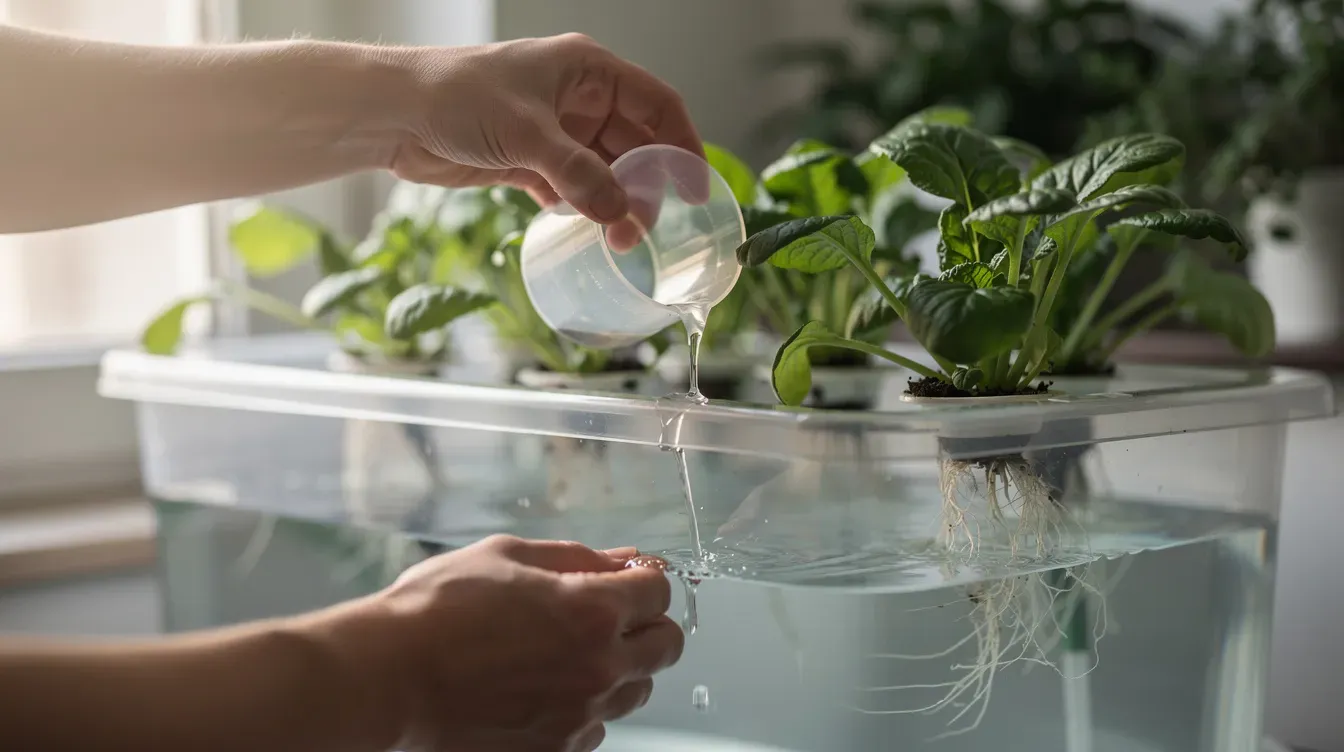
Hydroponic nutrients come as complete three-part solutions or premixed concentrates providing nitrogen, phosphorus, potassium (N-P-K) plus essential micronutrients. Monitoring water pH and nutrient levels is crucial in hydroponic systems to prevent root rot and ensure healthy plant uptake. Most manufacturers specify target EC/ppm and pH ranges; following these guidelines prevents nutrient burn or deficiency. Beginner-friendly kits often include pre-measured nutrient packs-just add to water as directed, or choose integrated setups like the Nutraponics Tray Tower hydroponic farming system that bundle nutrients with automated controls.
Water quality matters more than many growers realize. Hard water with high mineral content can leave deposits and throw off nutrient balance. Filtered or low-mineral water works best. Some cities’ tap water requires sitting out overnight to off-gas chlorine, or using a dechlorinating drops.
Cleanliness and pest prevention keep systems running smoothly. Wipe down systems monthly or per manufacturer directions. Rinse or replace pods if mold or algae appears. Use gentle solutions like neem oil or insecticidal soap for aphids or fungus gnats-common pests in indoor growing environments. Good airflow around plants reduces disease pressure.
A note on smart soil products: some pod-based systems use proprietary growing media marketed as “smart soil.” This typically means pre-fertilized substrate optimized for their pods-not actual soil. The principle remains hydroponic, especially in modern automated hydroponic grow tower and shelf systems that deliver nutrients directly to plant roots.
Best hydroponic systems by user type and goal
Match yourself to a persona to quickly identify the best hydroponic system category for your situation:
Busy home cook: A small to mid-size countertop grow smart garden (3-9 pods) like the Click & Grow Smart Garden 3 or 9 Pro fits perfectly. Place it near your kitchen counter for convenient access to basil pods, mint, and salad greens while cooking. Minimal maintenance, maximum culinary payoff.
Apartment dweller with limited space: Compact, narrow countertop systems or small vertical hydroponic gardens work best. Look for units under 20 inches wide that fit on a balcony corner or window ledge. The Click & Grow series or a basic iDOO kit delivers fresh ingredients without claiming precious counter space.
Family wanting lots of veggies: Floor-standing tower garden systems like Farmstand Nook or Gardyn-style vertical units support 20-30 plants simultaneously. Systems such as the NutraTower premium indoor hydroponic system are designed specifically for this kind of high-volume home production. You can feed a family regular harvests of lettuce, herbs, peppers, and more. Budget for more space and slightly higher electricity bills.
Hobby grower or tech enthusiast: App-connected indoor gardening systems like the Rise Garden 3 offer scheduling, growth tracking, and data that appeals to optimization-minded growers. Advanced options such as the Nutraponics Pro Shelf hydroponic system with LED lights add further automation and scalability. Higher upfront costs ($500-1,500+) but serious capability for new plants and experimentation.
Budget-conscious beginner: Basic hydroponic kits under $150 including grow lights, a small reservoir, and simple controls let you test indoor gardening without financial commitment. Grow herbs and greens; if you enjoy it, upgrade later to more advanced options like a Pro tower garden hydroponic system with 48–96 pots. These make a great gift for anyone curious about hydroponics.
Frequently asked questions about hydroponic indoor gardens
Is hydroponic food safe to eat? Absolutely. Hydroponic produce is as safe as soil-grown food-often safer, since you control exactly what nutrients and water touch your plants. The nutrient salts used are food-grade minerals similar to those plants absorb from soil. Rinse harvests as you would any produce.
How much electricity do indoor gardening systems use? Hydroponic systems rely on electricity for operations, making them dependent on power supply for functioning. Small countertop units like the Click & Grow Smart Garden 9 Pro draw about 13W continuously-roughly $1-2 monthly. Larger tower systems with powerful LEDs can use 40-100 kWh monthly, translating to $7-17 depending on local electricity rates. Budget accordingly, especially for multi-level systems.
Can a hydroponic system replace a traditional garden? For many households, yes-at least for herbs, greens, and some vegetables year-round. You won’t replicate a full outdoor plot’s diversity or volume, but you can maintain a steady supply of cooking essentials regardless of season. Most people find hydroponics complements rather than fully replaces outdoor growing.
How noisy are hydroponic systems? Expect a gentle hum from water pump and fans, comparable to a small aquarium or desktop fan. Countertop systems are generally quieter than towers with larger pumps. If noise concerns you, check reviews for specific models and consider placement away from sleeping areas.
How long do grow lights last? Most LED grow lights last 20,000-50,000 hours before significant dimming. At 16 hours daily, that’s 3-8+ years of use before replacement becomes necessary. LEDs in quality systems rarely burn out suddenly; they gradually lose intensity over years.
Do I have to use proprietary seed pods? Depends on the system. Click & Grow and similar pod-based smart gardens work best with their proprietary pods, though empty seed pods are available for adventurous growers. Other systems like iDOO accept standard sponges and any seeds included or purchased separately. DIY systems give complete freedom. Proprietary pods offer convenience and consistent germination; open systems save money long-term.
How often should I clean my hydroponic kit? For small systems, aim for every 3-4 weeks or between crop cycles. Larger towers benefit from monthly cleaning. Drain reservoirs completely, scrub away algae or mineral deposits, rinse all components, and refill with fresh nutrient solution. Many systems disassemble easily for this purpose.
Conclusion: Picking the best hydroponic system for your 2026 indoor garden
The best hydroponic system depends on your space, budget, and goals-but modern smart gardens and hydroponic kits make indoor gardening achievable for nearly anyone. You don’t need farming experience or a large home to grow fresh herbs and vegetables year-round.
For countertop convenience and minimal maintenance, the Click & Grow Smart Garden 9 Pro delivers reliable herbs and salads. For higher yields and variety, floor-standing towers like the Lettuce Grow Farmstand Nook or Gardyn-style systems grow 20-30+ plants in surprisingly compact footprints. DIY DWC or grow tent setups offer maximum control and low cost per plant for experienced gardeners who enjoy the process as much as the harvest.
Start with a small hydroponic garden system, learn the basics of water, light, and nutrients, and scale up as your confidence grows. A few weeks from now, you could be harvesting your first crisp lettuce leaves or fragrant basil-no backyard required.