Growing food at home no longer requires a backyard or even a balcony with full sun exposure. A hydroponic tower offers a compact, efficient way to produce fresh vegetables, herbs, and even fruits in spaces as small as a kitchen corner. This guide walks you through everything you need to know—from understanding how these vertical systems work to building and maintaining your own tower garden for year-round harvests.
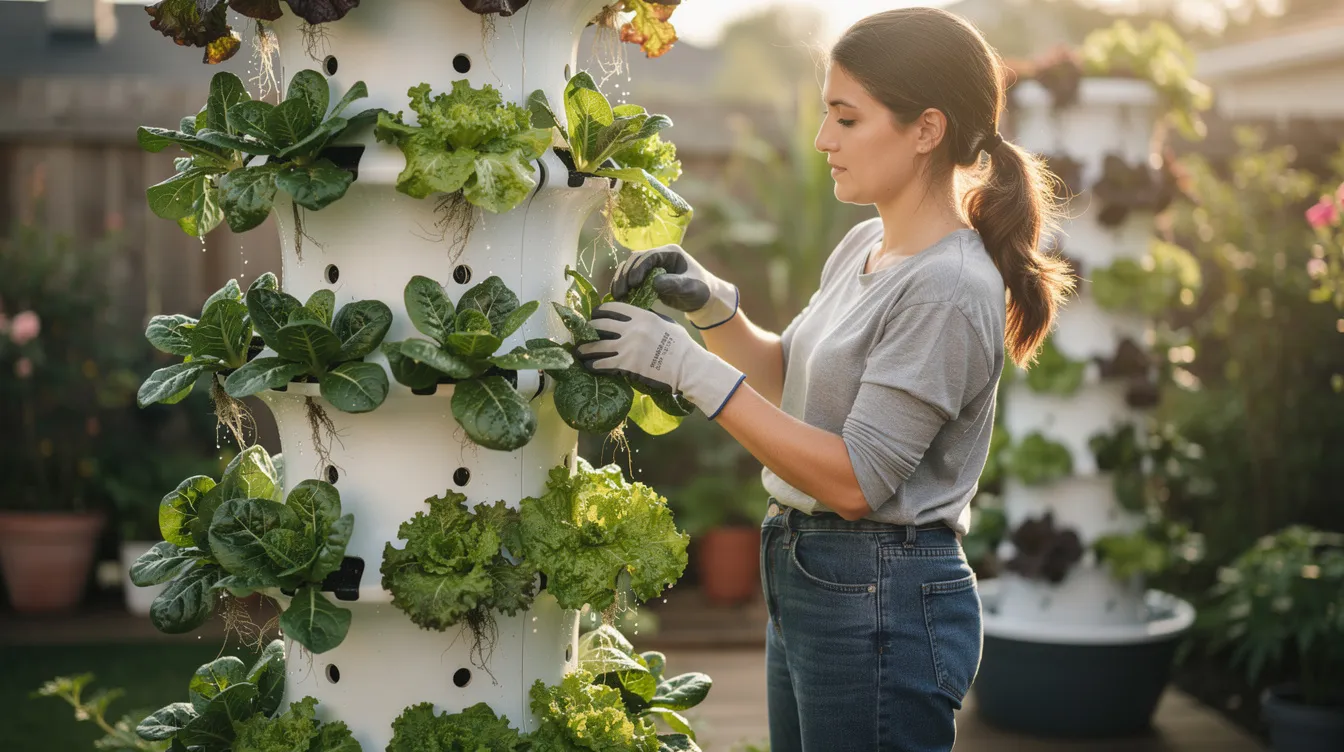
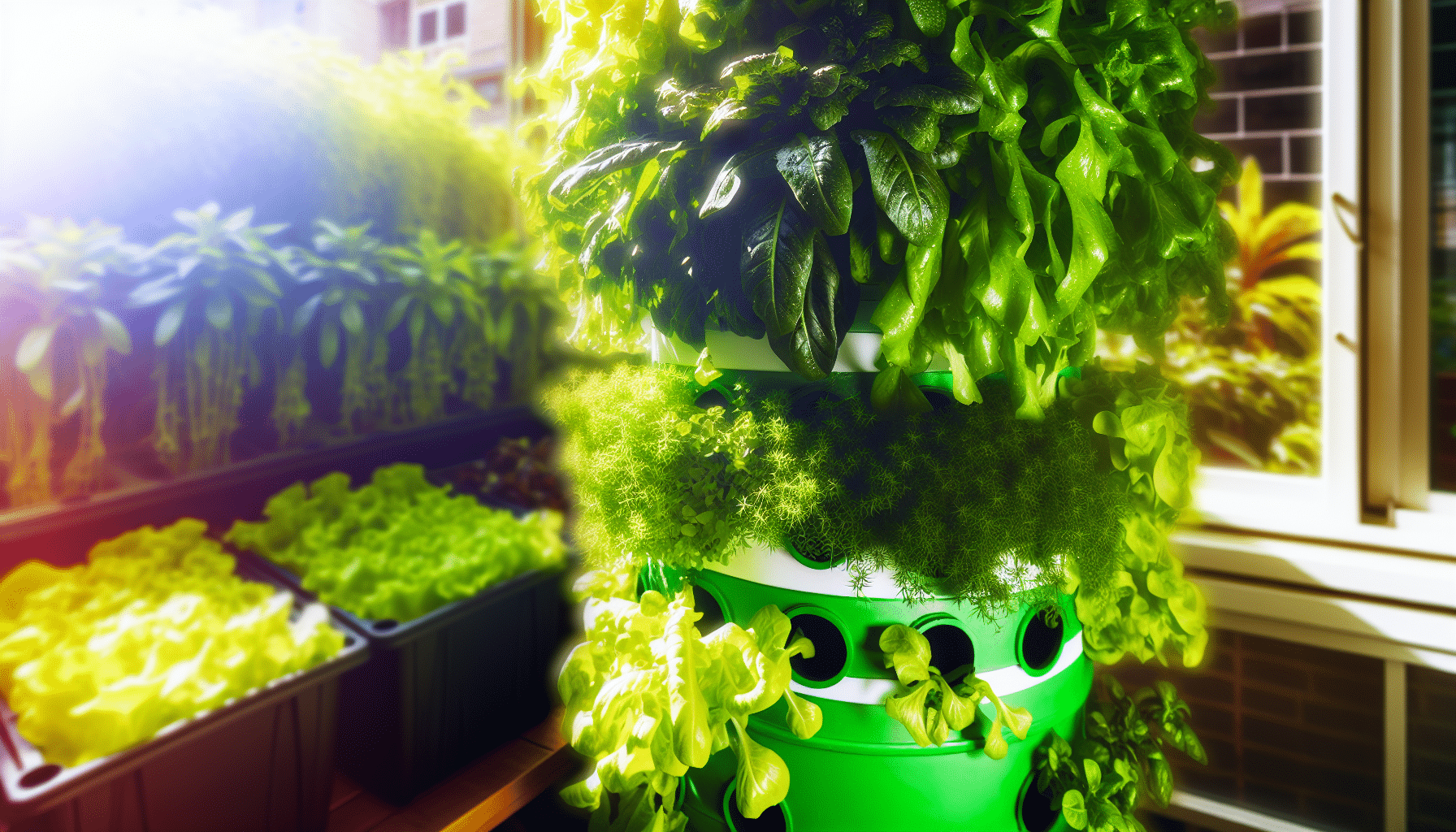
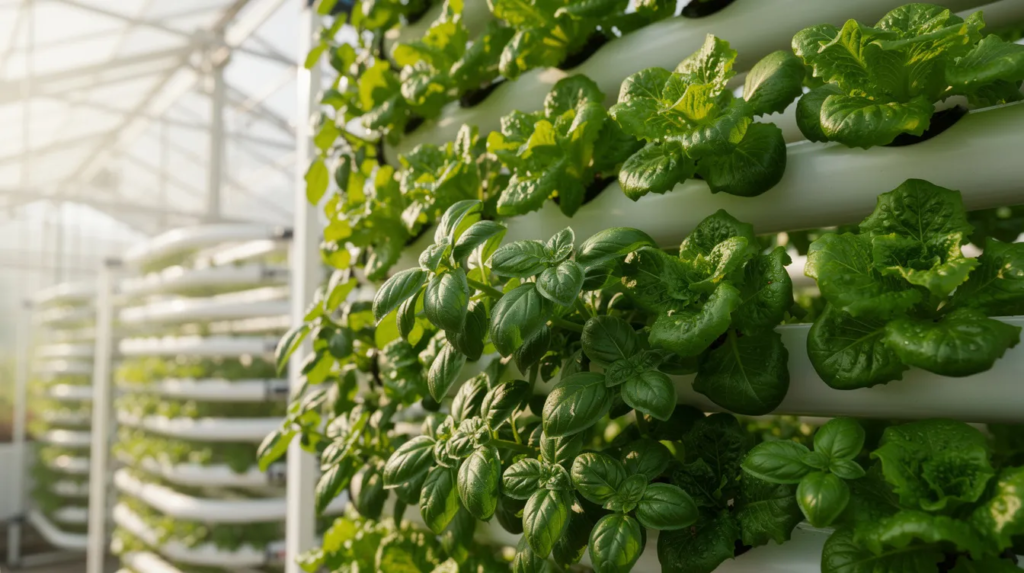
A hydroponic tower is a vertical hydroponic system that grows plants without soil, using circulating, nutrient rich water to deliver everything roots need directly. Instead of spreading plants across garden beds, this method stacks them in tiers along a vertical structure, maximizing output in minimal floor space.
Hydroponic towers utilize vertical space to cultivate crops without soil, making them ideal for urban environments and small farms. These systems can hold a significant number of plants in a small footprint, allowing for efficient use of limited space, and modern designs further enhance these advantages by integrating smart hydroponic tower technology.
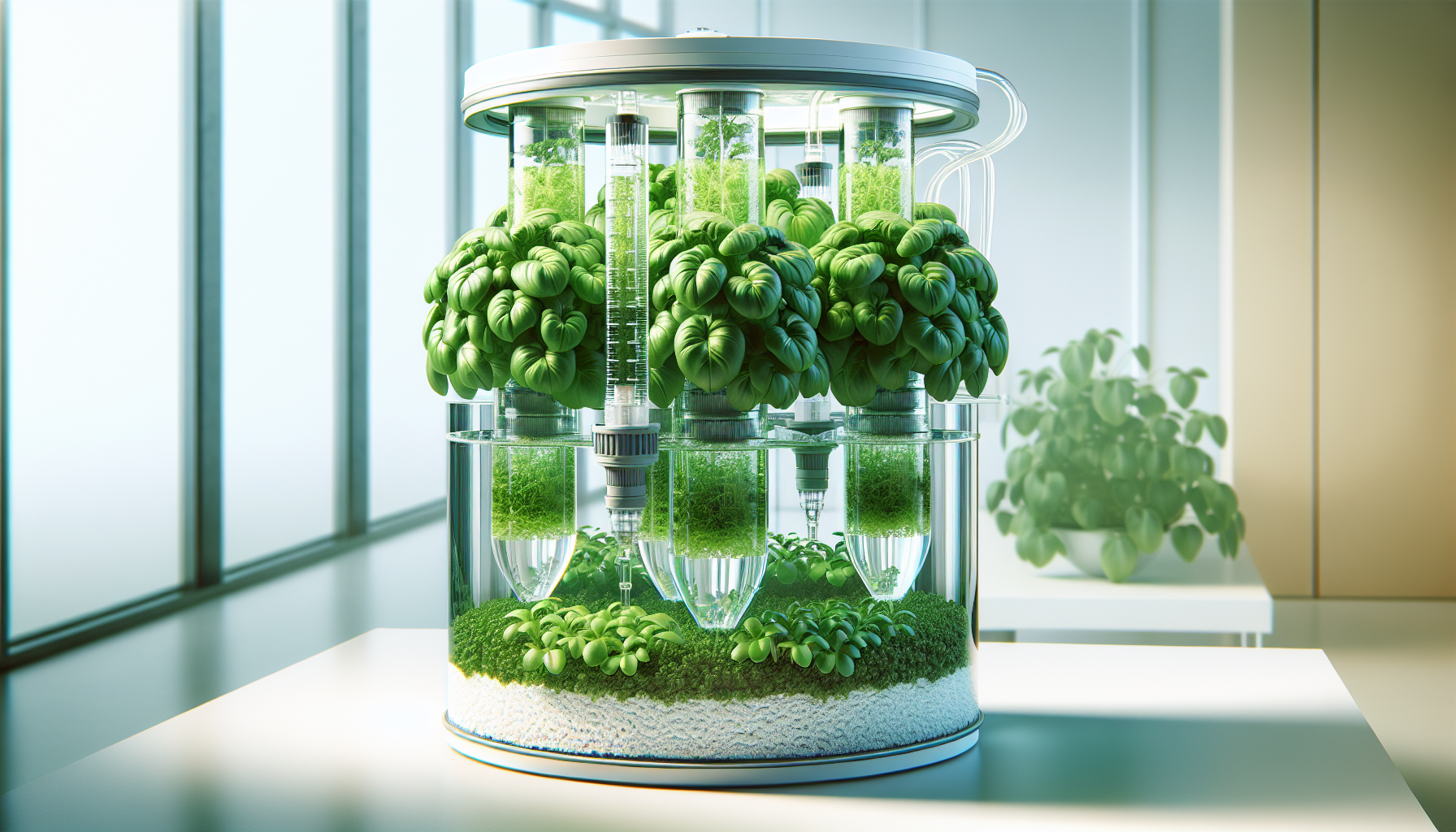
Core components of a typical hydroponic tower system include:
Base reservoir – Holds 5–20 gallons of nutrient solution for home units
Submersible pump – Pushes water from the reservoir to the top of the tower
Vertical column – The main structure (often PVC or food-grade plastic) with grow sites
Net pots – Small containers holding plants and growing media at each site
Return channels – Drain excess solution back to the reservoir for reuse
Hydroponic towers are designed to fit into small spaces, making them perfect for apartments, balconies, or indoor kitchens. A well-designed tower achieves faster growth and higher yields than typical soil gardens while using dramatically less water—up to 90–95% less according to research from the University of Florida’s IFAS extension.
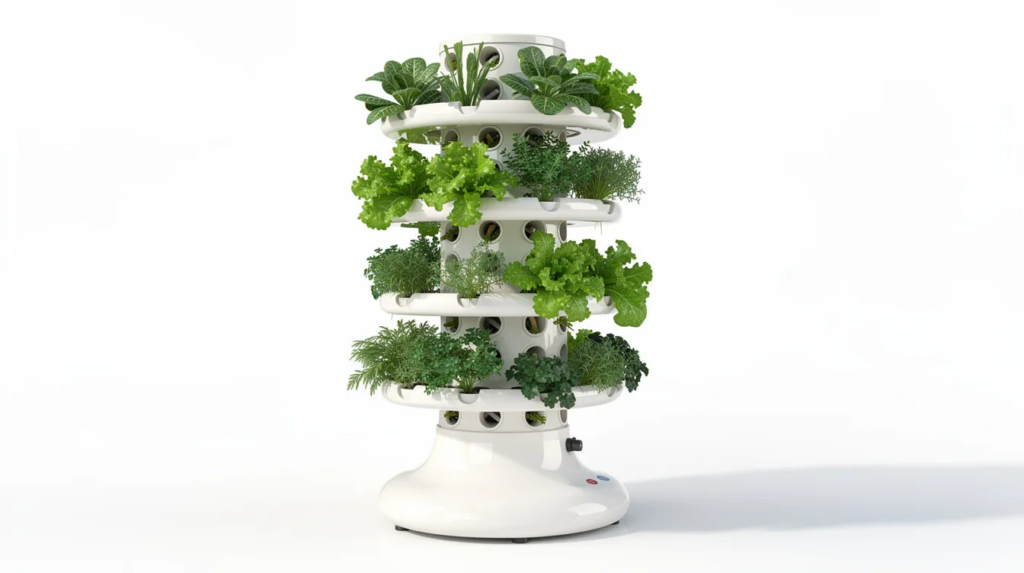
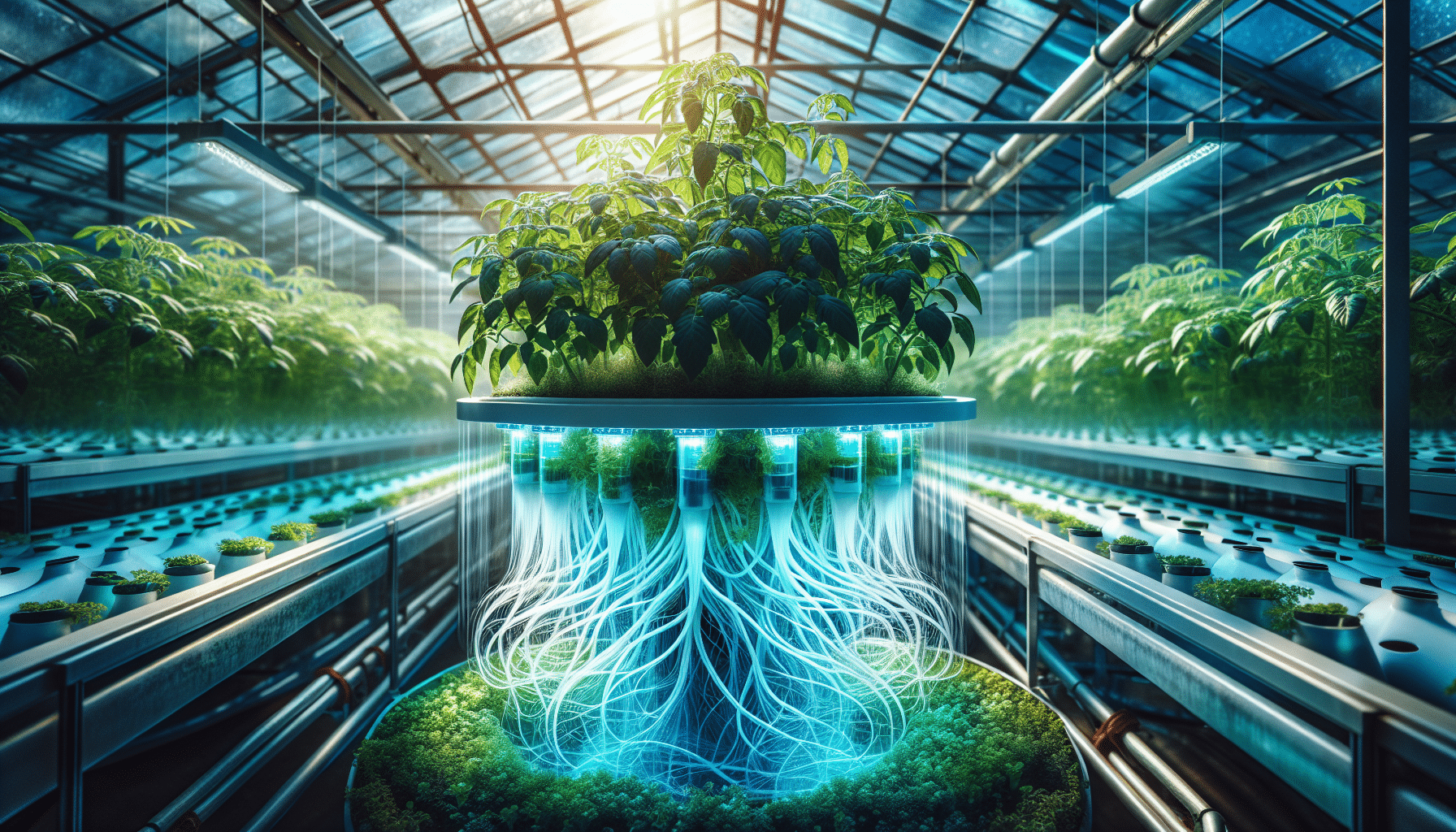
Vertical hydroponic towers recirculate nutrient solution from a tank at the base to the top of the tower using a small electric pump. This closed-loop design means water cycles continuously rather than draining away into the ground.
Vertical hydroponics is a method of growing plants without soil, utilizing a vertical, gravity-fed system where nutrient-rich water is supplied from the top and collected at the bottom, making indoor hydroponic tower gardens especially appealing for growers with limited space.
The water cycle follows a simple sequence:
Pump activation – A submersible pump (typically 50–200 GPH) draws solution from the reservoir
Distribution at top – Water reaches a manifold or shower cap that disperses it evenly
Trickling down – Solution flows past each plant site, bathing exposed roots
Collection at base – Excess drains back into the reservoir to recirculate
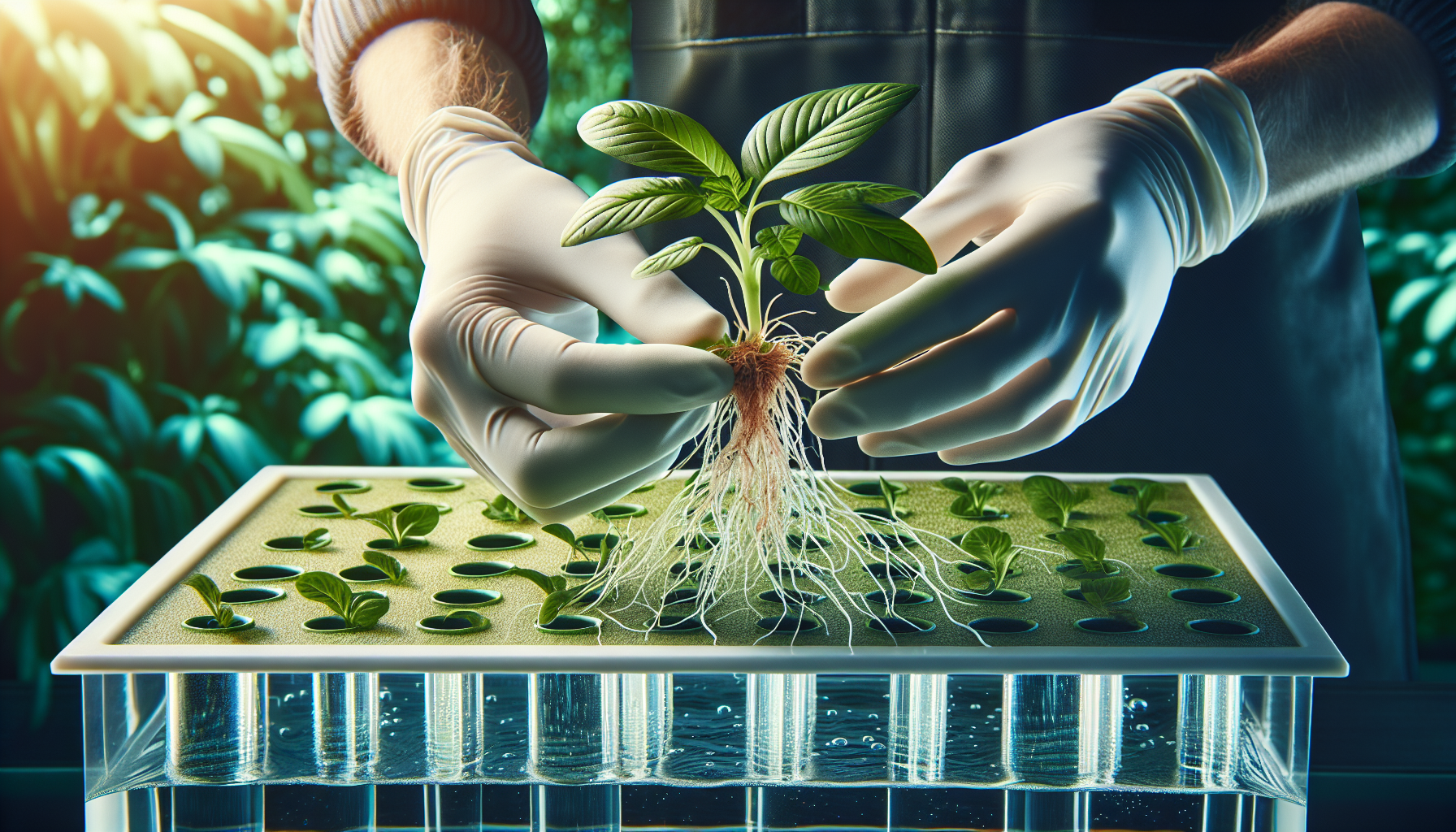
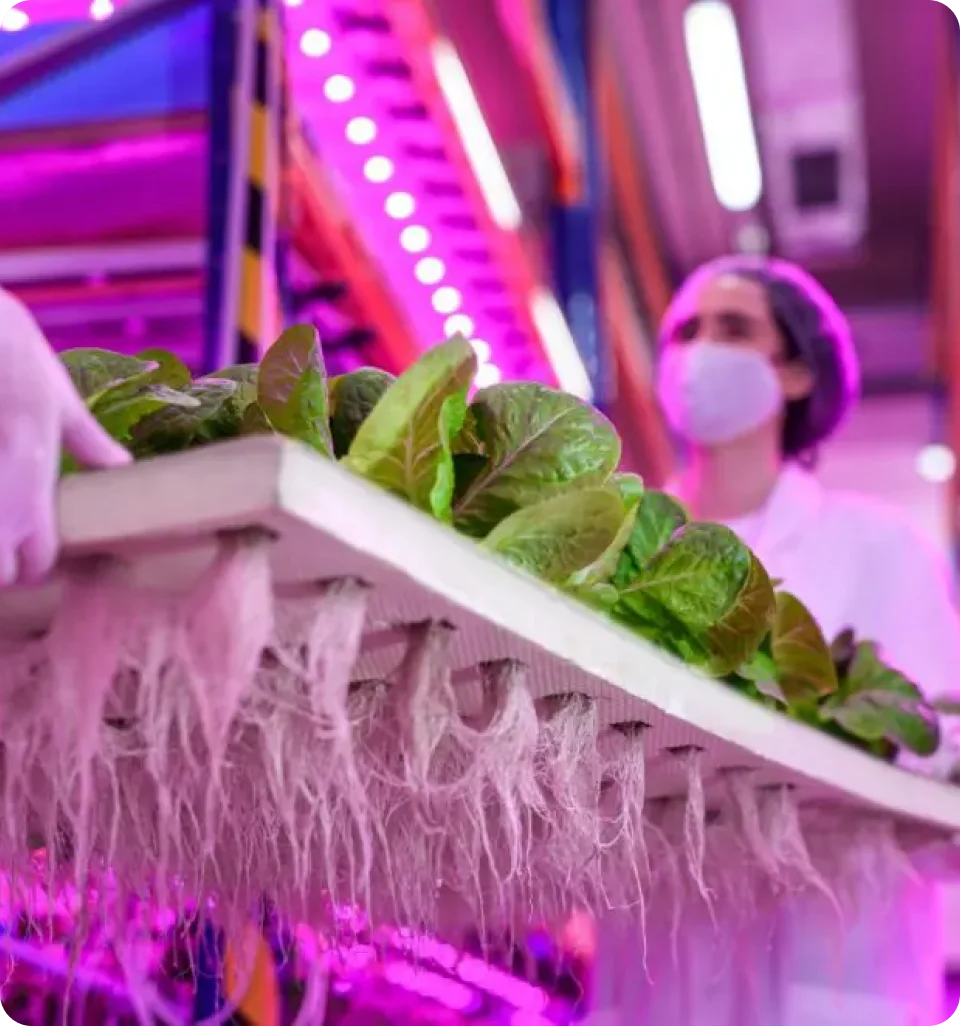
Plant roots hang into the moist interior of the tower, held in place by net pots filled with inert media like clay pebbles, rockwool cubes, or coco coir. These materials anchor seedlings while allowing 70–80% of the root system direct exposure to the oxygenated water.
Hydroponic systems use a closed-loop water system, which recycles water, making them more water-efficient than traditional gardening methods. As water cascades downward, turbulence introduces dissolved oxygen levels of 6–8 mg/L—a key factor in accelerating plant metabolism and growth rates.
Modern hydroponic towers are engineered for efficiency in yield, time, space, and resources. Here’s why hydroponic growing outperforms traditional gardening in several measurable ways compared to conventional soil gardening.
Higher Yields: A 5-foot tower with 24 sites routinely produces 20–30 pounds of lettuce per 60-day cycle in under 3 square feet. Studies show towers yield 3–5 times more produce per square foot than soil beds because plants grow vertically rather than spreading horizontally.
Faster Growth: Plants in vertical hydroponic systems often mature 25–50% faster than in soil because nutrients and water are directly available at the roots. Lettuce reaches harvest size in 28–35 days versus 45–60 in traditional ground beds.
Water Savings: Closed-loop systems recirculate 90–98% of the solution, using only 2–10 gallons per kilogram of produce versus 15–20 gallons in soil. These systems use significantly less water than traditional soil-based agriculture, as they recirculate water in a closed-loop system, reducing waste and environmental impact.
Space Efficiency: A single vertical tower (5–6 feet tall) can hold 20–40 plants in under 3–4 square feet of floor space—equivalent to what would require 100 square feet in a flat soil plot.
Cleaner & Fewer Pests: Hydroponic gardening eliminates common soil-borne pests and diseases, reducing the need for pesticides. No soil means less mess indoors and easier monitoring of plant health.
Reduced Labor: Automated systems in hydroponics reduce labor by handling watering and lighting, eliminating tasks like weeding and tilling. Once your system runs, daily maintenance drops to quick visual checks.
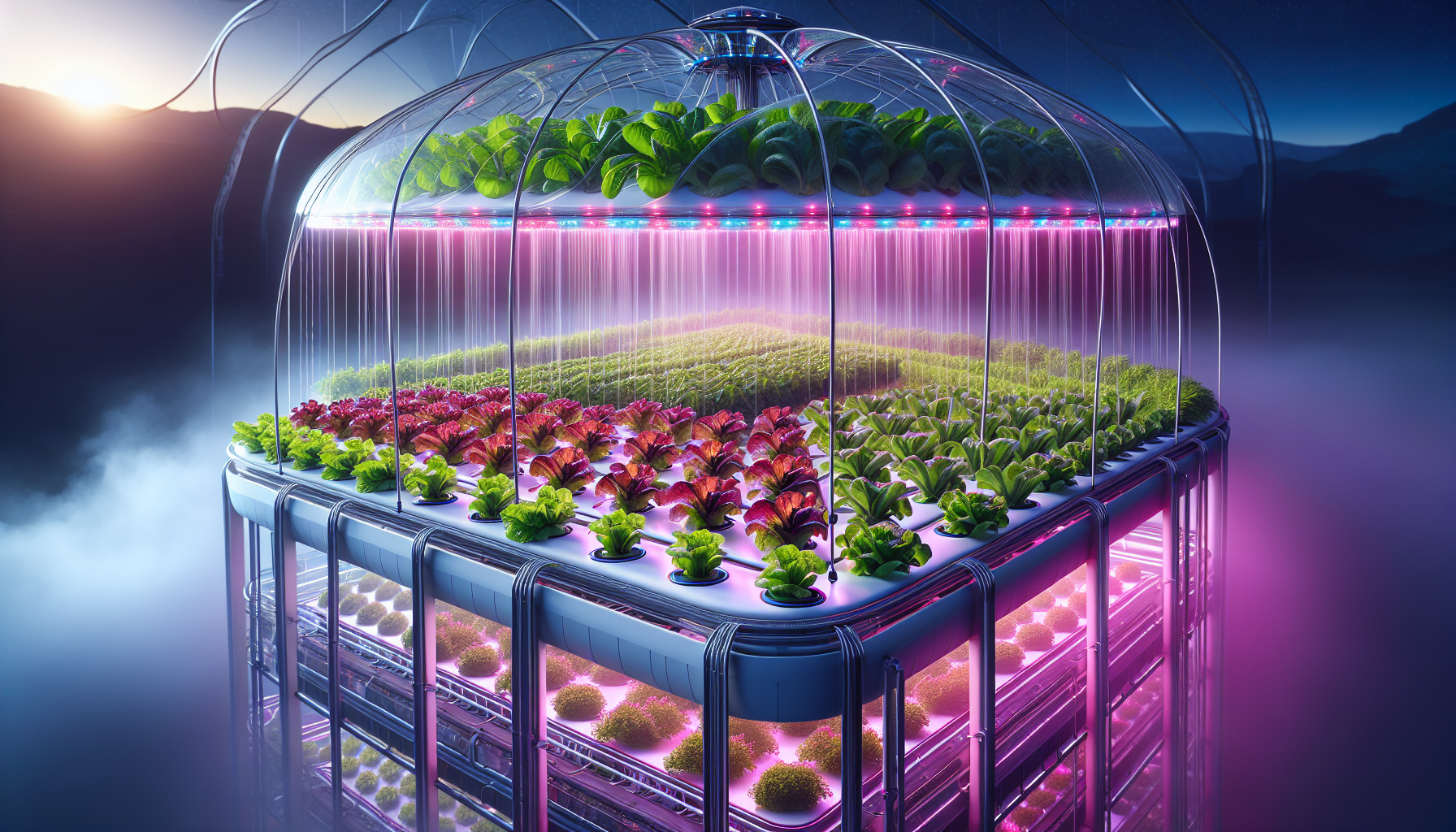
Vertical hydroponic towers allow for continuous cultivation, enabling growers to produce fresh vegetables and herbs year-round by adjusting light, temperature, and nutrient levels, especially when paired with optimized LED grow light systems.
The terms “hydroponic tower,” “vertical hydroponic tower,” and “tower garden” are often used interchangeably, but they can refer to different products or designs. Understanding these distinctions helps you choose the right setup for your goals, and tools like a dedicated hydroponic tower systems store can further clarify which model fits your needs.
“Tower Garden” is sometimes a branded term (notably Agrotonomy’s aeroponic system), while “hydroponic tower” describes the general category of vertical, soil-free growing systems.
Key differences across vertical tower types:
Basic DIY tower – PVC or food-grade plastic construction, simple pump and timer, budget-friendly at $100–250
Plug-and-play tower garden – Pre-assembled units with proprietary nutrients, app monitoring, 5-year warranties ($500–700)
**Commercial tower farm module – IoT sensors, integrated LED lighting, climate control, 1,000+ plant capacity ($5,000+), similar in concept to automated hydroponic grow tower systems
Indoor vs. outdoor considerations:
Indoor setups require grow light systems (200–400 PPFD, 12–18 hours daily)
Outdoor towers need UV-stabilized materials rated for 20+ years
Both benefit from food-grade, BPA-free plastics and stainless hardware
Feature | DIY Tower | Plug-and-Play Tower Garden | Commercial Module |
|---|---|---|---|
Cost per plant site | $2–5 | $15–25 | $20–50 |
Assembly time | 4–8 hours | Plug-in ready | Professional install |
Best for | Hobbyists, tinkerers | Beginners, families | Farms, restaurants |
Automation level | Manual/timer | App-controlled | Full IoT integration |
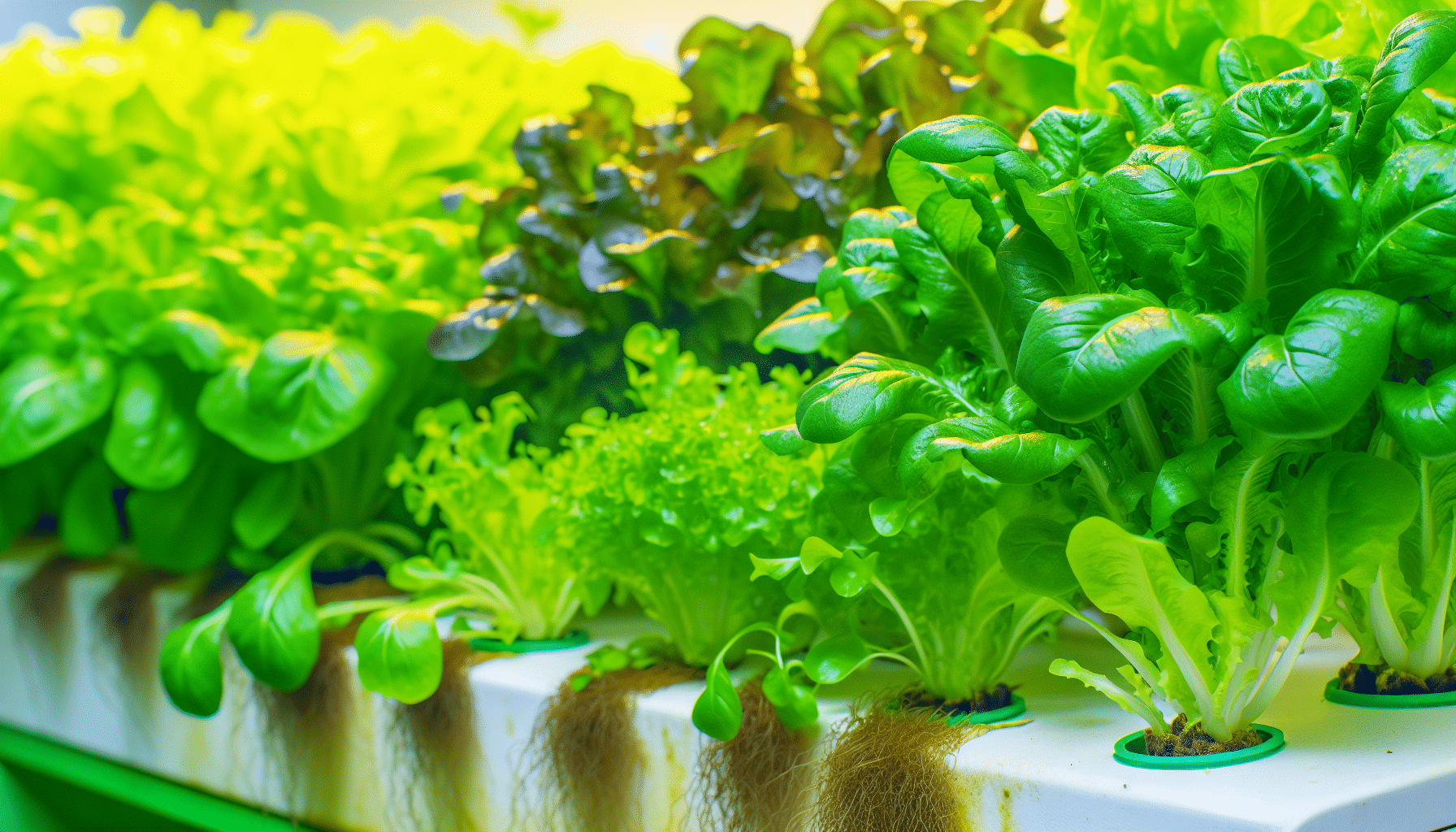
Leafy greens and herbs are the easiest crops for beginners using a vertical hydroponic setup because they have shallow roots and rapid growth cycles. Hydroponic towers are ideal for growing leafy greens such as lettuce, spinach, and kale, as well as herbs like basil, mint, and parsley, which are all staples in most beginner indoor hydroponic gardens.
Leafy Greens:
Butterhead lettuce – harvest in 28–35 days
Romaine – 30–40 days, up to 1.5 lbs per plant
Oakleaf varieties – 25–32 days
Spinach – 30–45 days with multiple cuts
Swiss chard – 35–50 days, regrows 4–6 times
Baby kale – 20–30 days
Herbs:
Basil (Genovese) – bushes to 12–18 inches in 21–28 days
Mint – spreads vigorously, prune weekly
Parsley – 40 days, continuous harvest
Cilantro – 25–35 days in cooler conditions
Dill – reaches 12 inches in 30 days
Thyme and oregano – perennial yields
Fruit Crops: Small fruits such as cherry tomatoes and strawberries can also be successfully cultivated in hydroponic towers. Cherry tomatoes fruit in 50–60 days with adequate light and support clips. Dwarf peppers produce 1–2 lbs per plant in 60–70 days. Alpine strawberries yield 0.5–1 lb per plant continuously.
Edible Flowers & Specialty Greens: Edible flowers like nasturtiums and pansies are suitable for growth in hydroponic systems, adding both beauty and culinary value. Microgreen mixes enable 12–20 cycles per year, especially when grown in a high-density indoor hydroponic grow system.
Crops to Avoid:
Root vegetables (carrots, beets, potatoes) need 8–12 inch depths unavailable in standard 2–3 inch sites
Sprawling vines (pumpkins, large melons) overload weight capacity
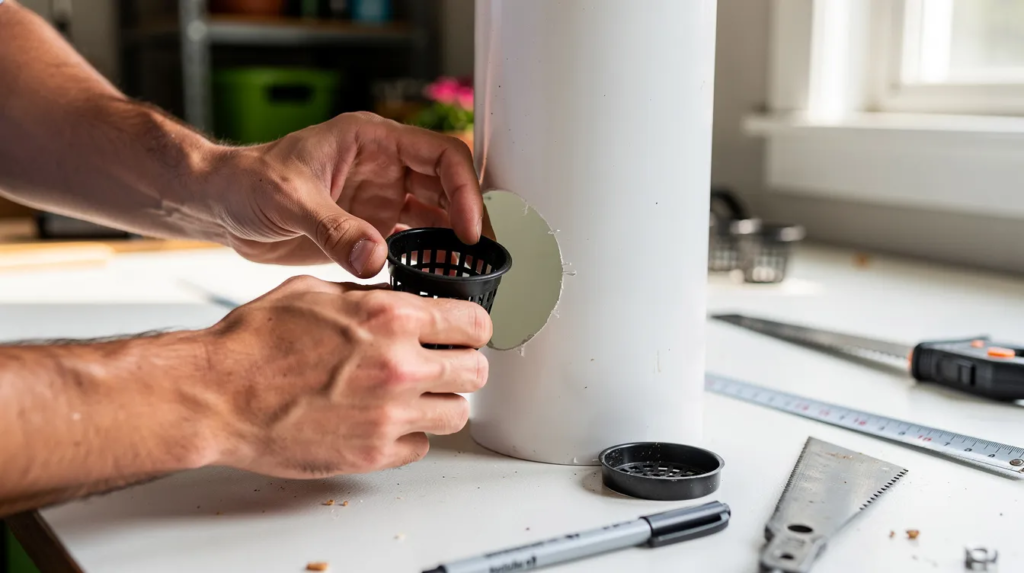
A vertical tower can be built in 4–8 hours with readily available components. This method suits anyone with basic DIY skills and a modest budget, though some growers prefer an excellent indoor hydroponic vertical garden system that arrives largely preassembled.
Planning & Design:
Choose tower height: 4–6 feet accommodates 20–30 planting sites
Decide indoor vs. outdoor location (affects material choices)
Ensure 2–3 square feet of floor space near a power outlet if you plan to use an indoor hydroponic tower garden system
Materials List:
Food-grade PVC or vinyl pipe (4-inch diameter, 5–6 ft length)
24–30 net pots (2–3 inch diameter)
Submersible pump (50–80 GPH for small towers), a core feature of many indoor hydroponic tower systems with LED grow lights
5–10 gallon reservoir/tote with lid
1/2-inch vinyl tubing (20 ft)
Bulkhead fittings and silicone sealant
Digital timer for automating light cycles in hydroponic tower gardens with LED grow lights
Growing media (clay pebbles or rockwool cubes)
pH/EC meter, which is also standard on many indoor hydroponic farming systems with LED grow lights
Cutting Plant Sites:
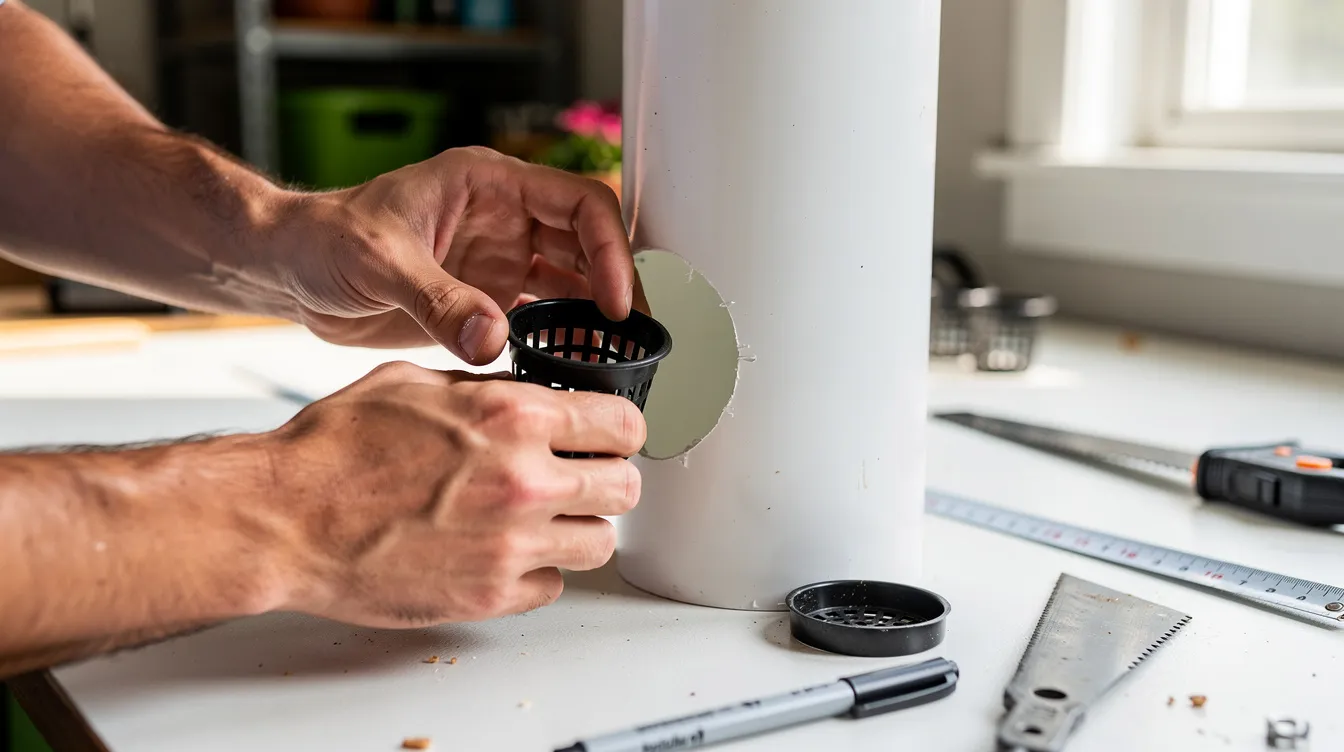
Mark staggered holes around the tower in a helical pattern (6–8 inches apart)
Angle cuts 10–15 degrees upward for drainage and net pot retention
Use a 2-inch hole saw for clean edges
Assembly:
Mount the vertical column to the reservoir lid using flanges
Install pump riser tube to the apex
Create a distribution manifold (drilled PVC cap with 10–12 outlets)
Seal all joints with food-grade silicone
Add overflow drain at reservoir level
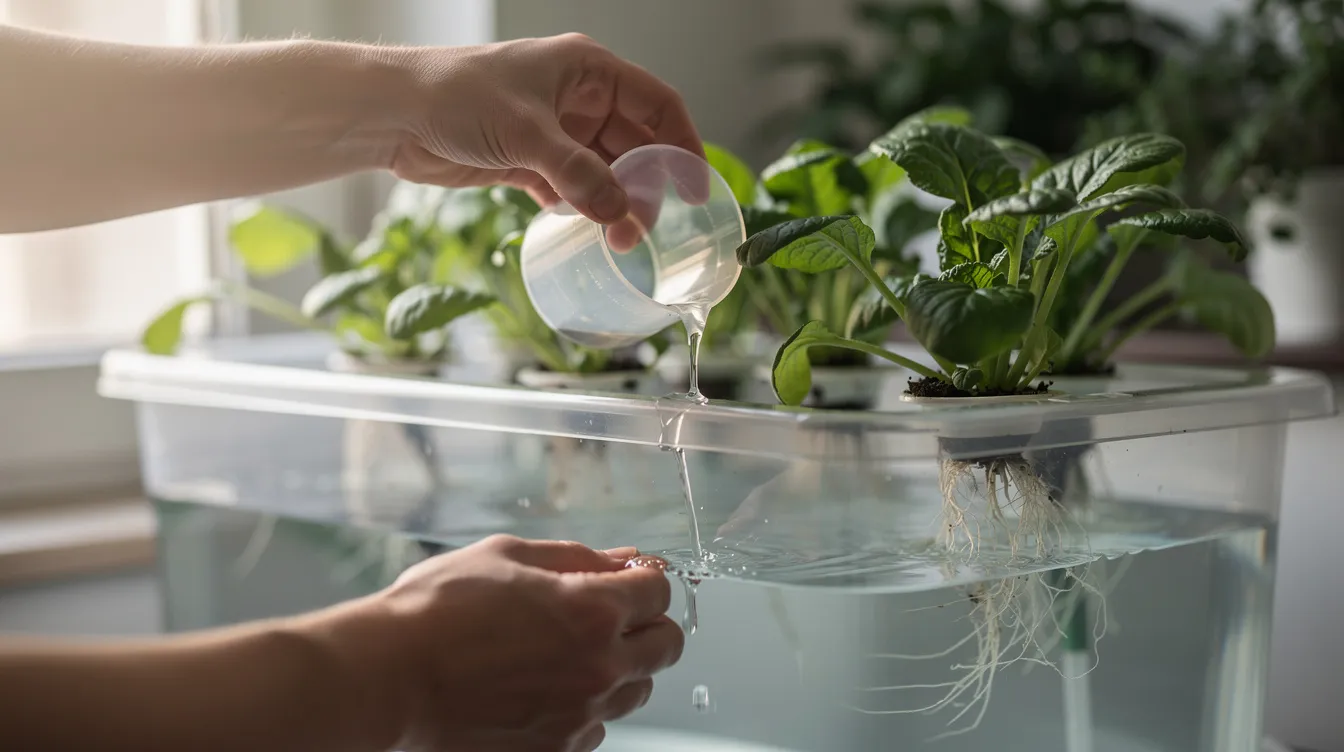
Initial Setup: To start a hydroponic tower garden, set up the system by connecting the pump and filling the reservoir with water and nutrients according to the guide. Mix RO water with hydroponic fertilizer to target EC 1.0–1.5 for leafy greens. Adjust pH to 5.8–6.2. Test water flow before transplanting seeds or seedlings—aim for even cascade without pooling, much like you would when preparing aeroponic tower systems for home growing.
Consistent monitoring of water level, nutrients, and cleanliness keeps vertical towers productive and healthy. Managing pH and nutrient levels in hydroponic systems requires more technical monitoring than traditional gardening, but the routine becomes quick with practice, especially when using an efficient pro tower garden system.
Daily Checks: When setting up a hydroponic tower, it is important to monitor growth, check water levels, and adjust nutrients as needed to ensure healthy plant development. Confirm the pump is running (listen for the hum), and visually inspect leaves for wilting or discoloration, noting that some automated hydroponic grow tower systems can streamline these routine tasks.
Nutrient Management:
Measure and adjust pH weekly (target 5.8–6.5 range)
Monitor EC/ppm and add nutrients as plants feed
Refresh 20–25% of the solution biweekly
Use Cal-Mag supplements for fruiting crops like tomatoes
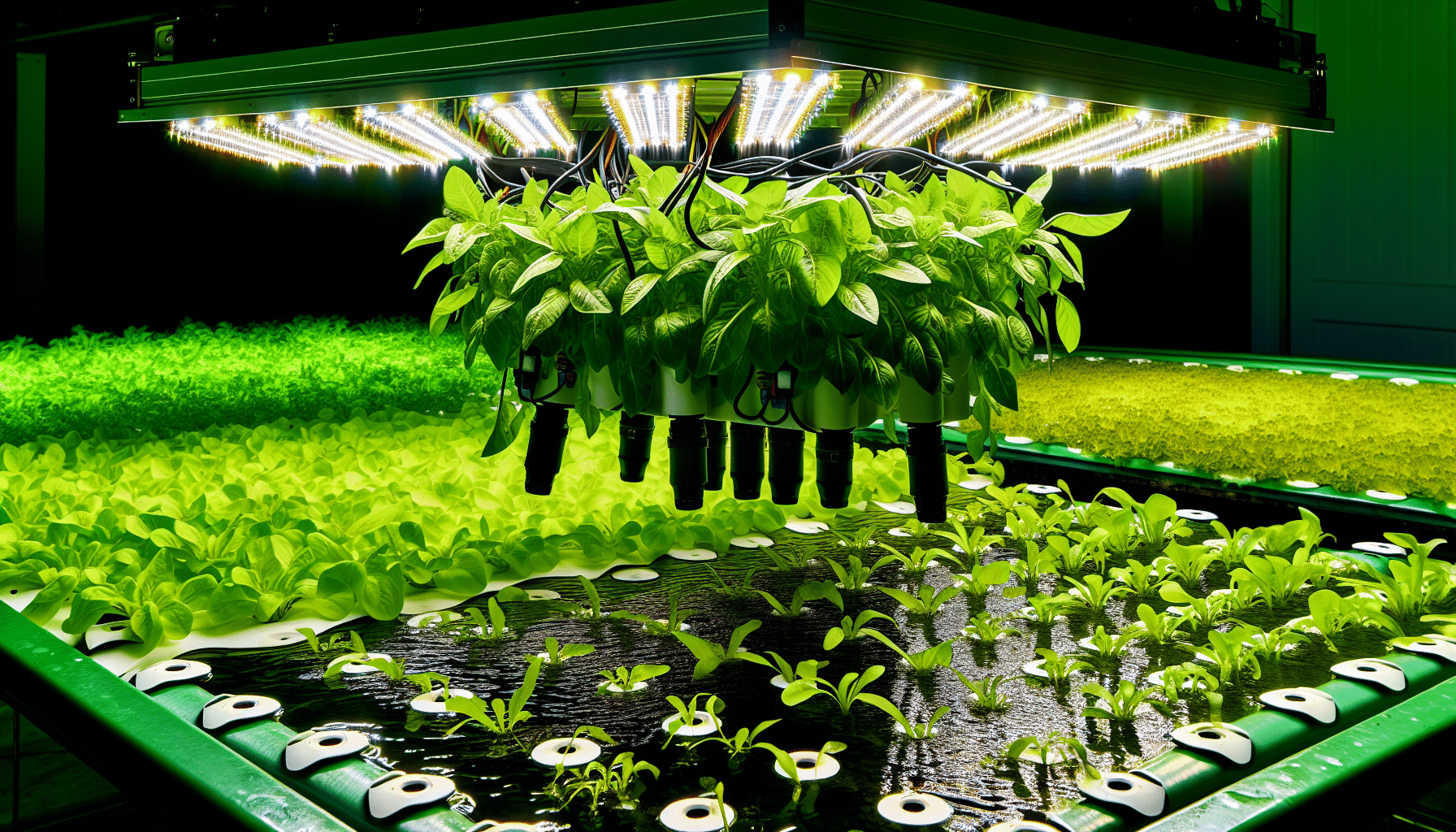
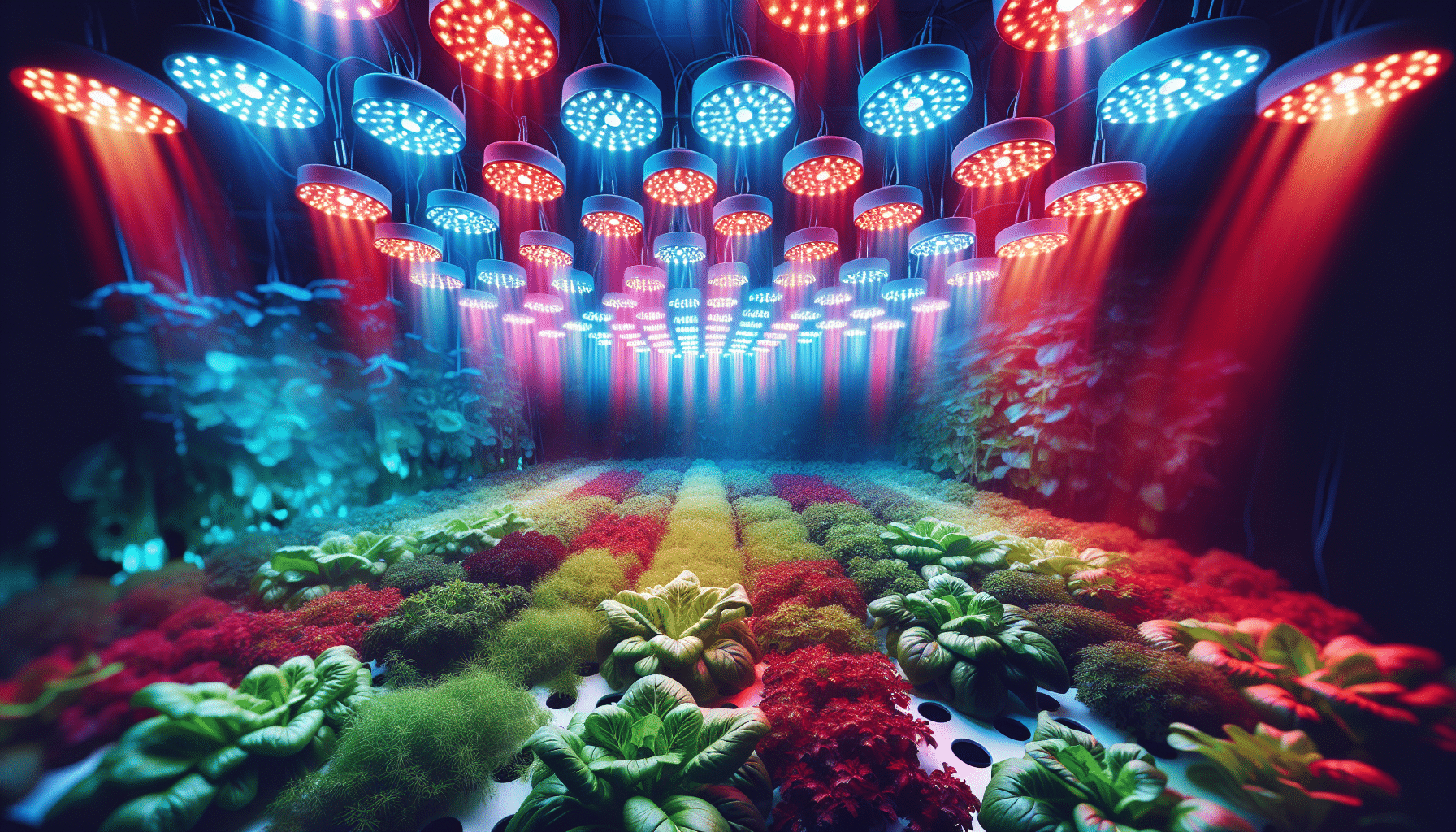
Light Requirements: Indoor setups with LED grow lights enable year-round harvesting in hydroponic systems regardless of season. Position lights 12–18 inches from plants, running 12–16 hours daily on a timer. Full-spectrum LEDs (400–700nm) at 150–300 µmol/m²/s work well for most crops, and modern vertical hydroponic garden towers with LED systems follow many of the same best LED grow light practices.
Cleaning & Sanitation:
Deep clean between crop cycles (every 8–10 weeks)
Flush lines with diluted vinegar
Scrub reservoir and tower tubes
Disinfect with 1:10 bleach or hydrogen peroxide solution
Seasonal Adjustments:
Summer: reduce nutrient strength, maintain temperatures around 70°F
Winter: use heat mats if needed, boost EC by 20%
Adjust crop choices based on growing season and temperature
A hydroponic tower is ideal for people with limited space, a desire for fresh produce, and willingness to monitor a small system regularly. Most hydroponic towers require electricity for pumps and lights, making them power dependent—so access to outlets is essential.
Self-assessment questions:
Do you have 1–4 square feet of floor space available?
Is there convenient access to power and water?
Will you use the tower indoors, outdoors, or both?
What’s your budget range? (DIY: $100–250; kits: $500–700)
Can you commit 10–20 minutes daily to monitoring?
Typical use cases:
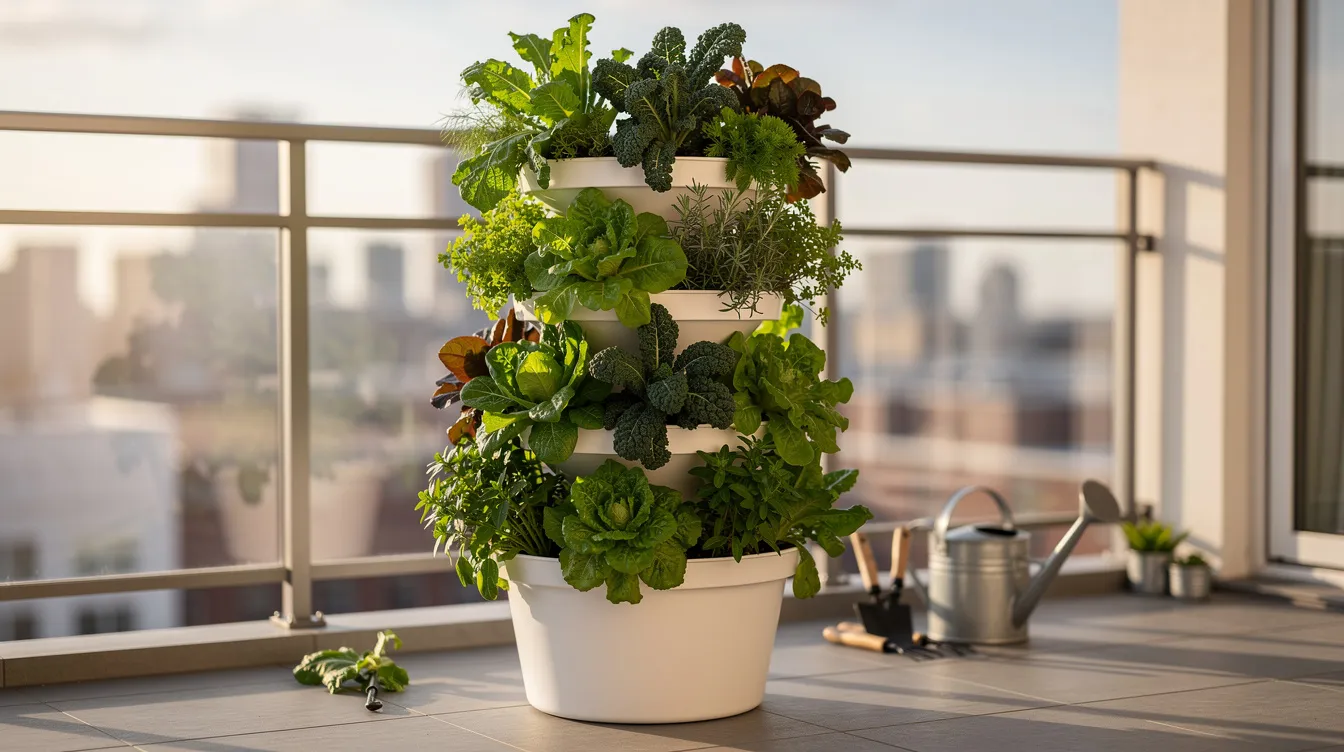
Apartment balconies and kitchen corners
Classrooms for STEM education
Small restaurants sourcing fresh herbs
Rooftop gardens in urban areas
Hydroponic systems are often automated, making it easy for beginners to manage by simply checking pH and nutrient levels. You can start with a compact vertical tower and scale up to multiple towers or a full tower farm as confidence grows, choosing between hydroponic tower systems for indoor growing or more advanced aeroponic towers for home use as your setup expands.
Whether you build a DIY setup or invest in a plug-and-play kit, vertical hydroponic towers offer a sustainable, space saving path to growing food year long. The fun begins with your first harvest—and with the right system, such as a complete indoor hydroponic grow tower, that harvest can continue through every season, regardless of what’s happening outside your window.