Starting a hydroponic garden is less like flipping a switch and more like tuning an instrument. It’s about balance—between light and darkness, nutrients and water, patience and curiosity. To learn more about indoor hydroponic gardens and the systems that power them, consistency is key.
The first 30 days are where your habits start to take shape. You’ll see your system come to life, and with it, your understanding of what growing food without soil actually demands. But what should you realistically expect? Not marketing promises, but the kind of clarity that builds confidence. You can read about hydroponic gardening for beginners to set the right baseline for your expectations.
TLDR:
|
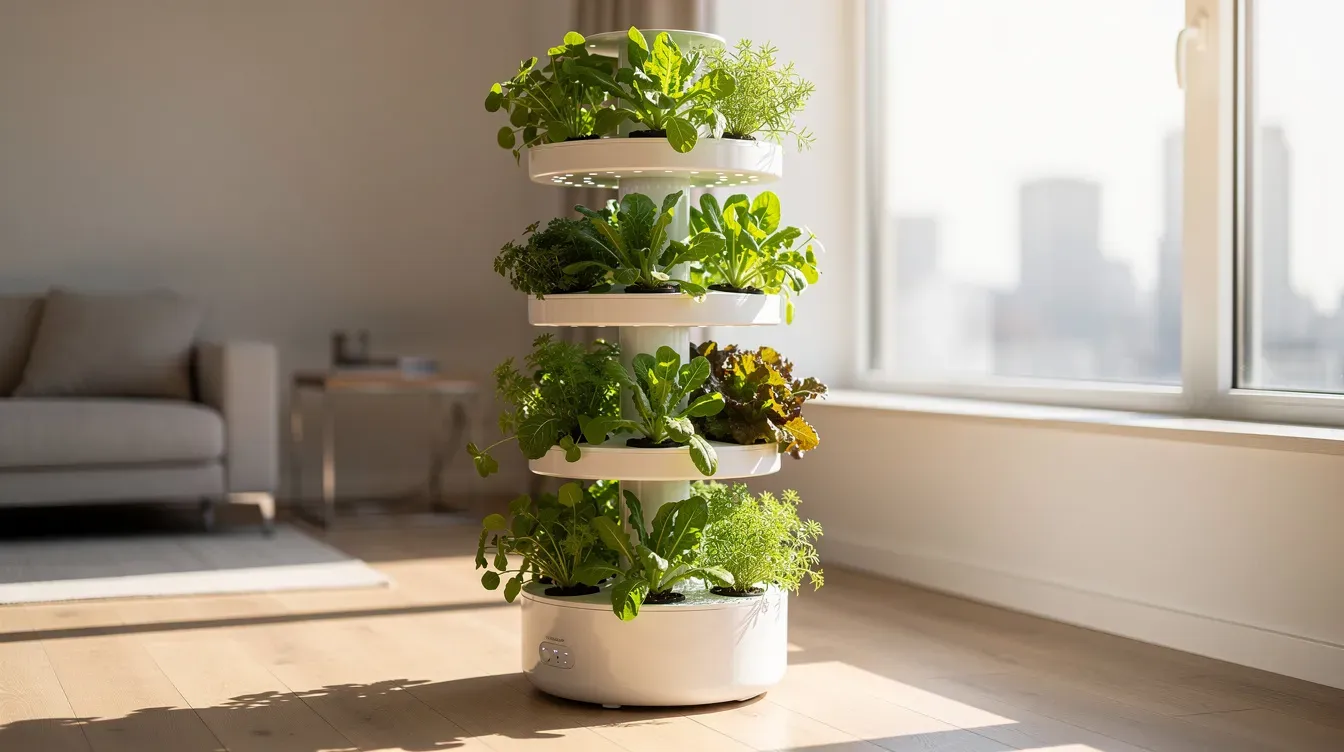
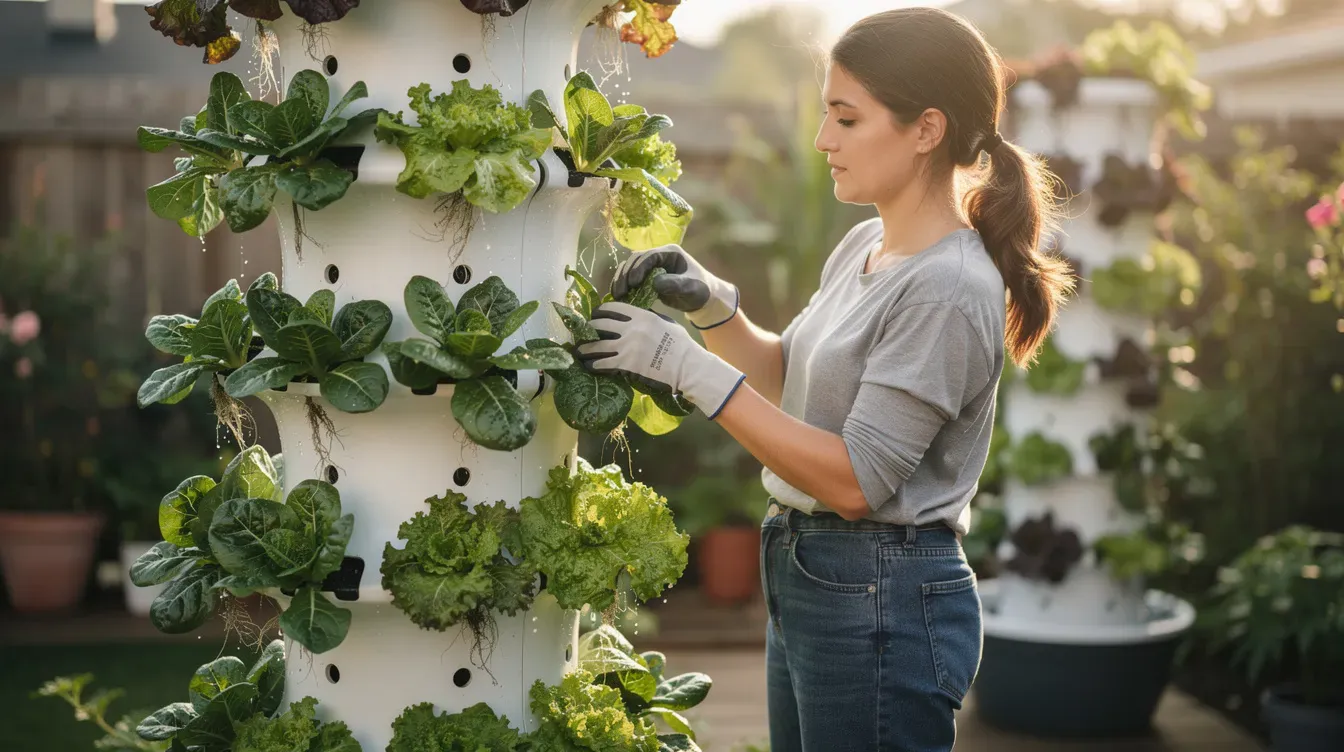
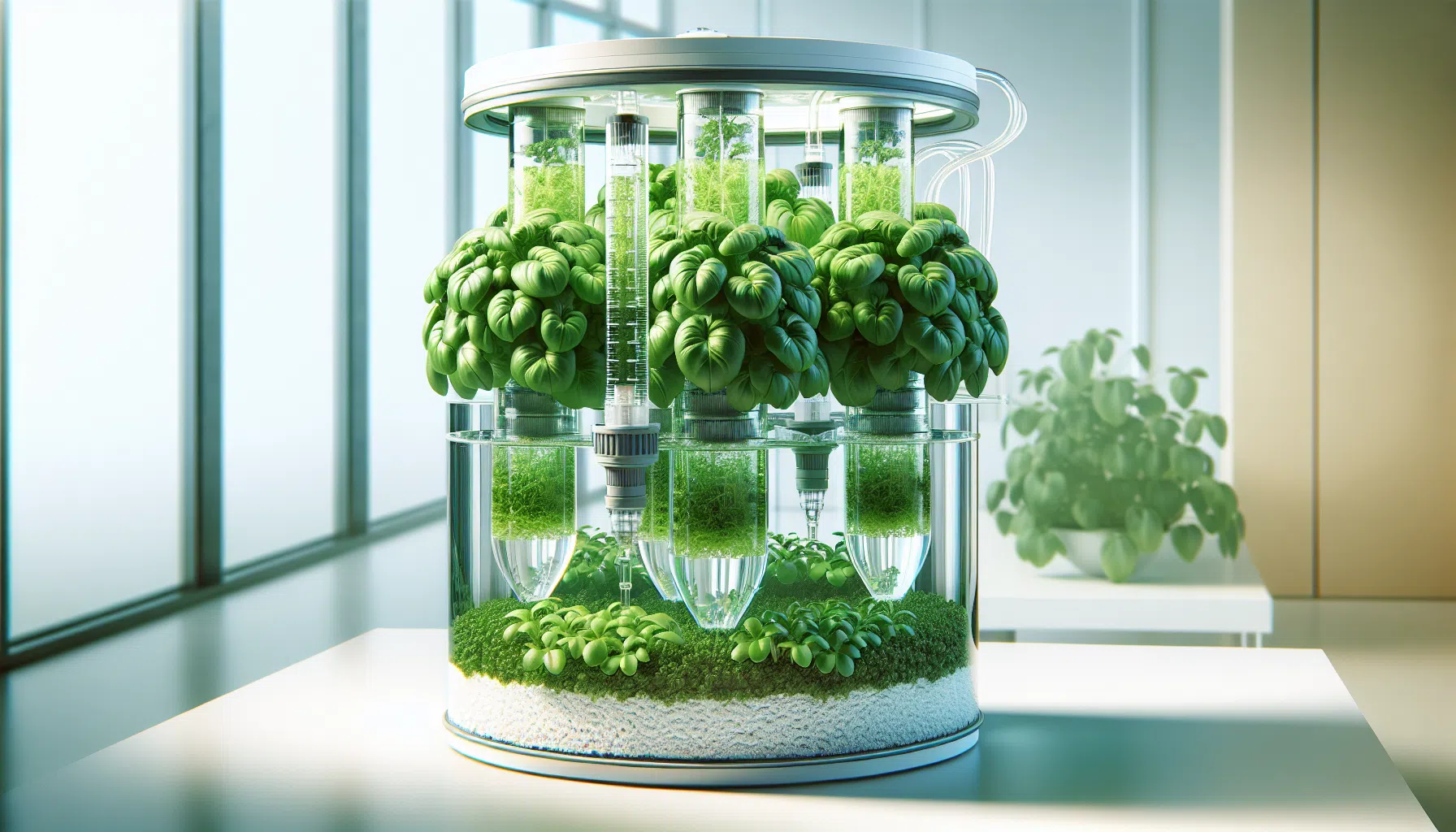
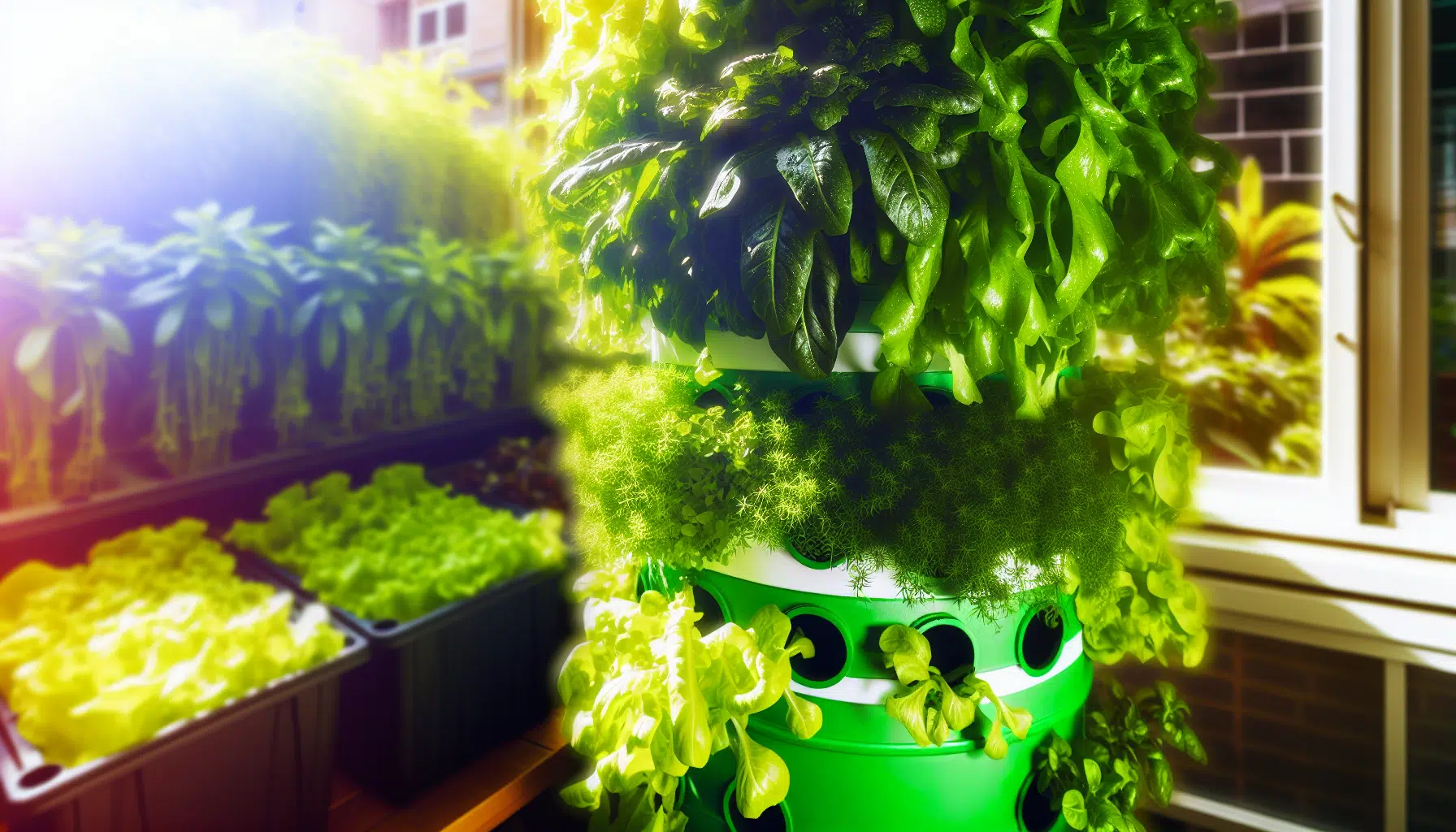
The first week is all about environment calibration. You’ll assemble your hydroponic system—likely a vertical tower, NFT channel, or DWC setup—position it near adequate lighting, and test your water parameters. You can check out our how hydroponic towers work guide to ensure your hardware is configured correctly.
Key metrics:
A study published in Horticulturae (2022) found that pH and EC stability in week one can influence seed germination rates by up to 30%. This is foundational.
You’ll also learn what your tap water contains—or doesn’t. Chlorine and chloramine can disrupt beneficial microbial activity. Consider filtered or RO water for best results.
Unexpected lesson: Leaks, root-zone temperature spikes, or light burn can happen. This is normal. Troubleshooting is part of your initiation.
By day 7–10, your seedlings will emerge if you’ve started from seed. If you used transplants, they’ll be in recovery. Either way, this is where subtle daily changes make a big difference.
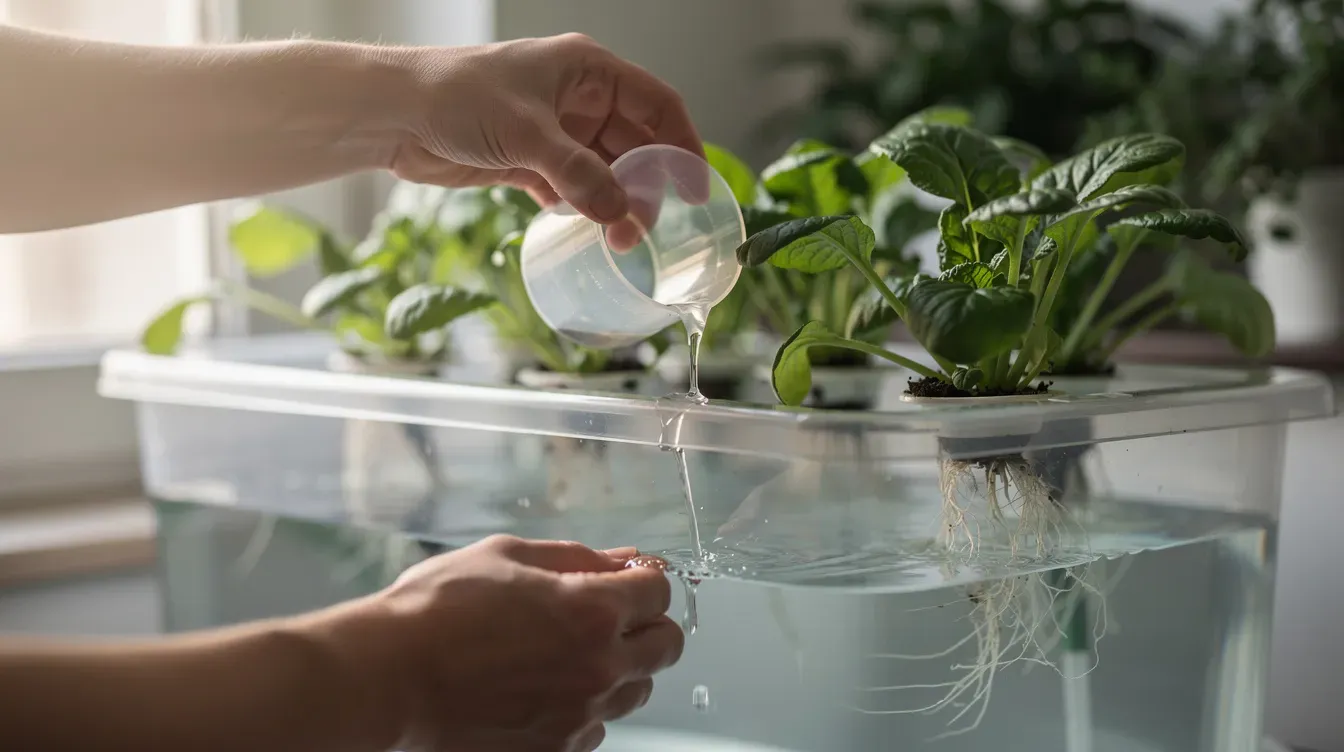
You’ll begin adding hydroponic nutrients more confidently. Stick to the manufacturer’s dilution instructions, but observe plant response. Nutrient deficiencies often show in new growth.
Pro tip: Start a log. Date, pH, EC, plant observations. This habit builds your intuition fast.
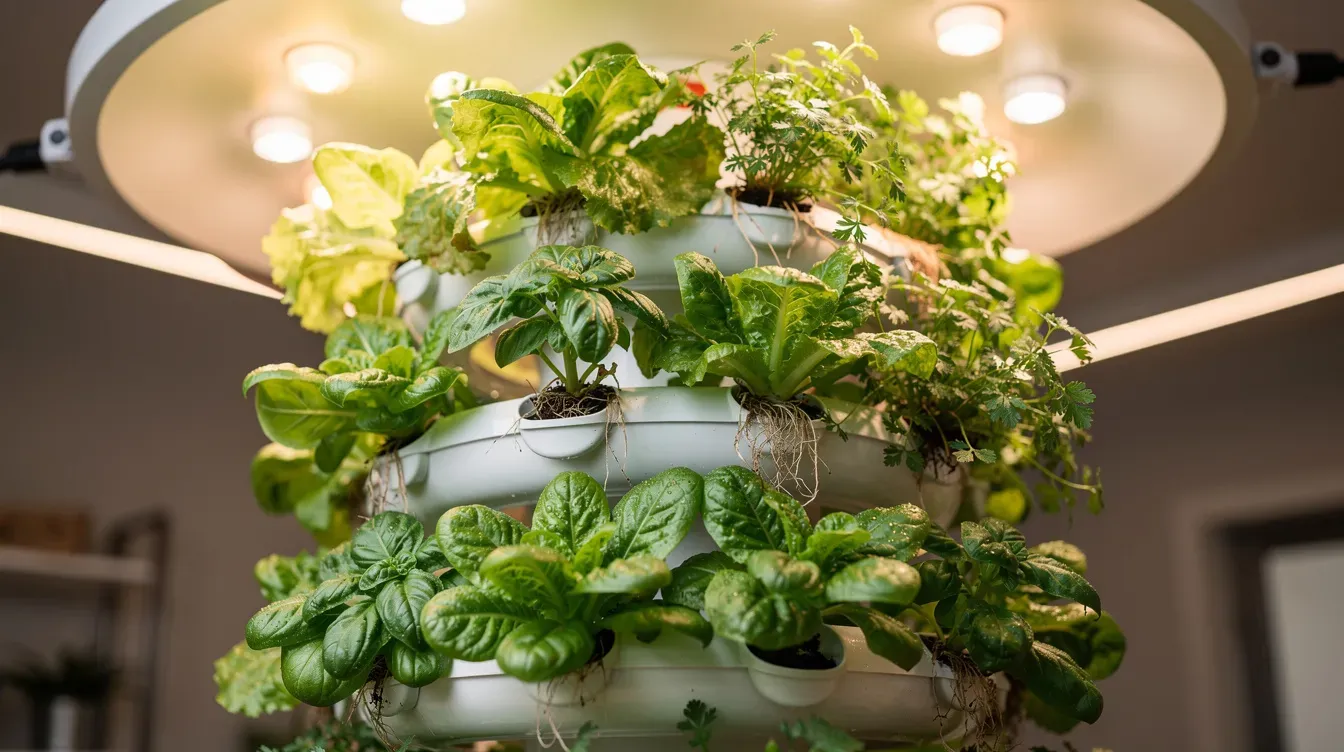
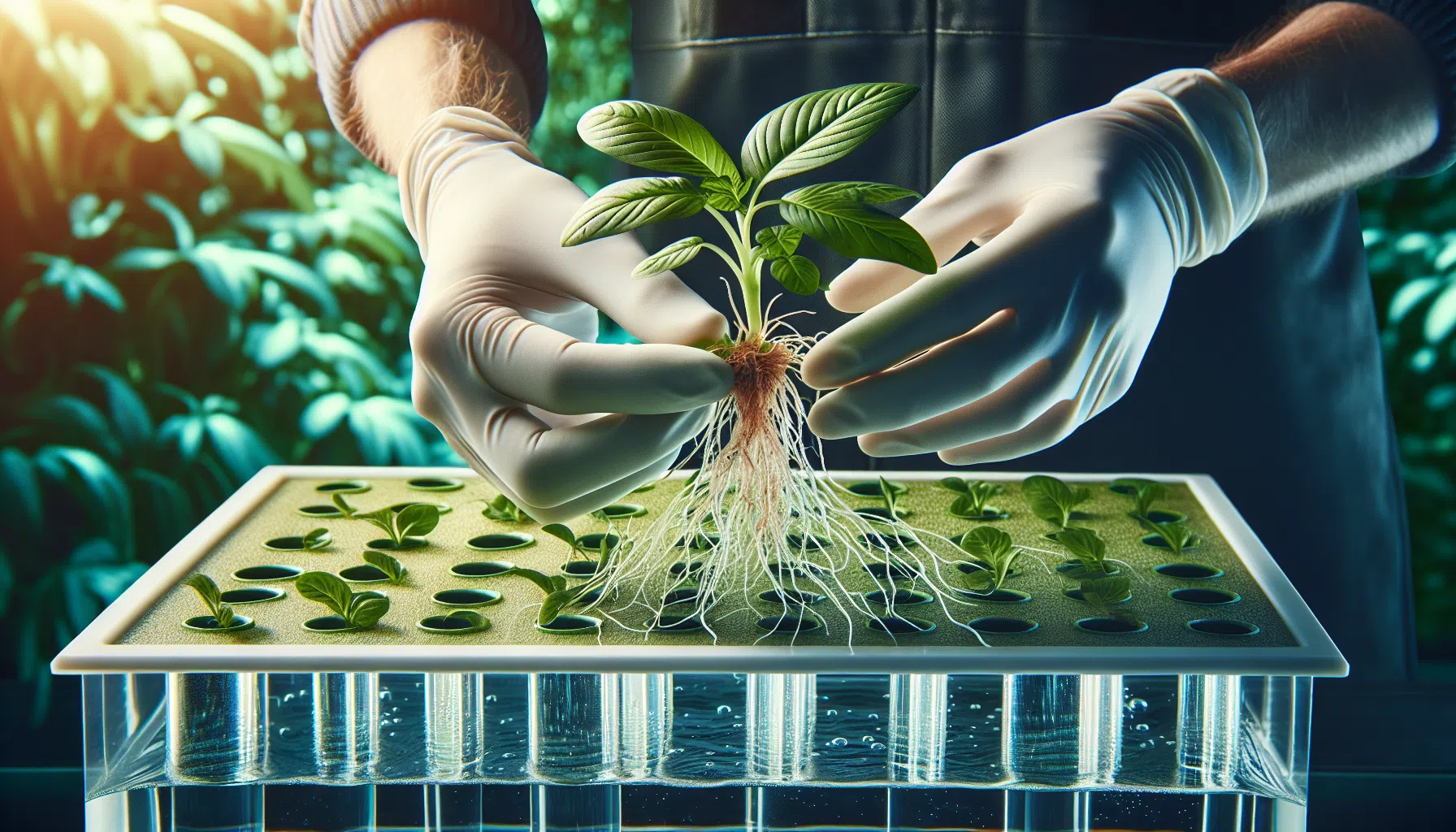
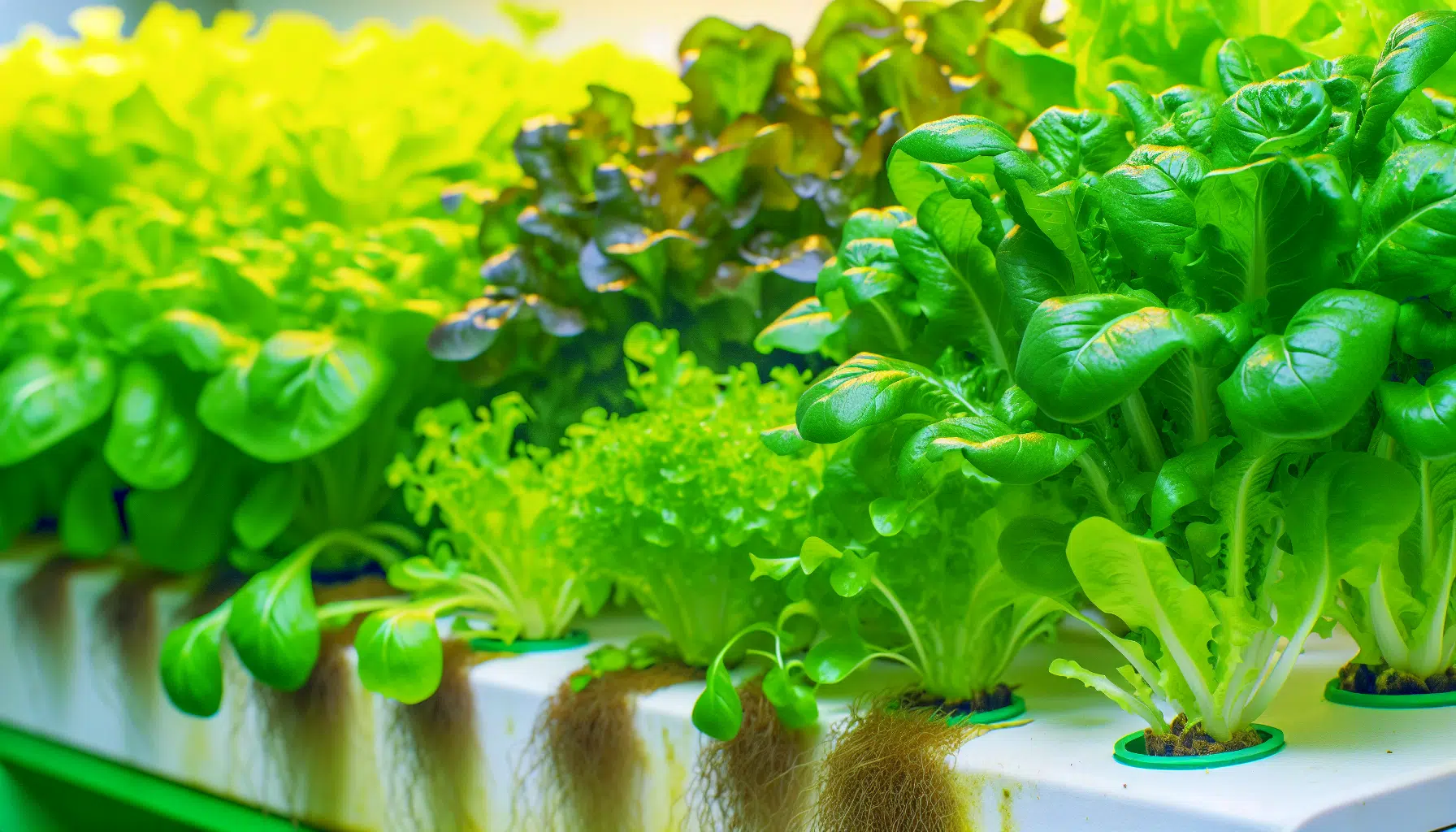
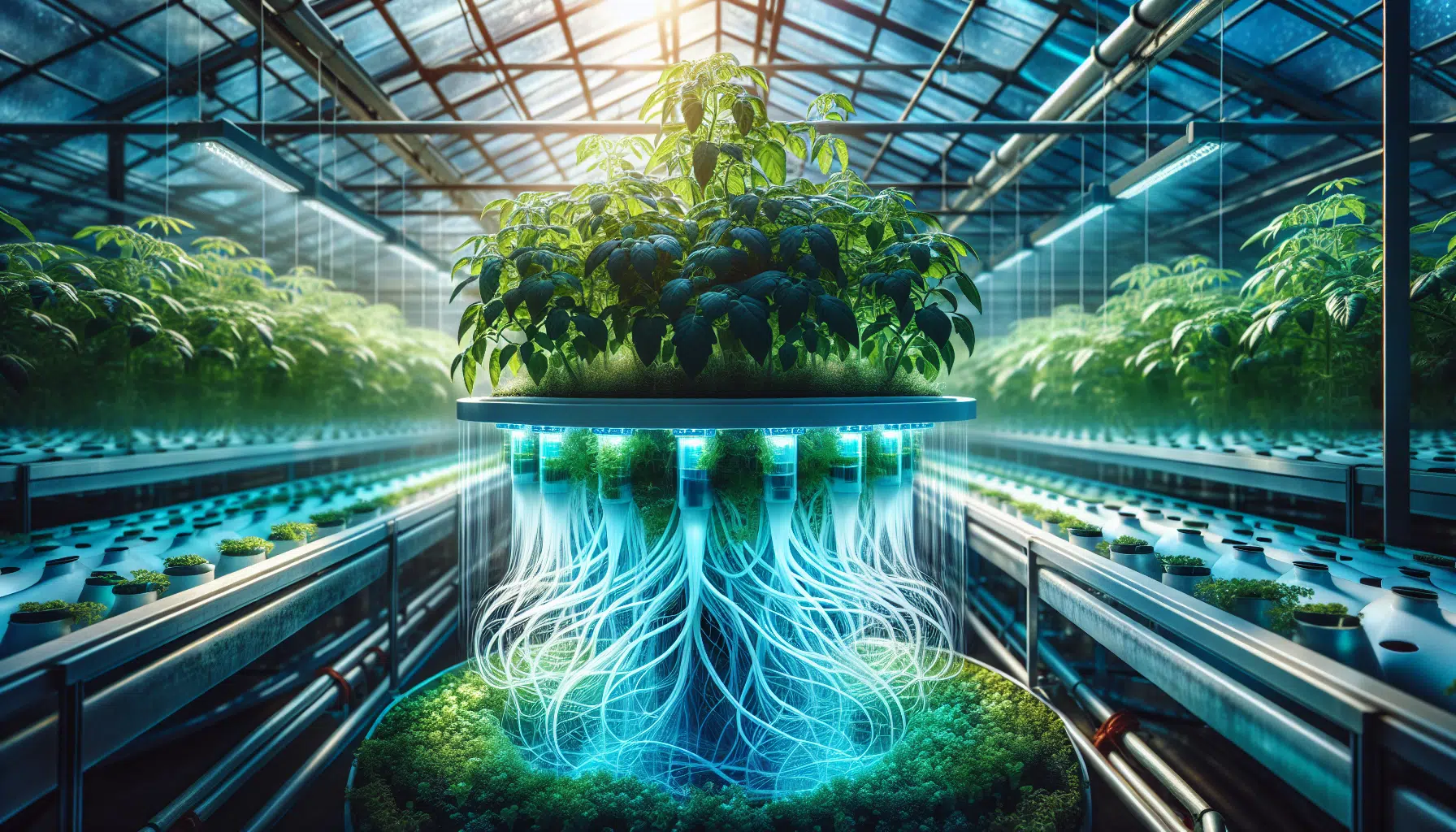
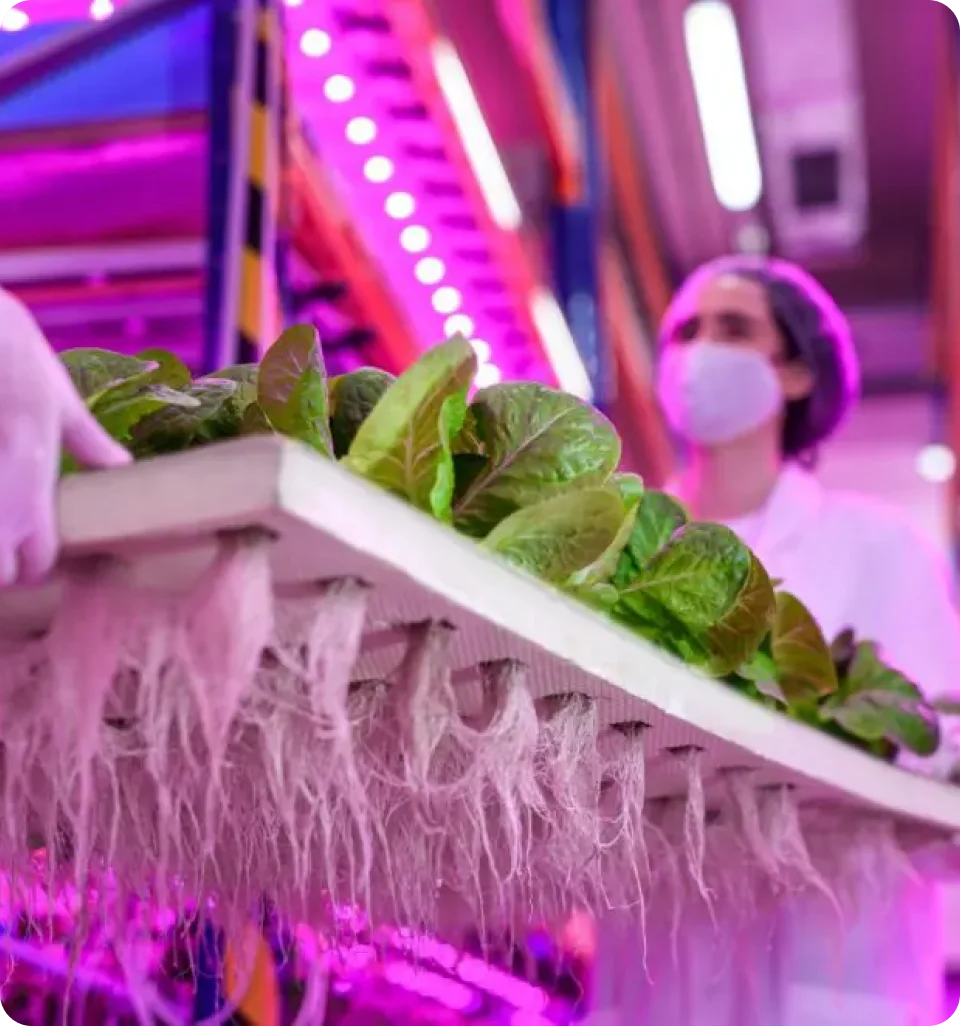
This is where hydroponic system starts to feel real. You’ll peek into the reservoir and see white, healthy roots dangling like silk threads. They’re the lifeline.
But that’s also when things can go sideways.
Use this week to experiment safely. Maybe test a foliar spray on one plant. Maybe tweak your light cycle.
It’s also when many growers realize hydroponics is less “set and forget,” more “set and observe.”
This is not failure. This is gardening with feedback.
Around day 25–30, you’ll see real signs of growth:
This is the time to dial in your system. To see how your progress translates into long-term gains, you can calculate your savings using our tool.
You won’t be harvesting much yet (except fast-growers like arugula), but you’ll start tasting confidence—and maybe a few leaves.
Common Pitfalls to Avoid
In the first month, change the water completely every 10–14 days. Top-offs can be done daily with pH-balanced water.
Not always—but indoor systems benefit from controlled lighting. South-facing windows may work for leafy greens but won’t be reliable year-round.
Lettuce and basil. They grow fast, are forgiving, and show nutrient needs clearly. Avoid tomatoes or peppers in the first month.
White fuzz on rockwool or coco coir is common and usually harmless. Improve airflow and reduce moisture to control it.
Yes. Brown, slimy roots suggest root rot. Increase oxygenation, lower water temperature (18–22°C), and flush the system.
Your first month with a hydroponic garden won’t make you a master grower—but it will make you more observant, more hands-on, and more attuned to systems thinking. Hydroponics isn’t about perfection. It’s about control, insight, and iteration. You’ll finish your first 30 days with clearer expectations, sharper instincts, and maybe even a few fresh leaves to show for it. When your hands are in the system daily, and you start recognizing the rhythm of roots and leaves—that’s when you’re really growing.
If you are ready to take your setup to the next level, you can start growing with the Pro Shelf with LED for ultimate control. For additional insights check our calculate your savings tool!