



Last Updated: January 2025 | Reading Time: 12 minutes

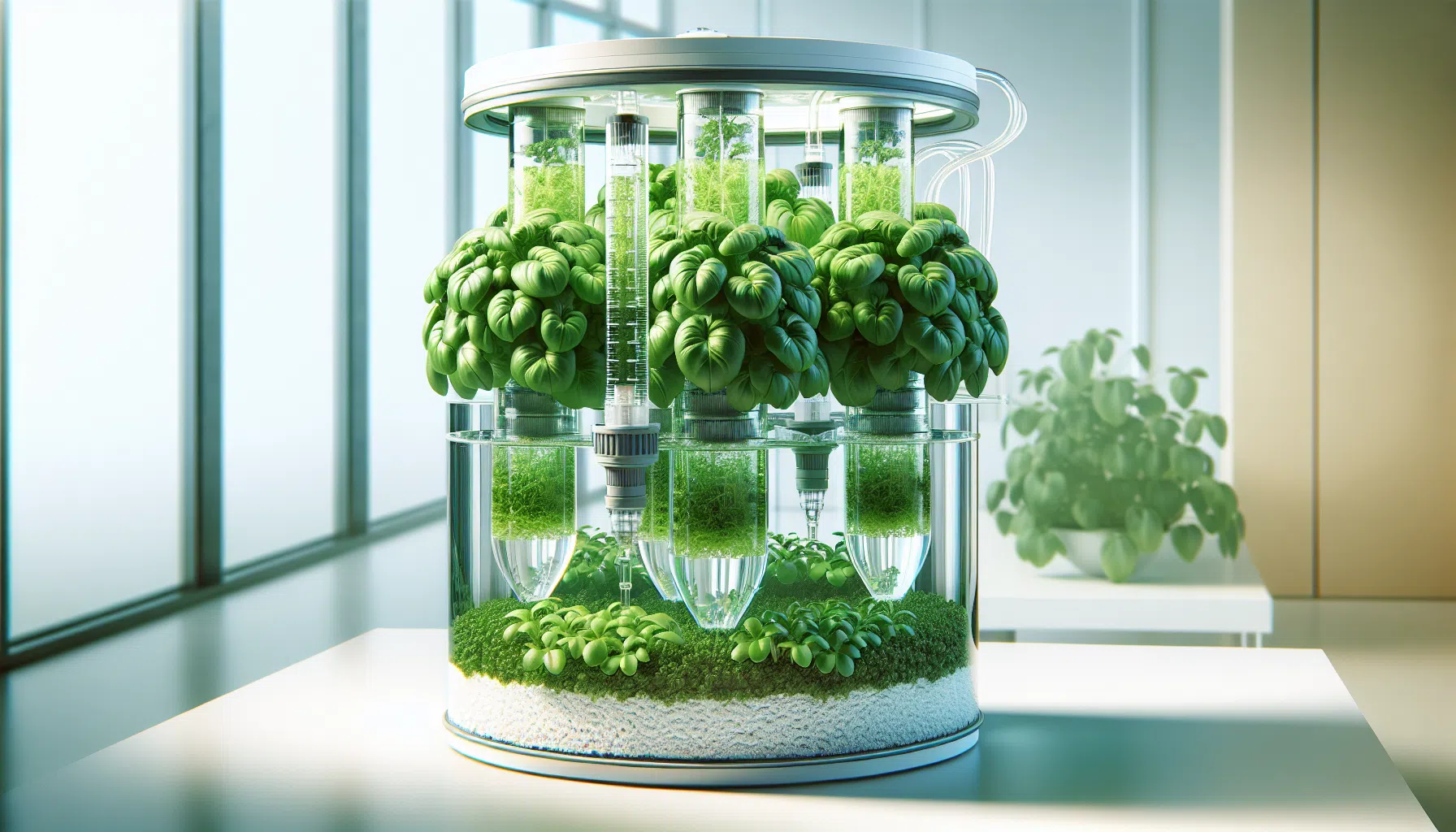
Indoor gardening has revolutionized how we think about growing fresh, nutritious food at home. Whether you’re a complete beginner or looking to expand your growing knowledge, you can learn more about indoor hydroponic gardens through this comprehensive guide to transform your space into a thriving, year-round growing paradise in your own home.
From traditional soil-based methods to cutting-edge hydroponic systems, indoor gardening offers unprecedented control over your growing environment. If you are just starting, you can read about hydroponic gardening for beginners to understand how these systems achieve faster growth rates and the satisfaction of harvesting fresh produce regardless of weather or season.
What is Indoor Gardening?
Indoor gardening is the practice of growing plants inside your home, office, or any enclosed space using artificial lighting, controlled environments, and specialized growing systems. Unlike traditional outdoor gardening, indoor gardening gives you complete control over every aspect of your plants’ environment.
Key Benefits of Indoor Gardening
- Year-round growing: Harvest fresh produce in any season
- Weather independence: No concerns about frost, drought, or storms
- Pest control: Significantly reduced pest and disease issues
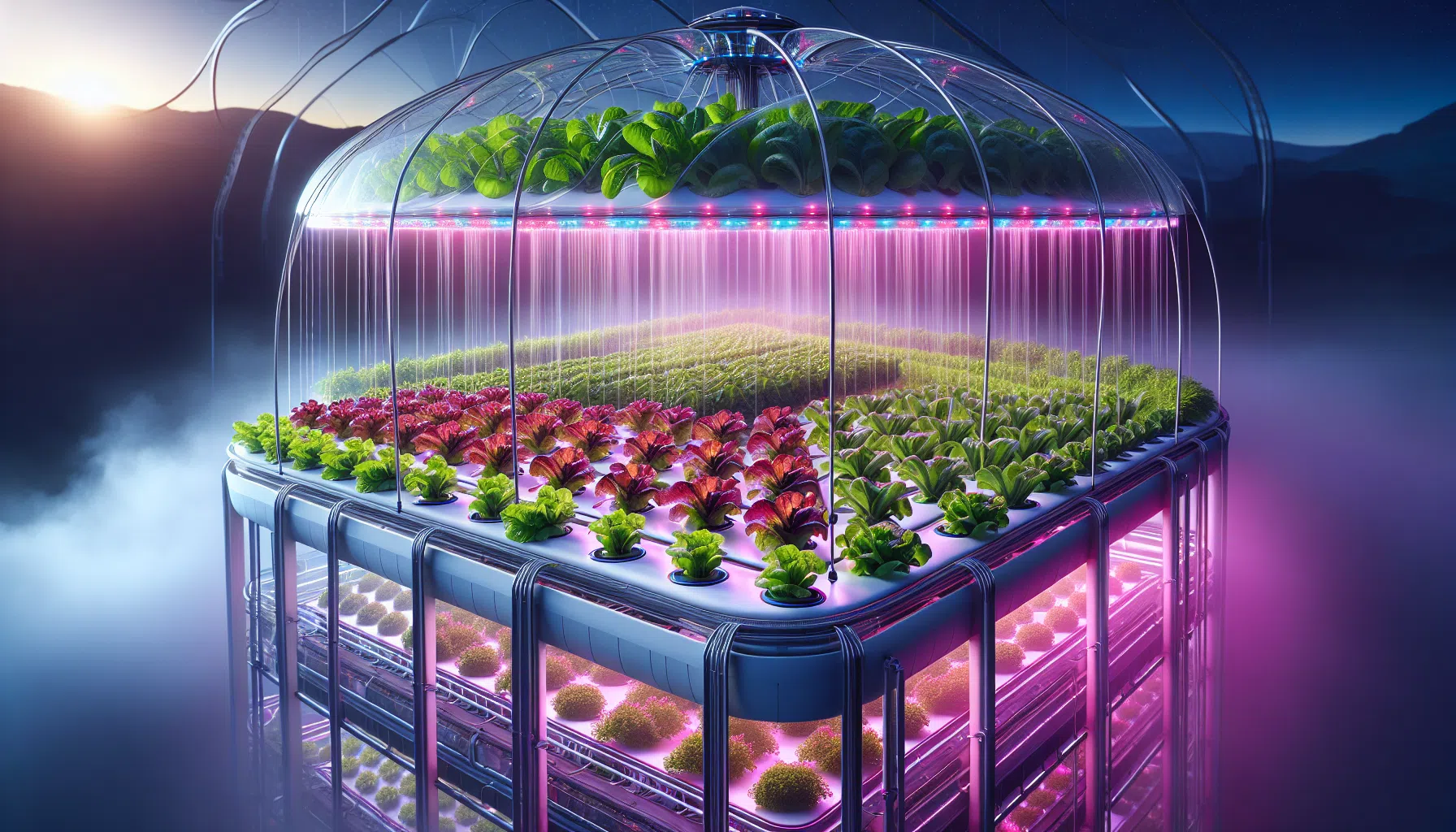
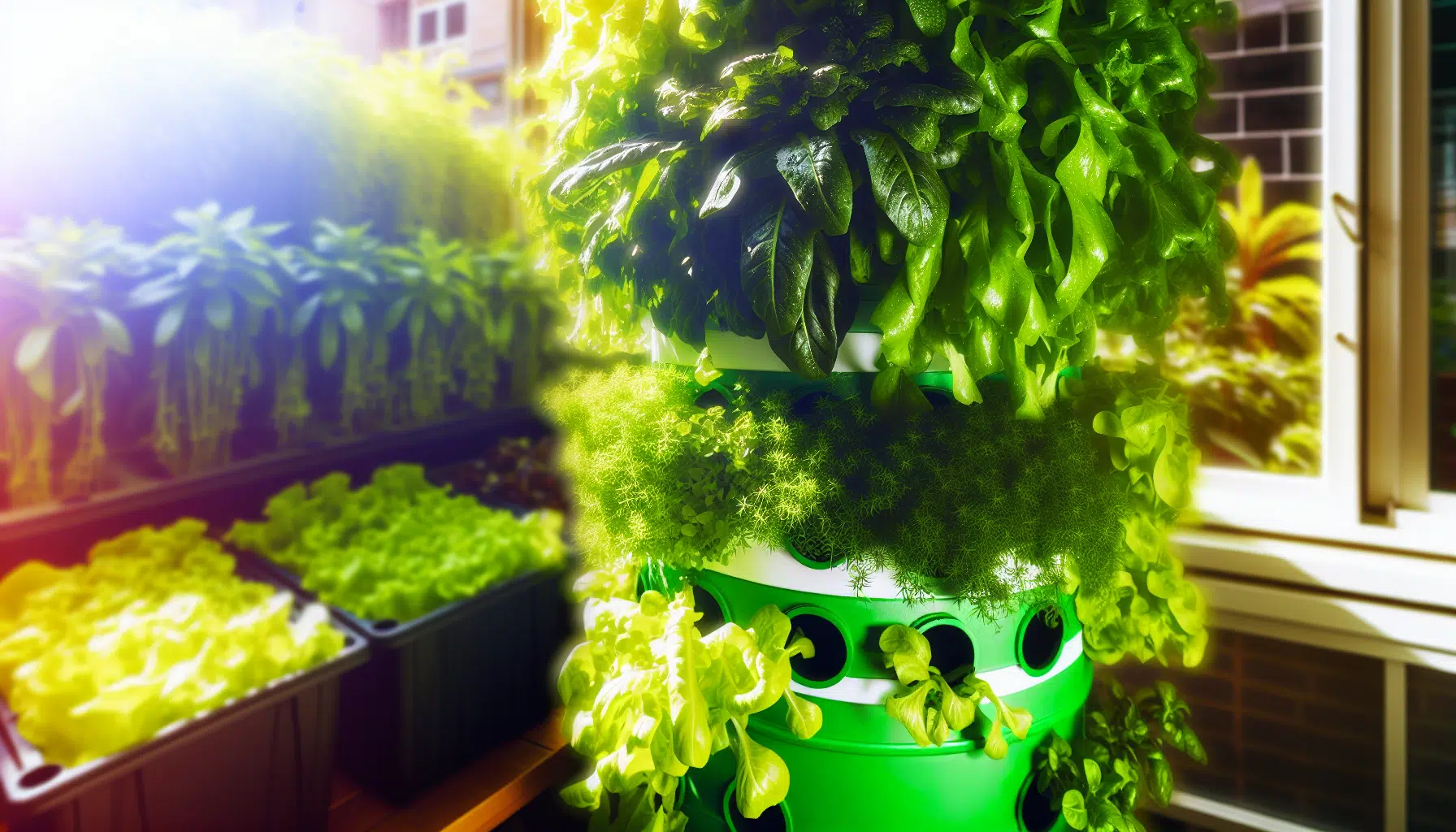
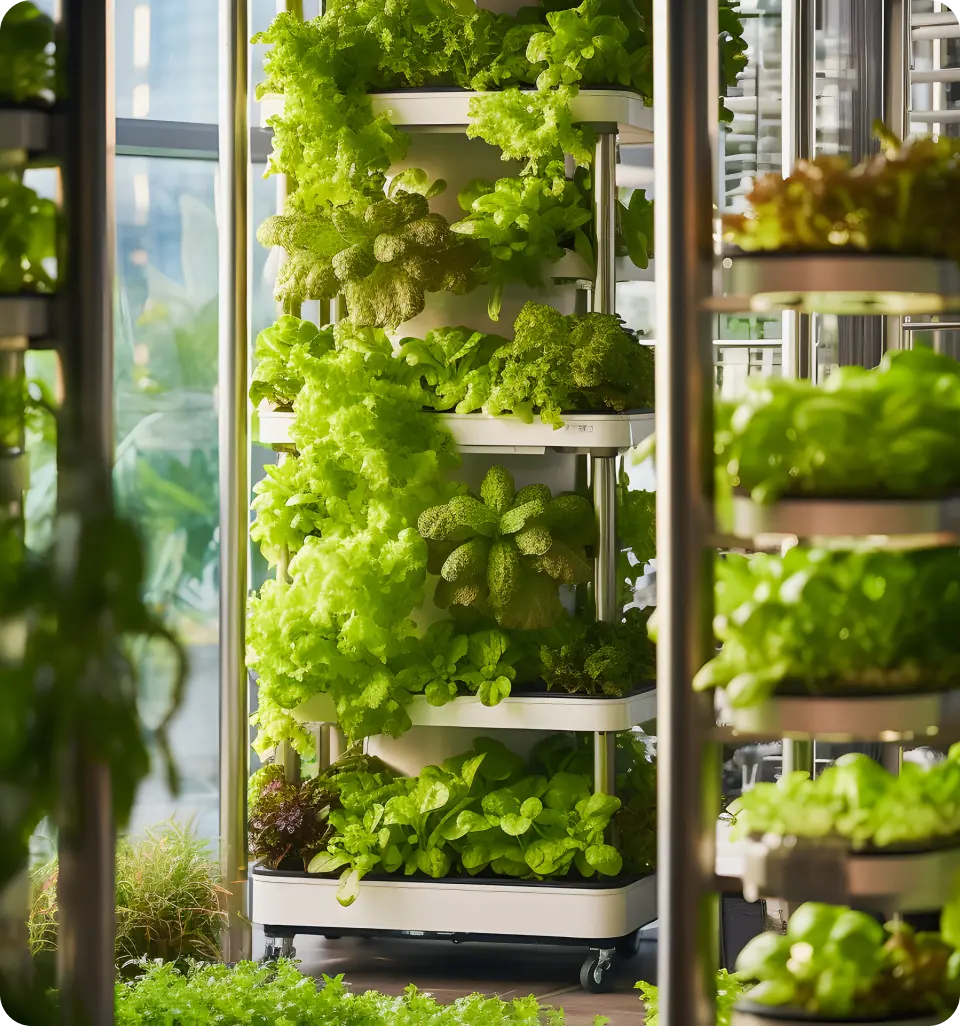
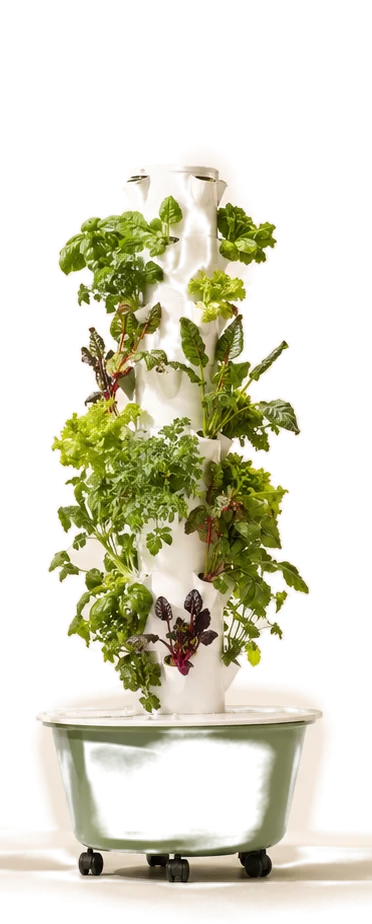
- Space efficiency: Grow more in less space with vertical hydroponic systems
- Water conservation: Use up to 90% less water than traditional gardening
- Faster growth: Optimized conditions lead to 25-50% faster growth rates
- No synthetic pesticides: Complete control over your nutrients and growing methods
Types of Indoor Growing Systems
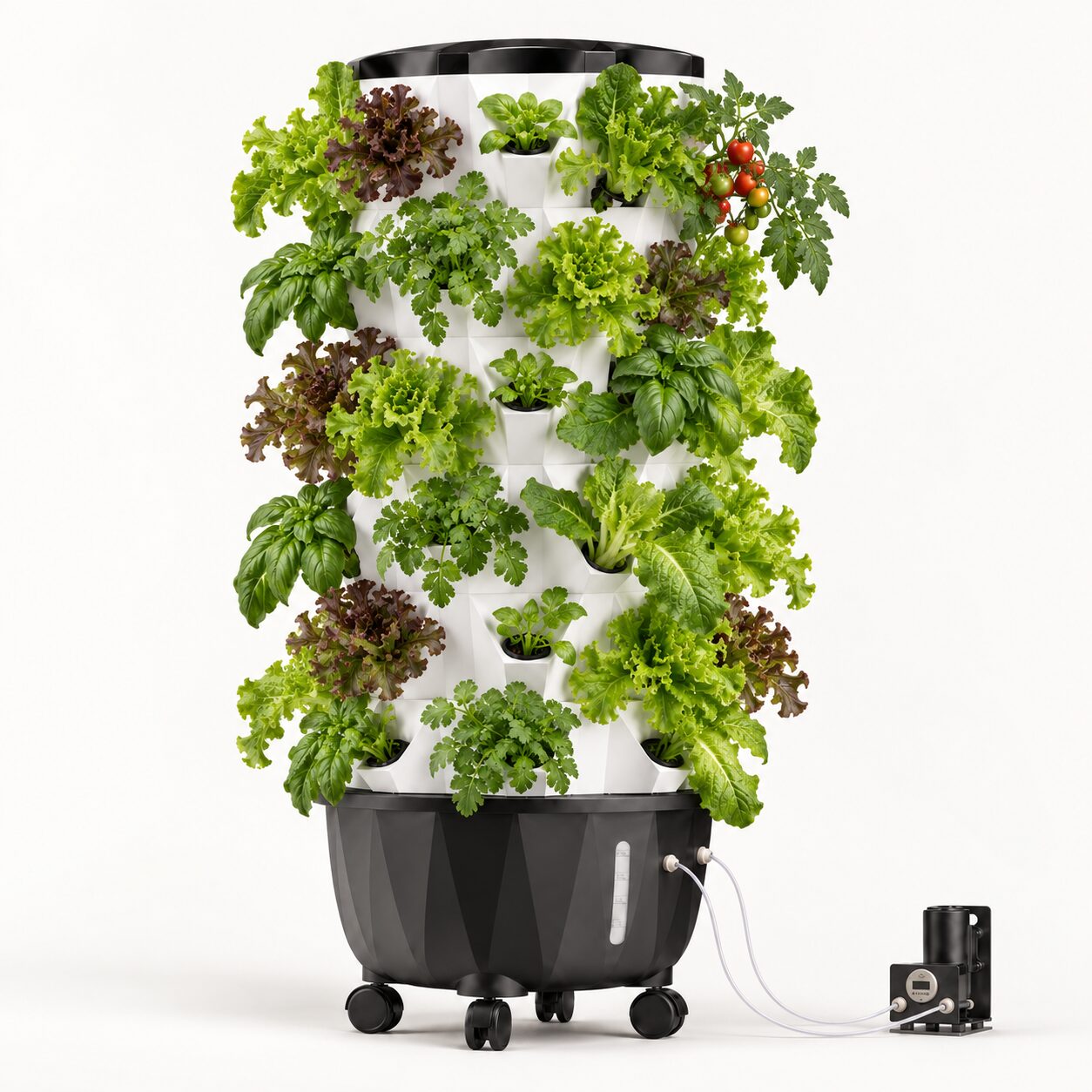
Understanding the different indoor gardening systems available helps you choose the best approach for your space, budget, and growing goals. To see the specific mechanics behind soilless setups, check out our how hydroponic towers work guide.

Soil-Based Indoor Gardening
Traditional soil-based indoor gardening uses containers, pots, or raised beds filled with potting mix. This familiar method works well for beginners and offers several advantages:
- Low startup cost: Minimal equipment needed
- Familiar process: Similar to outdoor gardening
- Forgiving: Soil buffers pH and nutrient fluctuations
- Wide plant variety: Suitable for most plants
Hydroponic Systems: Soilless Growing Revolution
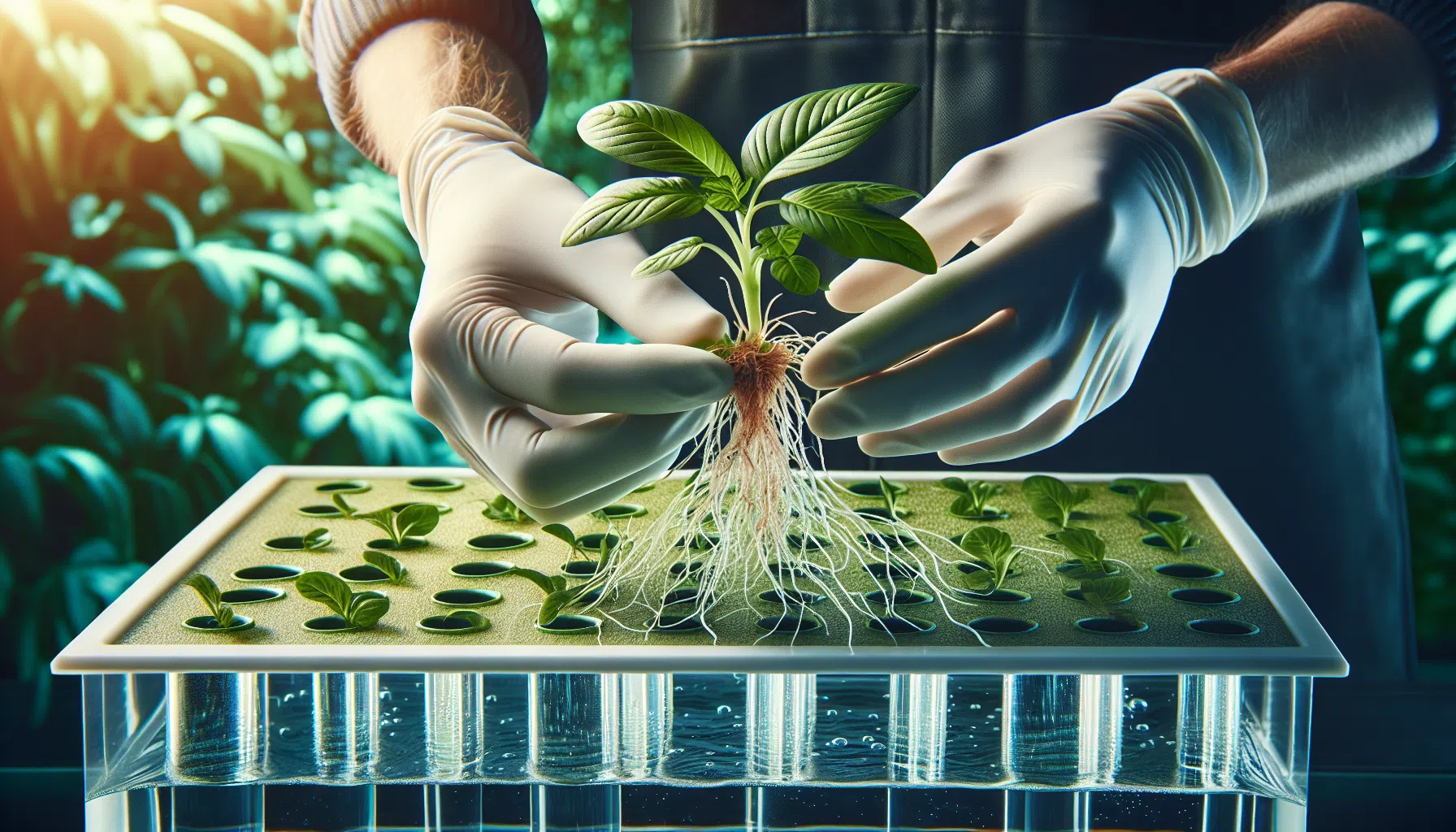
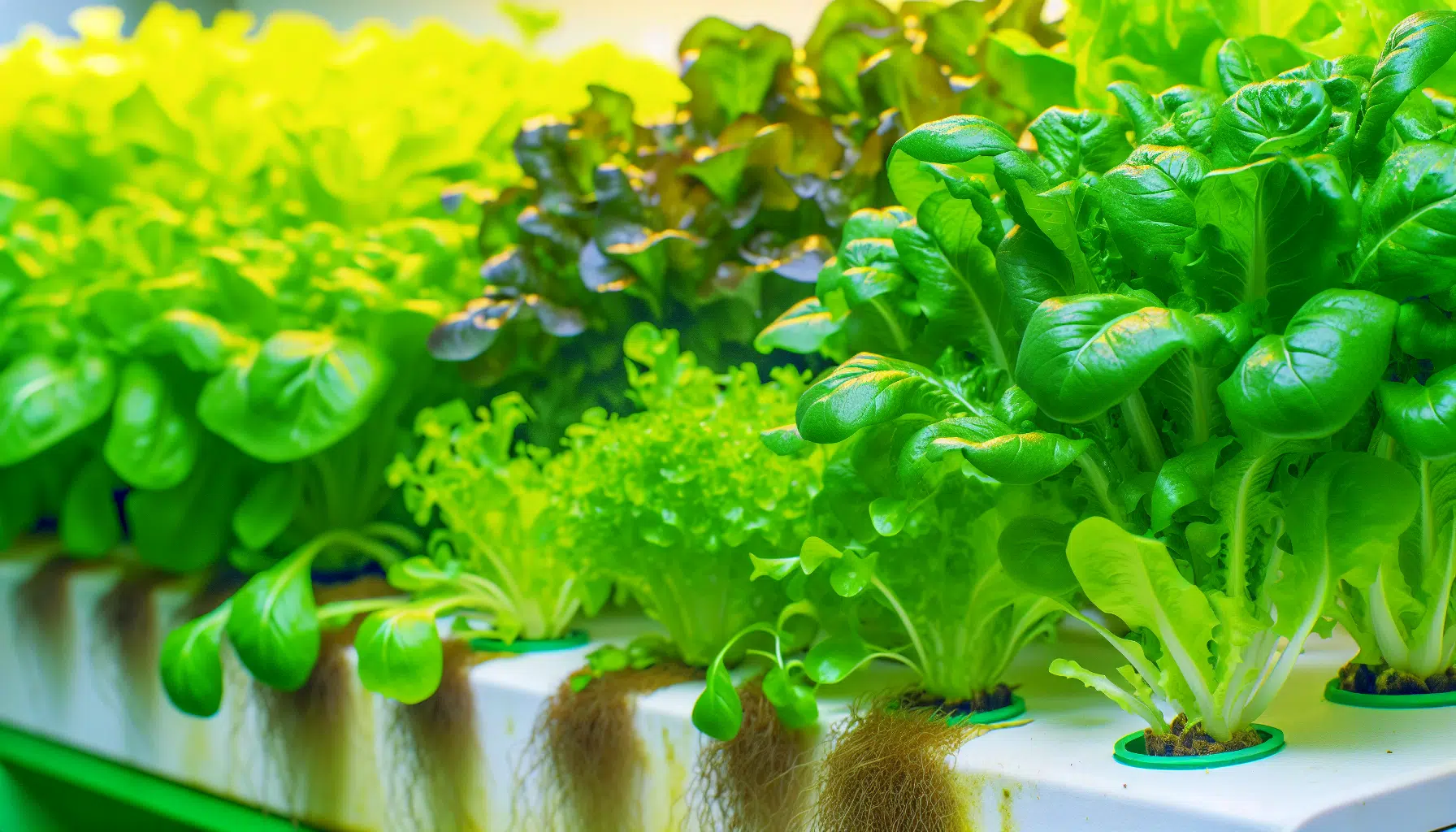
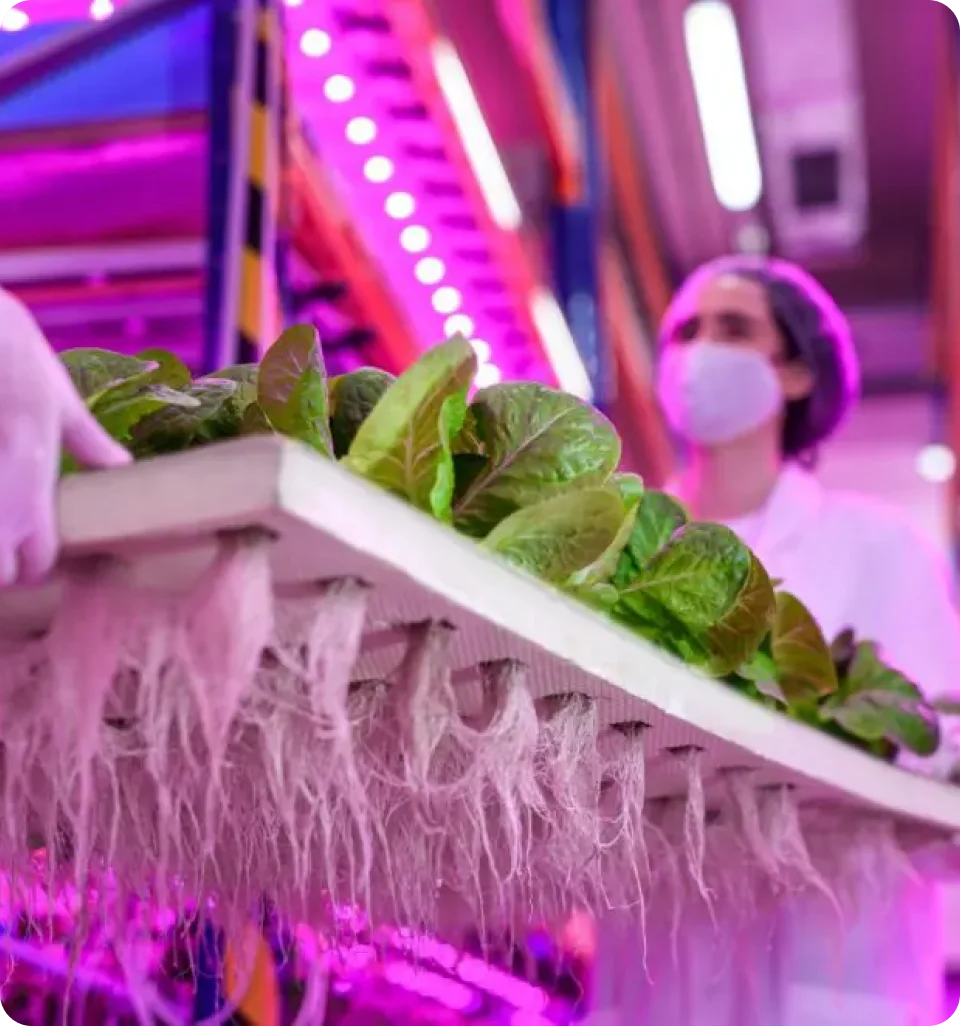
Hydroponic systems represent the cutting edge of indoor gardening technology. These systems offer remarkable advantages:
- Faster growth rates: Plants grow 25-50% faster than soil
- Higher yields: Increased production in the same space
- Water efficiency: Uses 90% less water than traditional methods
- Precise nutrition: Exact control over nutrient delivery
- Cleaner growing: No soil mess or soilborne diseases
Popular Hydroponic System Types:
- Deep Water Culture (DWC): Roots suspended in oxygenated nutrient solution
- Nutrient Film Technique (NFT): Thin film of nutrients flows past roots – compare NFT systems
- Ebb and Flow: Periodic flooding and draining of growing medium
- Drip Systems: Controlled nutrient delivery directly to roots
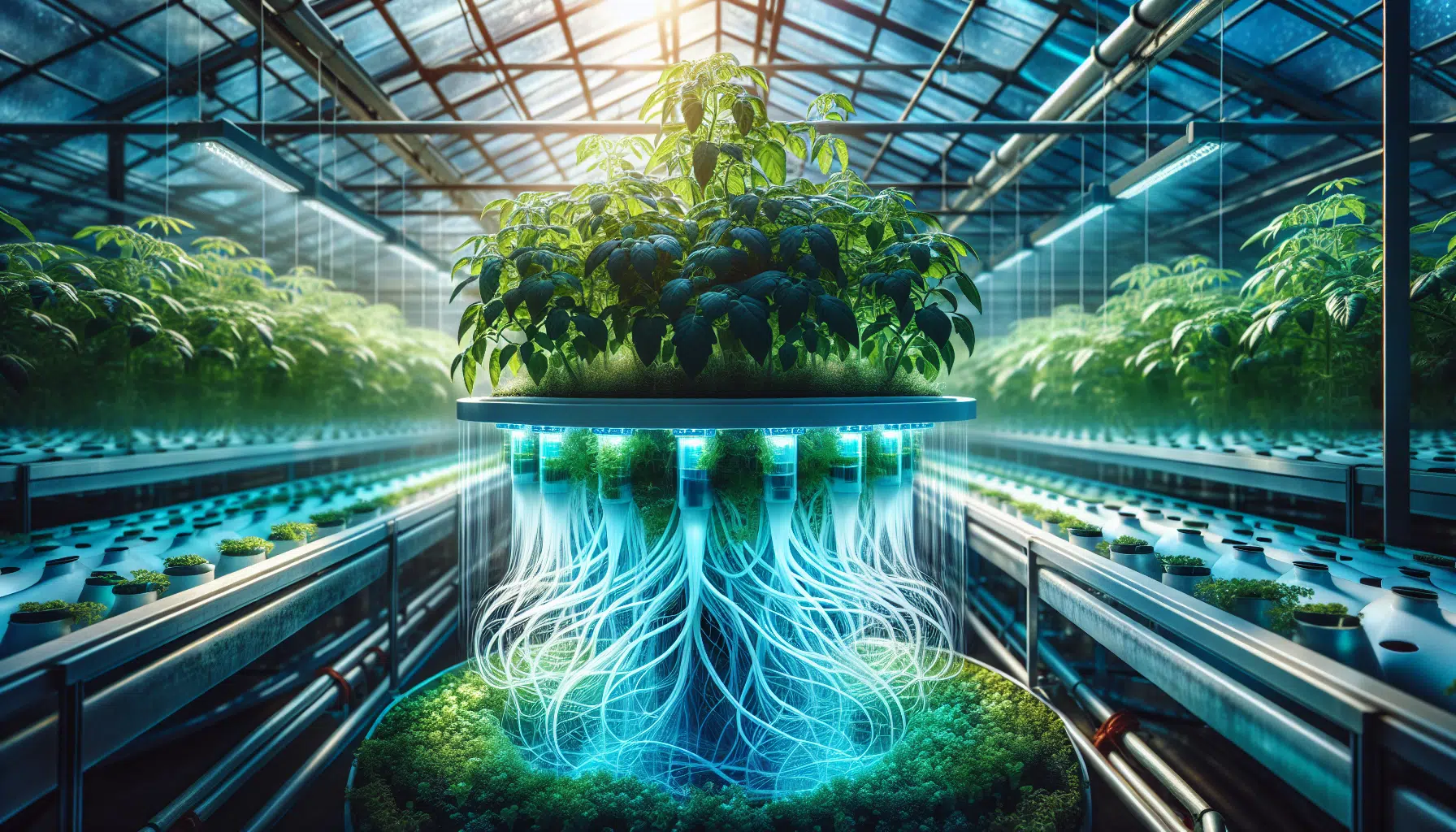
- Aeroponic Systems: Roots suspended in air, misted with nutrients – see aeroponic options
Indoor vs Outdoor Growing: Which Is Right for You?
Both indoor and outdoor growing have their place, and the right choice depends on your space, climate and goals. Here is how they compare:
| Factor | Indoor Growing | Outdoor Growing |
| Growing season | Year-round, any climate | Seasonal, weather dependent |
| Environmental control | Full control of light, temperature and humidity | At the mercy of the weather |
| Pests and disease | Far fewer, easier to manage | More exposure to pests and disease |
| Setup cost | Higher upfront (lights, system) | Lower to start |
| Running cost | Electricity for lights and pumps | Minimal, uses sunlight |
| Space | Fits apartments, kitchens and small rooms | Needs a yard or balcony |
| Yield consistency | Consistent and predictable | Varies with the season |
Indoor growing wins when you want fresh food all year, live in an apartment or a harsh climate, or want full control and clean, pest-free harvests. Outdoor growing makes sense when you have the space, want to keep costs and effort low, and are happy to grow with the seasons. Many people do both: greens and herbs indoors year-round, and the garden or balcony in summer. A hydroponic system is a natural fit for indoor growing because it removes the soil mess and gives you that year-round control in a small footprint.
Essential Equipment for Indoor Gardening
Success in indoor gardening depends on having the right equipment to create optimal growing conditions.

Lighting: The Engine of Indoor Growth
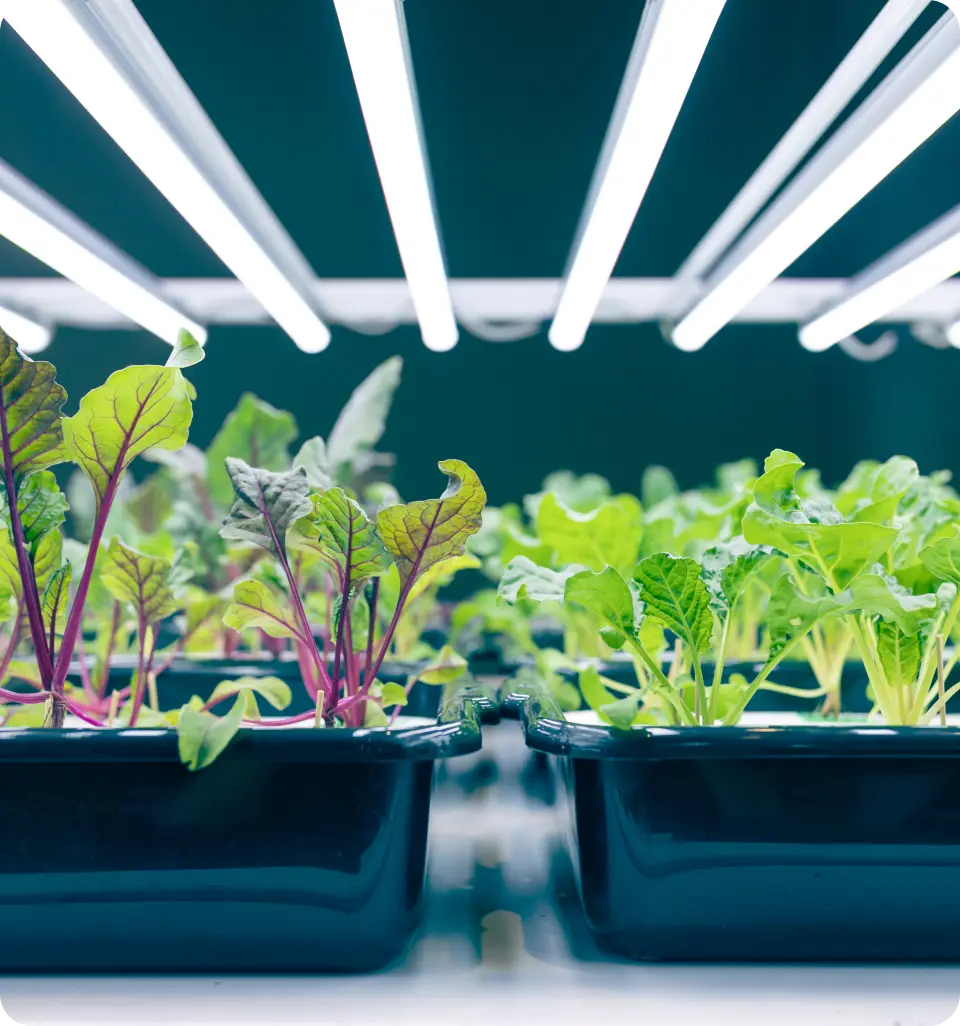
Proper lighting is crucial. Plants need specific light spectrums and intensities for photosynthesis and healthy development.
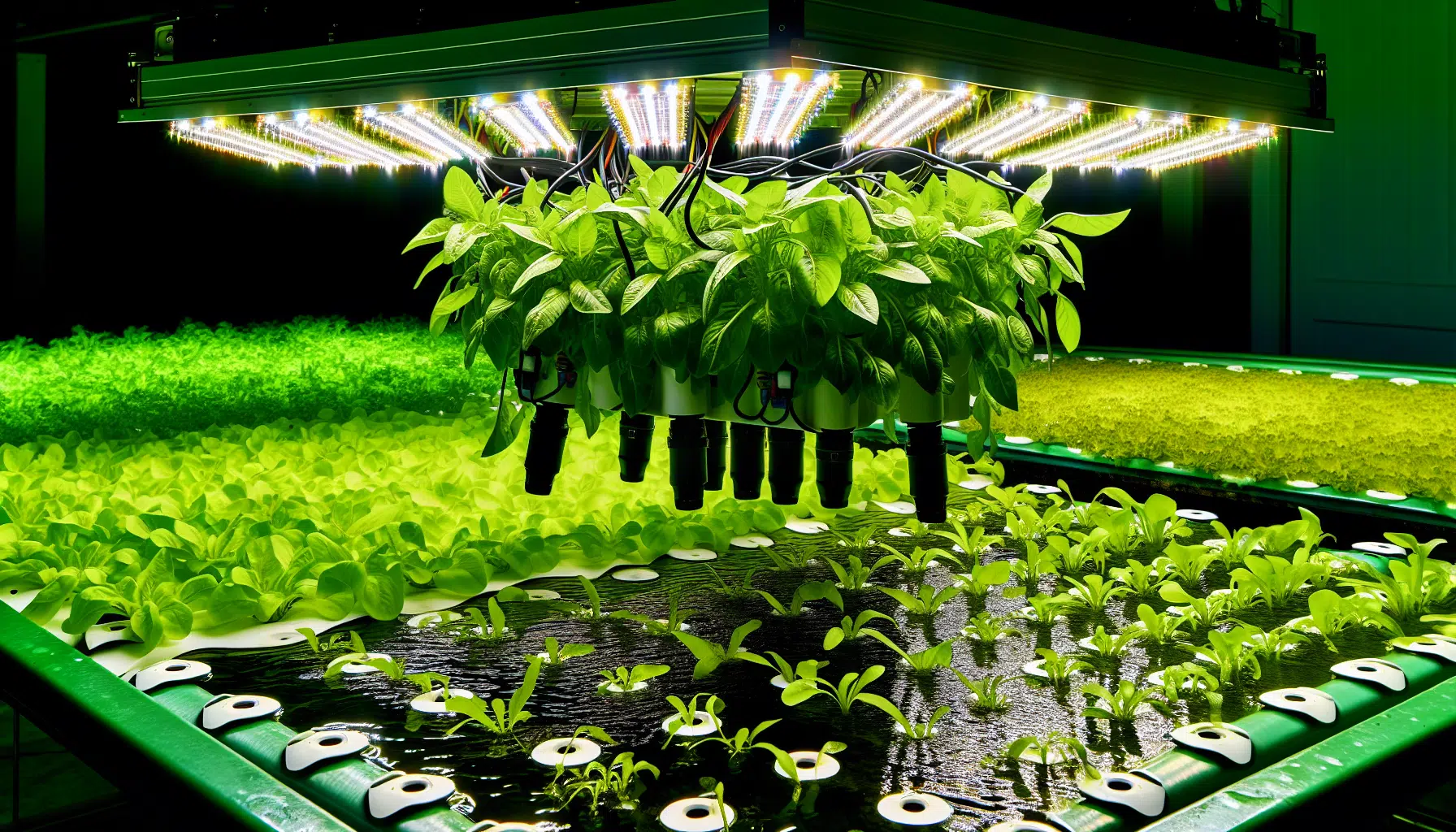
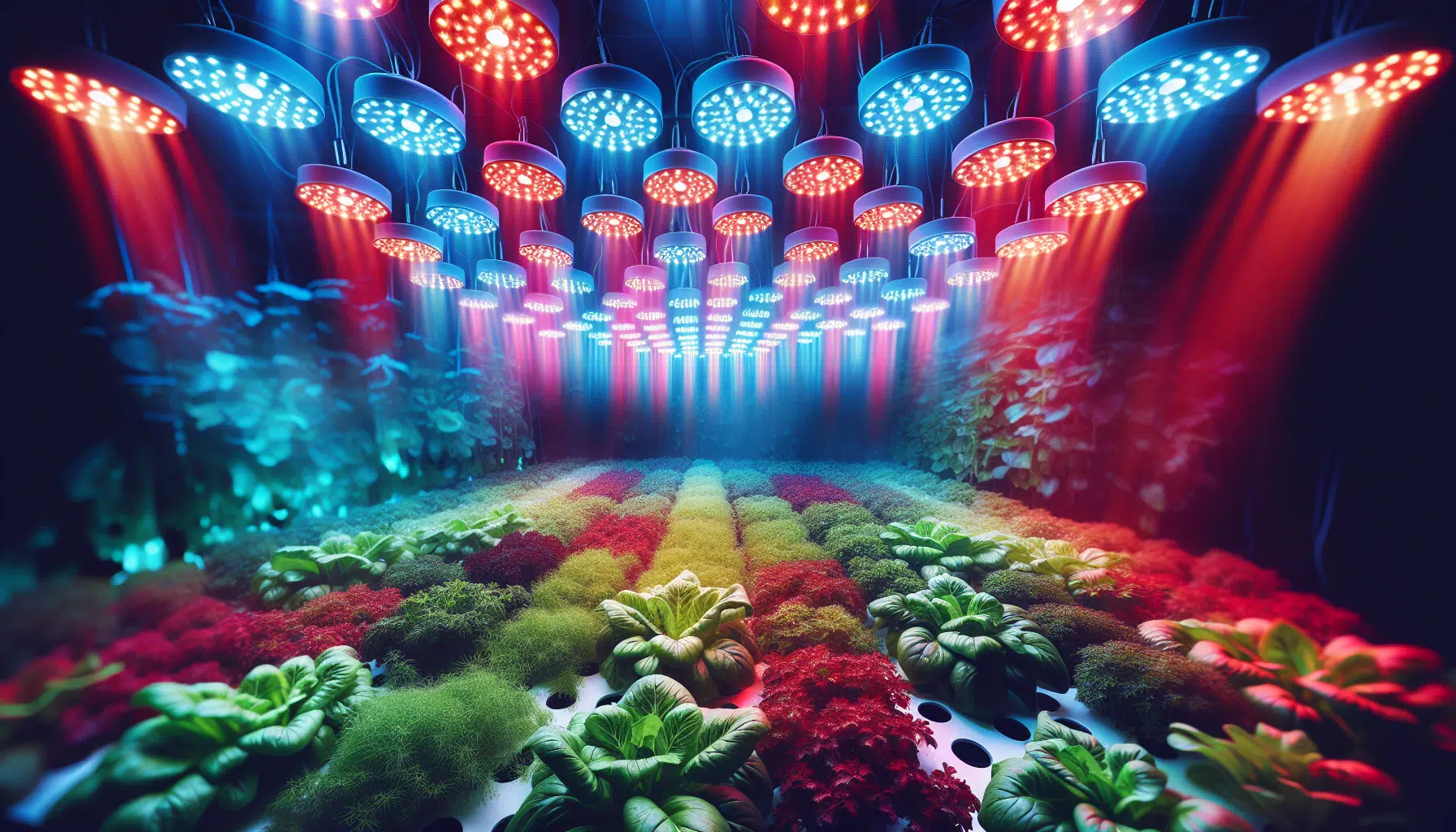
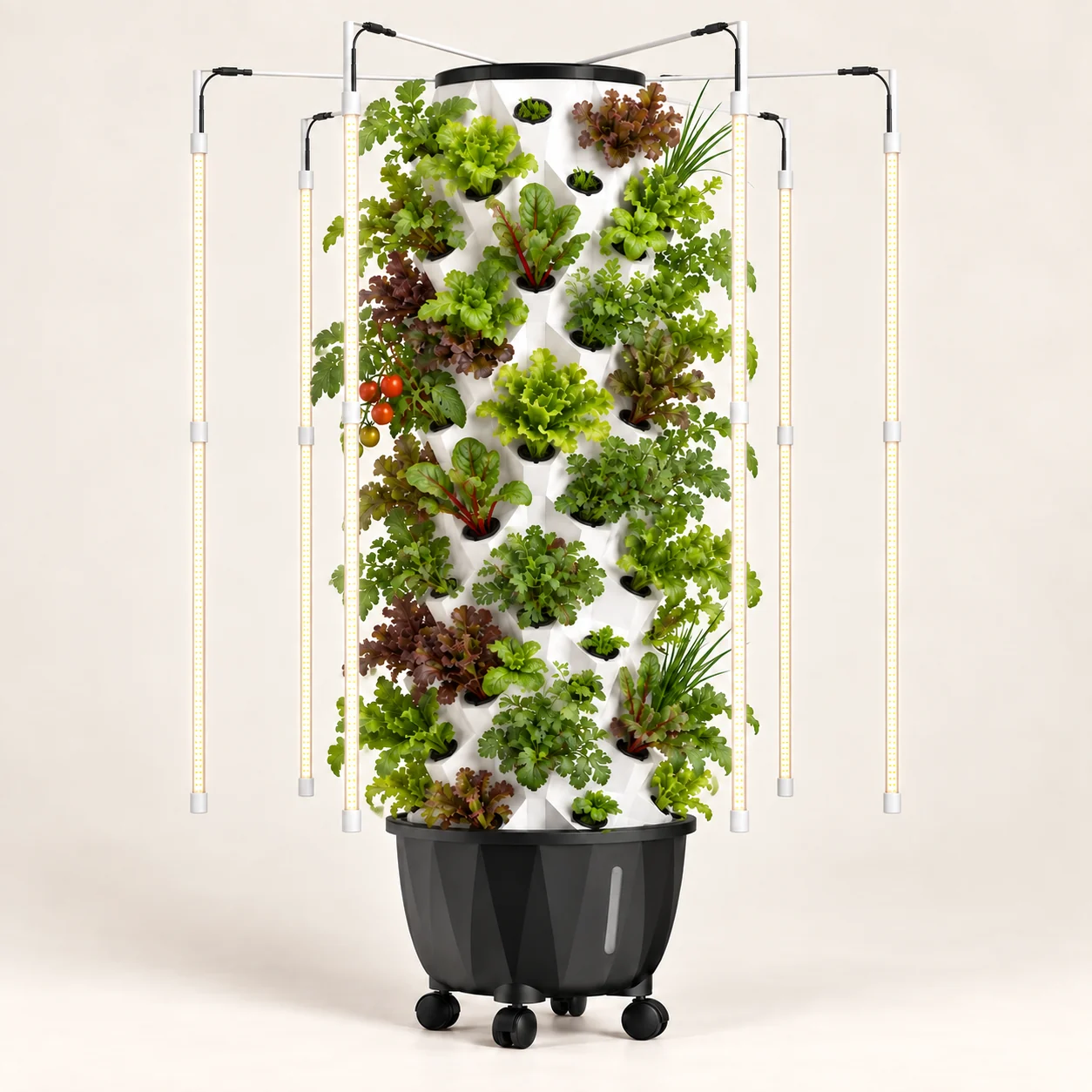
- LED Grow Lights: Energy-efficient, full-spectrum, long-lasting – see LED systems
- Fluorescent Lights: Good for seedlings and leafy greens
- High-Intensity Discharge (HID): Powerful but energy-intensive
Getting Your Grow Lights Right
Light is the single biggest factor in indoor growing success, since your plants no longer have the sun to rely on. A few things to get right:
- Choose full-spectrum LEDs. Modern full-spectrum LED grow lights cover the wavelengths plants use across their whole life cycle, run cool, and last for years, which is why they have become the default for indoor gardens.
- Match intensity to your plants. Leafy greens and herbs are happy with moderate light, while fruiting plants like tomatoes and peppers want more.
- Get the duration right. Most leafy greens and herbs do well with around 12 to 16 hours of light a day on a timer. Fruiting plants often want a little more.
- Mind the distance and coverage. Keep the lights close enough to drive growth but not so close they scorch the leaves, and make sure the light reaches every plant evenly.
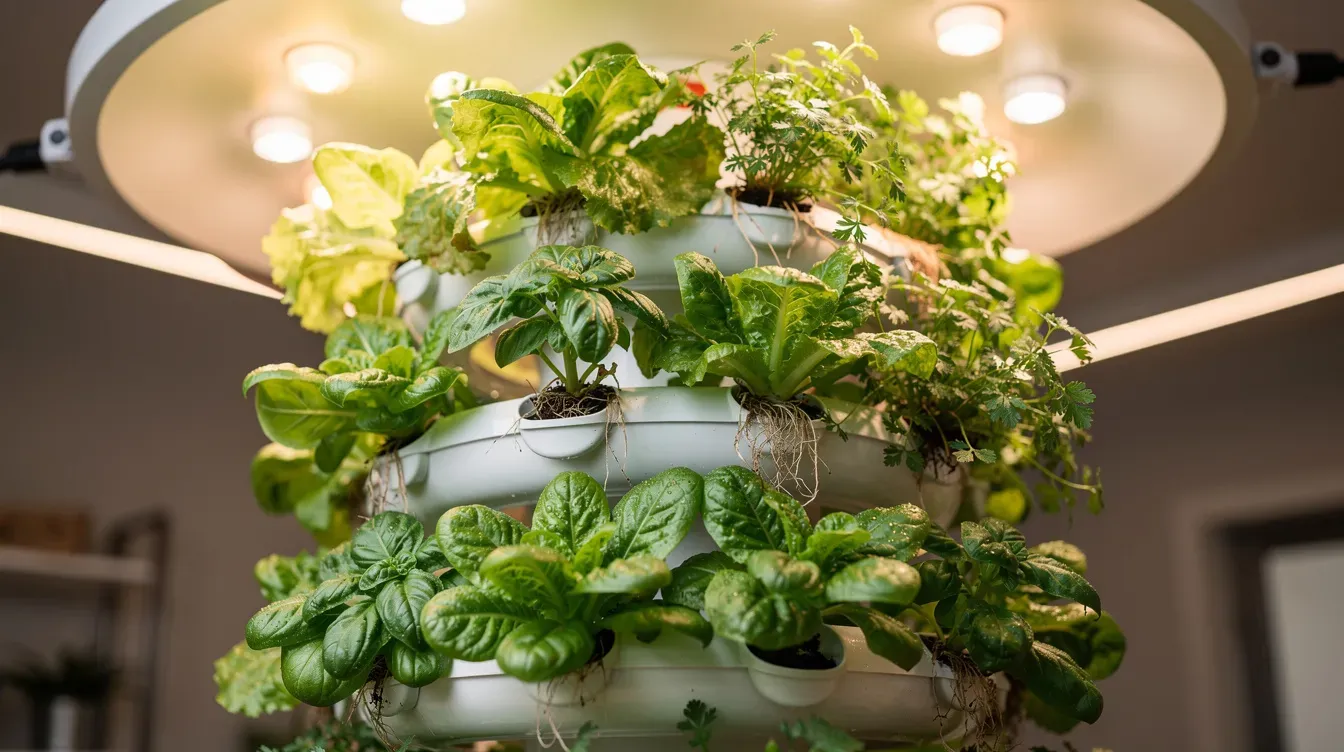
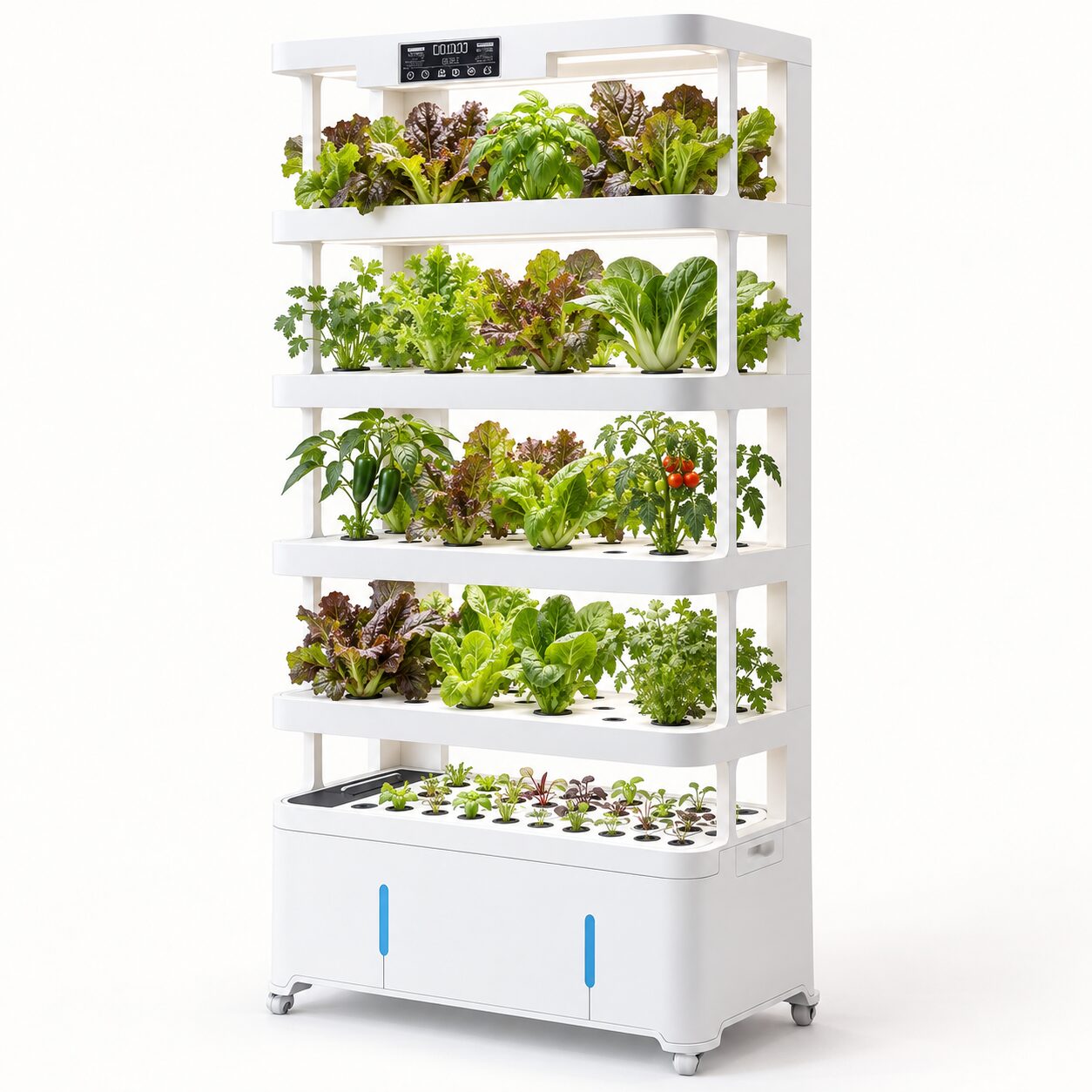
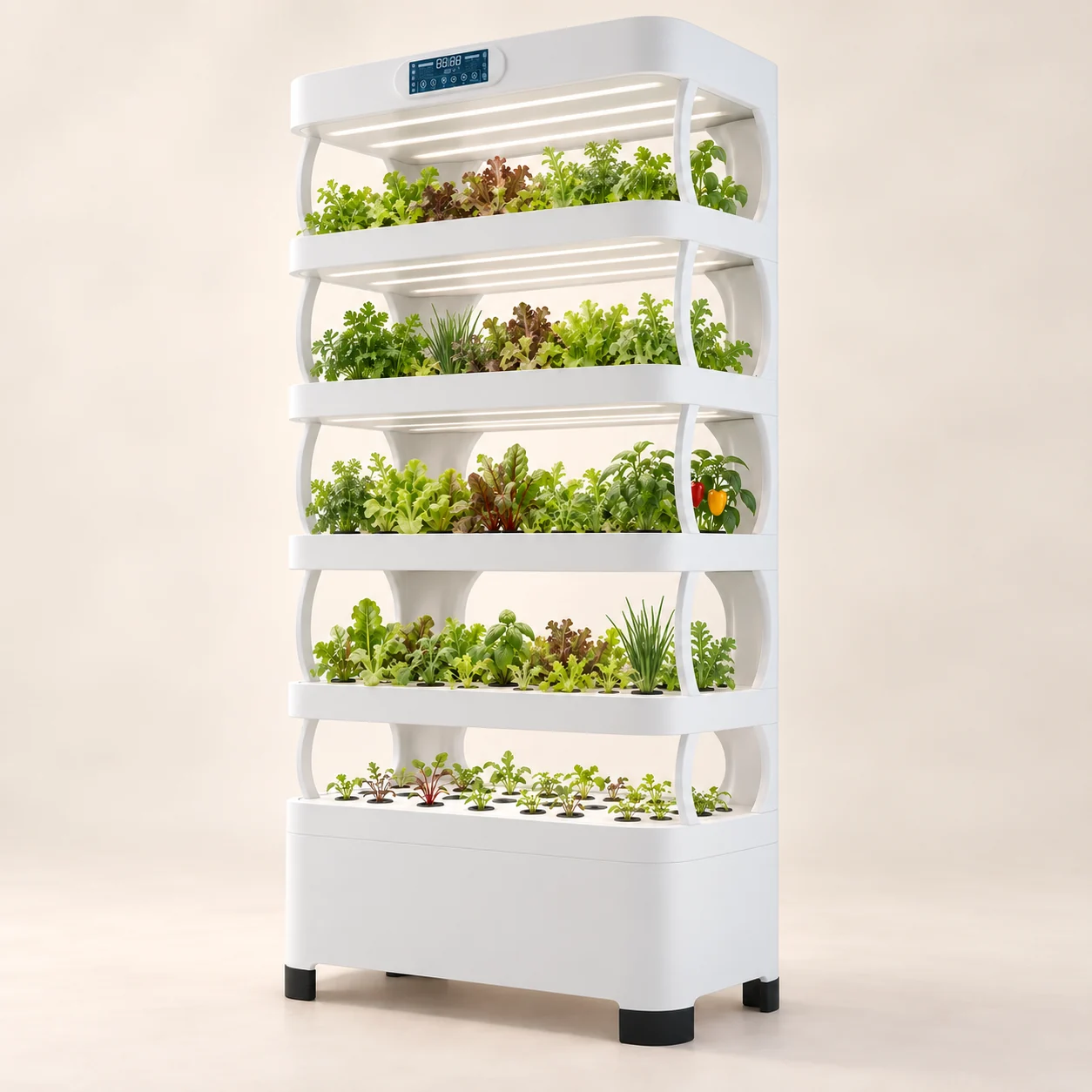
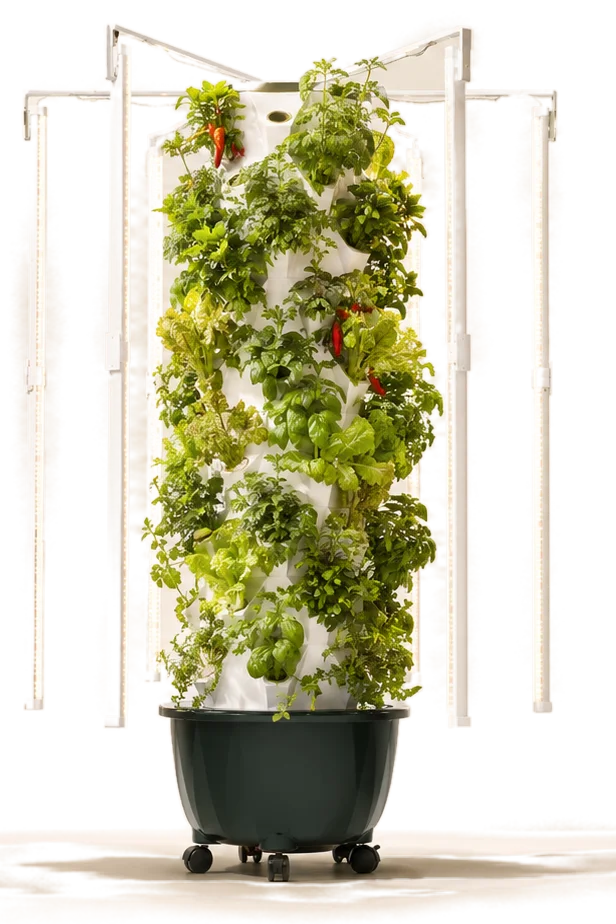
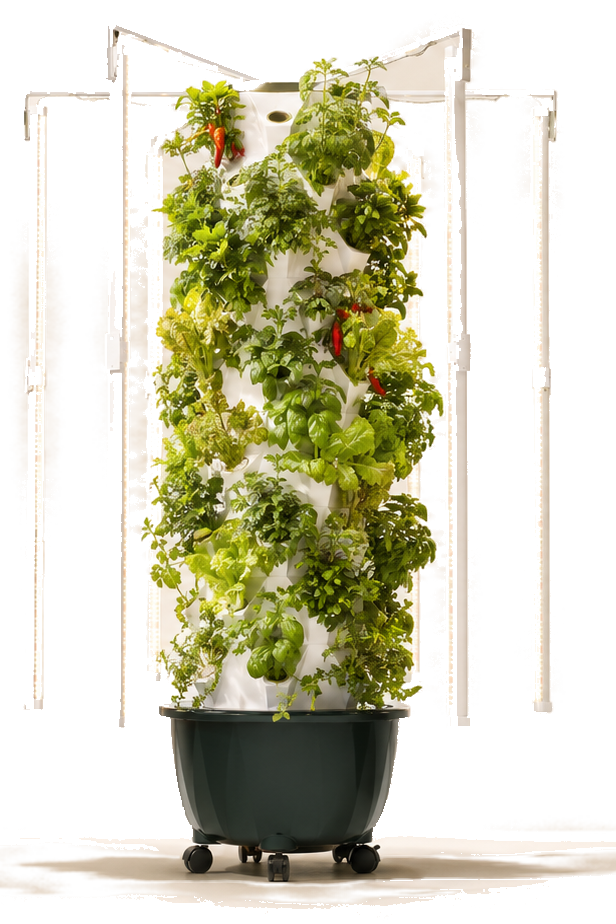
Systems with integrated LED lighting take the guesswork out of placement and timing, since the lights are built in and positioned for you.
Best Plants for Indoor Gardening
Choosing the right plants is essential for success. Start with easy-to-grow varieties before advancing to more challenging crops.

Leafy Greens: Perfect for Beginners
- Lettuce varieties: Butterhead, romaine, leaf lettuce (25-45 days)
- Spinach: Nutrient-dense, cool-season crop (30-40 days)
- Kale: Hardy, nutritious superfood (50-65 days)
Herbs: Aromatic Additions
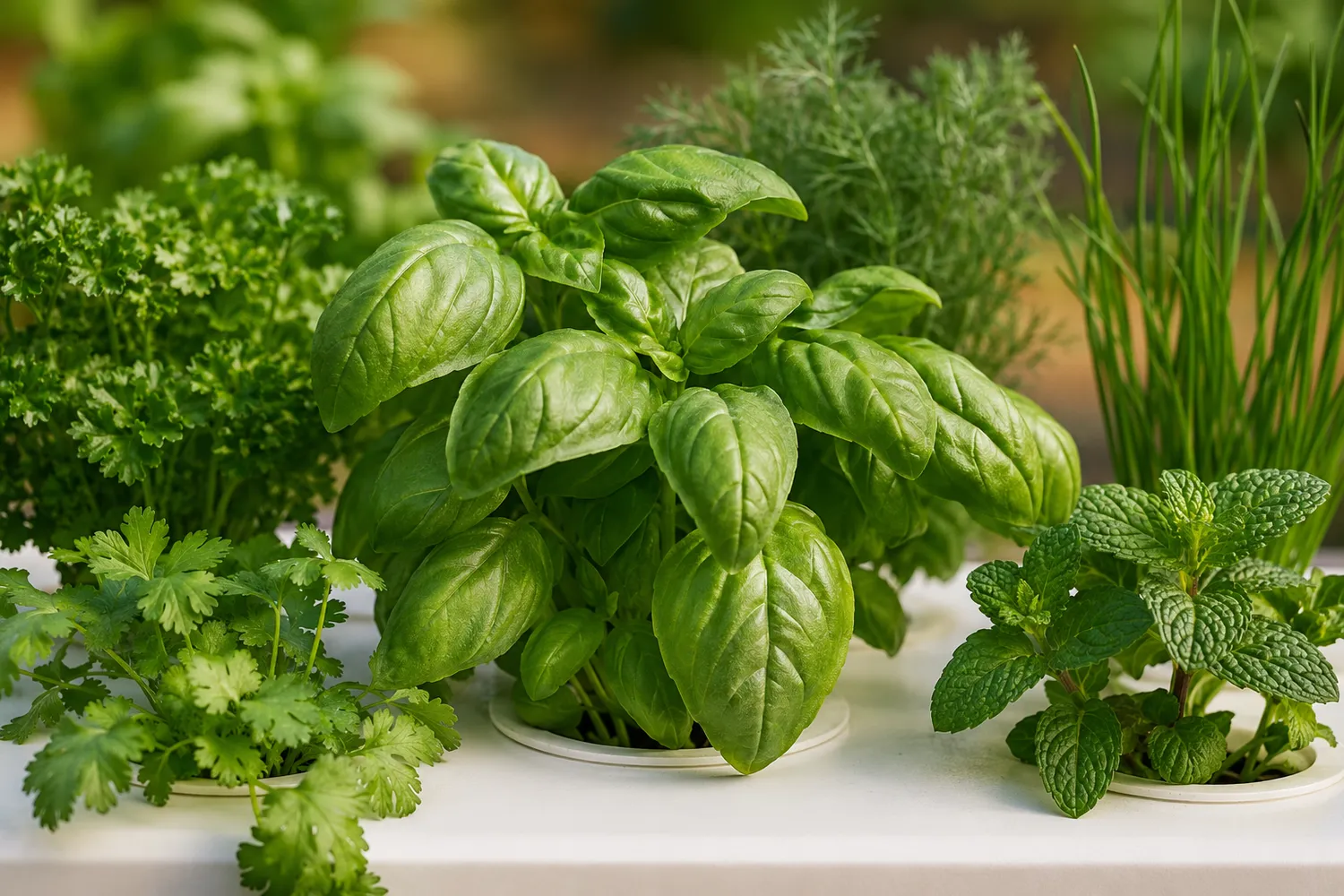
Fresh herbs elevate any meal and thrive in indoor systems:
- Basil: Sweet, Thai, and purple varieties (60-90 days)
- Cilantro: Fresh flavor for Mexican and Asian dishes (30-50 days)
Fruiting Plants: Advanced Growing
Once comfortable with leafy greens, advance to fruiting plants:
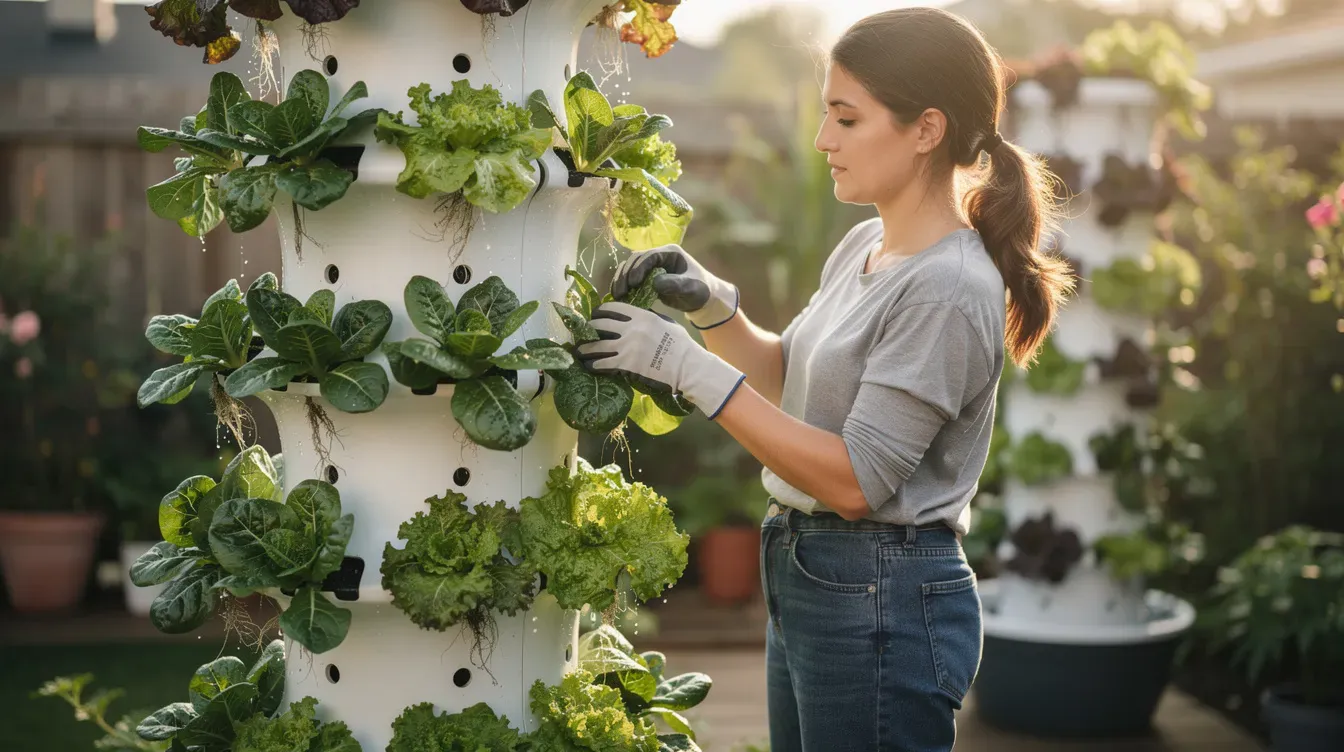
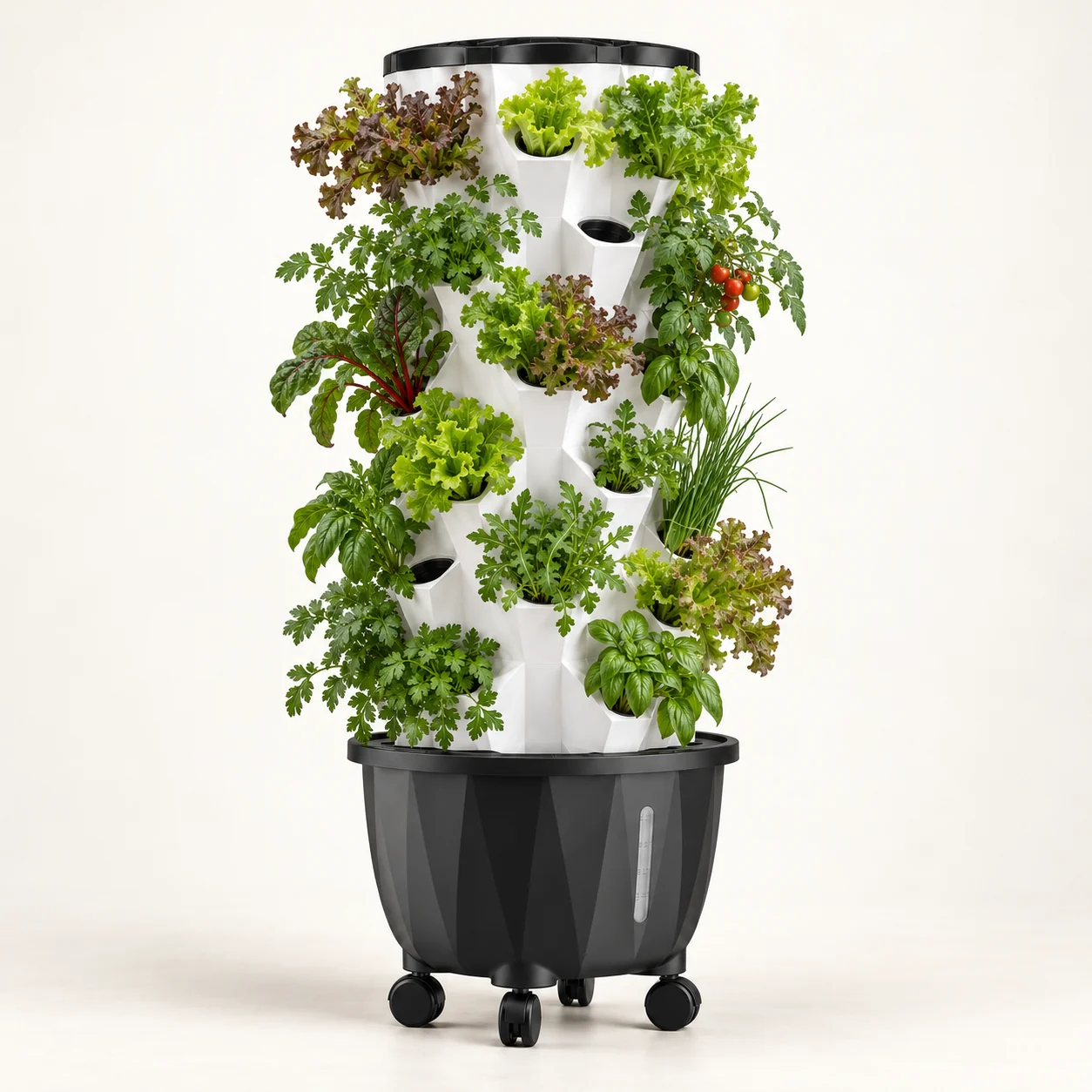
- Cherry tomatoes: Compact varieties perfect for tower garden systems
- Peppers: Sweet and hot varieties adapt well indoors
- Strawberries: Everbearing varieties for continuous harvest
Setting Up Your Indoor Garden
Creating a successful indoor garden requires careful planning and systematic setup.

Setting Up Your Indoor Garden, Step by Step
Getting started is more straightforward than it looks:
- Pick your spot. Choose a location with a stable temperature, access to power, and ideally some natural light. A kitchen corner, spare room or sturdy shelf all work.
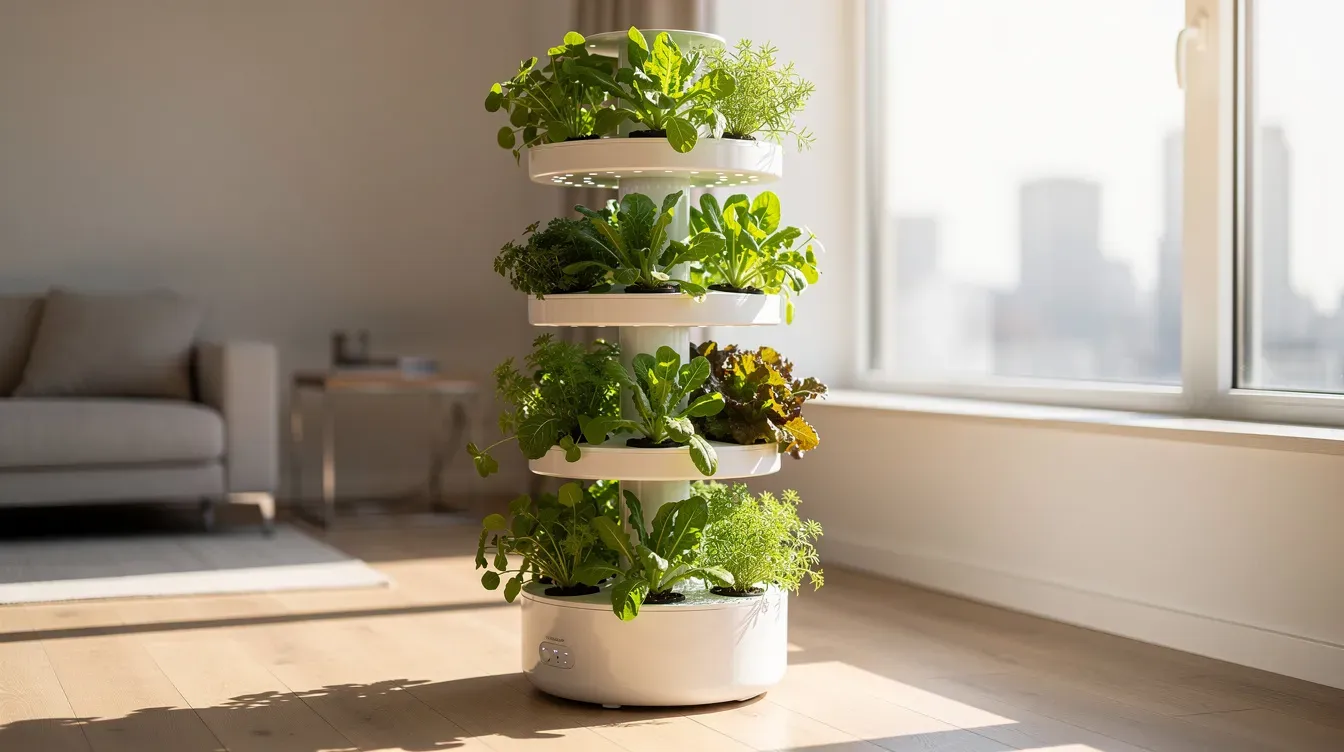
- Choose your system. Match it to your space and goals: a simple countertop unit for herbs, or a vertical tower to grow the most in a small footprint.
- Set up lighting. Position your grow lights and put them on a timer.
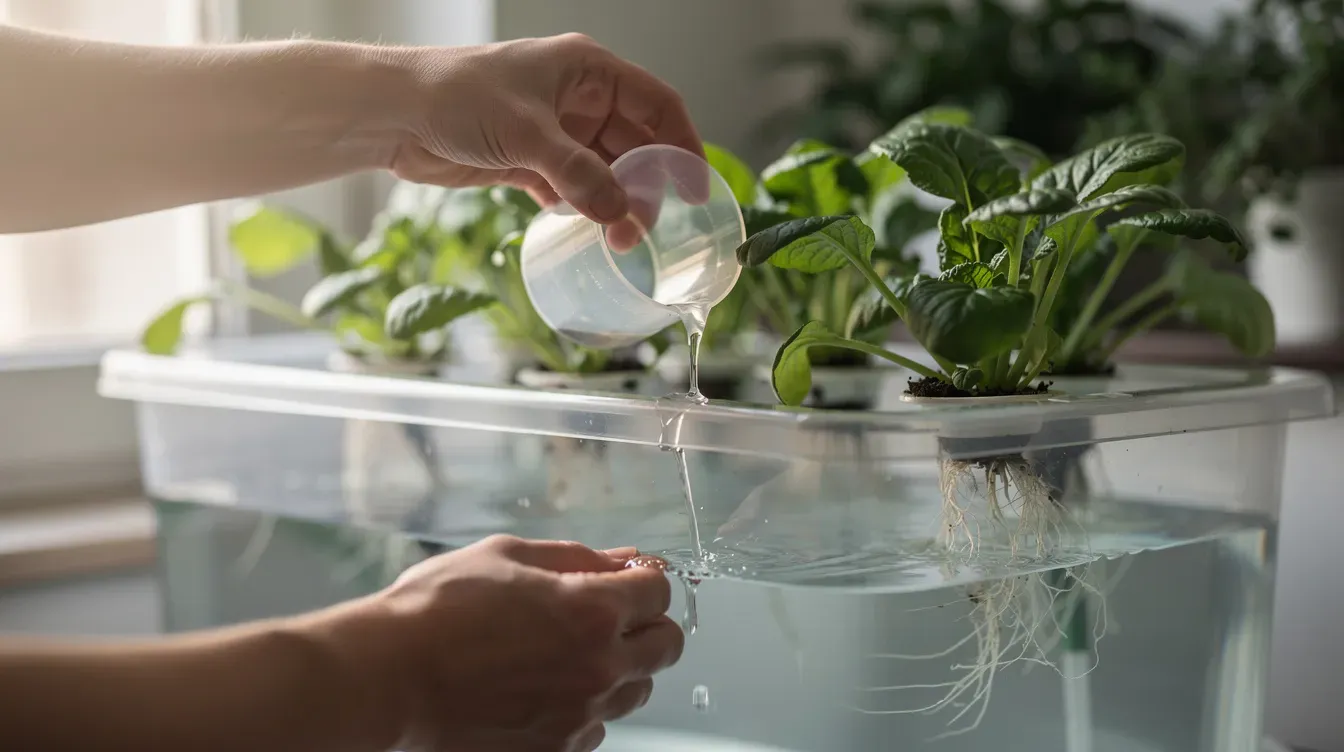
- Add water and nutrients. For a hydroponic system, fill the reservoir, mix in nutrients, and adjust the pH into the 5.5 to 6.5 range.
- Plant. Start with seedlings in a growing medium and give each plant room to grow.
- Monitor and adjust. Check water, nutrients and plant health regularly, especially in the first couple of weeks, and keep simple notes on what works.
Indoor Gardening Cost Analysis
Understanding the economics of indoor gardening helps justify your investment:
Initial Investment Breakdown
- Basic soil setup: $100 – $300 for containers, soil, and basic lighting
- Mid-range hydroponic system: $500 – $1,000 for complete setup
- Premium automated systems: $500 and above for professional-grade equipment
Ongoing Costs and Savings
- Grocery savings: $100 – $300 per month on fresh produce. You can use our hydroponics yield calculator to calculate your savings precisely.
- Annual ROI: Most systems pay for themselves within 6-12 months
Maintaining Your Indoor Garden
Indoor gardens are low-maintenance, but a light, regular routine keeps them thriving:
- Every few days: check water levels and top up, and give the plants a quick look for pests or discoloured leaves.
- Weekly: test and adjust pH and nutrient strength on hydroponic systems, and wipe down surfaces.
- Every few weeks: refresh the nutrient solution, clean the reservoir, and harvest or prune to keep plants productive.
- Ongoing: keep an eye on your lights and timer, and make sure temperature and humidity stay in a comfortable range.
Compared with an outdoor plot, there is no weeding and no weather to fight, so upkeep is a few minutes here and there rather than hours.
Frequently Asked Questions
Is indoor gardening worth it?
For most people, yes. You get fresh produce year-round, no weather or pests to fight, and a system typically pays for itself in grocery savings within several months. The main trade-off is the upfront cost of lights and equipment.
What is the easiest way to start an indoor garden?
A small hydroponic system or a countertop kit with built-in lights is the easiest start. Pair it with easy crops like lettuce, spinach or basil, and you can be harvesting in a few weeks. Our beginner’s guide to hydroponic gardening walks through a first setup step by step.
Do indoor plants need special lights?
If your space does not get several hours of direct sun, yes. Full-spectrum LED grow lights replace the sun and let you grow reliably year-round, whatever the season.
Conclusion
Indoor gardening is a pathway to food security and personal satisfaction. Whether you choose traditional soil methods or cutting-edge Nutraponics technology, the principles remain the same.
Ready to start your indoor gardening journey? To maximize your results today, start growing with the Pro Shelf with LED and see the difference automated technology makes. You can also Compare models to find the perfect system for your space and growing goals.