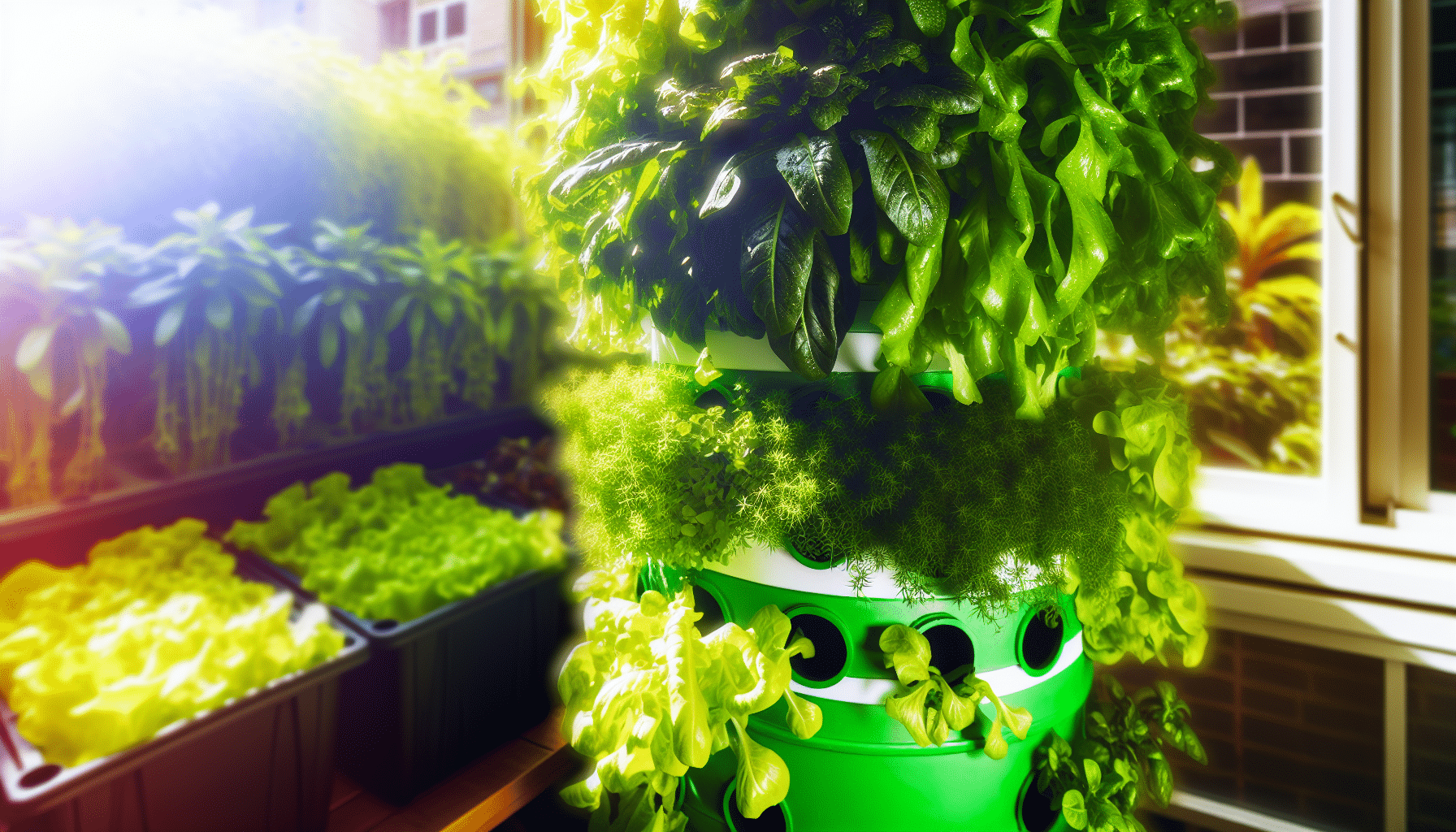
Hydroponic tower gardens are vertical growing systems that let you grow plants in nutrient-rich water instead of soil. A hydroponic tower uses stacked planting sites, a reservoir, a pump, and controlled nutrients to move water through the tower so crops can grow in a compact space.
This guide covers vertical hydroponic systems, tower garden types, setup steps, maintenance routines, and practical selection advice. It focuses on vertical tower systems rather than traditional horizontal hydroponic systems such as NFT benches, flood-and-drain trays, or raft beds. It is written for home gardeners, urban growers, beginners, and sustainable agriculture enthusiasts who want reliable production without needing a large garden plot.
Hydroponic tower systems allow for the vertical growth of plants, utilizing a nutrient-rich water solution instead of soil, which can lead to higher yields in smaller spaces. Vertical hydroponics is a method of growing plants without soil, utilizing a vertical, gravity-fed system where nutrient-rich water is supplied from the top and collected at the bottom.
By the end of this guide, you will understand how to:
Compare aeroponic, deep water culture, commercial, DIY, and modular tower systems.
Plan a setup using the right reservoir, pump, materials, nutrients, and grow lights.
Maximize space efficiency, water use, and harvest potential from a vertical hydroponic design.
Troubleshoot pH drift, algae, pump failure, drainage problems, and poor flow.
Choose the best bet for your space, cost, skill level, and crops.
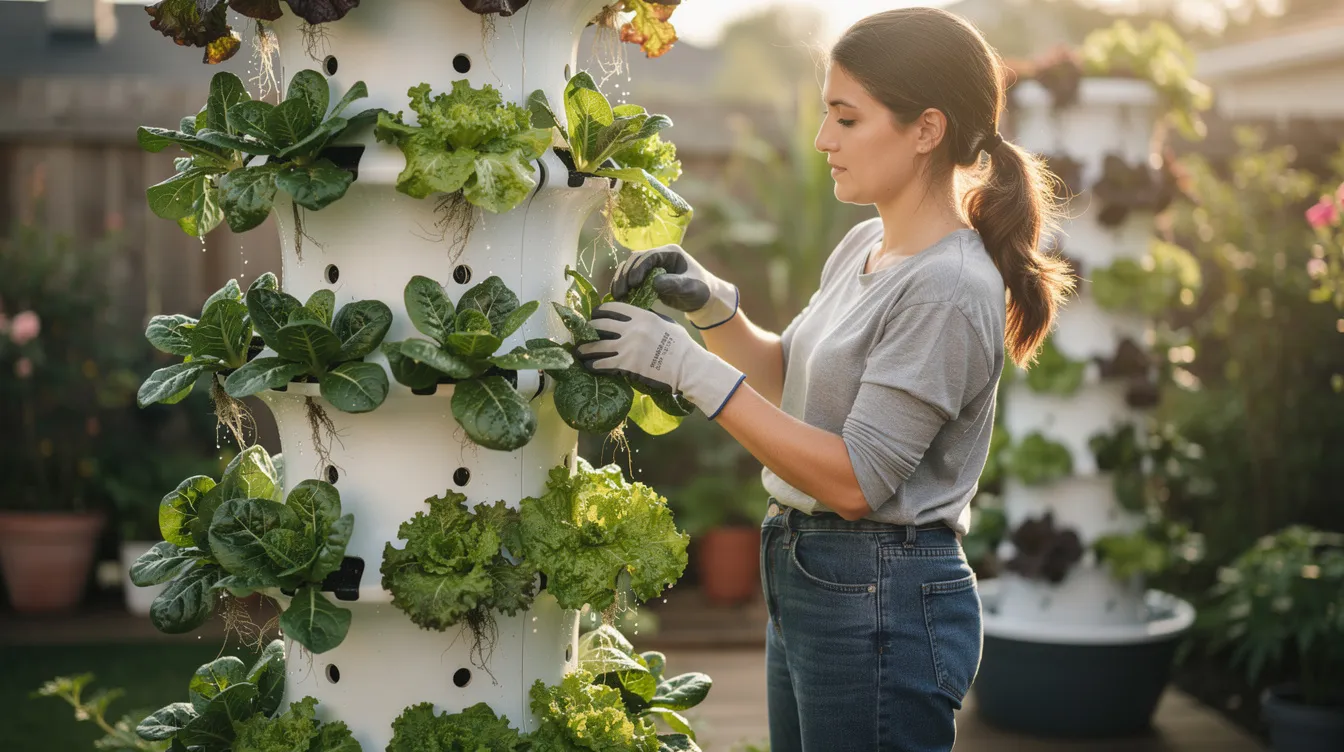
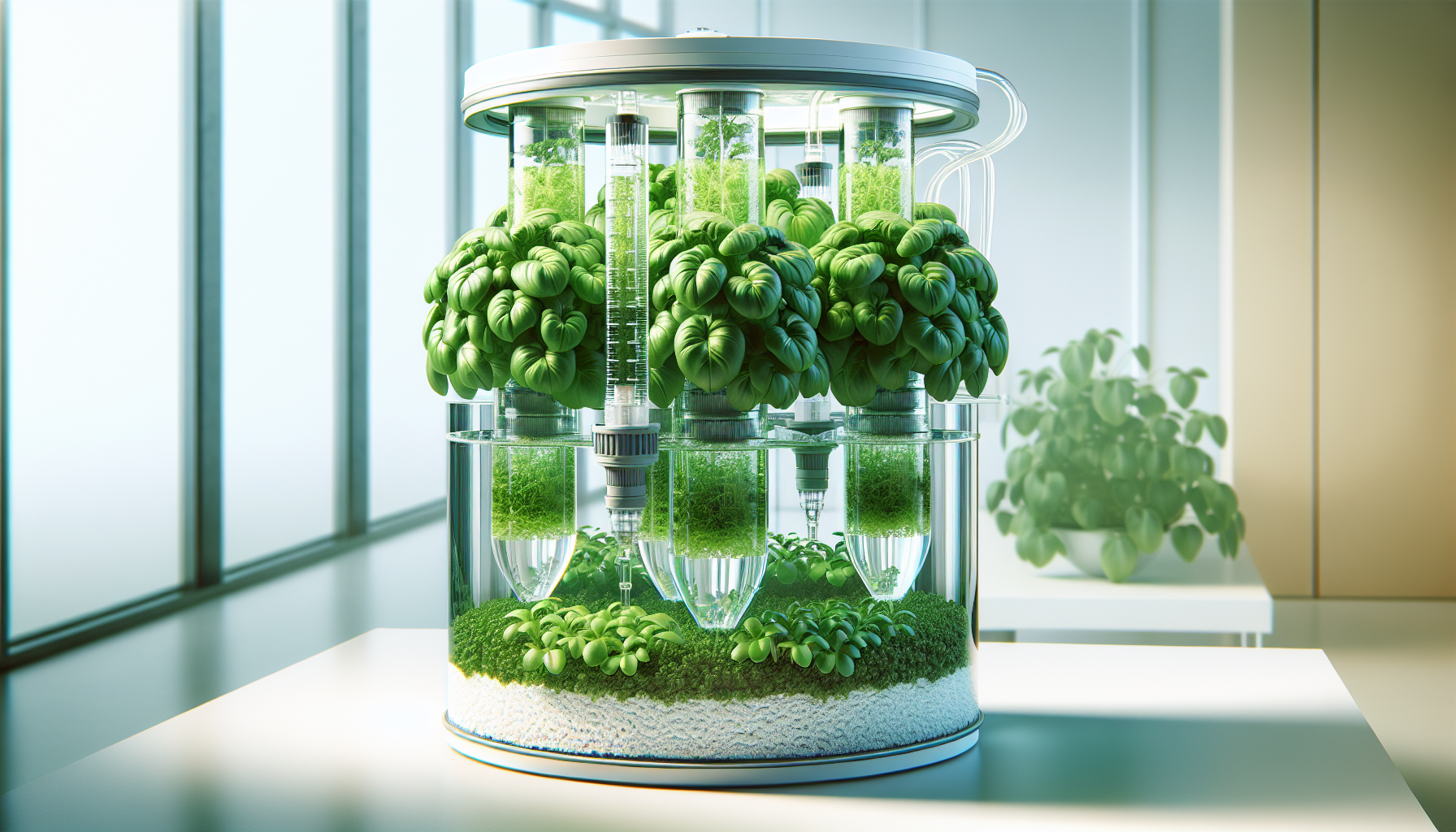
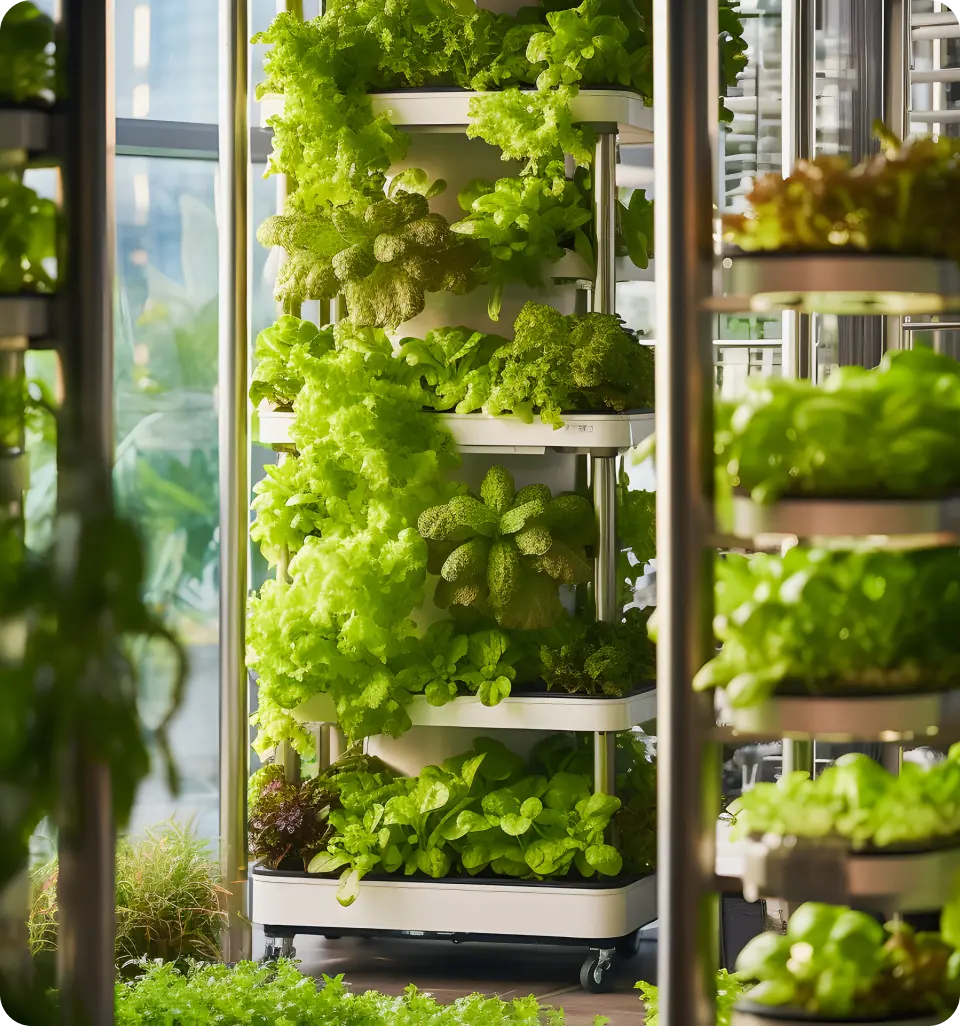
Hydroponic tower gardens are soil-free growing systems that stack plants vertically around a central structure. The system typically includes a reservoir at the base, a pump that moves nutrient solution upward, planting holes or net pots along the tower, and a return path that lets water drain back down for reuse. The main operating variables are water flow, pH, nutrients, dissolved oxygen, light, temperature, and the physical support needed to hold the weight of mature plants.
Hydroponic systems eliminate the need for weeding and reduce the risk of soil-borne diseases and common pests. Hydroponic tower systems are designed to recycle water, which significantly reduces water usage compared to traditional soil-based gardening methods. Vertical hydroponic systems can significantly reduce water usage compared to traditional farming methods, as they recycle water efficiently.
The vertical design is the main advantage. A tower can fit into a balcony, patio, greenhouse corner, classroom, rooftop, or indoor grow room where a soil bed would not be suitable. A tower garden can hold 28 plants per tower, and two towers can be placed in a 5-foot x 5-foot space, producing a total of 56 plants at one time. The vertical design of tower gardens makes planting, maintaining, and harvesting crops easier for individuals with physical limitations.
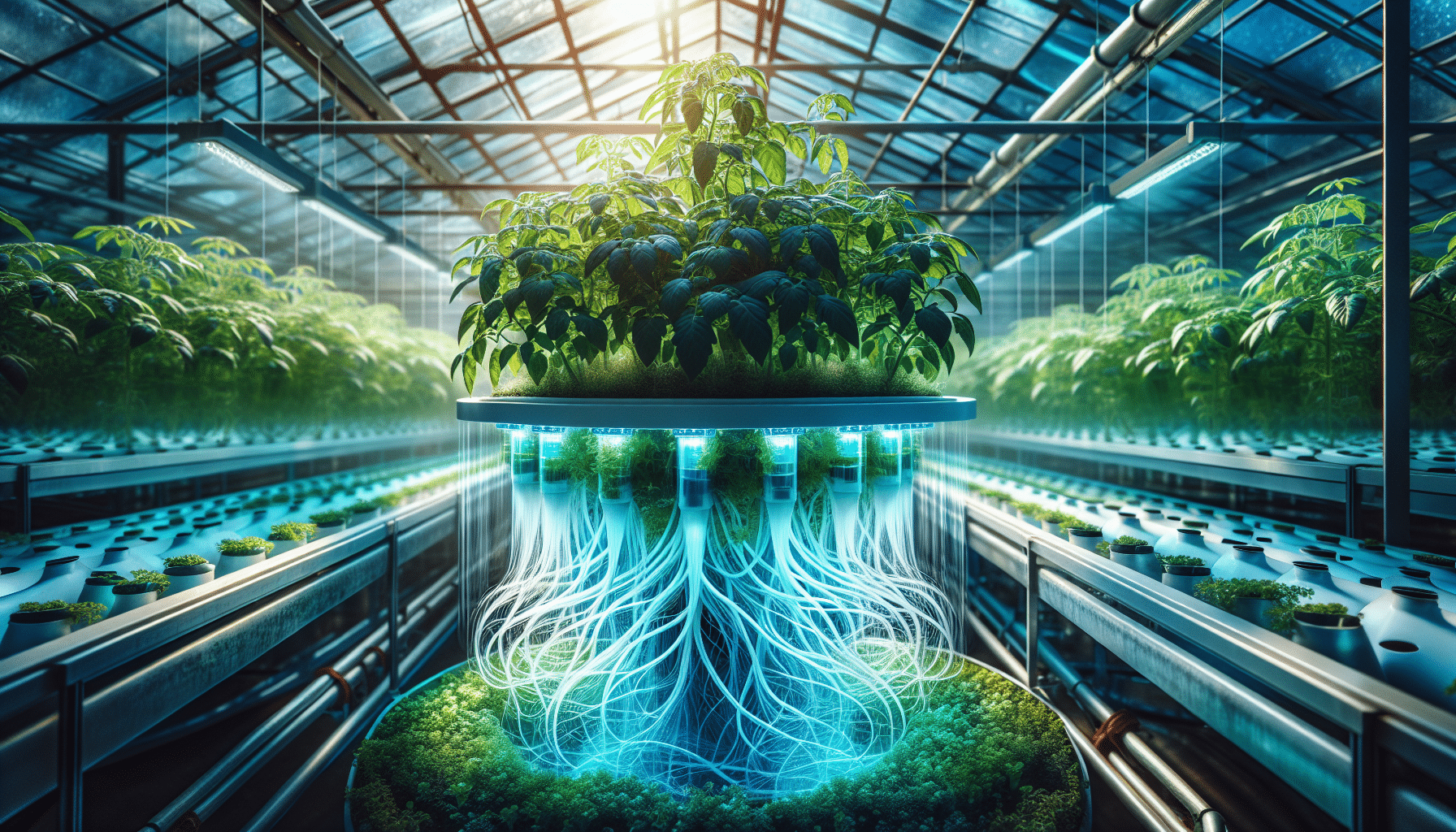
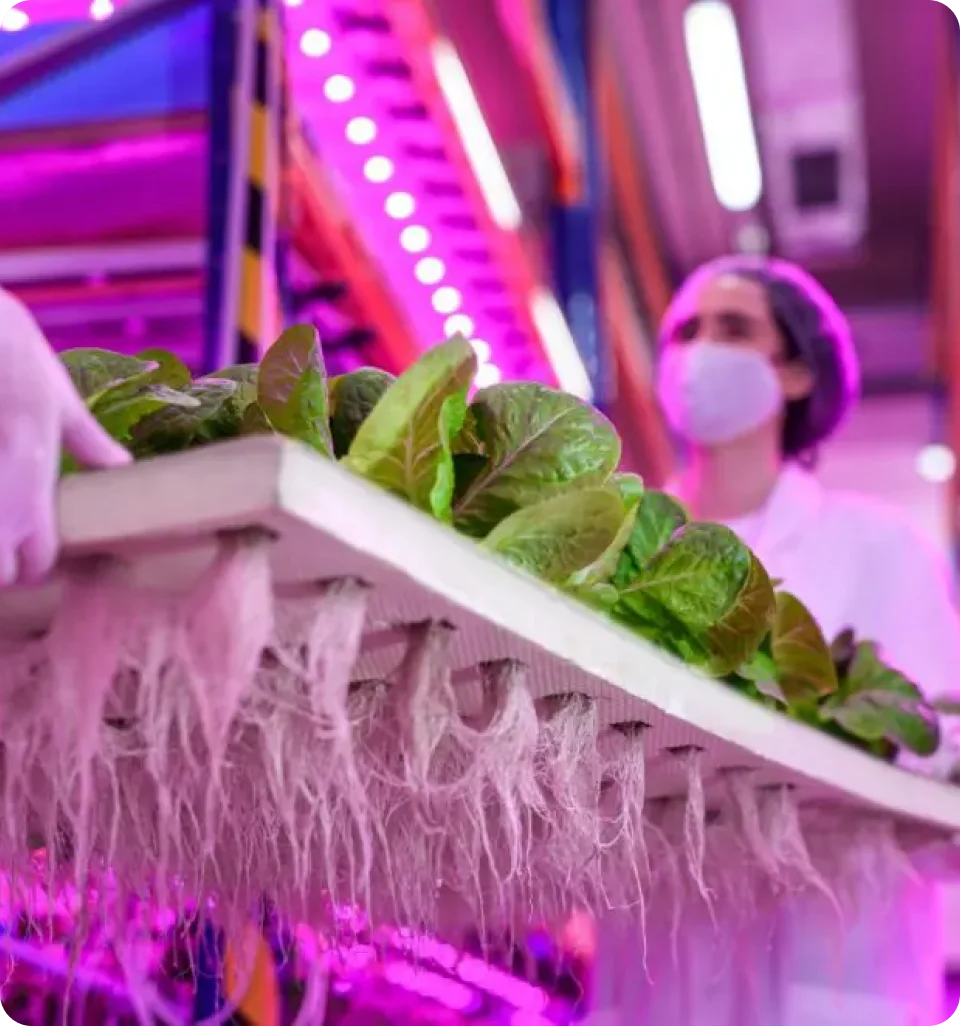
Aeroponic tower systems grow plants with roots suspended inside the tower while a pump delivers misted nutrient solution at timed intervals. Instead of sitting in soil or a deep water reservoir, the roots receive water, minerals, and oxygen through fine droplets. This method is often called aeroponic tower gardening for home growing, and it can produce rapid growth because the root zone has strong access to oxygen.
Aeroponic systems fit within the broader hydroponic tower category because the plants still receive nutrients through water rather than soil. The difference is the delivery method: aeroponic towers rely on mist, spray heads, nozzles, or a distribution cap rather than continuous submersion. A low-pressure aeroponic tower is easier for beginners, while high-pressure misting designs can improve root oxygenation but require more careful maintenance.
Aeroponic vertical tower systems are suitable for leafy greens, herbs, strawberries, and other compact crops. The advantages include excellent water efficiency, strong root-zone aeration, and high production per square foot. The trade-off is reliability: nozzles can clog, roots can dry during a pump outage, and the system needs regular test cycles to confirm that every planting port receives adequate flow.
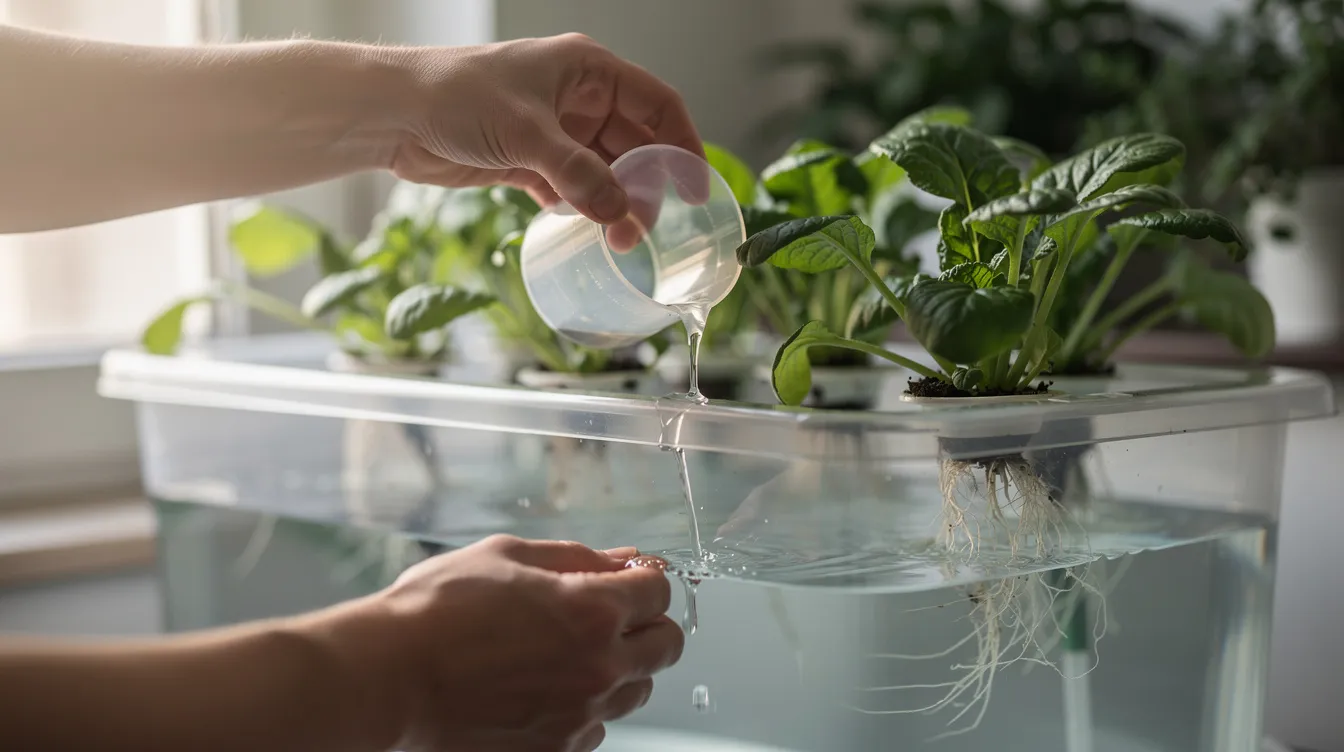
Deep water culture tower systems, often shortened to DWC, keep plant roots in contact with oxygenated nutrient solution. In a tower format, water may circulate from the reservoir through the vertical structure while air stones, air pumps, or falling water increase oxygen availability. DWC towers are usually simpler than mist-based aeroponic designs because there are fewer small nozzles to clog.
DWC tower systems are related to aeroponic systems because both are hydroponics methods that remove soil and feed plants with nutrients dissolved in water. The distinct mechanism is root contact: DWC keeps roots wet or submerged, while aeroponics sprays or mists exposed roots. Comparing hydroponic towers with traditional soil gardening highlights how these systems trade higher yields and water efficiency for more technical setup. DWC is often more forgiving if the pump pauses for a short period, but warm water can reduce oxygen levels and stress plants.
For a first hydroponic tower, DWC or hybrid tower designs can be a practical entry point. Aeroponic towers are often the best bet for growers seeking maximum efficiency and fast crop cycles, while DWC towers may be better for beginners who want a less technical system. Understanding that difference makes it easier to choose components, materials, and maintenance routines in the next section.
Once you understand how a hydroponic tower moves water and nutrients, the next step is choosing the system type. Most tower gardens fall into three practical categories: commercial tower systems, DIY PVC tower gardens, and modular stacking systems. Each design uses the same basic principles-plants, water, nutrients, a reservoir, a pump, drainage, and a support structure-but the cost, flexibility, and build complexity vary.
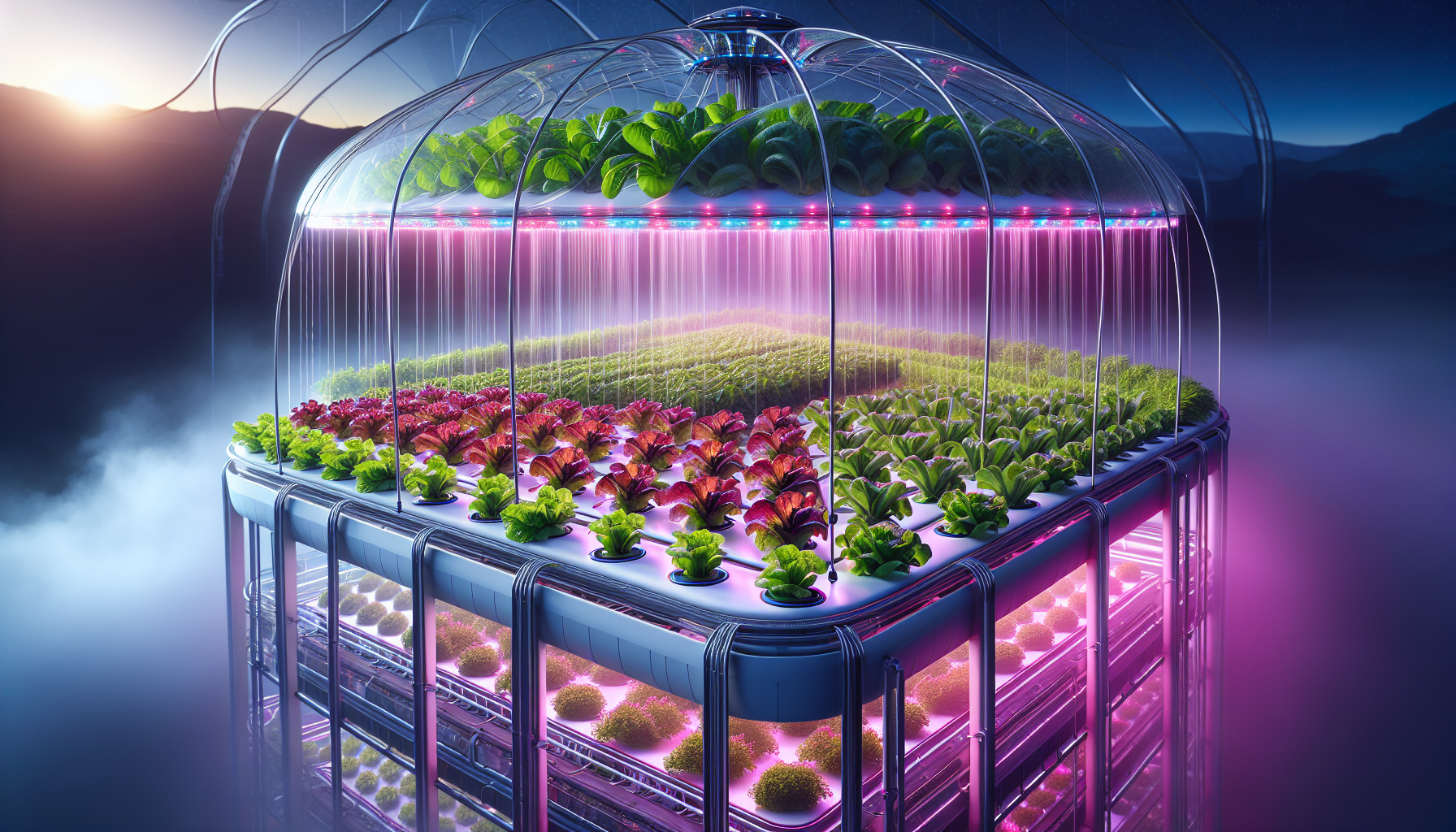
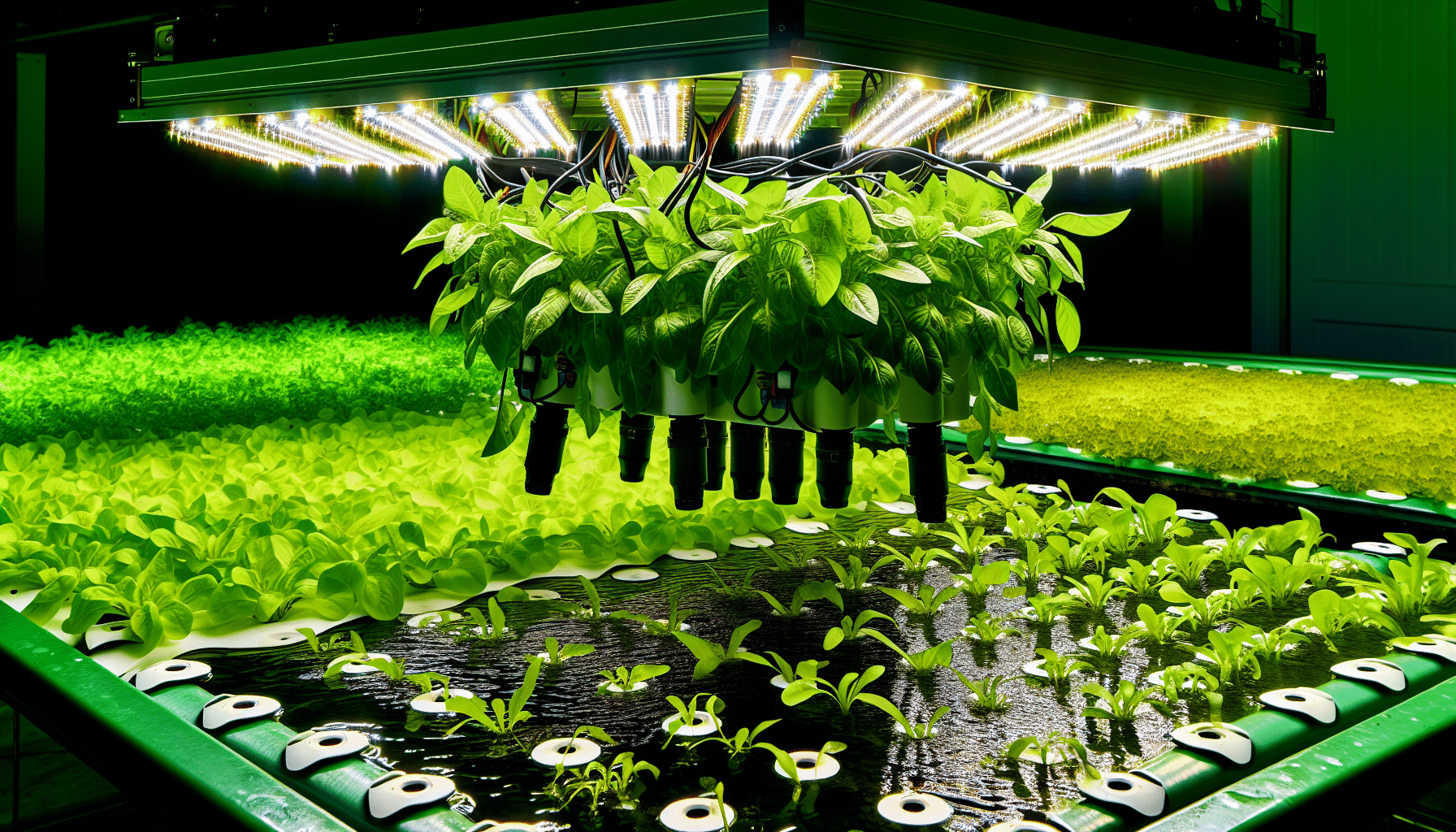
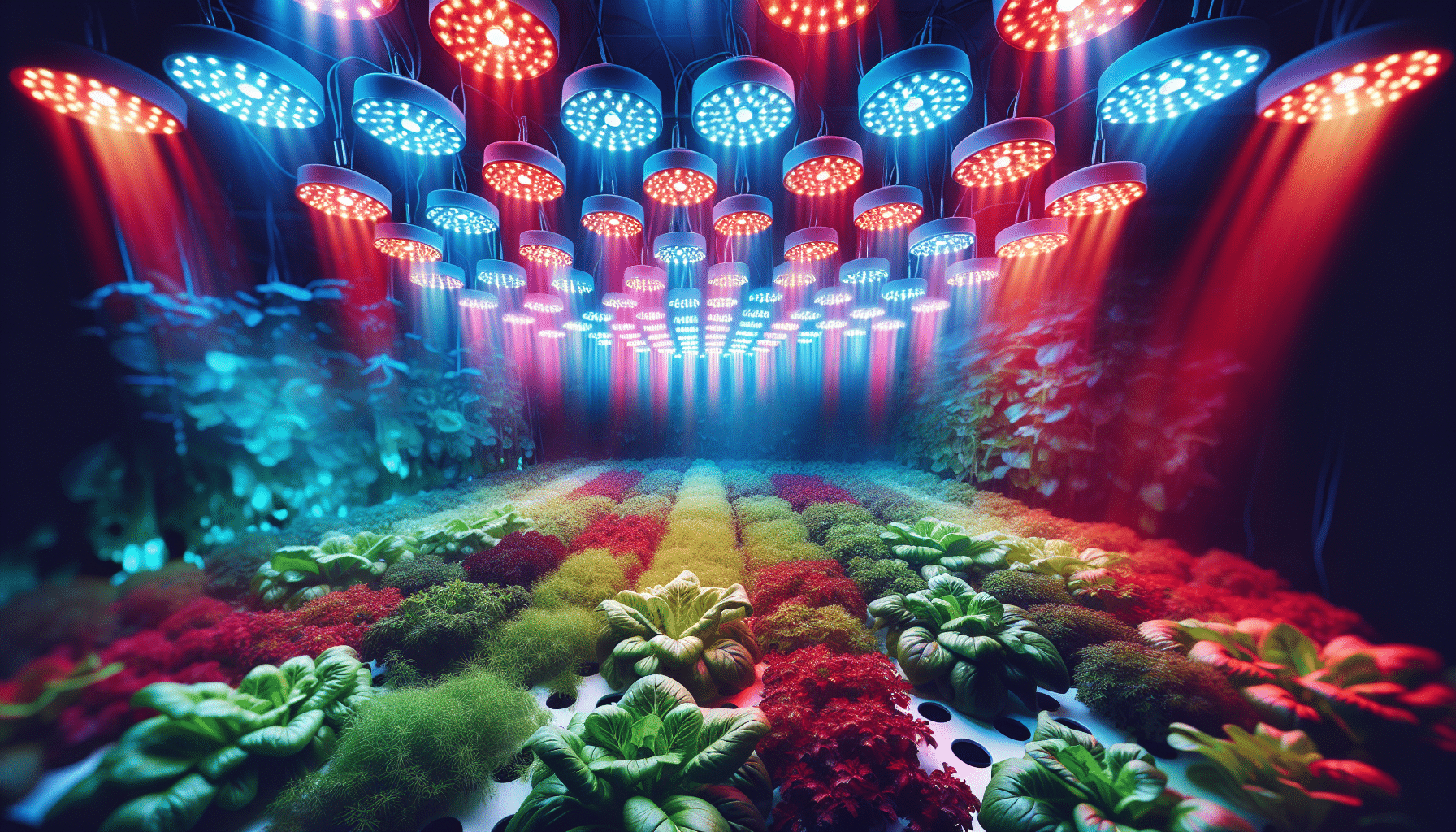
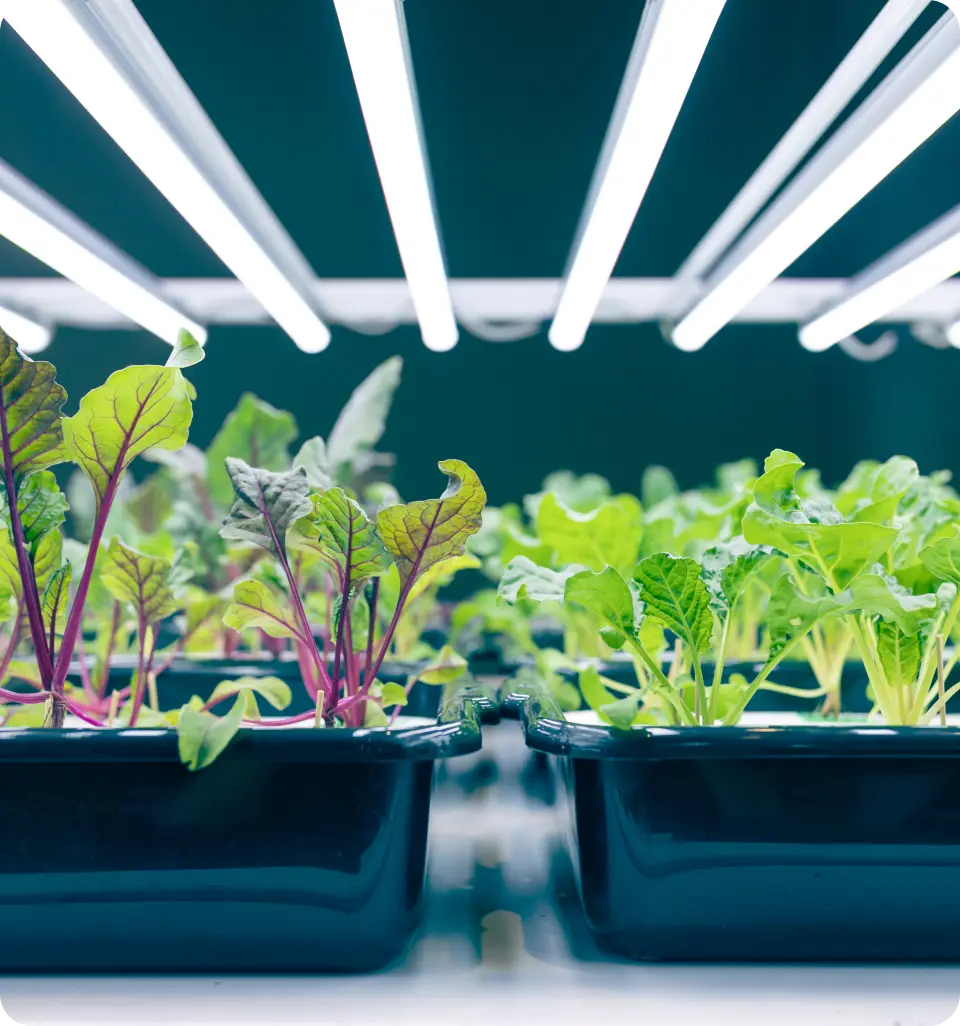
Core components usually include a tower body, planting holes, net pots, a reservoir with a lid or cover, tubing, fittings, a pump, growing media, pH and EC test tools, and structural support. Indoor hydroponic towers typically use full-spectrum LED grow lights and vertical hydroponic systems to support plant growth without relying on natural sunlight. These systems can be adapted for indoor use, making them popular in urban areas where space for gardening is limited.
Commercial tower garden systems are ready-made vertical hydroponic products designed to reduce setup time. A well-known example is Tower Garden by Juice Plus, along with similar automated modular hydroponic tower systems that include a tower, reservoir, pump, nutrient instructions, and planting guidance. Many commercial systems check all the boxes for beginners because the components are already sized to work together.
The main advantage is convenience. The pump, lid, planting ports, reservoir, and support stand are usually designed as one system, which lowers the risk of poor flow or unstable weight distribution. Commercial towers also tend to look cleaner on a patio or indoors, especially when full-spectrum LED grow lights are attached for indoor use, which aligns with the focus of Nutraponics hydroponic tower systems and indoor farming on combining design, technology, and sustainability.
The main drawback is cost. A commercial tower often costs more per planting site than a DIY build, and replacement parts or nutrients may be proprietary. A commercial option is suitable when reliability, appearance, and support matter more than maximum customization.
DIY PVC tower gardens are custom-built systems made from PVC pipes, buckets, net pots, tubing, and a water pump. To build a tower garden, you will need materials such as PVC pipes, buckets, a water pump, and net pots, which can be sourced from a hardware store or hydroponic dealers. Some growers also use a square fence post as the vertical body, but food safety, UV resistance, and the risk of chemicals or toxins must be considered before choosing materials.
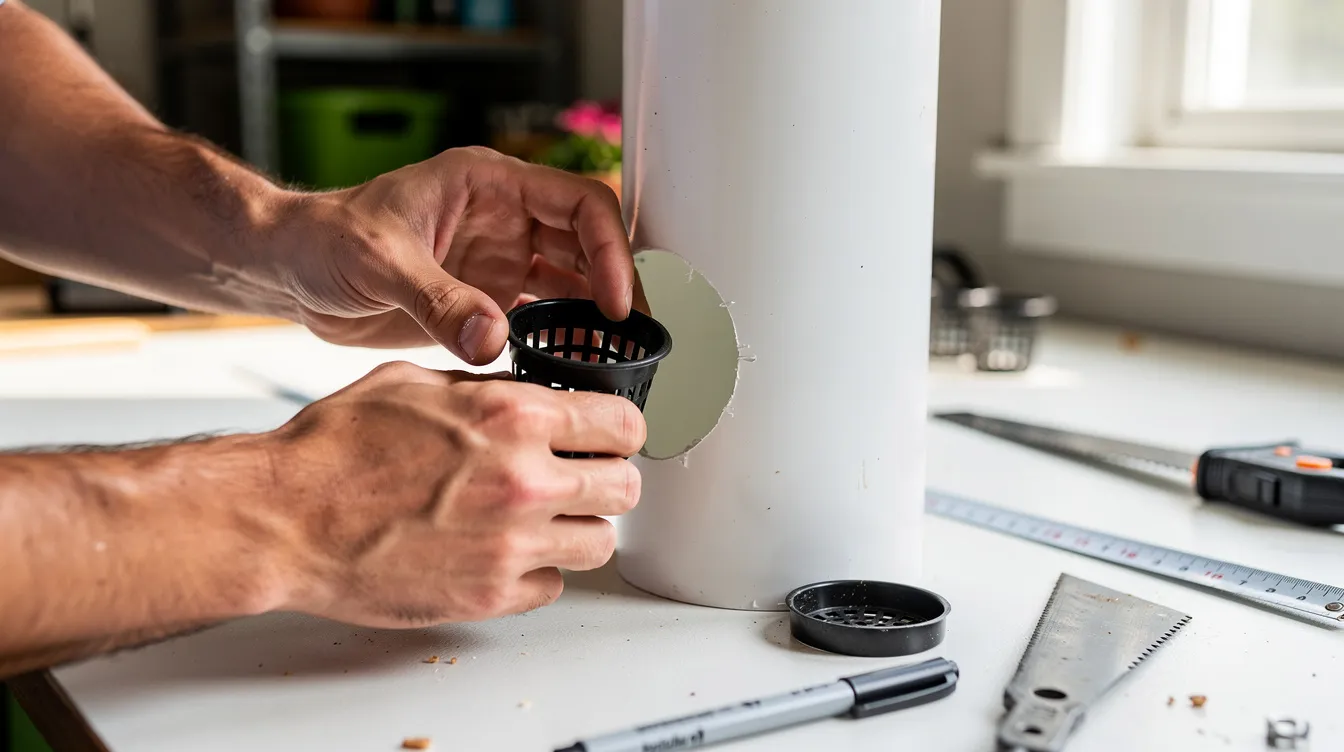
A typical build involves marking the center line, measuring the same size spacing for holes, using a drill or hole saw to cut planting ports, and fitting net pots into each opening. The construction of a tower garden involves creating a reservoir for water, cutting PVC pipes for basket inserts, and ensuring proper drainage for the system to function effectively. Growers often use a miter saw to cut pipe length, screws to attach a stand, adhesive or sealant where appropriate, and an opaque cover or lid to block light from the reservoir.
Compared with commercial systems, DIY towers give you more control over design, height, plant count, and cost. The trade-off is that you must plan the pump size, head height, barb fittings, tubing, drainage angle, and support structure yourself. A DIY method can be a strong bet for practical builders, but every connection should be tested for an hour or longer before seeds or seedlings are added.
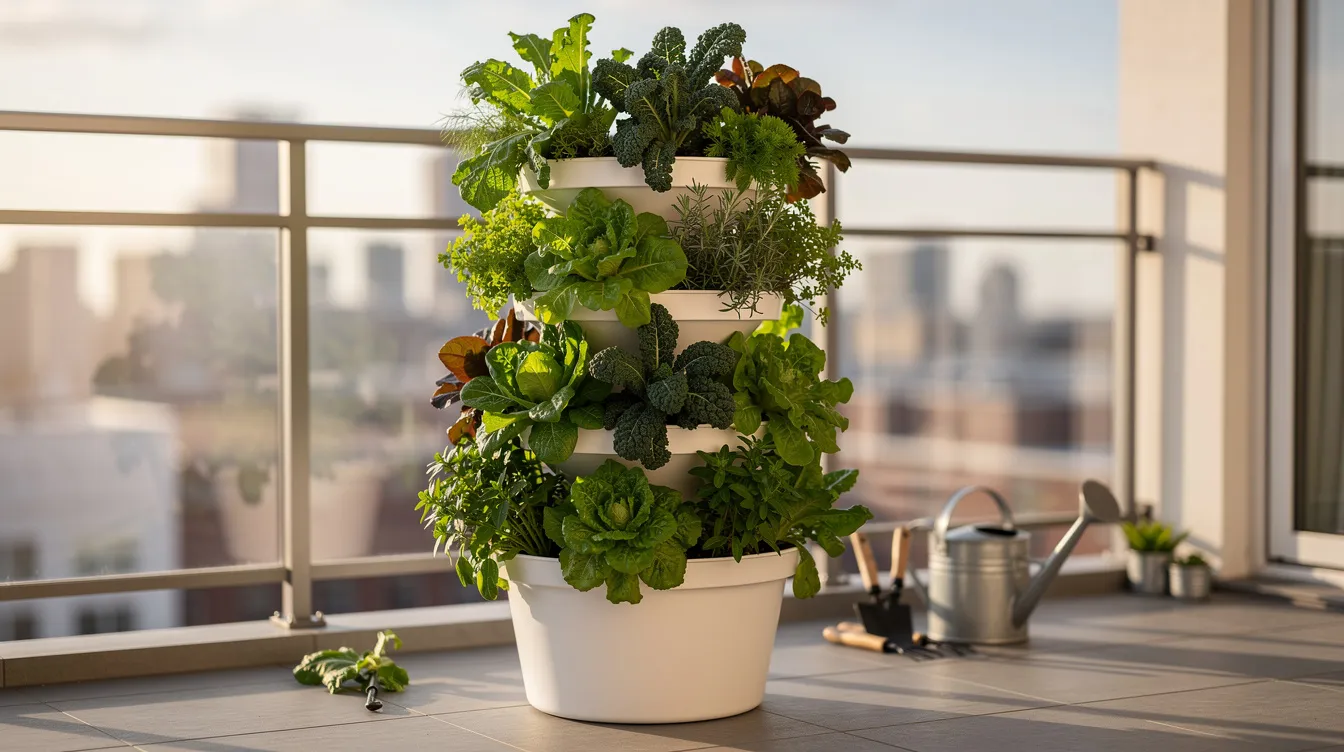
Modular stacking systems use repeated boxes, rings, trays, or tower sections that can be added or removed as your growing plan changes. These systems are useful when you want a vertical hydroponic setup that can expand over time without rebuilding from scratch. Many modular systems are purchased as kits, though some growers build stackable boxes from food-safe materials.
The key advantage is scalability. A modular tower can start small for herbs and lettuce, then grow into a larger production unit for leafy greens, strawberries, or compact fruiting crops. Modular systems can also be easier to clean because individual pieces may detach from the main stand, and many efficient modular hydroponic grow tower systems use automated controls to keep water and nutrients balanced as they scale.
The main challenge is uniform water distribution. More levels add weight, increase the pump requirement, and make the system more sensitive to uneven flow near the top or bottom edge. In short: commercial systems prioritize convenience, DIY systems prioritize customization, and modular systems prioritize expansion. The right choice depends on your space, budget, access to tools, and preference for building versus buying.
Setting up a hydroponic tower is easier when the design, materials, and growing goals are decided before assembly begins. A strong setup plan considers access to water and power, the weight of a full reservoir, light exposure, drainage, crop type, maintenance space, and whether the tower will stand indoors or outdoors.
Testing and adjusting the water’s pH is important for the optimal growth of plants in hydroponic towers, with an ideal pH around 6.0. You should also plan how you will test nutrient strength, clean the reservoir, inspect the pump, and reach the inside of the tower if roots or debris block the flow, keeping in mind how hydroponic towers work as vertical gardening systems to move and recycle nutrient-rich water.
Location matters because hydroponic tower gardens depend on stable water circulation, adequate light, and easy access for maintenance. Outdoors, choose a level surface with sunlight, airflow, and protection from extreme heat or wind. Indoors, prepare grow lights, a waterproof floor area, and nearby power with safe cable management.
Prepare the site. Choose a flat location that can support the full reservoir weight, tower weight, water weight, and mature plant weight. Confirm access to power, water, and enough space around the tower for planting and harvesting.
Assemble the tower and stand. Build or attach the vertical tower, reservoir, lid, support frame, screws, and base. If using PVC or a fence post, mark the planting holes carefully and cut each piece to the planned length before final assembly.
Install the pump and plumbing. Place the pump in the reservoir, connect tubing, add barb fittings where needed, and route water to the top center of the tower. Check that water can flow down the inside of the tower and return to the reservoir without leaks.
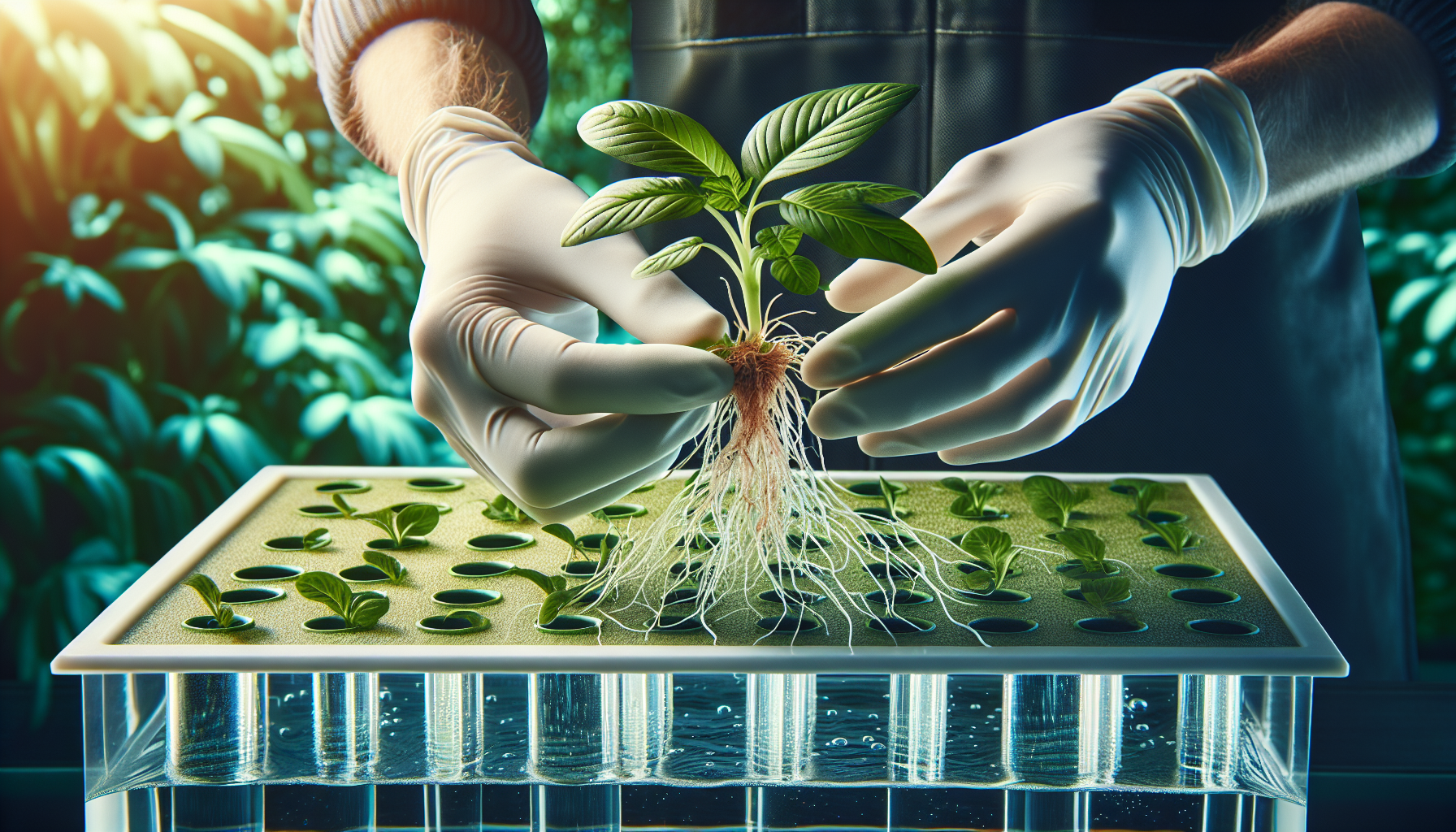
Prepare planting sites and light control. Insert net pots, growing media, seed plugs, or seedlings. Cover transparent parts, keep the reservoir lid closed, and block light from the nutrient solution to reduce algae.
Fill, mix, and test the system. Add water, mix nutrients according to crop stage, test pH around 6.0, and run the system before planting. A 24-hour test is ideal, but even a one-hour test can reveal leaks, weak flow, pump noise, or drainage problems.
After installation, observe the top and bottom planting levels. The upper holes should receive enough water, and the lower holes should not flood. If the picture of water movement looks uneven, adjust the pump, tubing, distribution cap, or tower angle before adding plants, especially in indoor hydroponic tower gardens with integrated LED grow lights where consistent circulation directly affects yield.
The right hydroponic tower depends on your budget, available tools, growing plants, and maintenance preference. A beginner with limited time may prefer a commercial system. A hands-on builder with a drill, saw, and hardware store nearby may prefer a DIY tower. A school, rooftop project, or small urban farm may prefer modular stacking systems.
Factor | Commercial Tower Garden Systems | DIY PVC Tower Gardens | Modular Stacking Systems |
|---|---|---|---|
Upfront cost | Higher cost per planting port, but components are purchased together | Lower to moderate cost depending on materials, pump, and tools | Moderate to high cost as levels, lights, and supports increase |
Maintenance complexity | Moderate; instructions and support are usually available | Higher; the grower must manage leaks, flow, drainage, and part replacement | Intermediate; more tiers mean more connections to inspect |
Yield capacity | High when light, nutrients, and spacing are well designed | Good if holes, pump size, and water distribution are planned correctly | Very high when multiple levels receive balanced nutrient solution |
Setup complexity | Lower because the system is mostly pre-engineered | Higher because the grower must drill, cut, seal, and test the tower | Moderate to high because structure, weight, and plumbing become more complex |
Best use case | Beginners, patios, classrooms, and clean indoor spaces | Budget builds, custom designs, and experimental hydroponics | Scalable home production, urban gardens, and educational projects |
For many beginners, the best bet is a commercial or simple modular tower because the system design is already proven. For experienced DIY growers, a PVC tower can reduce cost and allow a custom number of plants, especially when a local hardware store provides pipe, buckets, lids, screws, and fittings. Whichever option you choose, the most important step is testing water flow and pH before planting. |
Even a well-built hydroponic tower can develop problems because water, nutrients, roots, pumps, light, and living plants are constantly interacting. Most failures are preventable with a simple maintenance plan: test pH and EC, inspect the pump, clean the reservoir, block light from the water, and check that every planting site receives flow.
Nutrient imbalance usually happens when plants absorb minerals at different rates, water evaporates, or the reservoir is topped off incorrectly. The solution is to test pH and nutrient strength regularly, then adjust in small steps rather than making large corrections. For most tower crops, pH near 6.0 is a practical target, with leafy greens often preferring a moderate nutrient concentration.
Top off the reservoir with plain water when the level drops, then add nutrients only after testing. Replace the nutrient solution on a regular schedule, often every 7 to 14 days depending on crop load, reservoir size, and water quality. Beginners who want fewer pH swings may use buffered nutrient lines, while advanced growers may automate dosing.
Pump failure is one of the most serious tower garden issues because roots can dry quickly in aeroponic systems. Common causes include root blockage, algae debris, airlocks, undersized pumps, loose tubing, clogged spray heads, and power outages. The fix is to size the pump for the vertical height, inspect tubing weekly, clean the intake screen, and verify flow at the top of the tower.
A backup pump is useful for important crops, and a battery backup may be worth the cost for indoor production or hot climates. Keep the reservoir filled enough to prevent the pump from running dry. If water is not reaching the top, check the pump, barb fitting, tube length, head height, and any kink near the tower edge, since reliable circulation is the foundation of indoor hydroponic tower garden benefits and fresh produce.
Algae grows when light reaches nutrient-rich water. Warm temperatures, organic debris, transparent tubing, and uncovered reservoirs make algae worse. The best solution is prevention: use opaque materials, keep the reservoir covered with a tight lid, clean the inside surfaces, and remove dead roots or leaves before they decay.
If algae appears, drain and clean the system before the problem spreads. Food-safe cleaners, hydrogen peroxide used appropriately, and thorough rinsing can help restore the system. Avoid materials that may leach chemicals or toxins into the water, especially in DIY builds using unknown plastics, adhesives, or repurposed containers, which is particularly important for aeroponic towers designed for clean home growing.
Hydroponic tower gardens make it possible to grow more crops in less space by stacking plants vertically and recycling nutrient-rich water through a controlled system. The core idea is simple: replace soil with water, nutrients, oxygen, light, and a reliable tower design. The results can be especially useful for urban growers, home gardeners, schools, and anyone who wants fresh green production without a traditional garden bed.
Start with these next steps:
Choose your system type. Pick a commercial tower, DIY PVC tower, or modular stacking system based on cost, skill level, and available time.
Gather materials. Prepare the reservoir, pump, tubing, lid, net pots, nutrients, pH test kit, grow lights if indoors, and structural support.
Select the location. Use a level space with access to water, power, drainage, light, and maintenance clearance.
Start with easy crops. Grow lettuce, basil, parsley, cilantro, kale, bok choy, mint, or strawberries before moving into heavier fruiting crops.
Test before planting. Run the system, check flow, adjust pH around 6.0, and confirm that the pump can supply the top of the tower consistently.
After the first successful harvest, explore advanced topics such as automation systems, smart pH and EC sensors, automated dosing, indoor LED spectrum control, and commercial scaling. Those additions are not required for a first tower, but they can improve consistency as production goals increase.
For construction, common tower garden supplies include PVC pipe, square fence post material, buckets, a reservoir, a water pump, net pots, tubing, barb fittings, screws, a drill, a hole saw, a miter saw, adhesive, and opaque covers. Many of these materials can be found at a hardware store, hydroponic dealers, or online marketplaces such as Amazon. When buying plastics, confirm that the materials are food-safe and suitable for water contact.
For testing and nutrients, keep a pH meter or pH drops, EC or TDS meter, calibration solution, pH up/down, and a complete hydroponic nutrient line. Common nutrient brands include Jack’s Nutrients 321, General Hydroponics Flora Series, Advanced Nutrients pH Perfect, CANNA Aqua Vega, Botanicare, and Emerald Harvest. Aquarium-style air pumps and air stones from aquariums suppliers can also support oxygenation in some DWC tower designs.
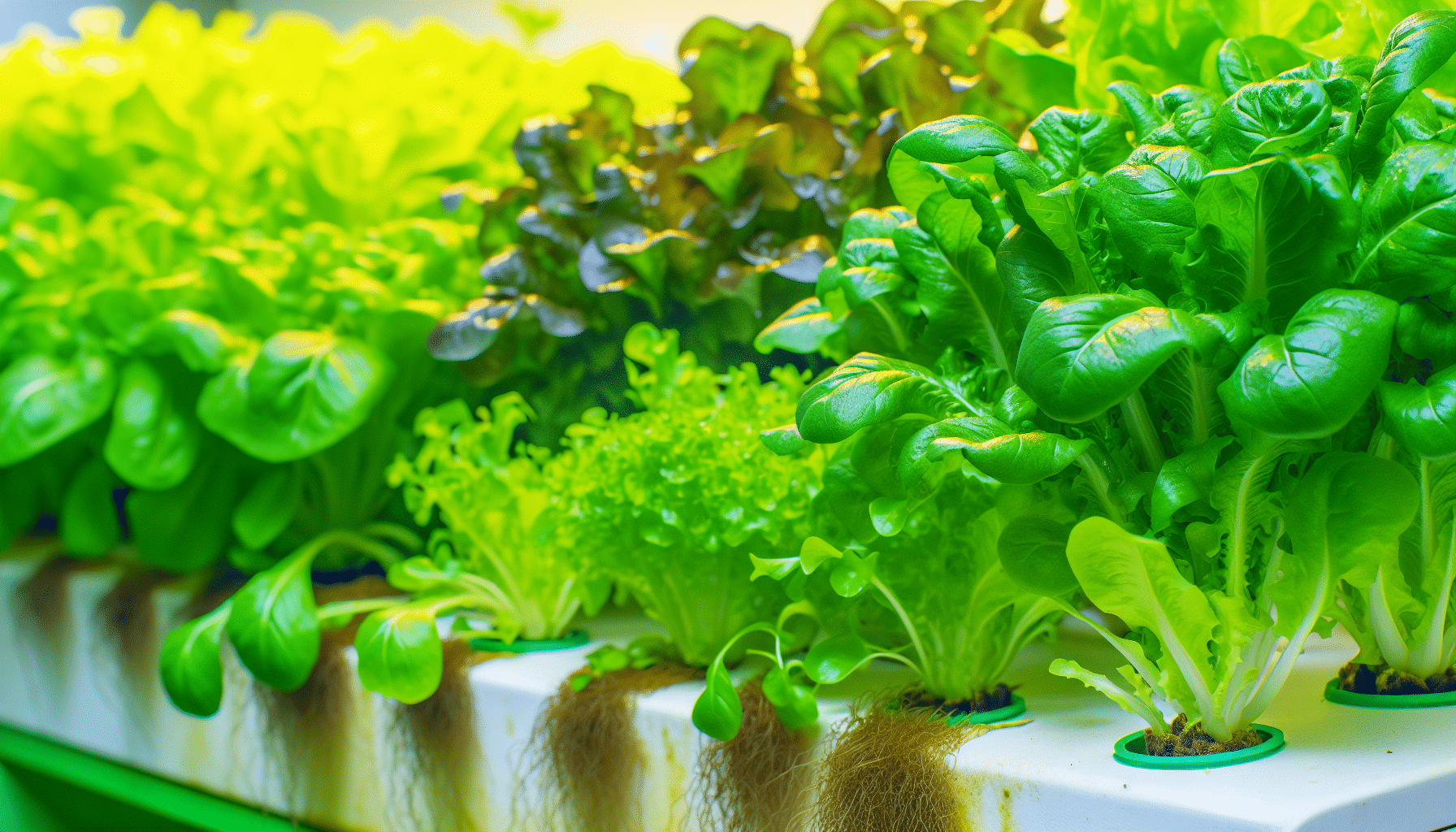
For plants, these systems can support a variety of plants, including leafy greens, herbs, and even some fruits, making them versatile for home gardening. The easiest choices are lettuce, spinach, kale, Swiss chard, bok choy, basil, mint, parsley, cilantro, and strawberries. Compact tomatoes and small peppers can grow in towers, but heavier crops need extra support and stronger nutrient management.
For learning, a build picture or video can help you understand hole spacing, water flow, and pump placement before cutting materials. Growers in Europe or other regions should also check local electrical standards, water-quality norms, and food-contact material rules before purchasing parts. A short note in your grow log after each test-pH, nutrient strength, water level, plant growth, and algae status-will make every future crop easier to manage.