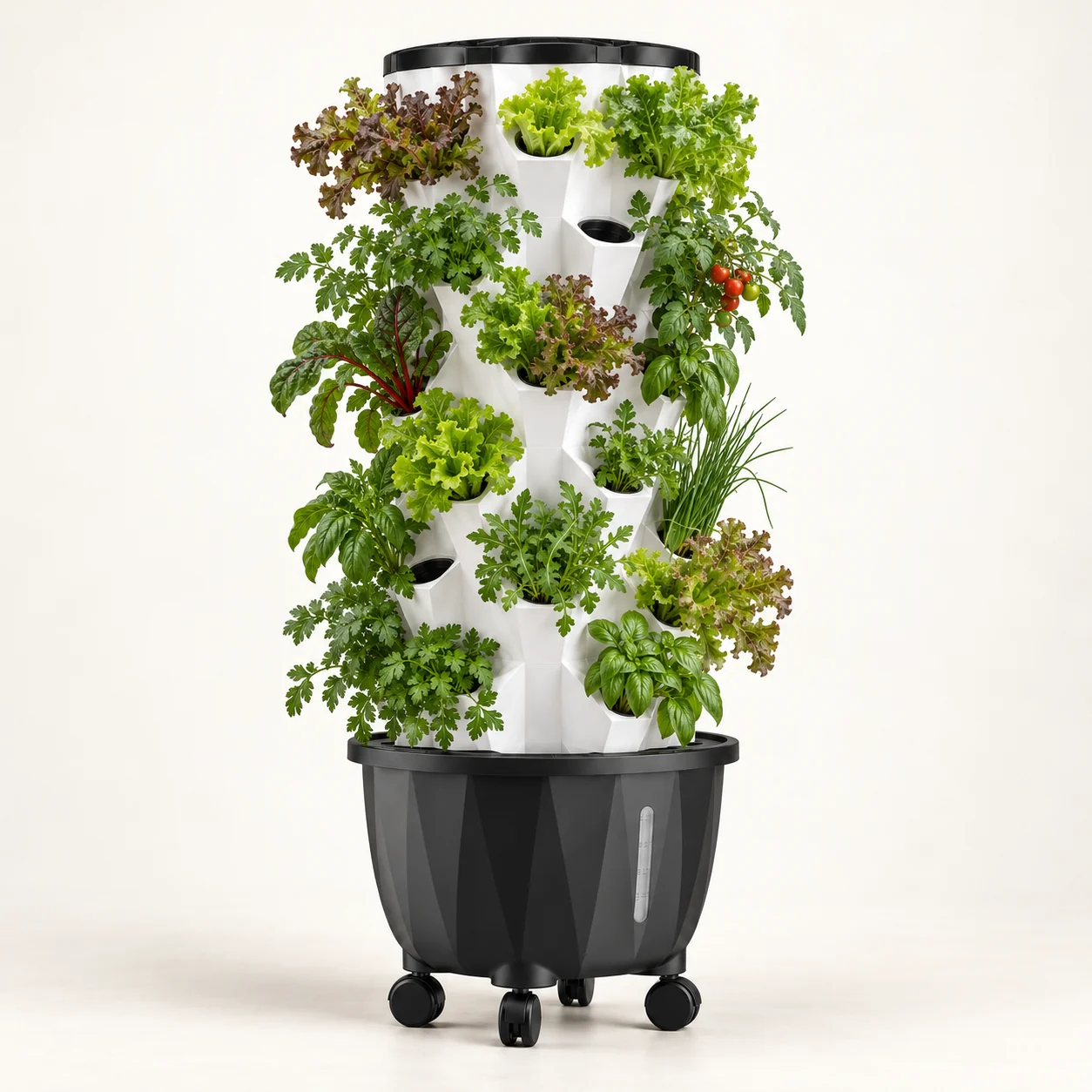
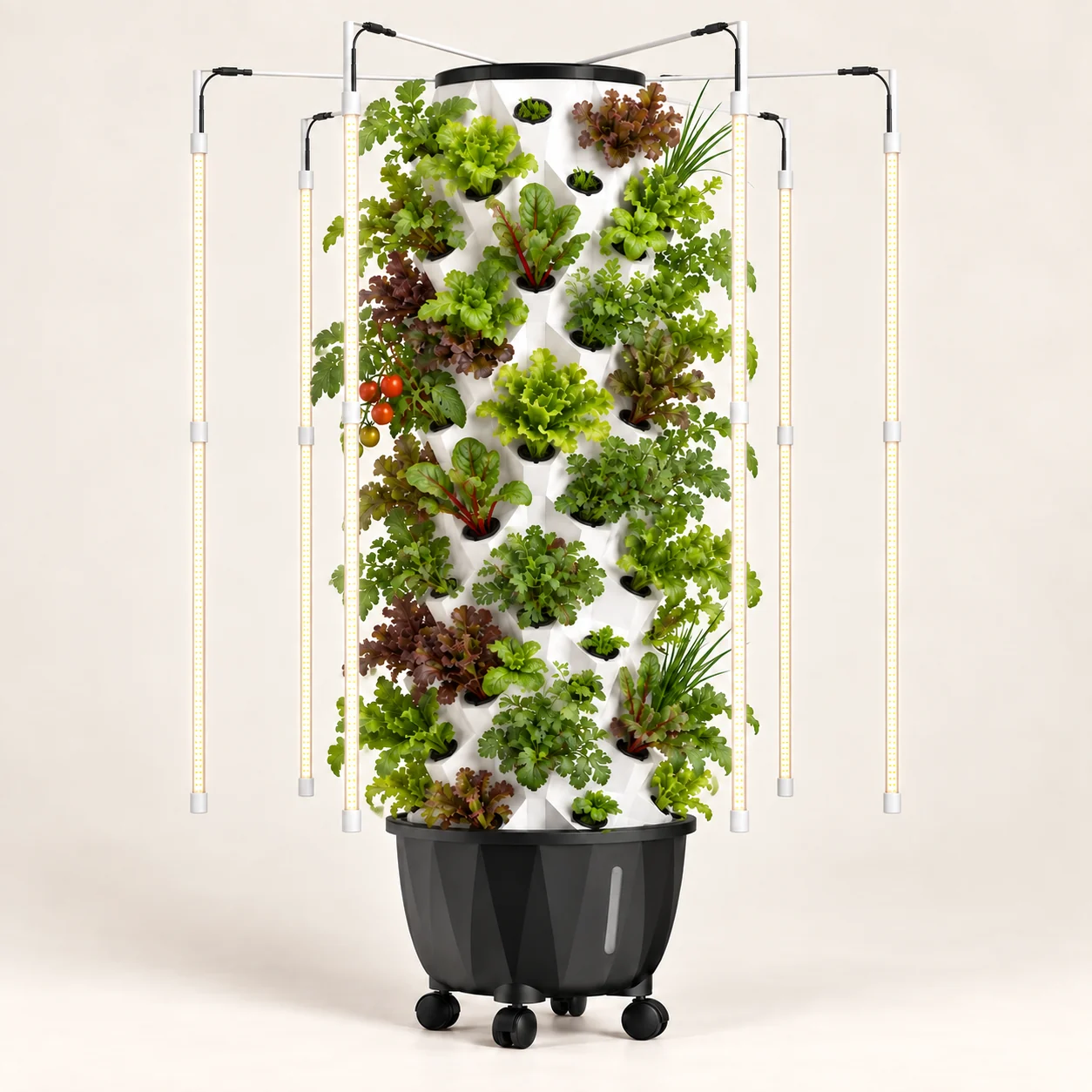
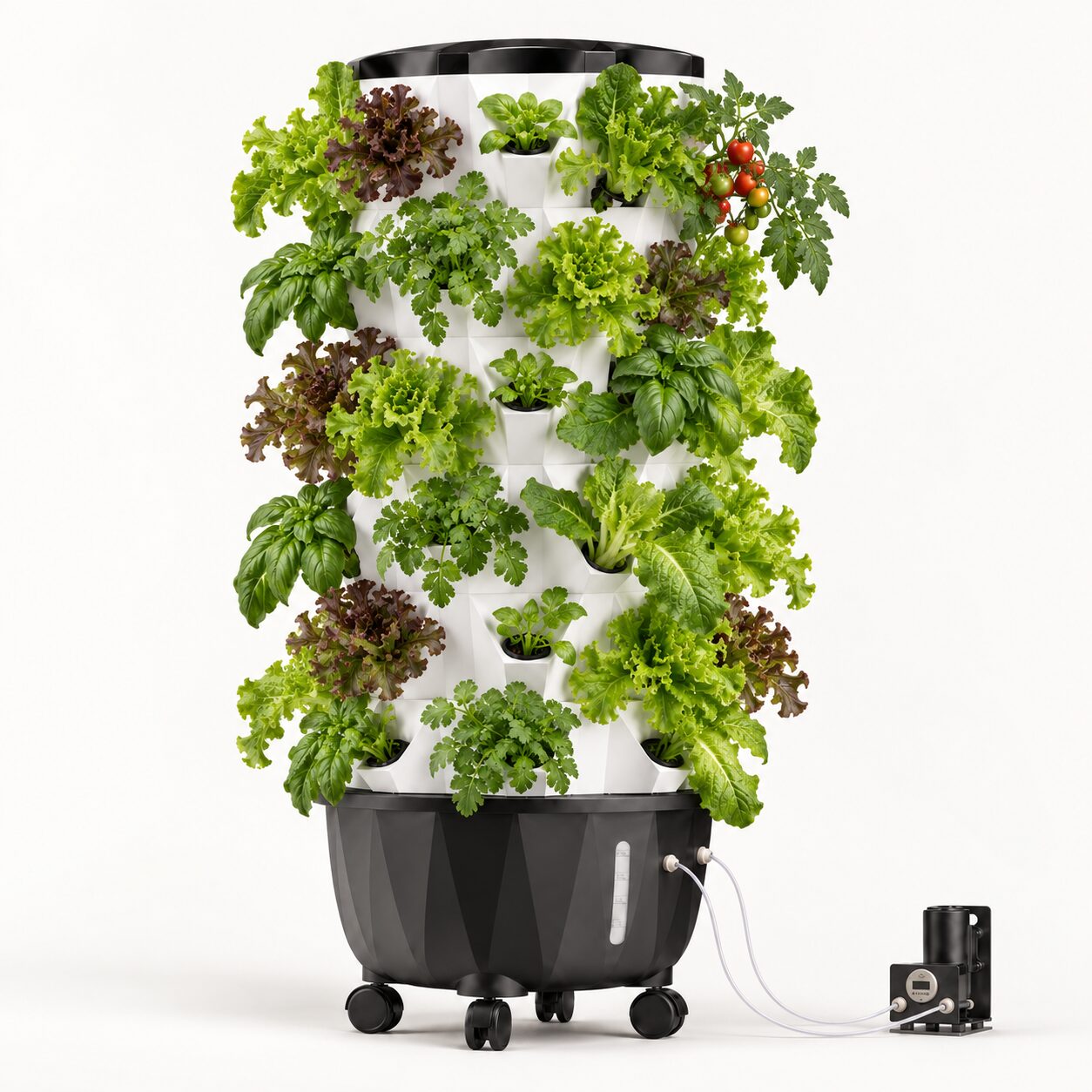
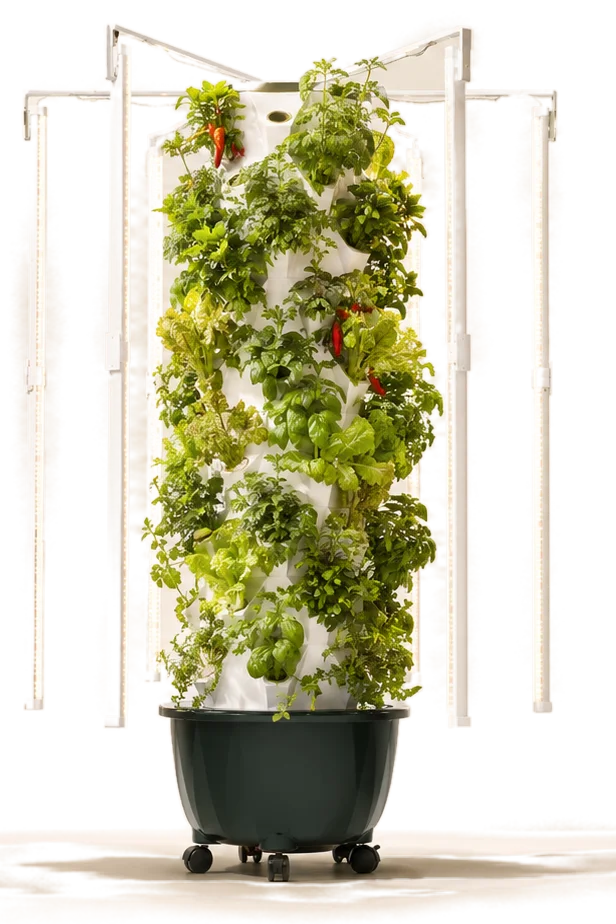




Start With a Small, Manageable Garden
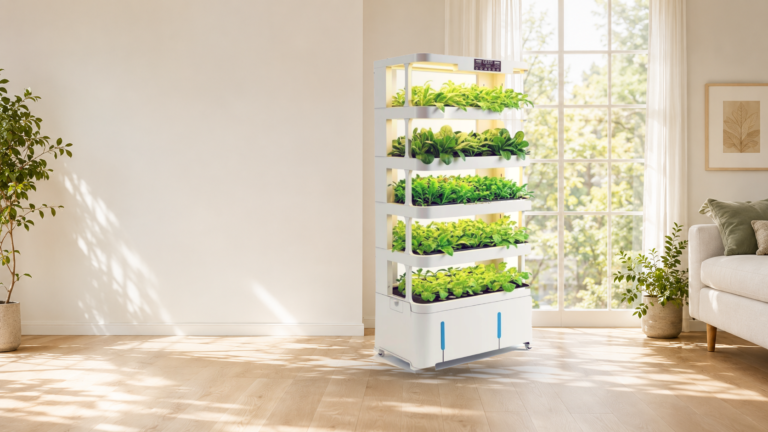
Indoor hydroponics supplies roots with water and dissolved nutrients instead of garden soil. Start with a few plants you actually enjoy eating. Learn one system before adding more crops; its growing method determines how the roots receive water and oxygen.2
Set Up Your Garden in Four Steps
For a ready-made system, use this order alongside the manufacturer’s assembly, watering, and lighting instructions. DIY construction needs a separate, tested build plan.
From an empty system to your first plants
A general setup sequence for a recirculating garden.
Position & assemble
Choose a stable location with room to reach the reservoir and plants. Assemble as directed; keep electrical connections dry.
Fill, mix & check
Measure the water. Add hydroponic nutrients at the label’s seedling rate. Check EC, then pH; use crop-appropriate targets.3
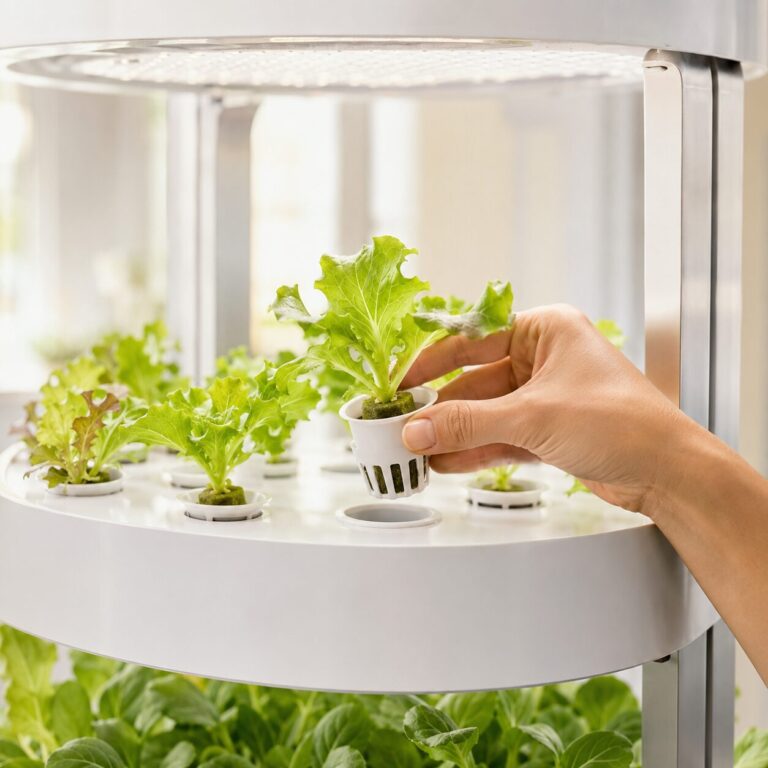
Add healthy seedlings
Use compatible starter plugs and holders. Transplant when roots are ready, following the plug and system guidance. Keep loose soil out of circulation.1
Power off before handling pumps or electrical parts. Never run a water pump dry.
What to Have Ready
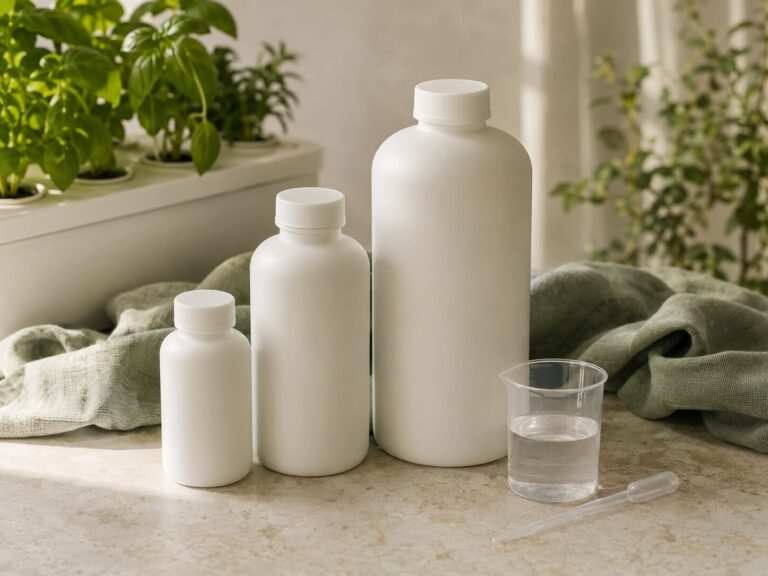
Have hydroponic nutrients, clean measuring tools, a pH test, and an EC meter ready as well. Check your kit contents; supplies are not automatically included.3
Reservoir
A clean, covered container suitable for the system.
Water delivery
The pump or aeration equipment your design requires.
Plant holders
Compatible net pots or supports and growing medium.
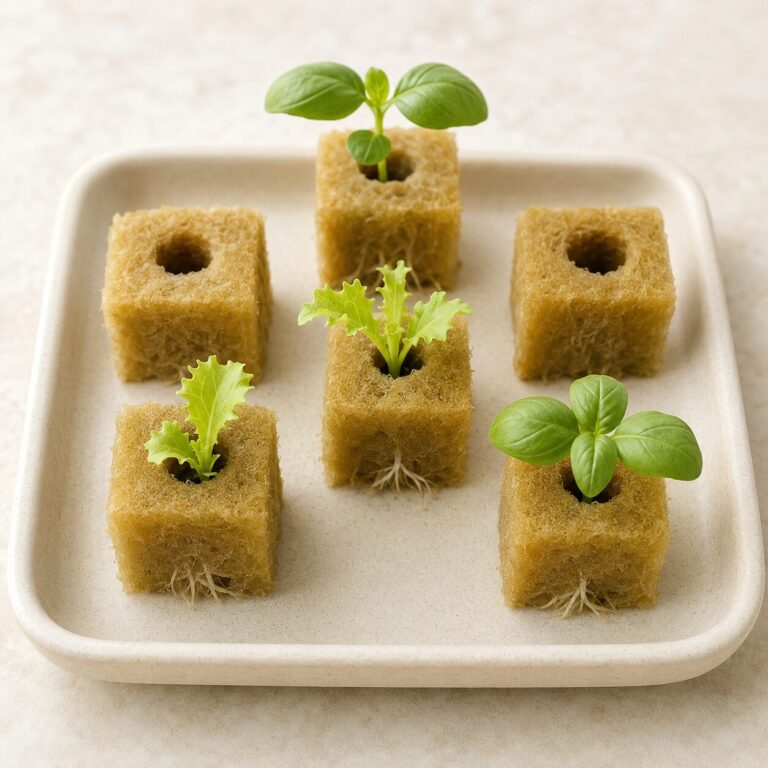
Healthy seedlings
Starter plants suited to your space and growing method.
Suitable light
Enough light at plant level; follow fixture guidance.
Choose Your First Crops
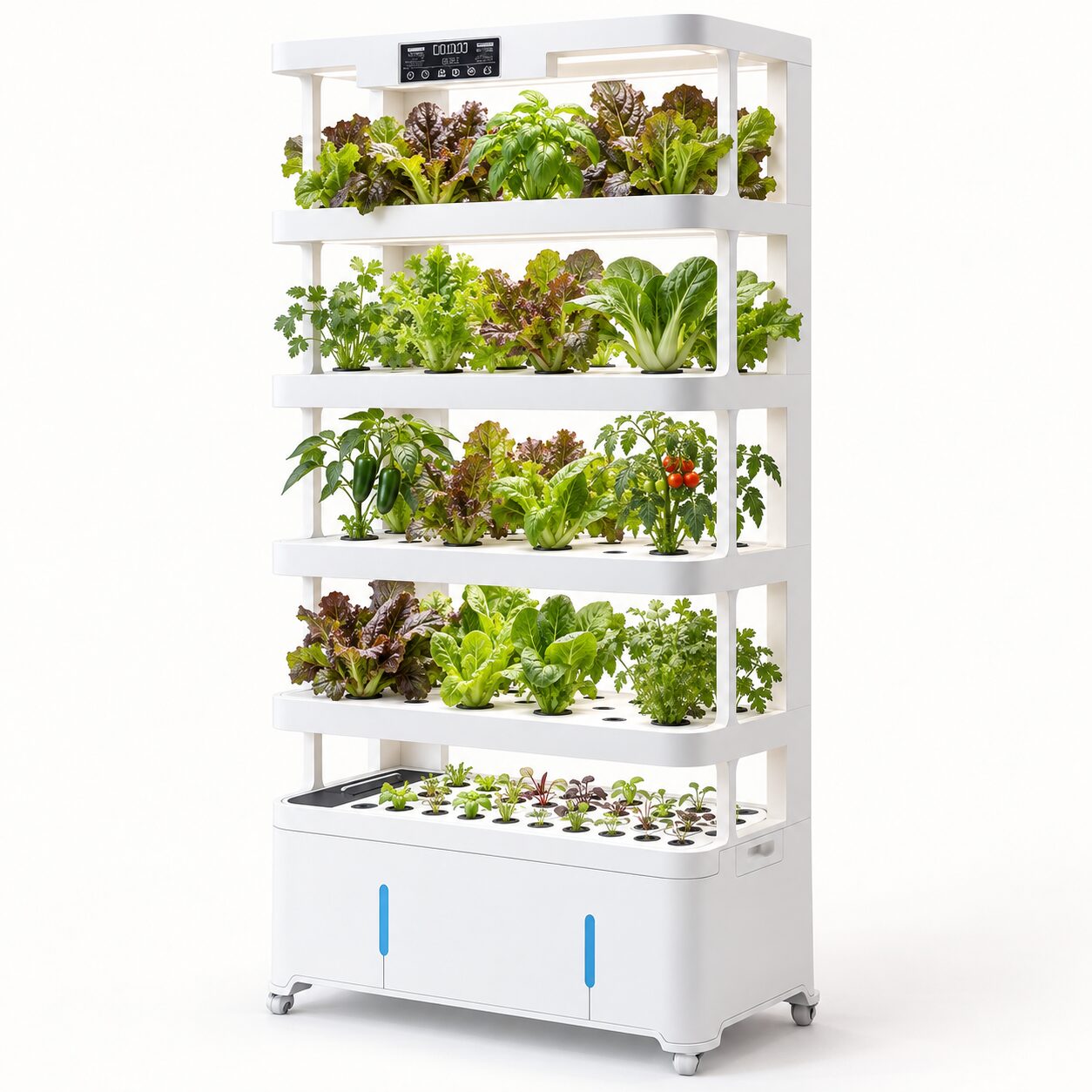
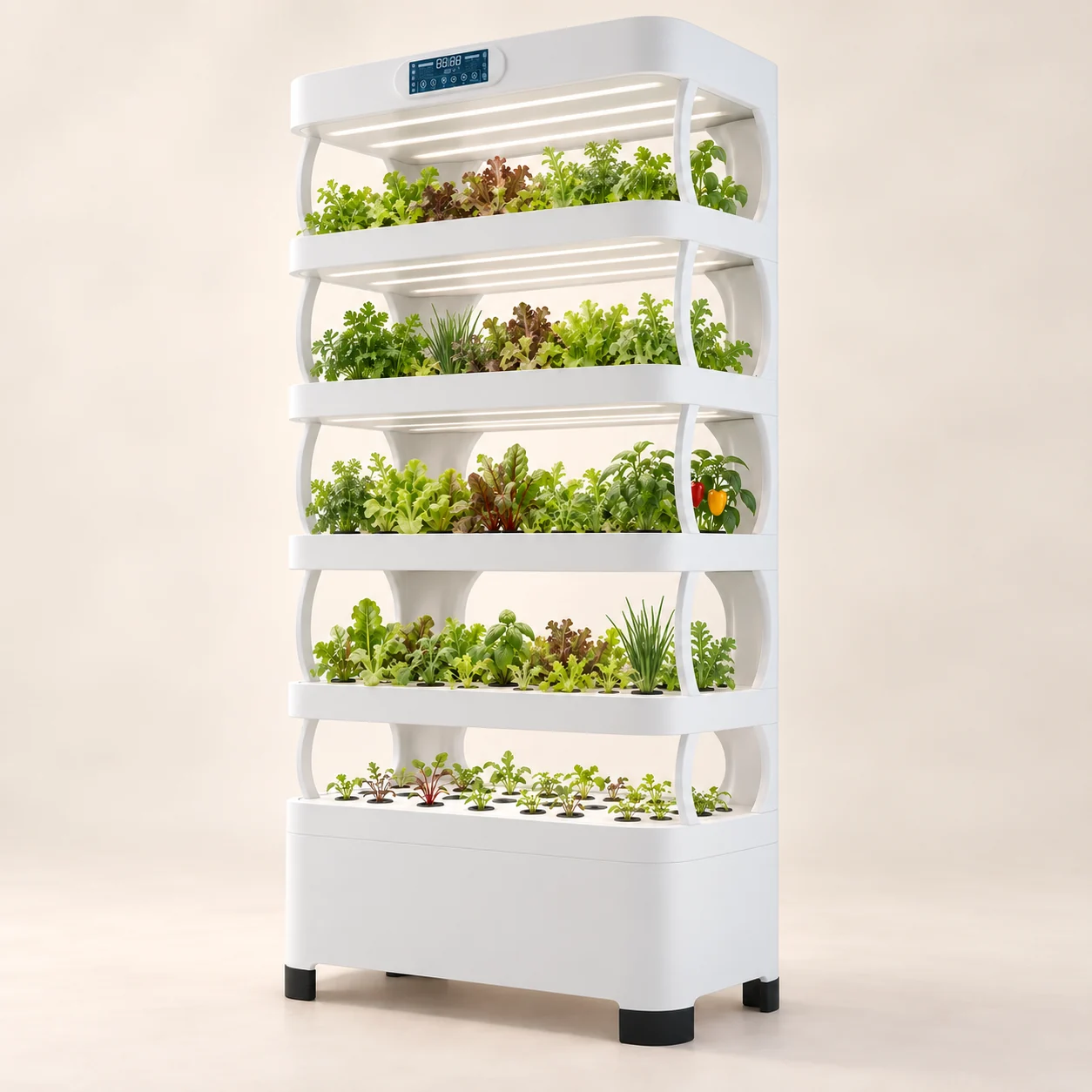
Greens and herbs are practical first choices. Leave space for their mature size.1
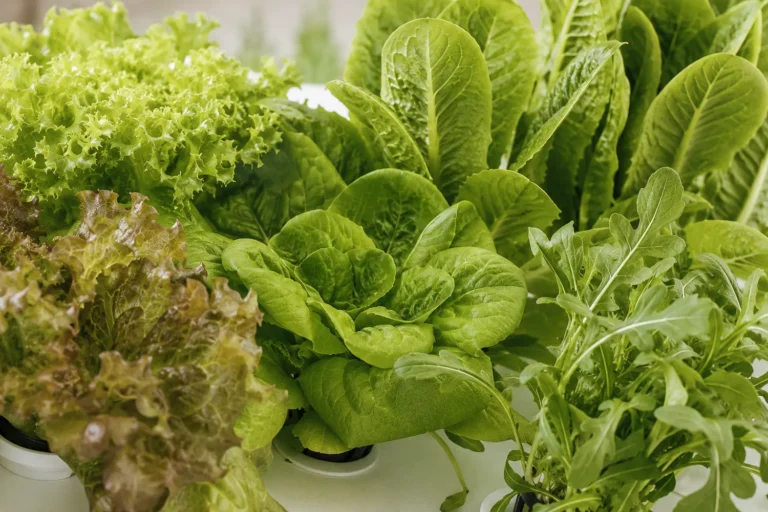
Leafy greens
Lettuce and compact greens; avoid crowded leaves.
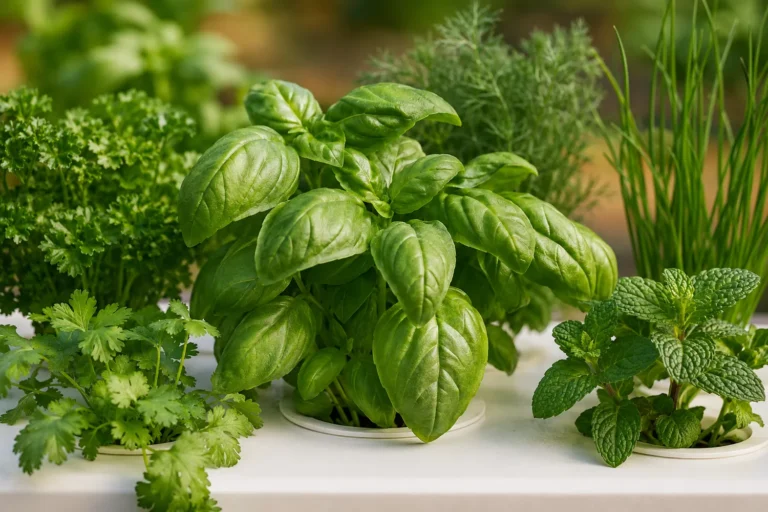
Fresh herbs
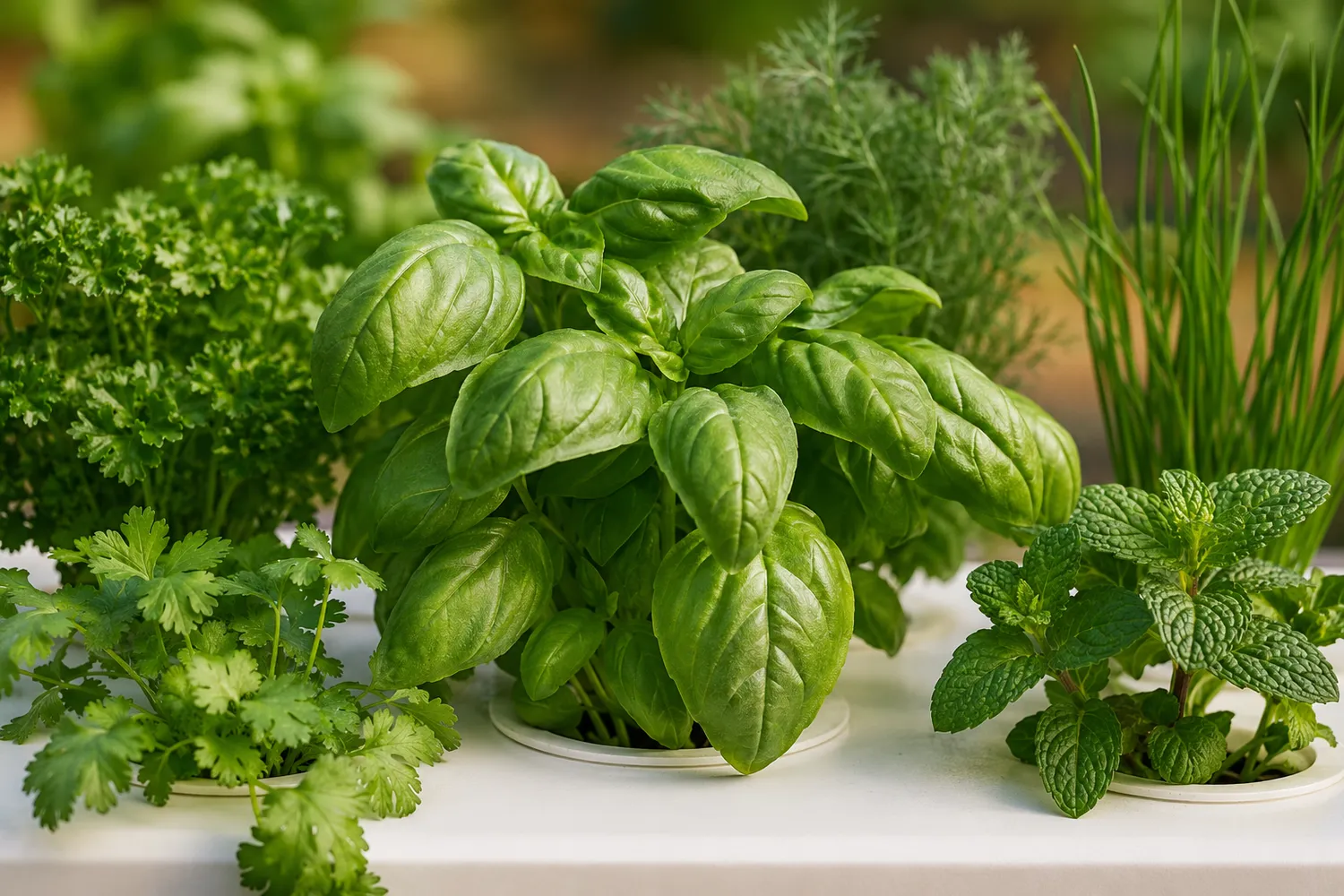
Basil or parsley; choose what you cook with.
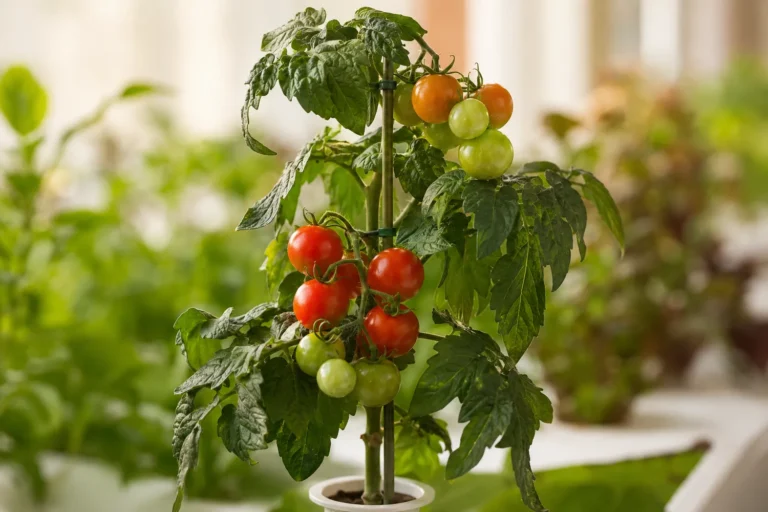
Fruiting crops
Tomatoes and peppers need more planning, light, and support.
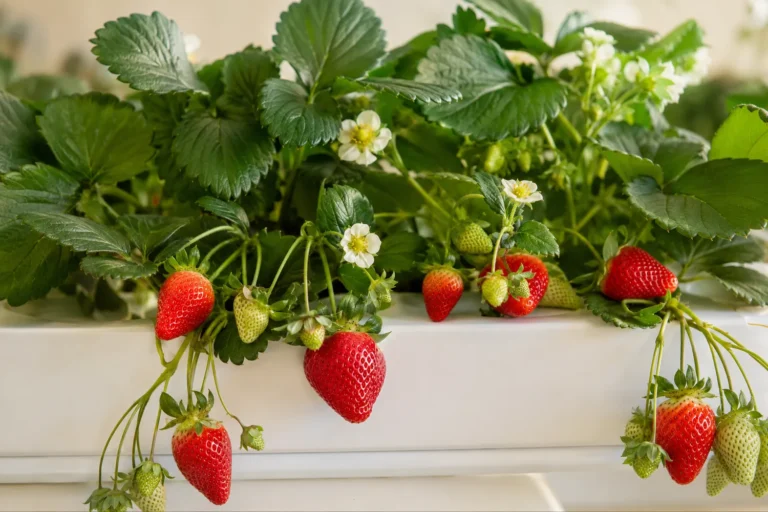
Try later
Strawberries or edible flowers after you learn the basics.
Your First 30 Days
A planning guide—not a promised harvest date.
Week 1 · Establish
Check water, pH, EC, light, and equipment daily. Record starting conditions.
Week 2 · Observe
Look for new roots and leaves. Review light, flow, and readings before adding nutrients.
Week 3 · Adjust
Watch water use and crowding. Clean and refresh solution on the recommended schedule.
Week 4 · Review
Compare your notes. Harvest only when the crop is ready; timing varies.
Starting from seed takes longer than starting with established seedlings.
Benefits & Trade-Offs
Start with realistic expectations.
What you gain
- Growing without garden soil
- Greens and herbs close to home
- A routine you can observe and learn
What it needs
- Equipment and ongoing supplies
- Suitable light and reliable operation
- Regular checks and cleaning
Avoid overcrowding, guesswork with nutrients, and expecting maintenance-free growing.
Common Questions
The essentials before you begin.
Which hydroponic system should I start with?
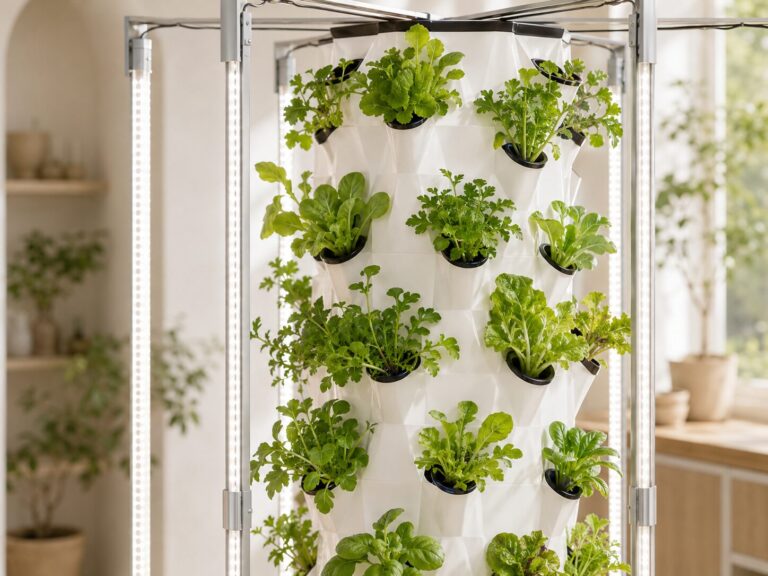
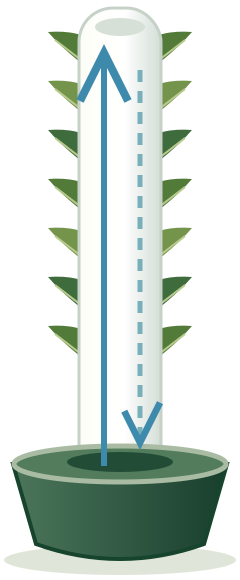
Choose for your crops, space, and care routine. DWC holds roots in aerated solution; NFT uses shallow flowing channels; ebb-and-flow floods and drains a bed. These methods are different. A tower describes the layout, not a single watering method.2
Do I need special seeds or starter plants?
Choose suitable varieties and compatible starter media. Seeds do not need a special hydroponic label. Follow the seed packet and plug instructions; transfer seedlings when their roots are ready for the system.1
Can I use tap water?
Often, but test the starting water and the mixed solution. Hardness and alkalinity can affect management. Letting water stand does not solve every water-quality problem. See the water guide before buying extra filtration.3 Water guide →
How much light do I need?
Match intensity, coverage, distance, and duration to the crop and fixture. A bright-looking room may not supply enough usable light. Use a timer, but do not treat longer hours as a cure for weak lighting.4
What if leaves yellow or plants wilt?
Check water delivery, light, pH, and EC before changing the mix. Look for pests and root damage. Symptoms can have several causes; avoid automatic nutrient or chemical treatments.13
Will I harvest within 30 days?
Not necessarily. Variety, starting stage, light, and growing conditions affect timing. Use the seed supplier’s maturity guidance and the plant’s condition. Treat the first month as a learning period, not a guaranteed harvest.1
Related Guides
View all guides →Get the next answer without starting over.