




The quick answer
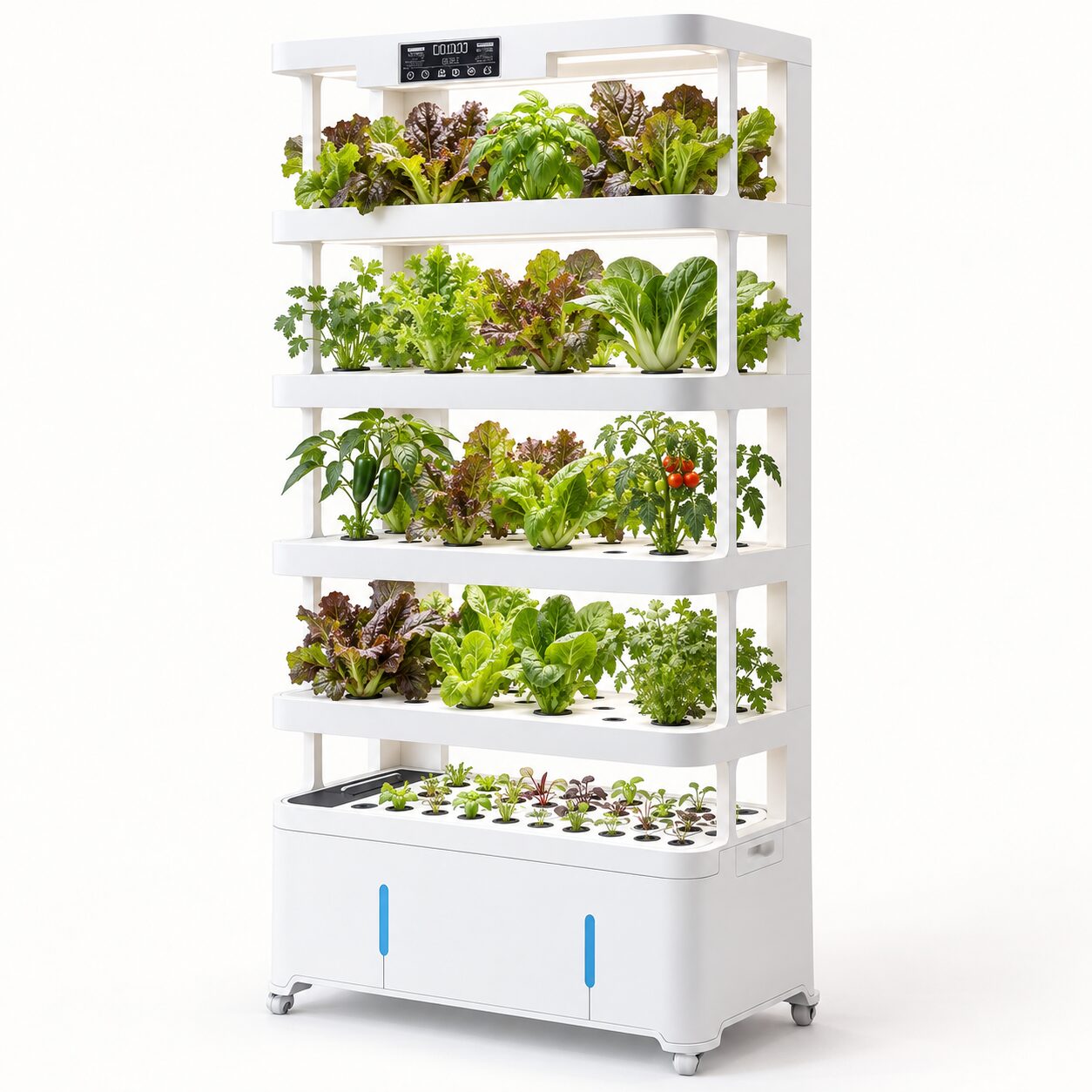
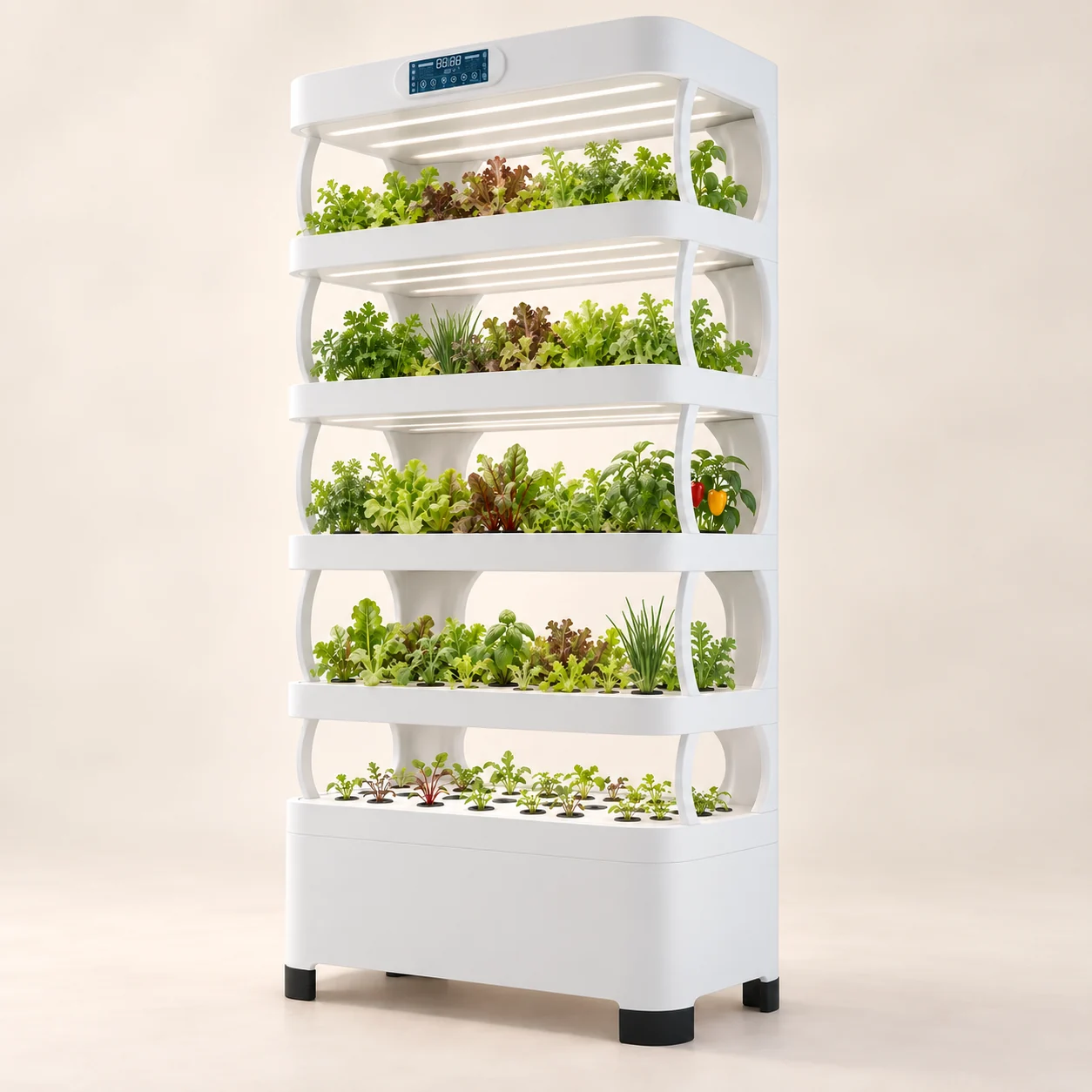
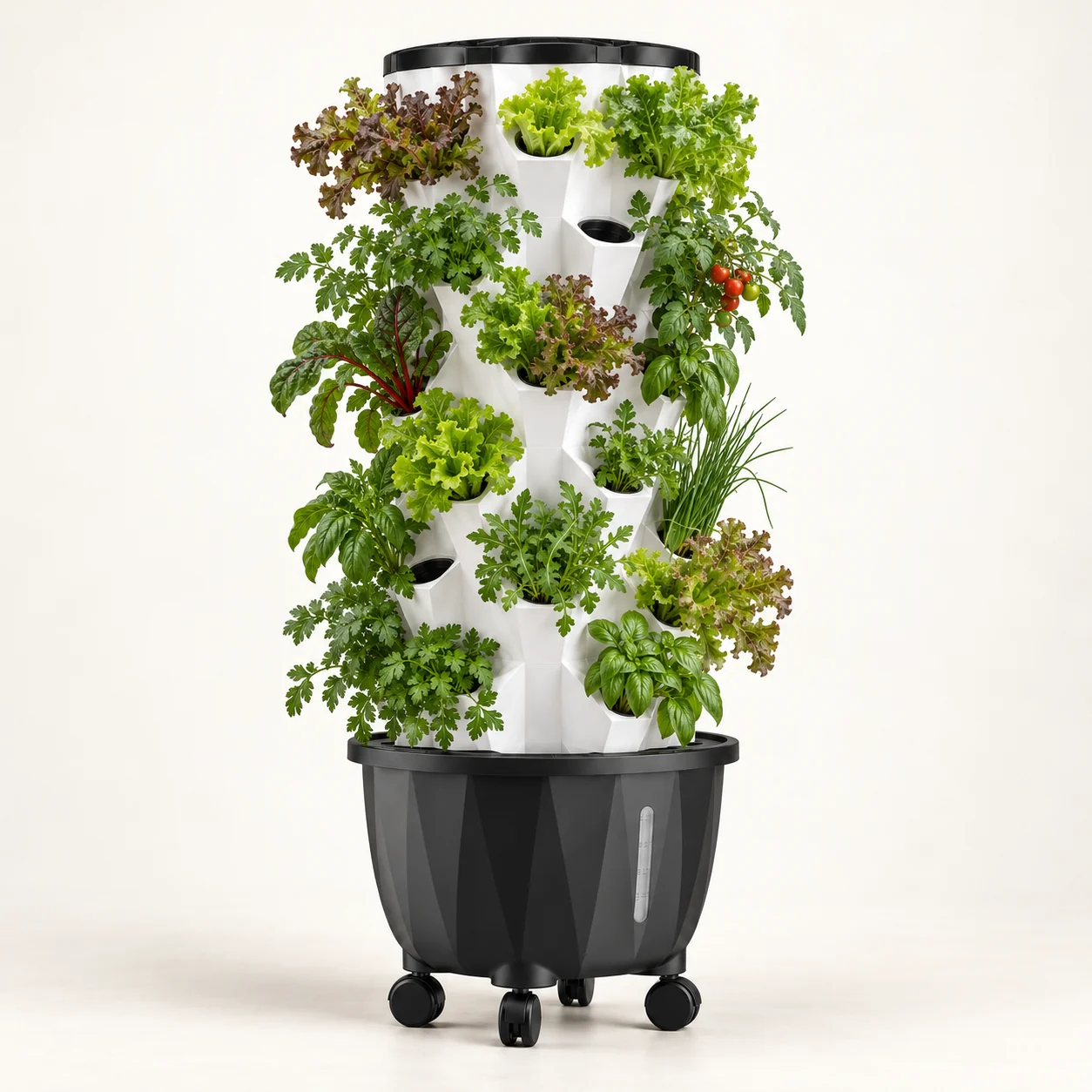
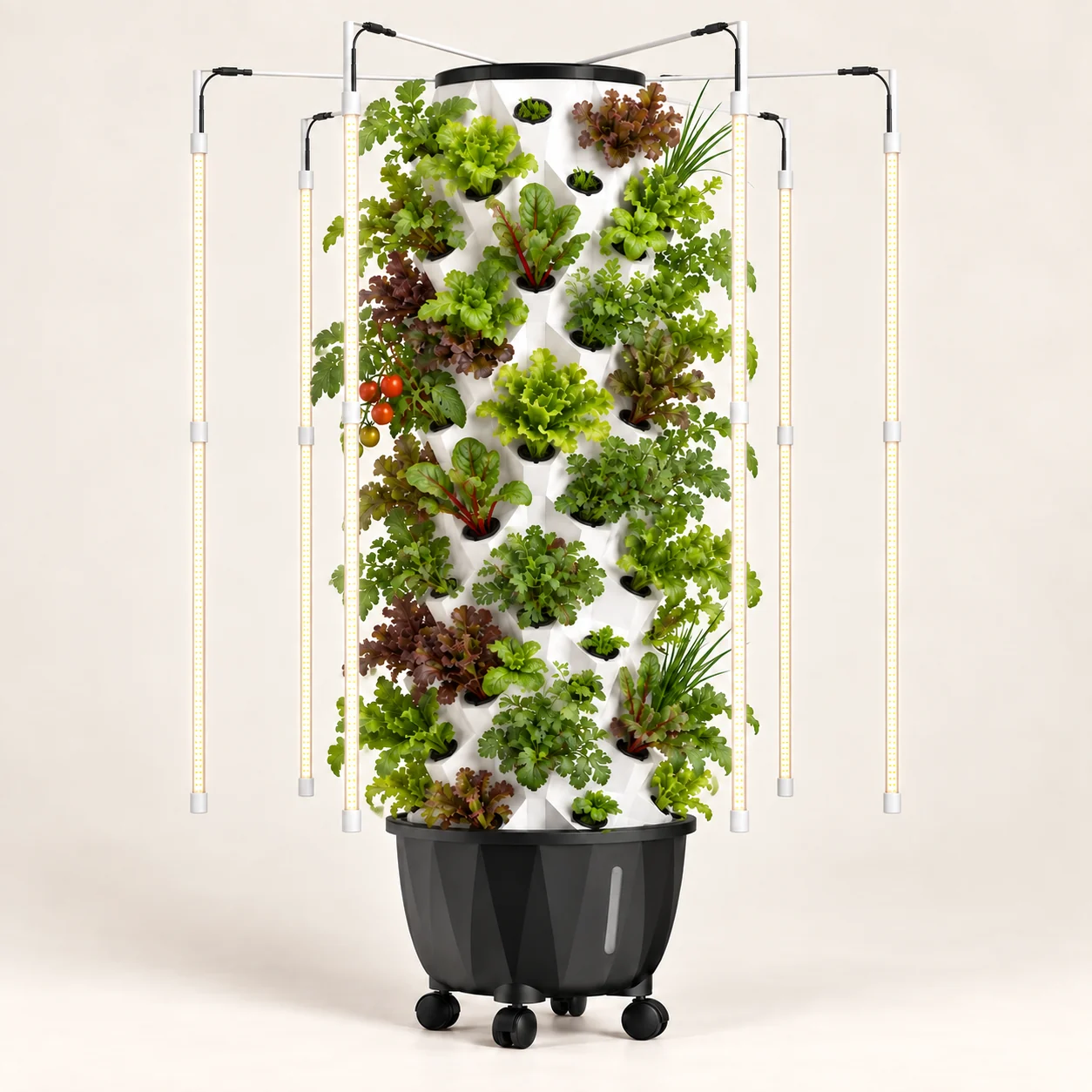
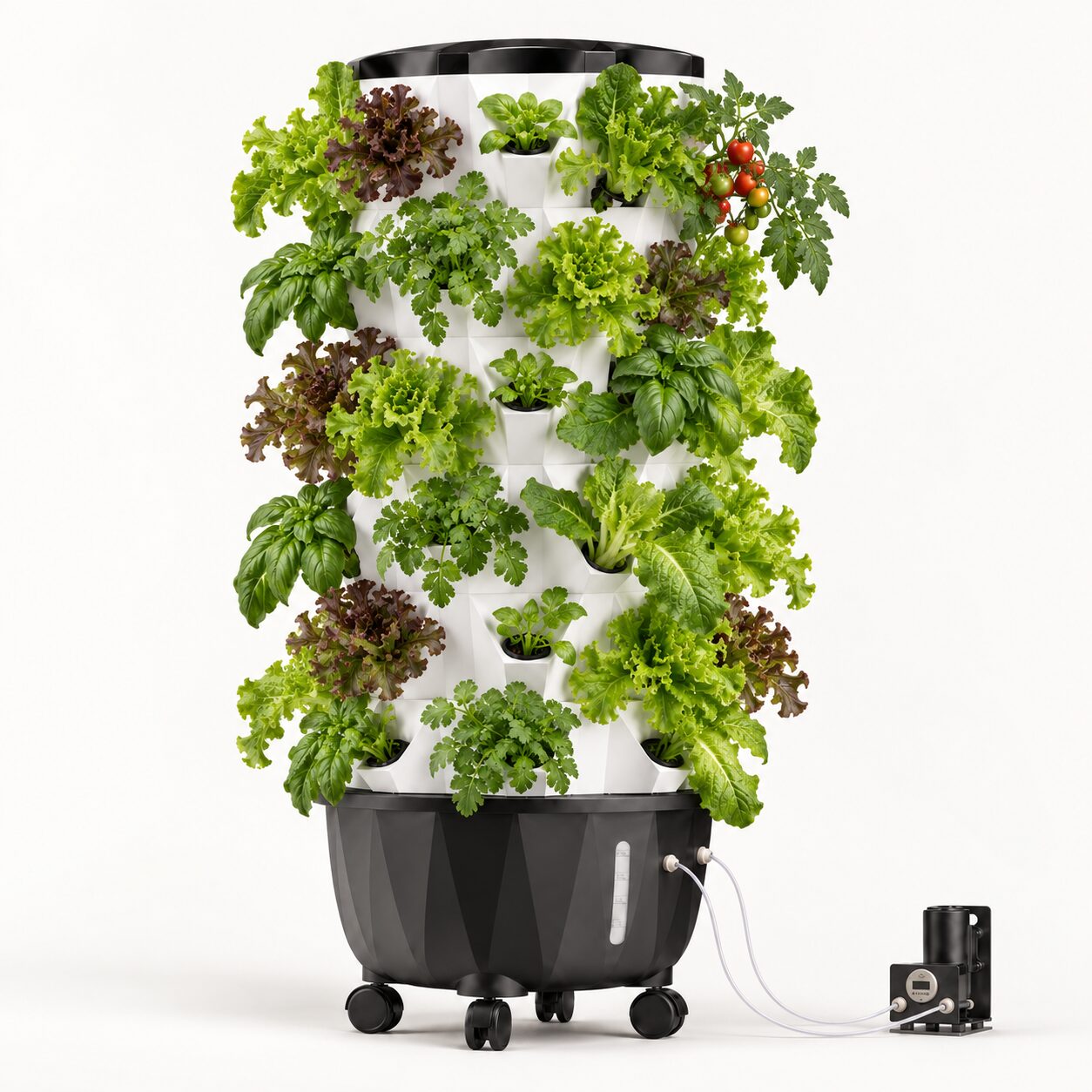
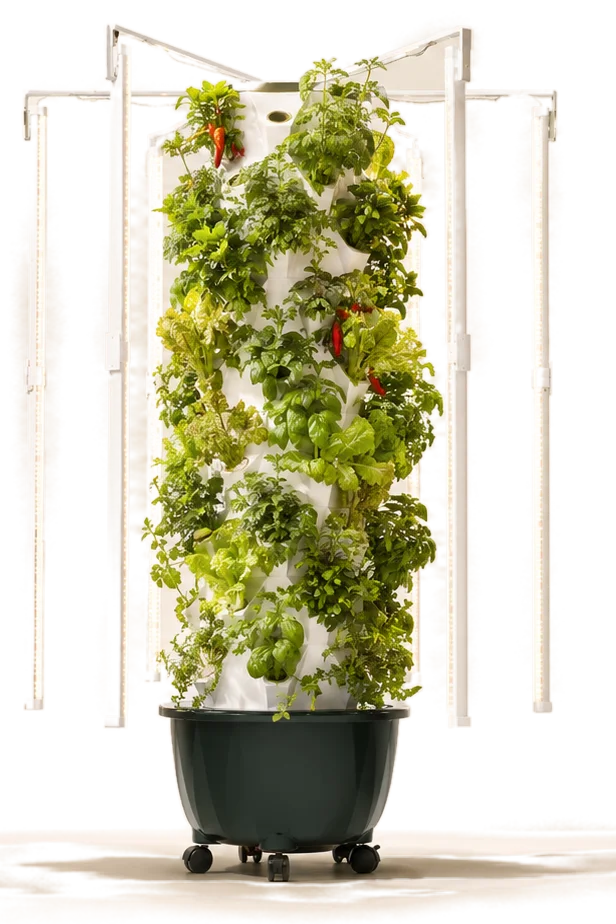
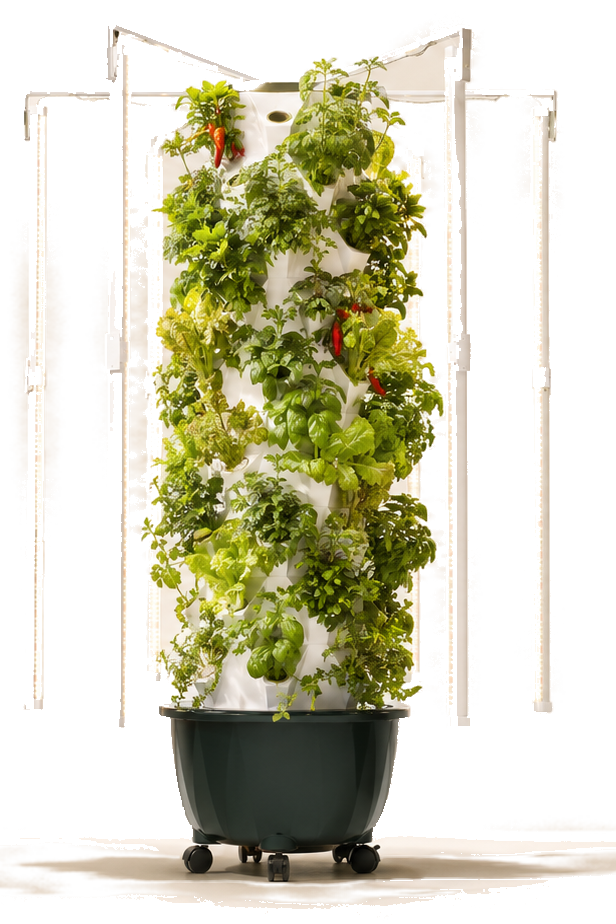
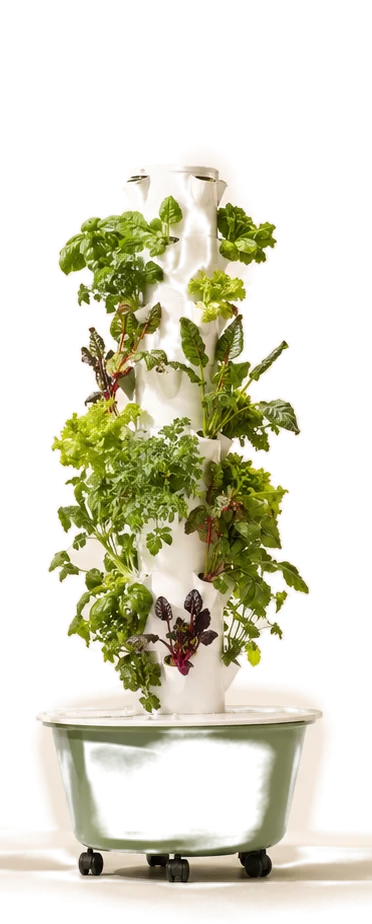
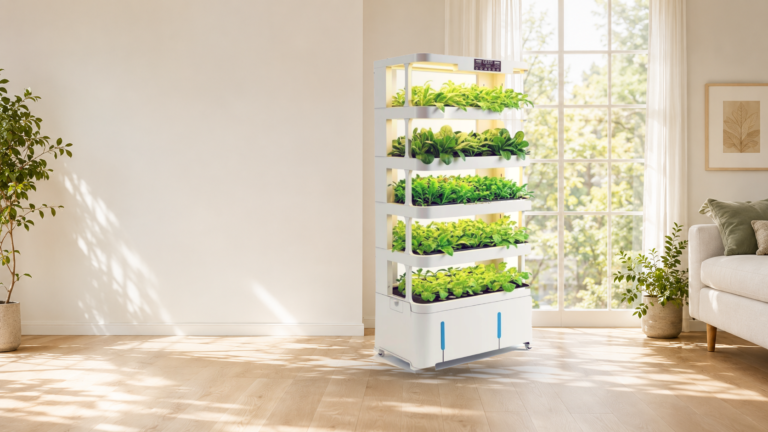
Leaf lettuce and basil are practical first choices for hydroponics. Add other greens and herbs as your confidence grows. Tomatoes, peppers, cucumbers, and strawberries are possible, but need closer attention to variety, light, support, and pollination. Choose for mature plant size—not just the number of empty planting sites.189
Choose a Small, Useful First Crop
Start with a few varieties rather than filling every site differently. Pick one salad green and one herb you use often. Compare the mature height, spread, and feed requirements on their growing guidance. A shared reservoir is simplest when the plants need compatible conditions.16
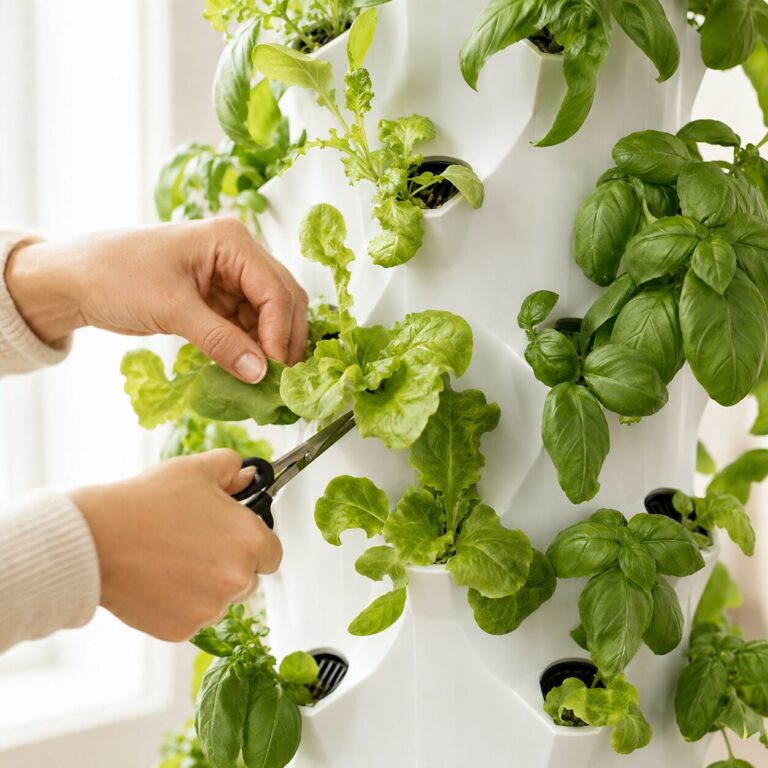
Four Checks Before You Plant
Use this crop-fit check before buying seeds or choosing a system. It is a planning aid, not a yield forecast.156
Crop. Space. Light. Routine.
A better match starts here.
Choose your harvest
Salad leaves, cooking herbs, or fruit? Pick a crop you already enjoy and can use regularly.
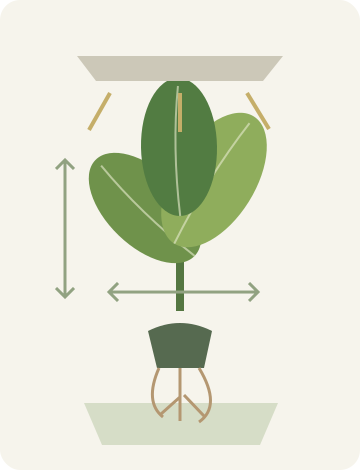
Check mature size
Allow room for leaves, roots, and access. A small seedling can become a large, shading plant.
Match light and feed
Check the cultivar’s needs. Crops sharing water need compatible feeding; a timer cannot fix weak light.
Plan the next planting
Start small replacement batches as space opens. Record sowing and transplant dates to learn your timing.
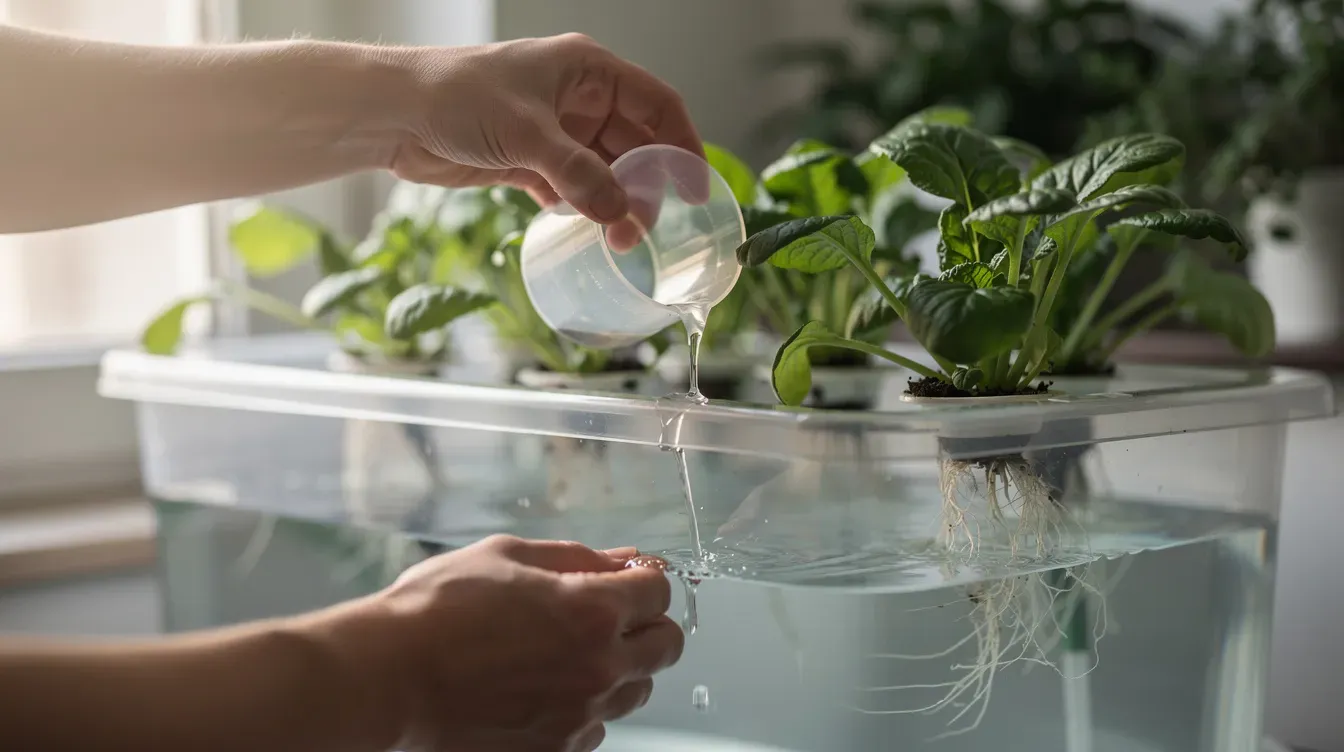
NFT, deep water culture, and flood-and-drain can support overlapping crop choices. Root space, oxygen, flow, and support matter more than assigning each plant to one exclusive method.1
Five Useful Crops to Start With
Choose one or two to begin. These are starting options—not a promise that every variety fits every Nutraponics model.
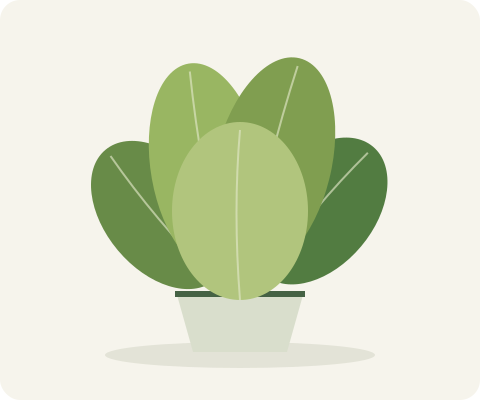
Leaf lettuce
A useful first salad crop. Pick suitable outer leaves or grow a whole head, depending on variety.2
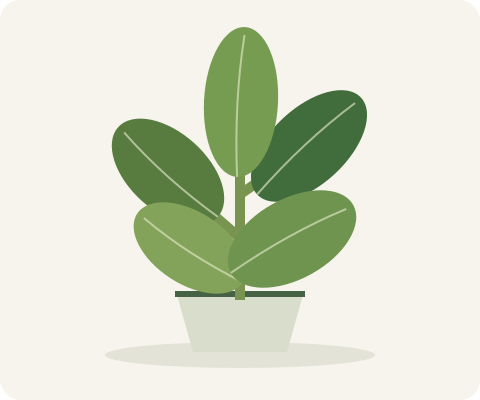
Basil
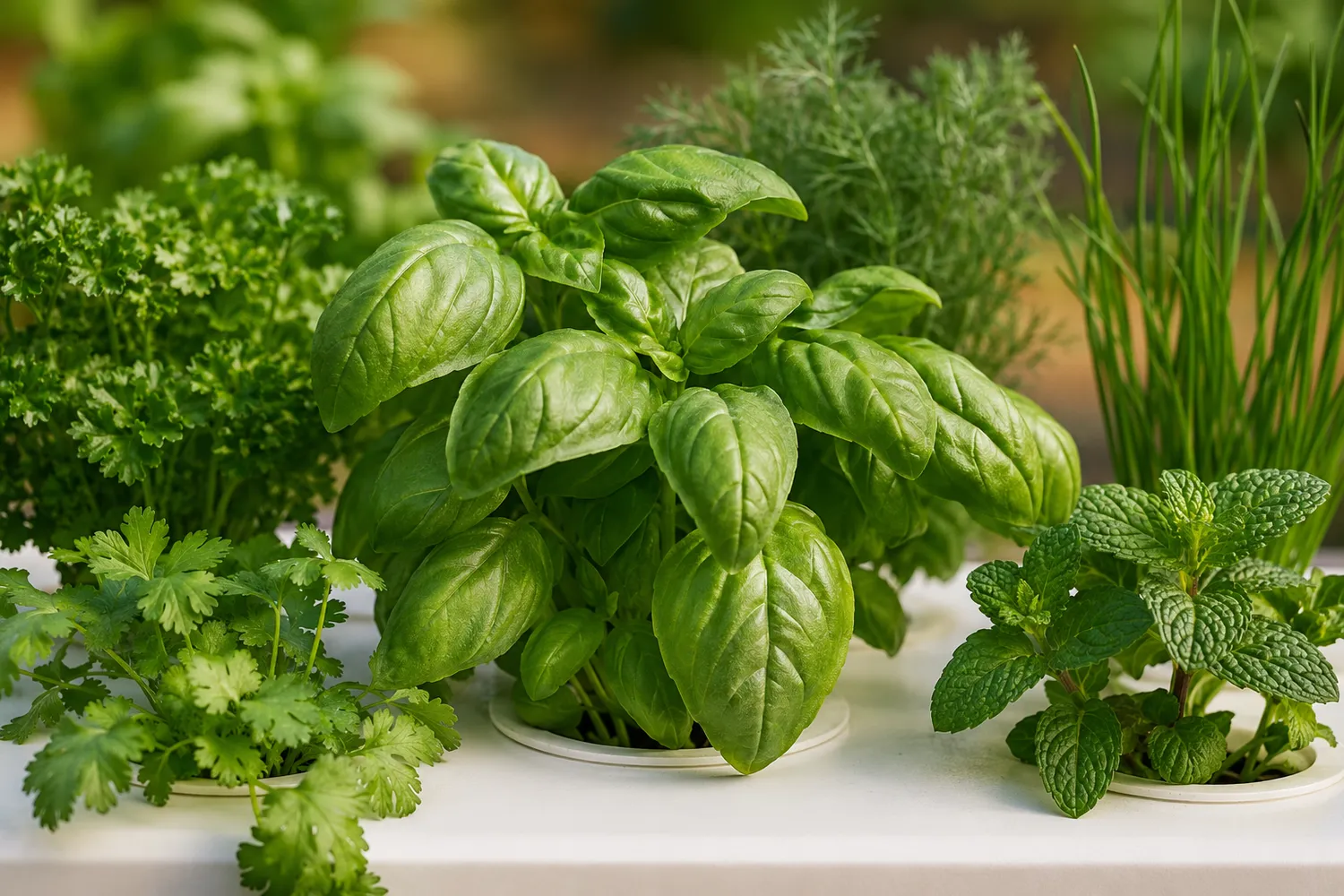
A flavorful kitchen herb. Harvest growing tips above a leaf pair and keep taller growth from shading neighbors.3
Asian greens
Bok choy, tatsoi, and mustard greens add variety. Choose compact cultivars and leave room for expanding leaves.1
Kale & chard
Good options for repeated leaf harvests. Leave the center growing and enough healthy foliage for recovery.4
Green onions
Grow scallions for their leaves using a complete feed. Regrowth in plain water is not a long-term nutrient program.1
Mint, parsley, cilantro, chives, arugula, and spinach widen the choice. Check their individual habits: spinach favors cooler growing conditions, while herbs need room for roots and branching.134 Explore the herb-growing guide →
Try Fruiting Crops With a Plan
They can grow hydroponically; that does not make them the easiest first tower crop. Confirm the model and cultivar fit before planting.589
Tomatoes
Choose compact varieties with enough canopy space. Small fruit does not guarantee a small plant.
Peppers
Plan for stronger lighting, fruit support, and the variety’s mature spread.
Cucumbers
Check vining habit and pollination needs. They can outgrow a compact tower quickly.

Strawberries
Check variety, crowns, light, and flower care. Treat them as a considered next step.
Large root vegetables and sprawling vines need a suitable root zone or separate setup. Keep incompatible feeding programs in separate reservoirs.16 Plan for hydroponic tomatoes →
Build a Useful Harvest Routine
Harvest size and timing vary. A repeatable routine matters more than a countdown.12346
Start with clean plants
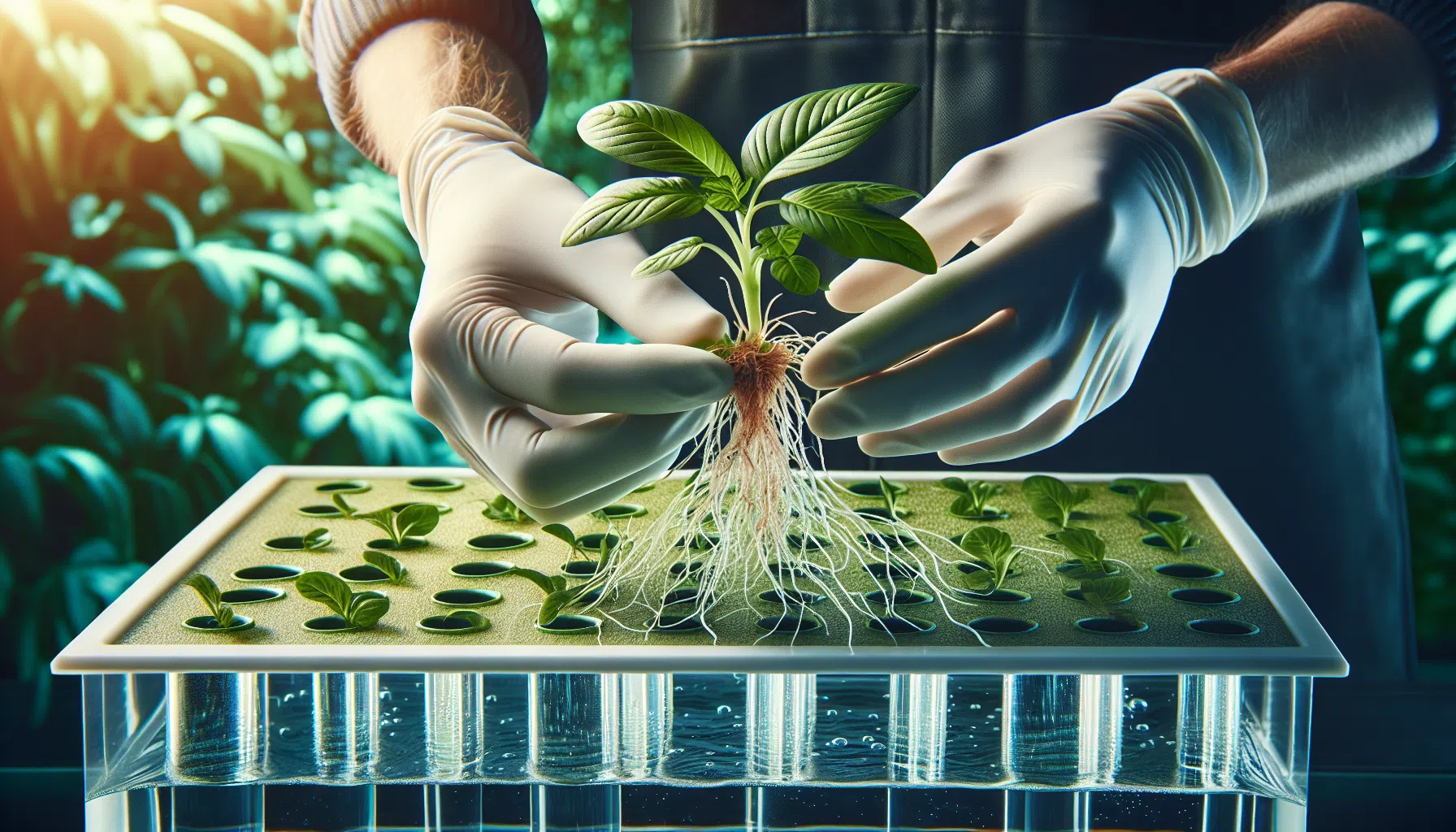
Use healthy seedlings; keep new plants under observation.
Watch canopy and roots
Keep light and water paths clear as plants fill out.
Harvest for recovery
Follow crop-specific cutting guidance; do not remove a fixed percentage from every plant.
Keep a planting log
Track sowing, transplanting, and harvest; replace tired plants and clean between crops.
Use clean tools and rinse produce before eating. Follow your nutrient label and check pH and EC. Prepare healthy seedlings →
A Better Fit, Less Guesswork
Grow for the meals you make and the care you can sustain.
Good starting habits
- Start with greens and one herb
- Leave room for mature plants
- Group compatible crop needs
Avoid these assumptions
- Every site must be filled
- All crops share one feed target
- More light hours fix weak light
Want to plan family meals around a harvest? Explore family growing →
Common Crop Questions
Choose the plant, then check its growing needs.
What is the best plant for a first hydroponic garden?
Leaf lettuce is a practical first choice. Basil is useful for regular kitchen harvests. Pick compact varieties you enjoy, with compatible conditions, and learn their care before adding more demanding crops.123
Which hydroponic plants grow fastest?
Baby leaves can be picked before full-size heads. Microgreens may take 7–21 days from sowing under suitable conditions, but use a separate tray-style setup. Seed versus transplant starts change the comparison; there is no universal tower harvest deadline.27
Can I grow herbs and vegetables together?
Often, but match their light, root space, and feeding needs. A shared reservoir supplies the same solution to every plant. Do not assume fruiting tomatoes and lettuce should share the same nutrient program.16
Do fruiting plants need help with pollination?
Check the crop and cultivar. Some greenhouse cucumbers set fruit without pollination; others need pollen transfer. Indoor fruiting also depends on suitable light, temperature, and plant health. Follow the crop guide, not a single rule for every plant.59
Choose Your Next Growing Step
View all guides →Keep learning, or compare the systems that fit your plan.
Sources and growing notes
This guide combines existing crop topics with researched editorial updates. Garden-crop sources support growth habits and harvesting—not hydroponic product yields or dosing. Check cultivar and system instructions.