



You’ve done the research. You know you want a hydroponic tower. Now the question is which one to buy, what it’ll actually cost to run, and whether you’ll still be using it six months from now. This guide cuts through the noise and gives you everything you need to make that decision.
Quick Verdict: Is an NFT Hydroponic Tower Right for You?
If you’re a busy US household wanting fresh greens year-round, a small restaurant needing a steady supply of herbs and garnishes, or a school running STEM projects, an NFT hydroponic tower garden is one of the best hydroponic systems you can buy in 2026. Vertical designs in hydroponic systems maximize space efficiency – you can grow 40 to 100+ plants in under 4 square feet of floor space. Hydroponics uses 80% less water than traditional agriculture, eliminates soil borne pests entirely, and hydroponic systems allow for year-round harvesting by controlling climate and light.
This guide is for buyers choosing a complete, ready-to-grow hydroponic system. We’re not covering diy hydroponic system builds or diy systems where you source components individually. If you want a turnkey hydroponic tower that arrives at your door and starts growing plants within a week, keep reading.
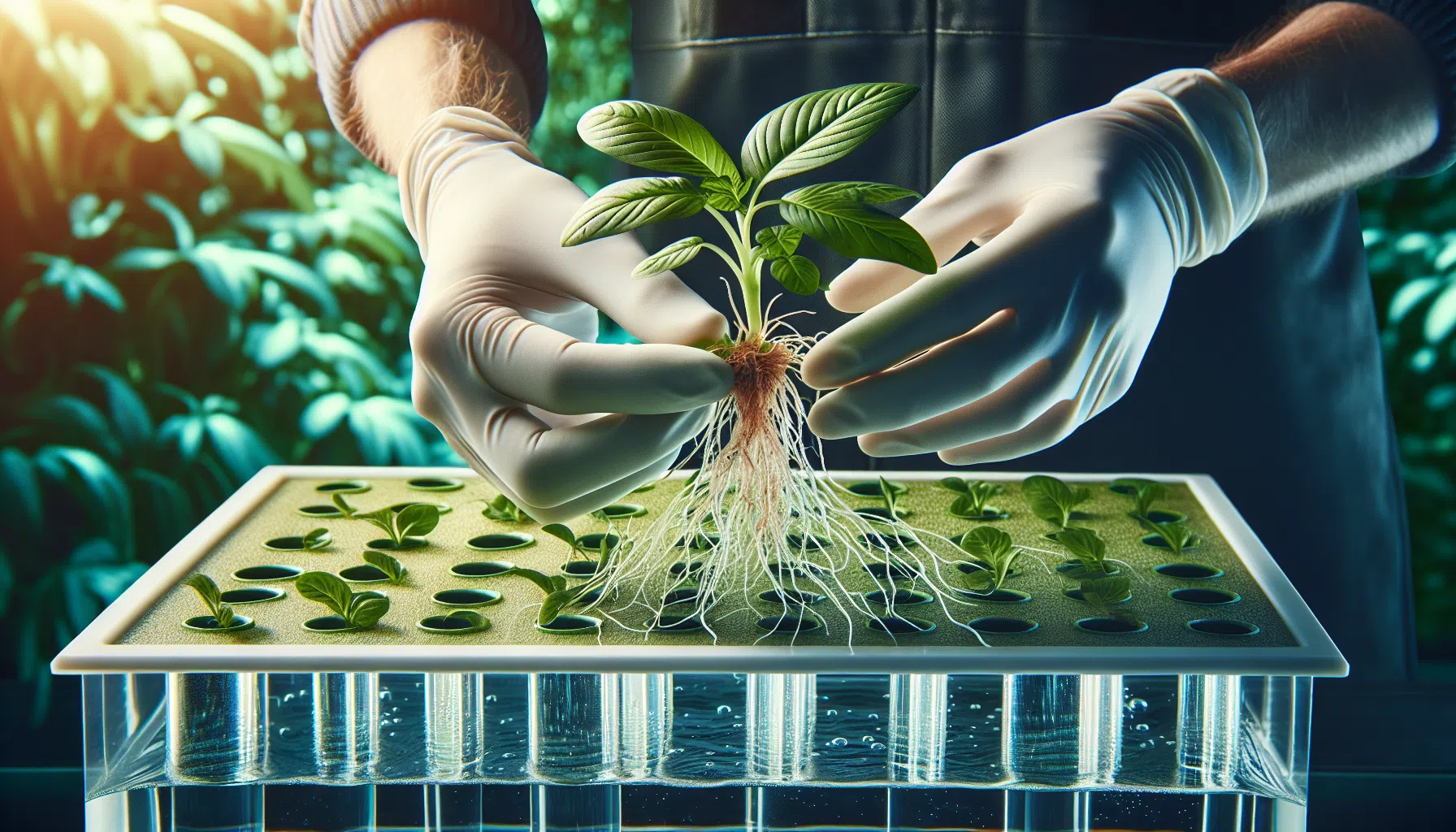
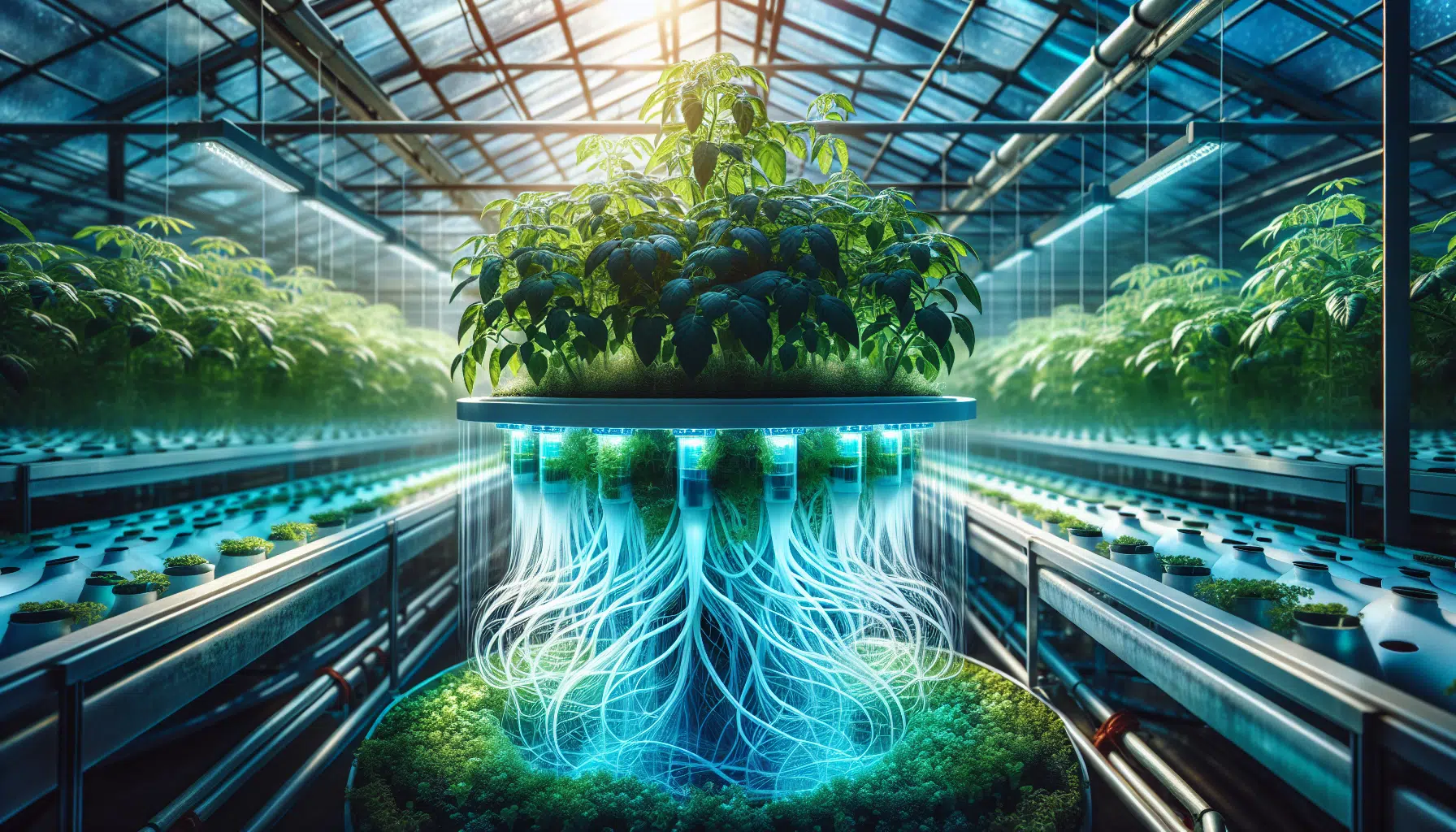
What is an NFT hydroponic tower? It’s a vertical hydroponic garden using the nutrient film technique – a method where a thin, continuous flow of nutrient solution flowing over plant roots keeps them partly in nutrient rich water and mostly suspended in air. This is fundamentally different from deep water culture dwc (roots fully submerged in aerated reservoirs), ebb and flow systems (trays flooded and drained on a timer), or basic countertop kits.
System Type | Space Needed | Yield Potential | Setup Complexity | Weekly Maintenance |
|---|---|---|---|---|
NFT Tower | <4 sq ft for 40–96 plants | High for leafy greens; hydroponics can increase crop yield by up to 50% | Moderate - reservoir, pump, channels | pH/EC check, water top-up |
Countertop Kit | 1–2 sq ft | Low (few plants) | Minimal | Water and nutrient top-ups |
DWC Systems | Larger per plant | Good for fruiting plants | Lower plumbing, needs oxygenation | Air stone cleaning, water changes |
Ebb and Flow | Moderate, horizontal | Moderate | Timer-dependent | Tray cleaning, timer checks |
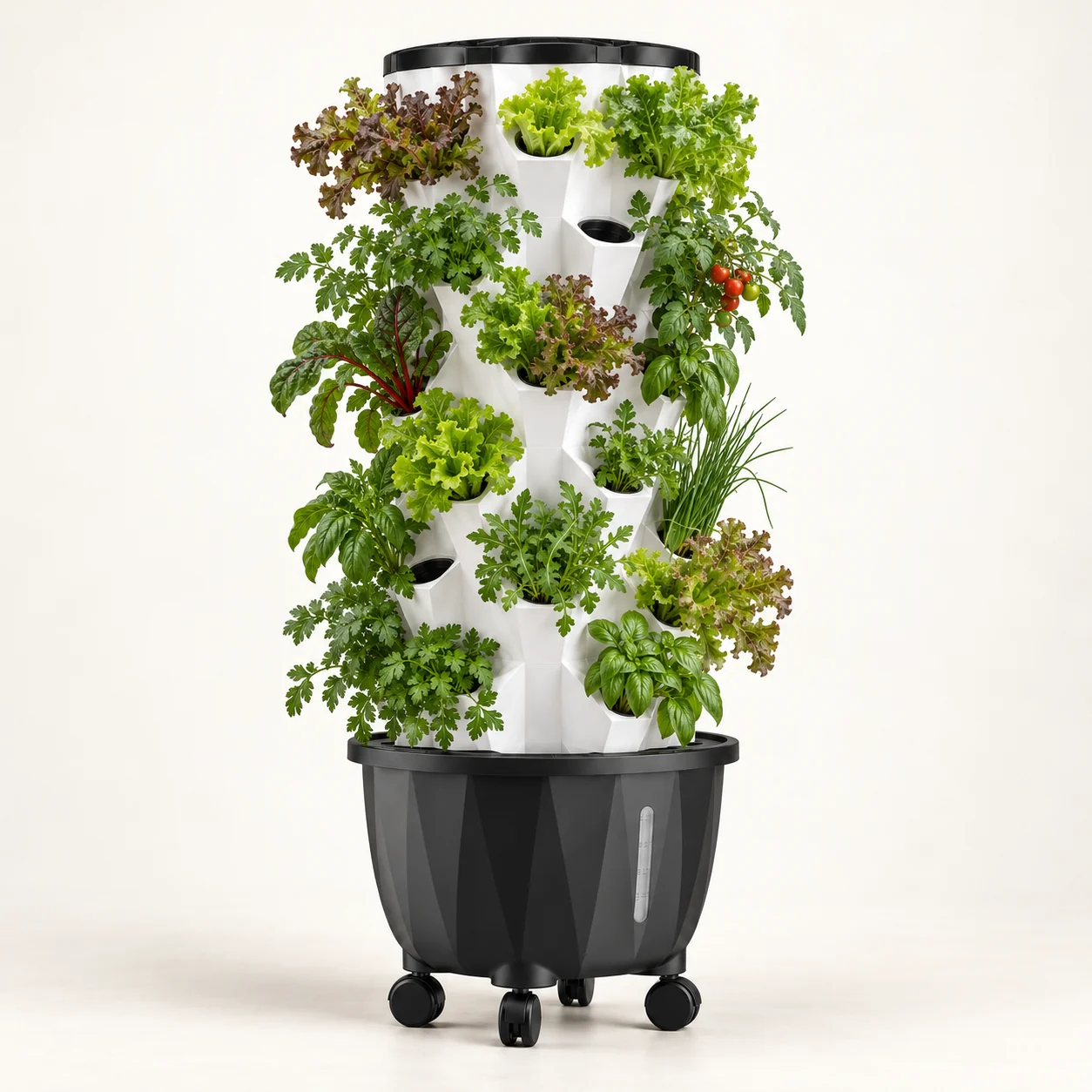
Our recommendation: The Nutraponics NutraTower is the NFT tower we recommend for most US buyers. It offers 48–96 plant sites in under 4 square feet, requires no subscription, uses no proprietary pods, comes with a 1-year warranty and free US shipping, and starts at $549.
What about electricity? A NutraTower with integrated led lighting (250W LED) plus a 30W pump running 16 hours daily costs roughly $18–$20 per month at the US average rate of $0.13/kWh. If you’re using natural sunlight or shorter light cycles, expect closer to $10–$15.

How NFT Hydroponic Towers Work (and How They Differ from Other Hydroponic Systems)
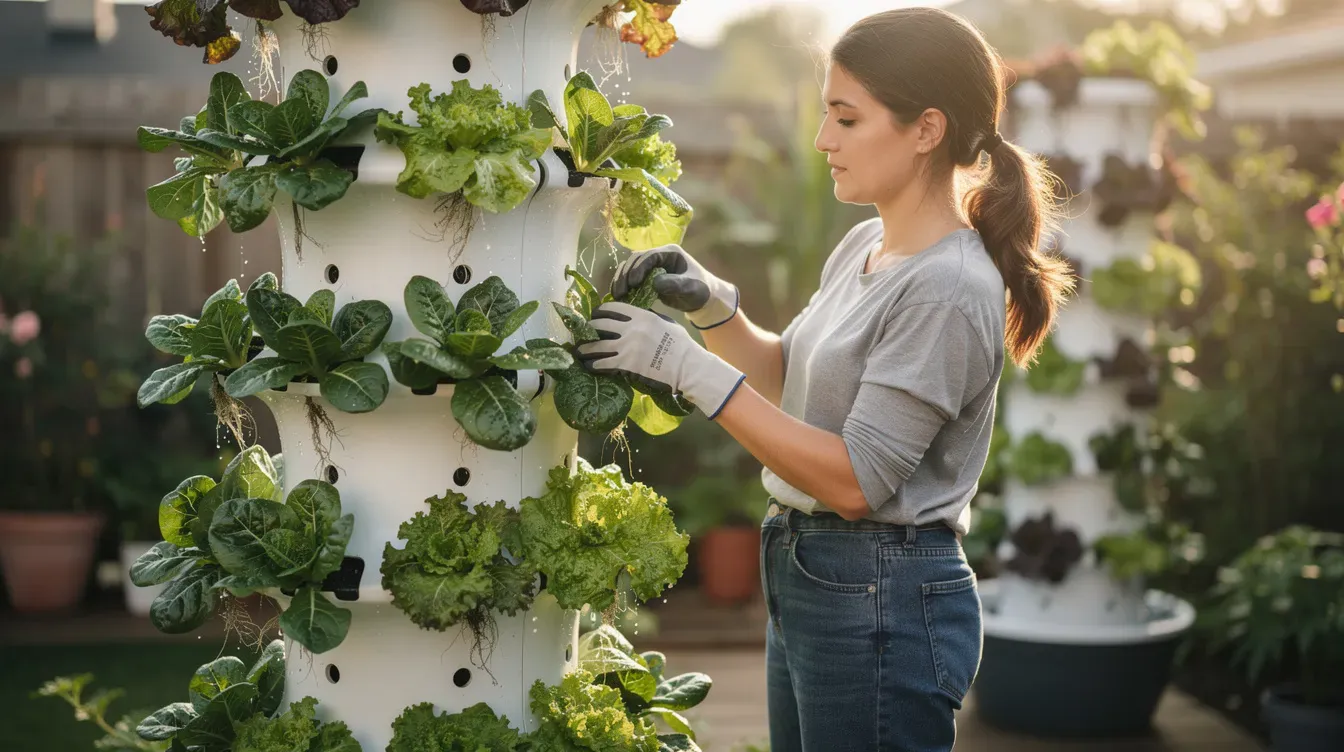
Picture harvesting crisp lettuce, fresh basil, and ripe strawberries from your kitchen corner 365 days a year. That’s what growing plants in an NFT tower looks like in practice – no yard, no seasons, no guesswork.
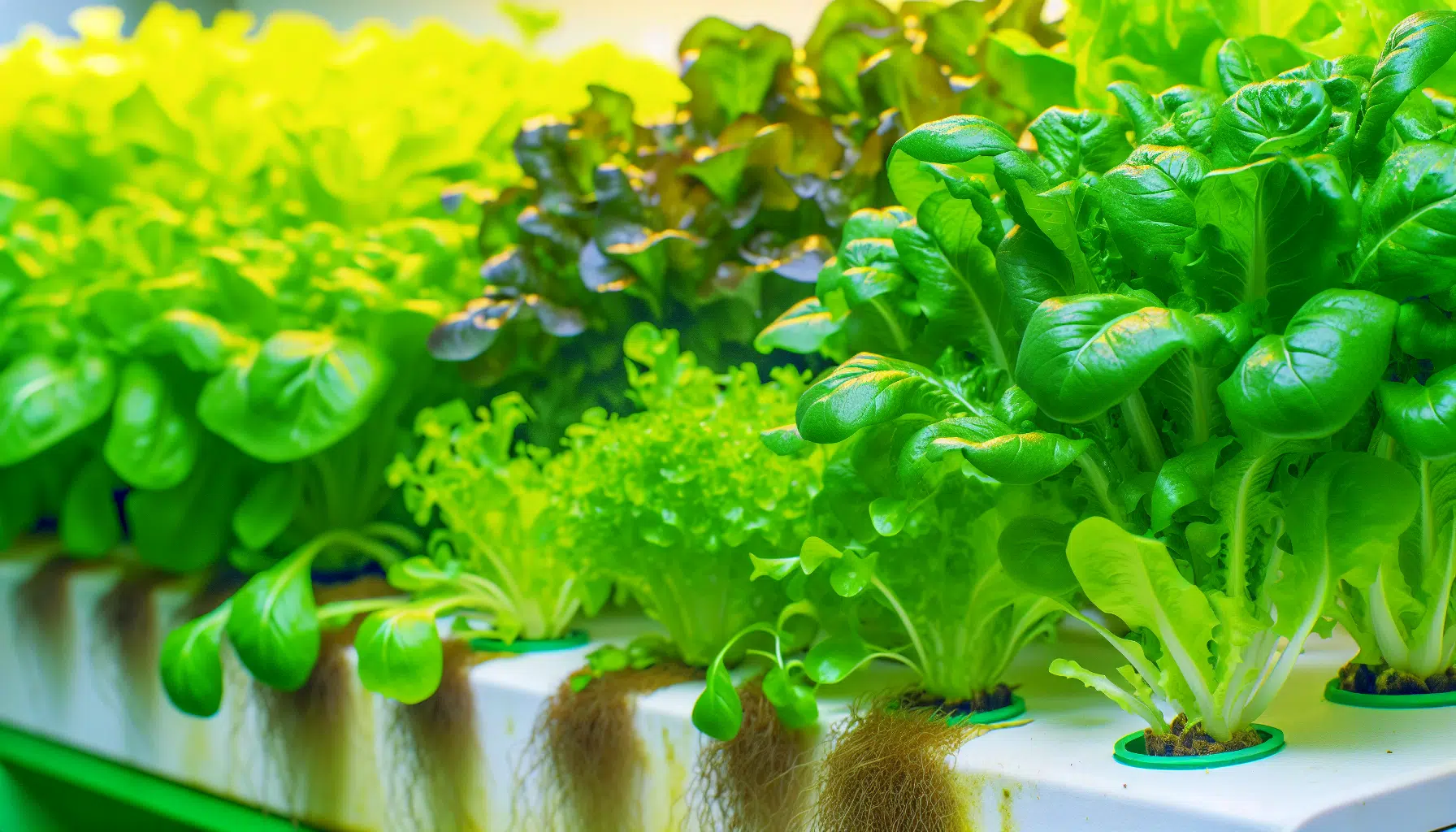
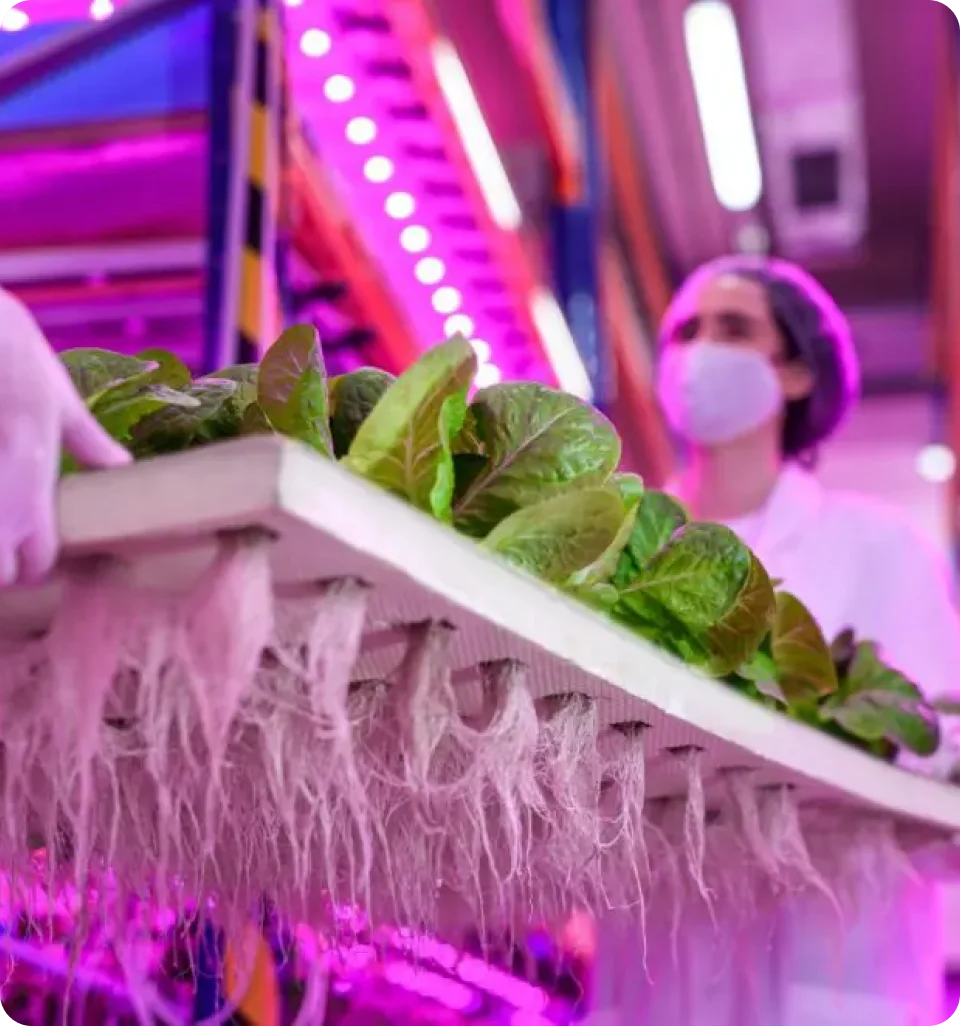
The nutrient film technique nft works by pumping a shallow stream of nutrient rich water solution along gently sloped channels. NFT systems require a 1:30 or 1:40 slope for proper flow. Plant roots sit in net pots with a growing medium like rockwool, coco, or clay pebbles, and the roots extend down into that thin film to pull nutrients directly. Because roots are mostly exposed to air, they get optimal nutrient absorption through high oxygenation – which drives rapid growth.
How does this compare to other system types? In deep water culture, a 20-litre bucket holds an aerated reservoir where roots are fully submerged. DWC systems use a 20-litre bucket and air stone for constant oxygenation. Ebb and flow systems flood trays every 15 to 30 minutes, then drain – good flexibility, but horizontal footprint adds up. Wick systems use capillary action to deliver nutrients passively. Drip systems use emitters to deliver nutrients to individual plants. Each has a role, but hydroponic tower systems combine the efficient method of thin-film nutrient delivery with vertical stacking for unmatched space efficiency.
Plants in hydroponic systems grow 25% to 30% faster than in soil based cultivation. Leafy greens like lettuce mature in 30 to 45 days in nft systems. Herbs such as basil and mint thrive in hydroponic systems with cycles of 25–40 days. Strawberries perform well in hydroponic setups with adequate light, and tomatoes can be grown in NFT systems with proper support structures. NFT systems can produce high yields in minimal space – this is why commercial growers and home gardeners alike are choosing vertical towers over long horizontal rails or large ebb and flow tables.
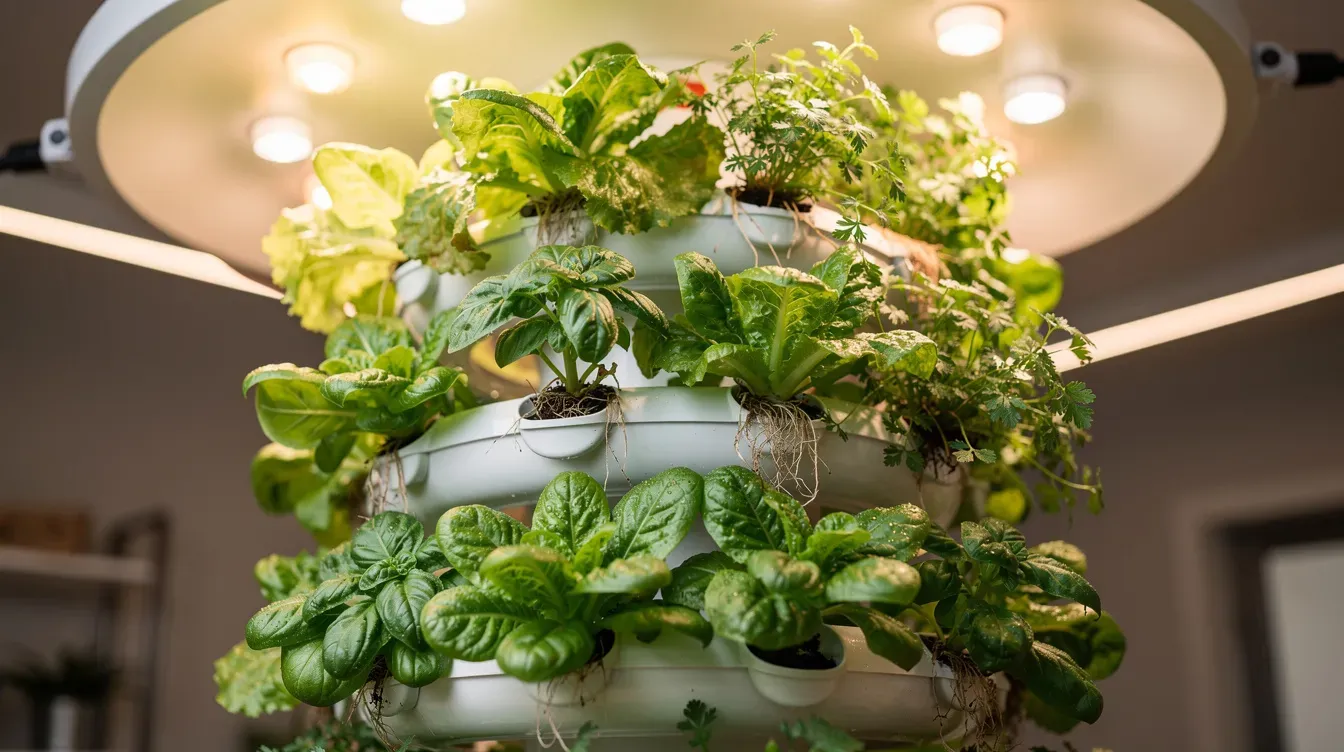
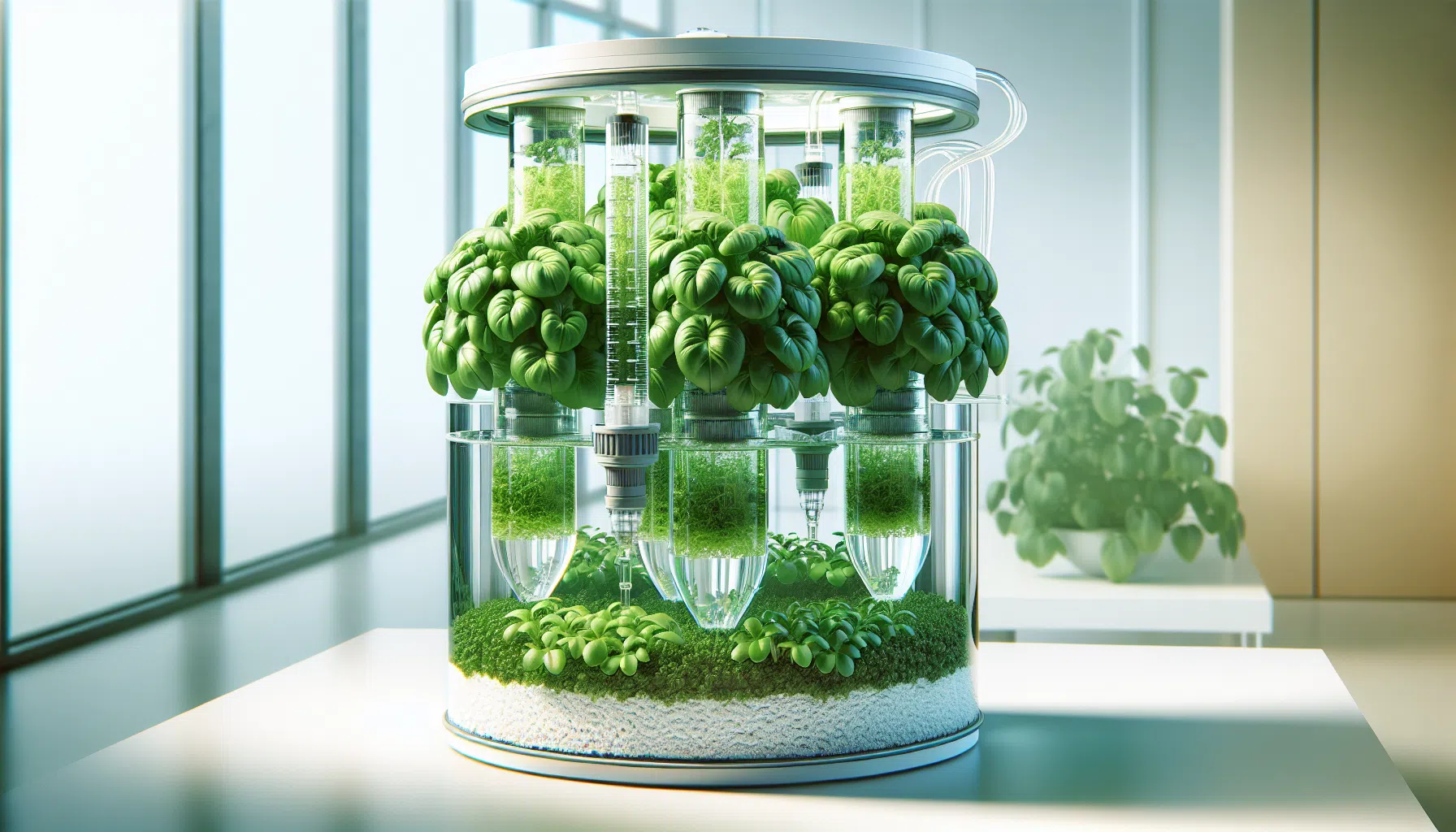
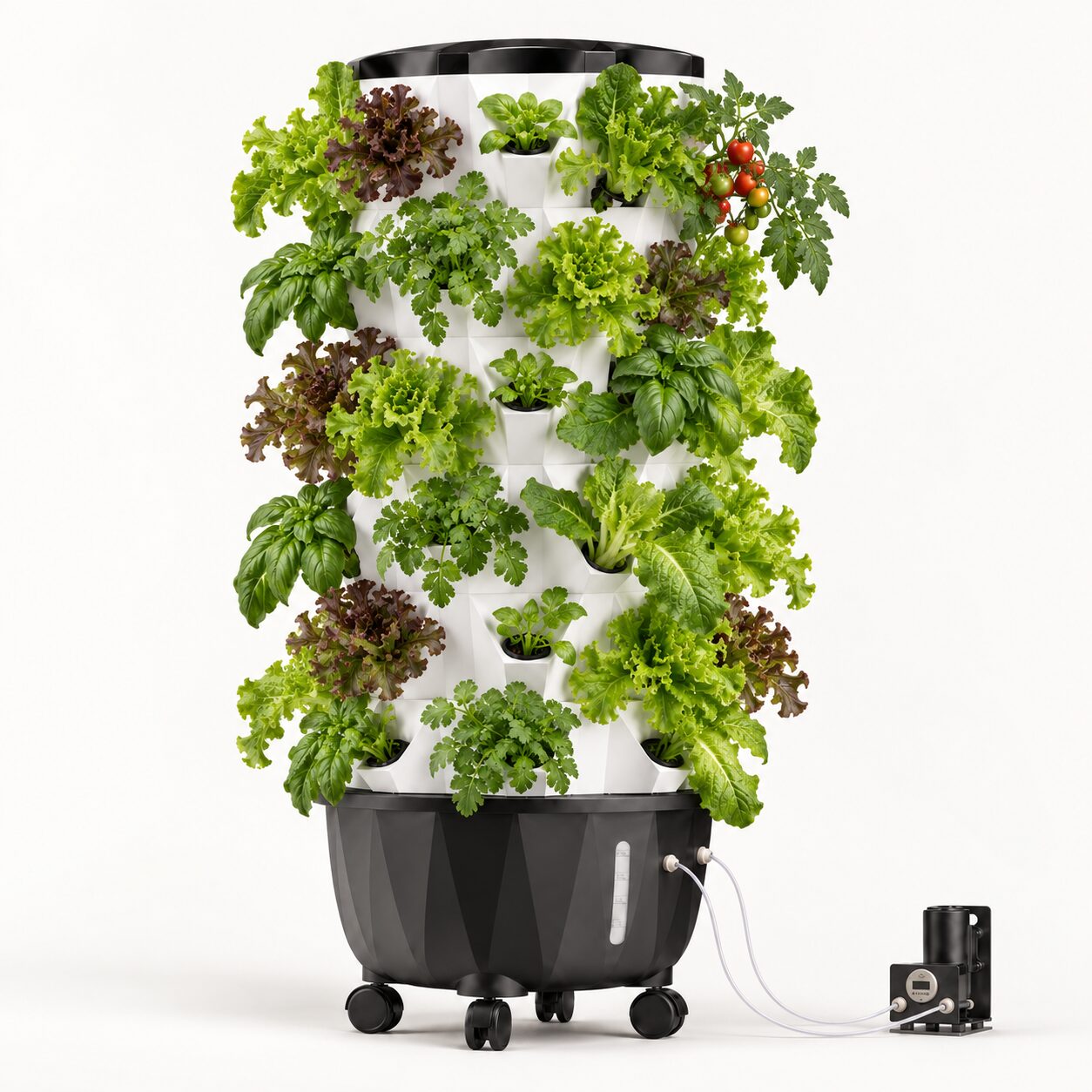
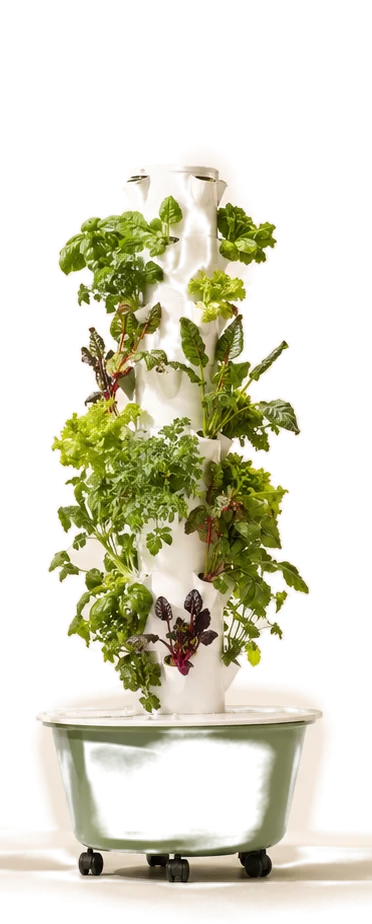
Core components of an NFT tower include vertical grow columns or channels, a main reservoir, a submersible pump, plumbing/tubing, and optional integrated grow lights. The whole assembly fits in a dedicated space smaller than a coat closet.

Key Buying Criteria for NFT Hydroponic Tower Gardens in 2026
Most indoor hydroponic tower systems on the market will grow plants. The real differences come down to capacity, reliability, running costs, and how locked into a brand’s ecosystem you become.
Here’s what to weigh:
Plant site count: 40 sites serves casual herb growers. 80–96 sites provides ongoing harvests for families or small commercial setups. Most leafy greens and herbs require about 4 to 6 inches of spacing, so density depends on channel design.
Footprint: Under 4 square feet is the sweet spot for most available space in US homes. Consider height too – you need to reach upper tiers.
Indoor vs outdoor: Indoor setups need grow lights; outdoor placement needs UV resistance and weather protection. Hydroponic systems can be customized for limited spaces either way.
Build materials: UV-stabilized and food-grade materials are recommended for NFT towers. Avoid cheap plastics that leach chemicals or degrade under light.
Pump quality: Look at wattage, flow rate, noise level, and reliability. A pump failure in NFT means roots dry within 20–30 minutes.
Reservoir volume: A larger reservoir reduces the frequency of topping off water and balancing pH. This matters more as plant count increases.
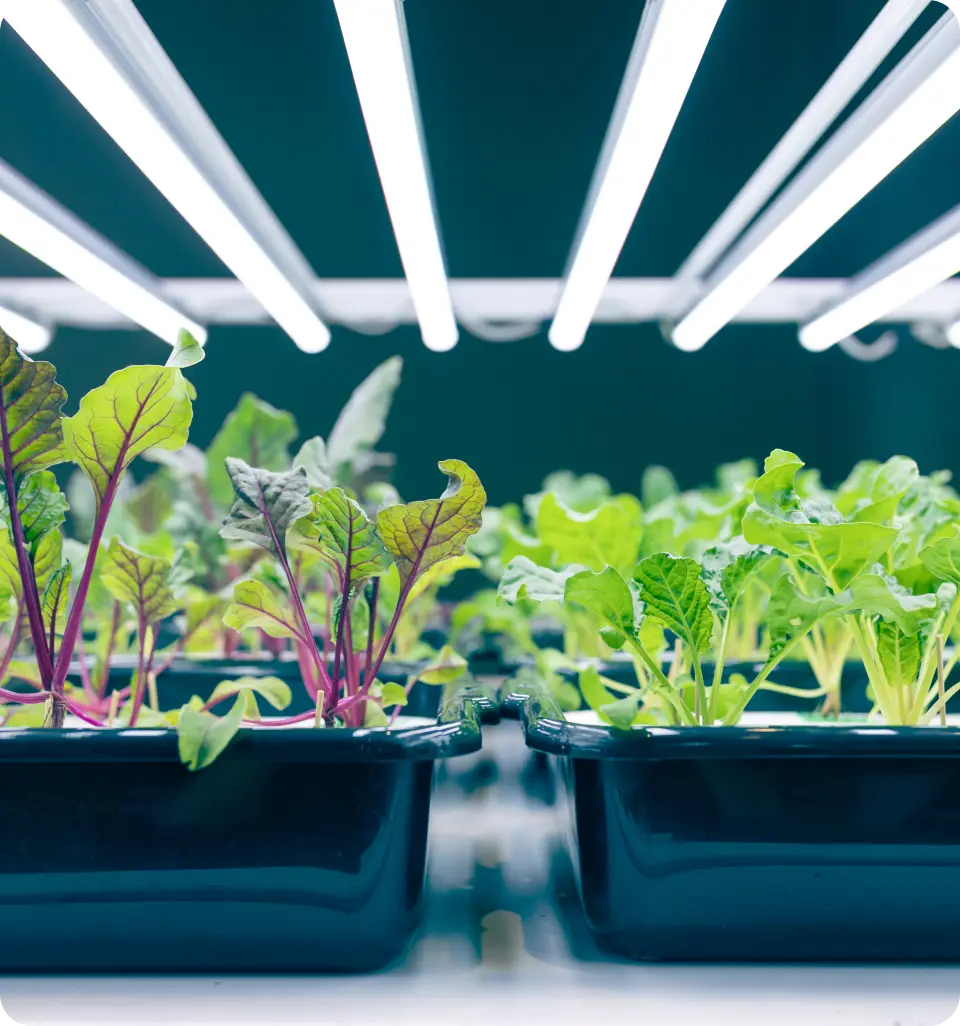
Lighting: When you’re growing indoors or on a low-sun balcony, vertical hydroponic towers with integrated LED grow lights are non-negotiable. Look for full-spectrum LEDs with PPFD of 300–500 µmol/m²/s. Leafy greens need 14–18 hours of light daily; fruiting plants may need more.
Automation: Simple timers work well and rarely fail. App-based smart controls add convenience but introduce potential points of failure. For most buyers, a reliable timer beats a flashy app.
Nutrient management: Maintain pH levels between 5.5 and 6.5 for nutrient uptake – this is critical regardless of system. A ph meter is essential equipment, not optional.
How Much Electricity Does an NFT Hydroponic Tower Use?
This is the question everyone asks. The answer: far less than you’d think, especially compared with large grow tent setups or high-wattage deep water culture systems running multiple air pumps.
Worked example for NutraTower Premium indoors:
Component | Wattage | Daily Hours | Monthly kWh |
|---|---|---|---|
Full-spectrum LED (250W) | 250W | 16 hrs | ~120 kWh |
Submersible pump (30W) | 30W | 24 hrs | ~22 kWh |
Total | ~142 kWh | ||
At the 2026 US average of ~$0.13/kWh, that's roughly $18–$20/month. If you supplement with natural sunlight and reduce light hours, you can drop closer to $10–$15. For context, electricity costs for a smaller diy hydroponic system run around $5 to $10 monthly, and a 400-litre-per-hour pump costs approximately $20 for dwc systems - but those serve far fewer plants. |
Compared to other systems: A basic deep water culture setup with multiple air pumps, air stones, and possibly water heating draws comparable or higher wattage per plant site. Flow systems like ebb and flow require larger pumps cycling on timers, plus the same lighting overhead.
What actually drives cost: Your grow lights account for 80%+ of electricity. Tower height and pump head matter less than light intensity and hours-on. To minimize costs, run lights during off-peak utility hours, choose high-efficacy LEDs, and match light duration to your crop – growing leafy greens needs less light than fruiting crops.
NutraTower by Nutraponics: Our Recommended NFT Hydroponic Tower for 2026
We’ve served over 10,000 US customers across every climate zone in the country. Based on real grower feedback, lab testing, and years of refinement, we built the NutraTower premium indoor hydroponic tower system to be the right hydroponic system for the widest range of buyers – from first-timers to experienced growers running small restaurant operations.
Core specs:
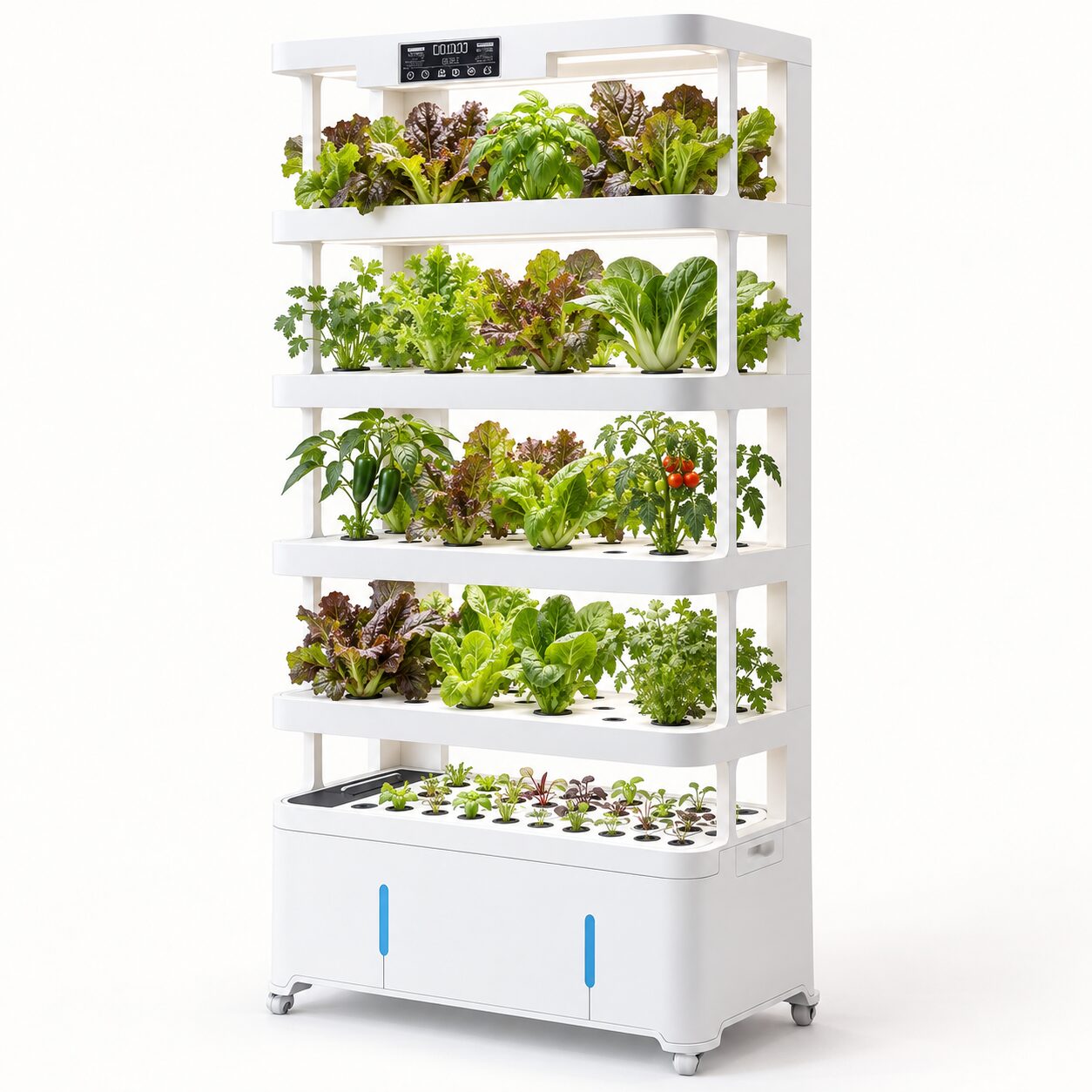
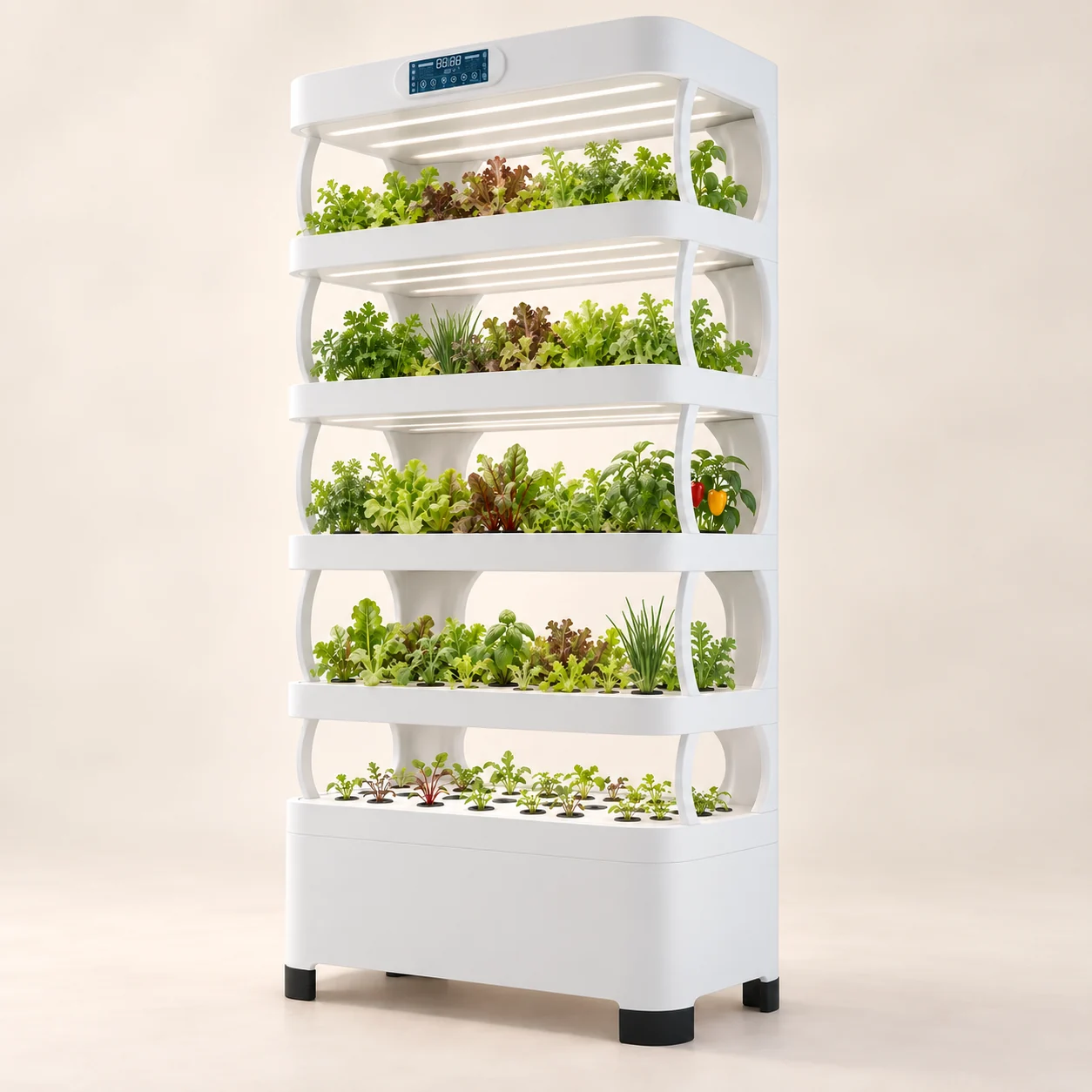
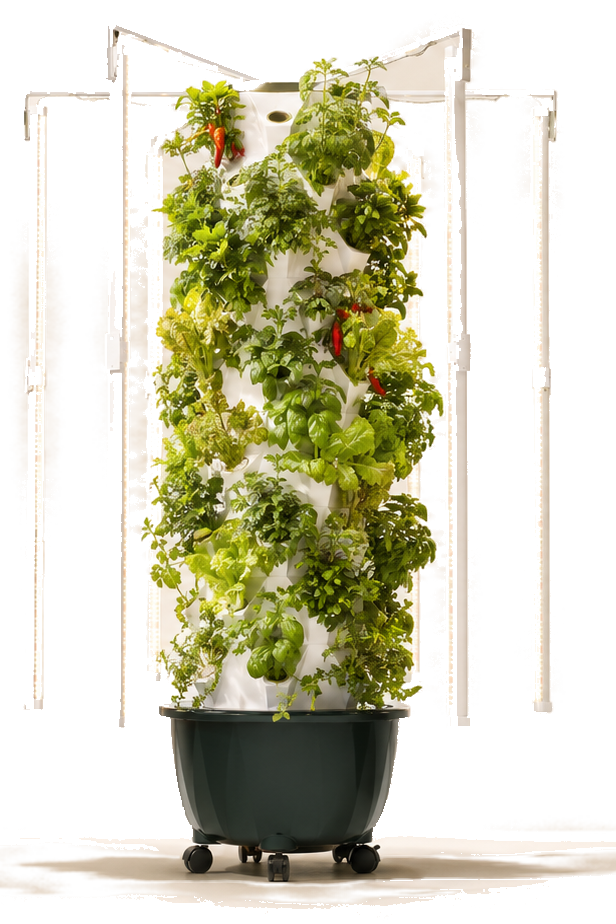
Plant capacity: 48–96 sites depending on configuration; Premium model offers 72 tower sites plus a 76-pot germination bed
Footprint: Under 4 square feet (~34″ × 20″, ~72″ tall for Premium)
Water system: NFT continuous flow plus optional aeroponics misting; ~42L total reservoir capacity; ultra-quiet 30W pump (550 GPH)
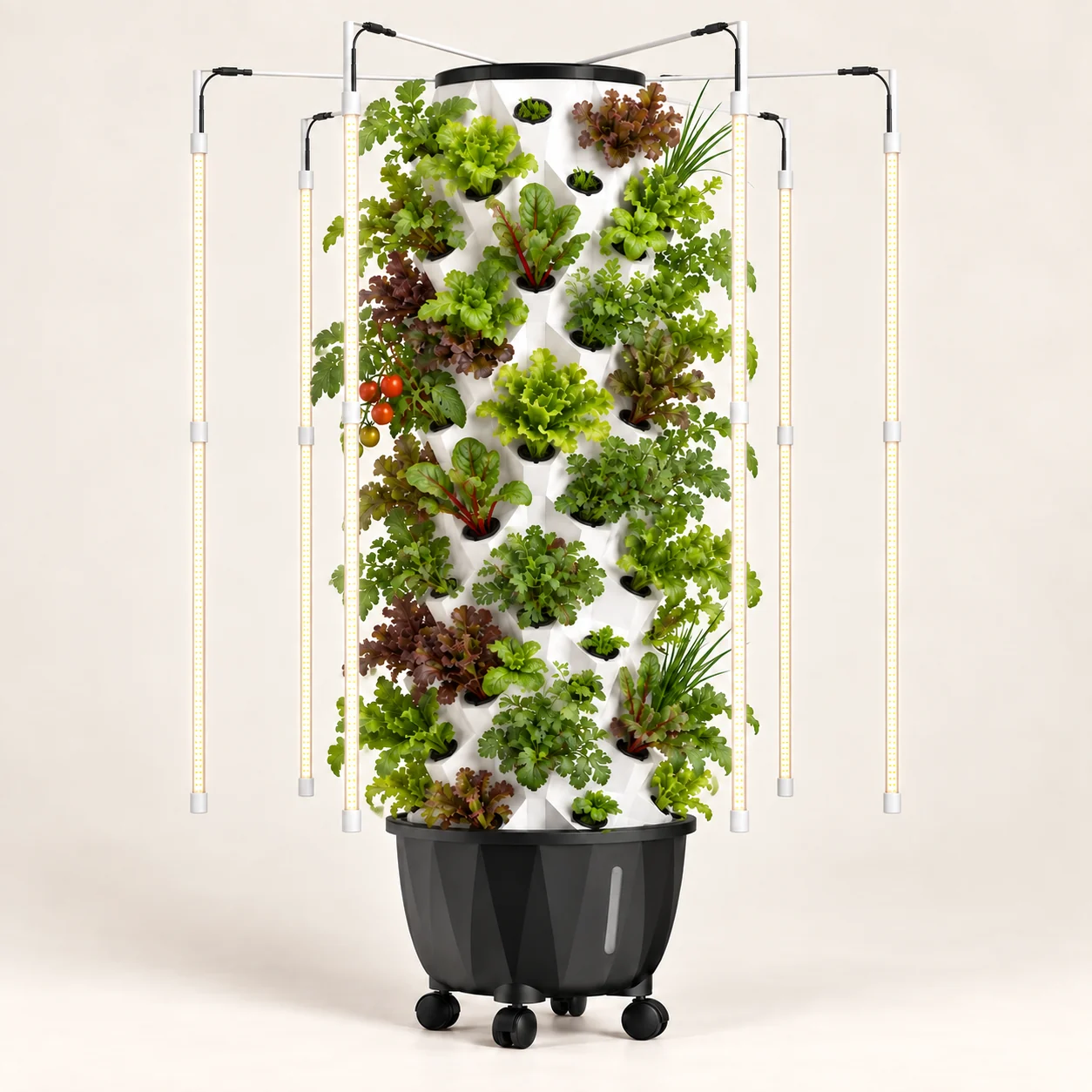
Lighting: Premium model includes a full-spectrum 250W LED system with programmable cycles
Media: Compatible with standard rockwool, coco, net pots – no proprietary pods
Assembly: 25–30 minutes for Premium model; systems require minimal setup
What makes NutraTower different from Tower Garden in a direct comparison and Gardyn:
No subscription required. No proprietary seed pods. No recurring membership fees. You own your hydroponic system outright, choose your own seeds and nutrients, and never pay a monthly access fee. This is a meaningful differentiator – subscription-based towers can add $20–$40/month in mandatory pod and nutrient shipments.
Buyer protections: 1-year warranty covering pump, structure, LED lights, and control panel. Free US shipping on all orders (significant for a bulky item). CES Innovation Award recognition. US-based customer support from people who actually grow.
Day-to-day reality: NutraTower owners report about 15 minutes per week of maintenance once dialed in. Reservoir access is straightforward, pH and nutrient levels need checking weekly, and you won’t need a full teardown to clean channels or swap crops. Compared with more complex complete indoor hydroponic grow systems built around multiple reservoirs that demand constant water temperature monitoring and air stone maintenance, this is genuinely low maintenance.
Comparison Table: Best NFT Hydroponic Tower Gardens of 2026 (US Market)
Here’s how the leading NFT tower systems stack up for US buyers in 2026. We’ve focused on the factors that matter most at the point of purchase.
Feature | Nutraponics NutraTower ⭐ Editor's Pick | Tower Garden (Juice Plus+) | Gardyn Home Kit | Budget Import Tower |
|---|---|---|---|---|
Type | NFT Tower | Aeroponic/NFT Hybrid | Smart Indoor Garden | NFT Tower |
Plant Sites | 48–96 | 20–32 | ~30 | 24–36 |
Footprint | <4 sq ft | ~4 sq ft | ~2 sq ft | ~3 sq ft |
Indoor/Outdoor | Both | Both | Indoor only | Both |
Subscription Required? | No | Nutrients/pods encouraged | Yes (app + pods) | No |
Proprietary Pods? | No | Brand nutrients pushed | Yes | No |
Starting Price (2026) | $549 | ~$600+ | ~$350 | $150–$300 |
Warranty | 1 year | 5 yr (plastic), 1-3 yr (parts) | Limited | 90 days or none |
US Shipping | Free | Varies | Free | Often extra |
Best For | Serious home growers, families, small restaurants | Outdoor growers, brand loyalists | Small apartment, tech-first users | Budget experimentation |
The NutraTower wins on capacity per square foot, subscription-free ownership, and US-based support. The Ahopegarden 12-Pod Hydroponics Kit is ideal for beginners who want something tiny, but it won't scale. |

NutraTower vs Other Hydroponic System Types (DWC, Ebb and Flow, Countertop Kits)
Many buyers compare NFT vertical towers against other hydroponic systems before committing, and a detailed Nutraponics vs Tower Garden and other hydroponic systems comparison can clarify where towers fit. Here’s how they actually differ.
Deep water culture (DWC): Roots sit fully submerged in aerated nutrient rich water. A basic DWC bucket costs about £15 to assemble, and a standard four-site DWC kit costs around £280 (you can build a DWC system for roughly £110). A Deep Water Culture system costs around £25 to assemble at the simplest level. DWC systems can grow plants up to 50% faster than soil, but they require constant oxygenation to prevent root rot, need an air pump and air stone per bucket, and take more floor space per plant. Modular hydroponic grow towers with automated controls aim to deliver similar or better performance with less footprint and complexity. Cucumbers thrive in ebb and flow hydroponic systems rather than DWC. A 400-litre-per-hour pump is sufficient for a 1-metre tray in these setups.
Ebb and flow: Flood-and-drain trays work well for certain crops and are low-cost and easy to use. But reaching 48–96 plant sites means multiple trays, timers, and significant horizontal space. Ebb and flow systems are low-cost and easy to use for small batches but don’t scale vertically.
Countertop kits: Great for a few herbs in a kitchen. Not serious indoor garden solutions for anyone wanting meaningful plant growth or high yields.
NutraTower’s advantage: Growing 48–96 plants in under 4 square feet with a single pump, single reservoir, and one set of channels is something no DWC bucket array or ebb and flow table matches without sprawling across your floor. For optimal growth of leafy greens and herbs – which is what most home growers actually want – NFT’s continuous flow and root oxygenation deliver faster nutrient uptake and healthier shallow root systems than submerged alternatives. Vertical systems simply make more sense in modern agriculture for space-constrained growers.
Choosing Capacity, Location, and Lighting for Your NFT Tower
Start with your eating habits. How many salads per week? How many bunches of basil or mint? Plan backward from there.
Sizing guidelines:
A 48-site tower with staggered planting produces roughly 3–4 heads of lettuce per week as plants mature on rotation
A 96-site tower doubles that output and adds room for herbs, microgreens, and even compact fruiting plants
For commercial growers or small restaurants, 96 sites provides a consistent, harvestable volume without external sourcing
Placement: Indoors, position near south-facing windows to supplement with natural sunlight. Basements and windowless rooms work fine with dedicated grow lights and an excellent indoor hydroponic vertical garden system that includes integrated lighting. Check water temperature between 18°C and 22°C for optimal growth – nutrient solution in that range prevents root rot and supports rapid growth. Outdoors, use sheltered patios and protect reservoirs from direct sun heating.
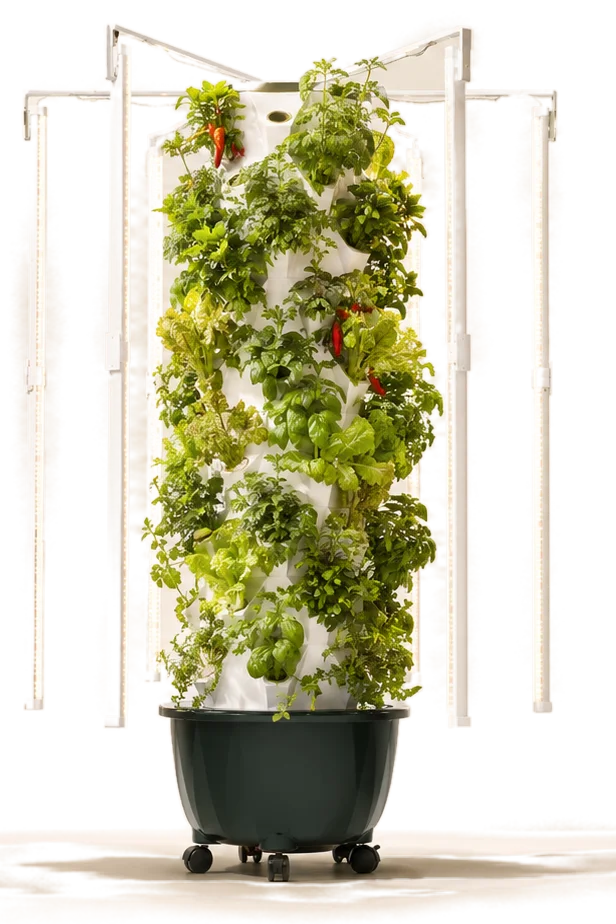
Lighting: If your space gets less than 6 hours of direct sun, you need dedicated LED grow lights. Leafy greens do well with 14–16 hours of light; fruiting crops need 16–18+ hours. Vertical towers benefit from 360° light coverage so lower and back-facing plants aren’t shaded. Integrated grow lights on systems like NutraTower Premium solve this out of the box.
Practical concerns: The 30W pump produces a quiet hum similar to a computer fan. Water trickle is mild white noise. LED glare can be managed by positioning the tower away from seating areas or using the timer to run lights while you’re at work in a controlled environment, similar to how the Nutraponics Pro Shelf hydroponic system with LED grow lights is typically operated.
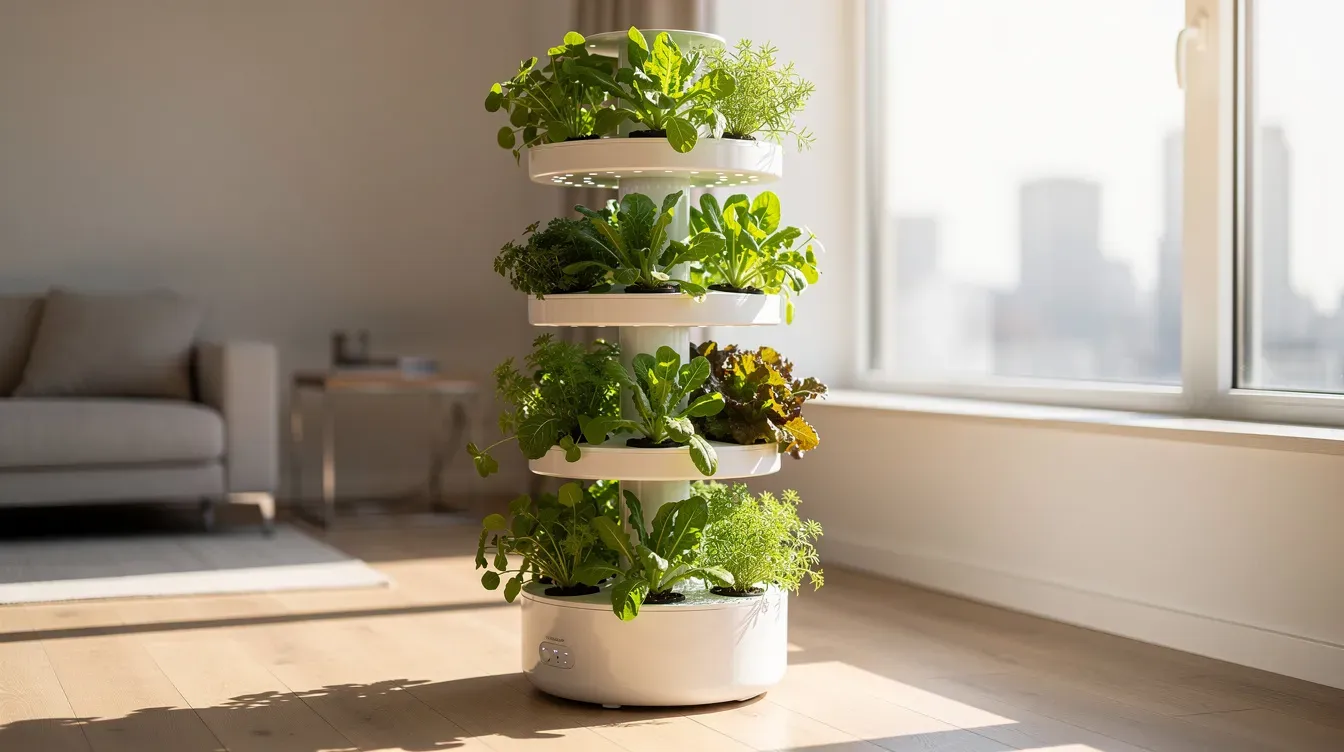
Daily, Weekly, and Monthly Care: What Owning an NFT Tower Really Involves
Once your NFT tower is dialed in, you’re looking at minutes per day – not hours of gardening work. Here’s the realistic routine for NutraTower owners:
Daily (2–3 minutes): Quick visual check – is the pump running? Water flowing? Any drooping or discolored plants? Monitor water levels every 12 hours during the first 48 hours after setup to establish baseline.
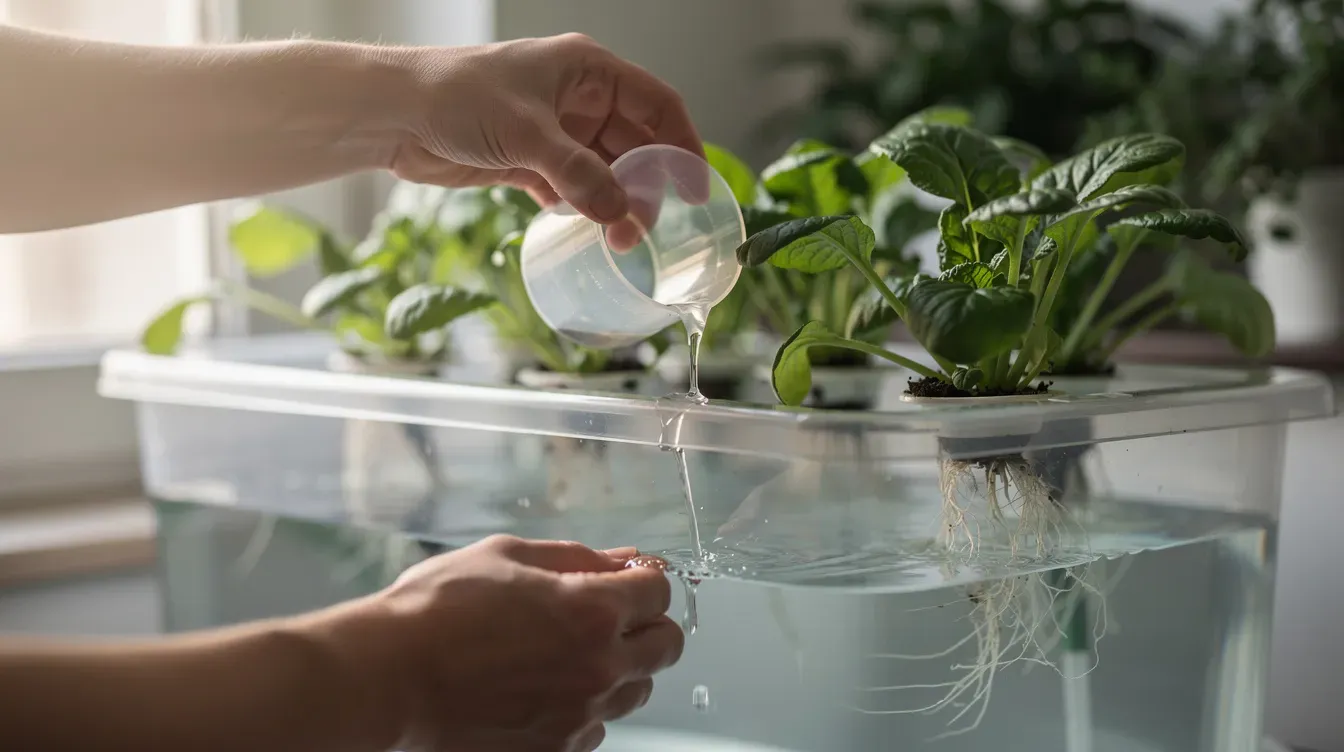
Weekly (10–15 minutes): Top off the reservoir. Check pH levels at least twice every 24 hours during the first week for stability, then weekly once balanced. Adjust nutrient balance to maintain pH levels between 5.5 and 6.5. Quick wipe-down of channels to prevent algae growth. Harvest anything ready.
Monthly: Deeper clean of channels and reservoir to prevent algae growth buildup. Inspect pump filter. Change nutrient solution every 7 to 14 days to prevent buildup of salts – experienced growers sometimes stretch this to 3–4 weeks with careful EC monitoring. Keep water temperature between 18°C and 22°C to prevent root rot, especially in summer.
Compared to other systems: DWC demands more attention to water temperature, dissolved oxygen, and air pump function – failures cause root rot fast. DWC systems require constant oxygenation to prevent root rot. Ebb and flow needs timer calibration and tray surface cleaning to avoid stagnant water pockets, whereas a well-designed Nutraponics Pro Tower Garden hydroponic system automates most of this work.
Troubleshooting: If the pump stops, roots begin drying within 20–30 minutes. Keep a backup pump on hand. Brown or slimy roots signal low oxygen or poor flow – clean channels and check flow rate. Watch for nutrient burn (leaf tip yellowing) which indicates over-concentration. Nutraponics provides video guides and direct support to help first-time owners through the learning curve.
Cost Breakdown: Upfront vs Ongoing (and Why Subscriptions Matter)
Think total cost of ownership over 1–3 years, not just the sticker price.
Upfront costs (NutraTower):
Base system: from $549 (complete indoor grow system)
Premium with integrated LED lighting: ~$1,799
Accessories (ph meter, nutrients, starter media): $50–$150
Initial setup costs are one-time – no activation fees
Ongoing monthly costs:
Nutrients: ~$15–$25/month depending on crop load and nutrient levels maintained
Electricity: $10–$20/month (pump + lights)
Water: under $5/month (recirculating system, minimal waste)
Replacement parts: pumps may need replacing after 2–3 years (~$30–$50)
Subscription towers in comparison: Systems requiring monthly pod subscriptions, app access fees, or proprietary nutrient shipments can add $20–$40/month in mandatory recurring costs. Over two years, that’s $480–$960 on top of the hardware price. NutraTower’s “no subscription required” model means you own your hydroponic system outright and buy generic seeds, rockwool, and nutrients at market prices. Building a diy hydroponic system saves about 10%-20% upfront, but you lose warranty, support, and tested engineering – and you’re still buying the same nutrients and media, without the efficiency and performance.
Open media saves money: Standard net pots, rockwool cubes, and bulk seeds cost a fraction of proprietary pod refills. You control what you grow and what you spend. A 50-litre black tote works as a reliable reservoir standard for expansion setups.
Warranty, Support, and Long-Term Reliability
By 2026, the market is flooded with cheap import towers that work for a few months and then leave you without parts or support. Warranty and brand longevity matter.
NutraTower’s 1-year warranty covers the pump, structural components, LED lights, control panel, and manufacturing defects. Many budget towers offer 90 days or nothing at all.
Free US shipping is a real savings on a tall, bulky item. Competitors often charge $50–$150 in freight surcharges for oversized shipments.
US-based support from Nutraponics means you’re talking to people who’ve helped 10,000+ customers across every US climate zone. That’s practical growing advice, not just call-center scripts. The Premium model comes with over 4 hours of video guidance.
When evaluating any hydroponic tower, treat build quality, spare parts availability, and the company’s track record as seriously as you treat plant capacity or design. The cheapest tower is rarely the best value at 18 months.
FAQ: Common Pre-Purchase Questions about NFT Hydroponic Towers
These are the final-decision questions we hear most from buyers evaluating NutraTower.
Can I run NutraTower outdoors in winter? Only if temperatures stay above 45–50°F. Below that, you need frost protection and reservoir insulation. Most US buyers keep towers indoors or in greenhouses during winter for a controlled environment.
What plants are hardest to grow in NFT towers? Large root crops (carrots, potatoes) and heavy-vine fruiting plants without support structures. NFT systems are ideal for growing lettuce and herbs, while fruiting plants like tomatoes need wider channels, stronger lighting, and support cages.
How often do I change water and clean the reservoir? Top off water daily or weekly. Full reservoir change every 7 to 14 days. Deep-clean channels and reservoir monthly. Use a 50-litre black tote as a reliable reservoir standard if you’re expanding.
Can I use tap water? Yes, if chloramine levels are managed and water quality is acceptable. Test your tap water’s EC first. Filtered or conditioned water gives more consistent results across all hydroponic systems.
Is this safe around kids and pets? Use GFCI-protected outlets for any setup with water and electricity. Pump noise is minimal (comparable to a quiet fan), and water trickle creates mild background sound. Position the tower to avoid spill risk.
Can I start smaller and add tiers later? Some NutraTower configurations are modular – you can begin with fewer plant sites and expand. Confirm that your pump and reservoir are sized for the larger capacity before purchasing.
Do I need a subscription or special pods? No. NutraTower works with any seeds and standard nutrients. You’re never locked into proprietary pods or monthly shipments.
Final Recommendation: Why We Suggest NutraTower as Your 2026 NFT Tower
If you’re past the research phase and ready to choose an NFT hydroponic tower, here’s the bottom line. The NutraTower delivers 48–96 plants in under 4 square feet, uses no subscription, requires no proprietary pods, ships free in the US, and comes with a 1-year warranty. Over 10,000 US customers and a CES Innovation Award back it up. NFT systems remain the most efficient method for growing leafy greens and herbs at home – and NutraTower is the most balanced system on the market for buyers who want serious capacity without ongoing fees.
Compared to subscription-based smart towers that charge monthly for pods and app access, or countertop kits that max out at a handful of plants, NutraTower gives you the plant count, the flexibility, and the ownership model that actually makes sense long-term. It is one of the most practical vertical systems available for high yields in modern agriculture today.
Order now and you’ll be pulling your first harvest of greens and herbs before the next season turns. Every week you wait is a week of lettuce, basil, and mint you’re still buying at the store.