






The quick answer
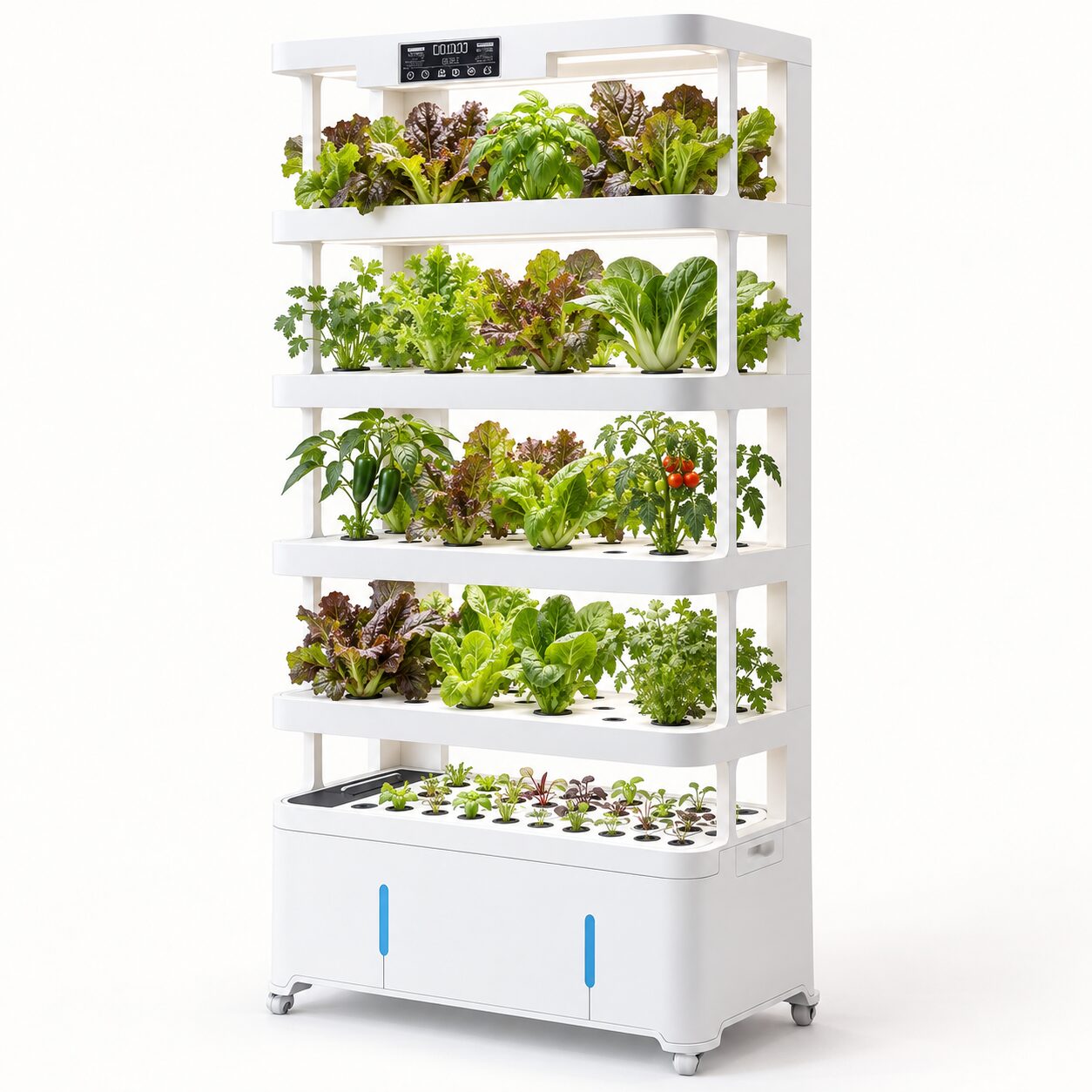
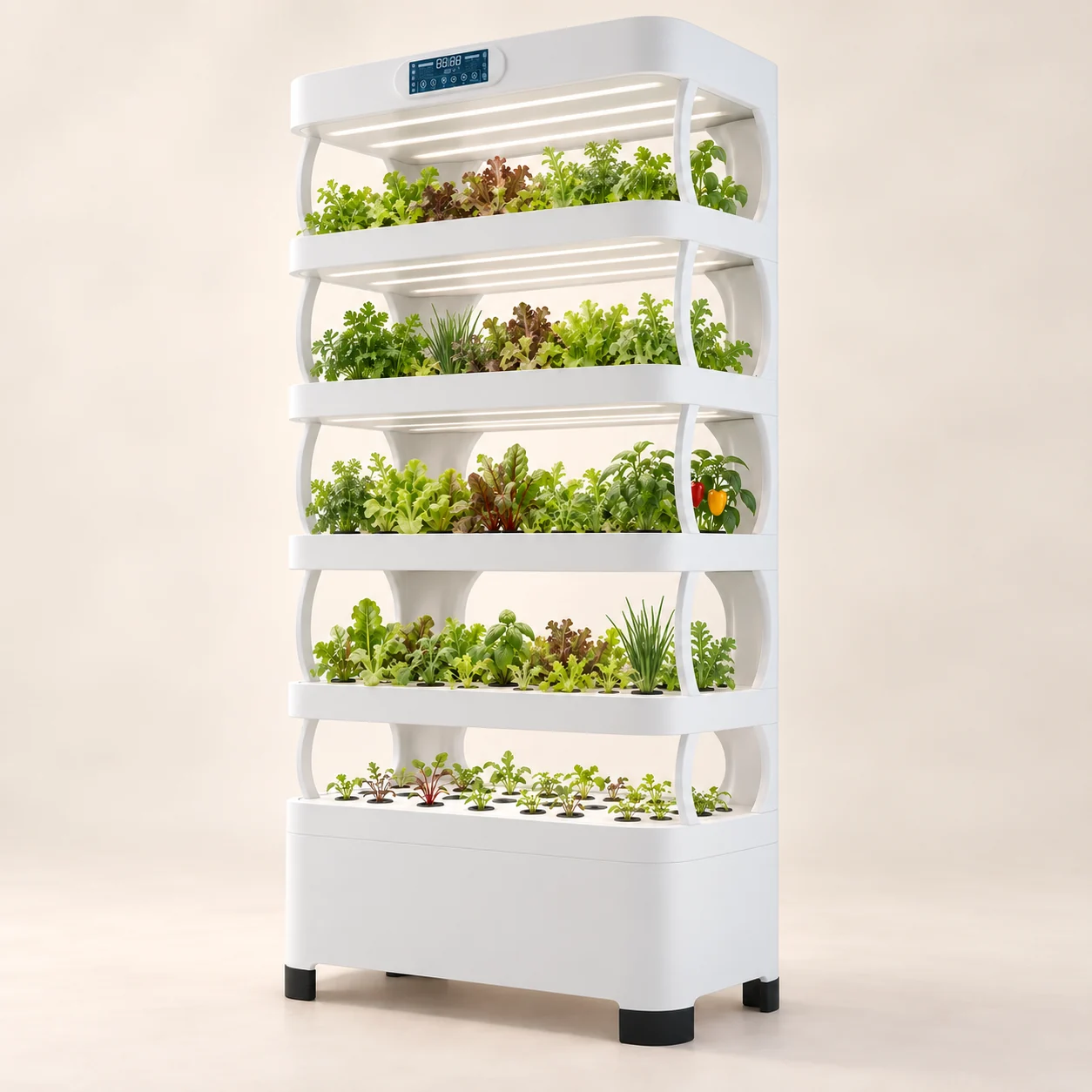
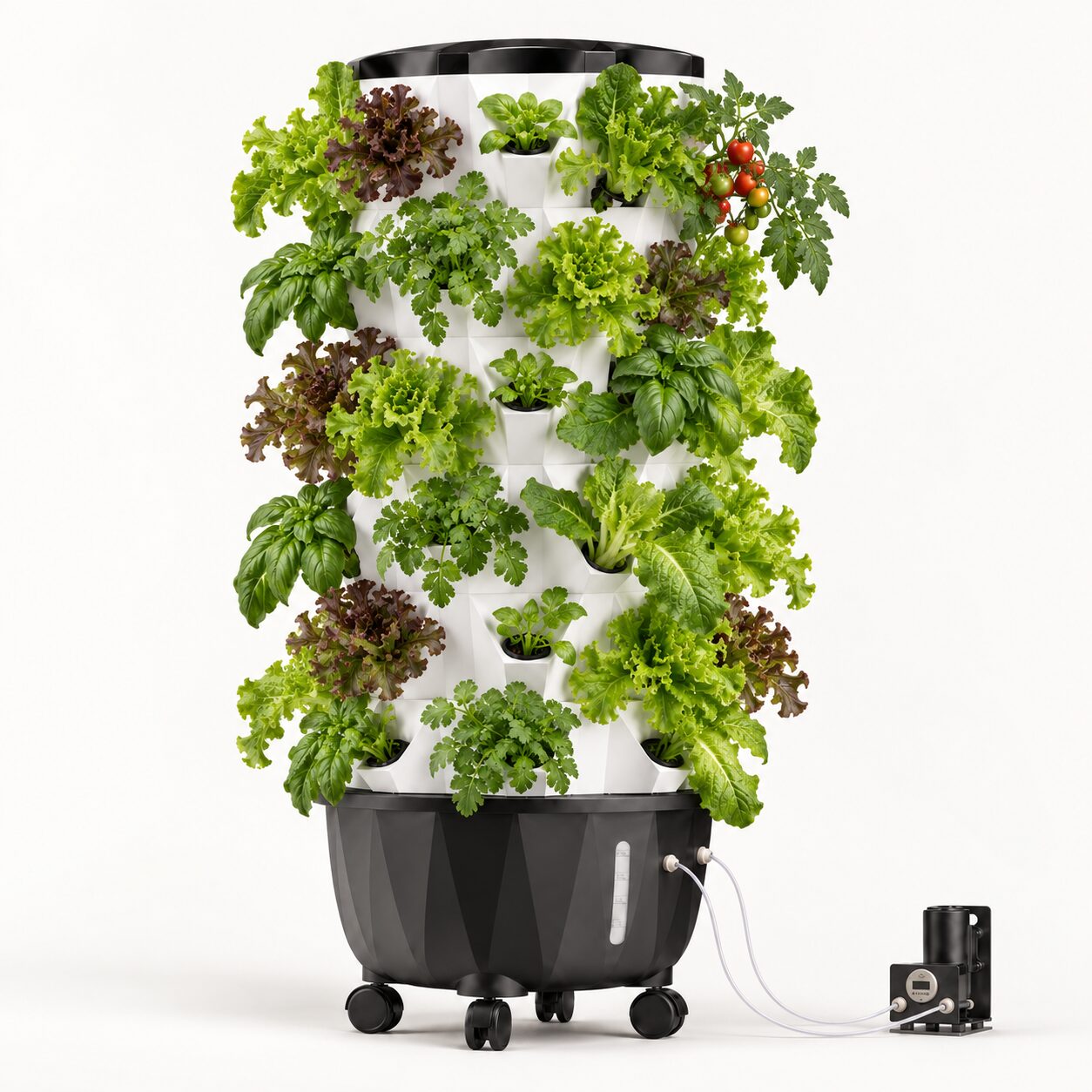
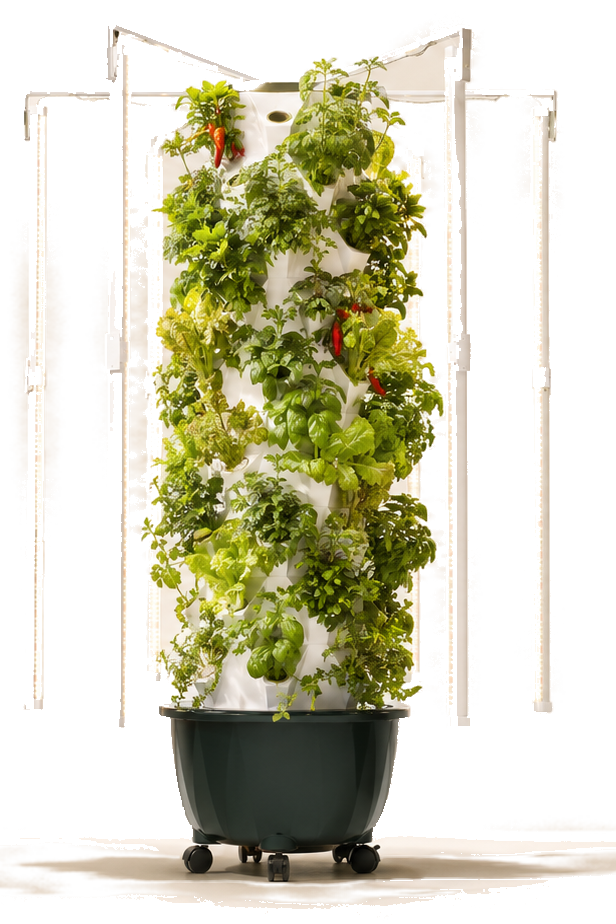
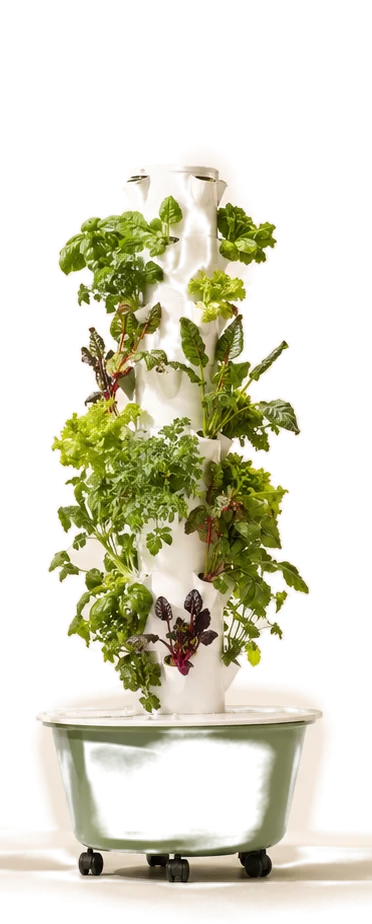
Hydroponic systems grow plants without garden soil, using water containing dissolved nutrients. Roots also need oxygen, and leaves need suitable light. Some systems circulate solution; others use an aerated reservoir or passive delivery. A tower is a layout, not a single growing method.145
Soil-Free Does Not Mean Support-Free
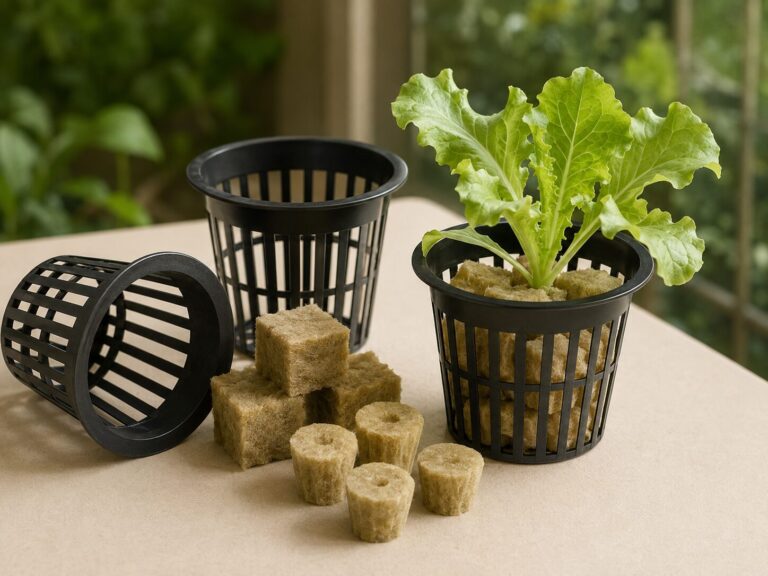
Net pots, plugs, or other suitable media hold plants in place while roots access moisture and nutrients. The medium supports the plant; the nutrient solution supplies minerals. That distinction matters whether your garden is a tower, a shelf, or a single container.25
How Hydroponic Systems Work
The delivery hardware changes, but the plant needs stay the same. Here is the process behind a functioning garden.14
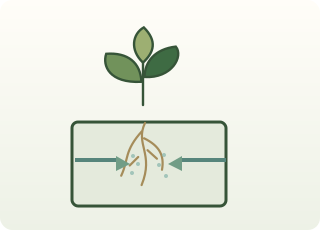
Water. Nutrients. Oxygen. Light.
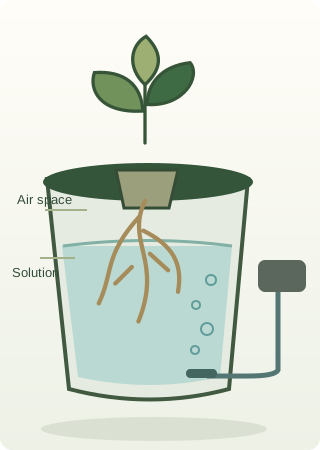
Aerated water culture is one example—not every hydroponic design.
Mix the solution
Water and hydroponic nutrients supply dissolved minerals. Follow the nutrient label for your crop.
Reach the roots
A reservoir, channel, drip line, or spray brings solution to the root zone.
Provide root oxygen
Air spaces, aeration, or the delivery design help roots access oxygen—not just water.
Light drives growth
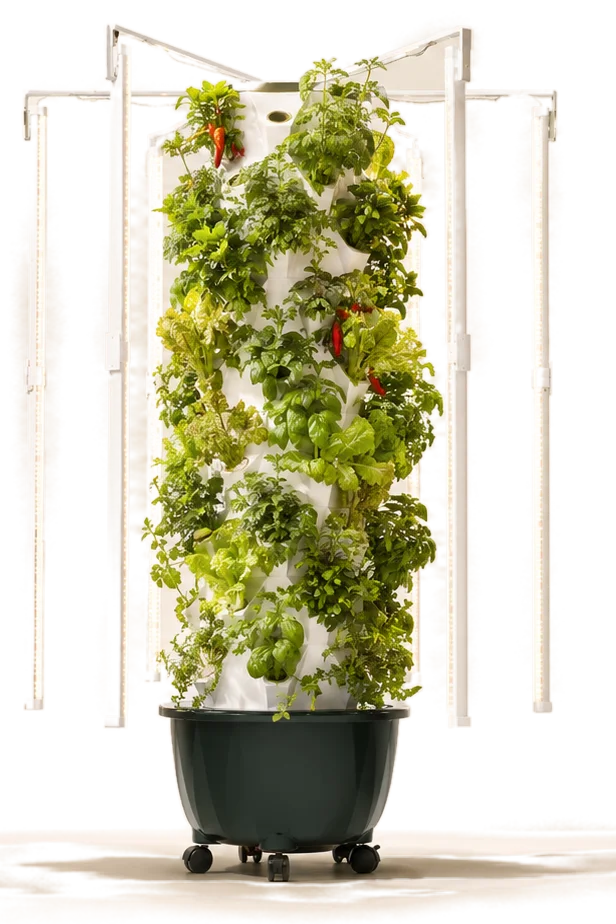
Leaves use light to make sugars. A nutrient solution cannot compensate for insufficient light.
Start by confirming the actual delivery method. A vertical tower is not automatically NFT, and timed watering does not mean automatic nutrient or pH adjustment.13
Five Common System Types
Compare how each method delivers solution and gives roots access to oxygen. Their maintenance needs differ.1
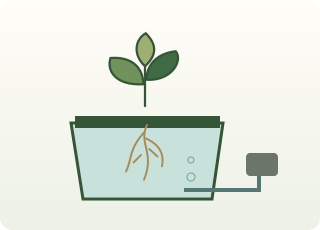
Deep water culture
Roots reach an aerated solution. Check water level and the air supply.
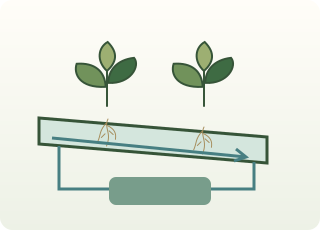
Nutrient film (NFT)
A thin stream passes through channels. Clear drainage and reliable flow matter.
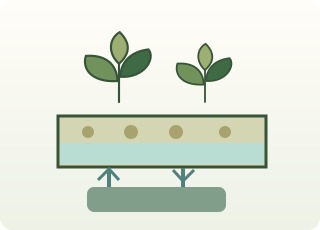
Ebb & flow
A growing bed floods, then drains. Timing depends on the setup and medium.
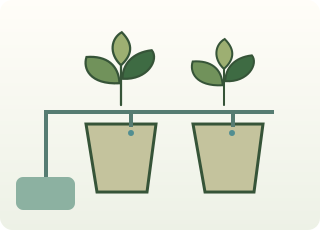
Drip systems
Emitters feed individual plants. Surplus may be recovered or not, depending on design.
Aeroponics
Spray wets roots held in air. Nozzles and delivery need regular attention.
Passive options also exist: wick systems draw solution through media, while Kratky-style growing maintains an air space as solution falls. Do not assume every system needs a water pump.12
What Can You Grow?
Begin with plants you enjoy eating. Match mature size, light, and root space to the system.2
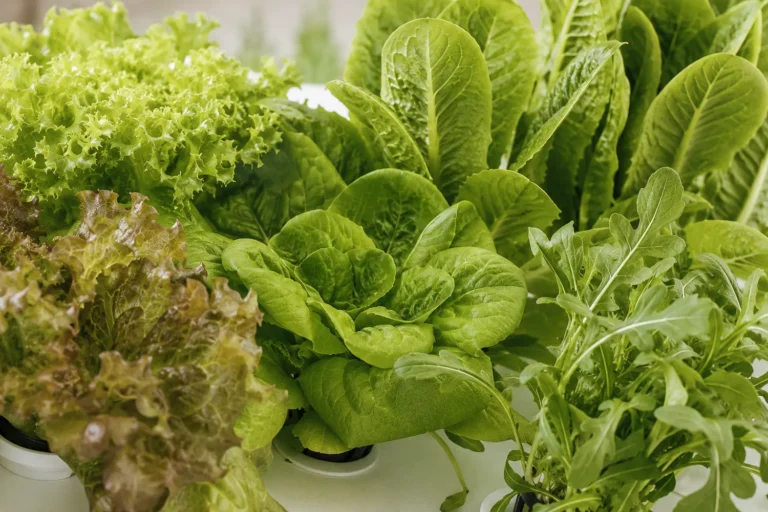
Leafy greens
Lettuce and bok choy are useful starting crops.
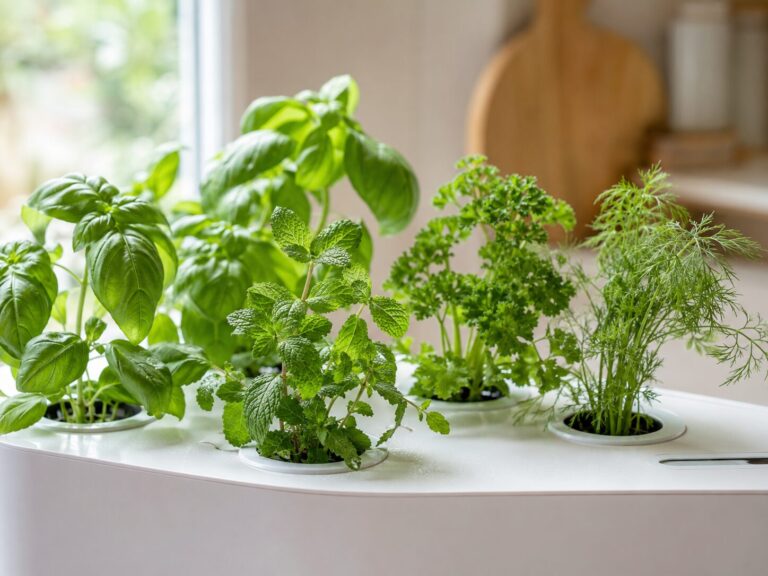
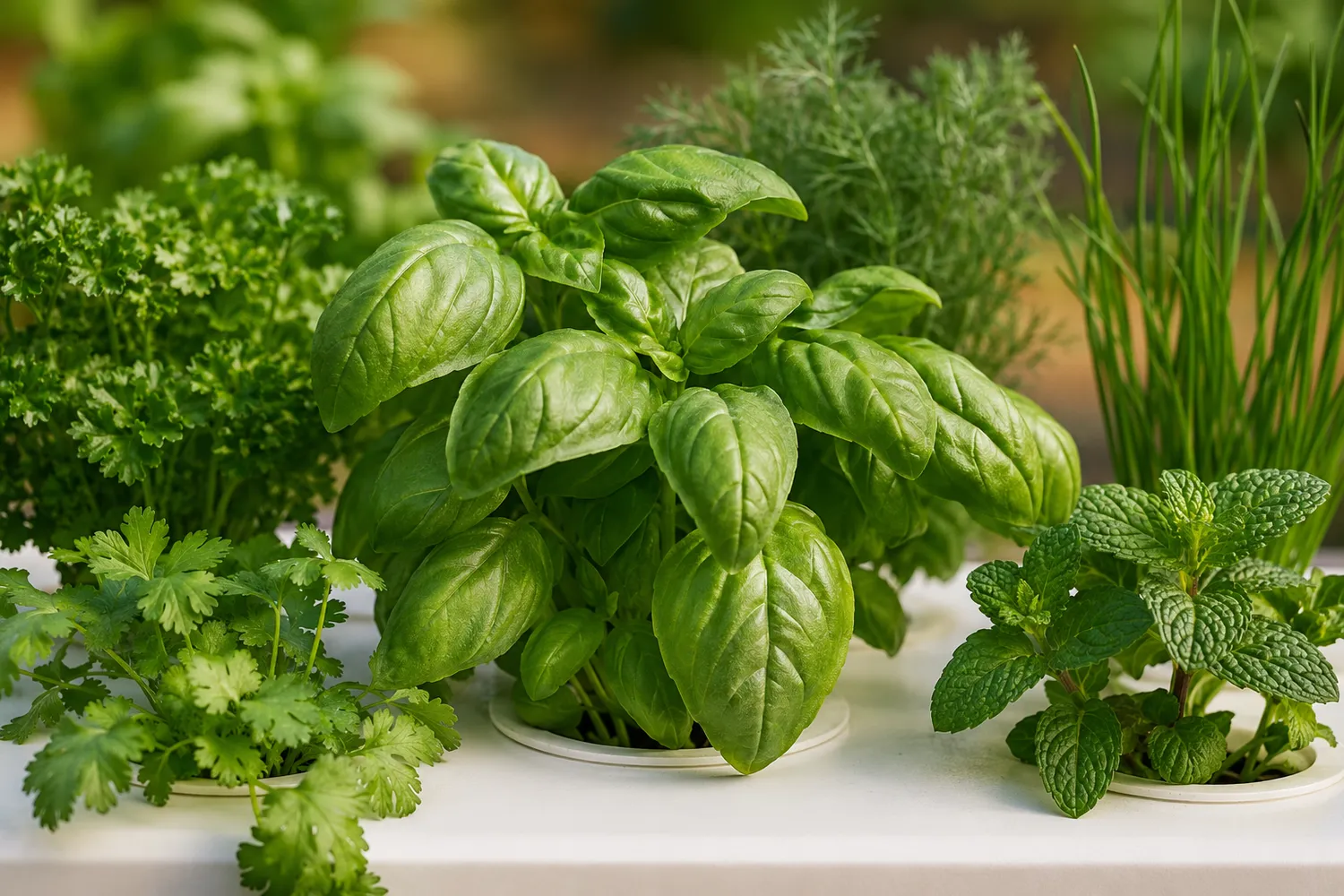
Fresh herbs
Basil and mint need space as they mature.
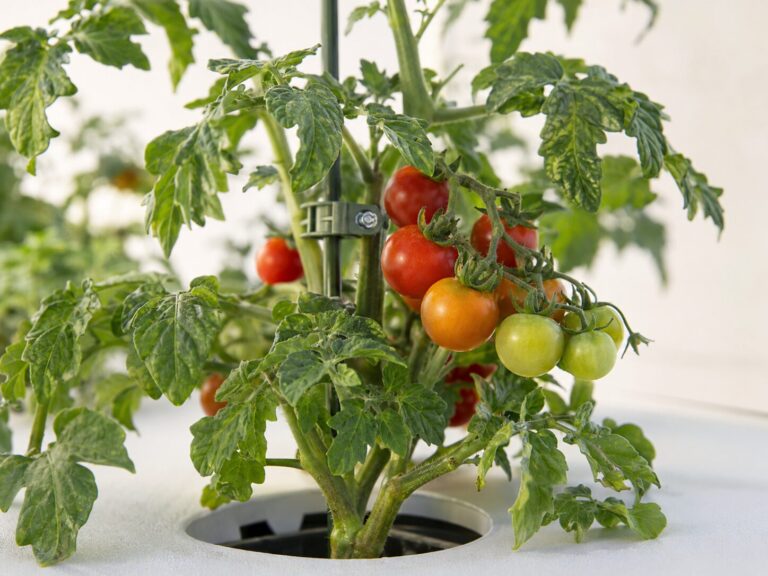
Fruiting crops
Tomatoes and peppers need stronger light and support.
Other options
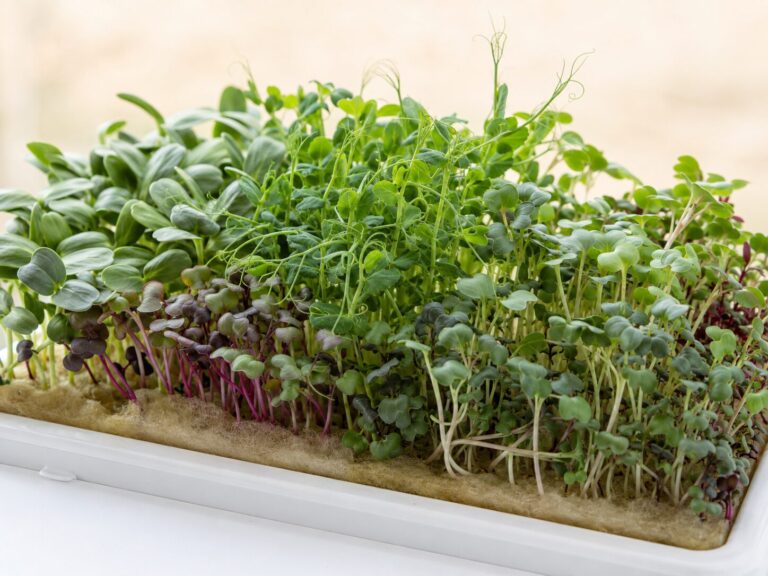
Strawberries or microgreens need a suitable setup—not every planting site.
Choose a Setup You Can Manage
Four checks before committing to a system.
Know the water routine
Check level, pH, and EC. EC indicates dissolved salts, not each nutrient separately.
Plan light and clearance
Allow for mature foliage, airflow, lamp coverage, and access to the reservoir.
Match plants to capacity
More planting holes do not guarantee more usable harvest. Avoid overcrowding.
Budget for ongoing care
Include nutrients, seeds, electricity, cleaning, and replacement parts—not only the purchase.
Before planting, follow the manual, test for leaks, and confirm delivery. Disconnect electrical equipment before servicing it.234 Follow the starter guide →
Benefits & Trade-Offs
A useful alternative—not a guarantee of results.
What appeals
- Growing where garden soil is unavailable
- Water reuse in recirculating designs
- Closer control of nutrient supply
What still needs attention
- Suitable light and routine checks
- Equipment faults in active systems
- Pests, algae, and cleaning
Results depend on the crop and setup. This guide does not promise a water-saving percentage, faster harvest, or financial payback.24 Read the benefits guide →
Common Questions
The practical answers before your first purchase.
Which hydroponic system should a beginner choose?
Start with the crops, space, and maintenance you can manage. A small aerated container or a well-documented ready-made system can work. No single method is best for every home.2
Does every hydroponic system need electricity?
No. Some passive systems deliver solution without pumps. Active designs use pumps or aeration, and indoor grow lights need power even when root feeding is passive.12
Is a hydroponic tower the same as NFT?
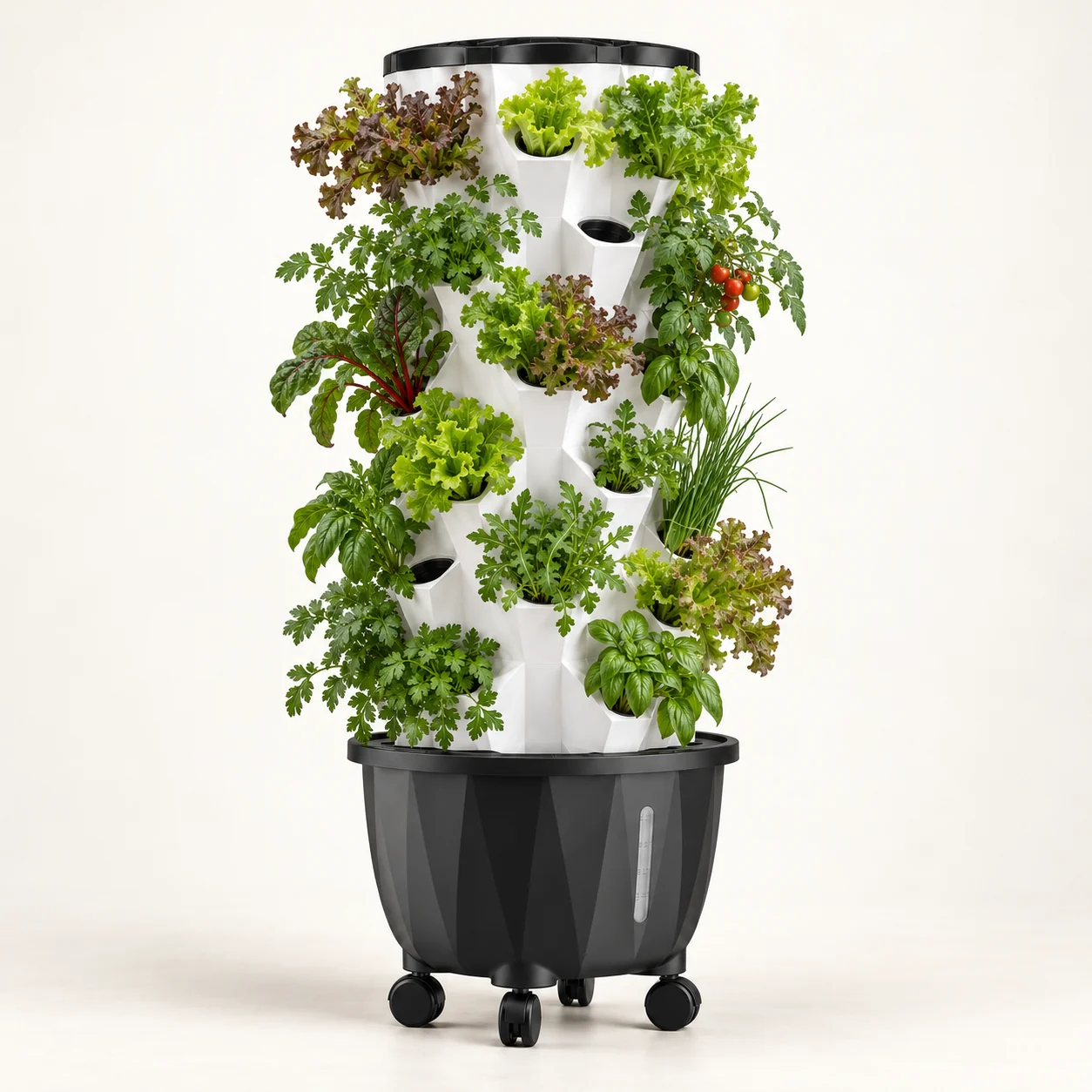
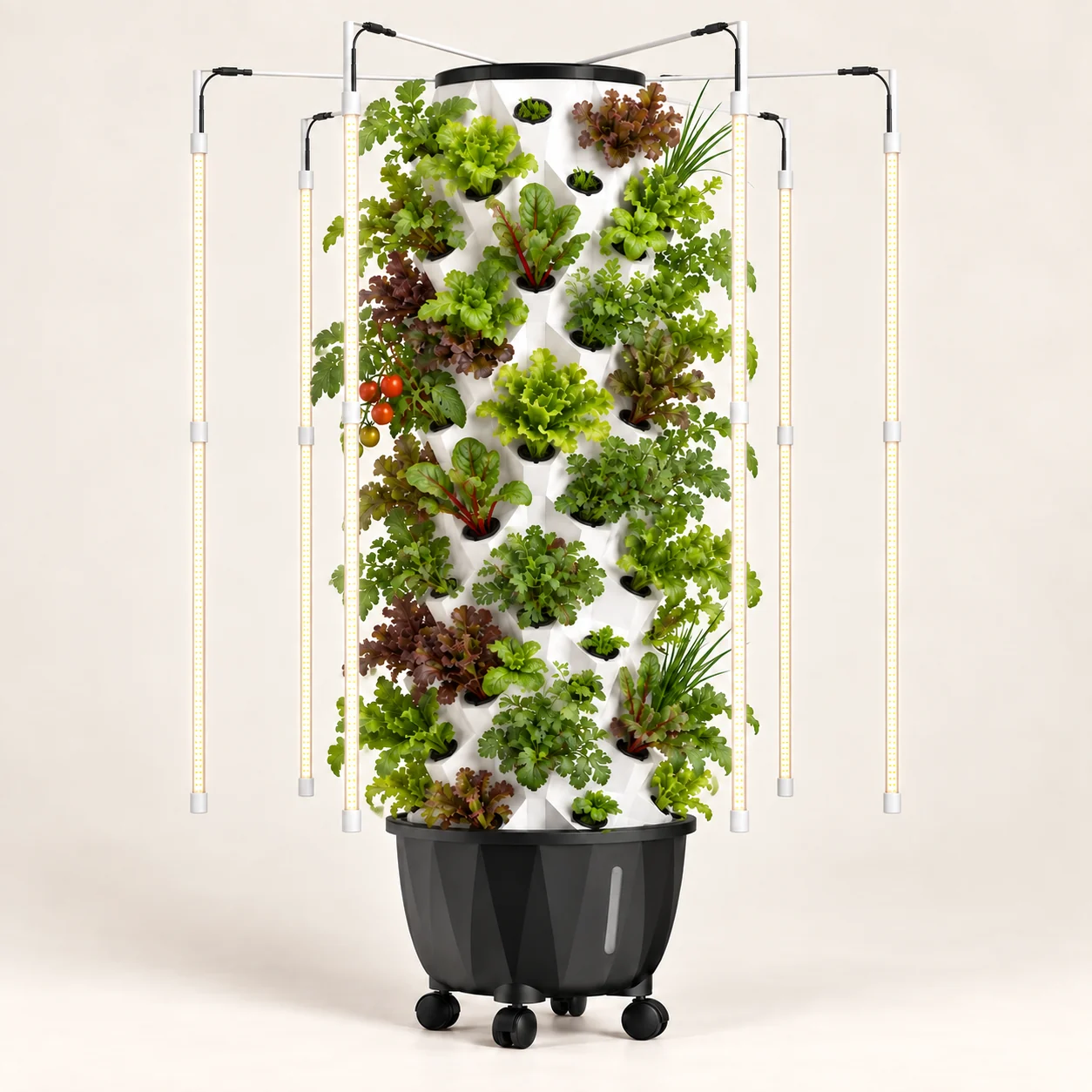
No. Tower describes the shape; NFT describes a thin stream flowing along channels. Check whether the specific tower trickles, sprays, or uses another delivery design.1
How much light do plants need?
It depends on the crop, growth stage, light intensity, and daylight available. Use crop and equipment guidance rather than one timer setting for every garden.6
Can different crops share one reservoir?
Often, but choose crops with compatible feeding and growing requirements. One reservoir provides one nutrient solution; individual drip emitters do not create different nutrient recipes.23
Does automation handle nutrients and pH for me?
Only when the selected model includes verified sensors and dosing controls. A pump or light timer alone does not measure or adjust nutrient strength or pH.3
Related Guides
View all guides →Choose the next answer for your garden.
Sources & further reading
- Oklahoma State University Extension: Hydroponics
- University of Minnesota Extension: Small-scale hydroponics
- Oklahoma State University Extension: Electrical Conductivity and pH Guide for Hydroponics
- University of New Hampshire Extension: Hydroponics at Home
- Penn State Extension: Hydroponics Systems and Principles Of Plant Nutrition: Essential Nutrients, Function, Deficiency, and Excess
- University of New Hampshire Extension: Growing Seedlings Under Lights