


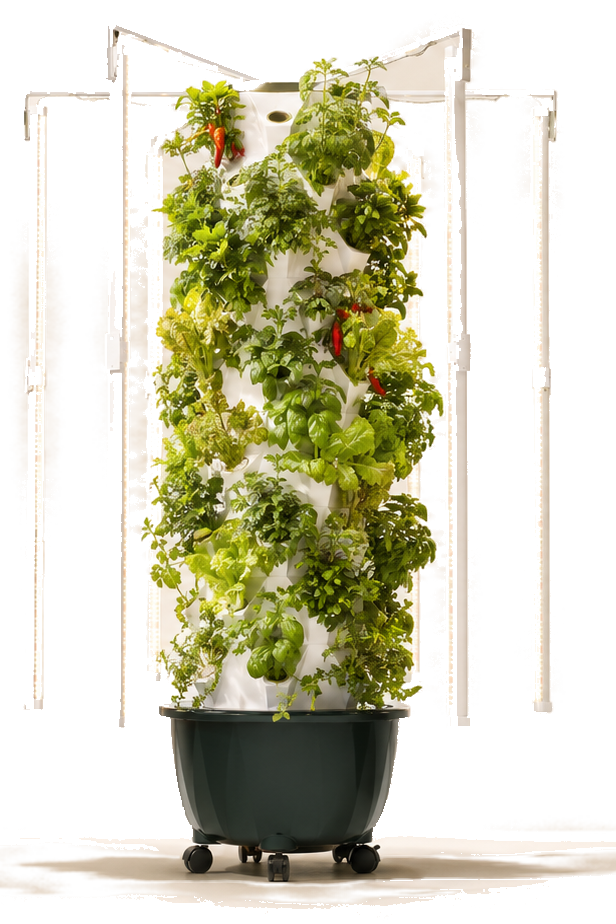
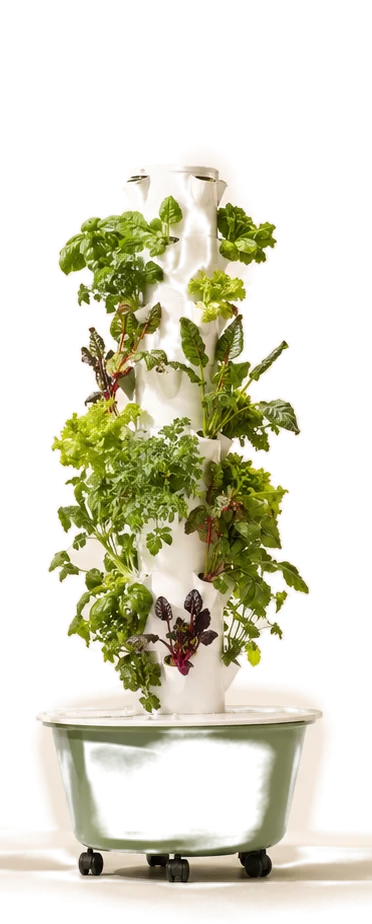


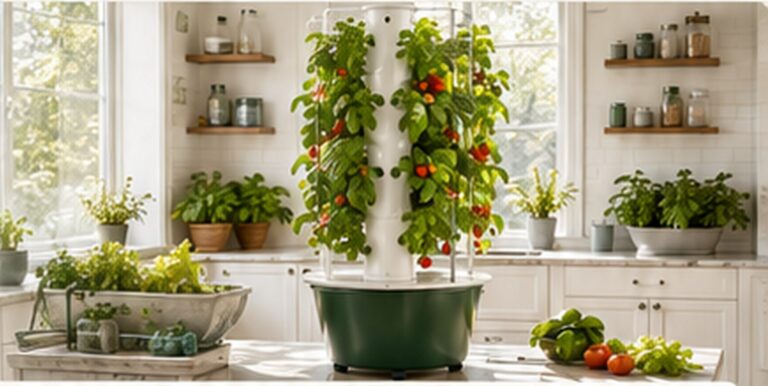

More Growing Options, Not Magic
Hydroponics describes how roots receive nutrients; vertical farming describes the arrangement of plants. They can work together, but they are not the same thing. The useful question is whether the system fits your crops, available light, and care routine.12
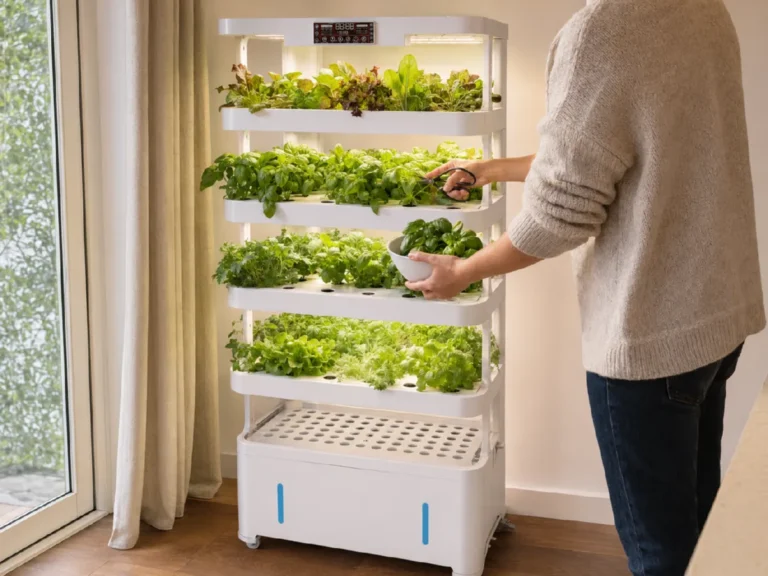
Where the Efficiency Comes From
In a recirculating tower, water returns to the reservoir instead of being discarded after each pass. The rest of the advantage depends on thoughtful growing and reliable care.1
One garden. Four useful advantages.
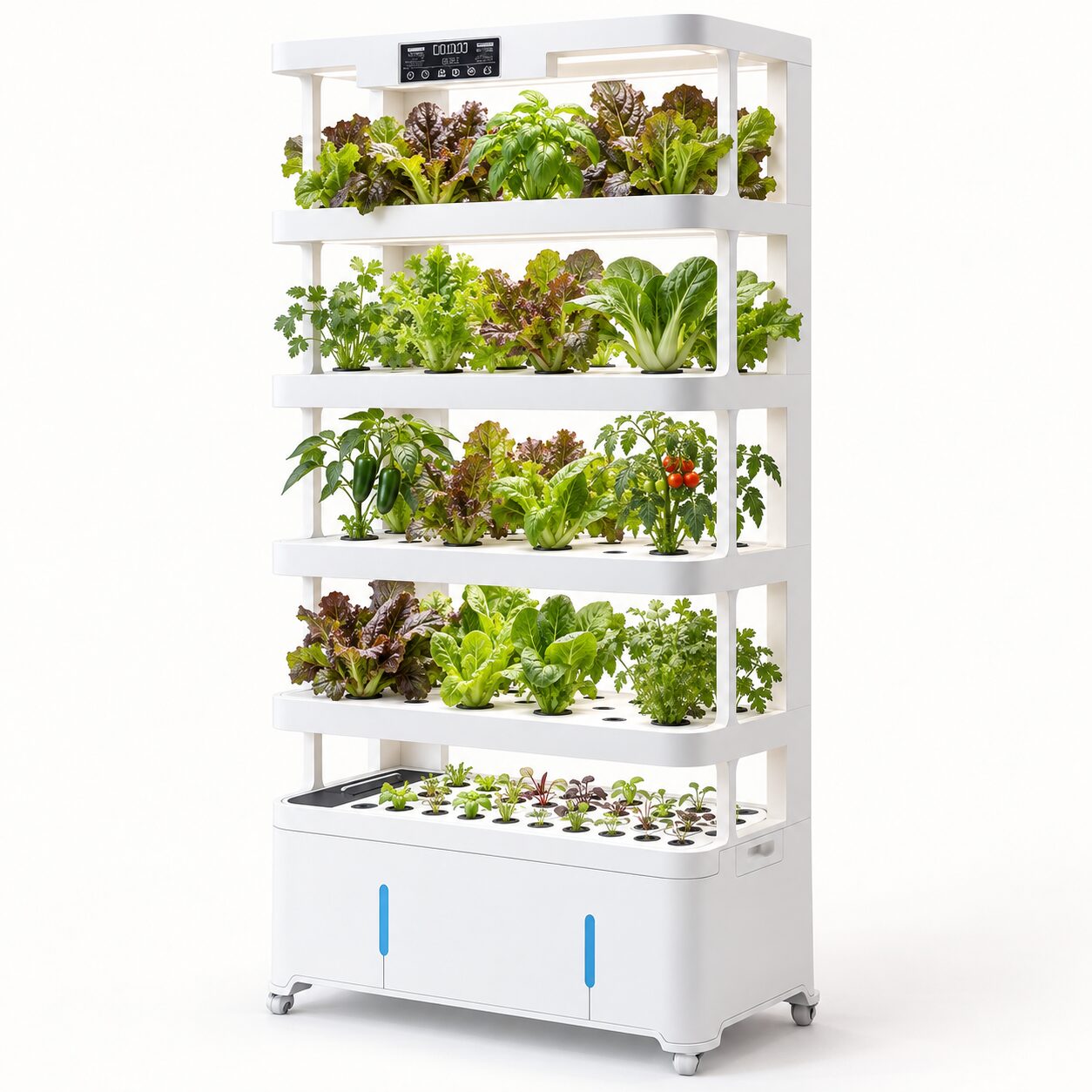
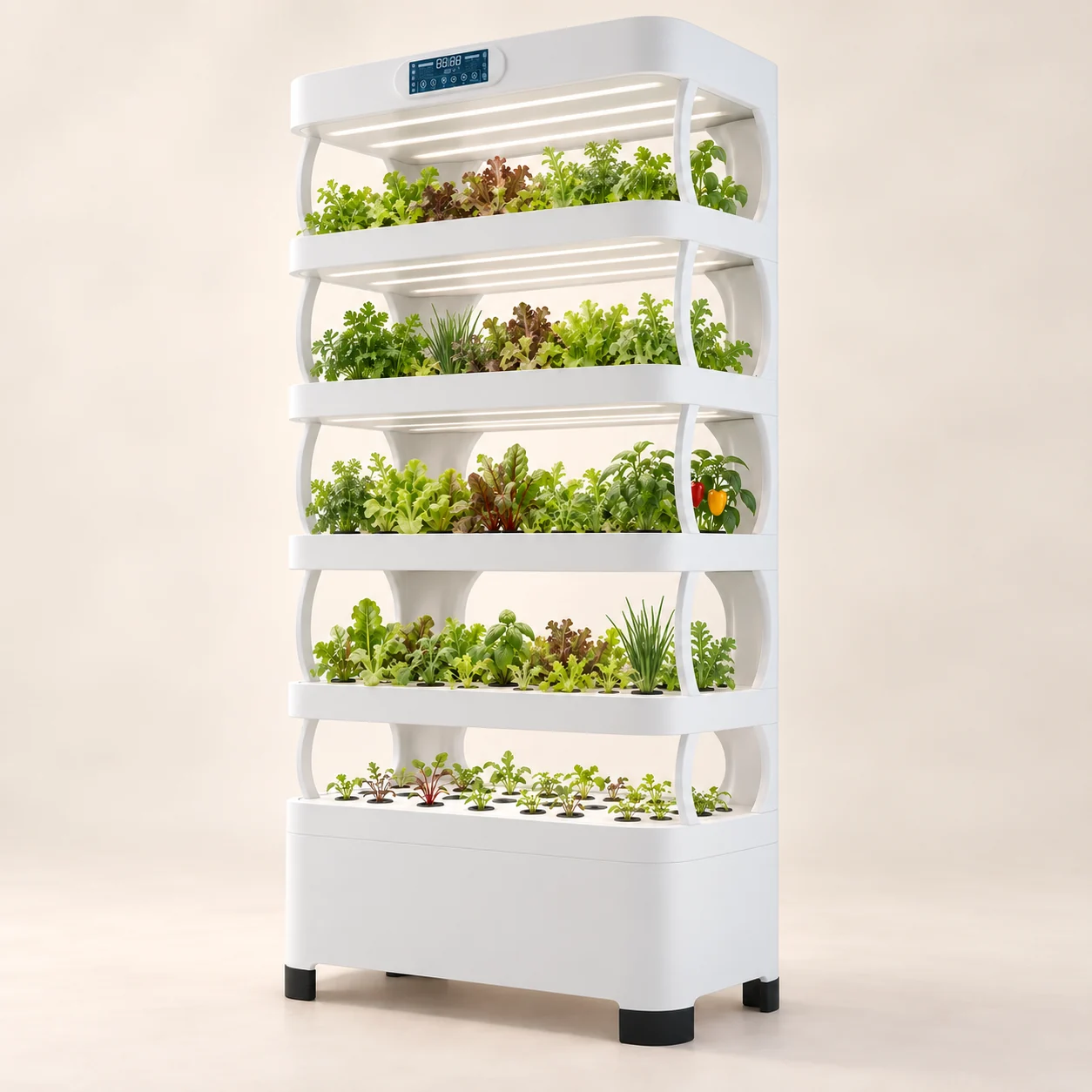
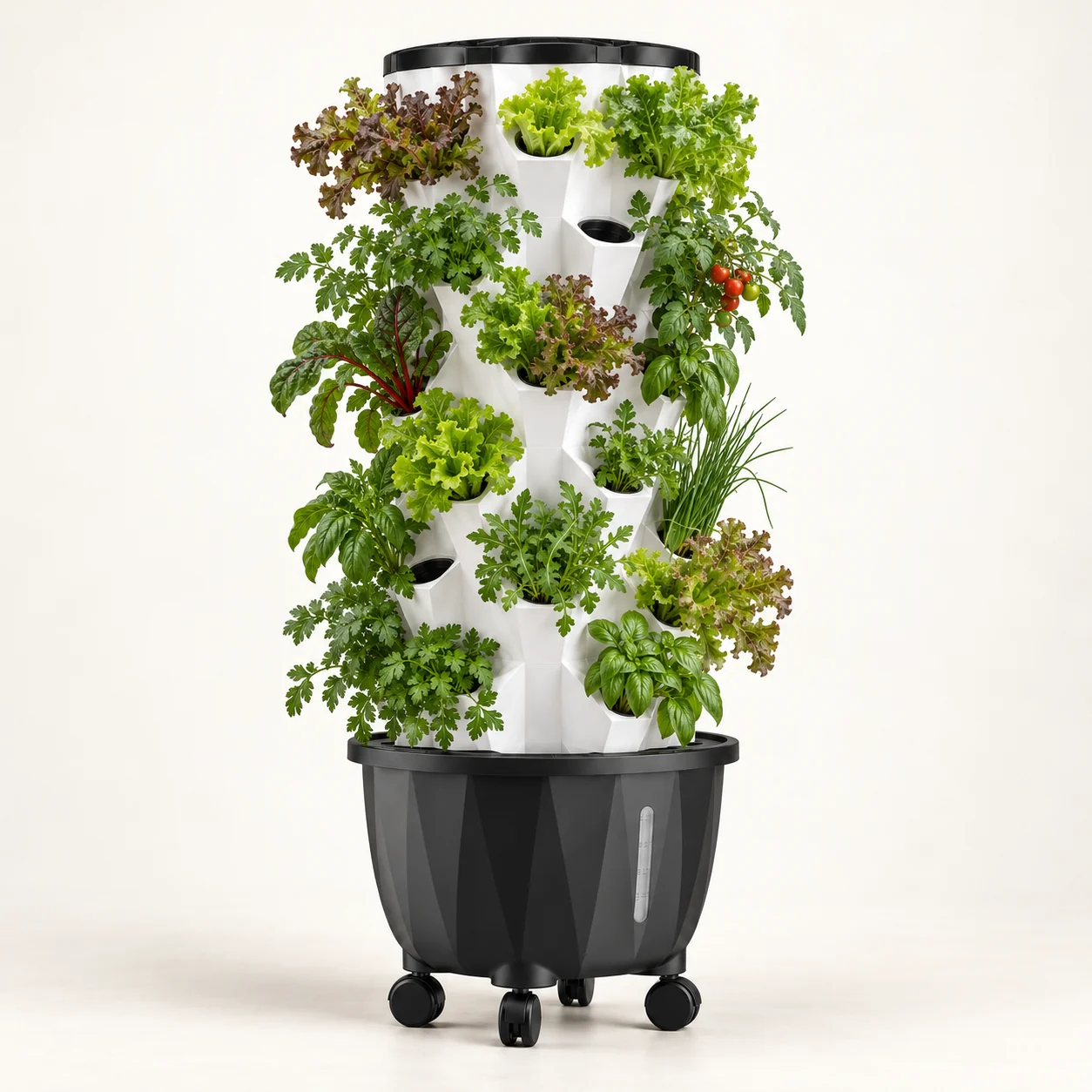
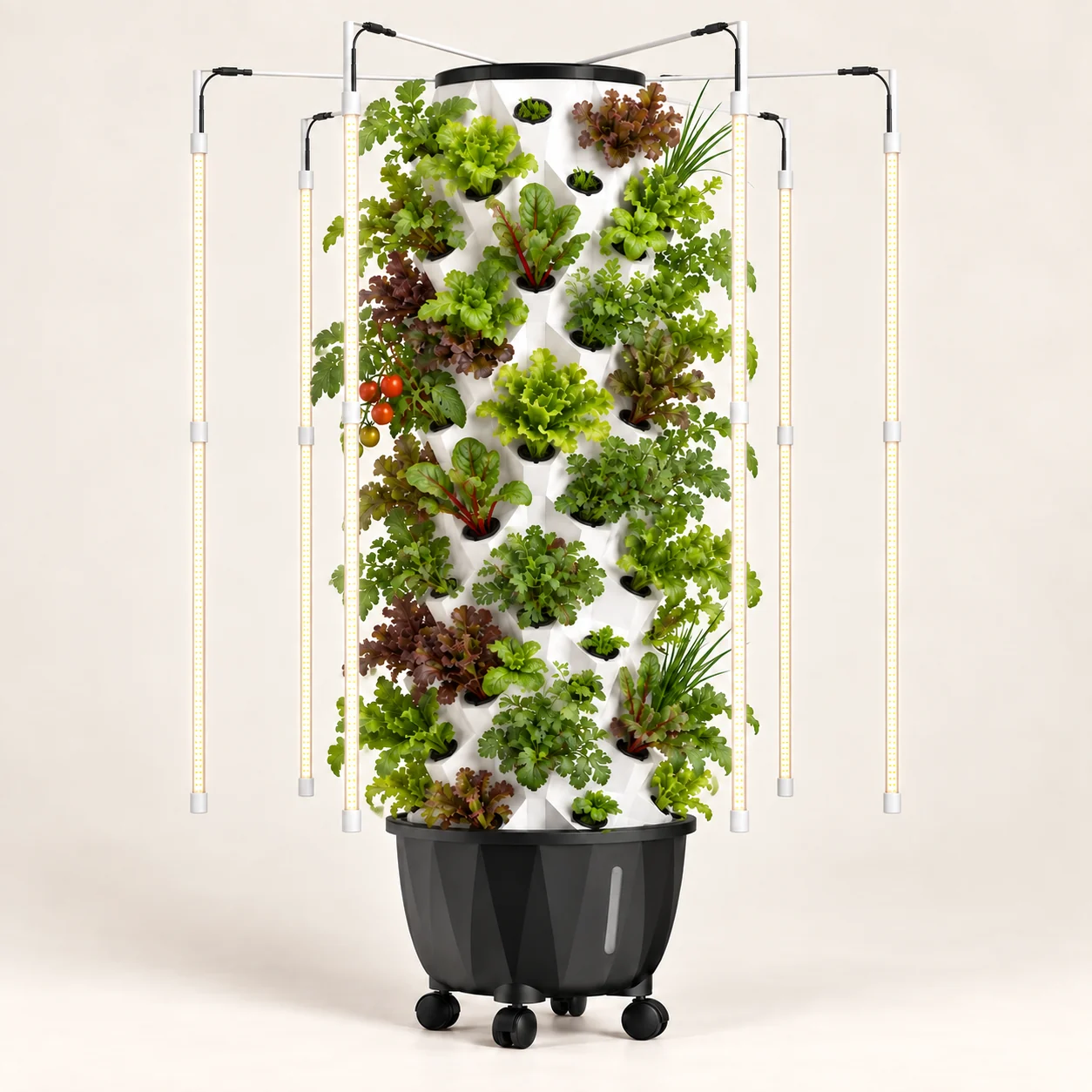
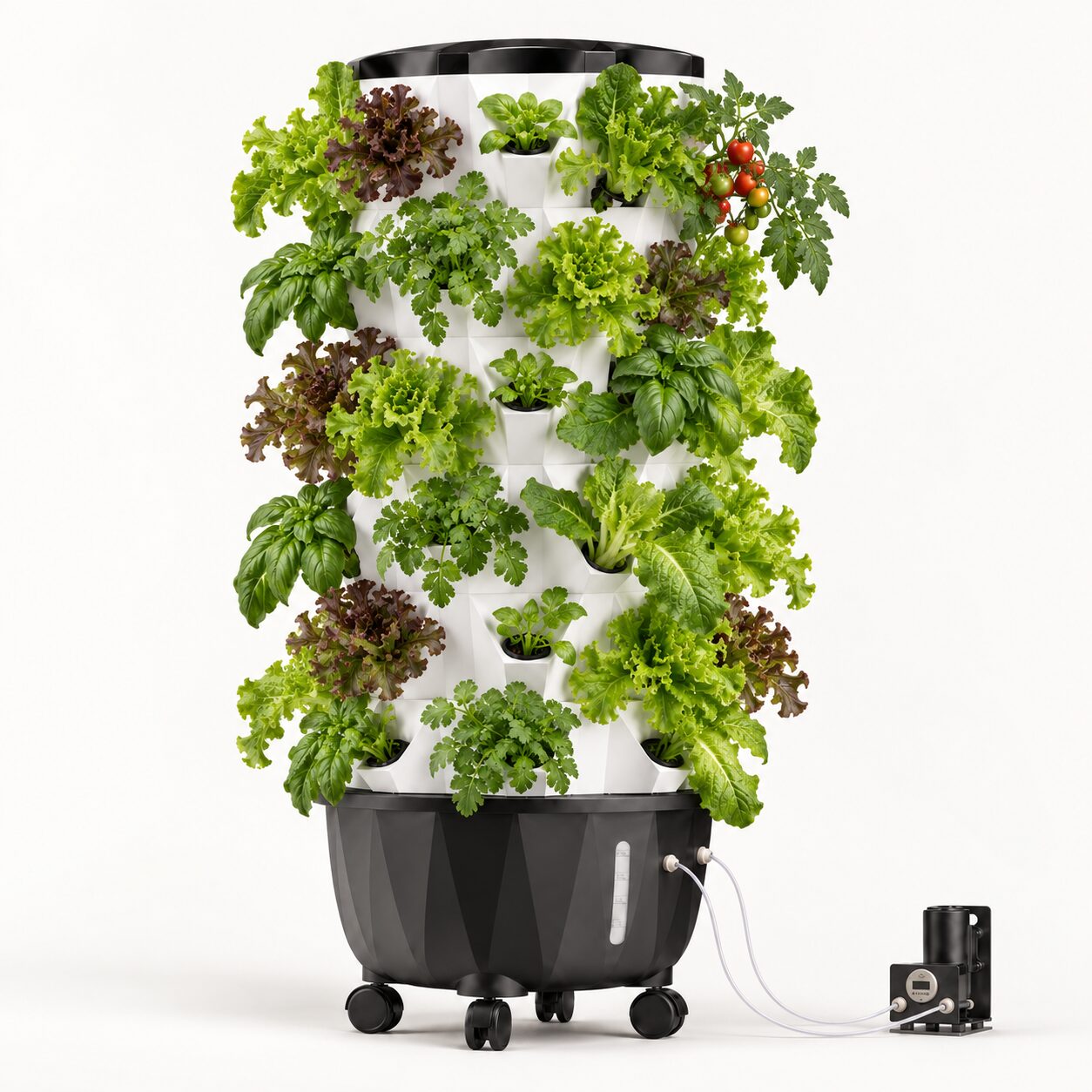
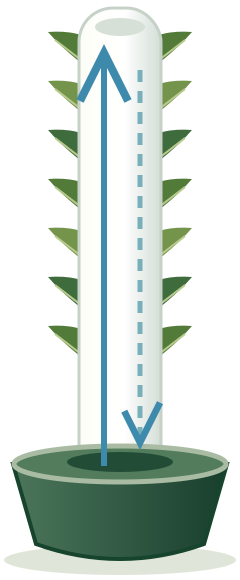
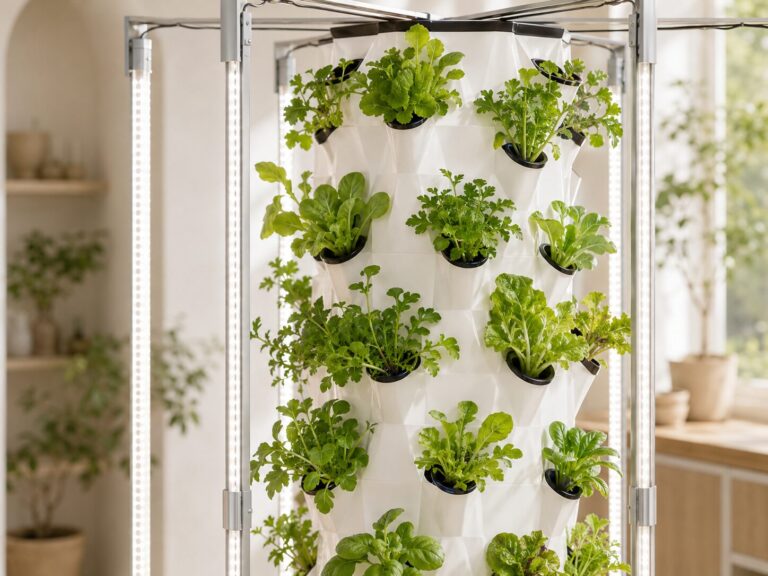
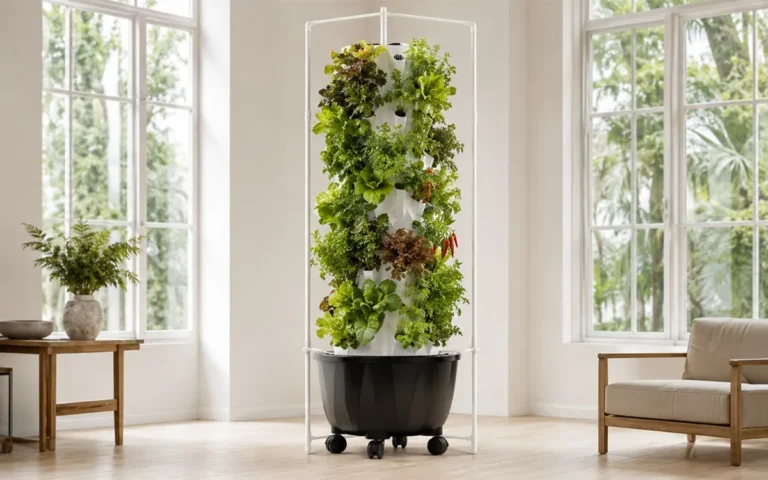
A recirculating vertical layout, shown as a general example.
Reuse the solution
A pump sends water upward; excess drains back for another pass.
Use vertical space
Growing sites share a footprint. Leaves still need light and room.
Manage the roots
Check water level, pH, and EC; nutrient availability needs monitoring.
Harvest nearby
Pick useful amounts for meals. Plant a little at a time to stagger harvests.
Water efficiency is only one part of sustainability. Lighting, climate control, materials, and crop losses also count.3
Five Practical Benefits
The gains are useful when matched to the right crop and growing conditions.12

Water reuse
Recover surplus solution in a recirculating system.
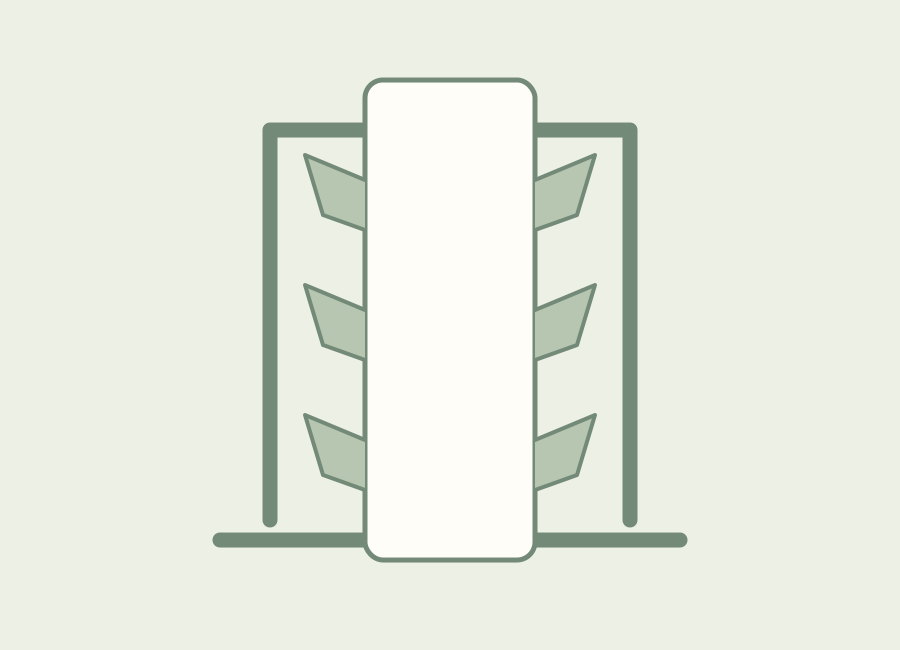
Compact growing
Use height while allowing space for mature plants.
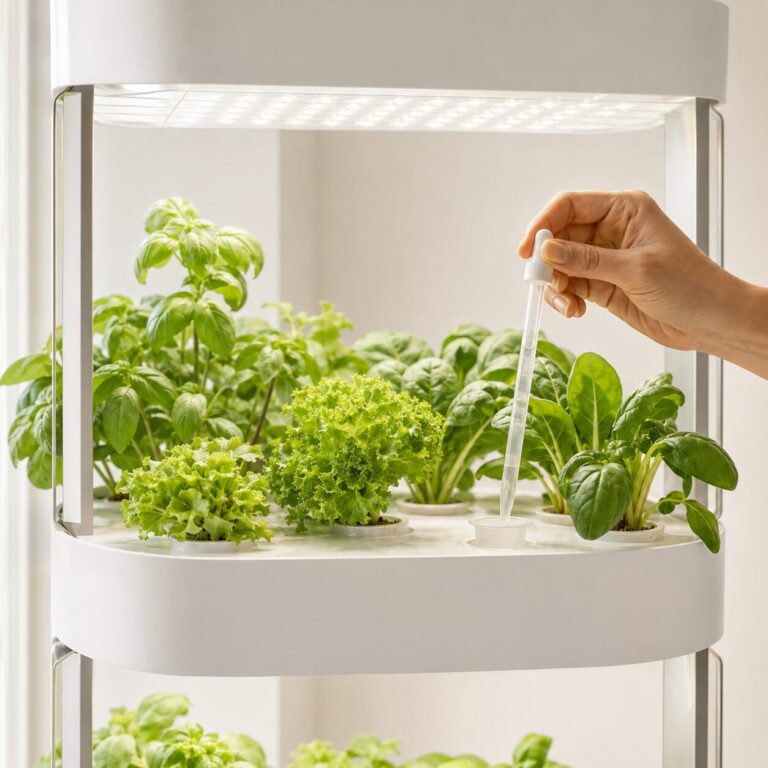
Nutrient control
Monitor the solution instead of guessing what soil holds.
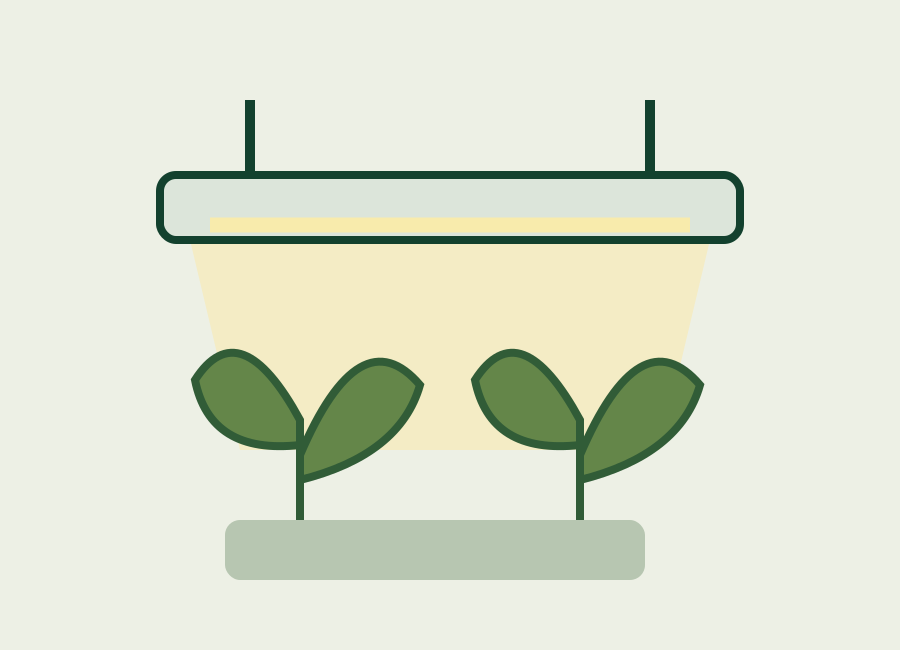
Season flexibility
Grow beyond the outdoor season with suitable indoor conditions.

Food close by
Choose familiar crops and harvest for everyday meals.
Grow What You Will Use
Start with crops that suit your lighting and space. More growing sites do not always mean more usable food.2
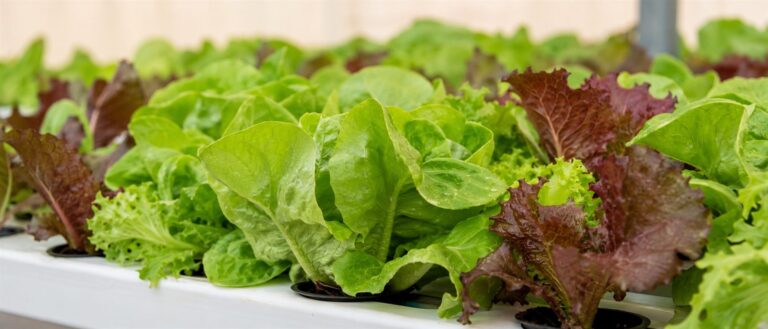
Leafy greens
Lettuce and compact greens for regular picking.
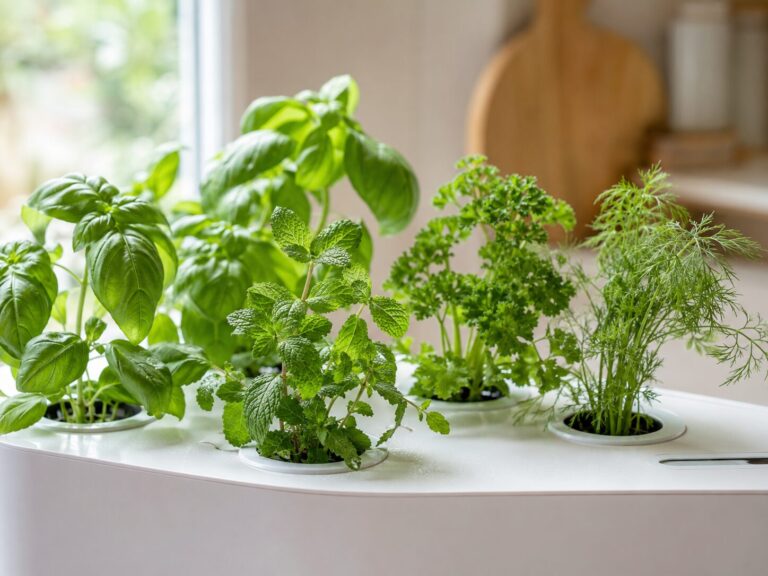
Fresh herbs
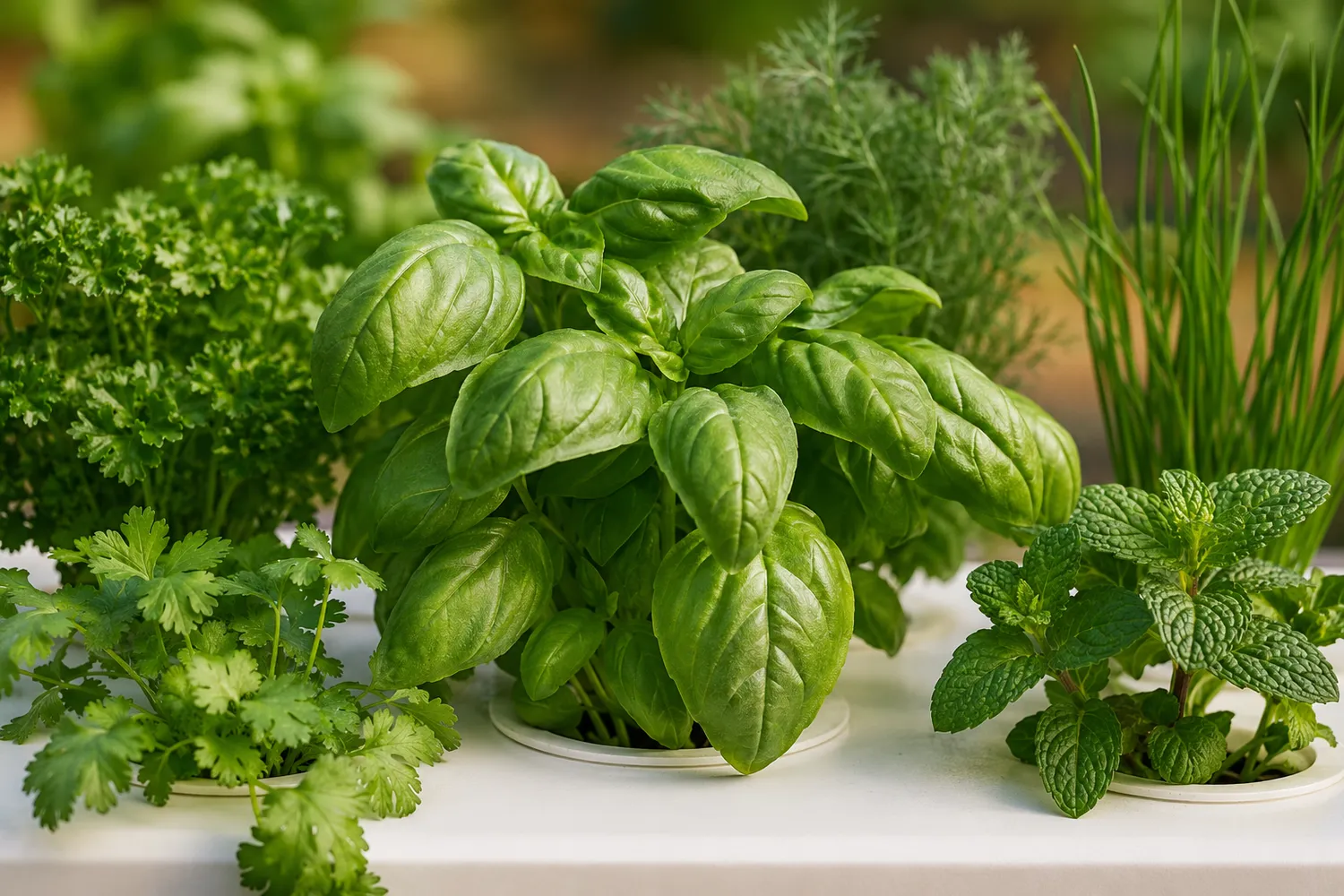
Basil and parsley for small, frequent harvests.
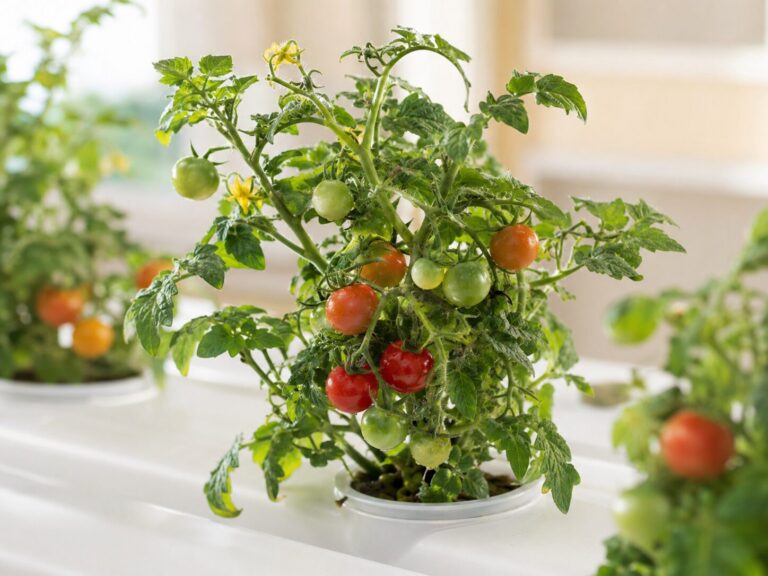
Fruiting crops
Tomatoes and peppers need light, space, and support.
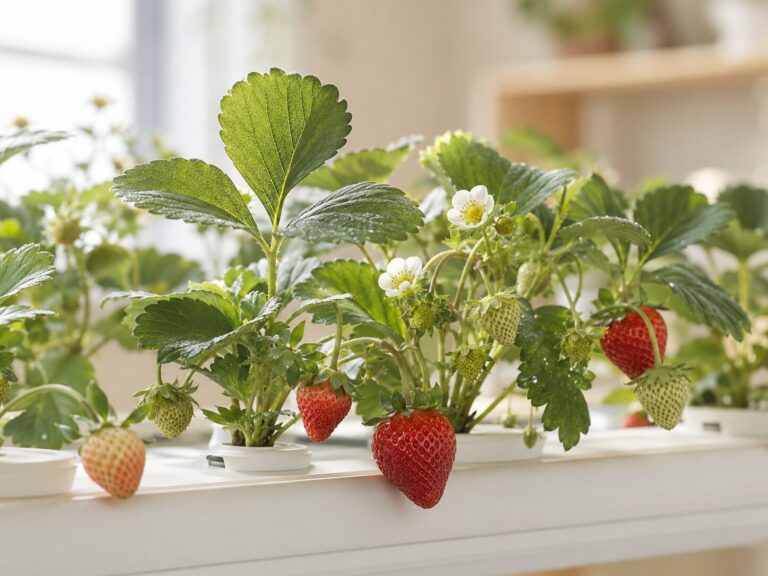
Other options
Strawberries or edible flowers where the system suits them.
Make the Benefits Count
A few habits matter more than bold claims.
Track water
Record top-ups, leaks, and solution changes—not just reservoir size.
Check the mix
Measure pH and EC. Follow crop and nutrient instructions before adjusting.
Use light thoughtfully
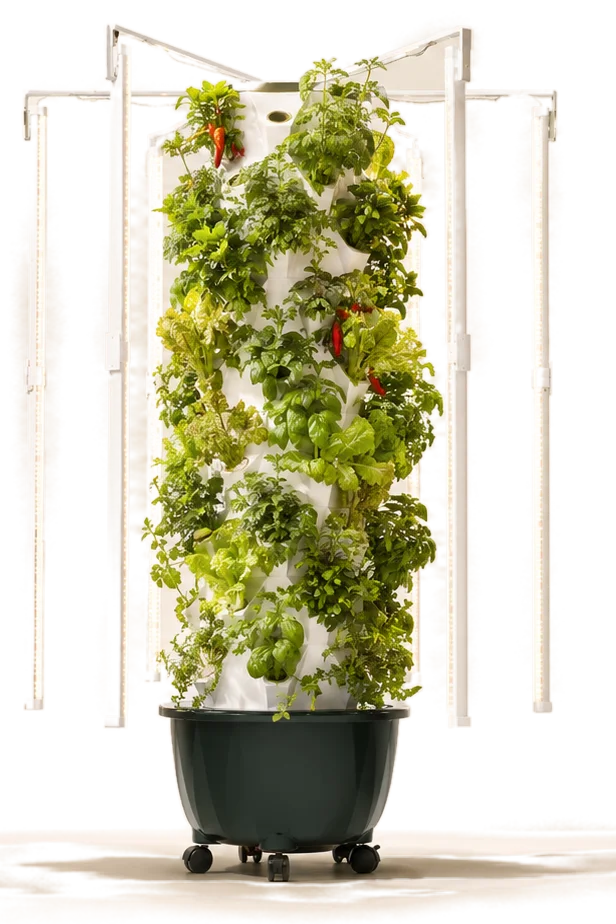
Match coverage and schedules to plants. Count lighting in running costs.
Plan useful harvests
Choose food you eat. Leave room to grow and avoid planting everything at once.
Keep equipment clean and inspect plants. Soilless does not mean pest-free.245
Benefits & Trade-Offs
A good fit is better than a bigger promise.
What you gain
- Growing where soil beds will not fit
- Control over water and feeding
- Fresh crops close to home
What it needs
- Equipment, supplies, and energy
- Regular checks and cleaning
- Room, light, and realistic crop choices
Commercial yields, payback, and food-security outcomes need a site-specific plan; a home tower is not a complete food supply.
Common Questions
The benefits, without the assumptions.
Does hydroponics always use 90% less water?
No single percentage applies to every crop and system. Recirculation can reduce water demand, but compare total water used per usable harvest, including top-ups, cleaning, and solution changes. This article makes no percentage claim for Nutraponics.3
Will plants grow faster and yield more?
Well-managed hydroponics can support productive growing, but variety, light, spacing, temperature, and care determine results. More planting holes alone do not guarantee faster growth or a larger harvest.12
Is hydroponic produce automatically pesticide-free?
No. Growing without soil does not establish which treatments were used or remove every contamination risk. Clean water, safe handling, and plant inspection still matter. We make no automatic nutrition or food-safety superiority claim.5
Will a home system save me money?
That depends on equipment cost, electricity, supplies, crop losses, and how much of the harvest you use. Compare your actual running costs with the produce purchases you replace; do not assume a fixed payback period.23
Is indoor hydroponics always greener?
Not necessarily. A published lettuce comparison found water and land advantages alongside higher energy demand in its modeled setting. That is not a home-system forecast. Local growing alone does not establish a lower overall environmental footprint.3
Do automated systems manage everything for me?
No. Timers can handle scheduled tasks; sensing or automatic dosing requires specific equipment. Check the model's actual features. Plants, water, nutrient strength, and equipment still need attention.4
Related Guides
View all guides →Choose the next answer for your growing plans.
Sources & further reading
- Oklahoma State University Extension: Hydroponics
- University of Minnesota Extension: Small-scale hydroponics
- Barbosa et al., 2015; International Journal of Environmental Research and Public Health: Comparison of Land, Water, and Energy Requirements of Lettuce Grown Using Hydroponic vs. Conventional Agricultural Methods
- Oklahoma State University Extension: Electrical Conductivity and pH Guide for Hydroponics
- USDA National Agricultural Library / University of Arkansas research project: Outsmarting food and waterborne pathogens for the safe production of leafy greens in recirculating hydroponic systems