




The quick answer
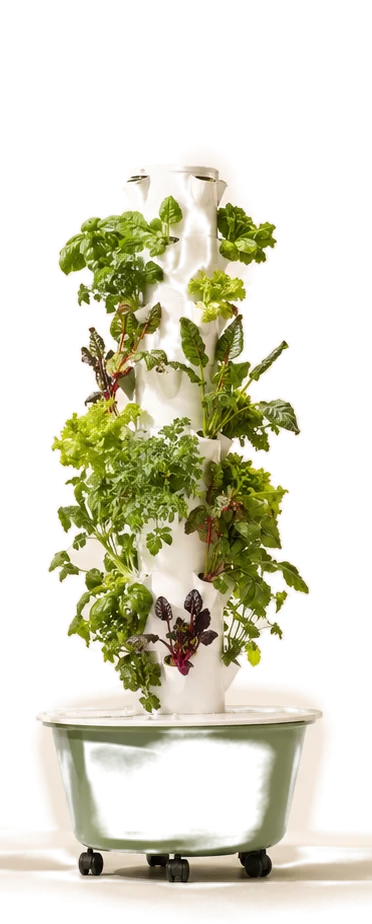
A hydroponic tower holds plants vertically. In a common top-fed design, a pump lifts nutrient solution, the solution reaches the roots, and the excess returns to the reservoir. You still provide suitable light, plant food, and regular care. Other designs use different delivery methods.1
What Is a Hydroponic Tower?
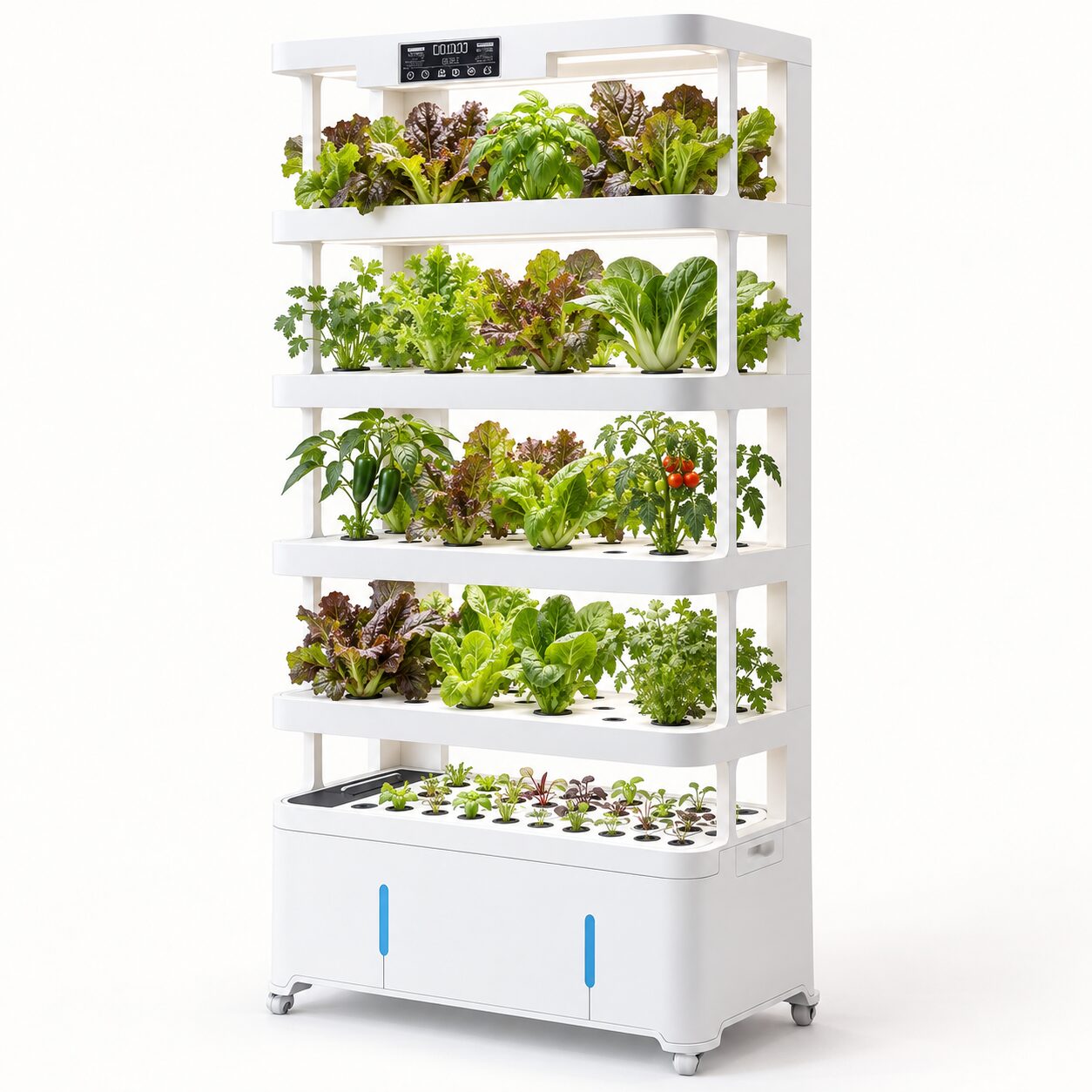
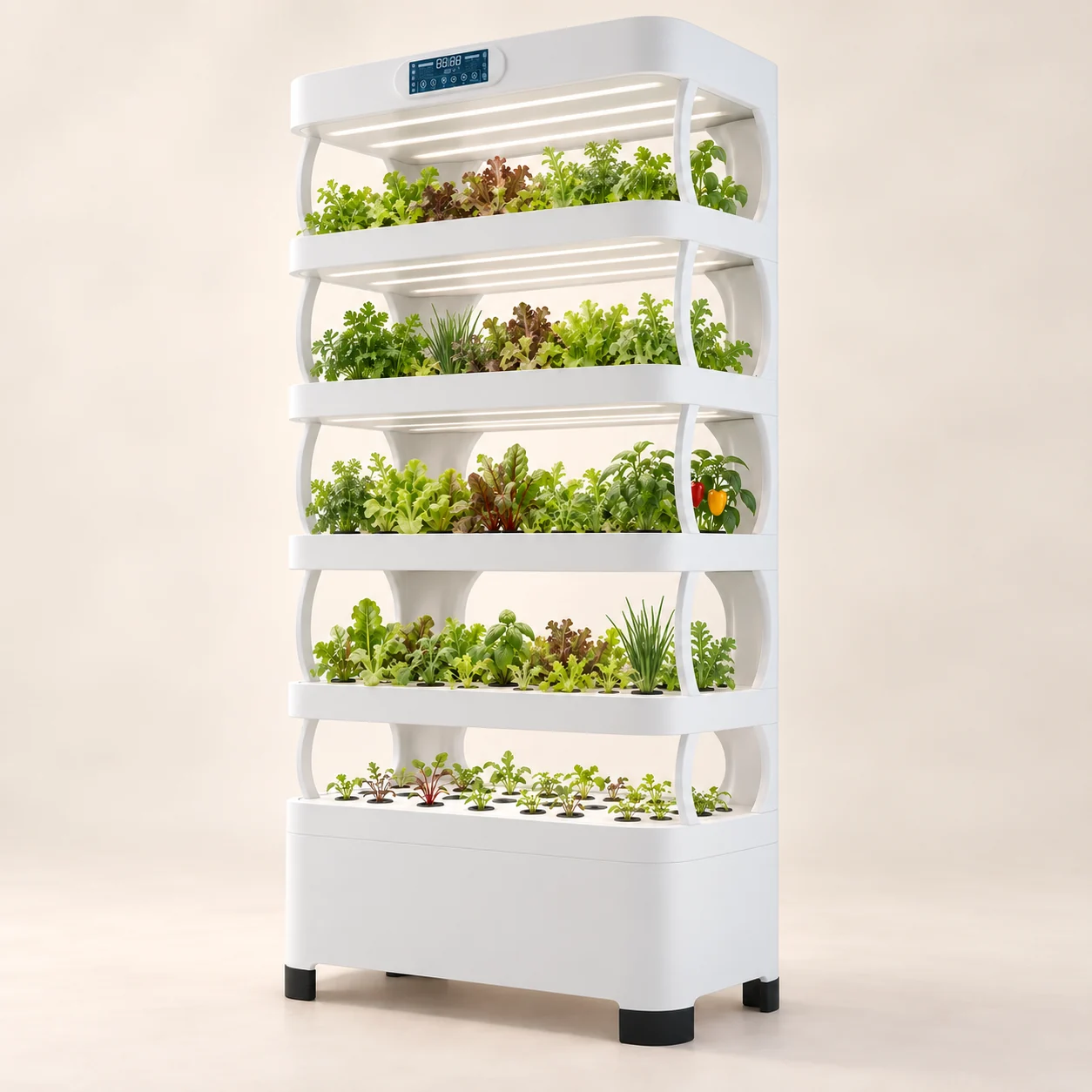
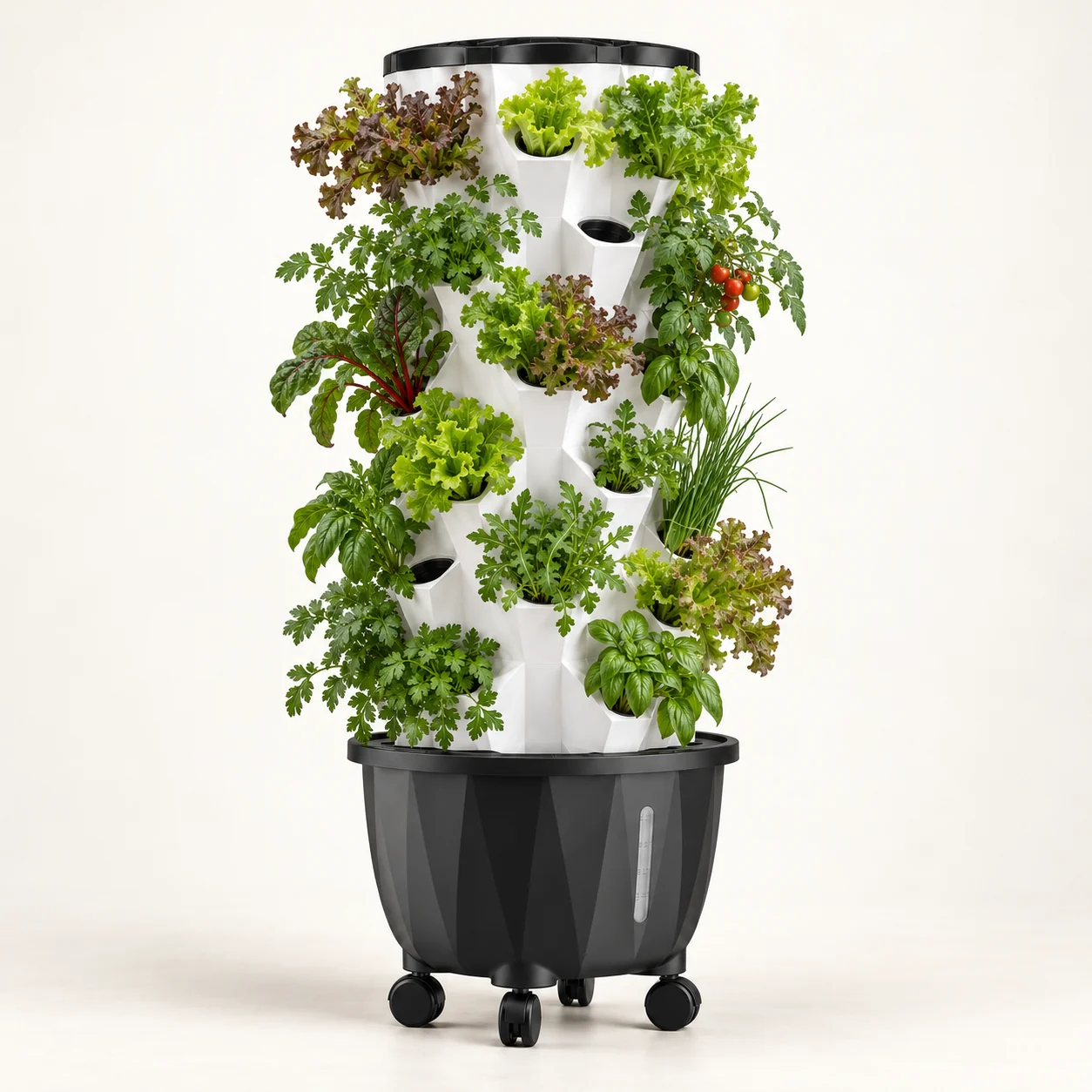
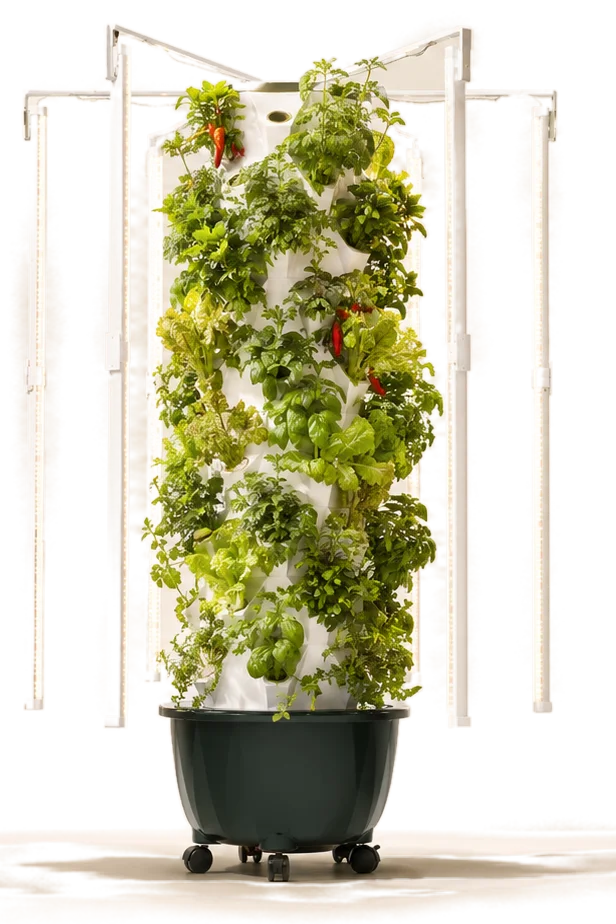
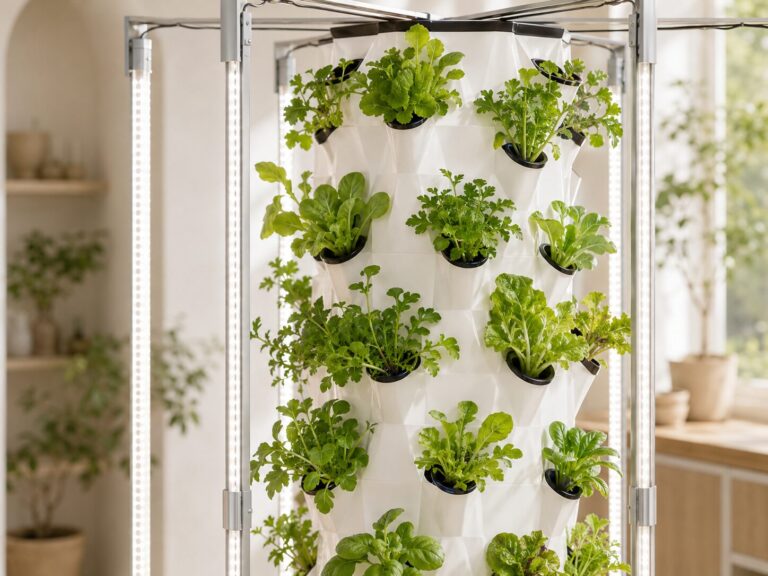
A hydroponic tower is a vertical arrangement of planting sites supplied with water and dissolved nutrients instead of garden soil. The word “tower” describes the layout, not one delivery method. Check how the particular system feeds its roots and provides light.1
How the System Works
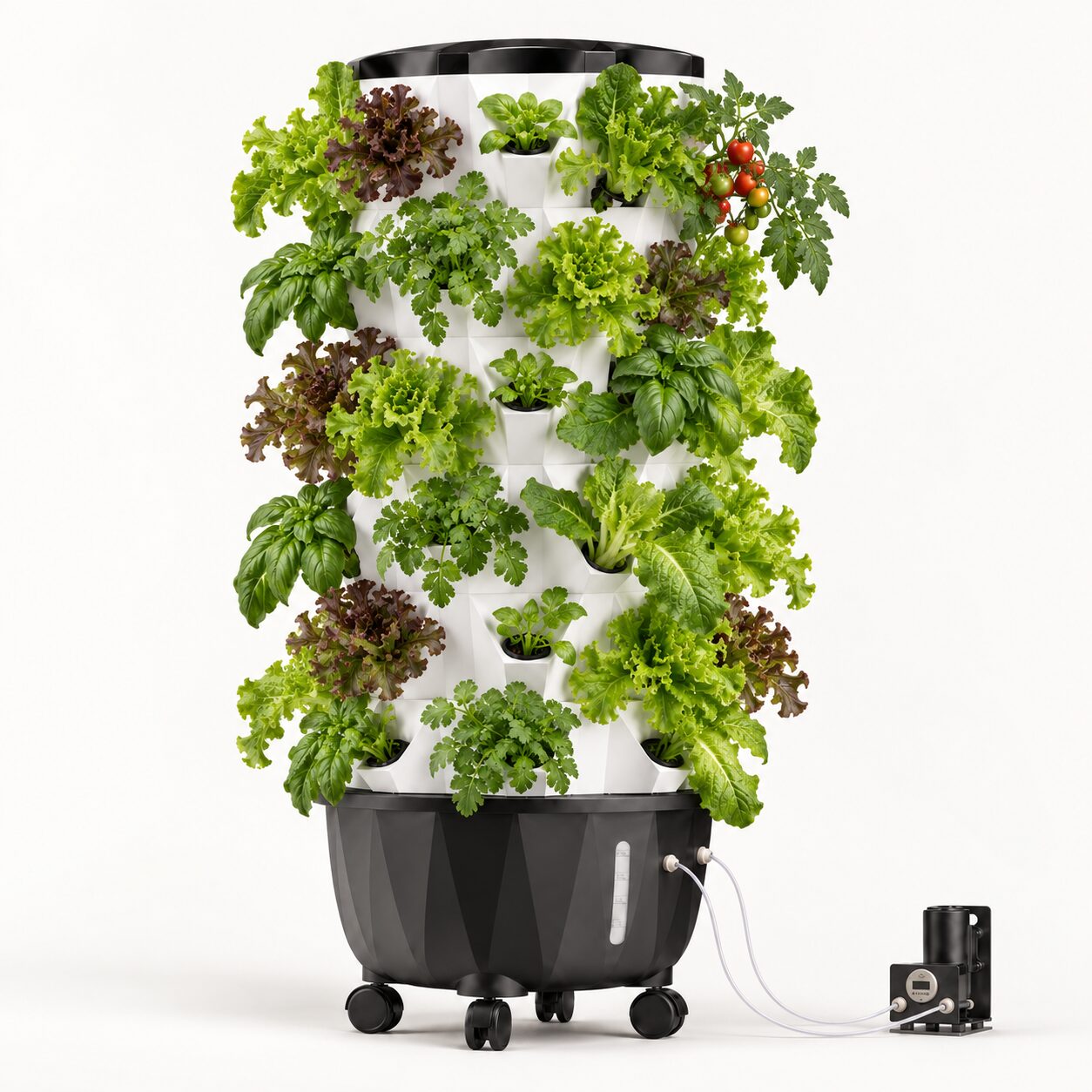
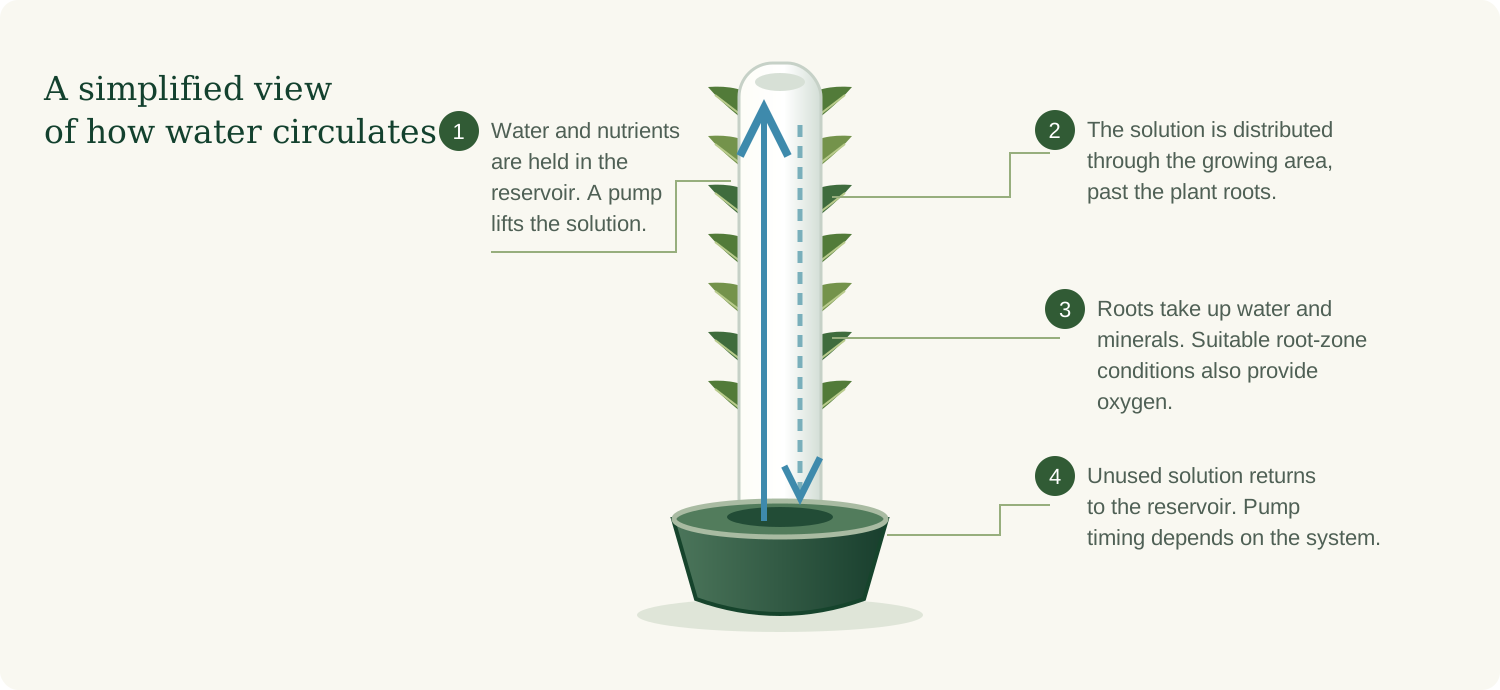
Follow the water through a common top-fed system. The pump moves nutrient solution upward; unused solution returns to the reservoir. This illustration explains the principle, not the assembly or settings of a particular Nutraponics model.1
Are all towers NFT or aeroponic?
No. A tower describes the vertical layout. NFT uses a shallow flow through growing channels; aeroponics sprays exposed roots; deep water culture keeps roots in aerated solution. Ask how a particular model feeds its roots.1
Key Components
Different designs share a few essentials. Components and placement vary by model.1

Reservoir
Holds the water and nutrient solution.
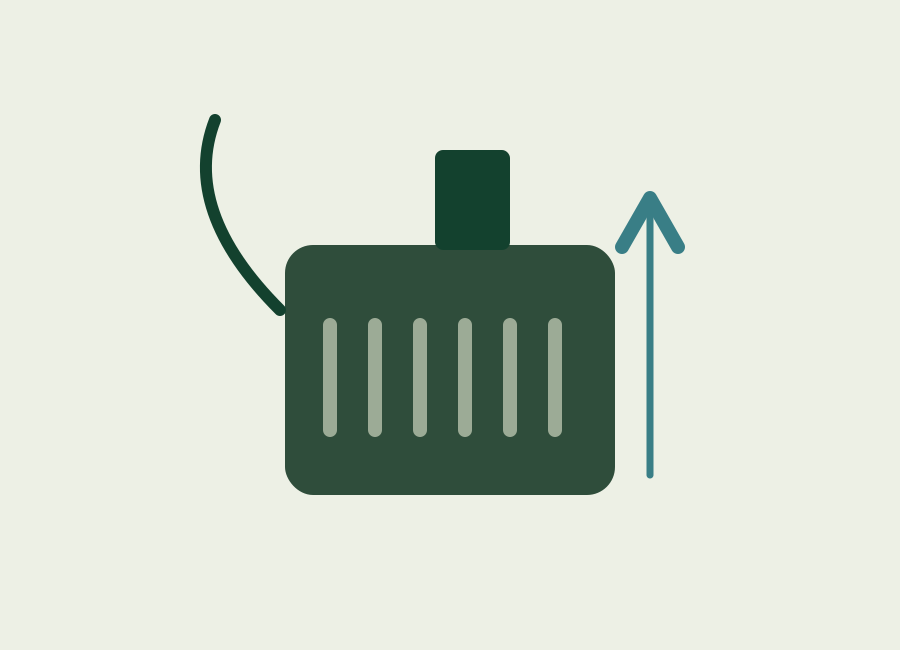
Water pump
Moves solution through the system.

Column
Supports the vertical planting layout.
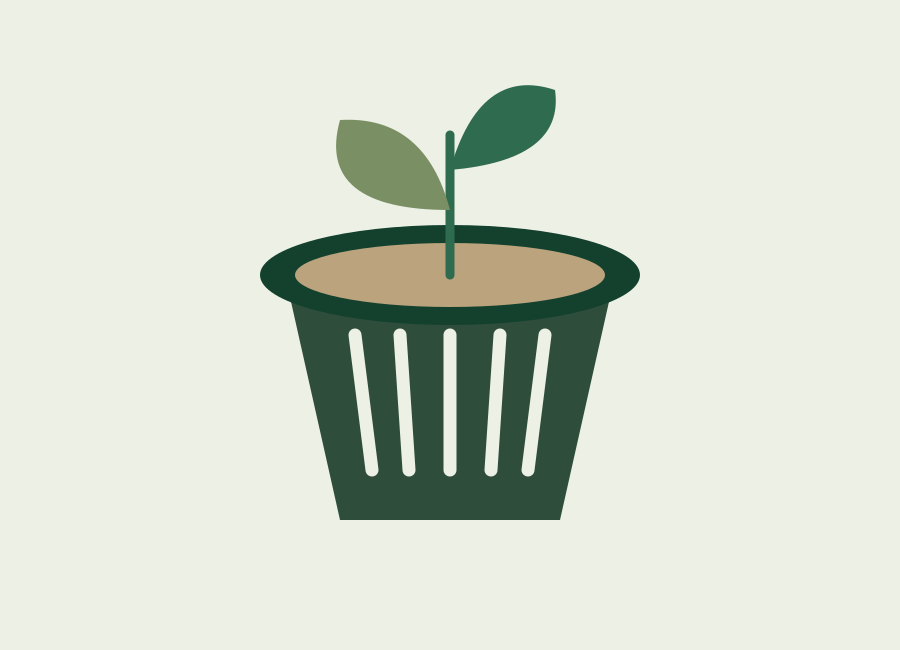
Grow sites
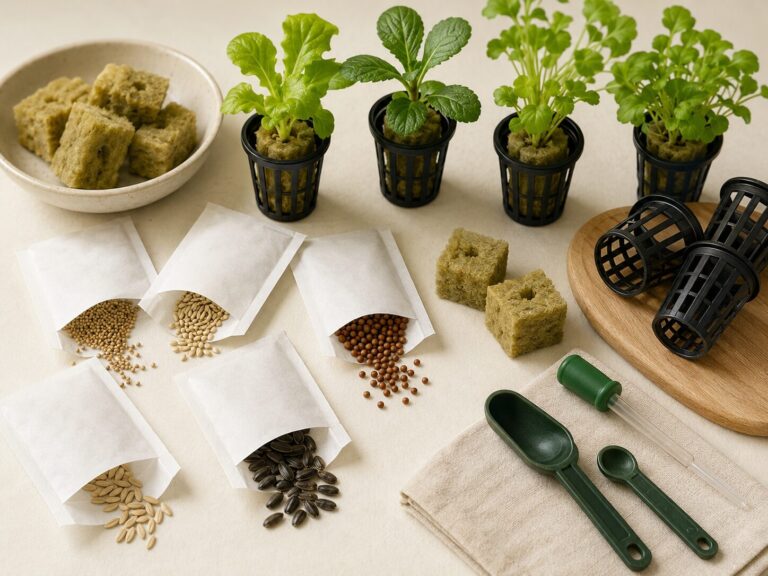
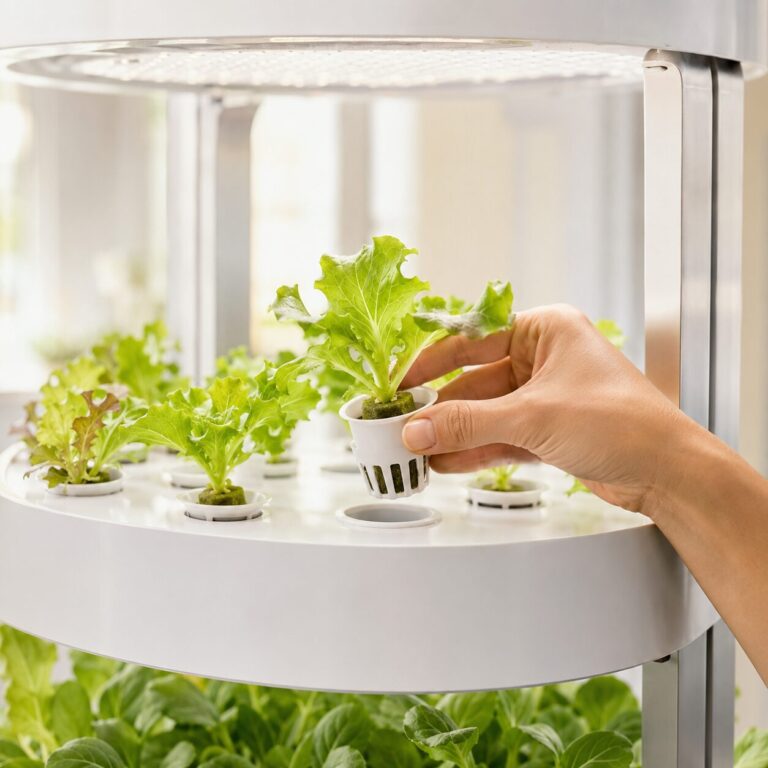
Hold seedlings while their roots grow.
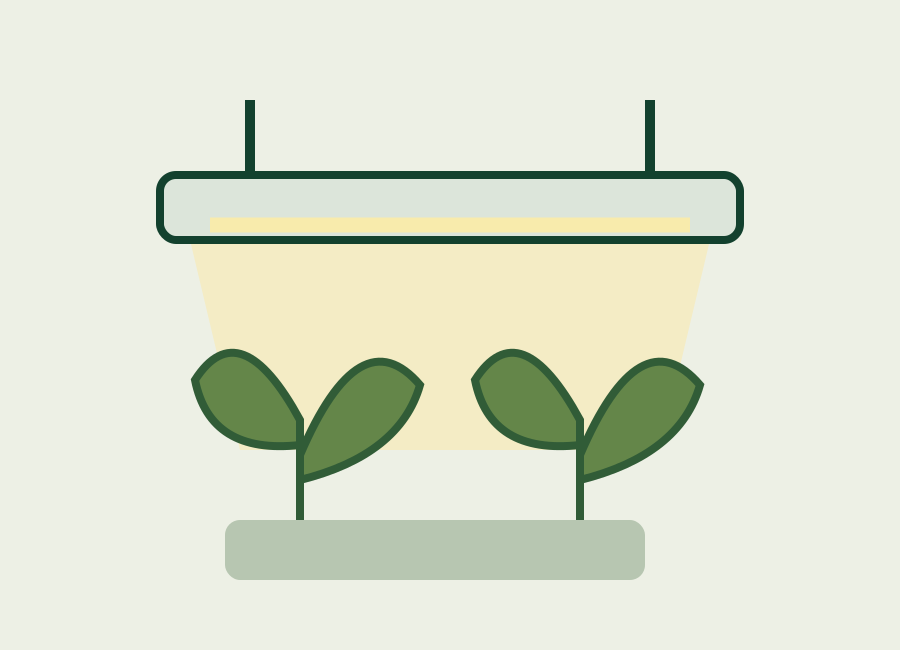
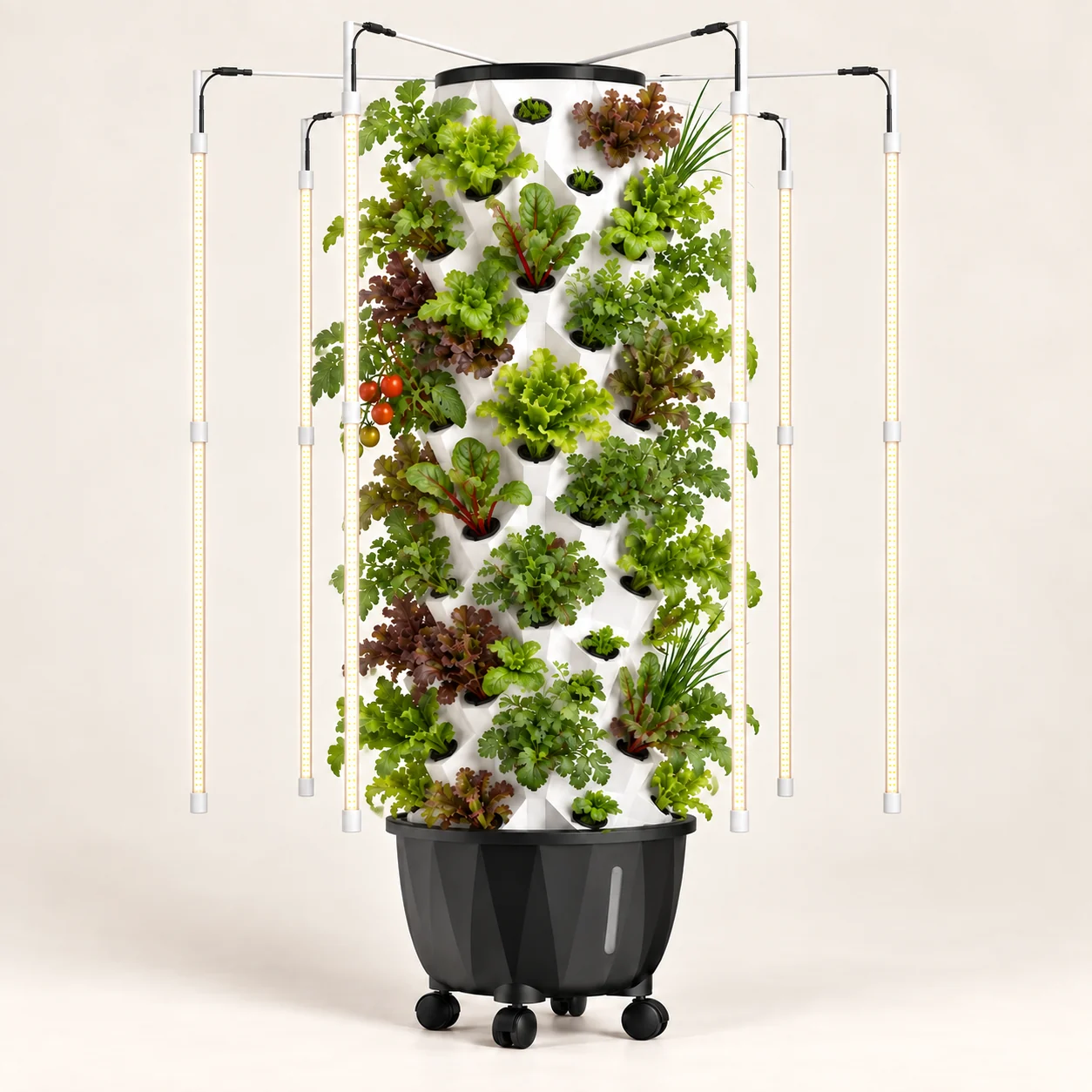
Lighting
When needed: supplies light when sunlight is insufficient.
What Can You Grow?
Choose crops for their mature size, light needs, and growing time—not just the number of planting sites.2
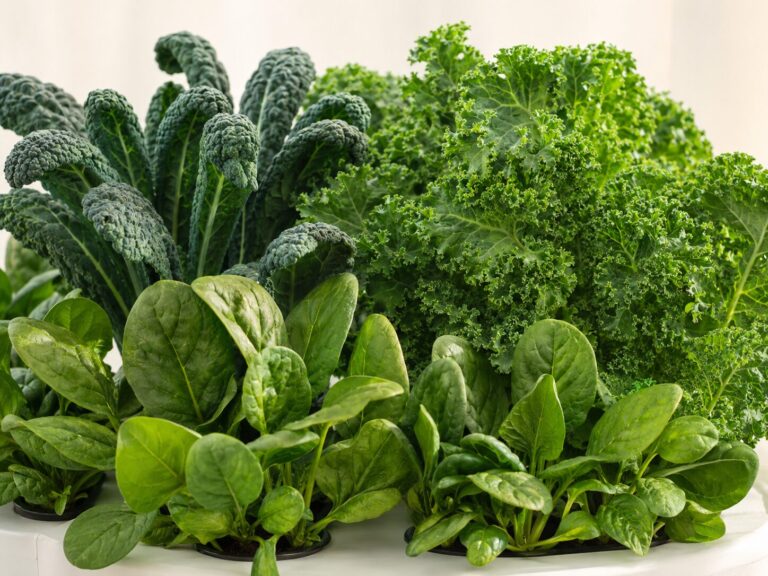
Leafy greens
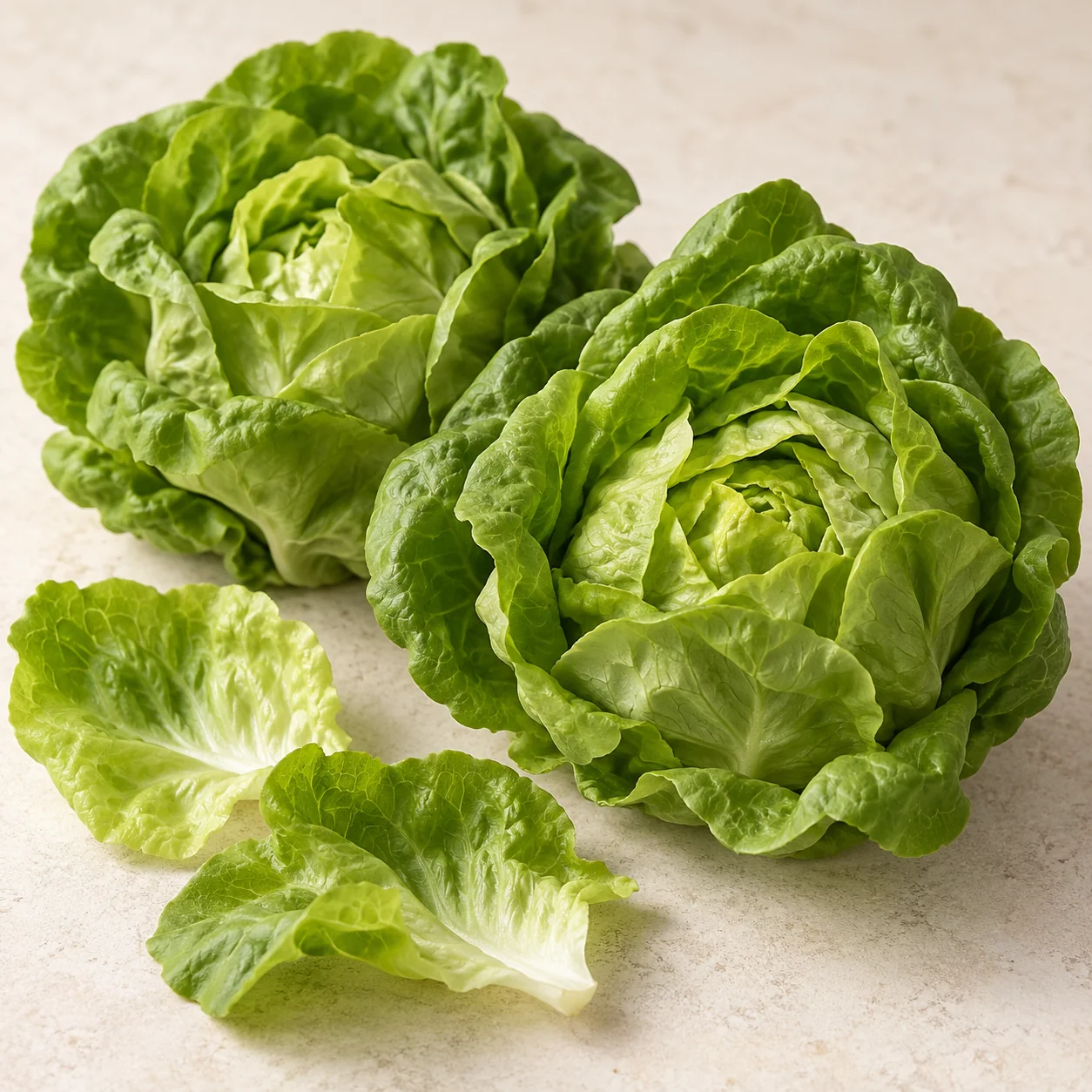
Lettuce, kale, bok choy; leave room for leaves.
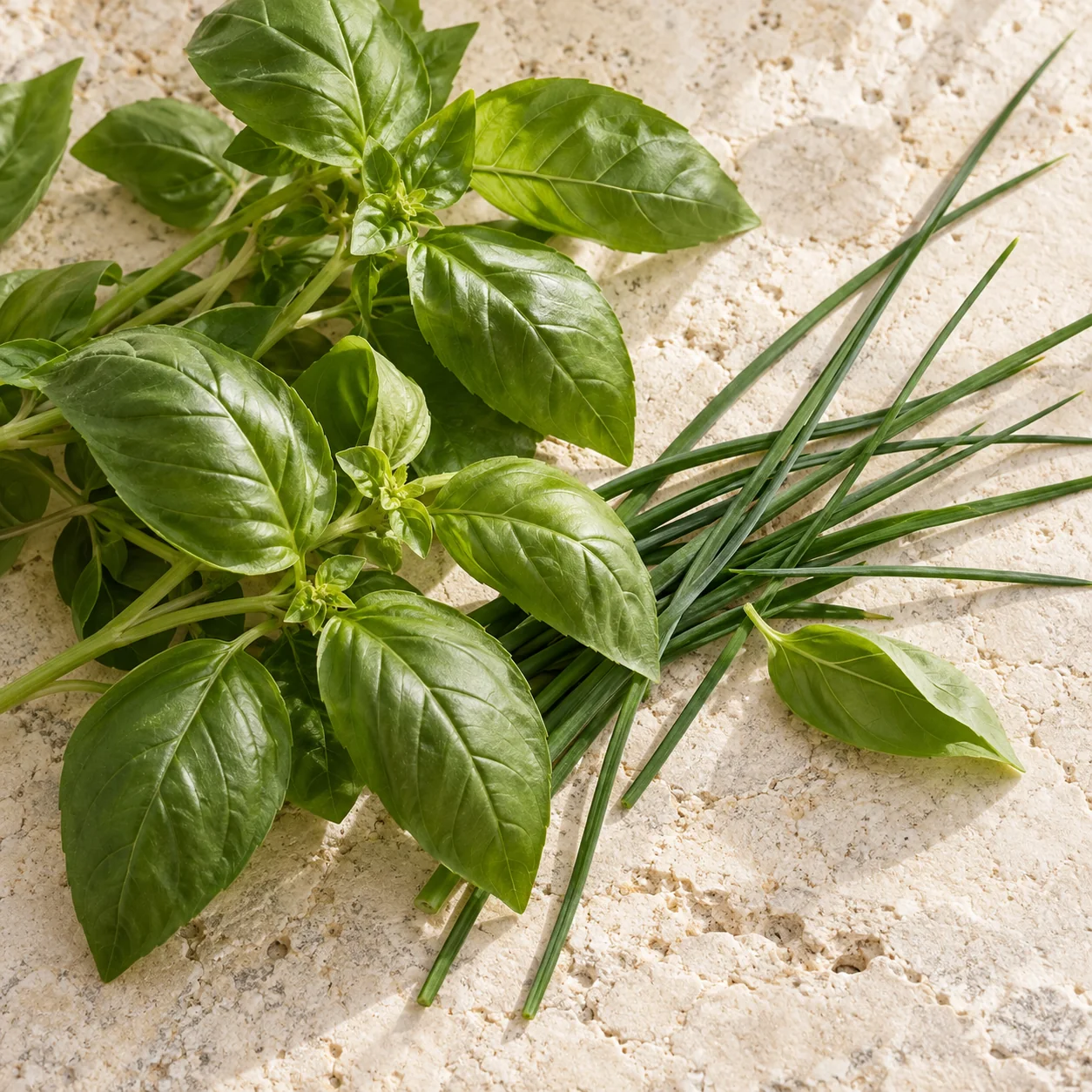
Fresh herbs
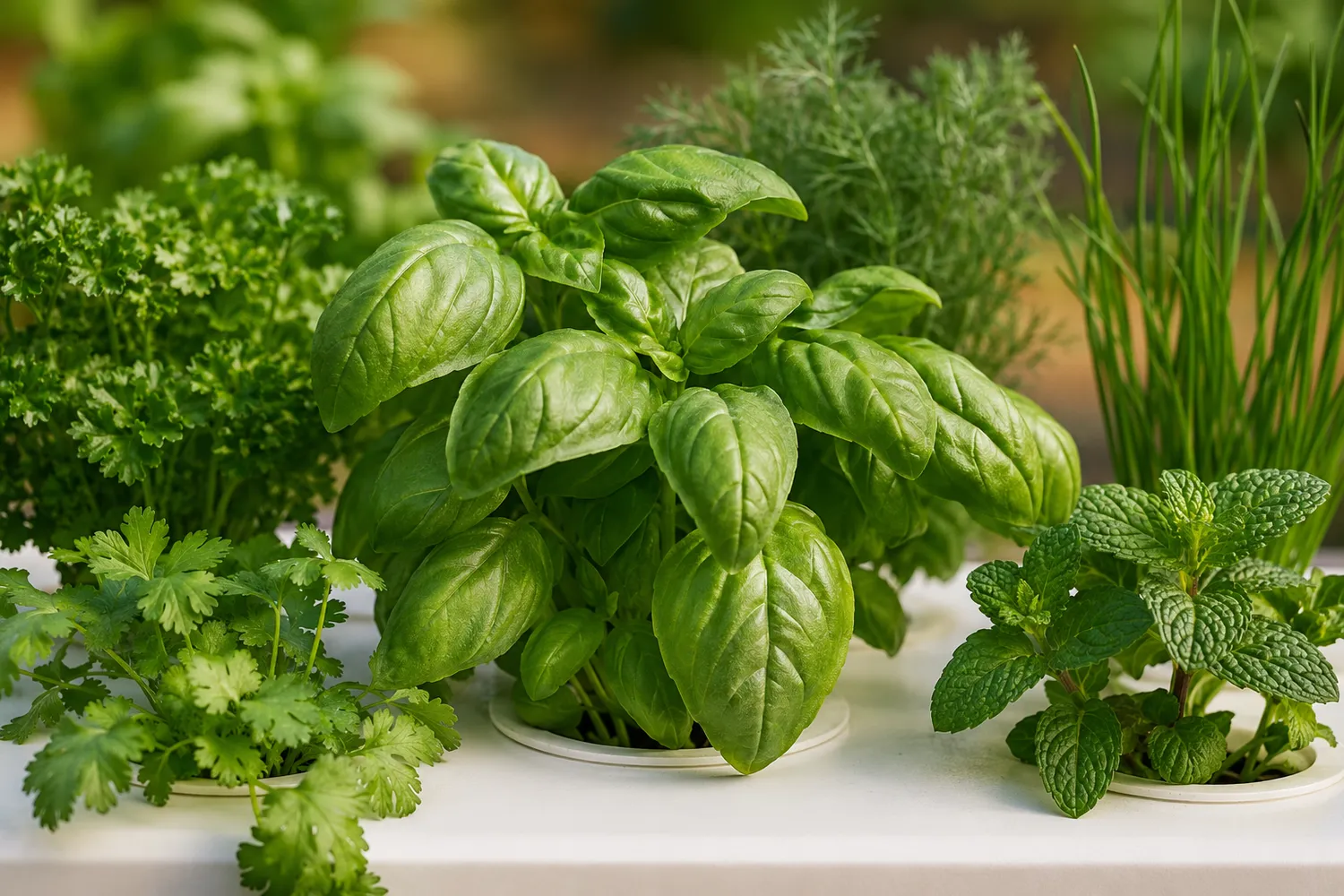
Basil, parsley, cilantro; choose varieties you use.
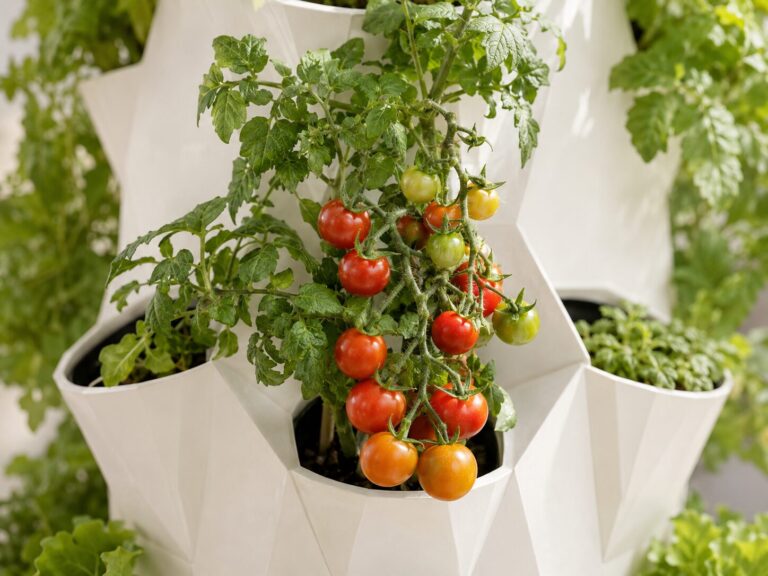
Fruiting crops
Compact tomatoes and peppers need light, space and support.
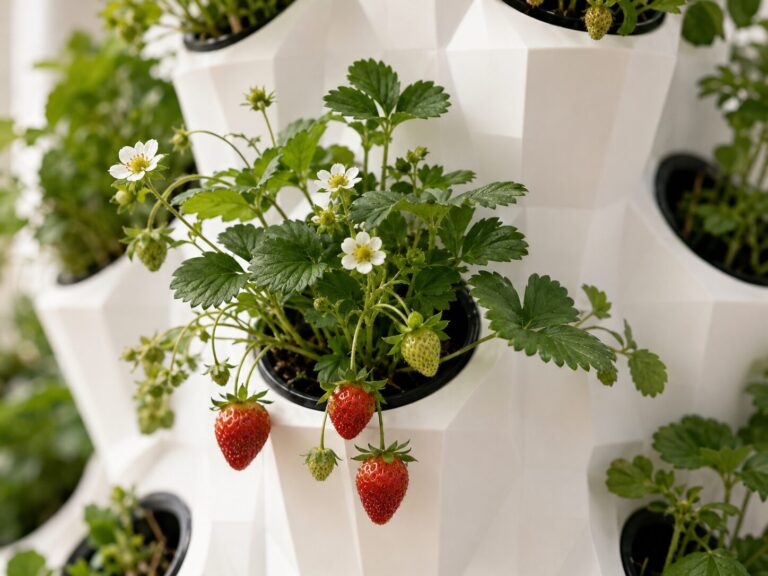
Other options
Strawberries and edible flowers; check the crop’s requirements.
Large root crops are usually a poor fit for planting pockets. Many fruiting crops need attention to pollination.2 Explore crop choices →
Daily & Weekly Maintenance
Automated watering—not a maintenance-free garden.
Check water and flow
Check the reservoir level and delivery daily.
Monitor nutrients and pH
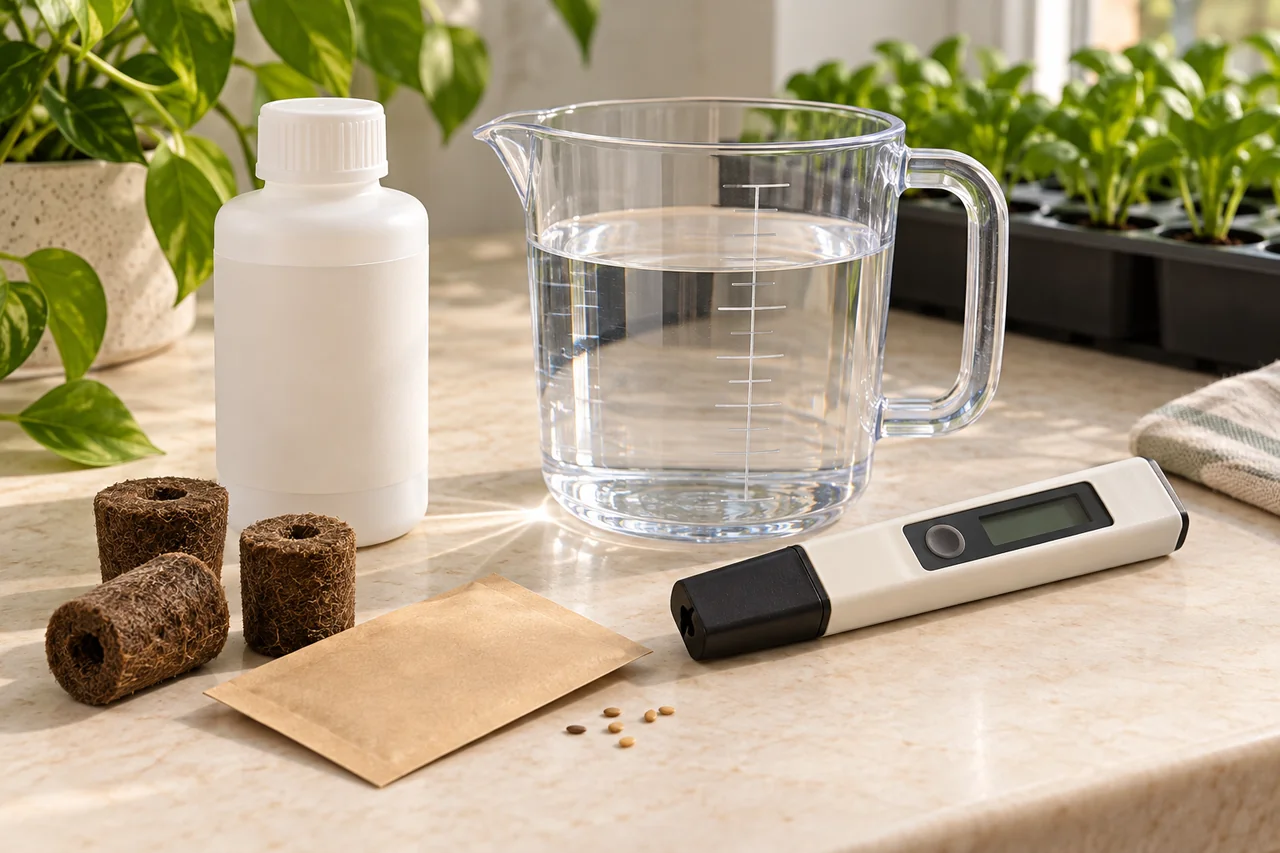
Check pH and EC; follow crop and nutrient-label guidance.3
Ensure proper lighting
Keep coverage even and leave space for mature leaves.4
Clean and observe
Inspect plants and filters. Refresh solution and clean on the recommended schedule.2
Benefits and Trade-Offs
Choose a system you have the space and time to care for.
Key benefits
- Vertical planting
- Recirculation reuses water
- Greens and herbs close to your kitchen2
Things to consider
- Purchase and running costs
- Suitable lighting
- Reliable power
- Regular cleaning and observation
No single design guarantees faster growth, grocery savings, or hands-off care.1
Common Questions
Quick answers to the questions people ask most about hydroponic towers.
Do hydroponic towers need soil?
No garden soil is required. Plants may be supported in a suitable growing medium while nutrient solution supplies the roots. Follow the instructions for the system and growing medium.1
Can I grow indoors year-round?
Indoor growing depends on providing suitable light and other growing conditions. Use the equipment and settings appropriate to the crop and system; year-round results are not automatic.14
What kind of nutrients do I use?
Use a nutrient product formulated for hydroponics and follow its mixing instructions. Concentration and pH targets vary with the crop and growth stage.3
How often should I clean the system?
Follow the manufacturer’s schedule and check plants, roots, filters and flow regularly. No soil does not mean no pests or root disease.2
How much light do plants need?
Requirements depend on the crop and the actual light reaching the plants. A bright-looking room may not be enough; a timer cannot compensate for inadequate intensity.4
What plants grow best in towers?
Leafy greens and herbs are practical starting points. Larger and fruiting crops need more room, light and support, so check their requirements before filling every site.2
Related Guides
View all guides →Keep exploring with more helpful resources.