

Sitewide Sale: Use code Get5Nutra for 5% OFF all products. FREE shipping & 30-Days Hassle-Free ReturnsShop Now

Aeroponic Towers: A Smarter Way to Grow Faster, Cleaner Harvests at Home

Aeroponic Towers: The Smartest Way to Grow at Home

The appeal of growing your own food at home continues to grow—but with busy schedules and shrinking spaces, most people don’t want soil, mess, or setup drama. Enter the aeroponic tower: a vertical, soil-free garden system that delivers nutrient mist directly to suspended roots. Combining efficiency with style, it’s quickly becoming the go-to solution for modern home growers. If you want to explore other tower options, you can read about vertical hydroponic garden towers read about vertical hydroponic garden towers and also read about vertical aeroponics farming systems for additional insight.


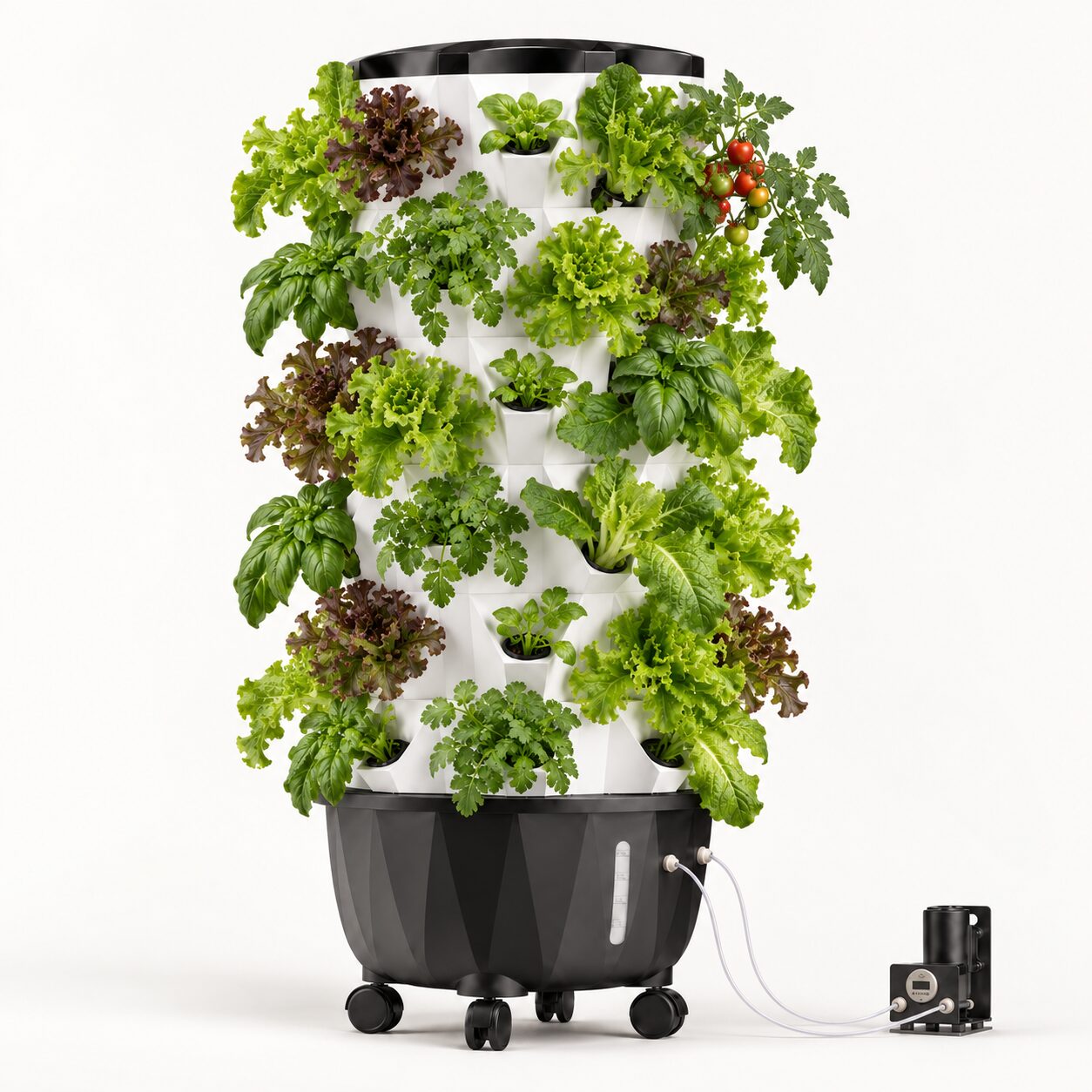
Aeroponic towers take a different approach to hydroponic garden towers, using misting to make the most of oxygen exposure, nutrient delivery, and space. Nutraponics designs these systems for people who want real results without complexity—transforming corners of homes into clean, productive microfarms. To learn foundational concepts first, you may learn more about how hydroponic towers work or check out our indoor hydroponic gardens.


TL;DR

What Is an Aeroponic Tower? (Definition)

An aeroponic tower uses fine nutrient mist to feed plant roots suspended in air, offering faster growth, cleaner harvesting, and very efficient water use. It’s compact, efficient, and well-suited to homes that value innovation and sustainability.


What Is an Aeroponic Tower?

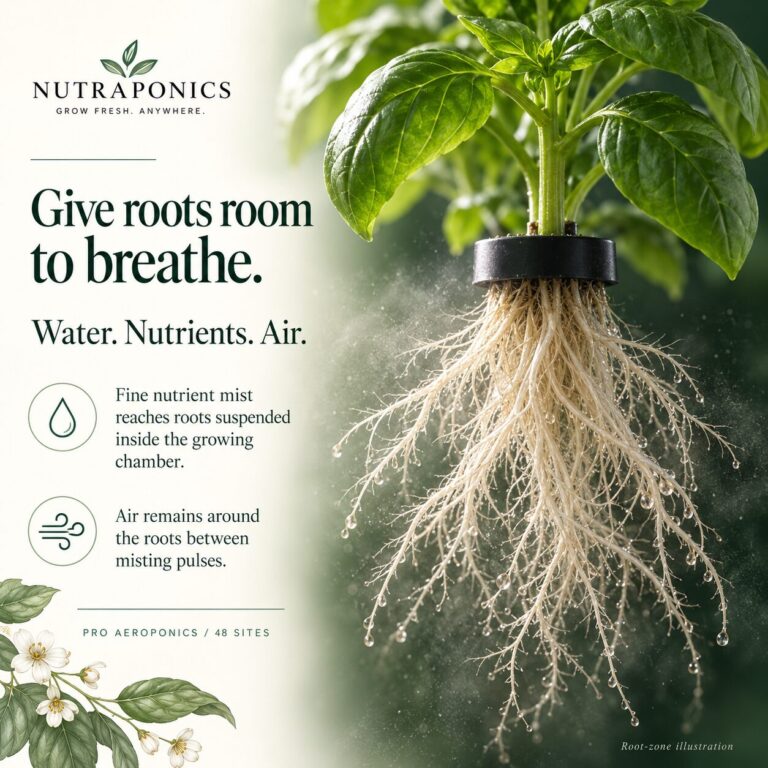
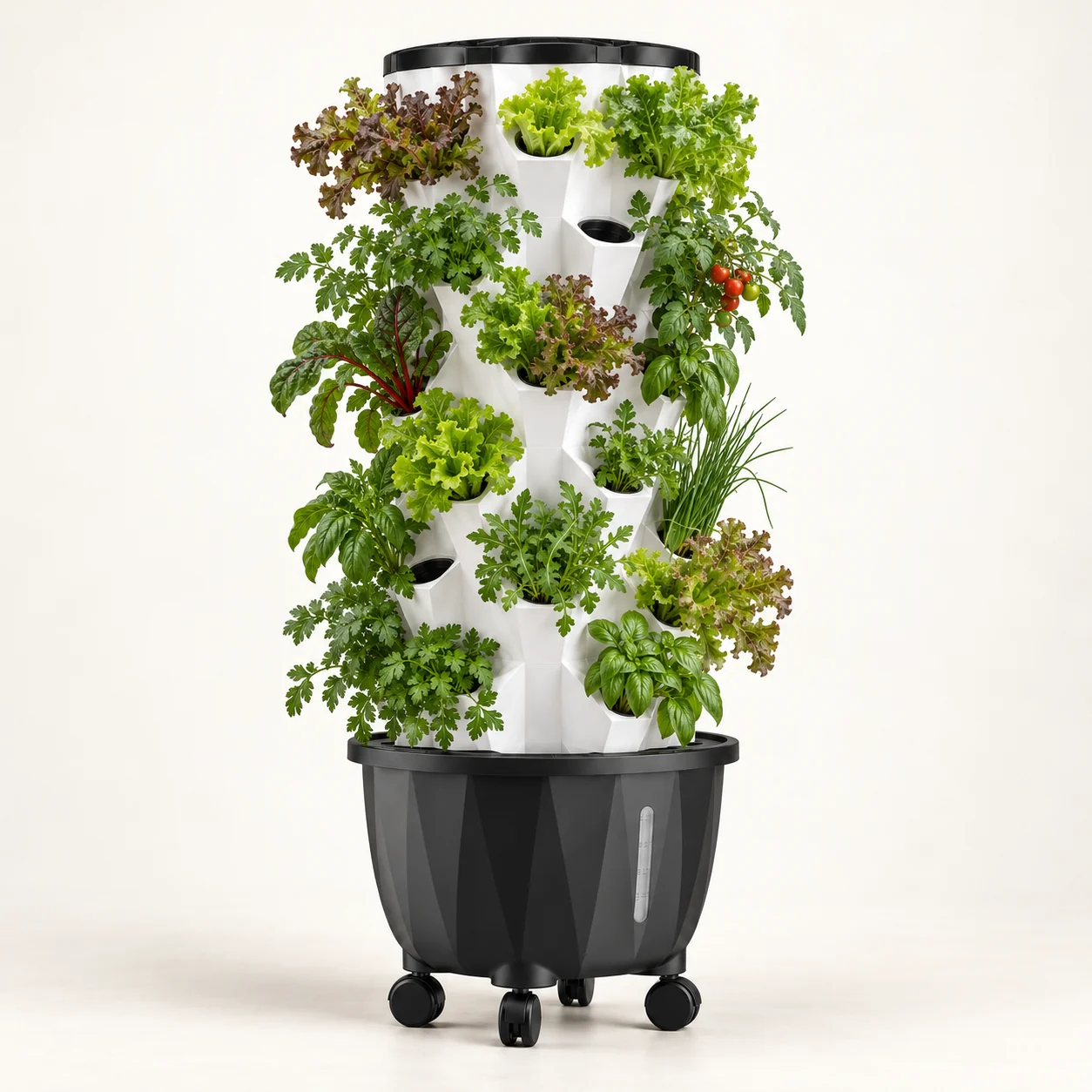
Aeroponics is a method of growing plants in air without soil or even standing water. In an aeroponic tower, multiple plant sites are arranged vertically around a central mist chamber. At regular intervals, nutrient solution is atomized and sprayed onto the exposed roots. This precision misting provides nutrients and hydration while allowing high oxygen exposure.

Unlike a hydroponic tower, which floods or drips nutrient solution over roots, an aeroponic system relies on fine sprays to coat root surfaces—making nutrient uptake more efficient, growth faster, and harvest cleaner.


Aeroponics vs Hydroponics: What’s the Difference?

Aeroponics and hydroponics share a core goal—growing plants without soil—but differ significantly in execution and outcomes.

Hydroponic systems circulate nutrient solution through roots that are partially or fully submerged. Aeroponic systems suspend roots in air and deliver nutrients via intermittent mist.

Key differences:

  • Water Delivery: Hydroponics floods or drips; aeroponics sprays.
  • Oxygen Exposure: Aeroponic roots are fully aerated, hydroponic roots often sit in water.
  • Growth Speed: Aeroponics can support faster growth than hydroponics, thanks to the extra oxygen reaching the roots.
  • Water Efficiency: Both use far less water than soil, and aeroponics can use even less than hydroponics because the mist is recirculated.


Side-by-Side Comparison Chart

Feature Aeroponic Tower Hydroponic Tower
Water Delivery Fine mist sprayed onto suspended roots Roots submerged or trickled with nutrient solution
Oxygen Availability Very high—roots fully exposed to air Moderate—roots partially waterlogged
Growth Speed Faster than soil, often faster than hydroponics Faster than soil
Water Usage Extremely low—minimal waste, mist recirculated Low—recirculates nutrient solution
Maintenance Moderate—nozzle cleaning and misting calibration needed Lower—easier for beginners
Setup Complexity Medium—requires timer setup and mist calibration Easy—many plug-and-play options
Yield Consistency High—optimized oxygen and nutrients across sites High—with automation
Suitability for Indoors Excellent—compact and clean Excellent, especially vertical indoor models
Power Consumption Low—small pump and optional LEDs Low—comparable to aeroponics
Best For Advanced growers, faster yields, clean aesthetics Beginners, low-effort yields, simpler setups


Aeroponic Towers for Vertical Farming and Urban Gardening

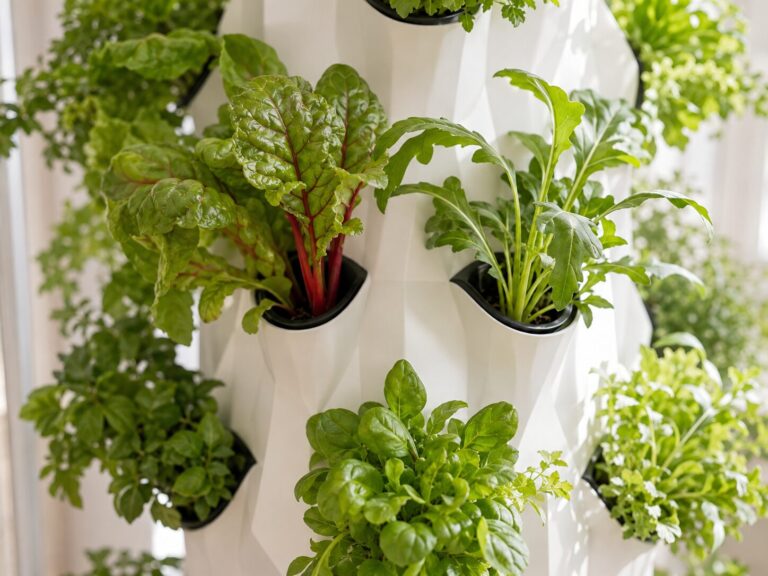
Because an aeroponic tower grows upward rather than outward, it turns a small footprint into a surprising amount of growing space, which is exactly why it suits vertical farming and urban gardening. A single tower can hold dozens of plants in the floor space of a stool, so apartments, balconies and kitchen corners become viable growing spots.

It also fits the wider move toward controlled-environment agriculture: growing indoors where light, temperature, humidity and nutrients are all managed rather than left to the weather. That control is what lets a tower produce consistent harvests in a city flat in the middle of winter. For anyone growing where outdoor space and reliable sunlight are in short supply, stacking growing sites vertically and controlling the environment is the most practical way to grow real quantities of food at home.


Why Aeroponic Towers Are Ideal for Home Use

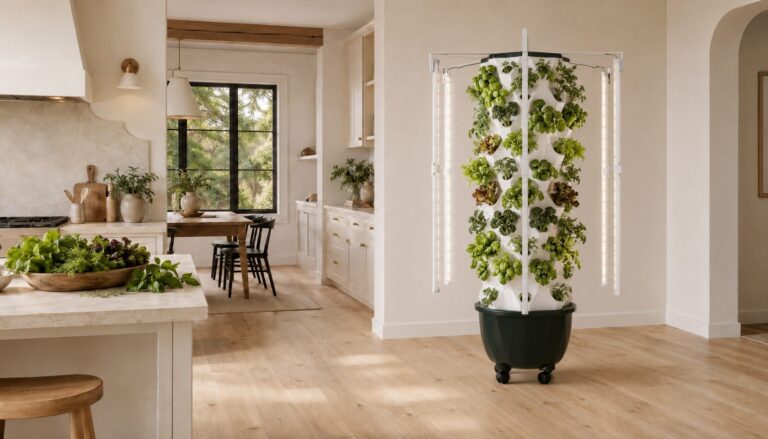
Homes don’t typically have agricultural space, but an aeroponic tower turns even tight corners into productive microfarms. Because roots are always misted—not submerged—there’s no soil, no mess, and far fewer pests.

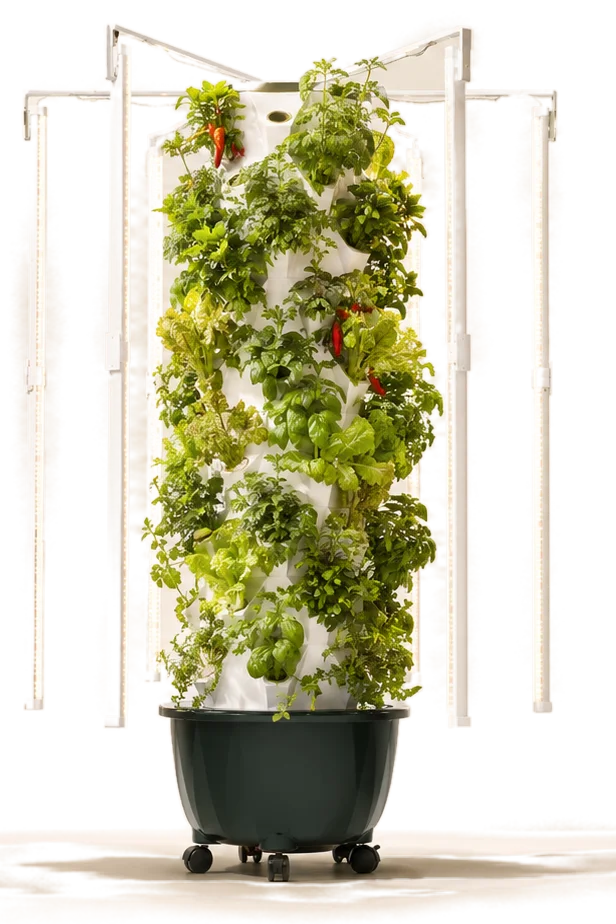
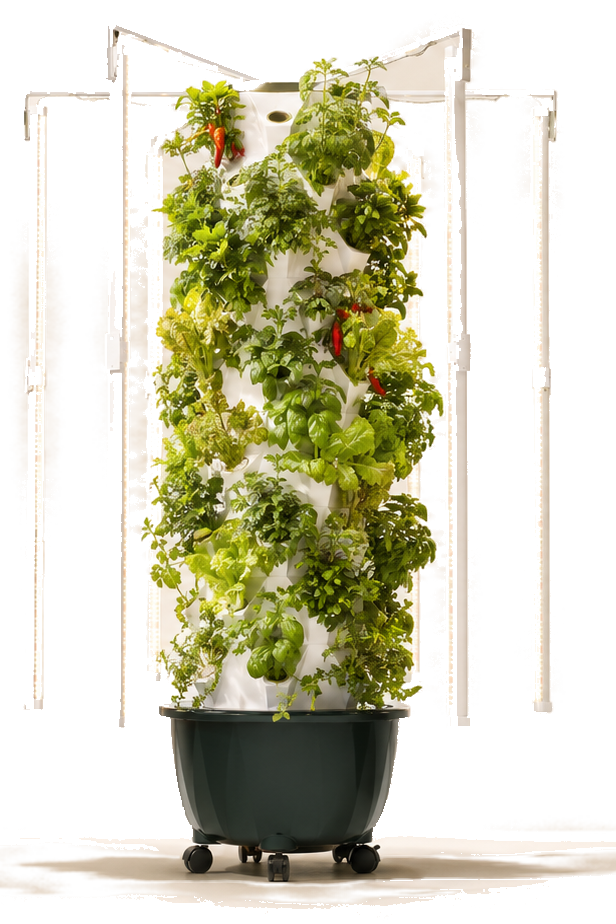
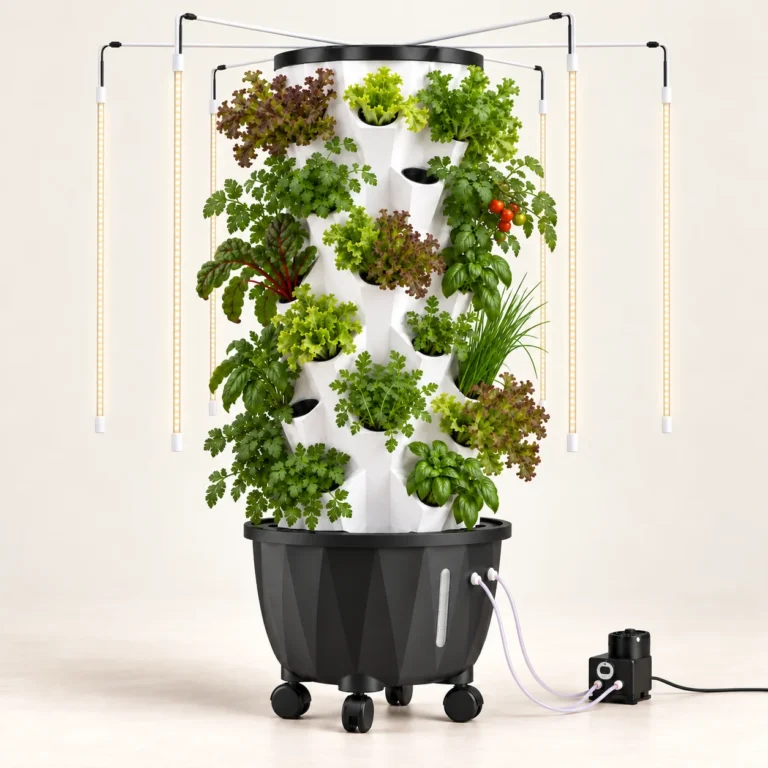
Water usage is minimized: aeroponic towers use significantly less water than growing in soil, and can use even less than a comparable hydroponic system because the mist is recirculated. The combination of high density output, low mess, and sleek design makes these towers perfect for kitchens, living rooms, or balconies. Nutraponics’ aeroponic models include integrated timers, food-safe materials, and built-in LED lighting, making them highly suited to modern homes.


Water and Energy Efficiency

Efficiency is a real strength of soil-free growing. Because the system mists the roots rather than flooding them and recirculates whatever isn’t absorbed, very little water is wasted. Peer-reviewed research on soil-free systems reports water use up to around 90% lower than conventional soil farming (Hydroponics: current trends in sustainable crop production, 2023), and an aeroponic tower can be more sparing again because the mist is captured and reused. In a drought-prone region, or simply on a water bill, that adds up.

Energy use stays low too. The main draw is a small pump running on a timed cycle, plus LED grow lights if you’re indoors, both of which are modest, comparable to running a desktop computer and a lamp. So you get a high-output garden without a meaningful jump in either your water or electricity costs.


How to Set Up and Maintain an Aeroponic Tower

Setup is surprisingly approachable:

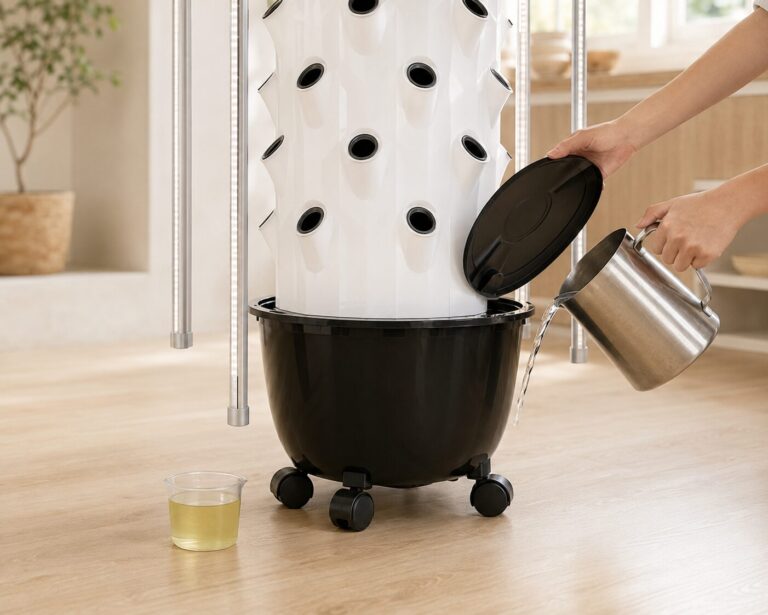
First, choose a location with steady temperature and access to power—even natural light if possible. Nutraponics towers snap together modularly. Fill the reservoir with water and add hydroponic-grade nutrients. Insert seedlings into rockwool or net pots and slot into grow sites.

Set mist cycles (typically 5–10 seconds every few minutes) and program optional LED grow lights. Check and refill nutrient solution weekly, and clean or rinse nozzles every few cycles to prevent clogs.

Every 3–4 weeks, flush and sanitize the system to retain efficiency. Though aeroponic setups demand a bit more attention than hydroponic systems, the results—cleaner roots and faster growth—make the extra attention worth it.


Lighting Your Aeroponic Tower (LED Grow Lights)

If your tower lives indoors or away from a bright window, LED grow lights do the job the sun would otherwise do. A few things to get right:

  • Spectrum: full-spectrum LEDs cover the wavelengths plants use across their whole life cycle, from leafy growth to flowering and fruiting.
  • Duration: most leafy greens and herbs do well with around 12–16 hours of light a day on a timer. Fruiting plants like strawberries or peppers often want a little more.
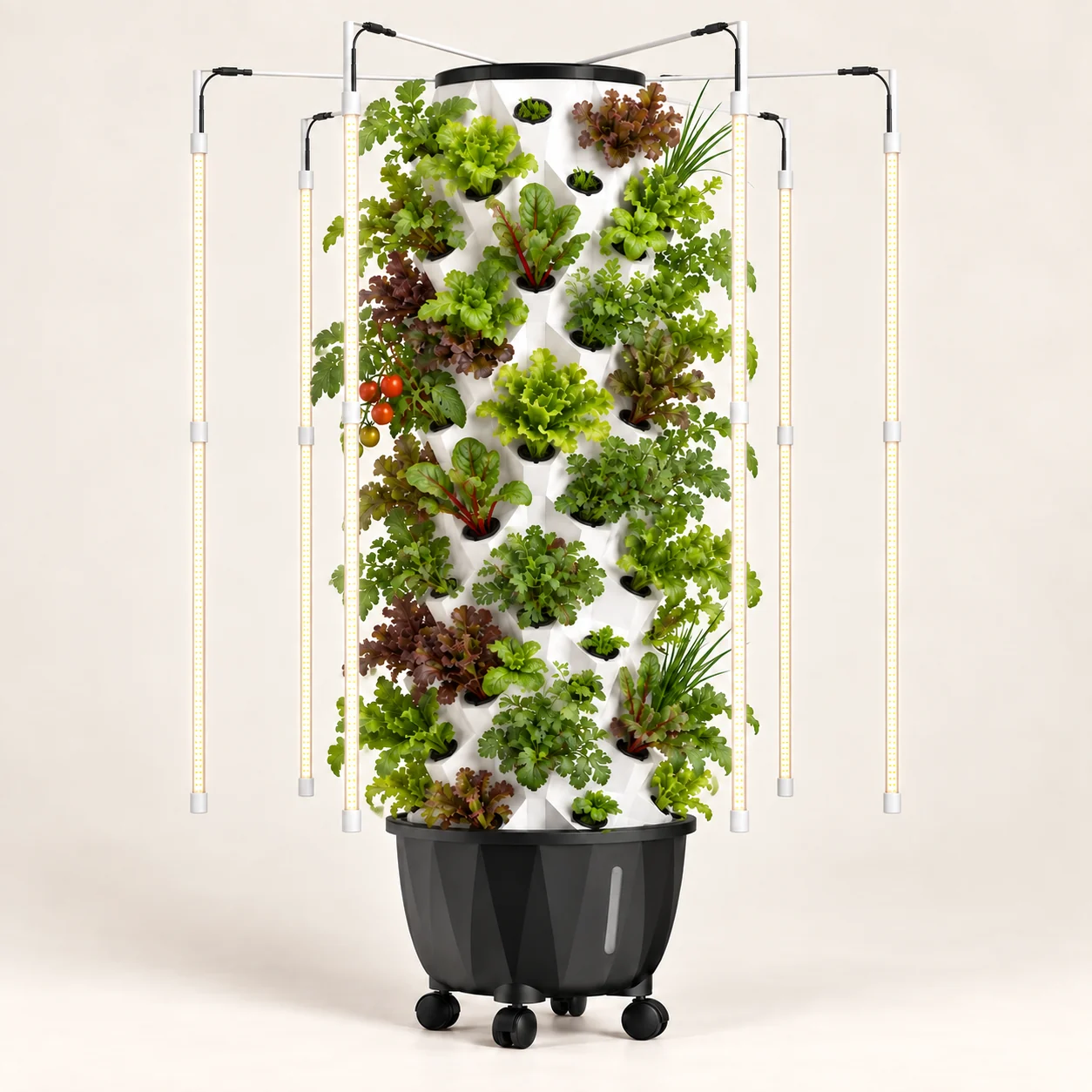
  • Distance and coverage: keep the lights close enough to drive growth but not so close they stress the plants, and make sure every side of the tower is lit evenly. Towers with integrated LED rings handle this automatically.


Dialling in your lighting is one of the biggest levers on yield: too little light gives you pale, leggy plants no matter how good the misting is. Nutraponics towers with built-in LED grow lights take the guesswork out of placement and timing.


Getting the Nutrient Mix Right

Since there’s no soil, the nutrient solution is the plant’s entire food supply, so it’s worth getting right. Use a hydroponic-grade nutrient mixed into the reservoir at the recommended strength, and keep the pH in the roughly 5.5–6.5 range so the roots can actually absorb what’s in the water. A cheap pH meter and an EC meter (which reads nutrient strength) make this a two-minute weekly check rather than guesswork. For the full detail on mixing, feeding and adjusting, see our complete hydroponic nutrients guide.


Troubleshooting Common Problems

Aeroponic towers are reliable, but because they depend on misting, a few issues are worth knowing how to spot and fix:

  • Clogged misting nozzles: the most common aeroponic issue. If some plants look thirsty while others are fine, a nozzle is likely blocked by mineral build-up. Soak and rinse the nozzles, and flush the system regularly to prevent it.
  • Pump or pressure failure: if the mist stops, roots dry out fast because there’s no reservoir of water around them. Check the pump and timer first if plants wilt suddenly.
  • pH drift: yellowing leaves or stalled growth with a full reservoir usually means the pH has drifted out of range. Test and adjust back to 5.5–6.5.
  • Algae: green slime means light is reaching the nutrient solution. Keep light off the reservoir and clean the affected parts.
  • Root browning: brown or slimy roots point to a solution that’s too warm or not clean. Keep the reservoir cool and sanitise on schedule.


What You Can Grow in a Tower System

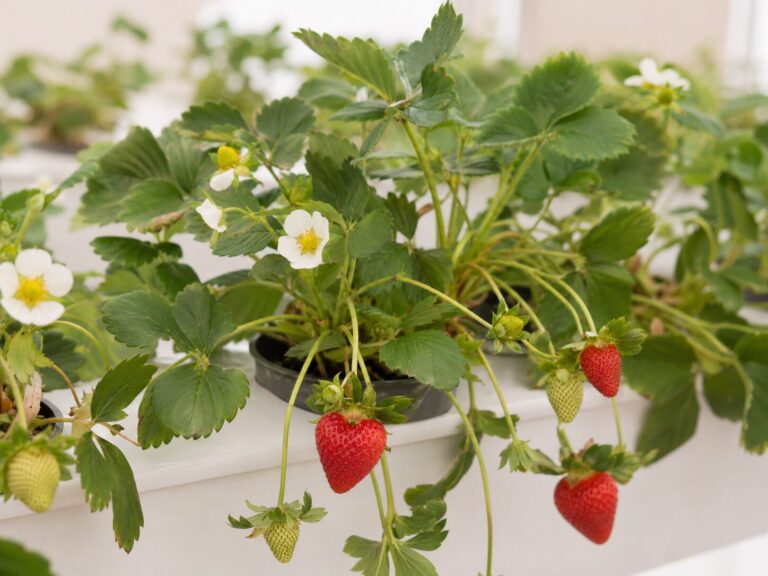
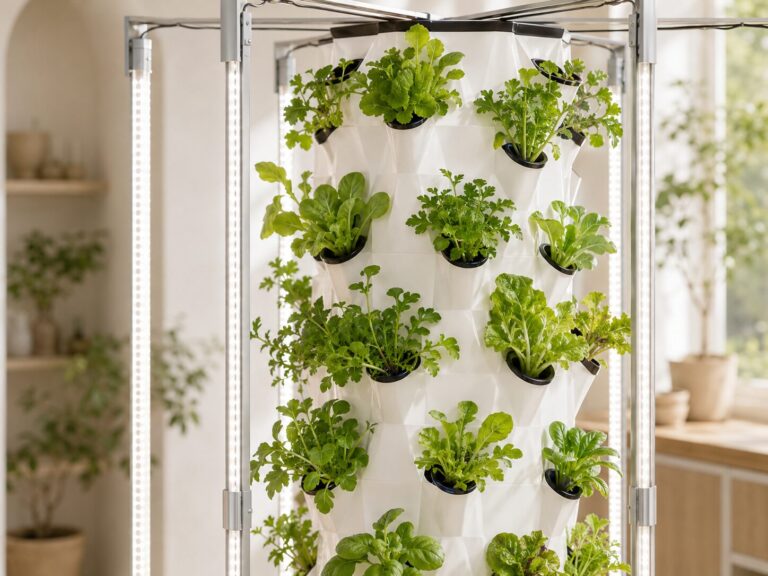
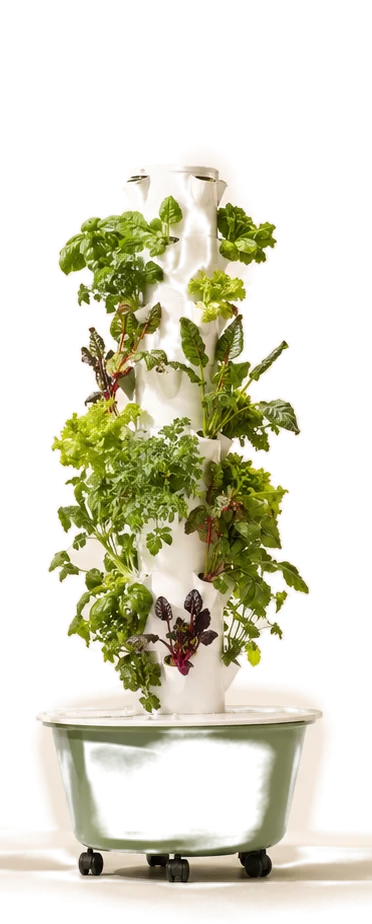
Aeroponic towers excel with shallow-rooted plants and compact fruiting varieties. They’re especially well-suited to leafy greens, herbs, and even strawberries.

Common choices include:

  • Lettuce (oak leaf, butterhead, romaine)
  • Spinach, kale, Swiss chard
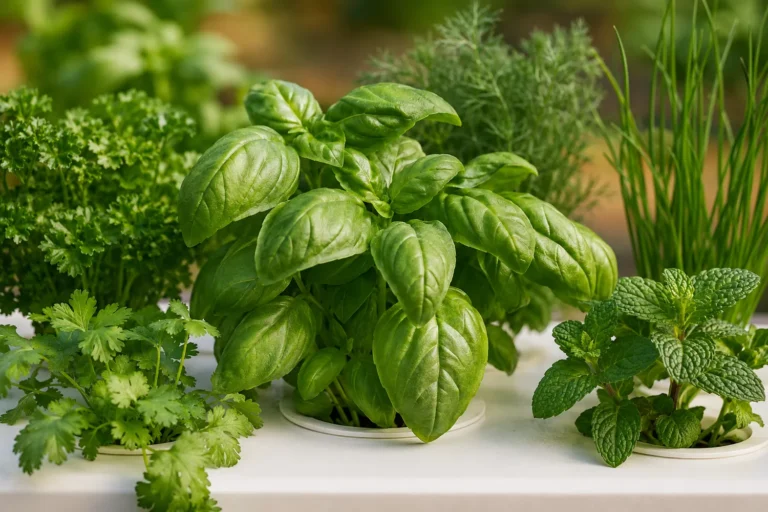
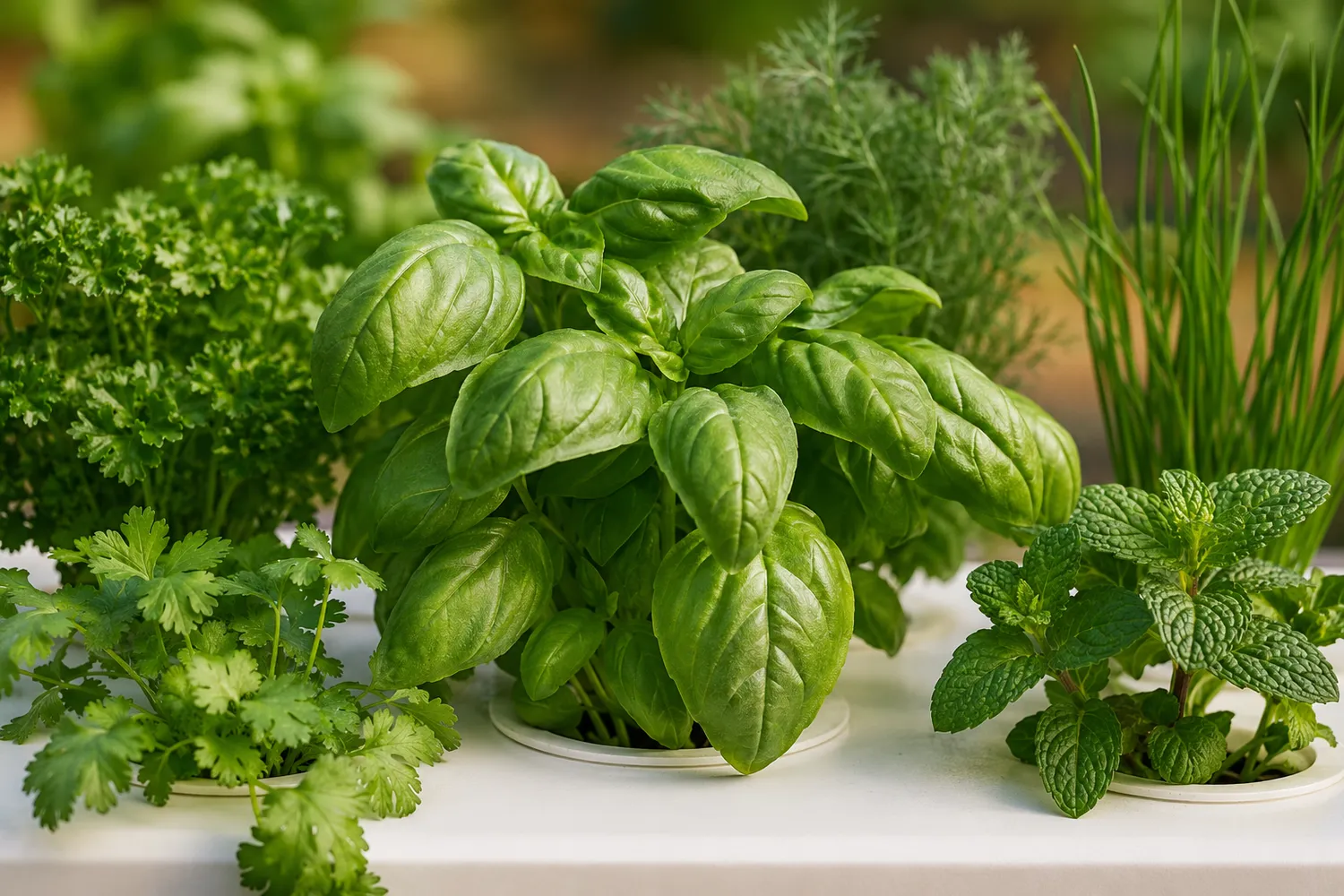
  • Basil, parsley, mint, cilantro
  • Arugula, bok choy
  • Strawberries

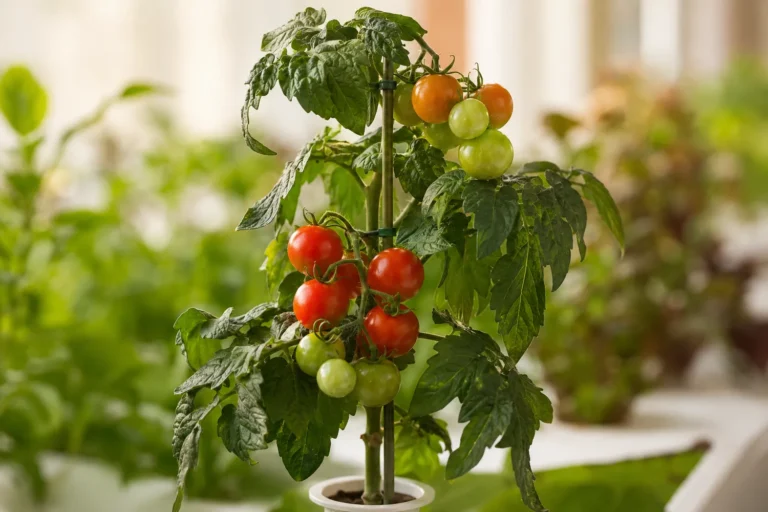
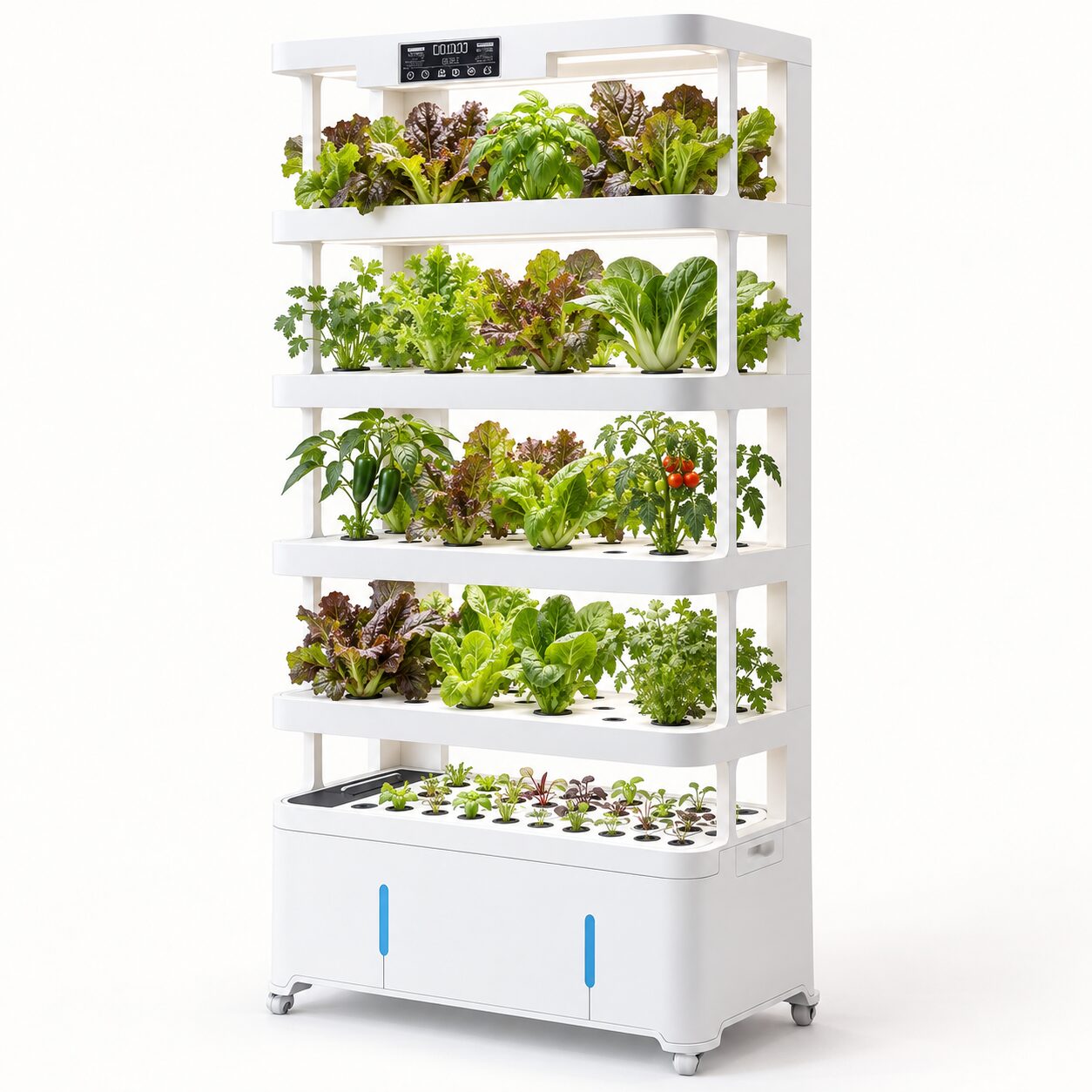
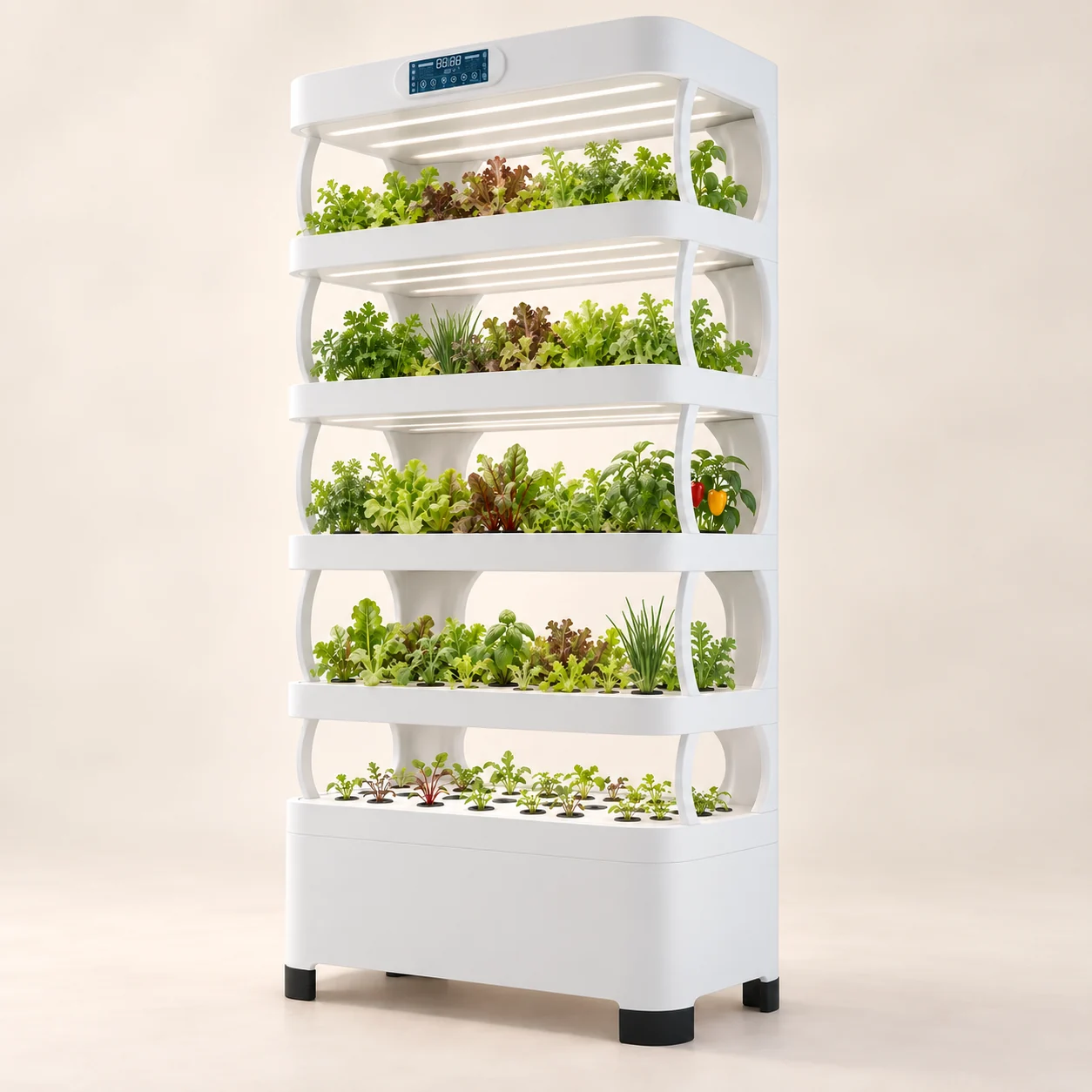
With staking and pruning, small peppers or cherry tomatoes are possible—though deep root crops like potatoes, carrots, and squash are not ideal. For a fuller list of what thrives and how to grow each, see our guide to the best plants for hydroponics. For larger setups, Nutraponics’ Automated Pro Shelf Tower offers expanded capacity and flexibility.


hydroponic tower

Choosing an Aeroponic Tower: What to Look For

If you’re comparing towers, a few things separate a good buy from a frustrating one:

  • Number of grow sites: match capacity to how much you actually want to harvest each week.
  • Built-in lighting: essential if you’re growing indoors; a tower with integrated LEDs saves you rigging up separate lights.
  • Misting system quality: look for reliable nozzles and an easy-to-clean design, since misting is the heart of an aeroponic system.
  • Materials: food-safe, BPA-free plastics that won’t degrade after a season.
  • Automation: timers for misting and lighting take the daily fuss out of it.
  • Expandability: a modular system lets you add capacity later without starting over.

You can compare Nutraponics models or shop the full range to find the right fit.


Expanding Your Setup

One of the quiet advantages of tower growing is that it scales. Once you’re comfortable running a single tower, adding a second (or moving up to a larger system) works exactly the same way: same misting, same nutrients, same routine, just more of it. Growers often start with one tower for greens and herbs, then expand once they see how much a small footprint can produce. For a bigger jump in capacity, a shelf-style system like the Automated Pro Shelf turns a hobby setup into a genuine home food supply.


Real Benefits: Clean, Compact, Consistent

Aeroponic towers represent a next-level approach to home farming, combining speed, cleanliness, and precision:

  • Faster Growth: Misted roots absorb nutrients more efficiently and receive constant oxygen exposure, boosting growth and yield.
  • Cleaner Harvests: Without soil, plants are cleaner and easier to rinse or serve—ideal for those focused on food purity.
  • Space Optimization: Aeroponic systems require minimal footprint—perfect for city dwellers or small homes converting corners into gardens.
  • Sustainability: These systems drastically reduce water use and fertilizer runoff, offer pesticide-free produce, and support local, low-carbon food production.

Whether you’re motivated by design, health, or sustainability, aeroponic towers offer a compelling, future-forward solution for growing food at home.


FAQs

Are aeroponic towers noisy?


They’re quiet. You might hear a gentle hum from the pump and soft misting spray—nothing louder than a small fan.


How often should I refill the nutrient solution?


Typically once every one to two weeks, depending on tower size and plant density.


Can I use an aeroponic tower outdoors?


Yes—with shade and protection. Ensure UV-resistant materials and bring the tower inside if temperatures drop.


Is aeroponics always better than hydroponics?


Not always—hydroponic towers are easier to get started with and require less calibration. Aeroponic systems offer faster growth and greater efficiency but demand more monitoring.


How much power do these systems consume?


Very little—LED grow lights and small pumps are energy-efficient, often consuming similar electricity to a desktop setup or mini fridge.


Do aeroponic towers need grow lights?


Only if they’re indoors or somewhere without about six or more hours of direct light a day. Outdoors or by a bright window they can run on sunlight; indoors, full-spectrum LED grow lights are what keep growth strong year-round.


Why are my tower’s misting nozzles clogging?


Usually mineral build-up from the nutrient solution. Soak and rinse the nozzles, flush the system every few weeks, and the misting will stay even across all the grow sites.


Conclusion

Aeroponic towers are one of the most advanced, efficient, and stylish ways to grow food at home. They take the best aspects of hydroponics—site density, nutrient control, and indoor use—and add strong oxygenation at the roots, faster growth, and low resource use.

At Nutraponics, our aeroponic towers are engineered for the modern grower: people who want clean food, sleek design, and dependable automation. Whether you’re growing greens for health, flavor, or aesthetics, aeroponics is a smart choice for growers who want faster growth and cleaner harvests, while our hydroponic towers remain a simpler, lower-maintenance route to the same fresh food. You can also use our Yield calculator to see how much you can produce and save!

Buy the NutraTower Premium today or shop all systems.


Recent Posts

AI rendered hydroponic planter with herbs

Best Hydroponic Tower Garden 2026: Top 5 Systems Compared

NFT Hydroponic Tower Garden Information

NFT Hydroponic Tower Garden: Complete Buyer’s Guide 2026 (Nutraponics Edition)

The Complete Guide to Hydroponic Tower Gardens: Vertical Growing Solutions for Maximum Harvest

Complete Guide to Tower Garden Herbs: Growing Fresh Herbs with Aeroponic Technology

Categories