

🔄
Sitewide Sale: Use code Get5Nutra for 5% OFF all products. FREE shipping & 30-Days Hassle-Free ReturnsShop Now

Tower Garden Aeroponics: A Practical Guide to Modern Vertical Farming

Introduction to Tower Garden Aeroponics

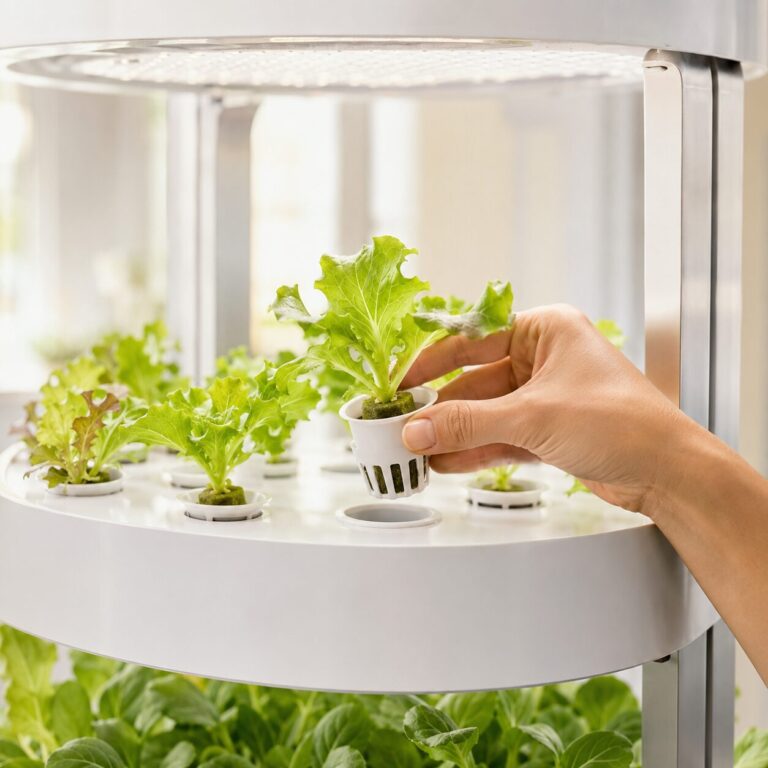
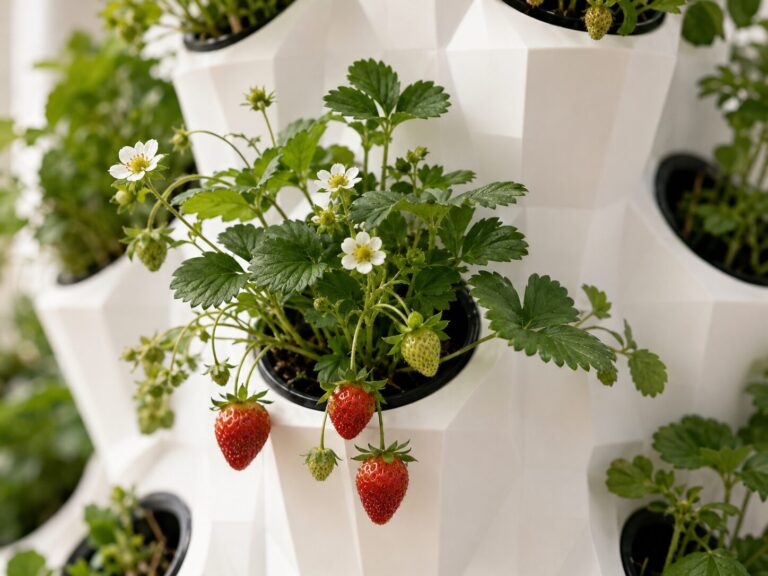
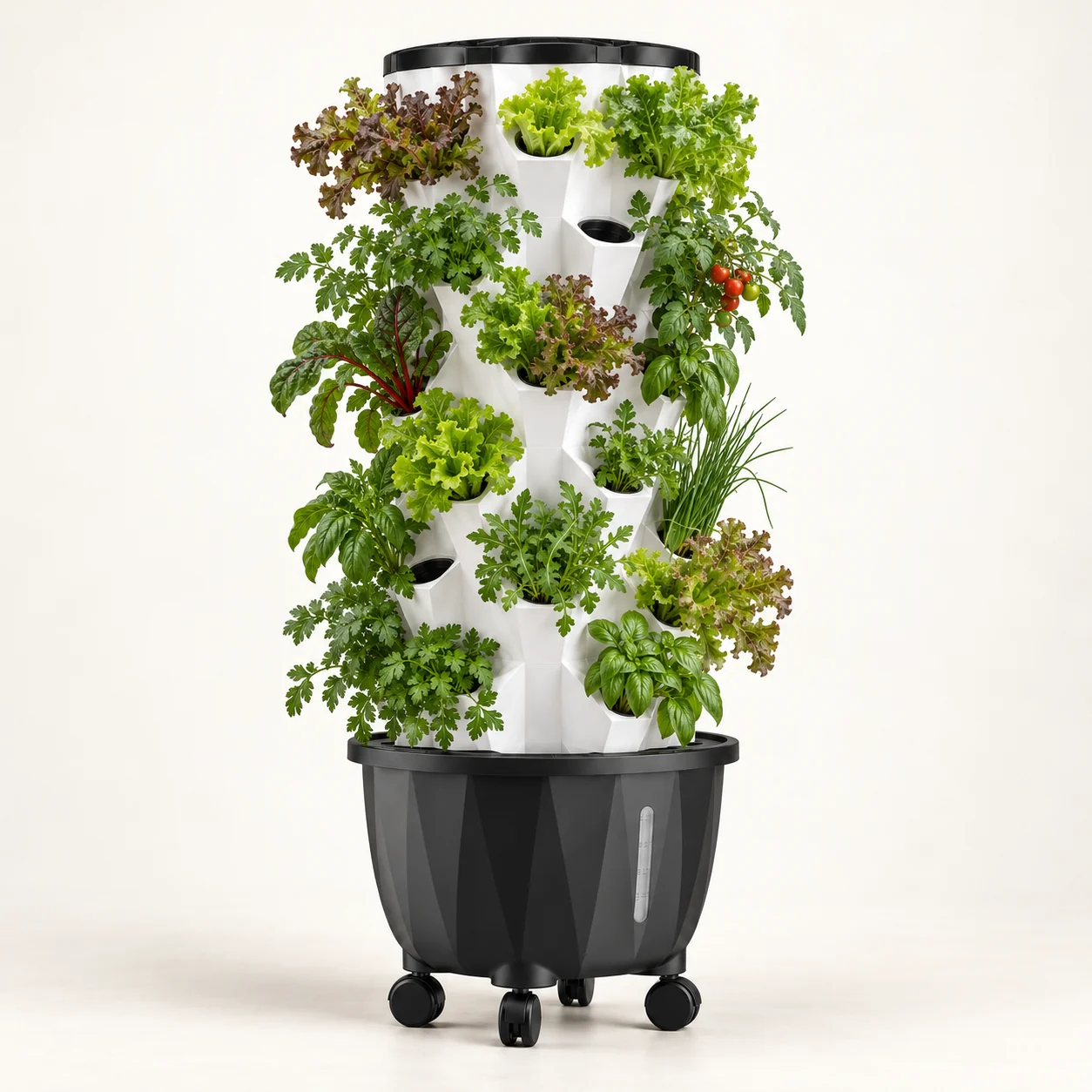
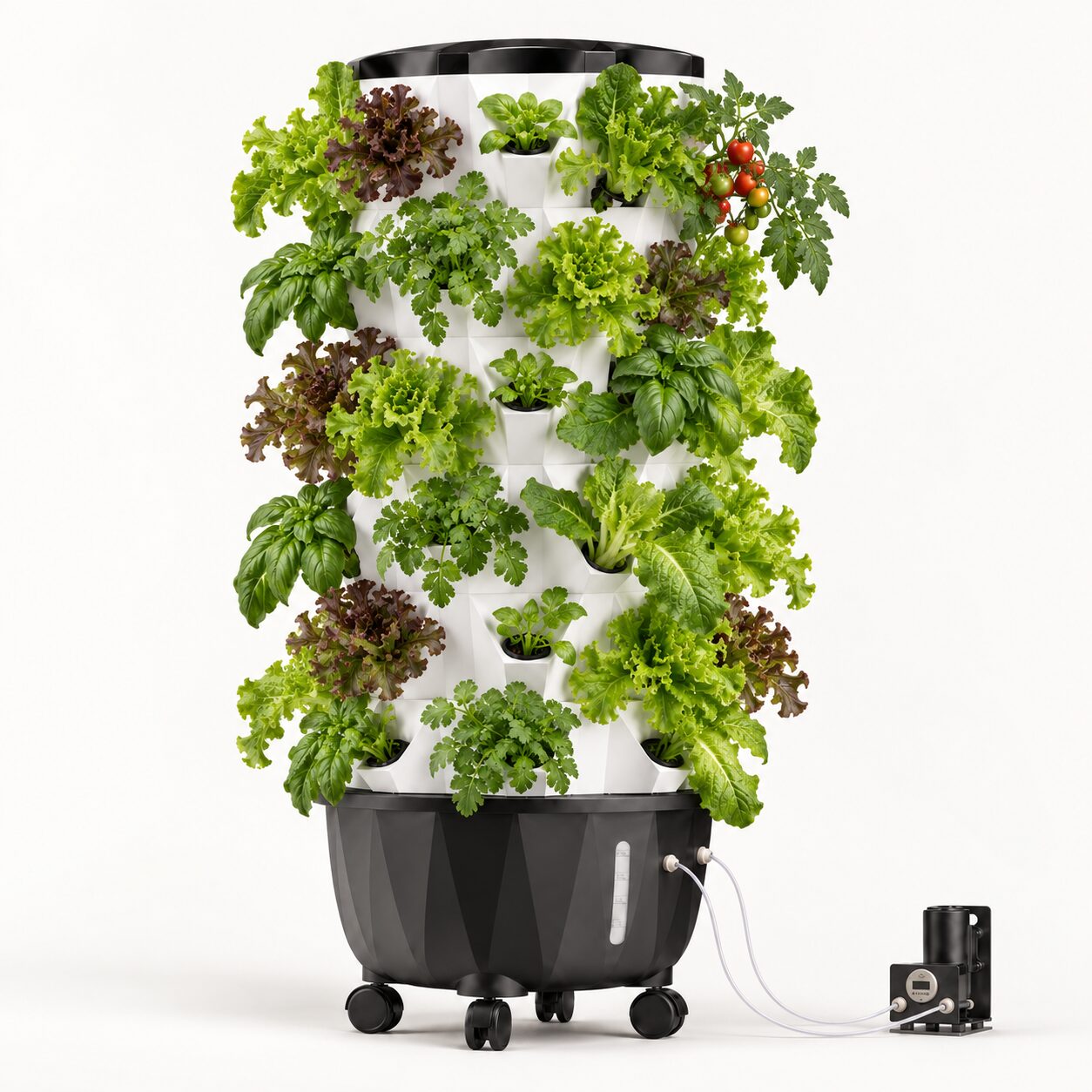
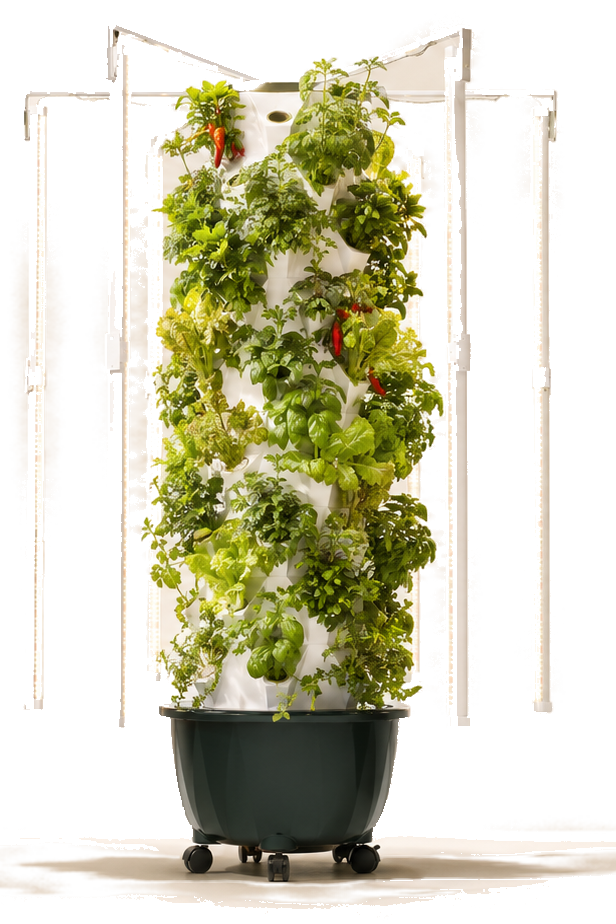
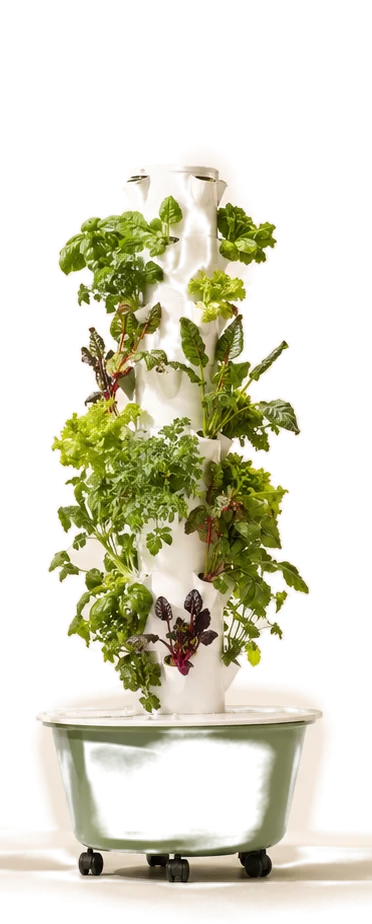
A Tower Garden is a vertical, soil-free gardening system that uses aeroponic technology to grow plants, including vegetables, herbs, fruits, and flowers. Unlike traditional gardening, tower garden aeroponics suspends plant roots in air inside a central chamber, where a fine nutrient-rich mist delivers everything plants need to thrive.

The key difference between an aeroponic tower and a hydroponic tower lies in the delivery method. Hydroponic systems flood roots with continuously flowing water, while aeroponic systems deliver nutrient solution as a fine mist directly to the root zone. This approach significantly reduces water and fertilizer use compared to conventional soil gardening and hydroponic systems.

Tower garden aeroponics gained popularity after 2015 when compact urban farming systems hit the mainstream market. Vertical gardening systems can be implemented in various settings, including urban environments, where space is limited, allowing for efficient food production in small areas. Indoor-focused hydroponic tower gardens use similar principles and can also use up to 95% less water compared to traditional farming methods, making them attractive for sustainability-conscious growers.

In this guide, you’ll discover how these systems work, which plants grow best, and how to set up your first tower for year-round fresh food at home.

Hydroponics Growing Systems

How an Aeroponic Tower Garden Works

A typical aeroponic tower operates as a self-contained ecosystem with several core components working together:

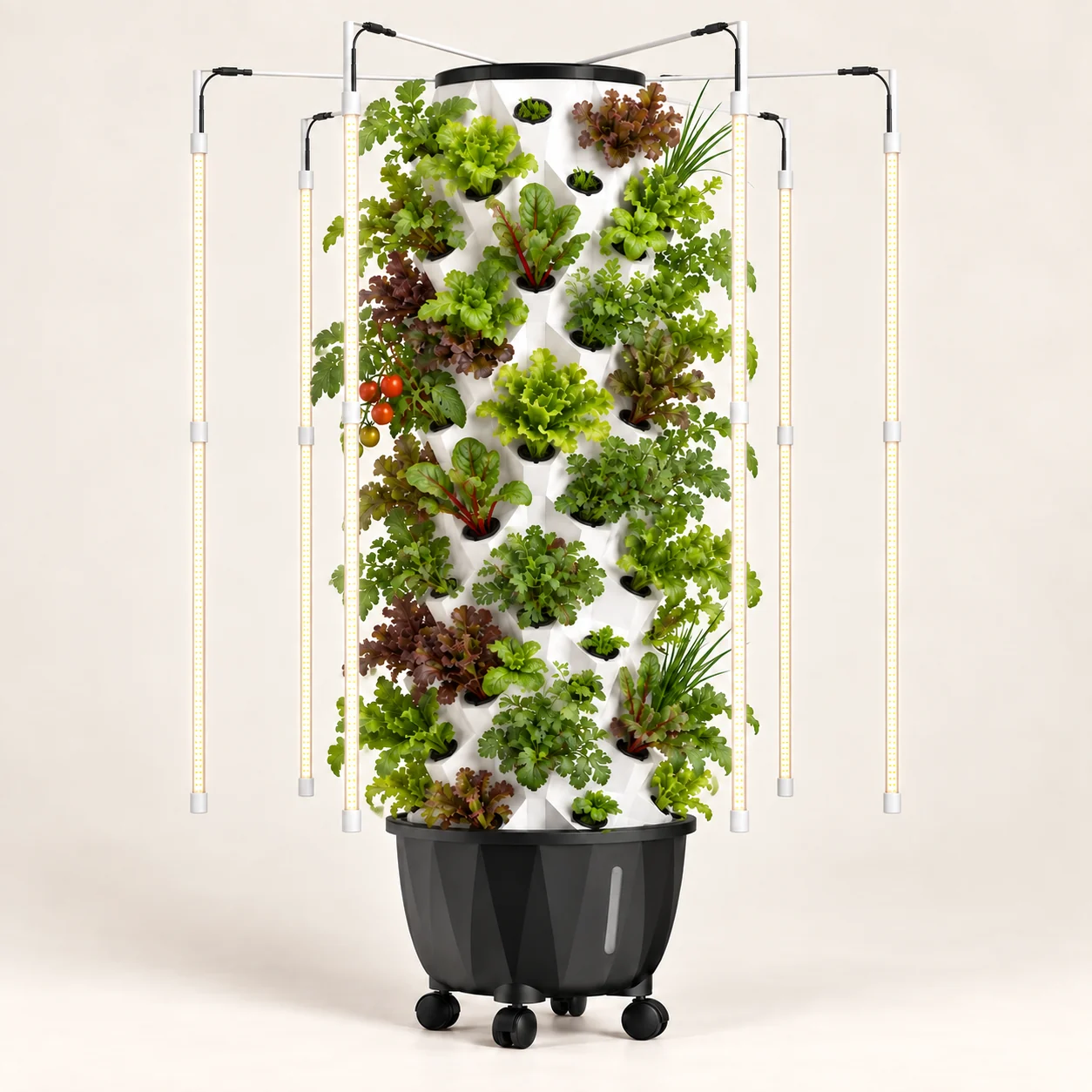
The vertical column consists of food-grade plastic sections stacked to create 20-50 planting sites arranged in tiers. This standard design maximizes growing space while maintaining a small footprint.

The reservoir sits at the base, holding around 15-25 liters (4-7 gallons) of nutrient solution. You’ll typically refill it weekly or as levels drop, maintaining proper pH between 5.5-6.5.

The pump system uses a low-voltage submersible pump controlled by a timer. Cycles typically run 1-3 minutes on, 15-30 minutes off throughout the day.

Aeroponic systems are designed to deliver nutrients directly to plant roots through a fine mist, which enhances oxygenation and promotes faster growth rates compared to traditional soil-based methods. Plants in aeroponic systems receive significantly more oxygen due to their roots being suspended in air, which accelerates growth.

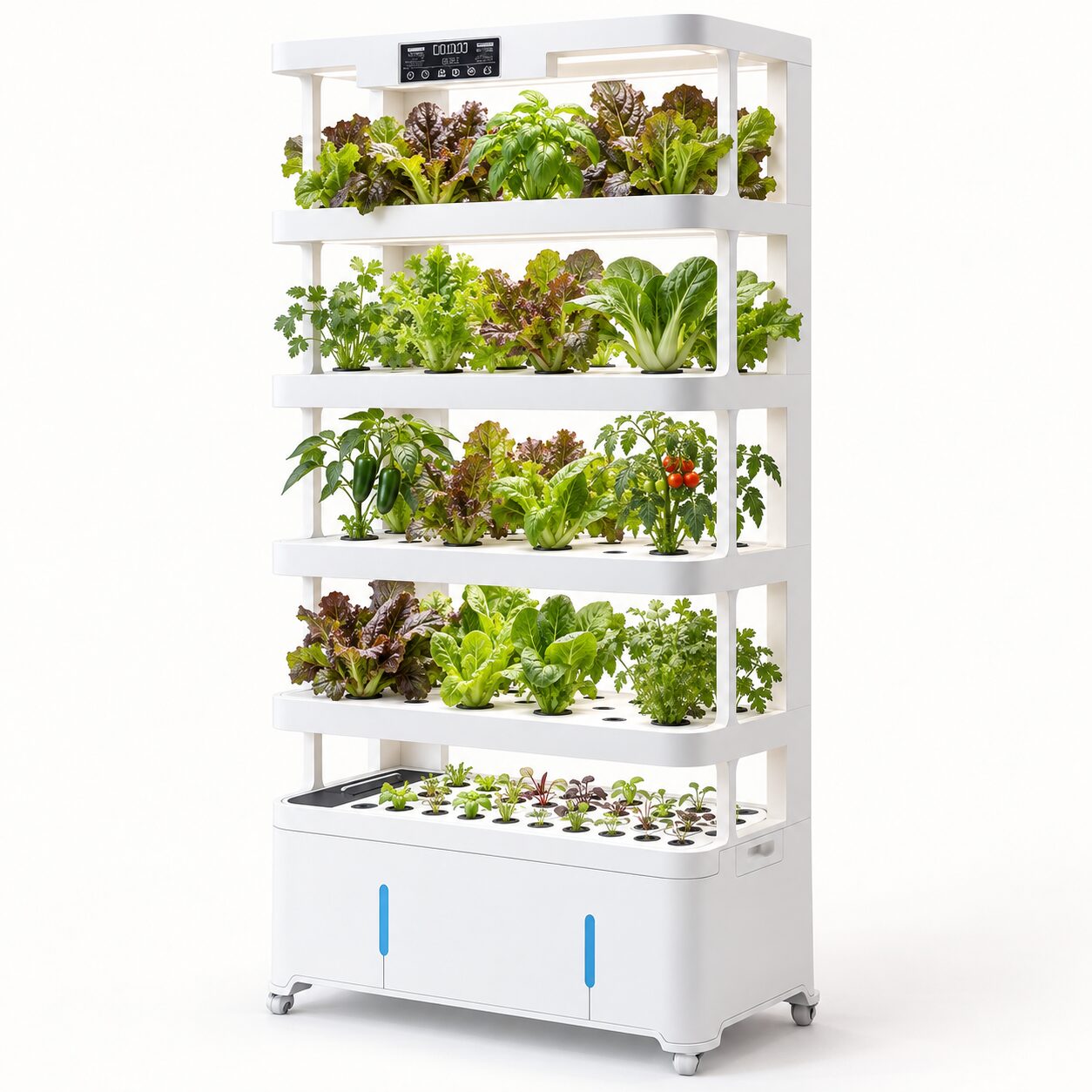
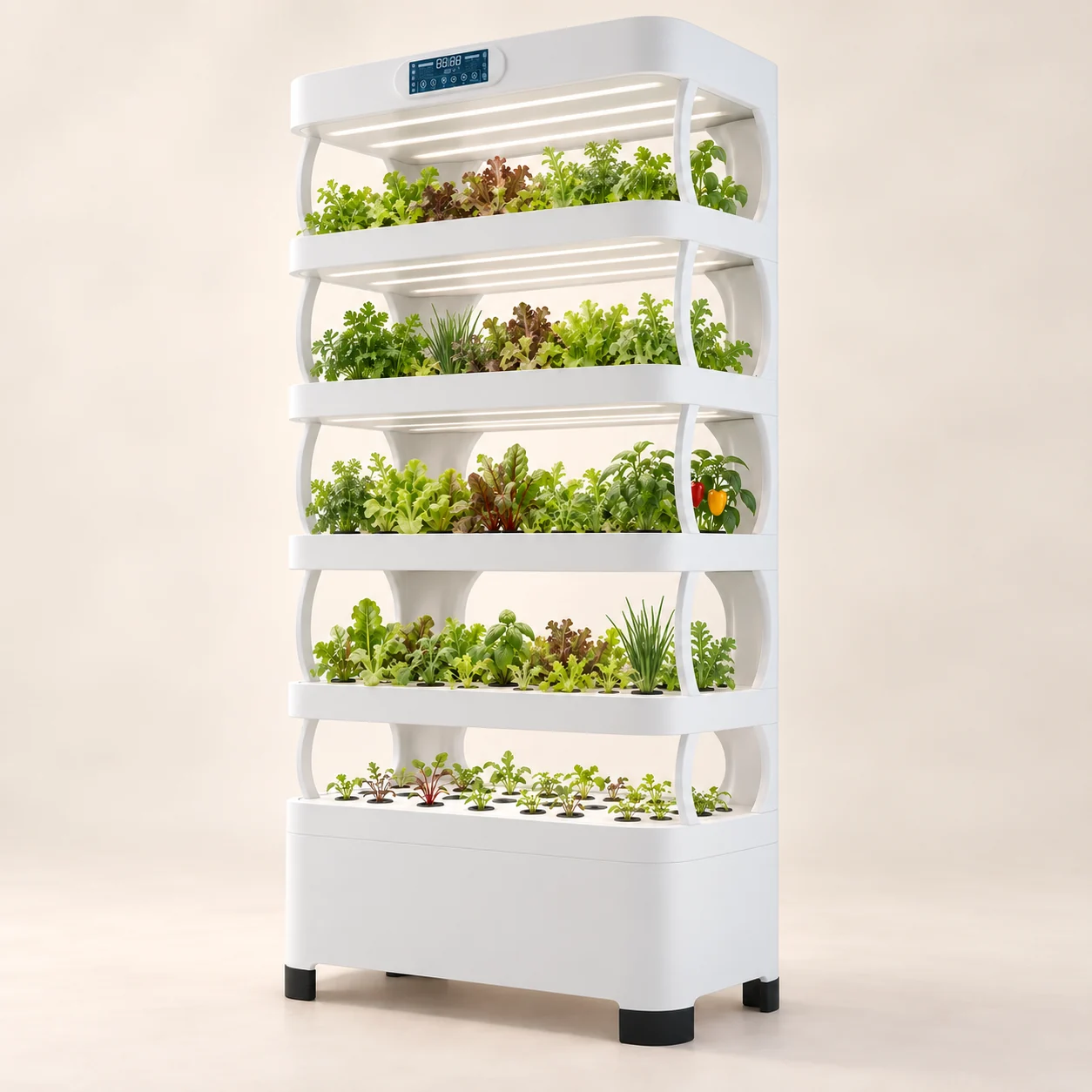
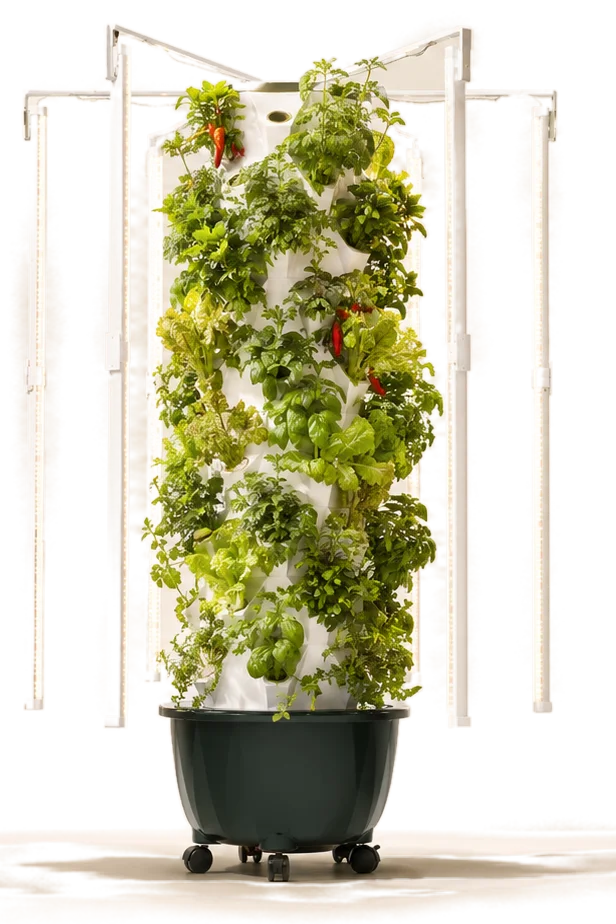
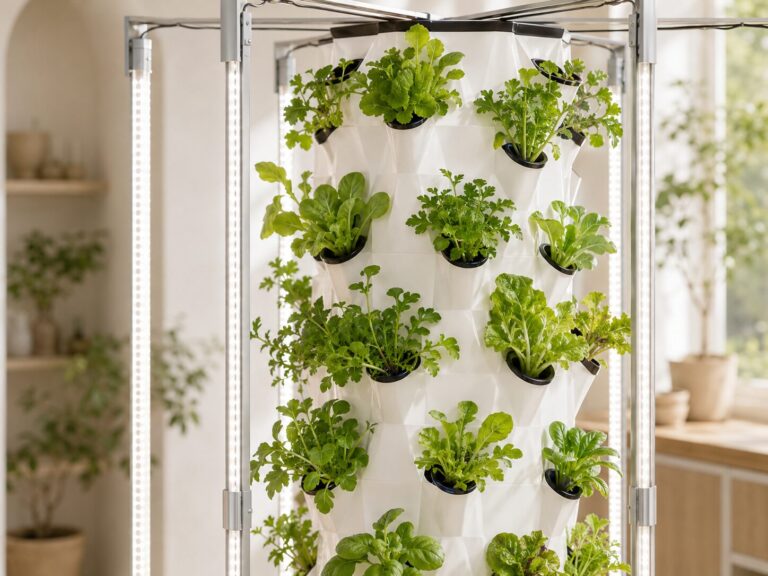
The recirculation loop makes this system highly efficient. Excess solution drains back to the reservoir, recycling 95-99% of water. For indoor setups, aeroponic towers with LED grow lights can be added, allowing Tower Gardens to be used indoors year-round.

Benefits of Tower Garden Aeroponics

Home growers and small farms are choosing aeroponic tower systems for their efficiency and results, which are similar to many of the core benefits of hydroponics for modern agriculture. Here’s what makes them compelling:

Benefit

Details

Water savings

Aeroponic systems can use up to 95% less water compared to traditional farming methods

Space efficiency

Vertical gardening systems require roughly 90% less land than soil-based gardens

Higher yields

Crops grown using aeroponic technology can yield over 20% more than those grown in hydroponic systems

Cleaner produce

Aeroponic systems eliminate soil-borne pests and diseases, resulting in cleaner, pesticide-free crops

Advanced Aeroponics™ technology has been shown to improve crop yields by over 20% compared to traditional hydroponics, while also enhancing root health and reducing disease pressure. Aeroponic systems reduce the risk of disease in plants due to improved oxygenation and nutrient delivery directly to the roots.

The convenience factor matters too. Harvesting at waist or chest height makes towers accessible for seniors and people with limited mobility. Aeroponic systems are automated, reducing labor by eliminating tasks such as tilling, weeding, and digging, especially in larger vertical aeroponics farming systems.

From a sustainability perspective, growing locally means less food miles, reduced fertilizer runoff, and the ability to produce healthy food in cities or arid regions.

Hydroponics Growing Systems

Best Plants to Grow in an Aeroponic Tower

Not every crop is equally suited to vertical growing. Aeroponic systems can support a wide range of crops, including leafy greens, herbs, strawberries, and tomatoes, making them versatile for various agricultural applications, particularly in home aeroponic tower gardening systems.

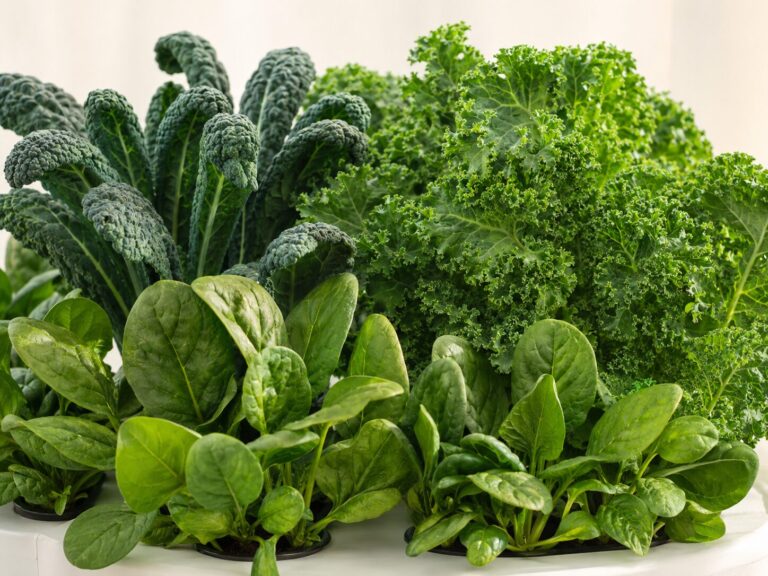
Leafy greens are the top choice:

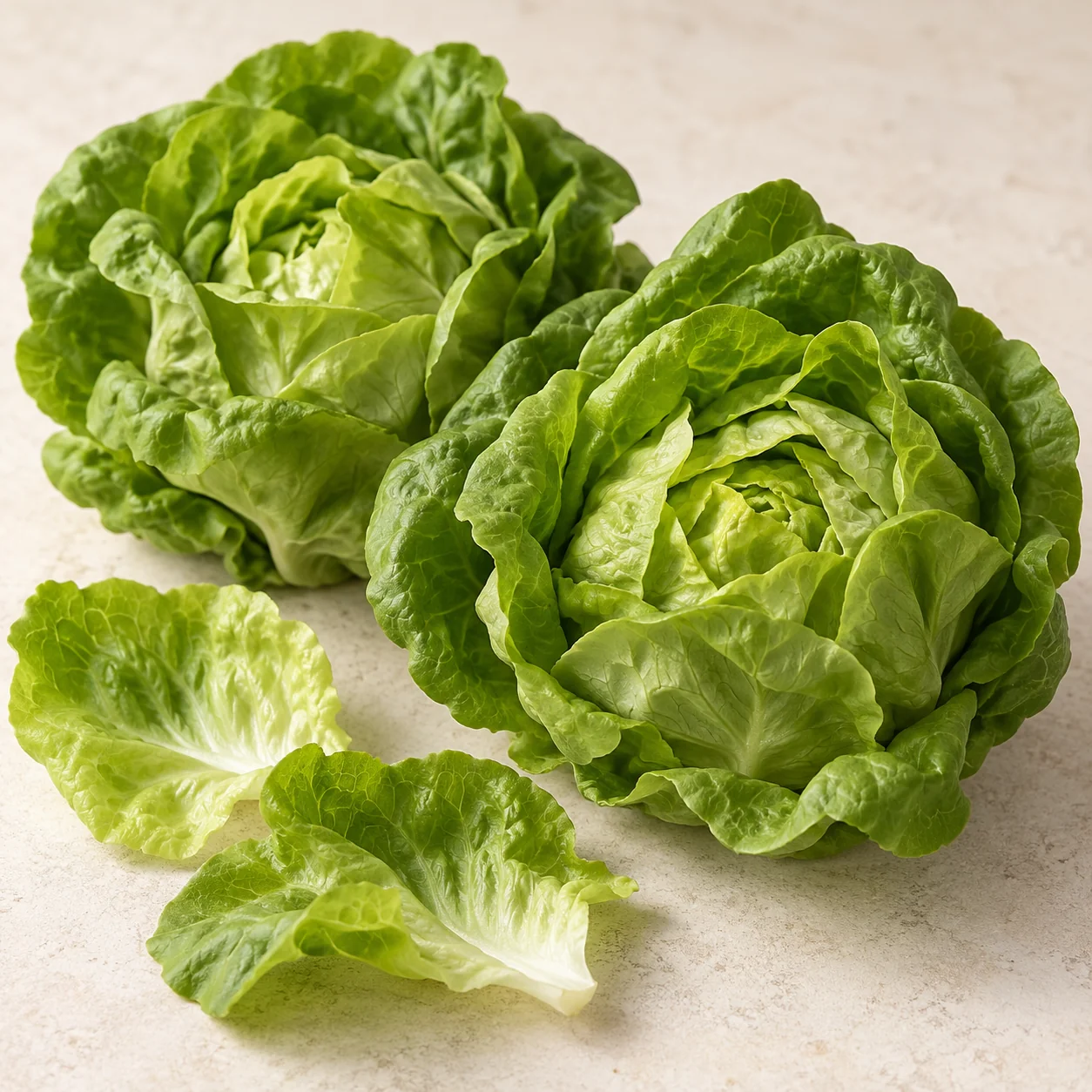
  • Lettuce, kale, spinach, arugula (25-40 days to harvest)

  • Swiss chard and Asian greens

  • These thrive with the high oxygenation towers provide

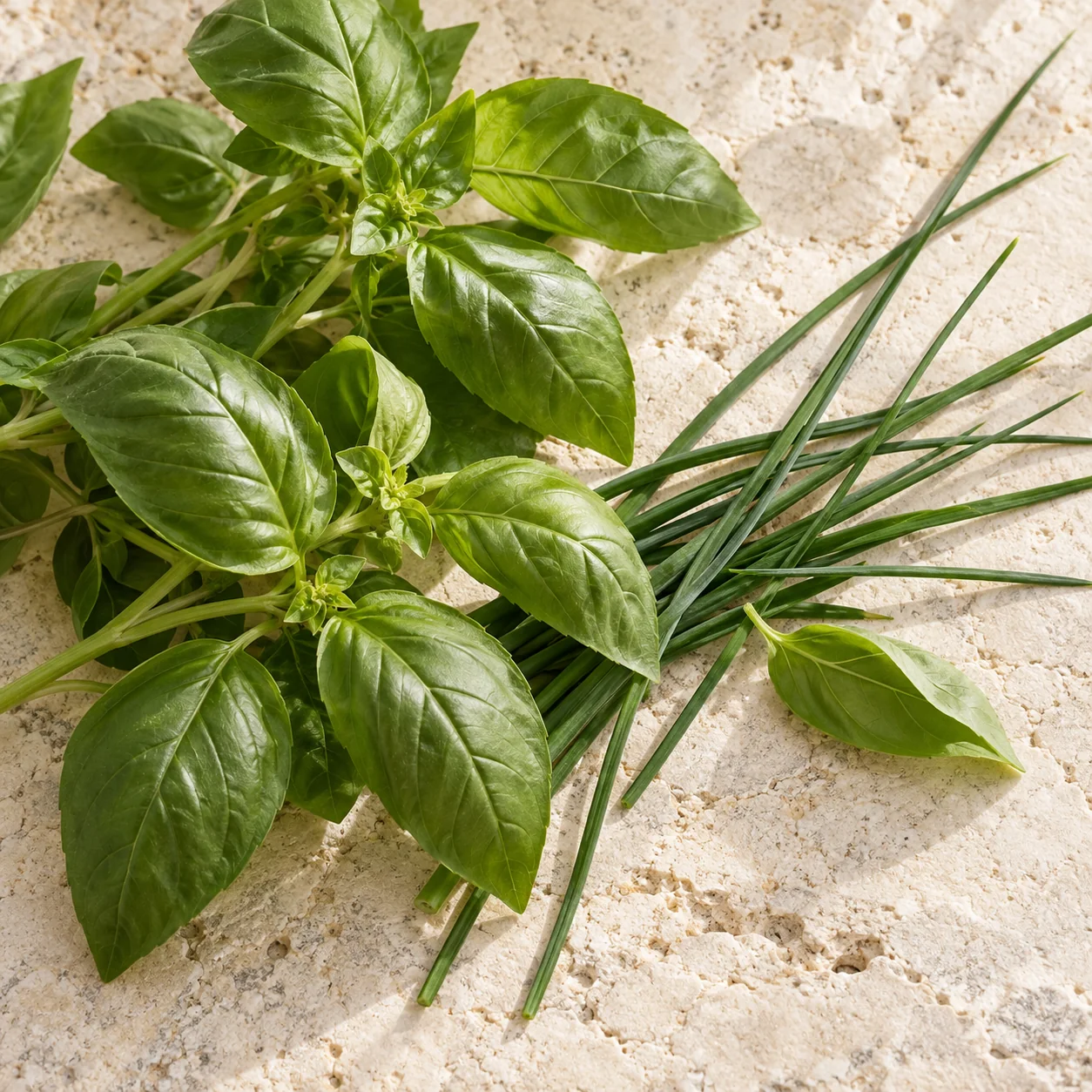
Herbs offer continuous harvest:

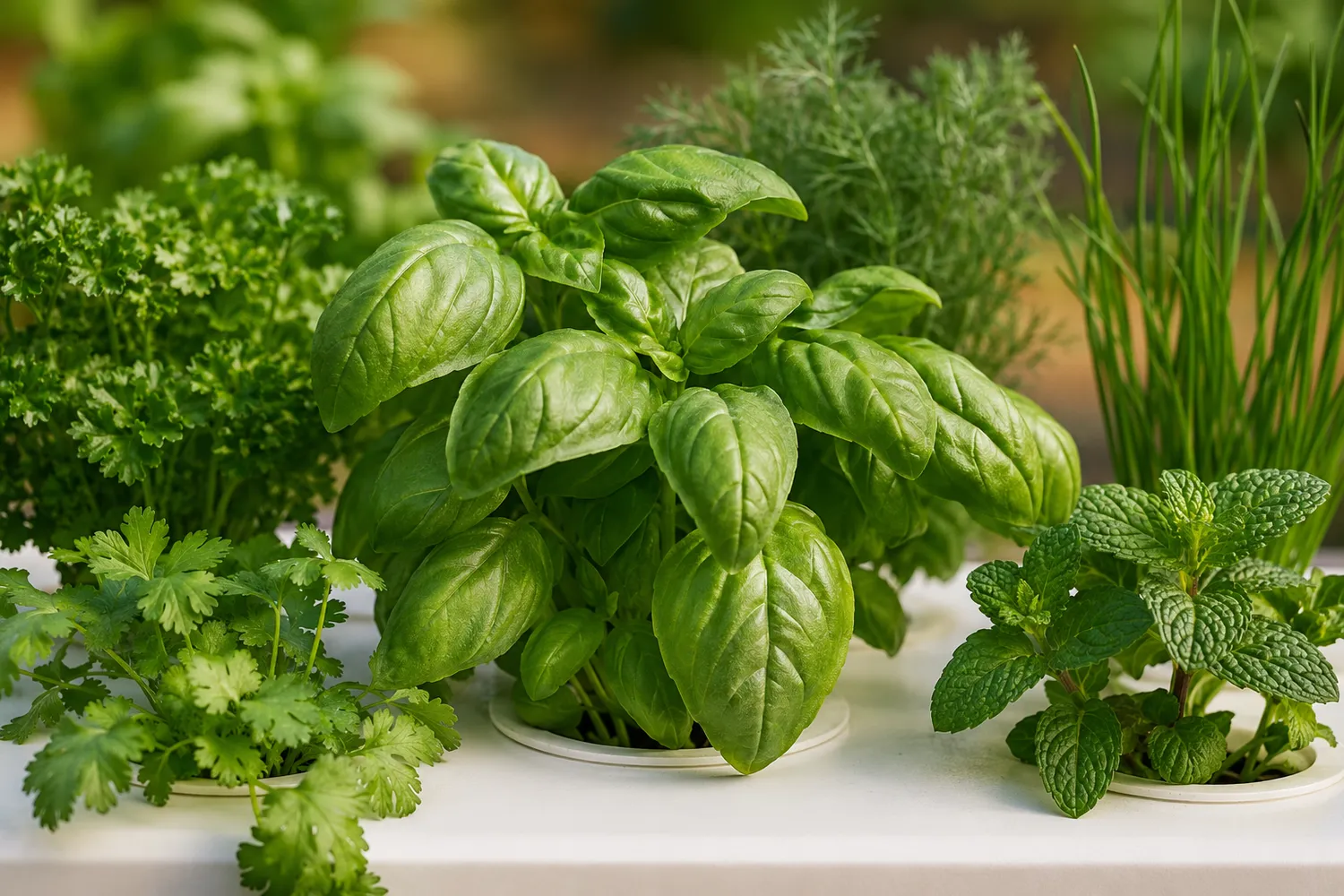
  • Basil, mint, cilantro, parsley

  • Dill, oregano, thyme

  • One tower can supply a household year-round

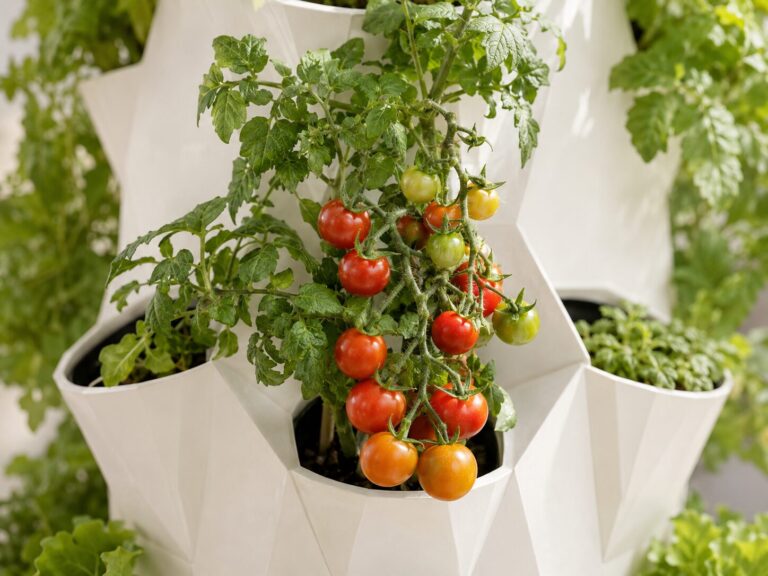
Fruiting crops work well on tall, well-lit towers:

  • Cherry tomatoes and peppers

  • Cucumbers and strawberries

  • These may need trellising for support

Important limitation: Root vegetables like carrots, potatoes, and onions are not compatible with aeroponic systems because they require soil to develop underground. Stick to above-ground crops for best results.

For spacing, avoid planting large sprawling plants directly above delicate greens to prevent shading. A greenhouse or indoor aeroponic tower farming setup can extend or completely remove seasonal limits.

Setting Up Your First Tower Garden (Step-by-Step)

Assembly is manageable for beginners with basic tools, and many modern options like the Nutraponics aeroponics garden tower system are designed to make setup even easier. Here’s how to get started:

  1. Choose your location

    • Access to a grounded outlet

    • At least 4-6 hours direct sunlight outdoors (or sufficient LED lighting indoors)

    • Level surface for stability

  2. Assemble the tower

    • Stack sections according to manufacturer instructions

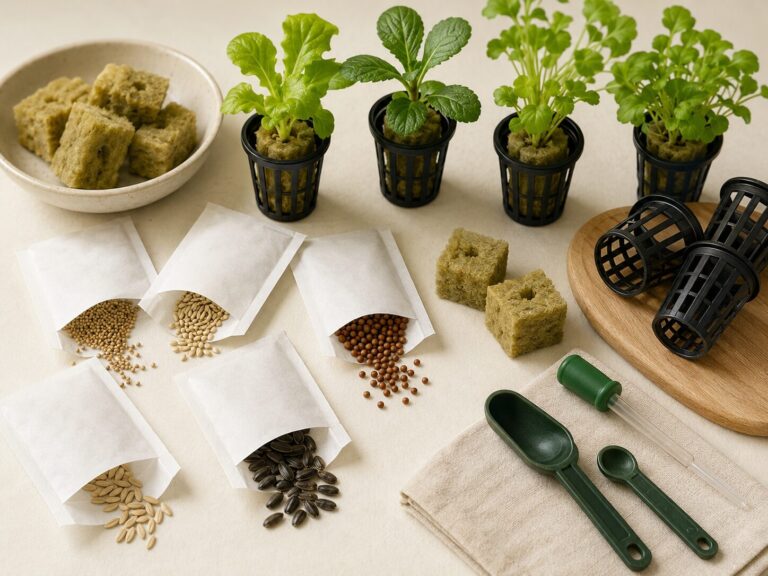
    • Install net pots or planting cups

    • Connect the pump and optional timer, similar to high-pressure systems like the Nutraponics Pro AeroTower

  3. Prepare the reservoir

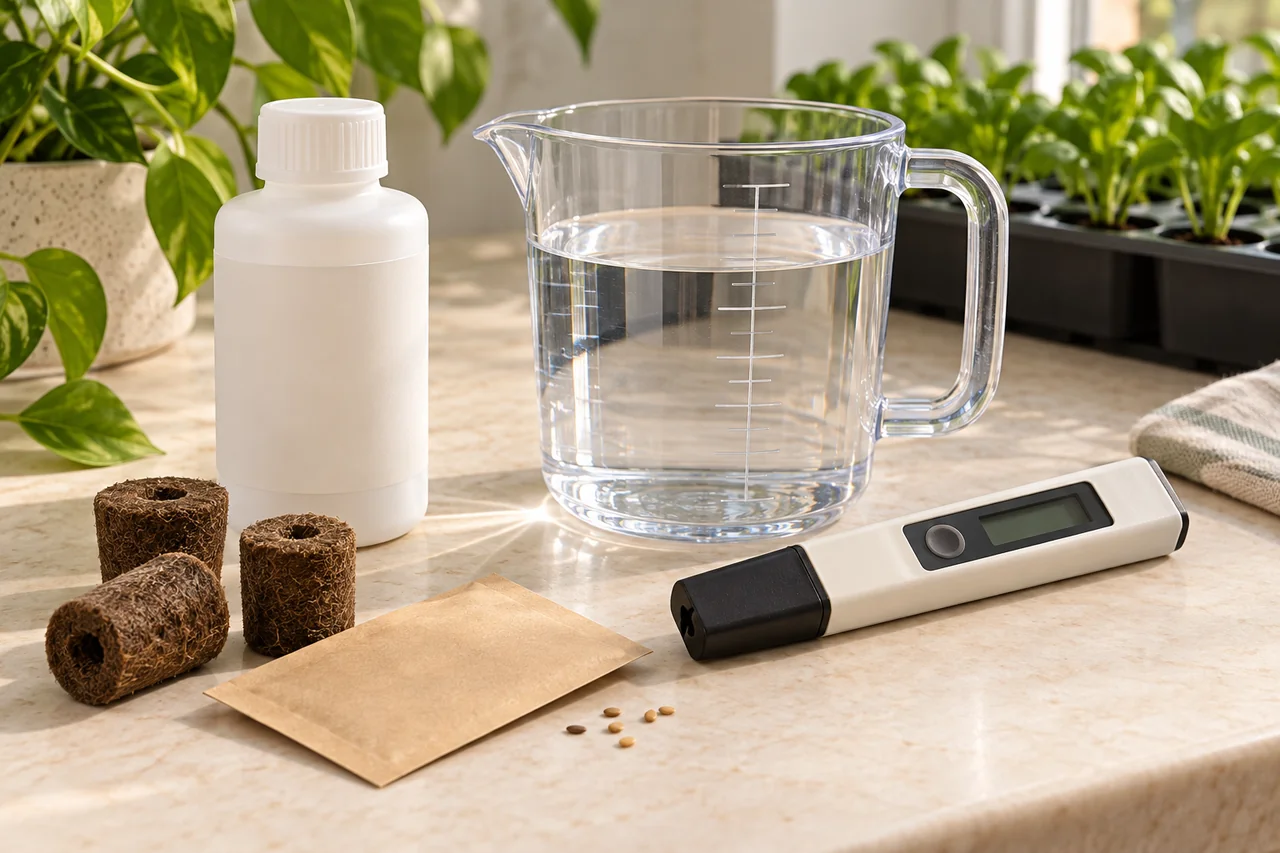
    • Fill with clean, filtered water

    • Add balanced nutrients designed for aeroponic or hydroponic systems

    • Check EC (1.2-1.8 mS/cm) and pH (5.5-6.5)

  4. Start your plants

    • Use seedling plugs or starter cubes

    • Germination takes roughly 7-21 days depending on the crop

    • Transplant when 2-4 true leaves appear and roots poke through

  5. Set your misting schedule

    • Initial cycles: 2 minutes on, 15 minutes off

    • Adjust based on climate and plant size

Before adding plants, run the system for 24 hours to check for leaks and ensure all tiers receive mist evenly.

Daily Use, Maintenance, and Troubleshooting

Consistent, light-touch maintenance keeps an aeroponic tower running smoothly with minimal effort.

Daily/weekly routine:

  • Check water level (maintain at 80%)

  • Verify pump function

  • Inspect leaves and roots for discoloration

Nutrient management:

  • Top up with water as needed

  • Adjust nutrient strength based on plant growth stage

  • Complete reservoir change every 2-3 weeks

Common problems and solutions:

Issue

Likely Cause

Solution

Clogged emitters

Mineral buildup

Soak in vinegar solution

Wilting plants

Insufficient misting

Increase cycle frequency

Yellow leaves

Nutrient deficiency

Raise EC by 0.2

Brown root tips

Nutrient burn

Reduce EC, flush with pH water

Safety considerations:

  • Use grounded outlets only

  • Keep electrical connections dry

  • Secure tall towers against wind or tipping

Observation is your best tool. Looking at leaf color, plant vigor, and root health catches 80% of issues early.

Hydroponics Growing Systems

Costs, Scale, and Vertical Farming Potential

A home-scale aeroponic tower garden typically costs $300-800, compared to $200 for a raised bed. However, ROI comes faster through continuous harvests.

Initial investment breakdown:

  • Tower structure: $200-400

  • Pump and timer: $50

  • Nutrients: $20/month

  • LED lighting (optional): $100-300

  • Growing media: $30/year

Ongoing costs run $5-15/month for electricity and nutrients—less than most streaming subscriptions.

Multiple towers can form a small vertical farm in a backyard greenhouse or indoor facility. Commercial operations use 10-100 towers to supply restaurants and urban markets with fresh produce, while compact indoor hydroponic tower garden systems offer a scalable option for homes and small businesses. The business model works because faster crop cycles and compact footprints enable continuous harvest scheduling.

Tower garden aeroponics connects to broader food-system goals: reducing food deserts, increasing local produce access, and empowering communities to grow their own healthy food regardless of available land. Related hydroponic tower systems and indoor hydroponic NutraTower setups follow the same principles of compact, efficient food production.

Frequently Asked Questions About Aeroponic Tower Gardens

Are aeroponic towers suitable for beginners? Yes. No previous hydroponic experience is required. Most users report 80% success rates on their first attempt with basic guides.

What’s the difference between hydroponic and aeroponic towers? Aeroponic systems mist roots (using 95% less water) while hydroponic systems flood them. Aeroponics typically delivers faster growth and higher yields.

How long does a tower garden last? With proper maintenance, towers last 5-10 years. Pumps and small fittings may need replacement every 1-3 years (around $50).

Are plants grown this way organic? The quality is certified food-safe using BPA-free materials. While technically not “organic” without soil, many consider aeroponic produce superior due to being pesticide-free.

Indoor vs. outdoor operation? Both work well. Indoor setups need LED lighting and climate control but offer year-round growing. Outdoor towers are simpler but subject to seasonal limits unless in a greenhouse.

How many towers does a household need? One 24-port tower typically covers 50-100% of a household’s leafy green and herb needs—roughly 10 pounds of lettuce monthly.

Recent Posts

The Complete Guide to Hydroponic Tower Gardens: Vertical Growing Solutions for Maximum Harvest

Complete Guide to Tower Garden Herbs: Growing Fresh Herbs with Aeroponic Technology

DIY Hydroponics Tower: Complete Build Guide for Space-Efficient Growing

Tower Garden: A Practical Guide to Vertical Farming at Home

Categories