

Cities are growing, but green space isn’t. And while the cost of living climbs, the desire for clean, self-grown food is stronger than ever. The hydroponic tower isn’t just a new tool for modern living—it’s a quiet rebellion against waste, space limits, and food insecurity. If you’re looking for a compact way to grow food indoors or out, without soil or daily maintenance, it’s worth paying attention to this tech-forward solution.
At Nutraponics, we believe indoor gardening should be smart, sustainable, and designed to fit into your life—not the other way around. That’s why hydroponic towers have become a cornerstone of our approach to efficient home growing.
TL;DRA hydroponic tower is a vertical gardening system that grows plants using water and nutrients instead of soil. It saves space, conserves water, and allows for faster growth—making it perfect for indoor gardening and eco-conscious living. |
What Is a Hydroponic Tower?
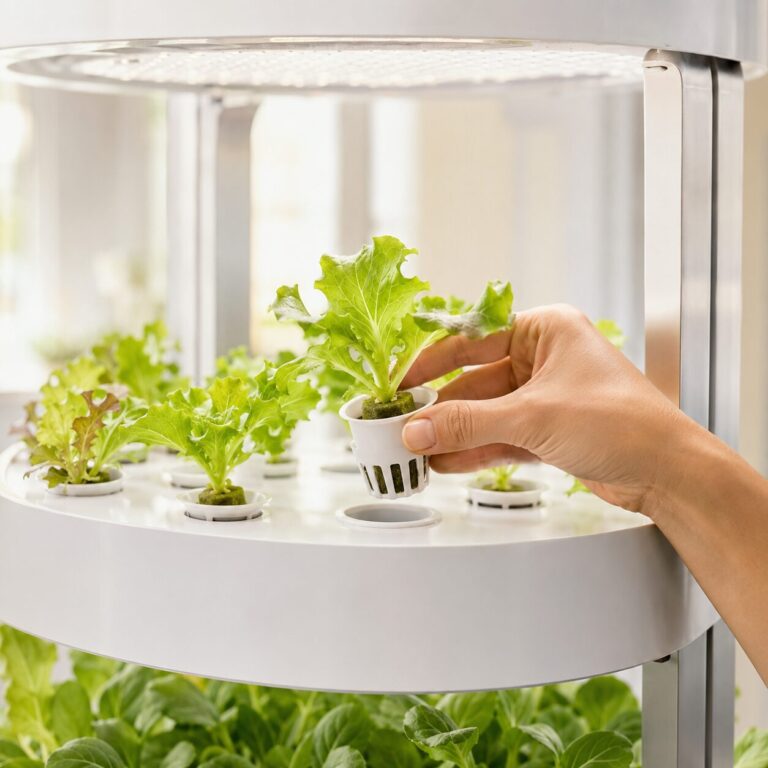
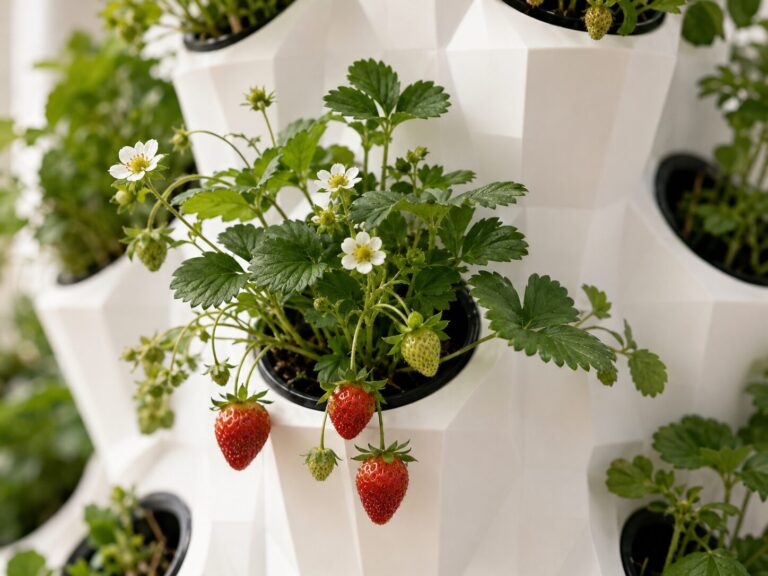
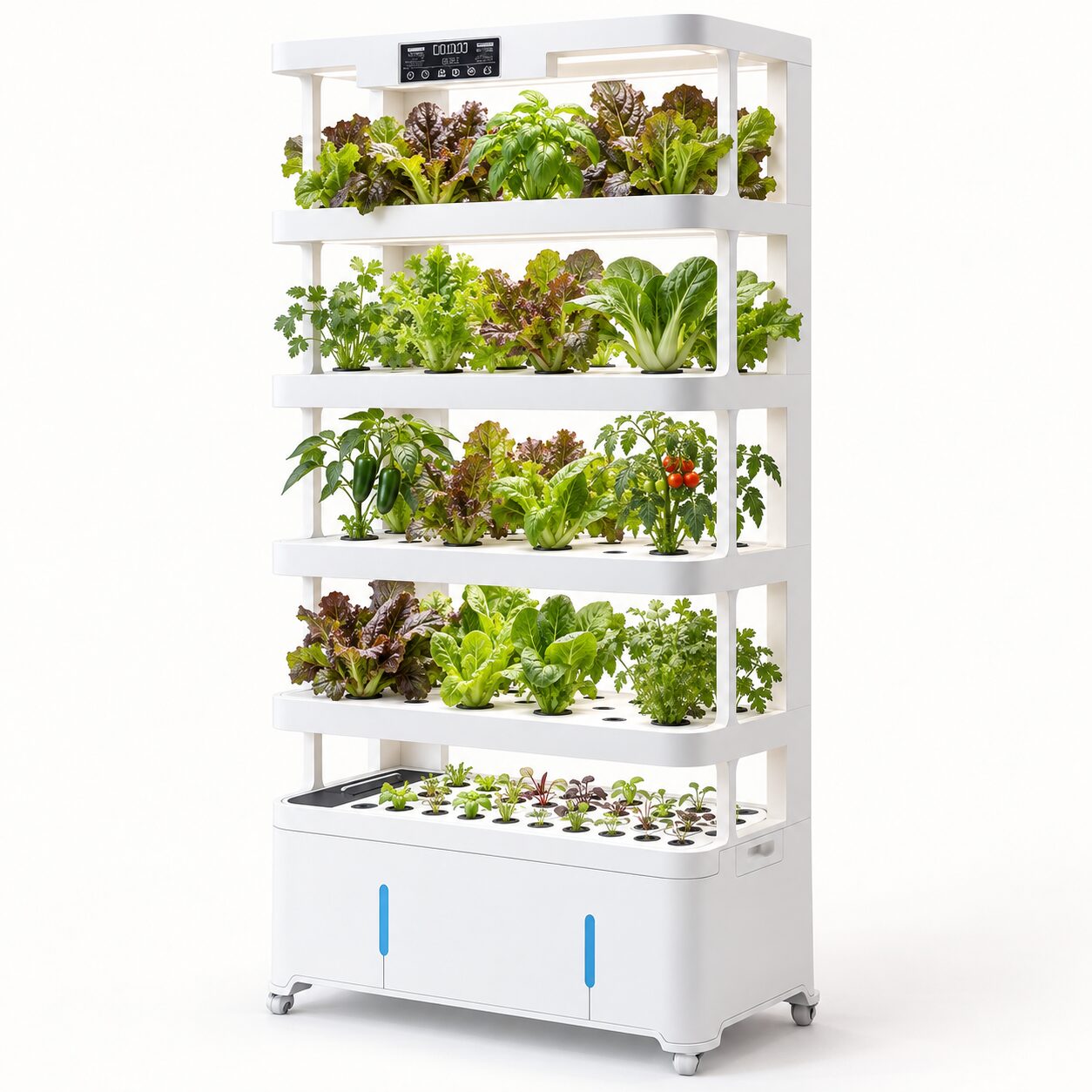
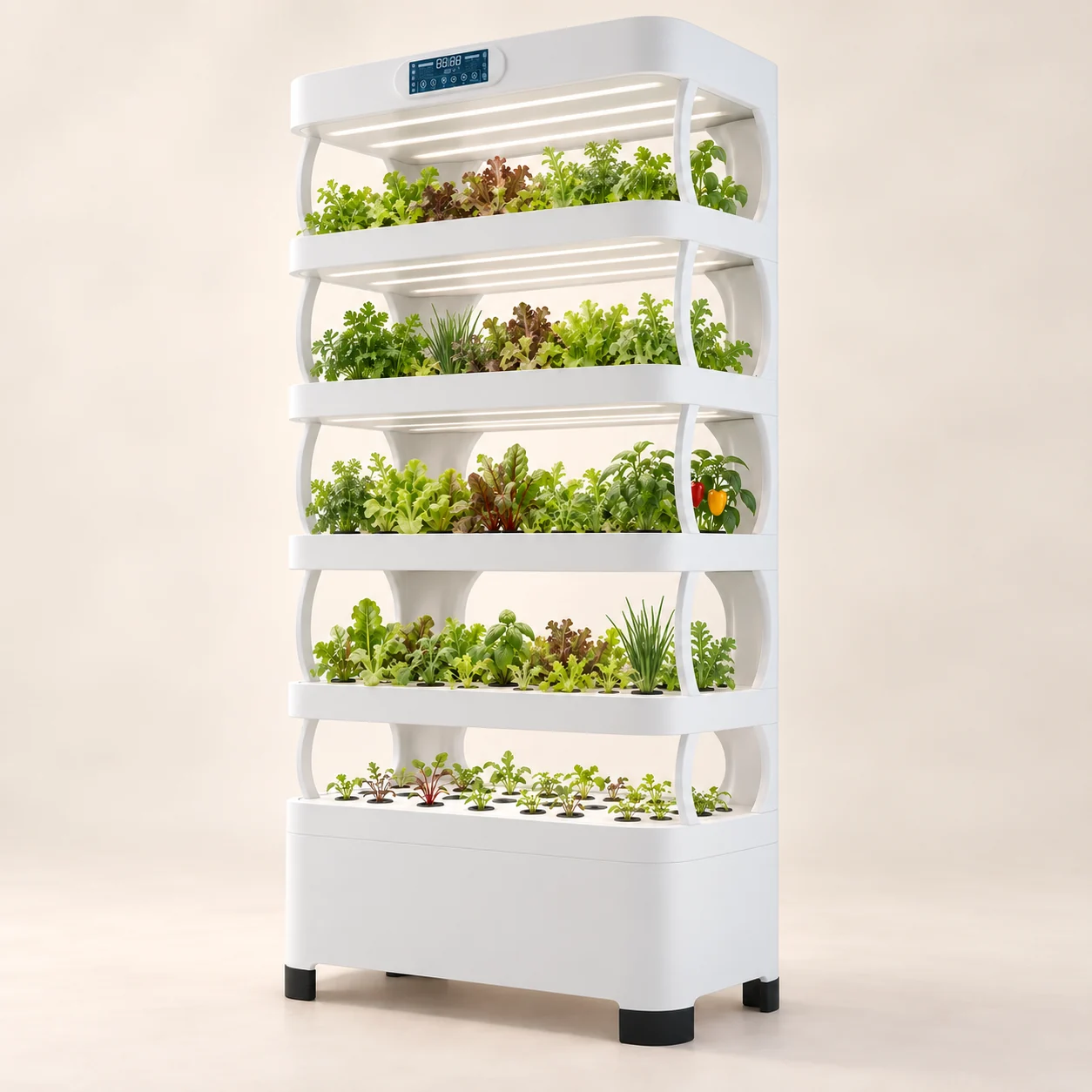
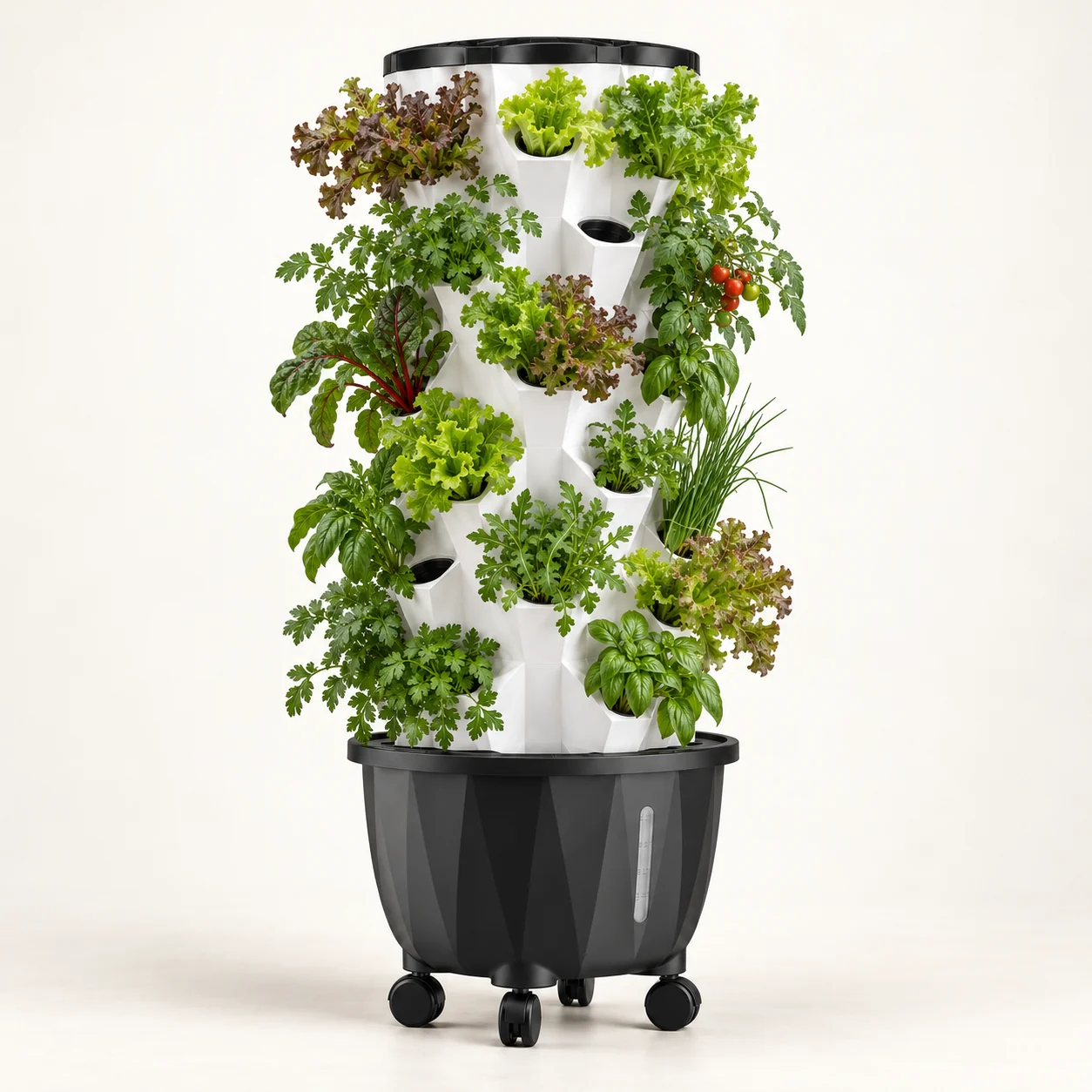
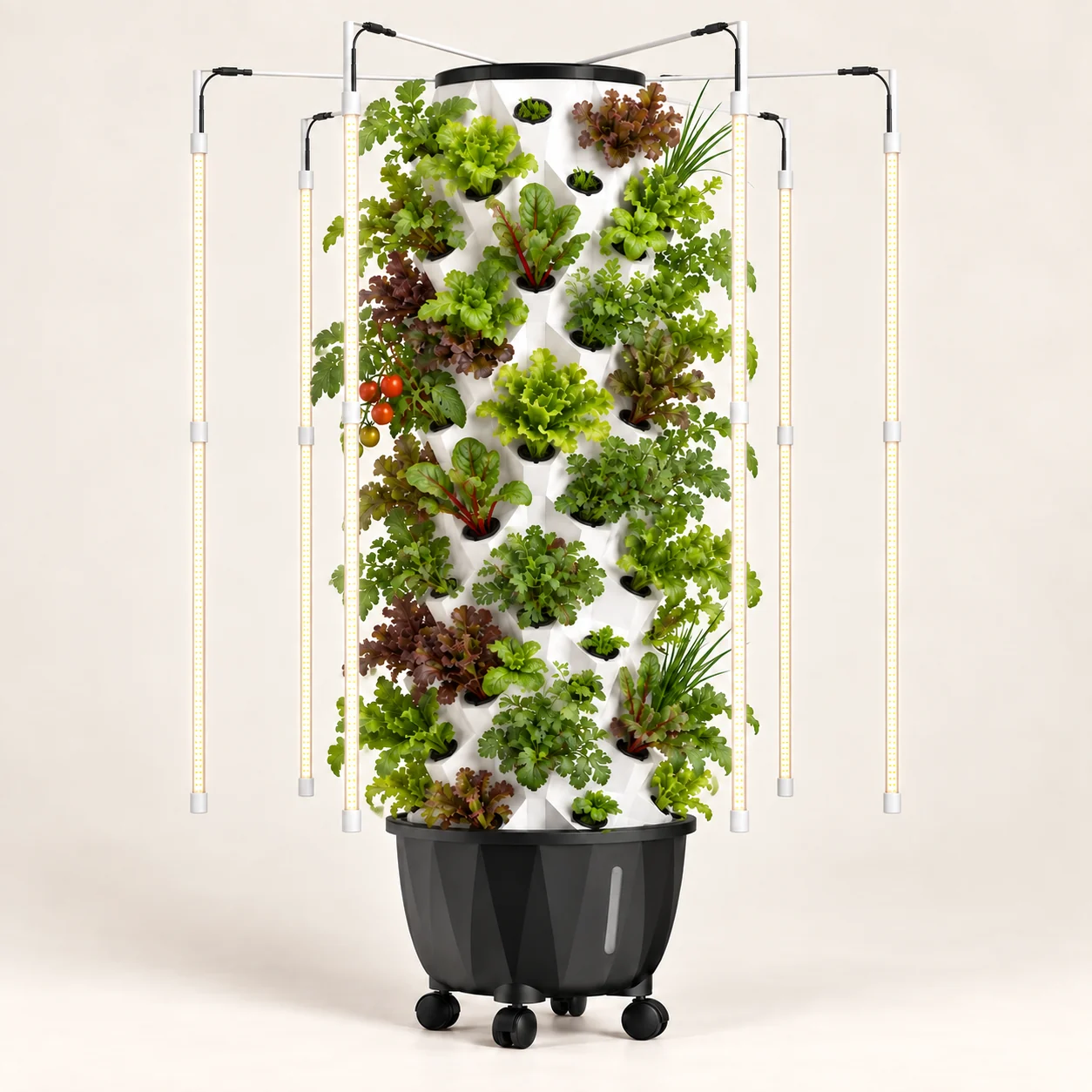
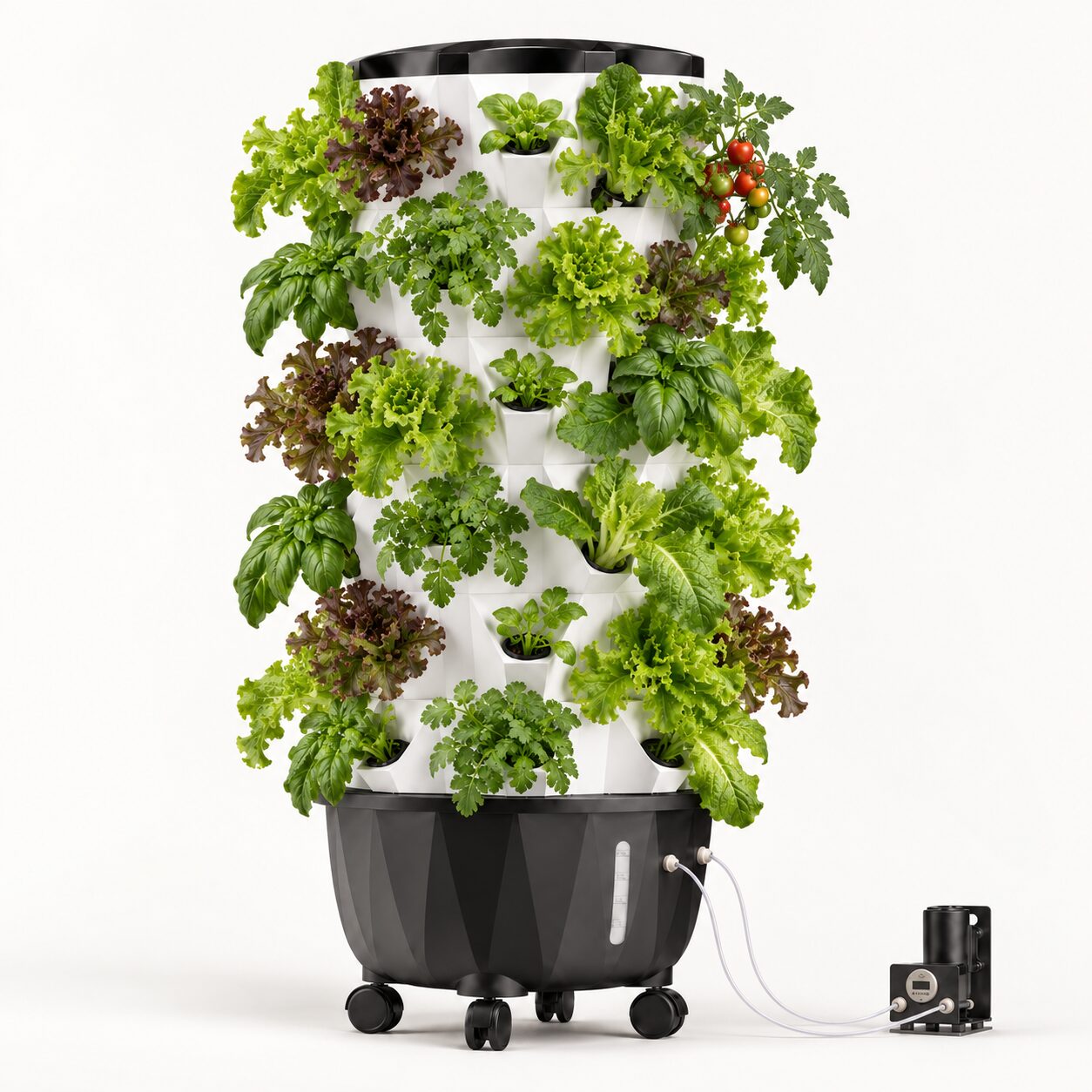
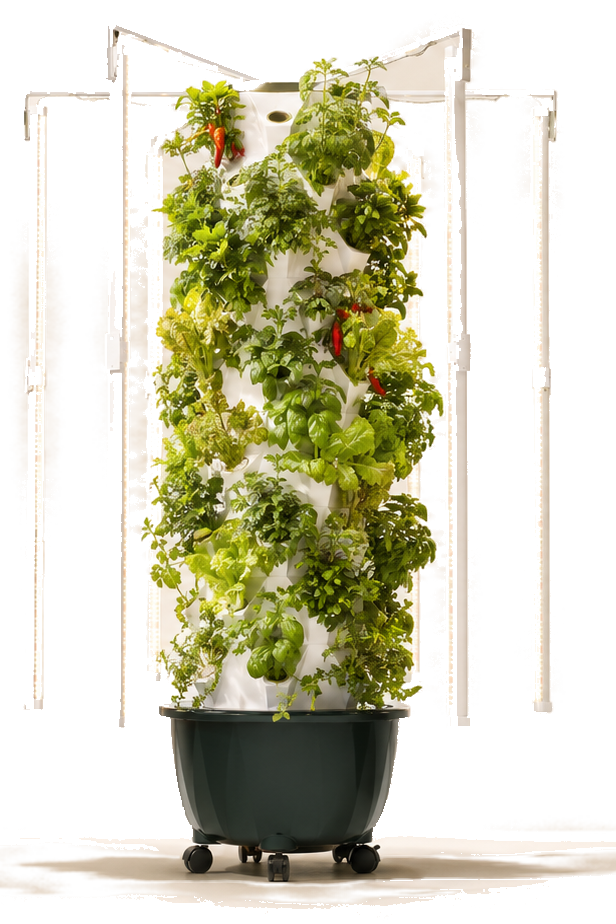
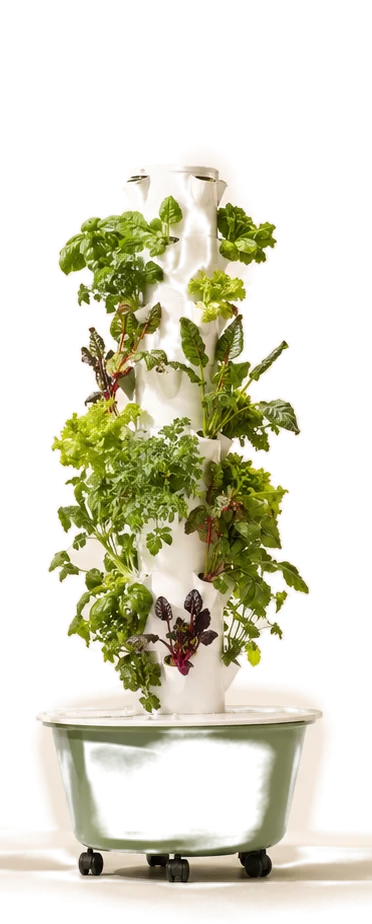
A hydroponic tower is a vertical growing system that uses a water-based nutrient solution instead of soil. It’s compact, often modular, and purpose-built to help you grow herbs, greens, and fruits in small spaces—indoors or outdoors.
What sets it apart isn’t just the lack of soil, but the presence of control. You dictate what the plants receive and when, often with the help of timers and sensors. This makes hydroponic towers part of a broader movement toward smarter, more efficient indoor farming.
At a glance, a hydroponic tower typically includes:
- A water reservoir at the base
- A submersible pump to distribute nutrient-rich water
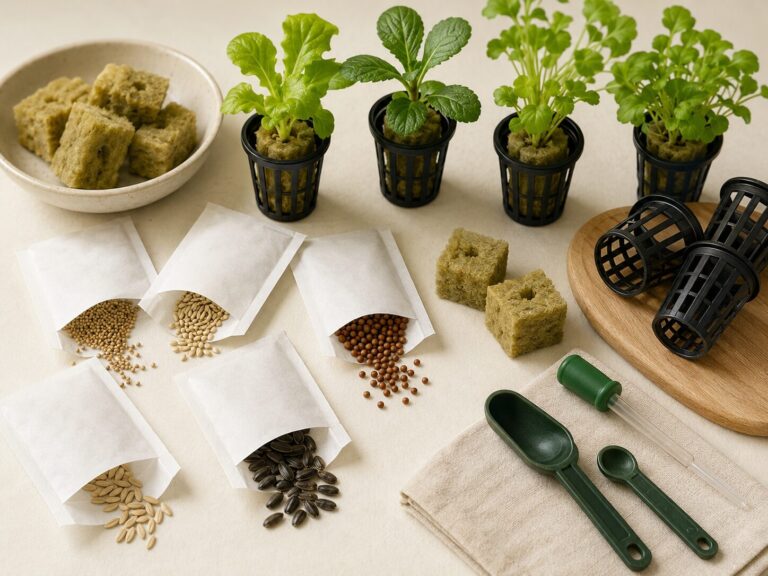
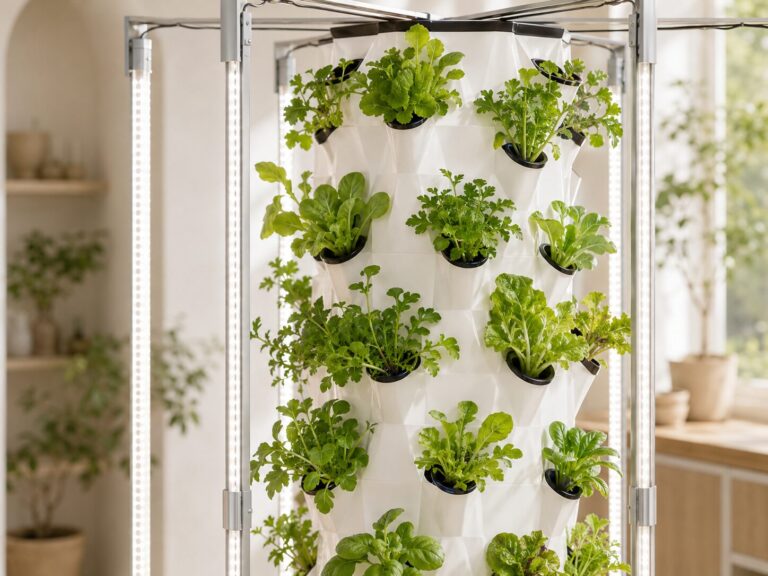
- Vertical grow chambers or net pots to hold the plants
- A system to recirculate unused water
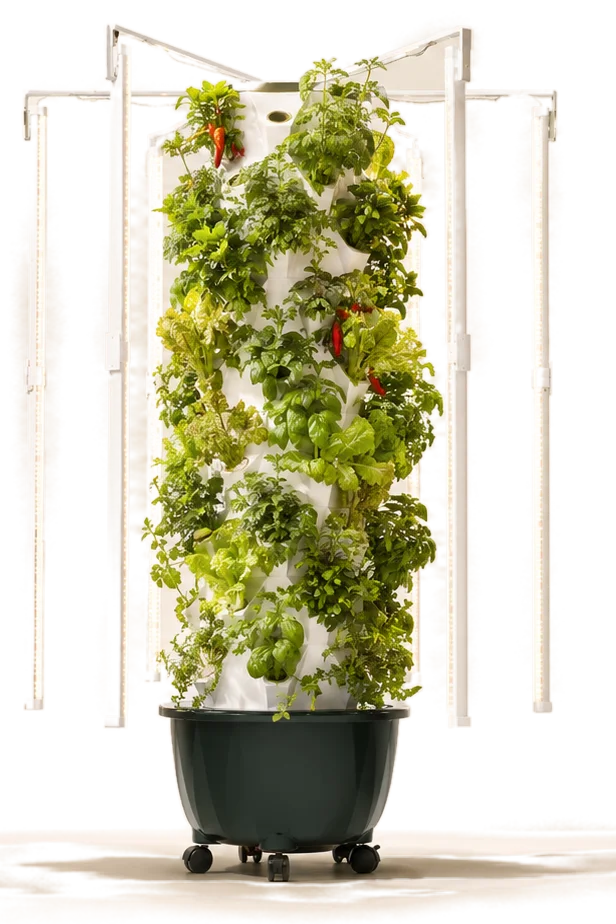
- Optional LED lights for indoor use
While each brand has its own design features, the core mechanics remain consistent—and highly efficient.
How Hydroponic Towers Work
To understand how hydroponic towers function, you need to separate the concept of “growing” from “gardening.” Growing in this context is about engineering a clean, optimized environment that gives plants exactly what they need—and nothing they don’t.
Here’s the general flow:
- Water and nutrients are stored in a base reservoir.
- A pump sends this solution upward through a central column.
- Gravity pulls the water down through each grow site, where plant roots absorb nutrients.
- Excess solution is collected and returned to the reservoir, forming a closed loop.
- LED lights (optional) simulate sunlight when used indoors, ensuring photosynthesis continues regardless of season or window access.
Why it works:
Plants typically spend a lot of energy pushing roots through soil in search of nutrients and water. In a hydroponic tower, that effort is eliminated. The nutrients are pre-dissolved in water and delivered directly to the roots. That means faster growth, higher yields, and less waste.
In short, it’s an intelligent loop that gives you full control over the growing environment—from light and water to nutrient ratios and plant density.

Garden Hydroponic Tower vs. Traditional Systems
You may already be familiar with standard hydroponic setups—horizontal channels, deep water culture buckets, or tabletop NFT trays. These systems are excellent in greenhouses or large outdoor setups. But they often sprawl.
A garden hydroponic tower, by contrast, goes vertical. This makes all the difference in compact environments like kitchens, apartments, and balconies.
Key differences between tower systems and traditional hydroponics:
- Footprint: Towers grow up, not out. They take up a third of the space.
- Aesthetics: Many towers are designed to blend into modern interiors. Traditional hydro setups often look utilitarian.
- Maintenance: Fewer reservoirs and tubes mean easier upkeep.
- Portability: Tower units are modular and light enough to move seasonally.
While both systems work on the same basic principles, towers are more practical for home growers who don’t want to dedicate an entire room to the process. They also lend themselves better to automation, which helps if you’re new to hydroponics or don’t want to fuss with timers and nutrient charts every day.
Why Indoor Tower Gardens Are Rising in Popularity
The rise of the indoor tower garden isn’t just about novelty—it’s about responding to real constraints. Limited space. Urban density. Food supply uncertainty. And an increasing desire for food transparency.
A tower system lets you bypass grocery shelves, grow food you trust, and reduce reliance on packaging and transport. It also taps into a growing desire for meaningful experiences at home. Watching your food grow is surprisingly satisfying—and educational.
Why this trend is sticking:
- Design meets function: These aren’t just plant racks. They’re sleek, architectural elements that belong in the modern home.
- Self-reliance: Whether you’re prepping for emergencies or just want fresh greens every day, it’s empowering to grow your own.
- Year-round productivity: With LED grow lights, winter and cloudy days are no longer obstacles.
- Minimal mess: No soil means no mud, bugs, or mildew. Ideal for kitchens, offices, and even bedrooms.
From busy professionals to stay-at-home parents, more people are embracing tower gardens not as gadgets, but as lifestyle upgrades.
Key Benefits of Using a Hydroponic Tower
Let’s break this down clearly. What do you actually gain from using one of these systems?
1. Faster Plant Growth
In a hydroponic tower, nutrients are immediately available at the root zone. That means less time waiting for seeds to sprout and greens to mature. On average, plants grow 30–50% faster compared to soil.
2. Higher Yield per Square Foot
Because towers go vertical, you’re maximizing growing density. Instead of a single planter box, you might have 40–80 grow sites in a single vertical unit.
3. Water Efficiency
Closed-loop systems reuse water continuously. You’ll use up to 90% less water compared to traditional gardening. In dry regions or drought-prone cities, that matters.
4. No Soil = No Soil-Borne Problems
Pests, fungi, mold—all dramatically reduced. Towers avoid these common issues simply by removing soil from the equation entirely.
5. Cleaner, Safer Harvests
With no dirt and fewer pests, you get produce that’s easier to clean and less exposed to agricultural runoff or pesticides.
6. Healthier Indoor Air
Plants naturally purify the air. A tower filled with leafy greens can act as a functional air filter—plus it adds humidity, which helps during dry seasons.
These aren’t soft benefits. They’re tangible improvements to how you grow, eat, and live.
What to Consider Before Buying
Not all towers are created equal, and it’s easy to be swayed by flashy designs or bold promises. Make sure your decision is guided by functionality first.
Key questions to ask:
- How many plants can I grow at once?
Smaller towers may hold 12–24 plants, while larger units can grow 80+. Think about your weekly produce use and start there. - Will I grow indoors or outdoors?
Outdoor towers don’t always need lights, but they should be UV-stabilized and weather-resistant. Indoor towers need reliable LED grow lights built in. - Is the system automated?
Some towers handle watering, lighting, and nutrient alerts automatically. Others are more manual. Automation saves time but adds cost. - What materials is it made from?
Look for BPA-free, food-safe plastics or stainless steel. Avoid towers made with thin or brittle components that may degrade after a season. - Can I expand the system later?
A modular tower that lets you add more levels is a future-proof investment.
At Nutraponics, our systems are built with these questions in mind—engineering each model to meet high standards in durability, functionality, and aesthetics.
Who Benefits Most from a Hydroponic Tower?
While nearly anyone can use a hydroponic tower, there are a few audiences that see immediate value.
Urban Apartment Dwellers
No backyard? No problem. A balcony or even a well-lit kitchen corner is enough.
Busy Professionals
With automation and compact design, towers let you grow real food without constant oversight or cleanup.
Health-Conscious Eaters
If you care about pesticides, nutrient density, or freshness, growing your own gives you full control.
Families with Young Kids
Gardening becomes an interactive, educational tool. Children are more likely to eat vegetables they helped grow.
Older Adults or Those with Limited Mobility
No bending. No digging. No kneeling. It’s gardening without physical strain.
Towers don’t just democratize growing—they tailor it to modern lives and lifestyles.
FAQs
Can I grow all vegetables in a hydroponic tower?
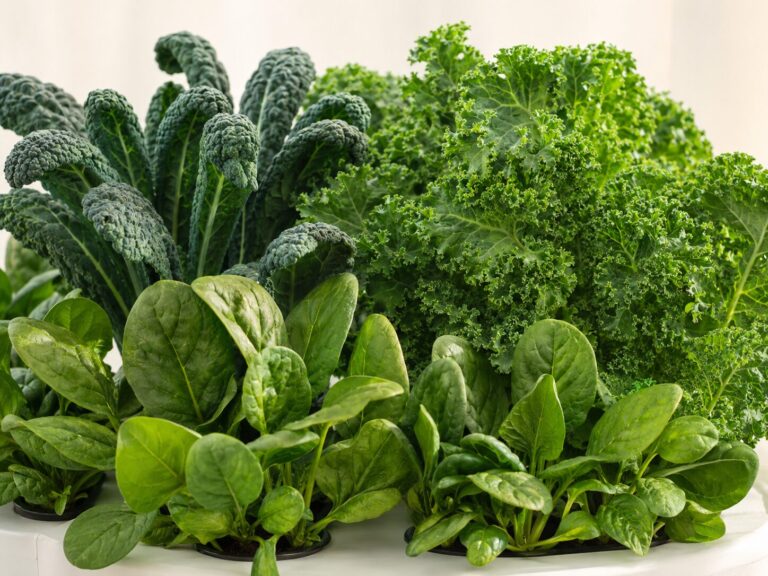
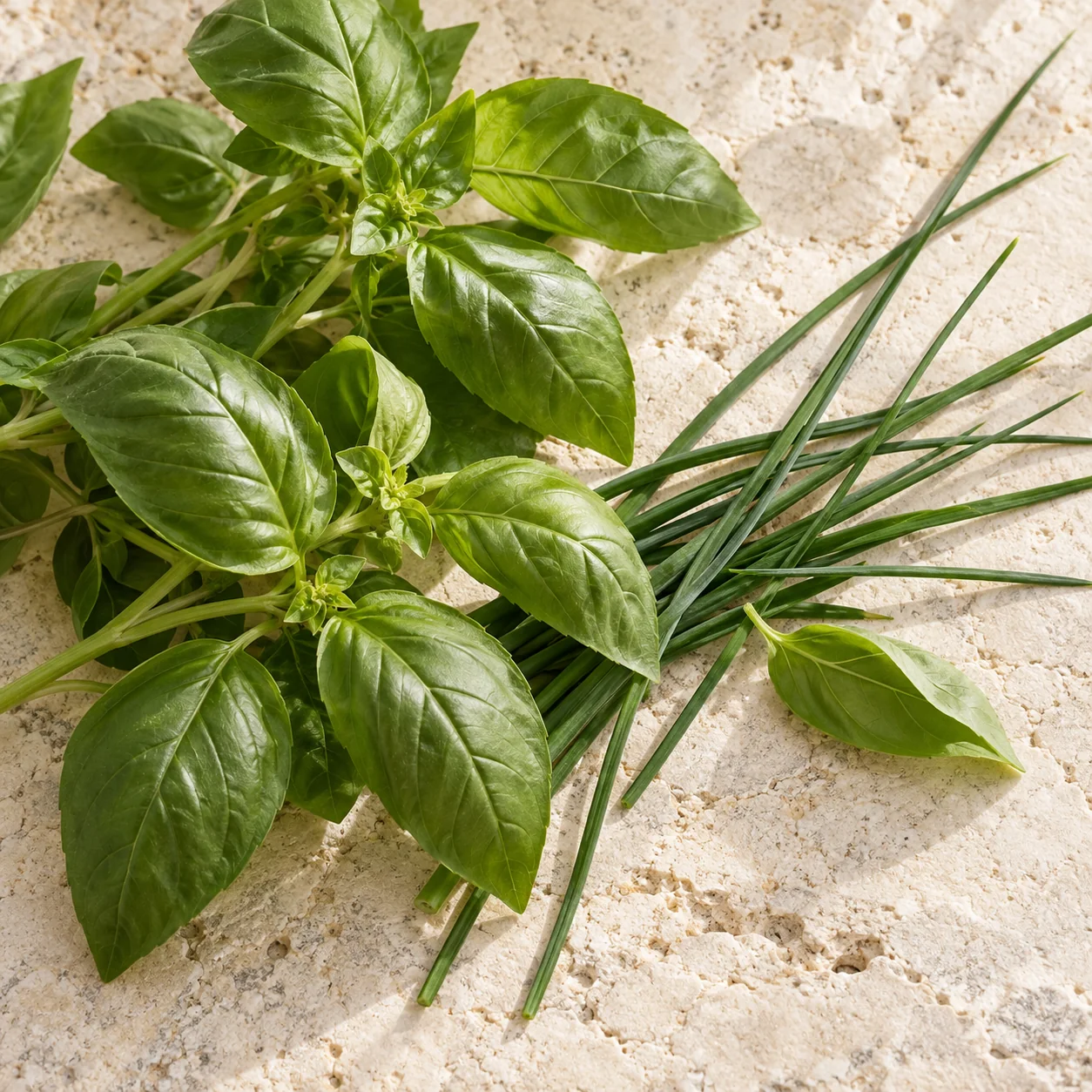
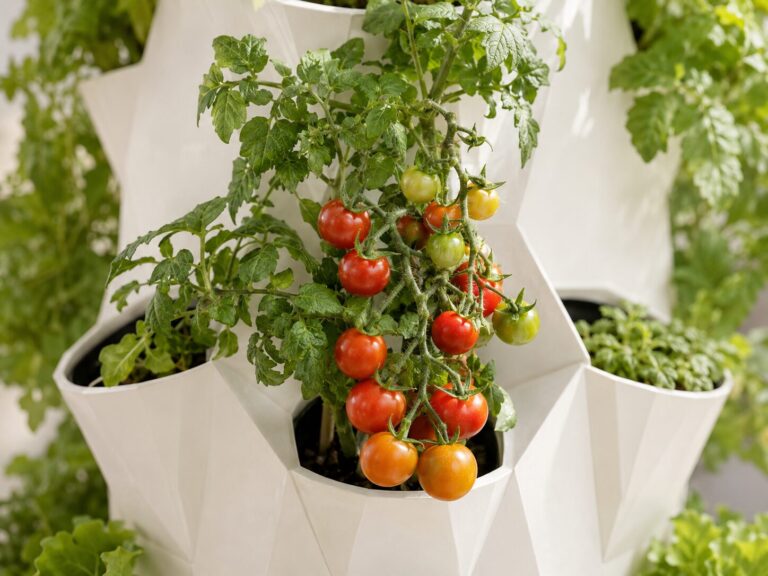
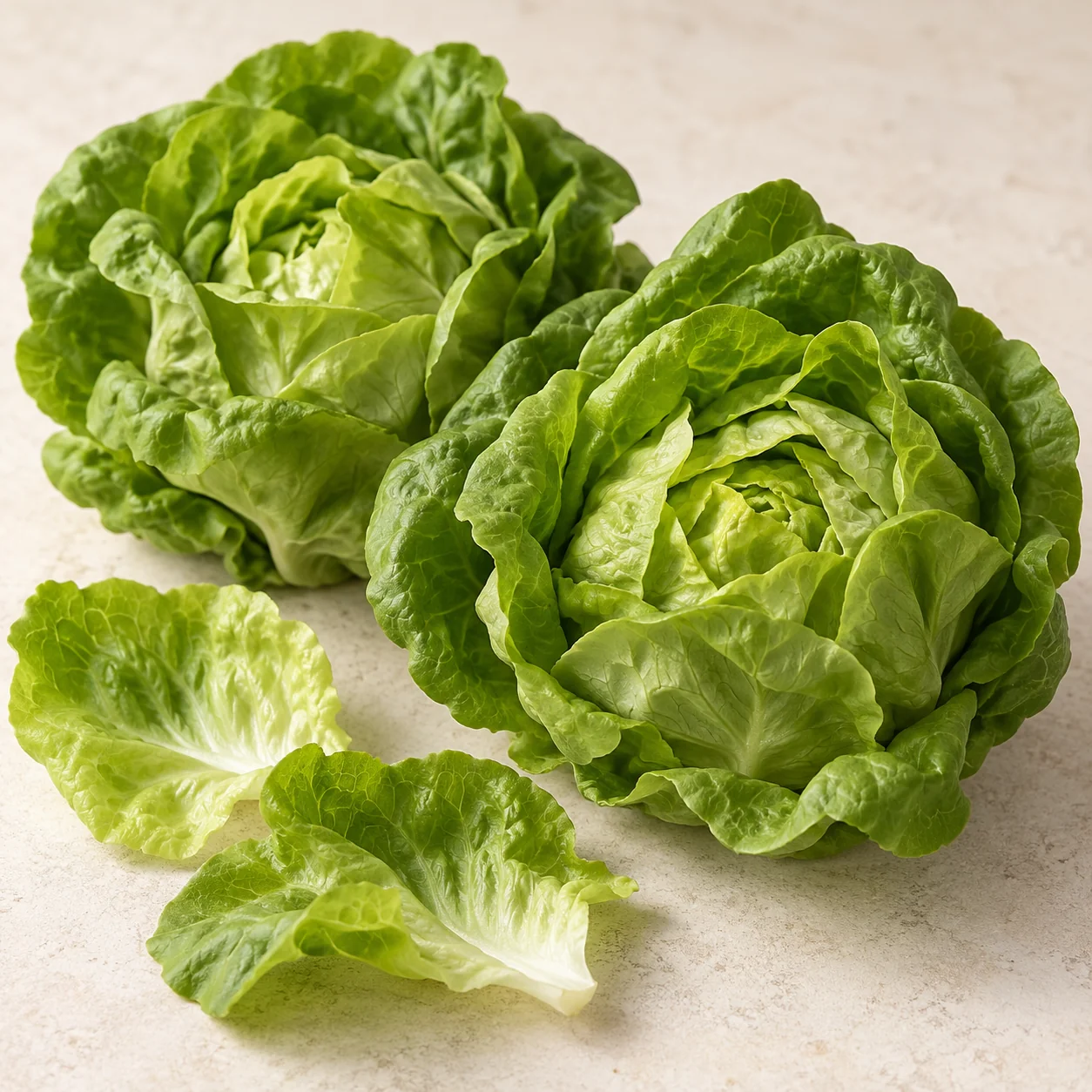
Not all. Leafy greens, herbs, strawberries, and some compact peppers or tomatoes thrive. Root vegetables like carrots and potatoes need soil depth and are better suited to traditional beds.
What kind of maintenance is required?
Check water levels weekly, clean filters every few weeks, and flush the system between growing cycles. If your system is automated, maintenance takes less than 15 minutes per week.
Are hydroponic nutrients safe?
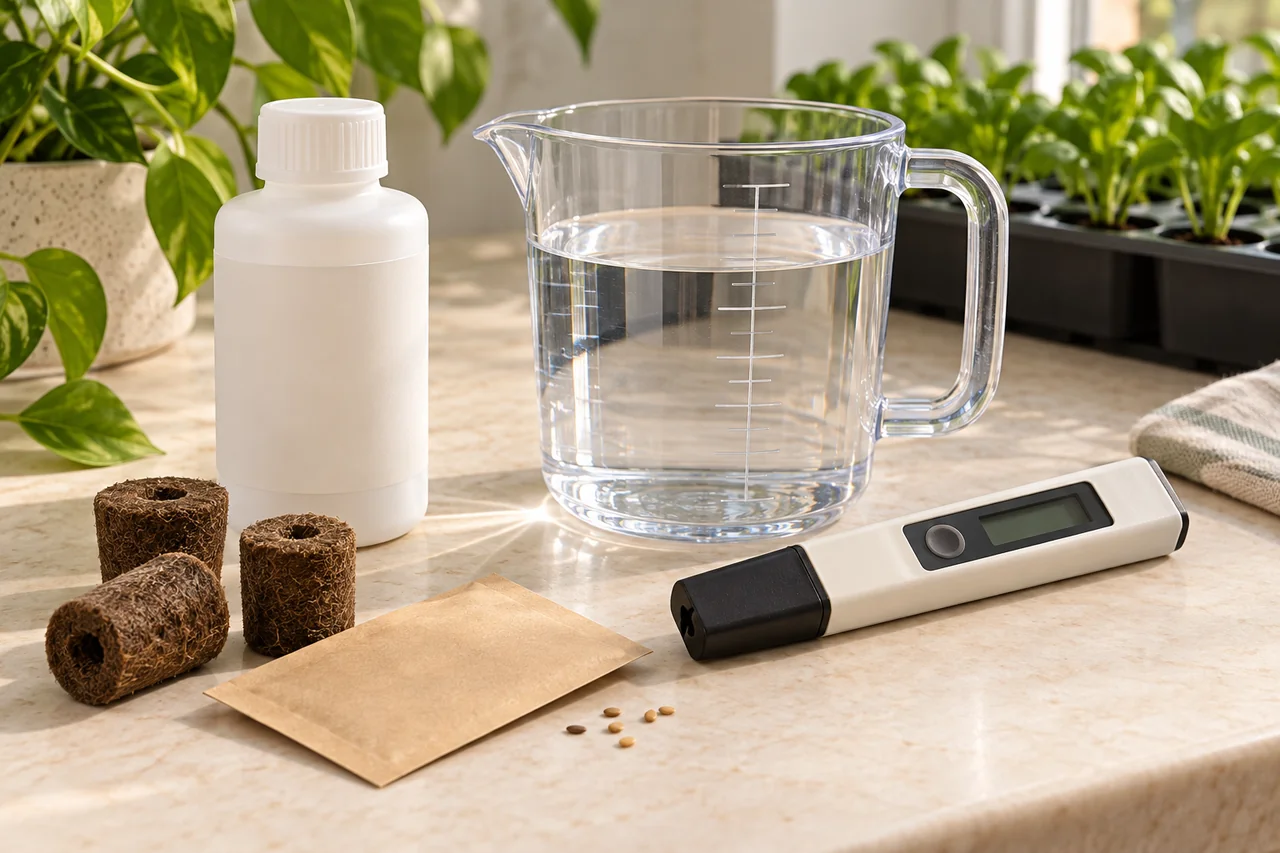
Yes, as long as you’re using hydroponic-grade nutrients. These are formulated to dissolve in water and be absorbed efficiently by plant roots
What’s electricity usage like?
If you’re using an indoor system with LED lights and a small pump, the energy consumption is low—comparable to a desktop fan and lamp combined.
Do towers make noise?
Most pumps are quiet, and water flow is gentle. You may hear a light trickle if your space is silent, but it’s more soothing than distracting.
Conclusion
Hydroponic towers are more than a smart gardening gadget—they’re a conscious design solution for a world where space, time, and trust in the food system are all in short supply. Whether you’re trying to eat healthier, shrink your ecological footprint, or simply enjoy the calm satisfaction of growing your own food, these towers make it possible—on your terms. And you can also use our Yield Calculator to check how much fresh produce you can grow!
They bring the farm to your home, but do so with the elegance, efficiency, and intelligence that modern living demands. At Nutraponics, we don’t see them as products. We see them as tools for change—one vertical harvest at a time.